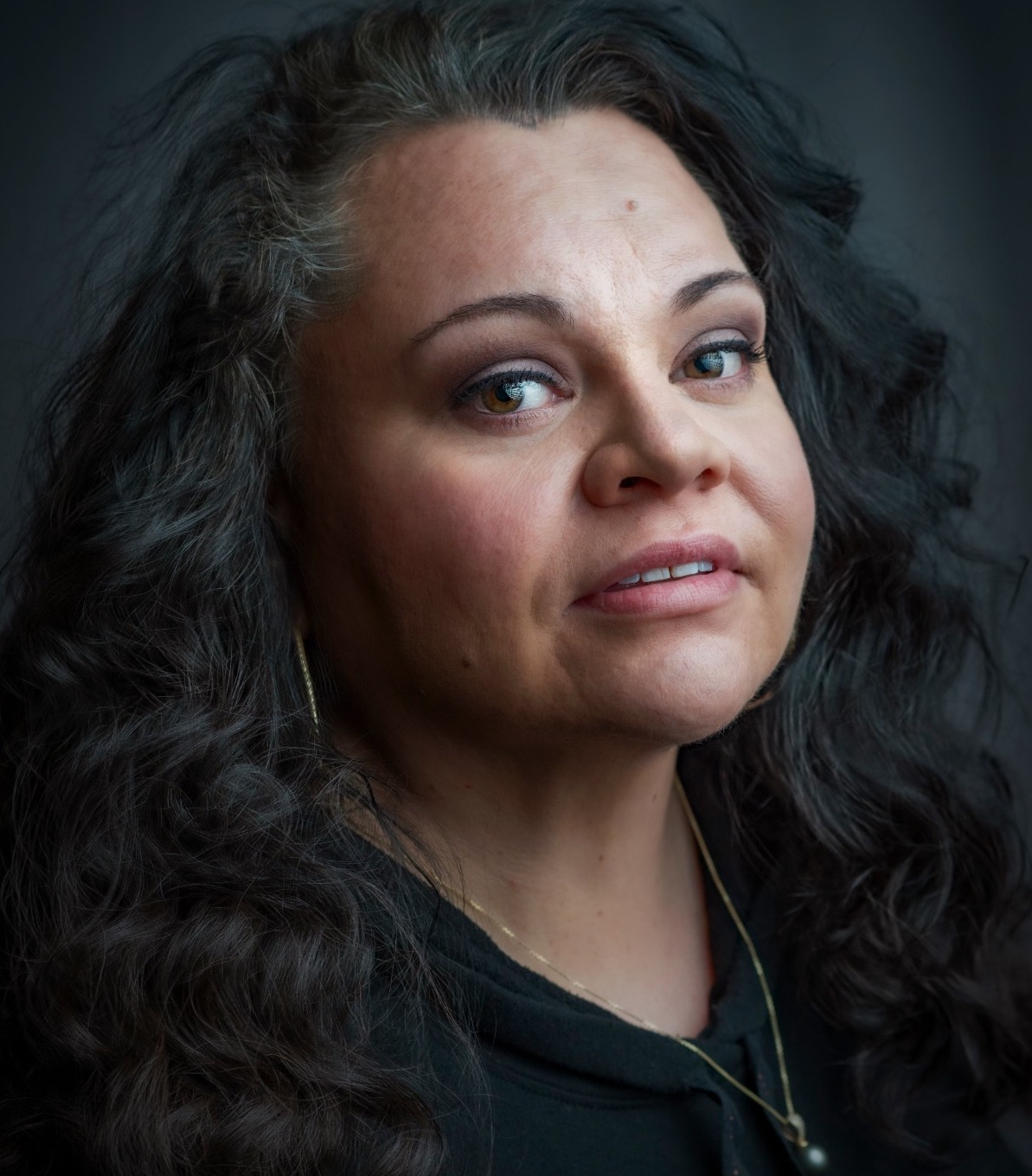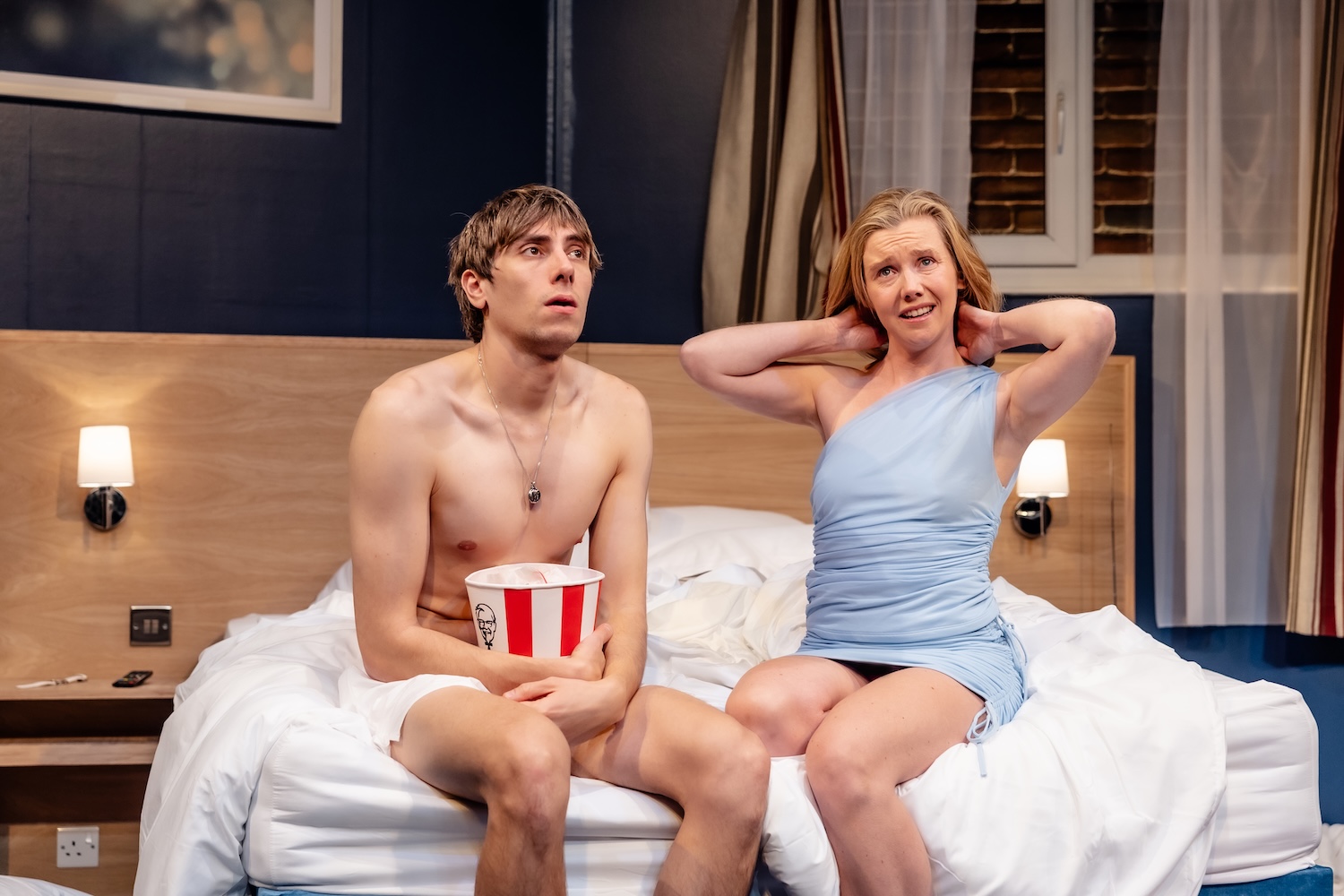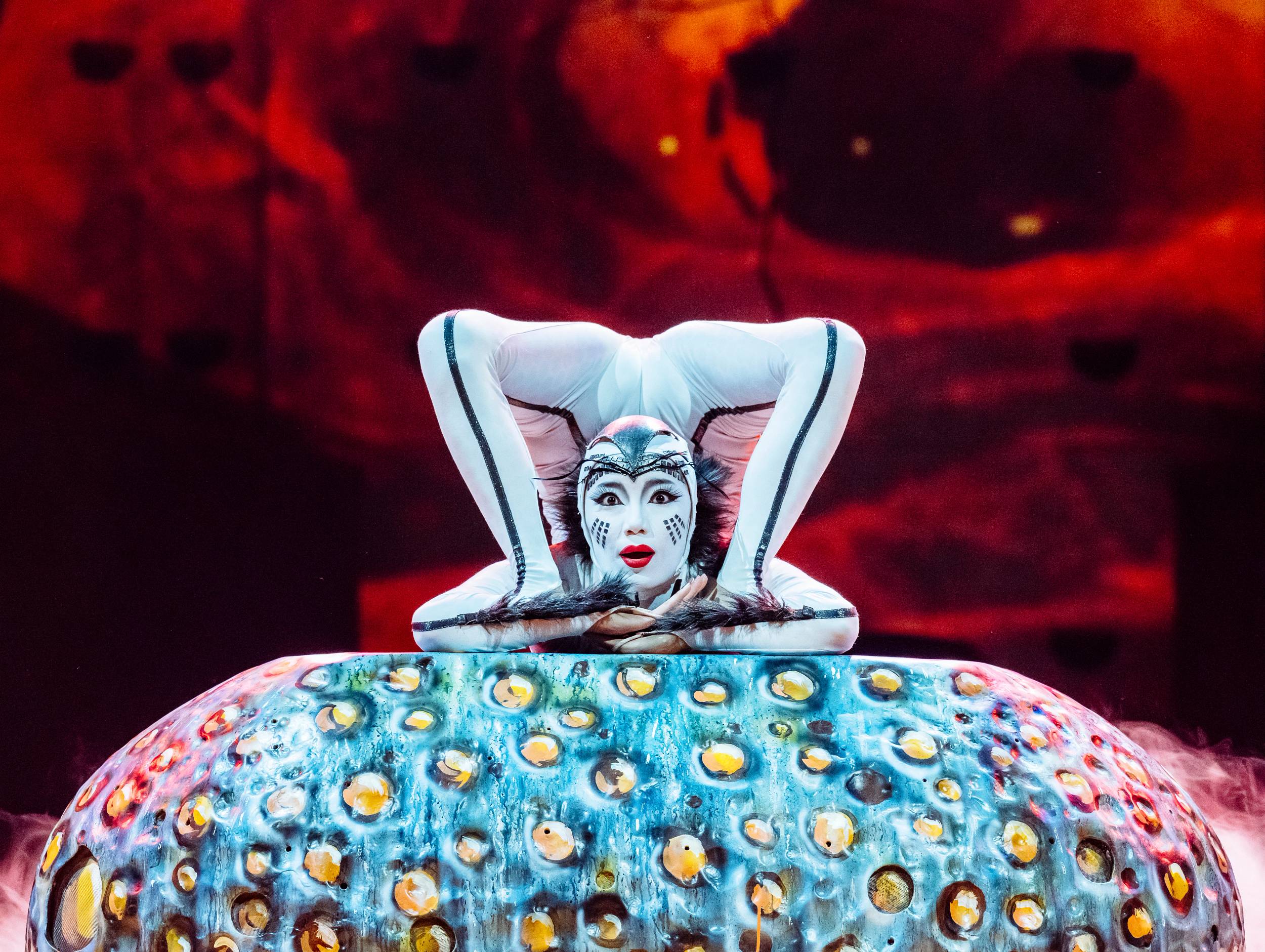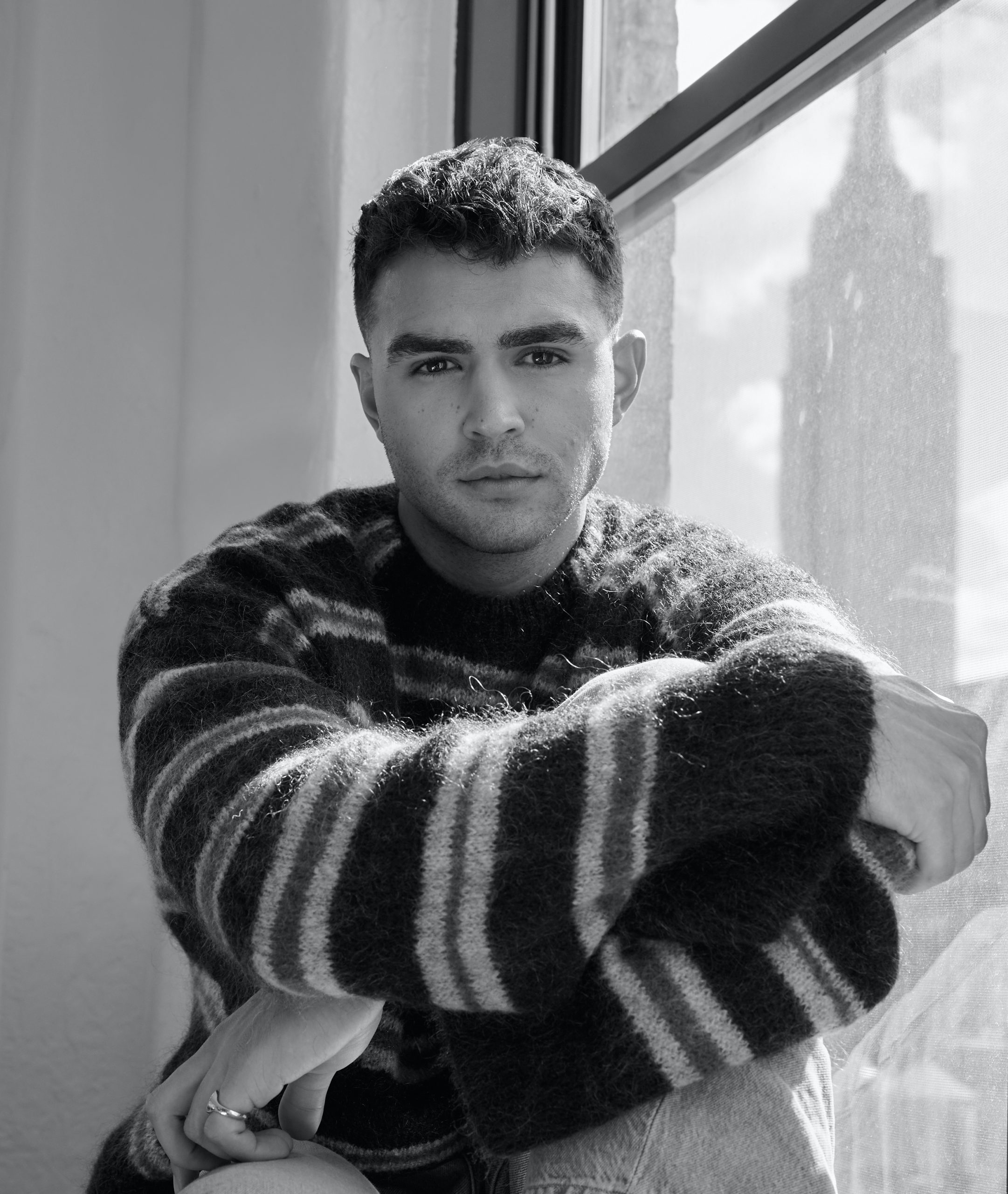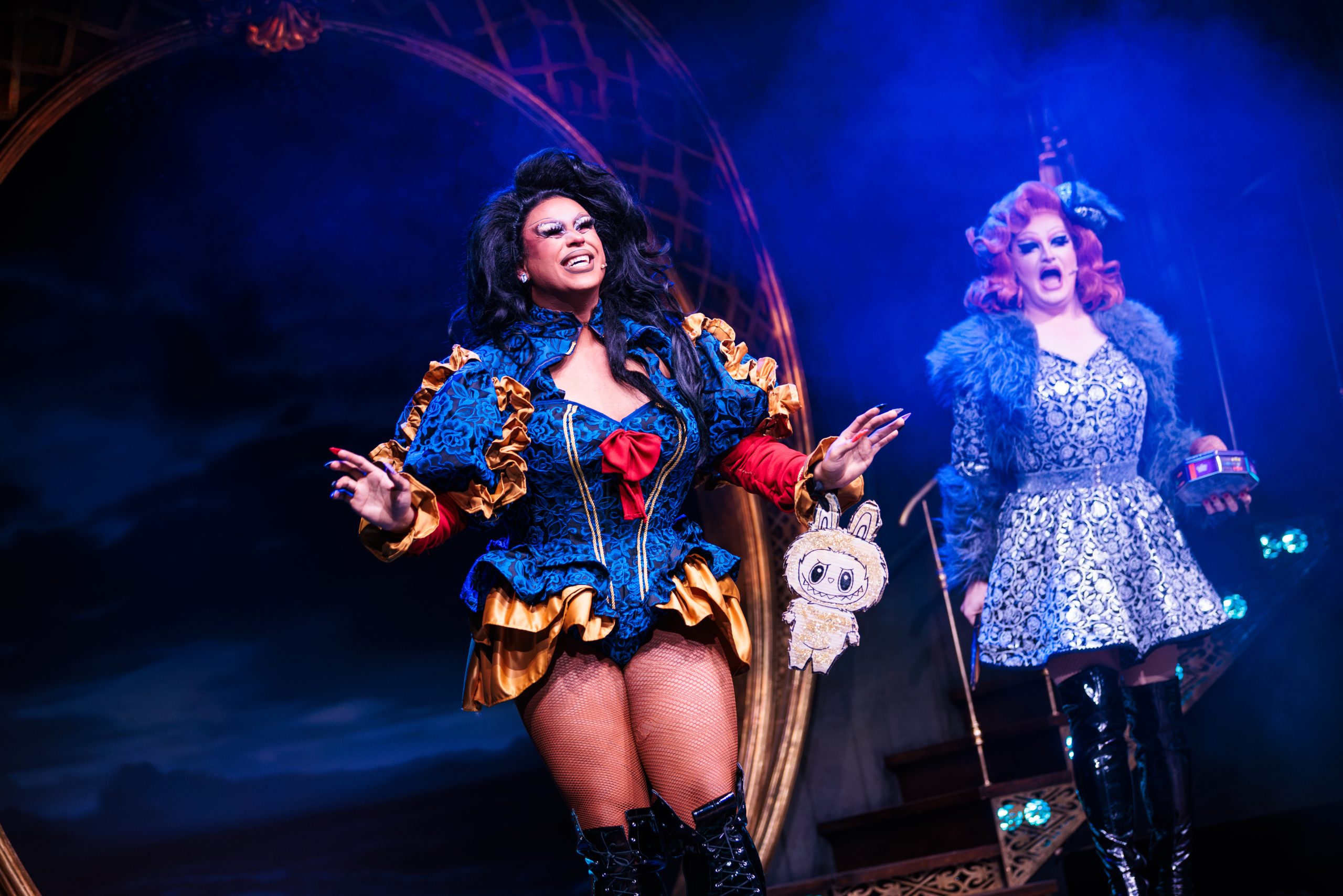
When I spoke to Tayris Mongardi, rehearsals for the 2025 Tuckshop panto – Snow White, at the Emerald Theatre – were still underway and opening night was looming fast. Since then, I’ve seen the show, and can happily report that it’s every bit as riotous, sharp, and joyfully unhinged as I’d hoped. The show is wonderfully silly, packed with brilliant performances across the board, and driven by a cast who clearly know exactly how to work an audience. There’s also an impressively committed physical feat from Kate Butch that very nearly had me falling off my chair with laughter.
I sat down with Tayris, the night before the first preview, to discuss stepping into a West End panto as Snow White, navigating Drag Race, and the freedom that comes with knowing exactly who you are as an artist – delivered with the same warmth, candour, and wit that Tayris brings to every performance.
So, you’re Snow White in the West End. How does it feel hearing that out loud?
It honestly feels full circle. It’s a dream come true, and unexpectedly calming.
One of the biggest things I realised on Drag Race is how solitary cabaret drag can be. Even when you’re working big gigs, you’re still responsible for everything: the concept, the look, the material. So getting to collaborate again has been genuinely grounding.
I first met the TuckShop team back in 2019, when they hosted the first season of the drag competition, The Crown. Looking back, that cast was wild – Sissy Lea, Dakota Schiffer, Vanity Milan – so getting to work with Chris and the team again years later feels really special.
Music was my life before drag, and musical theatre has always been a huge love of mine. Coming back to that world now, through drag and panto, feels like a collision of everything that matters to me. I keep thinking, what do I actually have to complain about? I’m here.
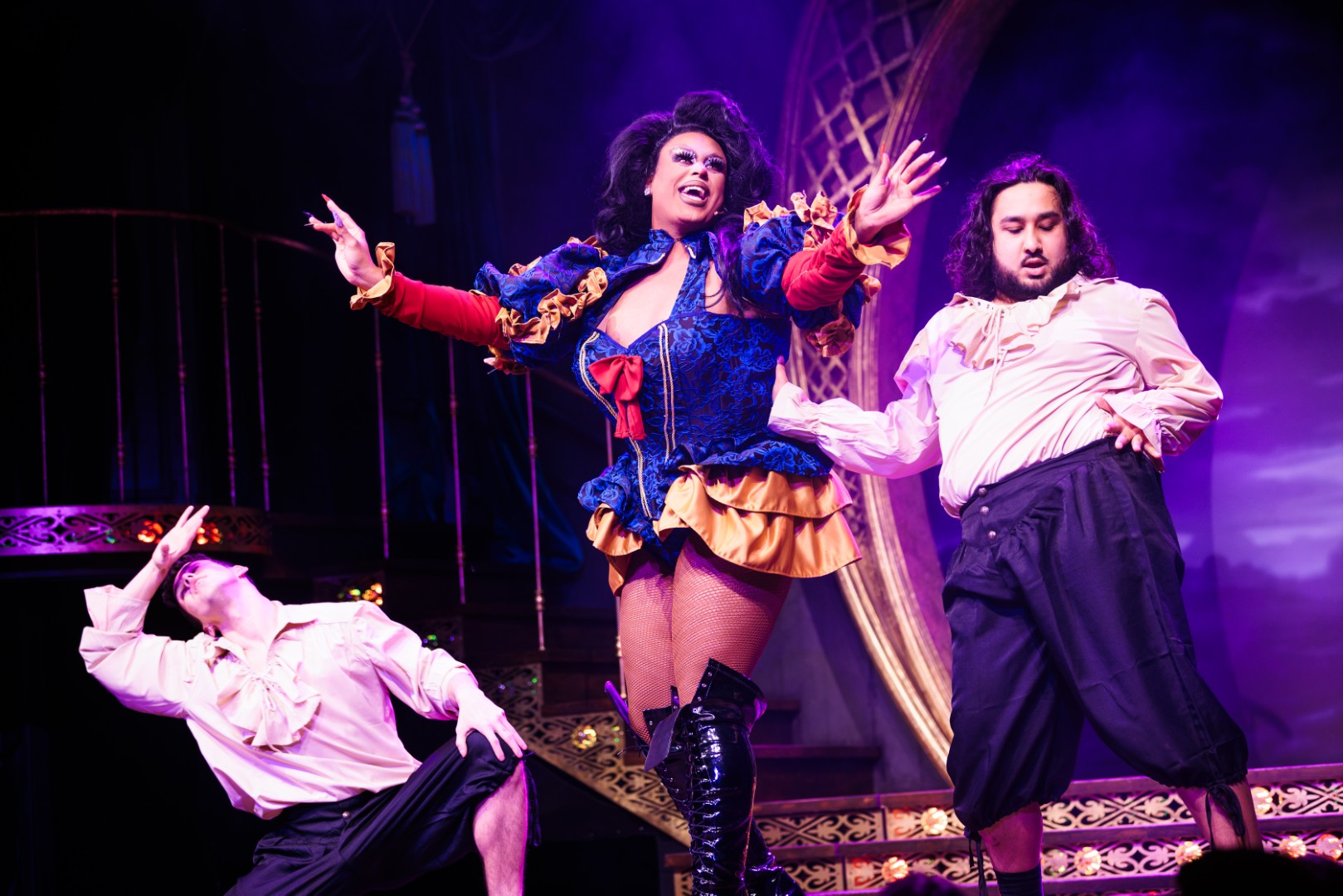
Have you performed in the West End before, or does this feel like new territory?
No, I never quite made it that far before, which is part of why this feels full circle. I started in musical theatre as a teenager and did a few professional bits before finding drag – pantos, adverts, bits and bobs.
When I was about 19, my mental health took a dive, and I felt increasingly boxed in by how prescriptive the industry can be about bodies. I still loved performing, but I needed an outlet that gave me autonomy.
That’s where drag came in. With drag, the look doesn’t exist until I put it on my body. That freedom changed everything. This project feels like the first time my love of musical theatre and my life in drag have properly met.
What kind of Snow White are we getting from you? How much Tayris is in the character?
That’s been one of the most enjoyable things to explore. Snow White, especially in panto, comes with a lot of established tropes – sweetness, innocence, that ‘oh hello everyone’ energy. But I walk on stage as a big Black man playing Snow White, and immediately you know we’re not being literal. The joke is already there.
That gives you freedom. It lets you ask what about this princess is actually essential, and what’s just tradition. What can you subvert, and where can you inject your own personality?
The rehearsal process has been intense – nine days from first rehearsal to opening night – but it’s felt genuinely collaborative. Rather than dictating a rigid vision, there’s been space to explore, which I’ve loved.
Nine days is wild. Did you have to turn up basically off book?
Not at all. We got the final script about a week before rehearsals, but Drag Race had just finished and I’d booked a much needed holiday. I didn’t touch it until the plane home, where I read it and thought, ‘this is actually really funny’.
It’s billed as ‘very adult, very hilarious, very demure’. Be honest – how demure is it really?
The demure part comes from the façade. Fairy tales are inherently quaint – they’ve got that clear beginning, middle, and end – but underneath that, this is very much an adult panto.
The script is absolutely gold. Kate and Crudi Dench have done an incredible job. There’s something for everyone – something for the dads, something for the kids… although the kids are very much not getting in the door.
It is a sexy delight. I wasn’t prepared for how vulgar some of it is. I was reading it thinking, ‘my mum is going to watch this! Jeez Louise, rice and peas, I cannot believe I’m saying this on a West End stage!’
It’s an all-drag cast as well, isn’t it?
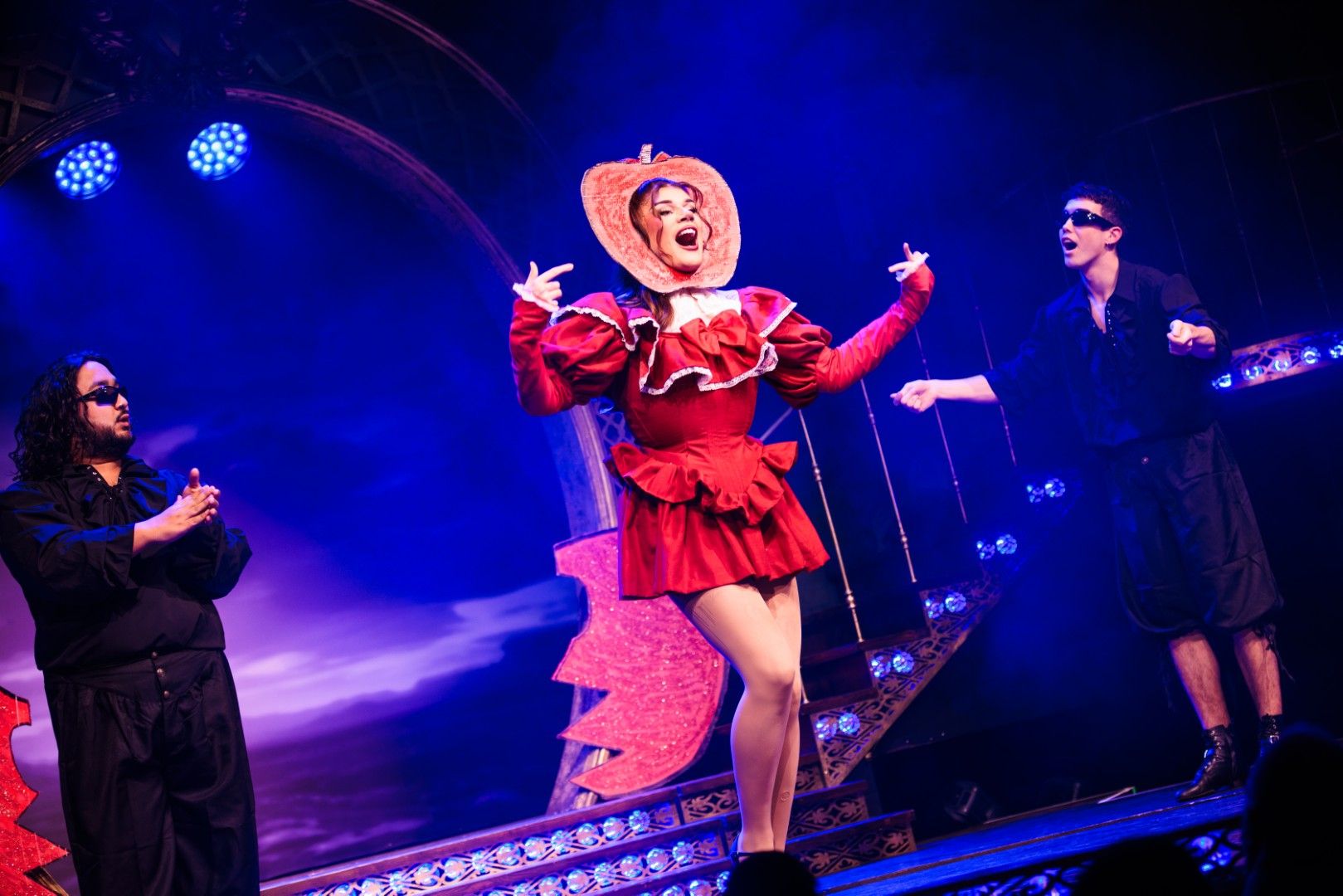
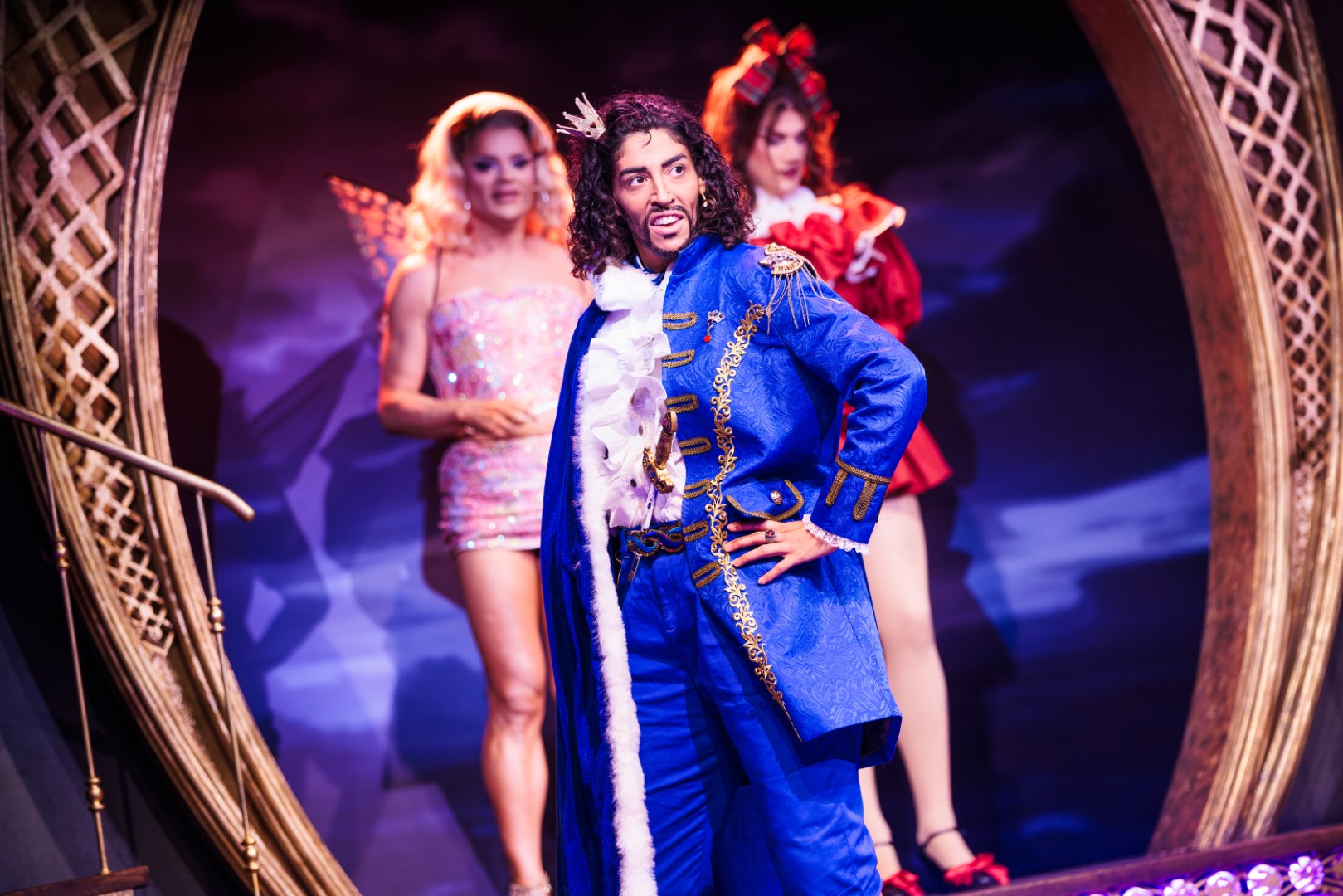
Mostly drag queens, plus drag king Oliver Clothezoff and a couple of dancers out of drag. A lot of the cast are people I already knew, which is just the nature of drag. If you work consistently, you cross paths.
Drag Race obviously opens doors, and I’m grateful for that, but this isn’t random. I’ve been doing drag for nine years, and these opportunities are the result of long-term work.
The cast is stacked. What’s the energy been like in rehearsals?
It’s electric. You’re working with people like Kitty Scott-Claus and Kate Butch, so the room is constantly buzzing.
There’s a strong work ethic because we’ve only had nine days to get the show on its feet. Everyone’s mindful of what people need, while remembering this is an adult panto. It’s meant to be fun. We’re here to laugh.


You mentioned on Drag Race that you’re classically trained. How much of that came into play on the show?
I always knew my strength was being a jack of all trades, which means you have to be strategic.
I considered classical singing for the talent show, but we’d seen it recently on other franchises, and I thought there’d be a Rusical later. That didn’t quite work out, but that was the logic.
I kept reminding myself you don’t know how long you’ll be there. If I only got one episode, I wanted to do something that genuinely stood out. That’s how the watermelon moment happened. No one has crushed fruit with their body on any franchise of Drag Race. That’s a skill.
I didn’t use classical singing on the show because I wanted to show variety. And in Snow White, it’s not really about that either. I’m singing a bit of RAYE, a bit of Scissor Sisters – I’m having a lovely time, but it’s not about vocal flexing.
You said Brighton queens never do well on Drag Race. Do you feel like you’ve flipped that narrative?
I think we have now. No one wants to be first out, but a lot of Brighton queens who went early before weren’t lip-syncers by trade. I lip-sync constantly at gigs, so I felt confident in my strongest skill.
We also hadn’t had a Brighton queen properly representing the scene for a while. I’d been working there consistently for five or six years, and a big part of my motivation was wanting more Brighton girls to get this opportunity. I want that success to ripple through the community.
You called yourself the Titan of Brighton. What did that title mean to you walking into such a high-pressure competition?
It came from a competition I hosted in Brighton called Titans, so it was already part of my world. When we were throwing around taglines on Drag Race, it stuck straight away. Production loved it.
Brighton has given me a lot, but there are queens there with bigger careers than mine. For me, it was about representing a scene that’s artsy, funny, talented, and doesn’t take itself too seriously. I felt a lot of pride carrying that with me.
You went from a bottom placement in week one to finishing in the top five. Where do you feel you really hit your stride?
Around week four. The first week didn’t go how I wanted, and the design challenge was never going to be my win. I did well in the girl group challenge, but emotionally I hadn’t bounced back from being in the bottom.
The turning point was my mirror conversation during the acting challenge, where I spoke about my experiences in care. That cut through everything. Whether you had the best frock that week suddenly felt irrelevant.
After that, I felt lighter. I’d already left something meaningful behind, no matter what happened next, and the following week I landed in the top. Something clearly shifted.
Sharing your experience of care on the show, and then meeting Dani Harmer, felt incredibly powerful. What did that moment clarify for you about why you do drag?
That moment meant everything to me. Tracy Beaker was huge for me growing up, and meeting Dani Harmer, as someone who’d been through the care system, felt incredibly validating.
Drag Race gives you visibility, but what sustains a career is what you do with it. I want the gigs, of course, but I also want purpose. Drag is political, whether you intend it to be or not.
I’m aware of my privileges as a cis man in drag, and that not everyone gets the same grace. That’s part of why highlighting my Blackness and my experiences mattered so much to me. I want my drag to have meaning that lasts beyond my season airing.
Even watching it back now, I feel nothing but pride. Being eliminated didn’t feel great at the time, but I don’t regret a single thing.

I have a few questions from fans in the Drag Race Central Facebook group.
Michael Troy asked: what’s one detail in your drag makeup or technique that fans never spot, but you wish they did?
I kind of like that people don’t always spot everything, because part of drag is the blended illusion. One thing I used to do, and don’t so much anymore, was put foundation on my ears. When people’s ears go bright red from heat or cold, it can be jarring next to a neutral face. It’s tiny, but it mattered to me.
Jamail Douglas asked what it was like being the only queen of colour for so much of the season.
I put a lot of unnecessary pressure on myself, and I think that fed into me struggling later on. When you watch the show, time feels spread out, but we filmed everything in about a month. So within roughly thirty-six hours, I went from being in a room with other people of colour to suddenly being the only one left. That was a bit of whiplash.
It lit a fire in me, but not always in a healthy way. I felt like I had to over-represent, to carry something on my own that I didn’t actually need to carry. When I was eliminated and got emotional, it wasn’t really about leaving. It was about feeling like I’d let something down. Ru and the judges were really kind and reminded me that wasn’t mine to hold.
I was very intentional with my runway package. Apart from the Christmas look, which was just a nice outfit, everything else meant something. Whether it was about my Blackness, my queerness, or my lived experience, it mattered to me. I do think I stopped having fun at points, which is a shame, but I’m proud of how I represented myself. And I love that Drag Race can hold space for so many different kinds of stories.
Let’s talk about the showmance. You and Catrin had great chemistry. What was that connection like for you?
It was just really pleasant. People ask if that kind of connection is distracting in a competition, but I don’t think it was. You’re not spending all your time together anyway. The only difference is that you might be holding hands while you’re chatting.
It’s an intense environment, and it’s nice to have someone to lean on while you’re balancing friendship and competition. I’m really grateful for the experiences we shared. Obviously, if I could change one thing, I wouldn’t have her send me home, but that’s the game. She’s a lovely girl.
Lip-syncing against someone you’re close to must have been brutal. What was going through your head?
We both knew it was possible, especially since neither of us had a badge. But we were clear with each other that neither of us should hold back. Taking it easy would have been doing each other a disservice.
I’d known her a few weeks. I’d lived in my own body for twenty-eight years. I was always going to be my own priority, and vice versa. I’ve been doing drag for nine years. I wasn’t giving that up.
Catherine Wall from the FB group asks: did you take any souvenirs from the workroom?
Yeah. I took wig heads. I took supplies. I took a sewing machine.
They didn’t give me twenty-five grand, so I thought, ‘I’ll make it back.’ There were also things they explicitly let us take, like our Rusical costumes. They were going to bin them anyway. I’ve still got the hat I wore as the Croc Destroyer. I took a lot of swag home.
Dalton Rideout Weeks asked: if you could go on any other reality TV show, what would it be and why?
The Apprentice. Absolutely. I’ve got professional acumen, the gift of the gab, and I can sell myself. I’d love the boardroom, the bickering, planning what ridiculous suits I’d wear. If there’s ever a charity special, get me on it. Drag or no drag.
Michael Troy also asked: if you could Frankenstein a look from three other queens’ wardrobes, whose pieces would you take?
I’d take the scale and silhouette of Silllexa Diction, because her proportions are incredible. For makeup, Morphine Love Dion, or keeping it UK, Bones. And for fashion, Shea Couleé. If I had to pick a UK girl, probably Tayce, though she works with much skinnier silhouettes than I do.

Do you feel Drag Race showed a full picture of who you are?
Yeah, I do. I’m probably more political than the show fully shows, but there’s only so much you can insert into certain challenges. A lot of my work involves spoken word or historical reference, and that doesn’t always translate.
I trusted the production and gave them a lot of myself. I think they showed a really rounded version of me, the tears, the fights, the joy. I can watch it back and understand exactly who I am in it.
If you could say something to ten-year-old Tyler, what would it be?
I’d tell him that the thing he’s so aware of, how different he feels, is exactly the thing that will become something to celebrate. My childhood was difficult. There were times when I didn’t know if we’d have food or electricity. But all of that gave me resilience and self-understanding.
Everything you’ve been through isn’t an obstacle, it’s an opportunity for growth. It all builds towards becoming a stronger, more articulate, creative person. Take the lows with the highs. You’ll be okay.
Finally, give people your elevator pitch. Why should they come and see Snow White at the Emerald Theatre?
It’s queer joy and pure entertainment. The cast, the writing, the pace, it’s fast, it’s filthy, it’s heartfelt, and it doesn’t take itself too seriously. We’ve worked incredibly hard, not just as performers but as collaborators.
From someone who was in the bottom two for the Rusical on Drag Race, this has been a dream come true. It’s genuinely my favourite thing I’ve done this year, including filming Drag Race. If that’s not a reason to come, you’ve got bad taste!
I was there for the press night and I can honestly say – she’s not kidding, it’s an absolute riot!
Snow White is playing at the Emeral Theatre until 4th Jan 2026. Book your tickets now at tuckshopuk.com
Words by Nick Barr
Photos by Harry Elletson