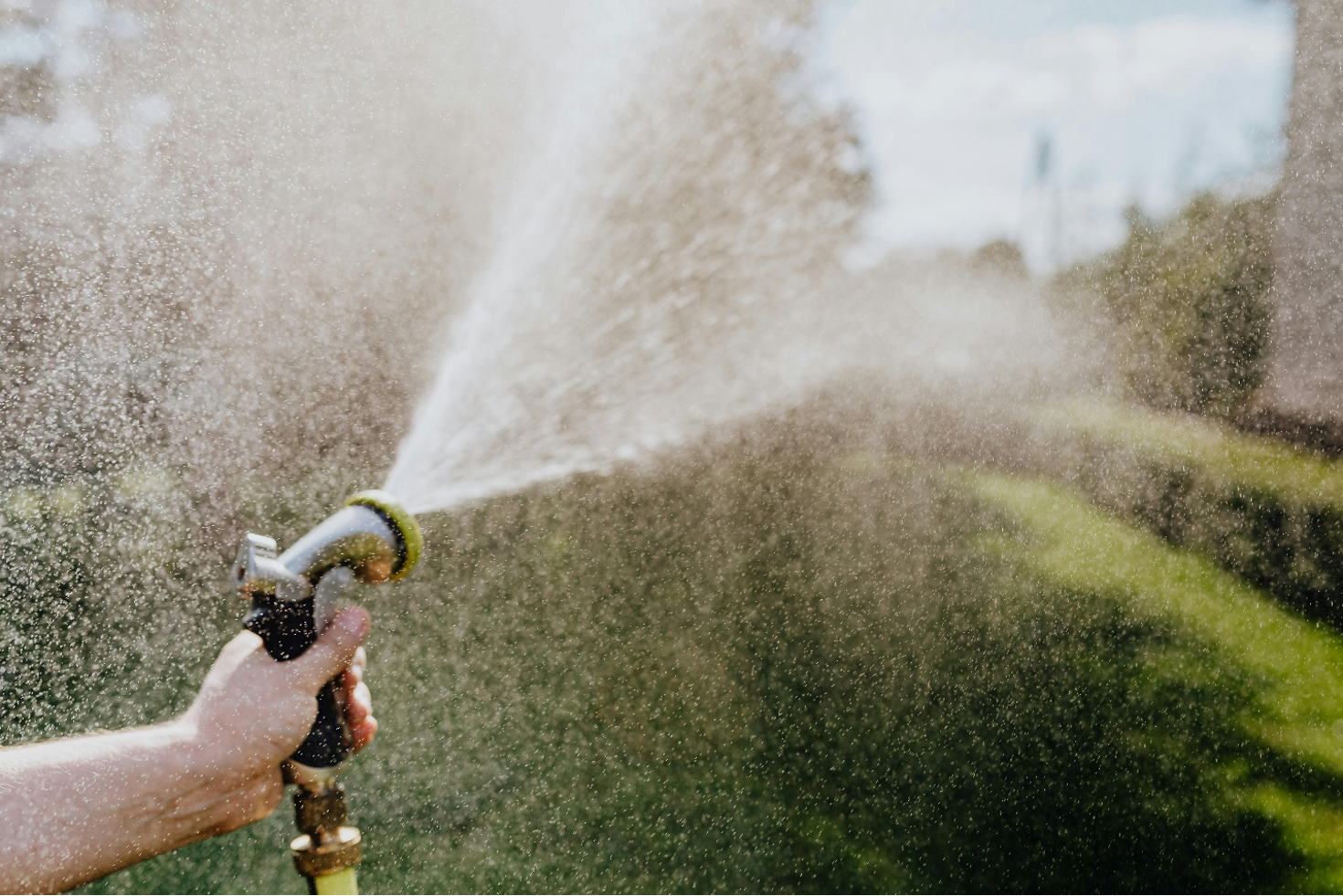
Water pressure usually fails right when everybody needs water at the same time. Someone starts the shower, the dishwasher turns on, sprinklers begin running outside, and suddenly the house feels like it is barely keeping up. A lot of homeowners live with these problems longer than they should because the real issue sits underground in aging pipes, outdated irrigation lines, or older well systems that were never designed for modern water use.
Most water infrastructure problems build slowly. Pipes wear down, irrigation systems lose efficiency, and wells struggle during dry months. By the time homeowners notice serious damage, repair costs are often much higher than expected, which is why many are upgrading systems earlier now.
Why More Property Owners Are Investing in Private Water Systems
A growing number of rural and suburban homeowners are looking for more control over their water supply, especially in areas where municipal systems are unreliable, expensive, or simply unavailable. Private wells and updated irrigation systems can reduce long-term utility costs while improving water access for daily household use, landscaping, and outdoor maintenance. The shift is not always about saving money either. Some homeowners just want consistency. They want stable water pressure, fewer restrictions during dry months, and systems that can handle larger properties without constant maintenance calls.
That interest has pushed many property owners into exploring their options more carefully than before. They look up water well drilling installation near me to find reliable options instead of simply relying on recommendations. Homeowners are trying to understand both the technical side and the practical costs before committing to a major upgrade. Water systems are not exactly cheap, so people tend to do their homework first.
Older Water Systems Struggle with Modern Property Demands
Many residential properties still rely on infrastructure installed decades ago. At the time, those systems probably worked fine. Homes used less water, irrigation setups were simpler, and fewer appliances depended on steady water pressure throughout the day. That changed quietly over time.
Modern households place heavier demands on plumbing and irrigation systems than older designs anticipated. Larger washing machines, automatic sprinkler systems, water filtration setups, outdoor kitchens, and even backyard additions all place extra stress on aging infrastructure. Sometimes the signs appear gradually. Water pressure weakens a little each year. Faucets sputter occasionally. Dry patches show up in the lawn because irrigation coverage becomes uneven.
Homeowners often treat these as isolated annoyances instead of signs of a larger system issue. Then, eventually, a pipe bursts underground, or the irrigation pump gives out during peak summer heat, which is usually when repair companies are busiest already. Upgrading infrastructure early tends to create fewer disruptions later. Replacing outdated piping, improving water storage systems, or installing updated irrigation controls can stabilize water use across the property. It also reduces waste, which matters more now because water costs continue climbing in many areas.
Irrigation Efficiency Matters More Than It Used To
Outdoor water use gets more attention now because utility bills keep climbing, and drought restrictions show up more often than they used to. Older sprinkler systems waste a surprising amount of water through underground leaks, uneven spray patterns, and outdated timers that keep running even after heavy rain. Many homeowners do not notice the problem until parts of the lawn start drying out while other areas stay soaked.
Newer irrigation systems work more efficiently because they use moisture sensors, smarter scheduling, and better pressure control. They also make leaks easier to spot before water gets wasted for months underground. That matters more now as homeowners move toward lower-maintenance landscaping and outdoor spaces that depend on smarter watering instead of constant watering.
Water Quality Affects Daily Life More Than People Think
Water quality problems usually creep in slowly enough that people stop noticing them. A strange taste, cloudy water, stains around sinks, or mineral buildup inside appliances often gets brushed aside for months. Over time though, those issues can damage plumbing, shorten appliance lifespan, and make everyday water use feel off in ways homeowners cannot always explain right away.
Private wells need regular attention because groundwater conditions shift over the years. Sediment changes, filtration systems wear down, and hard water quietly damages dishwashers, washing machines, and heaters from the inside out. Better infrastructure helps keep those problems under control while also improving property value, especially in areas where buyers pay close attention to long-term water reliability.
Property Owners Are Thinking More Long Term
Homeowners used to spend most of their renovation budgets on things people could actually see, like kitchens, flooring, or landscaping. Water infrastructure stayed out of sight and mostly out of mind unless something failed badly enough to flood the yard or kill the pressure inside the house. That thinking has started to shift. Higher utility bills, dry seasons, and costly emergency repairs made people pay more attention to the systems working quietly underneath the property.
Contractors notice it too. More homeowners ask about pump performance, irrigation efficiency, filtration systems, and long-term maintenance before starting projects. A reliable water system rarely gets noticed when it works properly, but people remember very quickly when it stops working the way it should.