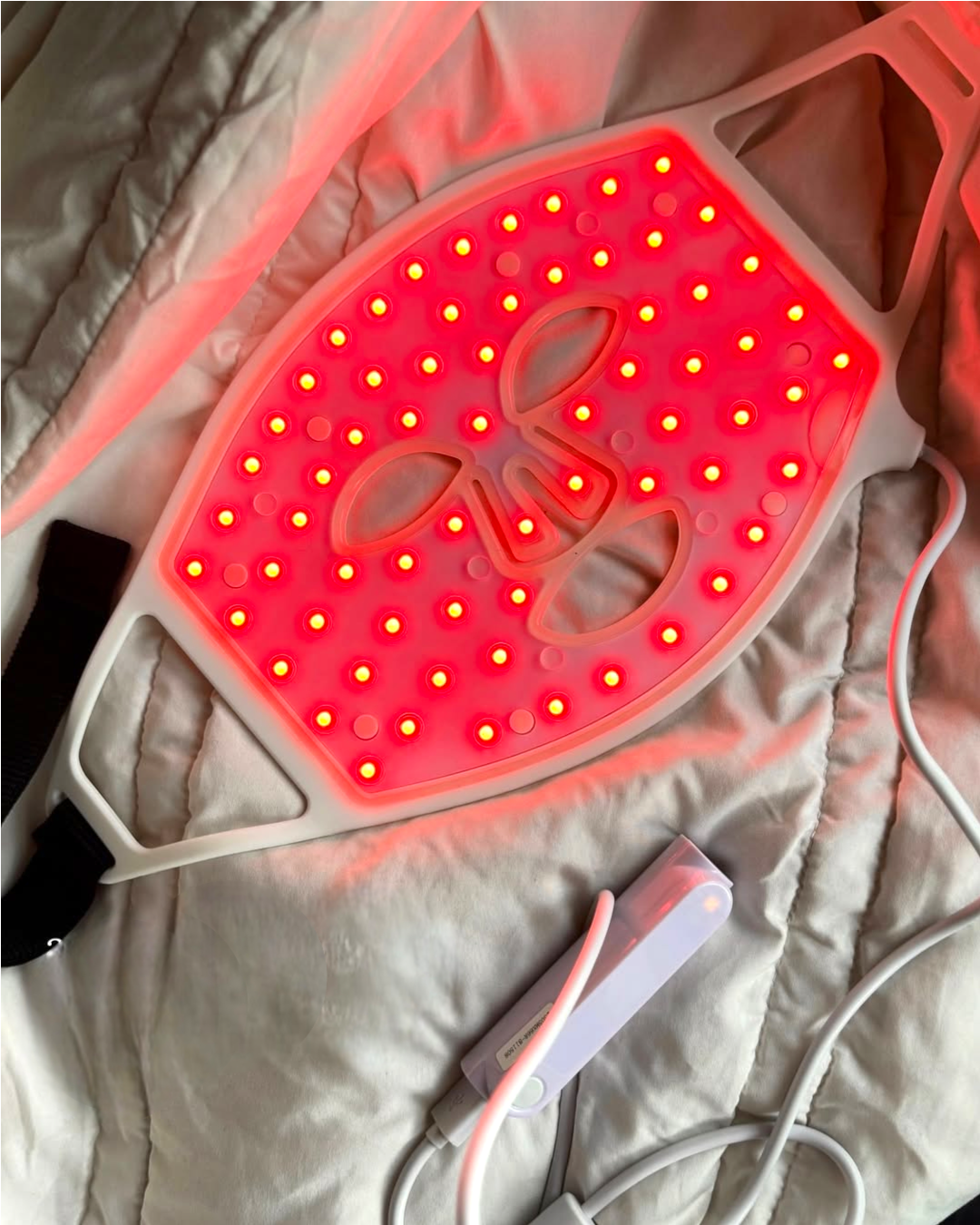
I’ll be honest: I’ve been using LED masks for months (I tested the best ones on the market) without paying much attention to what goes on before or after. I’d apply whatever serum was nearby, sometimes skip it entirely, without realising I could be getting so much more from them. It wasn’t until a dermatologist flagged that if LED is boosting cellular activity and making skin more receptive, what you’re applying actually matters. As Dr Linda Xing, cosmetic physician, told me: “After LED, the skin’s ATP levels rise — that’s when it becomes more receptive to ingredients that support repair and regeneration.”
Once I started treating LED as a two-part routine, hydration before, targeted actives after, everything changed. My skin looked plumper during sessions, the glow lasted longer after them, and the cumulative results finally became consistent instead of unpredictable.
Meet The Experts
Dr Linda Xing — Dermatologist & Skin Surgeon
Dr Linda Xing specialises in regenerative skin treatments and light-based therapies, and her approach to LED is rooted in photobiomodulation science. She explains that red and near-infrared wavelengths stimulate mitochondria — the part of the cell responsible for energy production, increasing ATP, the fuel used for repair.
“When ATP rises, the skin becomes more efficient at healing, regulating inflammation and absorbing topicals,” she says. “That’s why timing matters. You want hydration beforehand, and targeted actives afterwards, when the skin is most receptive.”
She also notes that some ingredients physically block light and should never be applied pre-LED: sunscreens, tinted products, and anything with mineral pigments. While LED is safe for most skin types, she recommends shorter sessions for melasma-prone individuals to avoid unnecessary heat exposure.
Anastasia Koles — Aesthetic Nurse & Founder of ALTA Medispa
altamedispa.com | @altamedispa
With a clinical focus on skin regeneration, Anastasia treats LED as the foundation of many of her protocols, but only when it’s paired with the right products.
“LED works best on clean, hydrated skin,” she explains. “Before treatment, keep it basic — a lightweight hyaluronic acid serum is ideal. Post-treatment is where you can really maximise results with peptides, niacinamide or growth-factor serums because cellular activity is heightened.”
She also emphasises safety for darker or pigment-prone skin: “LED is incredibly safe, but overuse can create low-grade heat, and heat is a trigger for melasma. Stick to recommended timings and avoid devices that run too warm.”
Kate Kerr — Advanced Clinical Facialist & Founder of Kate Kerr London Clinic
katekerrlondon.co.uk | @katekerrlondon
Kate Kerr is known for her clinically-driven, results-oriented facials, and her LED philosophy is straightforward: the cleaner the skin, the better the light works.
“In clinic, I always perform LED on completely clean, dry skin — no serums underneath — because you want light to penetrate without obstruction,” she says. “Once the treatment is complete, that’s when you tailor your serums. Blue light pairs beautifully with salicylic or azelaic acid for breakouts, while red light sessions benefit from peptide or retinol-based rejuvenation.”
Her biggest tip for at-home LED users: consistency beats intensity. Short, regular sessions yield better results than sporadic long ones.
What You Can and Cannot Use Under an LED Mask
“LED works through photobiomodulation — red and near-infrared wavelengths boost ATP, the energy your cells use for repair. When ATP rises, the skin becomes more receptive to the ingredients you apply afterwards.”
— Dr Linda Xing, Cosmetic Physician
LED increases cellular activity and micro-circulation, which means your skin becomes more receptive to everything, both good and bad. The key is knowing what to apply before (to help the light work) and what to save for after (to maximise results without irritation).
Safe before LED: Hydrating serums only — hyaluronic acid, glycerin, lightweight essences. These help with conductivity and comfort without interfering with light penetration.
“Before your session, avoid sunscreen and anything that physically blocks or scatters light. Even mineral pigments can interfere with LED absorption.”
— Dr Linda Xing
Avoid before LED: Retinol, acids (AHAs/BHAs), vitamin C (L-ascorbic acid), benzoyl peroxide, heavy oils, anything exfoliating or potentially irritating. LED amplifies everything, including irritation.
Best after LED: Peptides, niacinamide, targeted treatments for pigmentation or aging, barrier-support serums, and yes even retinol or vitamin C if your skin tolerates it. Your skin is primed and receptive post-LED.
Can I use skincare products on my face before I use an LED mask?
The before-LED question always trips people up. Yes, you can use skincare beforehand, but only certain types.
The simple answer: stick to lightweight, hydrating serums before LED. Think hyaluronic acid, glycerin-based products, or watery essences. These don’t block the light wavelengths and can actually help with conductivity and comfort during your session.
The longer answer: professional LED treatments in clinics are typically done on completely clean, dry skin because the devices are more powerful and the wavelengths need clear access. At home, though, most LED mask brands recommend (or at least allow) a thin layer of hydrating serum beforehand. The lower intensity of at-home devices means a bit of hydration won’t interfere, and it makes the experience more comfortable, especially if you’re using your mask daily.
What you absolutely shouldn’t use before LED: anything active or potentially irritating. Retinol, acids, vitamin C, and exfoliating treatments should always come after your session, not before. LED increases cellular activity, which means it also amplifies irritation. Save the strong stuff for when your skin is primed and receptive post-treatment.
The rule of thumb: if it’s just hydration, you’re fine. If it does anything beyond that, exfoliates, brightens, treats, renews, save it for after.
Before LED: Hydration Only
Keep it simple before your session. You want lightweight hydration that won’t block the light but will make the experience more comfortable and help with conductivity
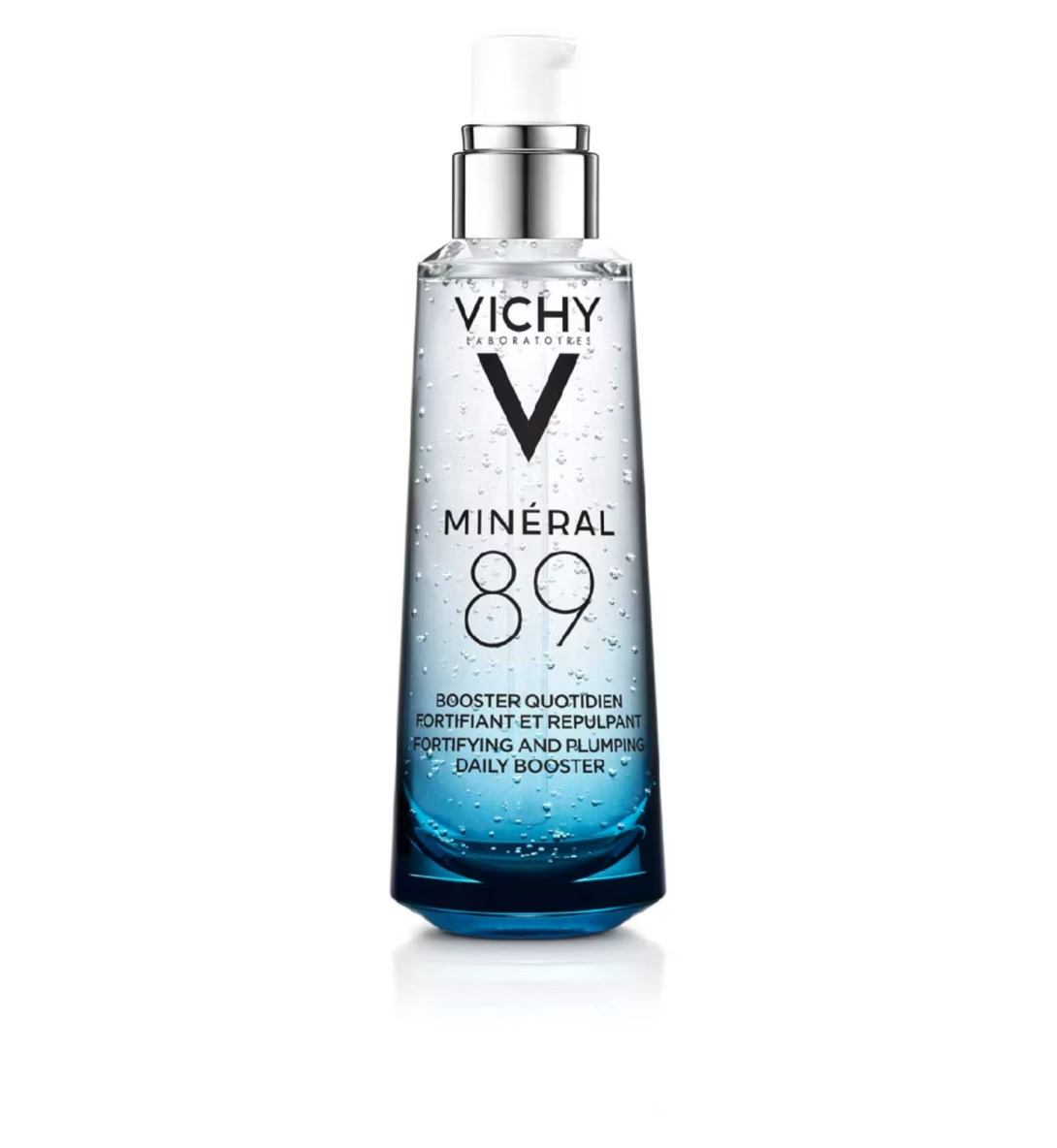
Vichy Mineral 89
Feels like applying water but delivers serious hydration. The texture is so light it’s almost unnoticeable, which is exactly what you want under a mask. Strengthens the barrier too, especially good in winter when skin gets tight.
Where to Buy: boots.com – £35 / 75ml
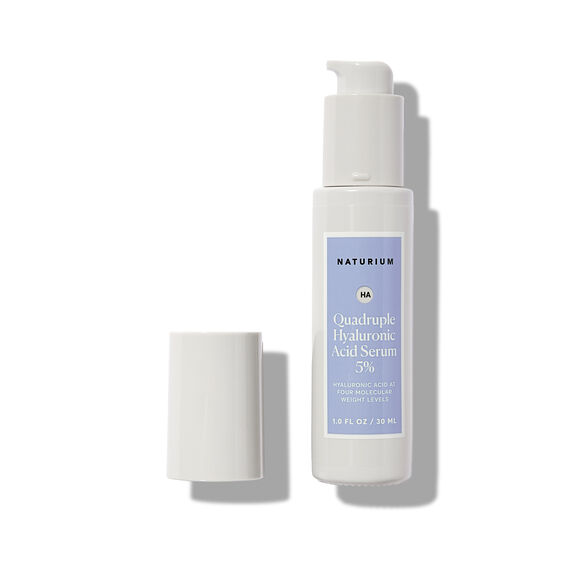
Naturium Quadruple Hyaluronic Acid Serum
Four different weights of HA for hydration at every layer of skin. Layers beautifully under LED without feeling heavy or interfering with the light.
Where to Buy: spacenk.com – £18 / 30ml
“In clinic, I always carry out LED treatments on clean, dry skin because it allows the wavelengths to work as effectively as possible. Hydration comes after — never before.”
— Kate Kerr, Advanced Clinical Facialist
Medik8 Hydr8 B5 Serum
A no-nonsense HA serum that immediately plumps and softens skin. Perfect texture for LED as it absorbs fast and never feels sticky.
Where to Buy: medik8.com – £45 / 30ml

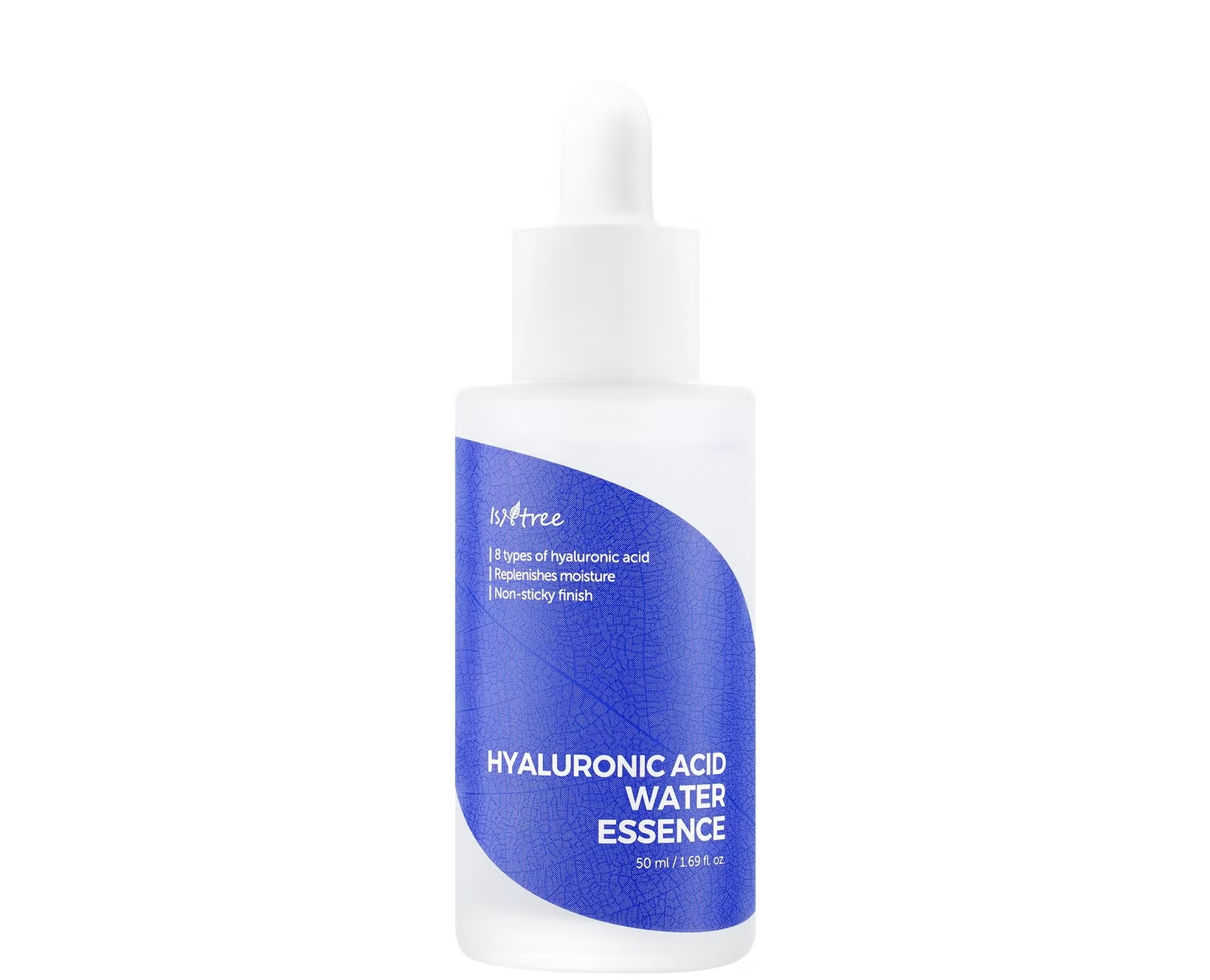
Isntree Hyaluronic Acid Toner
A super-thin hyaluronic essence that disappears into the skin instantly. Keeps skin plump without any residue, making it a perfect LED prep step.
Where to buy: lookfantastic.com – £27 / 50ml
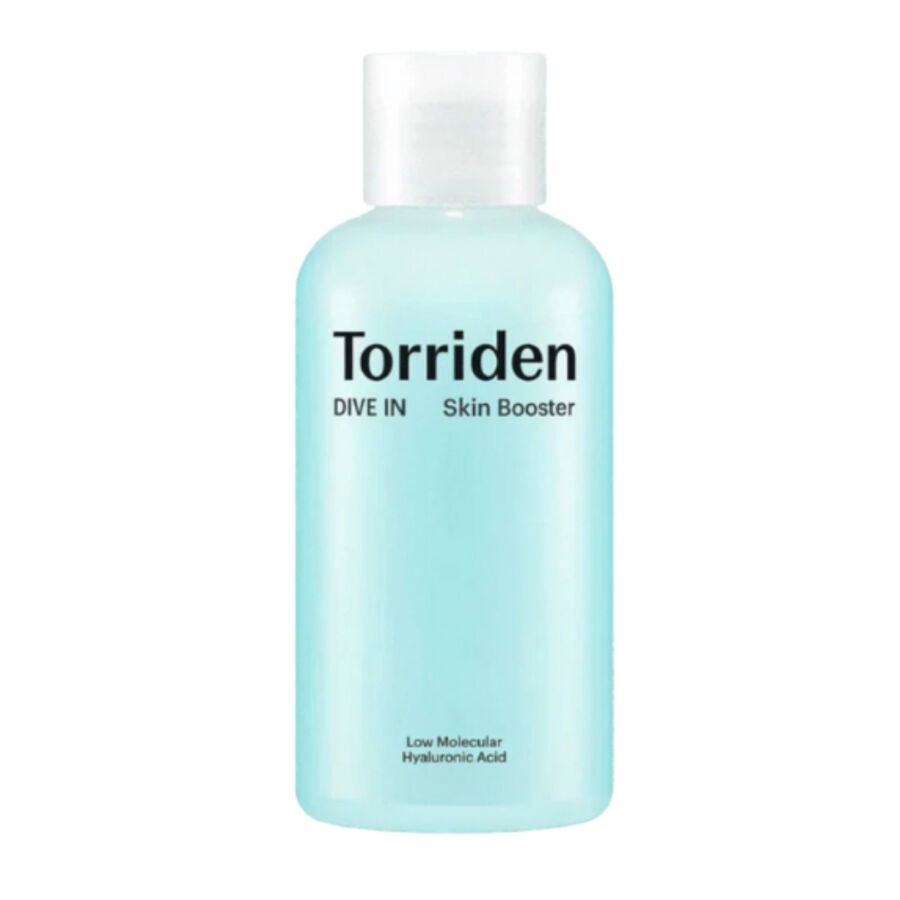
Torriden Dive-In Low Molecular Hyaluronic Essence
Ignore the boring bottle, what’s inside is brilliant. This uses low molecular weight hyaluronic acid that actually penetrates rather than sitting on the surface. The watery texture absorbs in seconds without tackiness, ideal for those 2-3 drops before LED when you need hydration that won’t interfere with light.
Where to buy: pureseoul.co.uk – £16 / 200ml
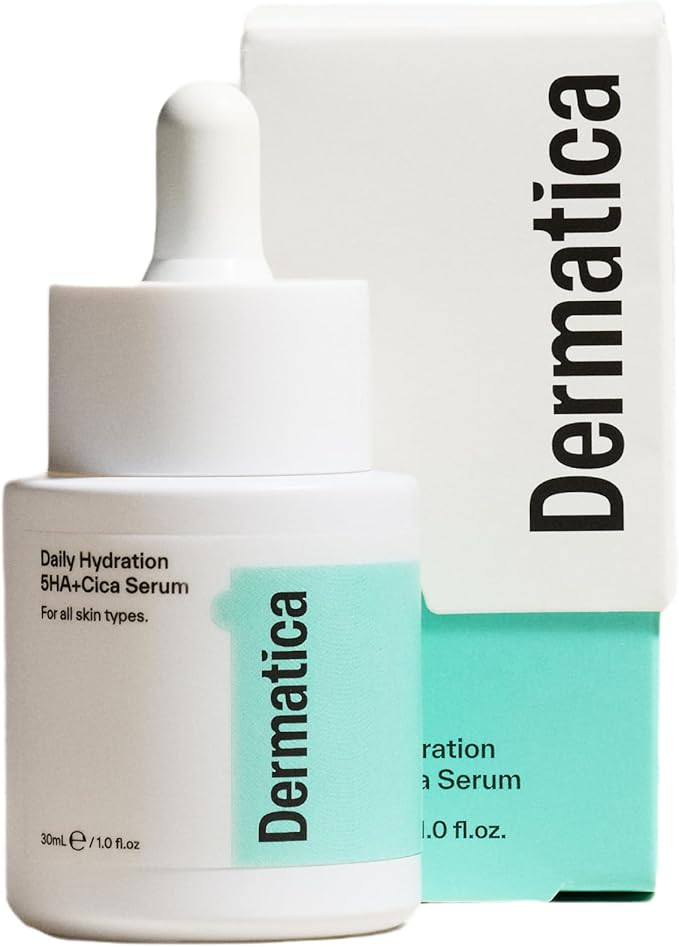
Dermatica Daily Hydration 5HA + Cica Serum
Ultra-lightweight and oil-free, it layers invisibly under LED masks and delivers deep, multi-level hydration while calming and strengthening the skin barrier. Great if your skin is dry, dehydrated, sensitive, or barrier-compromised.
Where to buy: dermatica.co.uk – £19.75 / 30ml
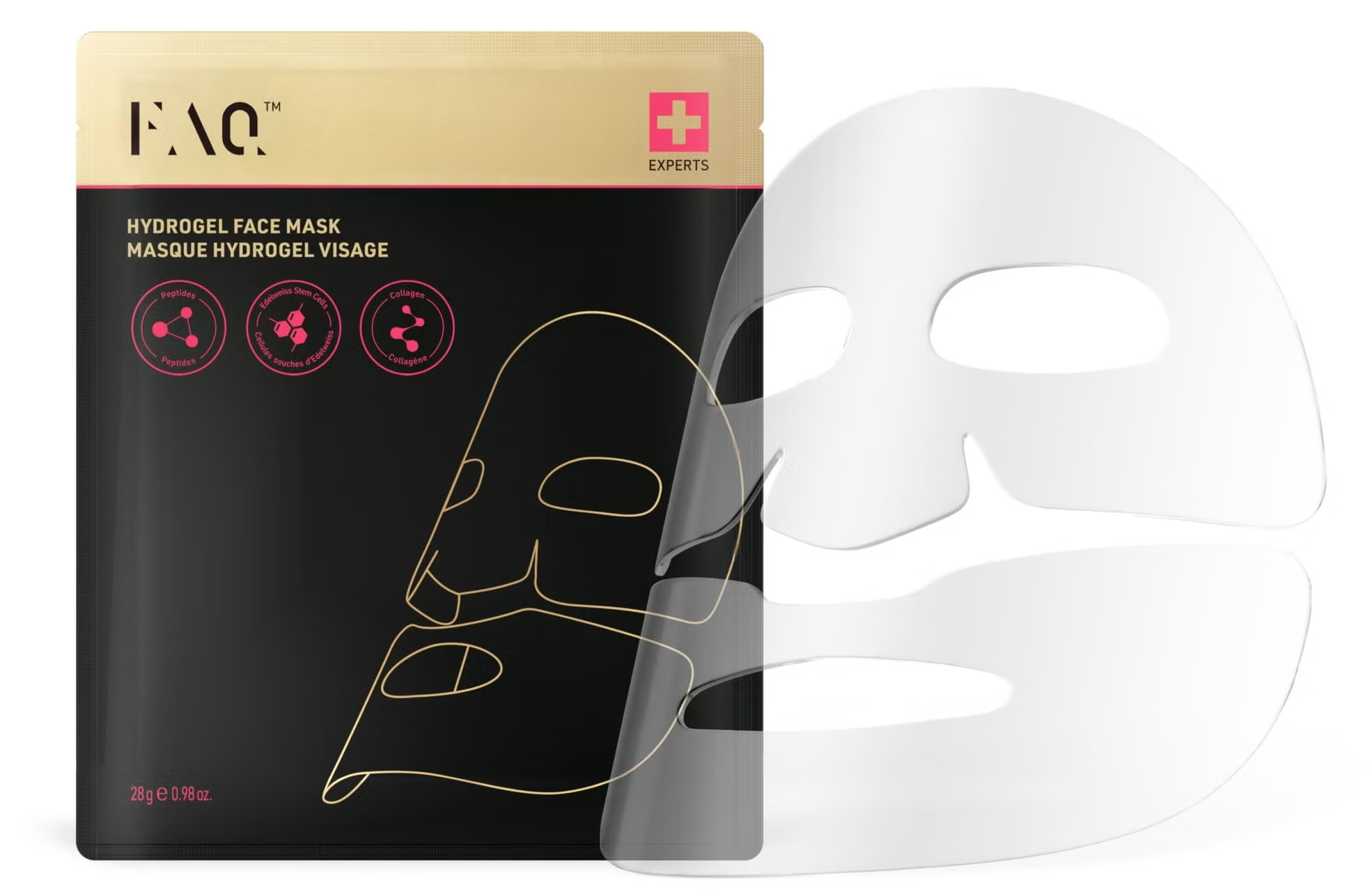
FOREO FAQ™ Glass Skin Collagen Face Mask
The one exception: this transparent hydrogel mask sits under your LED mask during treatment, letting light penetrate while peptides and hyaluronic acid hydrate. Two-piece application is slightly fiddly, but it’s the only mask actually designed to work with LED.
Where to buy: lookfantastic.com – £69 / pack of 5
After LED: When to Apply Everything Else
This is where the magic happens. Your skin is warm, receptive, and primed to absorb. This is the time for peptides, targeted treatments, and active ingredients.
FOR FINE LINES, FIRMNESS AND ANTI-AGEING
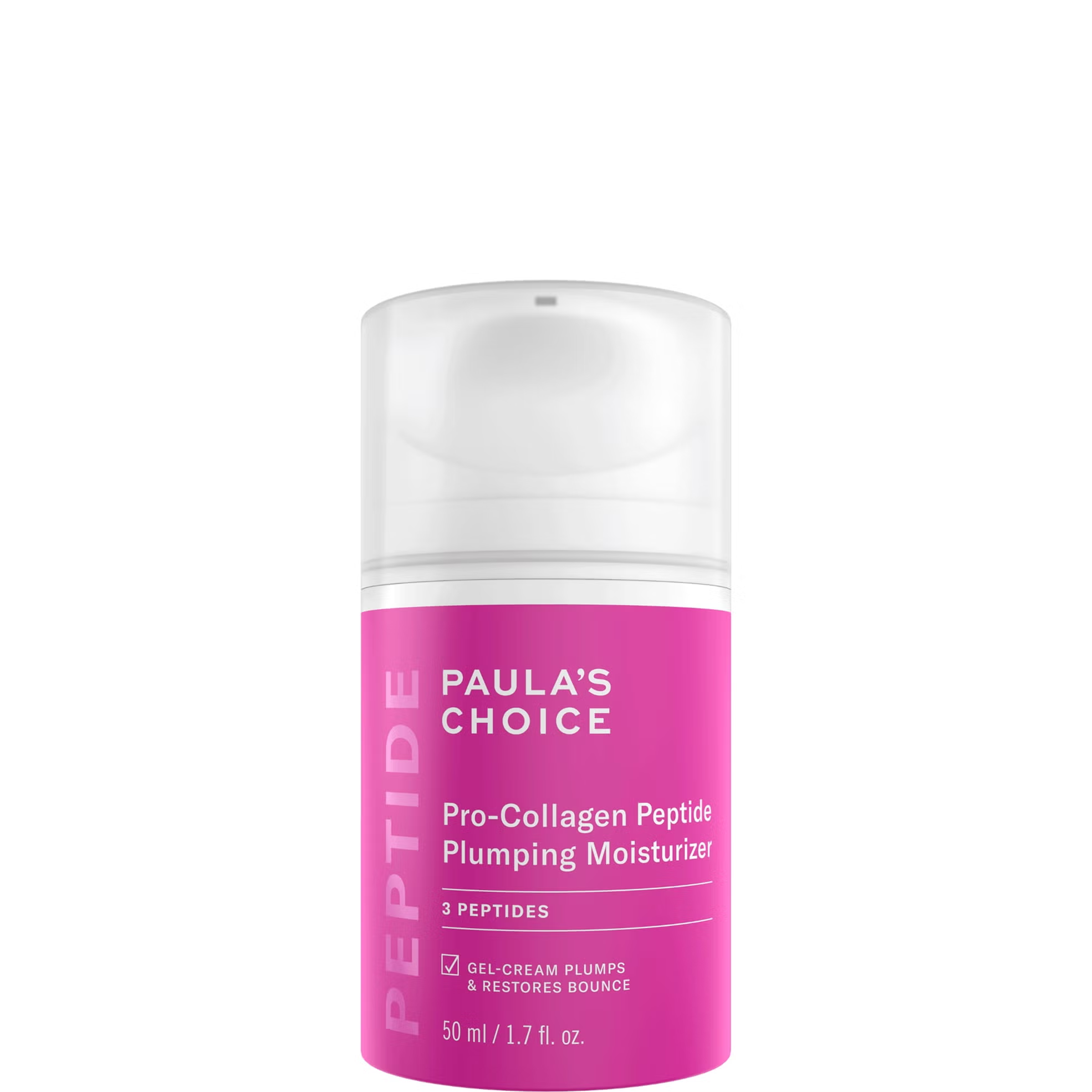
Paula’s Choice Pro-Collagen Peptide Plumping Moisturiser
Lightweight, fast-absorbing, packed with peptides. Apply after LED when your skin is warm and receptive for maximum absorption. Delivers a soft plumping boost without feeling heavy.
Where to buy: paulaschoice.co.uk – £49 / 50ml
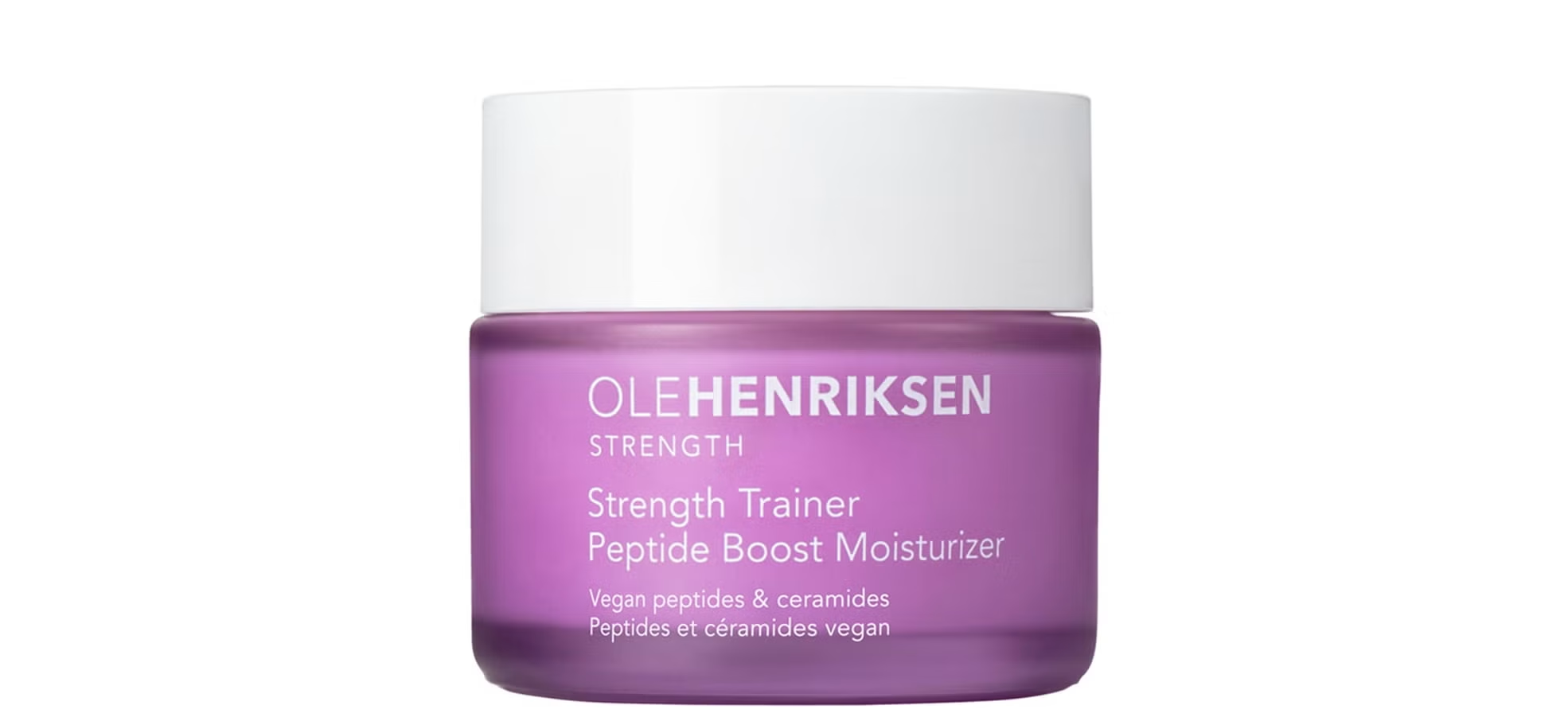
OLEHENRIKSEN Peptide Boost Moisturiser
A gel-cream that hydrates, smooths, and strengthens the barrier. The lightweight texture absorbs beautifully post-LED, making it perfect for layering with other treatments.
Where to buy: lookfantastic.com – £42 / 50ml
“Immediately after LED, the skin is in a high-functioning state. Peptides, niacinamide and antioxidants all work harder because cellular activity is elevated.”
— Anastasia Koles, Aesthetic Nurse
NIOD Copper Amino Isolate Serum
A cult favorite for improving skin quality, elasticity, and clarity over time. The thin texture absorbs instantly after LED when your skin is primed and receptive.
Where to buy: cultbeauty.co.uk – £70 / 30ml

FOR PIGMENTATION, DARK SPOTS AND UNEVEN TONE
“For melasma-prone or darker skin tones, be mindful of heat accumulation. LED is safe, but excessive warmth can trigger pigment — stick to recommended timings.”
— Anastasia Koles
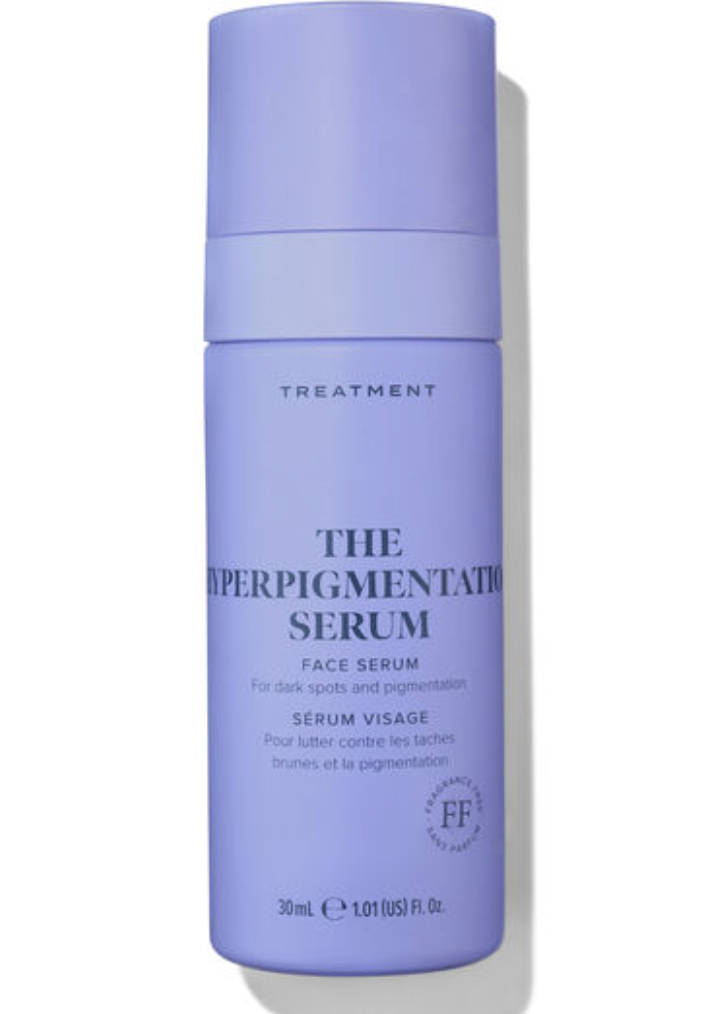
Skin Rocks The Hyperpigmentation Serum
A luxe, high-potency serum for serious pigmentation. Concentrated formula targets stubborn dark spots and uneven tone. If you’ve tried everything else and your pigmentation won’t budge, this is the one.
Where to buy: spacenk.com – £85 / 30ml
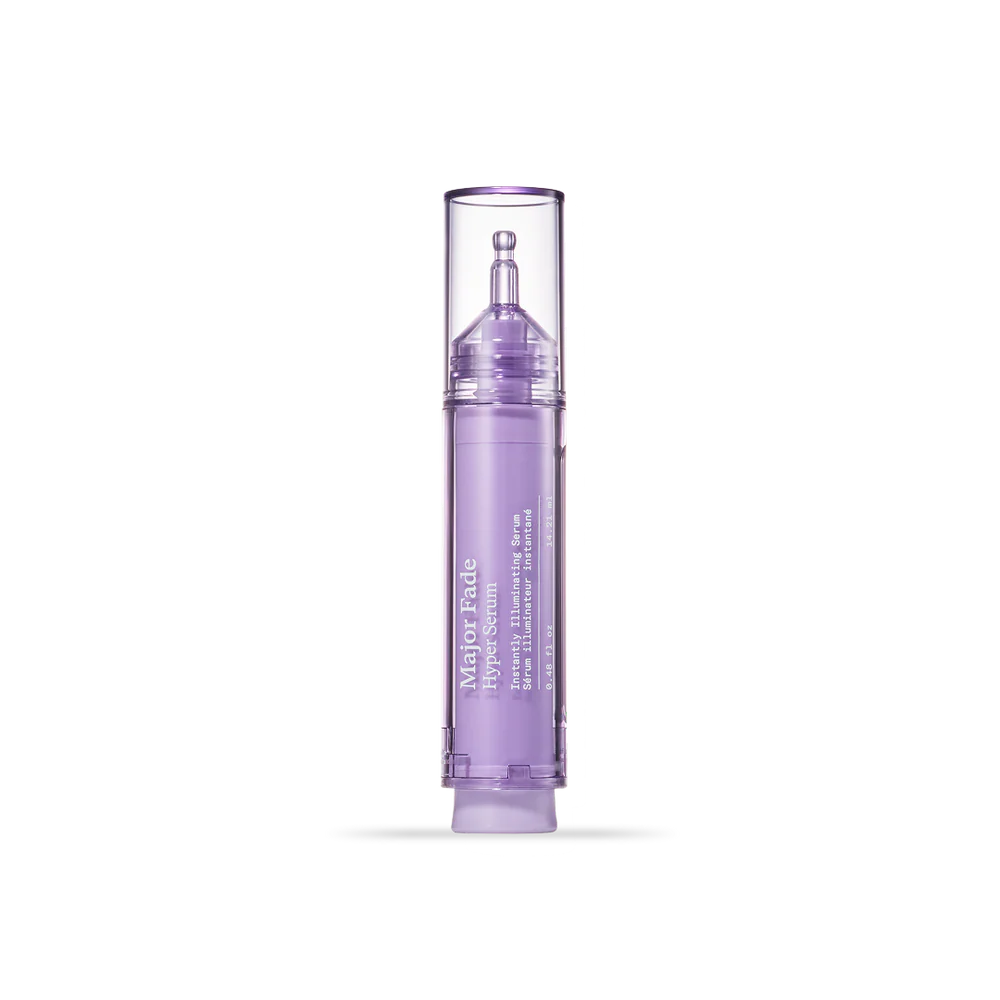
Dr Idriss Major Fade Hyper Serum
Developed by board-certified dermatologist Dr. Shereene Idriss. Combines niacinamide, alpha-arbutin, kojic acid, and licorice root to target stubborn pigmentation. The cartridge system keeps the formula fresh, and the lightweight texture layers beautifully post-LED.
Where to buy: dridriss.com – £70 / 30ml
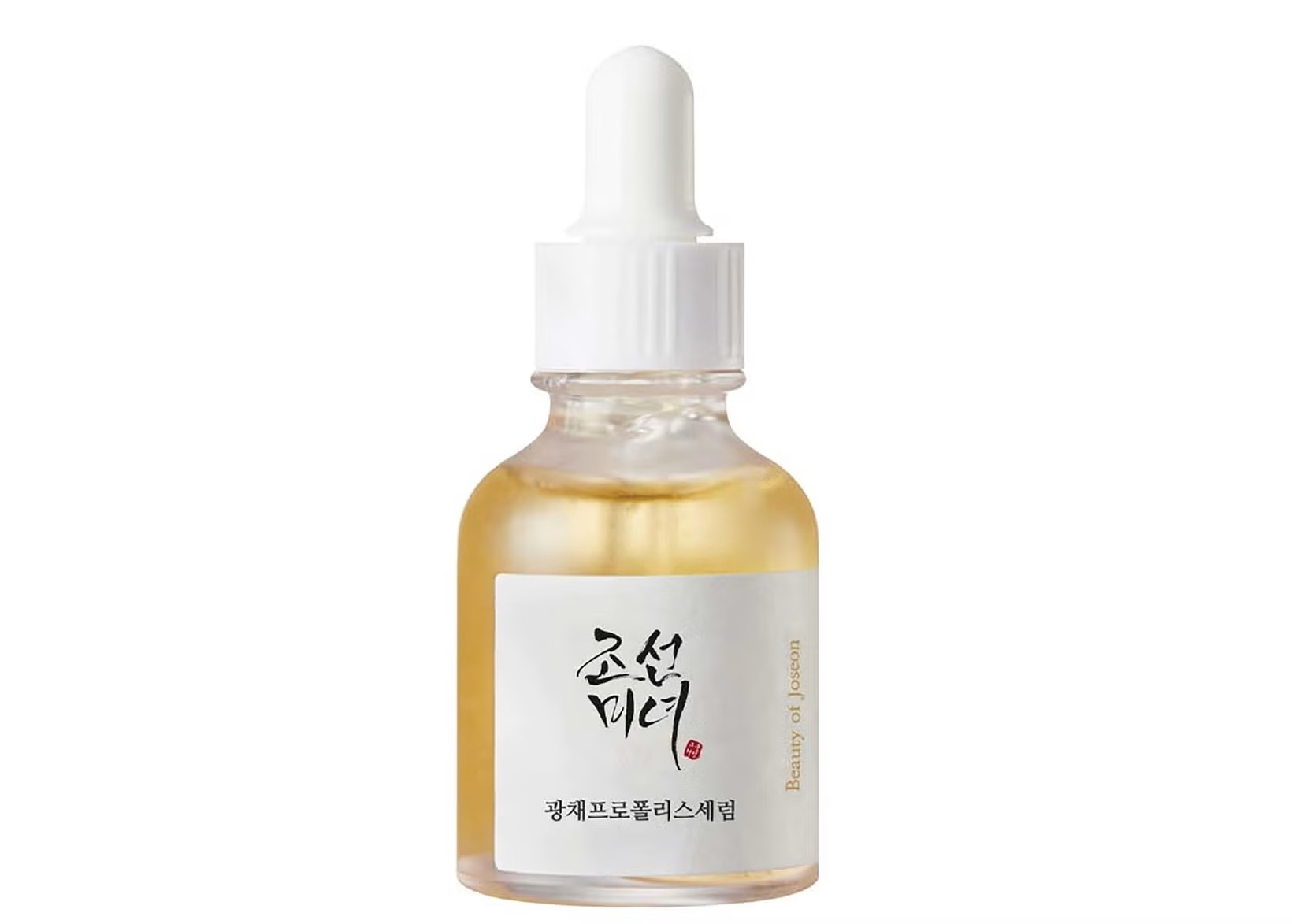
Beauty of Joseon Glow Serum
Propolis and niacinamide in a honey-like texture that feels tacky for about 10 seconds before absorbing completely. Calms redness, brightens, and gives that K-beauty glow. Apply after LED for maximum brightening impact.
Where to buy: lookfantastic.com – £15 / 30ml
FOR SENSITIVE, REACTIVE OR BARRIER-COMPROMISED SKIN
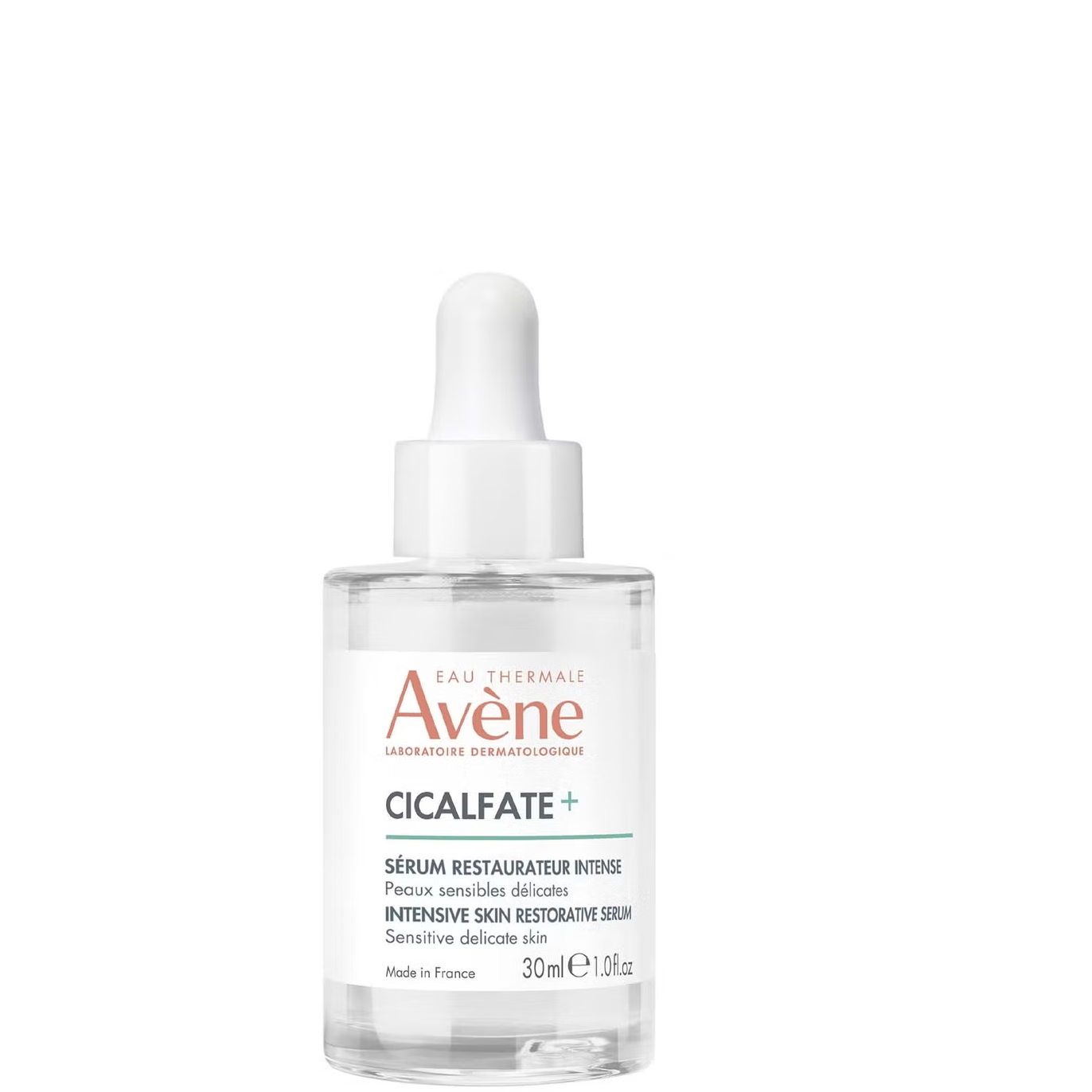
Avène Cicalfate+ Restorative Protective Serum
Lightweight barrier-repair serum with pro-vitamin B5 and postbiotic TRP-Regulin. Apply after LED to strengthen the barrier and calm any reactivity from the treatment. Absorbs quickly, fragrance-free, gentle enough for very sensitive skin.
Where to buy: lookfantastic.com – £37 / 30ml
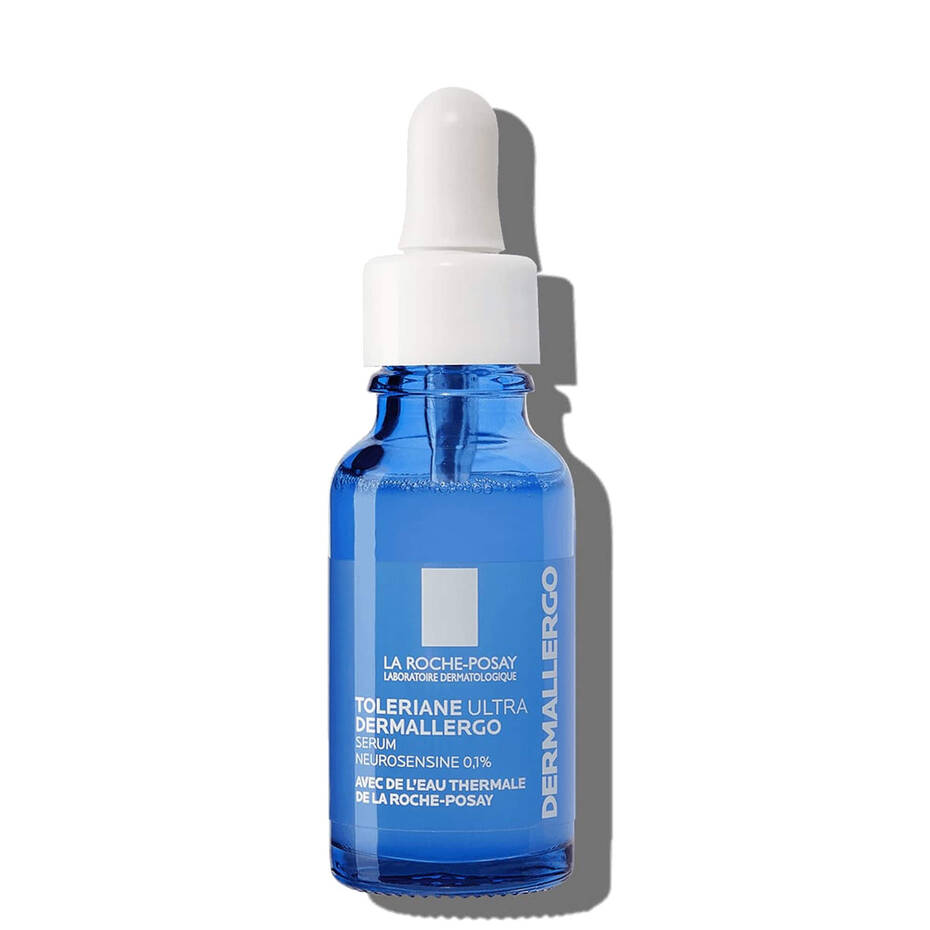
La Roche-Posay Toleriane Ultra Dermallergo Serum
Formulated for reactive and sensitive skin. Combines low-dose niacinamide with neurosensine to calm redness and strengthen the barrier. Ideal for post-LED application if your skin tends to flush or feel sensitised after treatment.
Where to buy: boots.com – £38 / 30ml
POWER ACTIVES
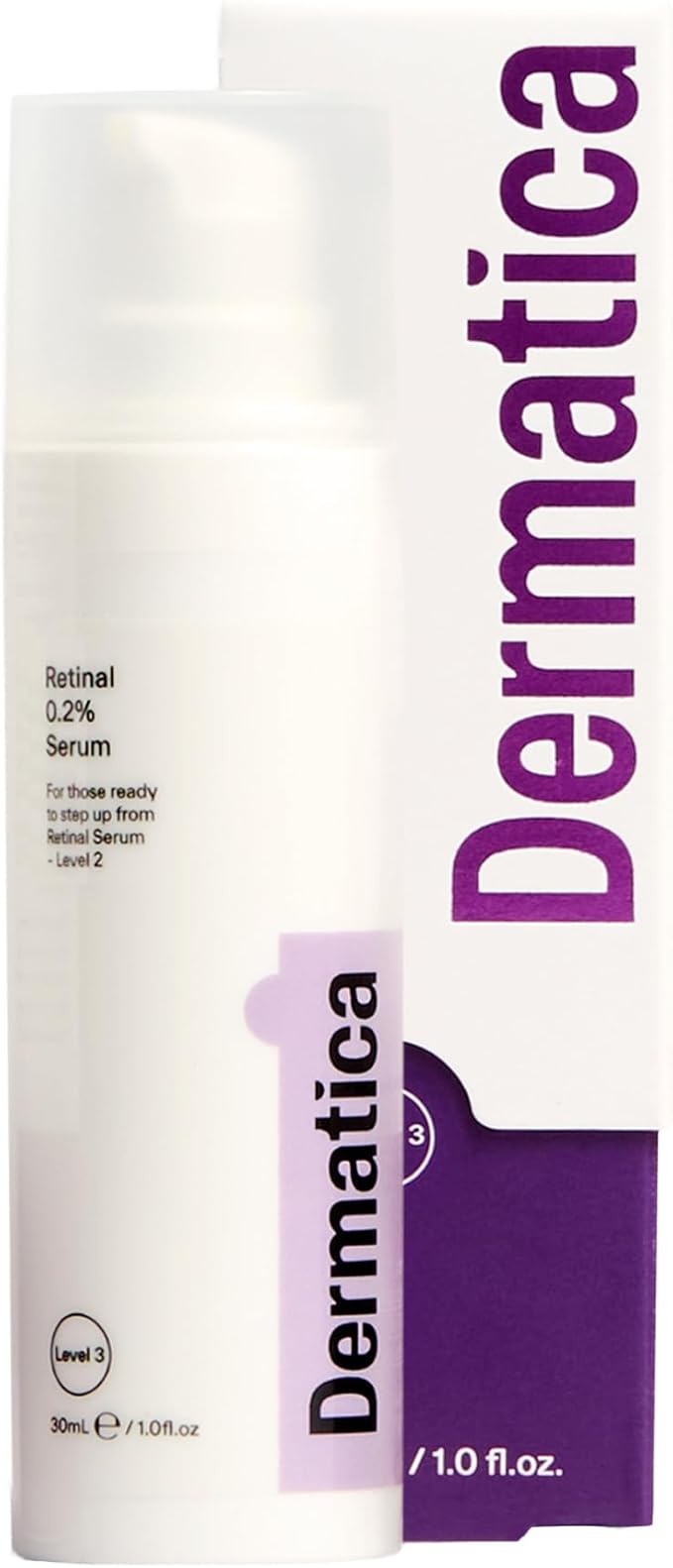
Dermatica Retinal 0.05% – 0.2% Serum
Prescription-strength retinal tailored to your skin by dermatologists. Available in graduated strengths so you can build tolerance. More potent than over-the-counter retinol, which means faster results but requires careful introduction post-LED.
Where to buy: dermatica.co.uk – £30 / 30ml
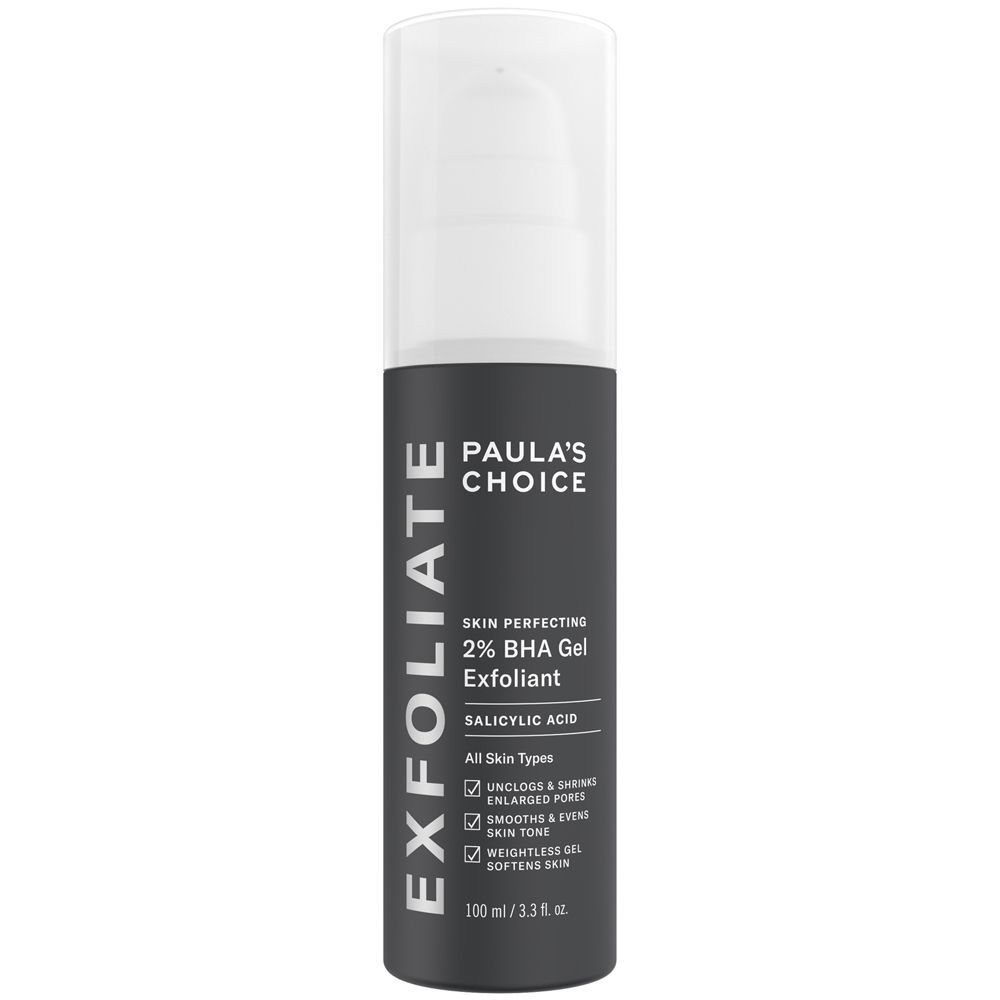
Paula’s Choice 2% BHA Liquid Exfoliant
The cult-favorite salicylic acid toner that unclogs pores, smooths texture, and fades post-breakout marks. Apply with a cotton pad after LED to sweep away dead skin while the BHA clears congestion from within. Post-treatment is when it works best without risking irritation
Where to buy: paulaschoice.co.uk – £35 / 236ml
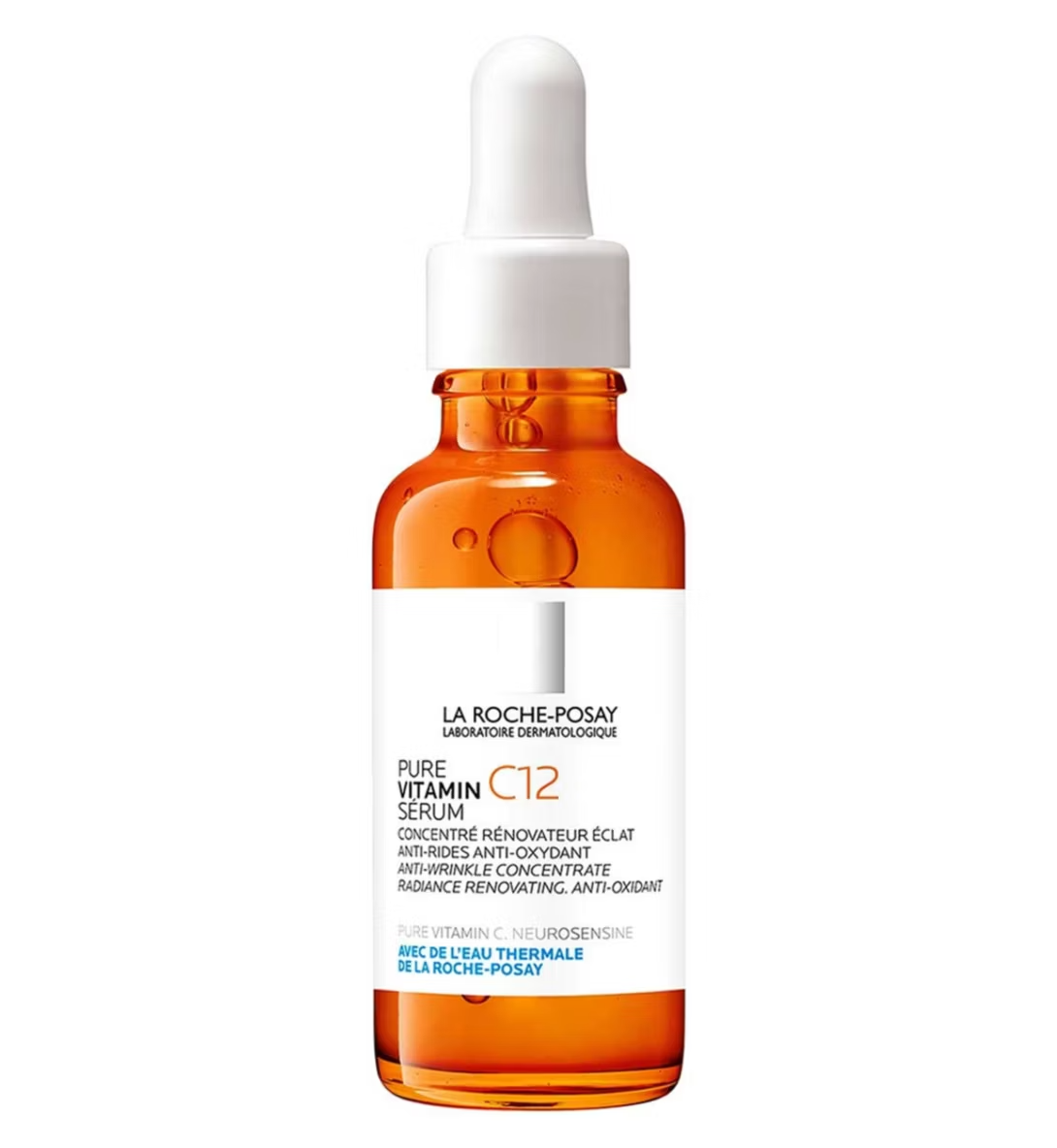
La Roche-Posay Pure Vitamin C10 Serum Serum
This pharmacy staple delivers 10% L-ascorbic acid in a thicker, gel-like texture that sits nicely on post-LED skin without sliding everywhere. Give it a minute to sink in properly before layering moisturiser. Reliable, non-fussy vitamin C that actually delivers on brightness.
Where to buy: medik8.com – £42 / 30ml
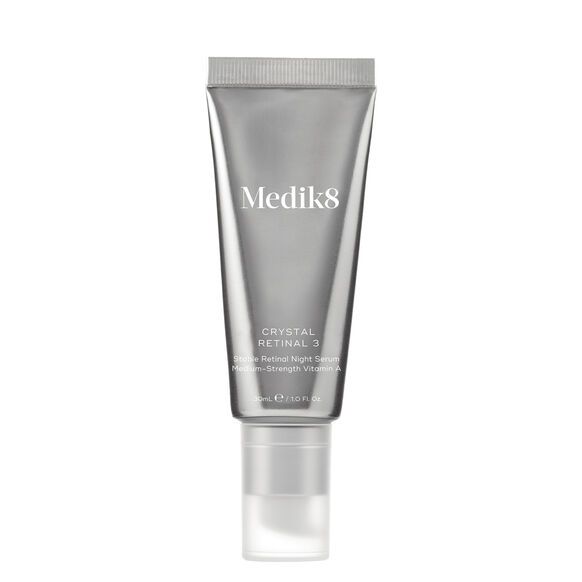
Medik8 Crystal Retinal
The gold standard in retinal serums. Retinal sits one step closer to retinoic acid than retinol, delivering faster, more visible results. Available in graduated strengths (3, 6, 10, and 20) so you can scale up as your skin builds tolerance. Apply after LED when your skin is most receptive for maximum impact.
Where to buy: medik8.com – £45 – £109 depending on strenghth.
How To Actually Use LED Masks With Serums
Here’s the routine that works:
Before:
- Double cleanse if you’re wearing makeup or SPF
- Apply a hydrating serum (2-3 drops, don’t overdo it)
- Wait 1-2 minutes for slight absorption
- Put the mask on for 10-15 minutes
“If it hydrates, it’s fine before LED. If it treats, exfoliates or renews — apply it after.”
— Dr Linda Xing
After:
- Remove the mask and pat in any remaining serum
- Apply your targeted treatment serums (peptides, brightening, barrier support)
- Follow with moisturiser
- SPF if it’s morning
Frequency: 3-5 times a week is ideal. I alternate between my three masks and use them most nights, sometimes mornings if I’m working from home.
The Takeaway
LED masks work. But they work significantly better when you’re strategic about what goes underneath. The right serum amplifies hydration, supports collagen production, fades pigmentation, and protects your barrier. The wrong one (or none at all) means you’re leaving results on the table.
Start with hydration if you’re new to this. Add peptides if you’re focused on aging. Layer in brightening serums if pigmentation is your main concern. And if your skin is reactive, prioritise barrier support. Your LED mask isn’t the magic, it’s the combination of light, the right ingredients, and consistency that actually delivers