I’ll be honest. I went to The Bodrum EDITION expecting pretty views and decent food. What I got was a sprawling Italian feast at BRAVA that had me ordering seconds, a Michelin starred tasting menu that made me rethink Turkish cuisine, and a breakfast spread so absurdly generous I had to photograph it just to prove it was real.
The hotel has multiple dining concepts, Kitchen (the Michelin-starred Turkish restaurant), Morena (the beach club), Inari Kujira (Japanese), and BRAVA, the Italian restaurant that became my default for lunch and dinner. Each knows exactly what it’s trying to be, but both Kitchen and BRAVA surprised me most.
Kitchen: The Michelin-Starred Heart of the Hotel
I almost skipped Kitchen. Not because I doubted it, it earned its Michelin star in 2024, and chef Osman Sezener’s reputation precedes him, but because “Michelin-starred hotel restaurant” can sometimes translate to “stuffy, overpriced, more about the accolade than the actual food.” Oh how wrong was I.
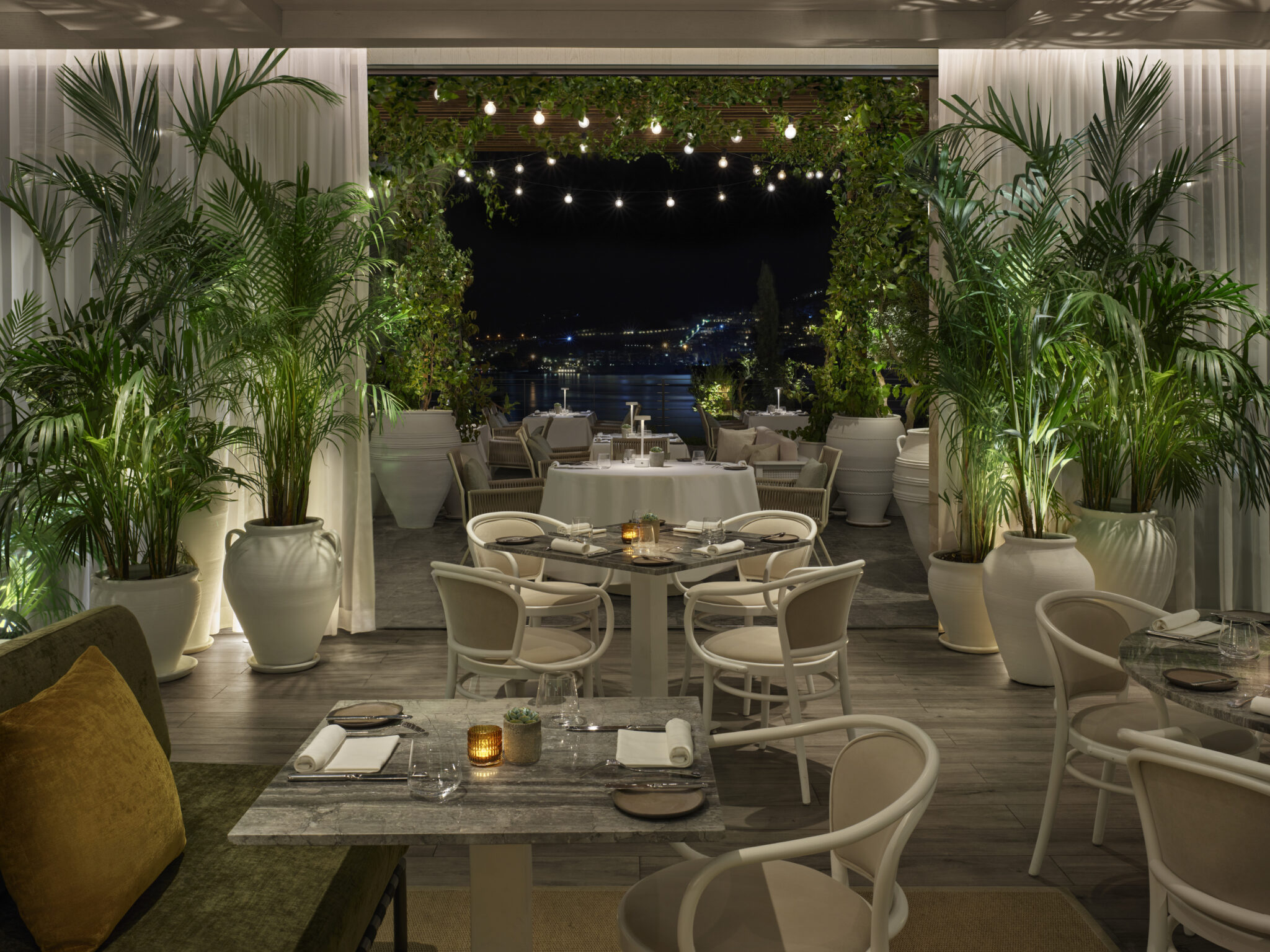
Kitchen exists in two modes. There’s the indoor dining room, all pale wood, clean lines, floor-to-ceiling windows framing the Aegean like it’s part of the menu. Then there’s the outdoor terrace, strung with lights and draped in bougainvillea, where the boundaries between nature and dining room dissolve completely. During the day it’s breezy and relaxed; at night, with candles flickering and the string lights glowing overhead, it transforms into something quietly romantic without trying too hard.

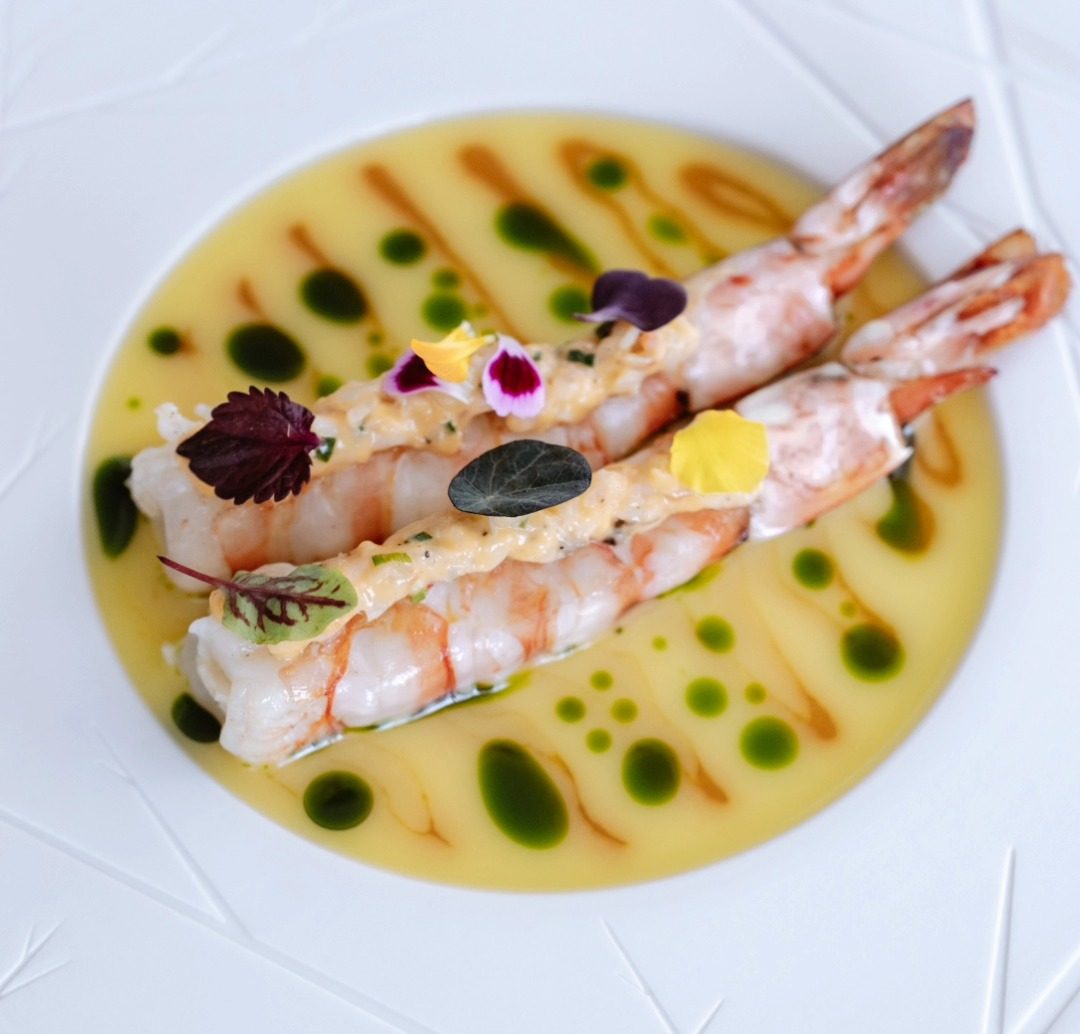
Sezener’s approach is what you’d hope for but don’t always get: Turkish ingredients treated with respect and elevated with technique. The Bargilya blue tail shrimp arrived on a pool of bright yellow citrus sauce dotted with emerald herb oil, three perfect prawns that tasted like the sea but somehow also like sunshine. It’s the kind of dish that reminds you why people chase Michelin stars in the first place.

The lamb saddle came next, tender and pink, resting on firik bulgur, a smoked green wheat that tasted nutty and almost earthy, with a cherry lamb jus that added just enough sweetness to make you take another bite. This is what good cooking does: it grounds you in a place (Turkey, the Aegean, Bodrum) while still feeling elevated enough to be special.
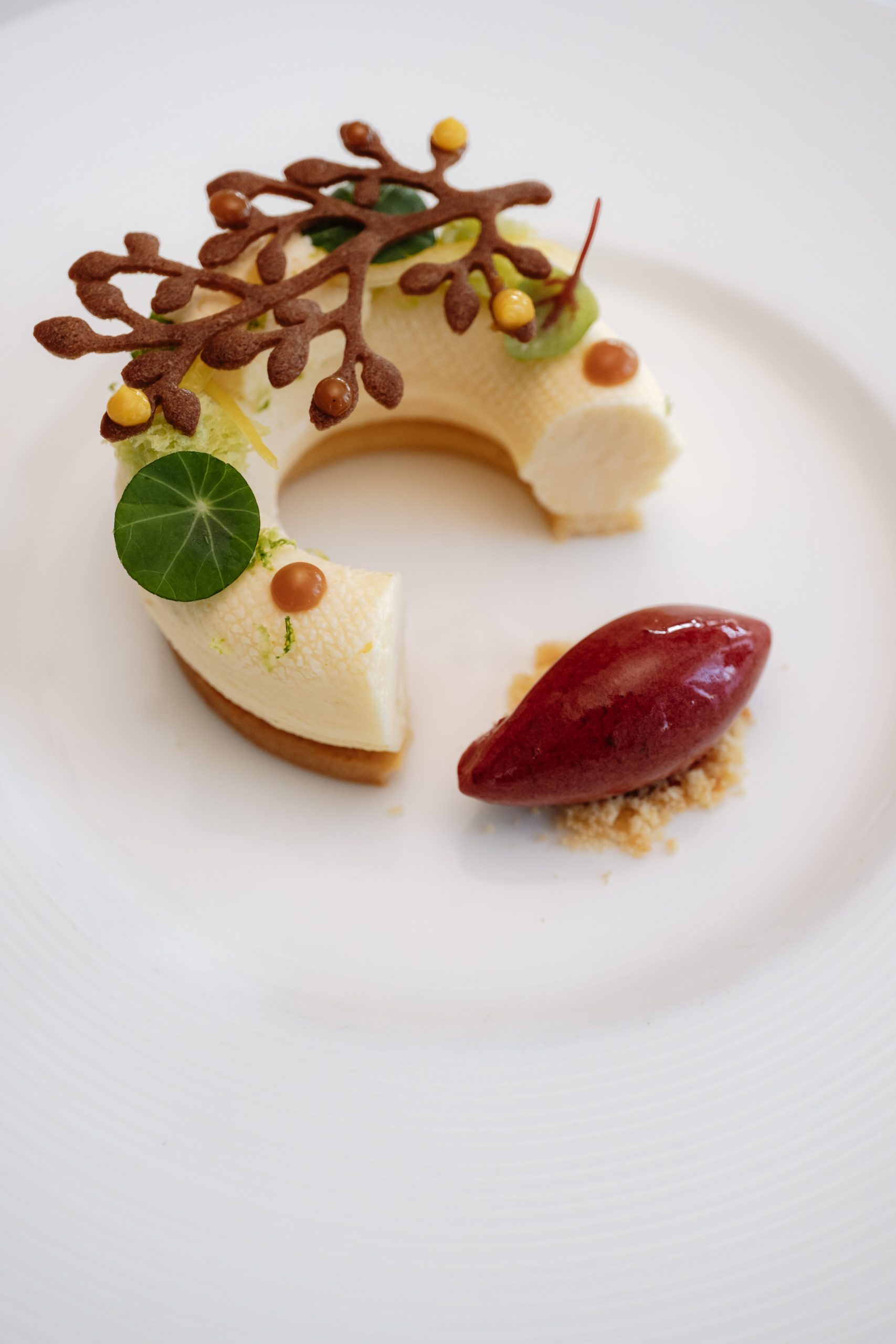
By dessert, I was convinced. The white chocolate yoghurt mousse with raspberry sorbet might sound fussy on paper, but it was light and bright, the yoghurt’s tang keeping everything from tipping into overly sweet territory. It felt Turkish in spirit (yoghurt is everywhere here) but Michelin in execution
The lamb saddle with firik bulgur and cherry lamb jus was rich and perfectly cooked, the lamb tender, the firik bulgur (a traditional smoked green wheat) adding a nutty, slightly smoky base, and the cherry jus providing just enough sweetness to balance the richness of the meat. It’s Turkish ingredients through and through, but the execution is pure Michelin technique.
For dessert, the white chocolate yoghurt mousse with raspberry sorbet managed to be both light and indulgent. The yoghurt mousse had that subtle tang that kept it from being too sweet, the raspberry sorbet was tart and refreshing, and the chocolate tuile on top added texture. Very Turkish in spirit (yoghurt-based) but elevated to fine dining level.

Breakfast at Kitchen: The Turkish Feast
Let me tell you about The Turkish Experience, which is what Kitchen calls its breakfast spread. Calling it “breakfast” feels insufficient. It’s more like an edible tour of Turkey, delivered on a dozen small plates: olives in every shade, sour cherry jam that’s sweet and tart at once, crumbly beyaz peynir, creamy lor cheese, honeycomb dripping onto thick yoghurt, warm bread, sesame-covered simit rings, garden-fresh cucumbers and tomatoes.
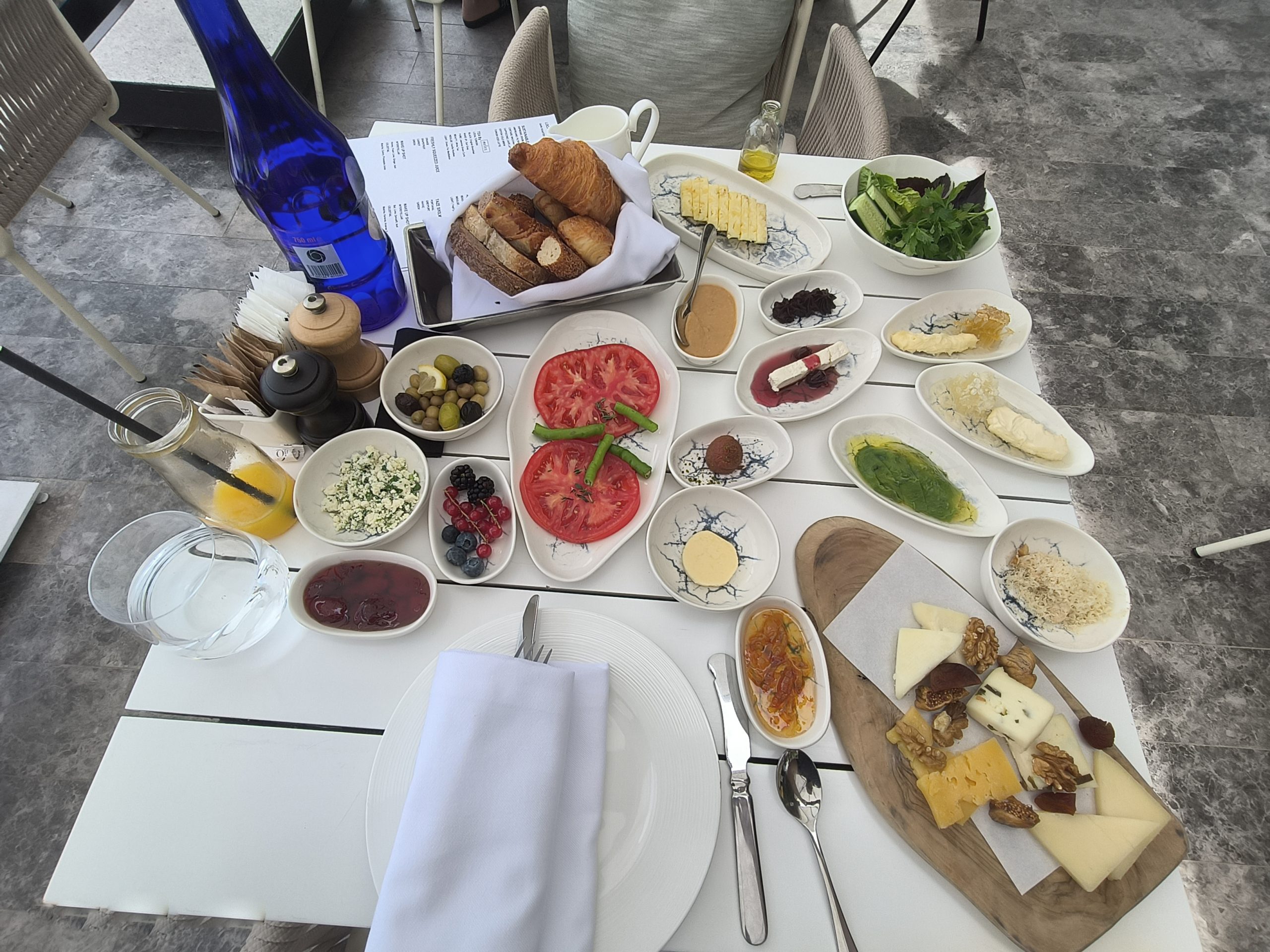
It’s meant for two but could easily feed three, and the whole thing becomes this leisurely, grazing ritual where you lose track of time. Coffee gets refilled without you needing to ask. Conversations drift. The windows frame the sea. Every morning I told myself I’d just have something light and quick, and every morning I ended up two hours deep into this spread, wondering how it was already 11 a.m.
BRAVA: The Italian Star
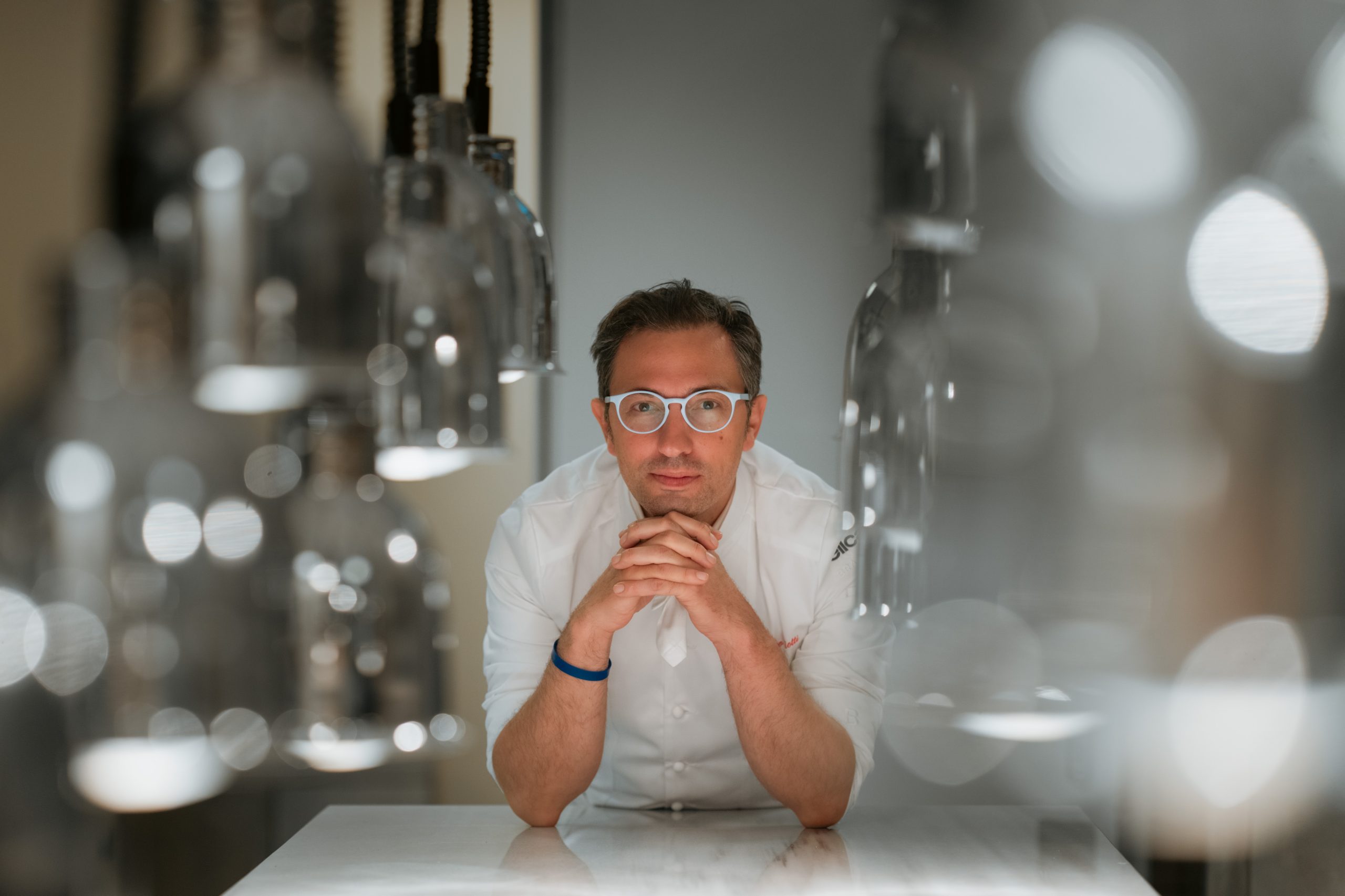
If Kitchen was the impressive first date, BRAVA became the relationship. It’s the hotel’s Italian restaurant, helmed by Michelin-starred chef Stefano Ciotti, and it’s where I found myself returning again and again, sometimes for lunch by the water, sometimes for dinner when I couldn’t be bothered to leave the property, sometimes just for a drink at the bar because the vibe was right.
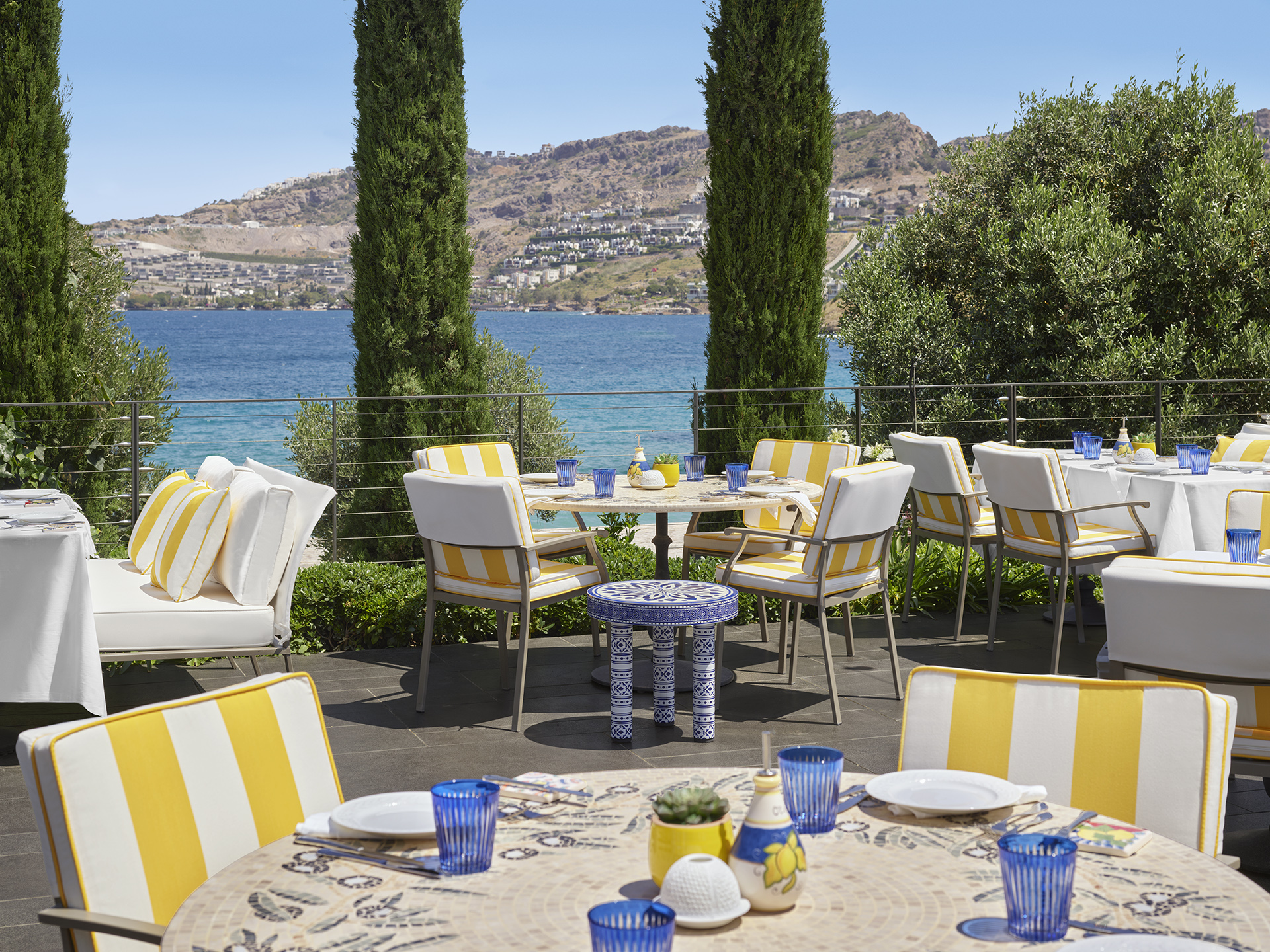
The space sits right by the water with hand-painted ceramic plates that make everything look twice as good. But BRAVA is more than just a restaurant—it’s billed as a cultural hot spot, hosting live experiences with artists from music, art, and fashion. During my stay, the energy felt less stuffy fine dining and more vibrant Italian dinner party.
The bruschetta was the first thing I tried, and it set the tone: charred sourdough (actual char, not polite grill marks), topped with diced tomatoes, torn burrata, and basil that tasted like it had been picked five minutes ago. It’s the kind of dish that reminds you that Italian food at its core is about good ingredients treated simply.
Nella’s beef carpaccio disappeared in three bites: thin, almost translucent beef with parmesan crisps, truffle cream, arugula. The burrata tartufata with aged balsamic became a recurring order. The calamari fritti were good enough that I got them twice, even though fried calamari isn’t usually my thing.


But the pasta. My God, the pasta.
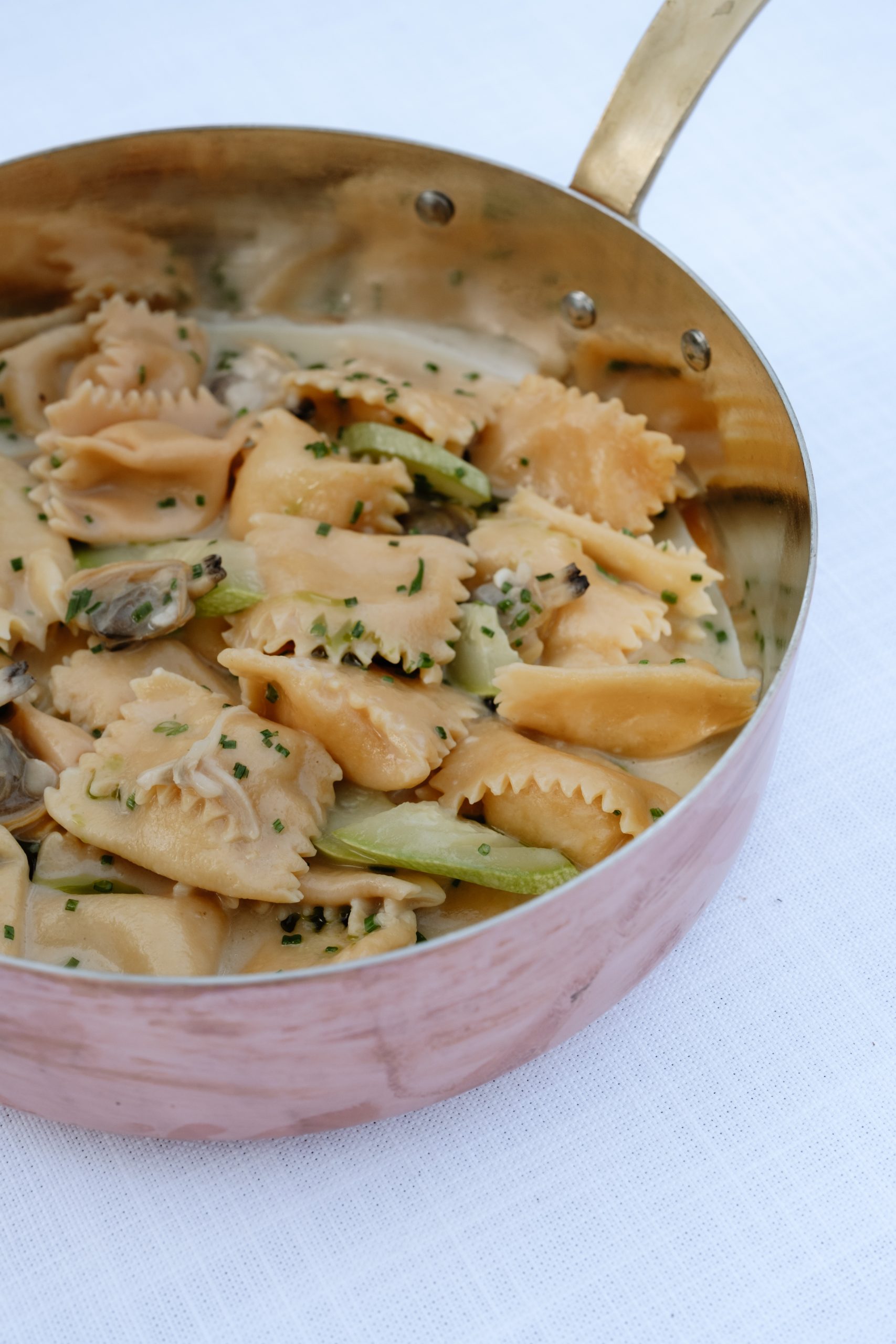
The fagottelli cacio e pepe came in a copper pan—pasta parcels filled with cheese and black pepper, tossed with artichokes. Simple in concept, but getting cacio e pepe right requires actual skill, and they got it right. The fettuccine alla vodka was creamy and slightly spicy with crispy pancetta. Classic, no weird twists.
Then there was the lobster cavatelli: a whole lobster perched dramatically on top of pasta tossed with greens, tomato, and what I assume was lobster butter. It’s the kind of dish that photographs well and—more importantly—tastes even better than it looks. I ordered it on day two and genuinely considered getting it again on day four.
The gnocchi al gorgonzola e asparagi were pillowy, the gorgonzola sauce rich without being heavy. By the end of the week, I’d eaten more pasta than I care to admit, and I regret nothing.

I also tried the gnocchi al gorgonzola e asparagi,pillowy gnocchi in a creamy gorgonzola sauce with asparagus. Rich without being heavy, which is harder to pull off than it sounds.

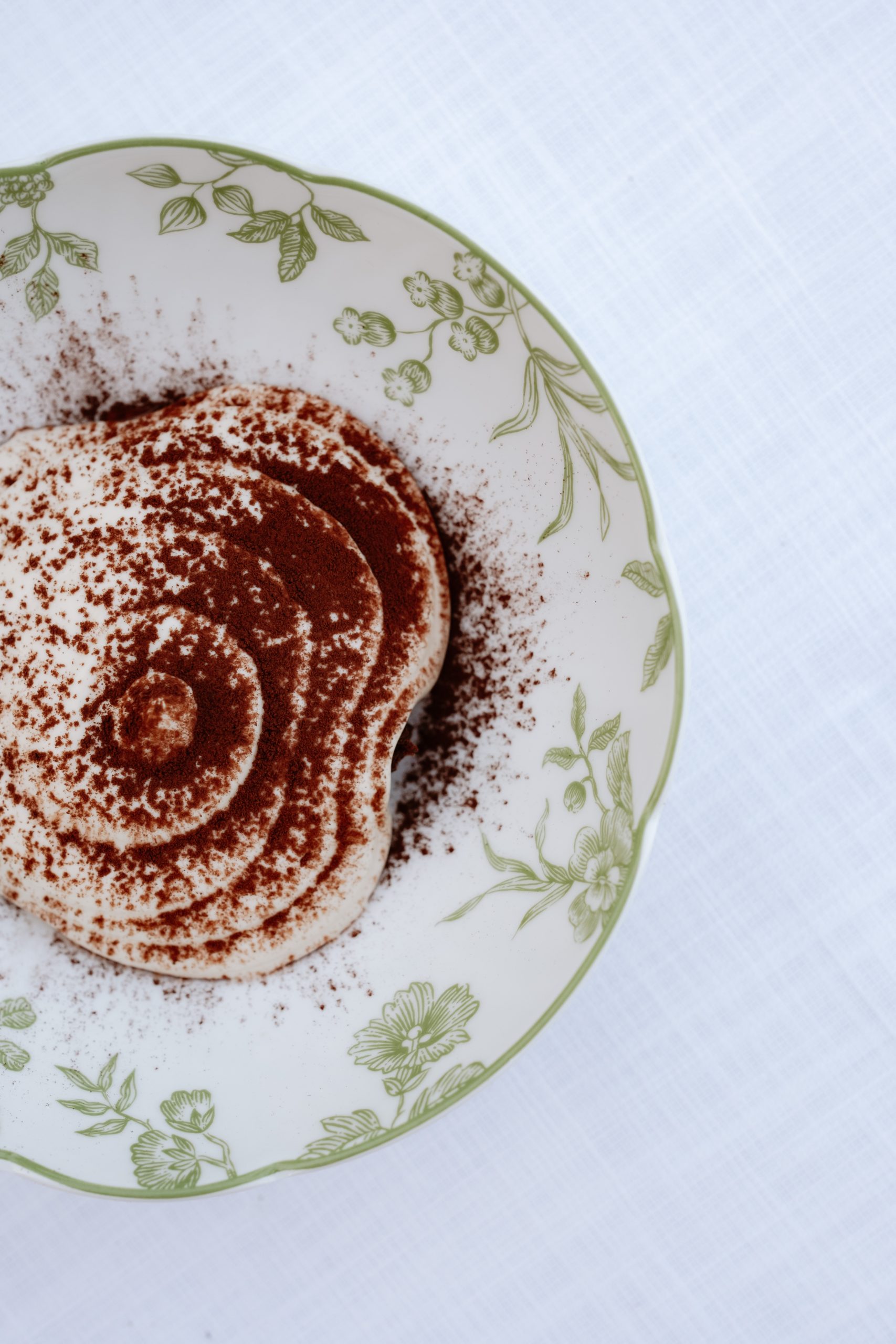
The tiramisu was textbook; layers of mascarpone cream and espresso-soaked ladyfingers, dusted with cocoa. Not reinventing anything, just doing it properly.
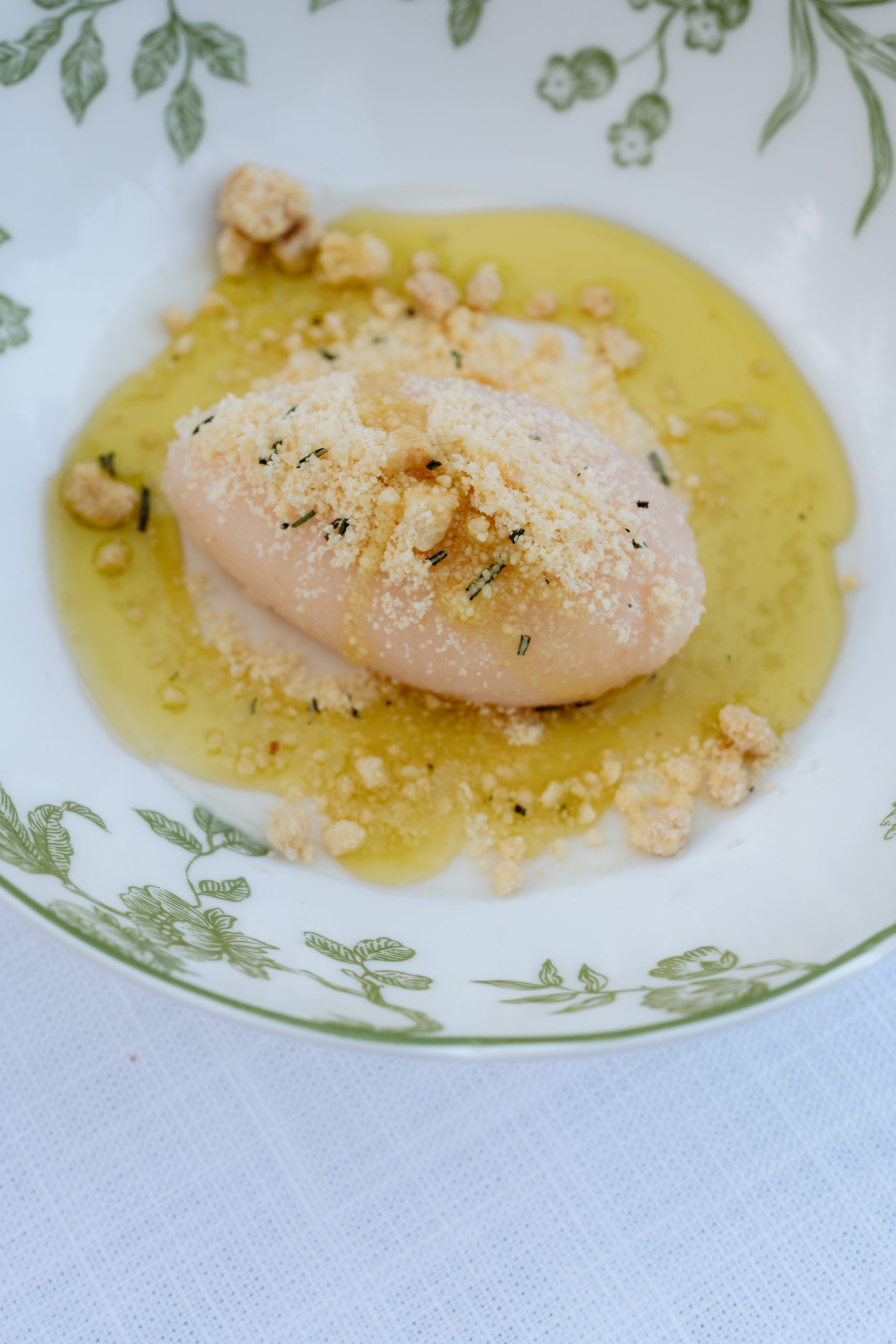
There was also a crema al lime that came with lemon cream on a pool of yellow sauce, topped with a crumble and pine nuts. Light, citrusy, a good palate cleanser after all that pasta.
Kitchen became a habit faster than I expected. After one dinner, I was already planning when I could come back for lunch. By day two I’d given up on exploring restaurants in town, why leave when the food here was this good?
Inari Kujira: Sunset Sushi
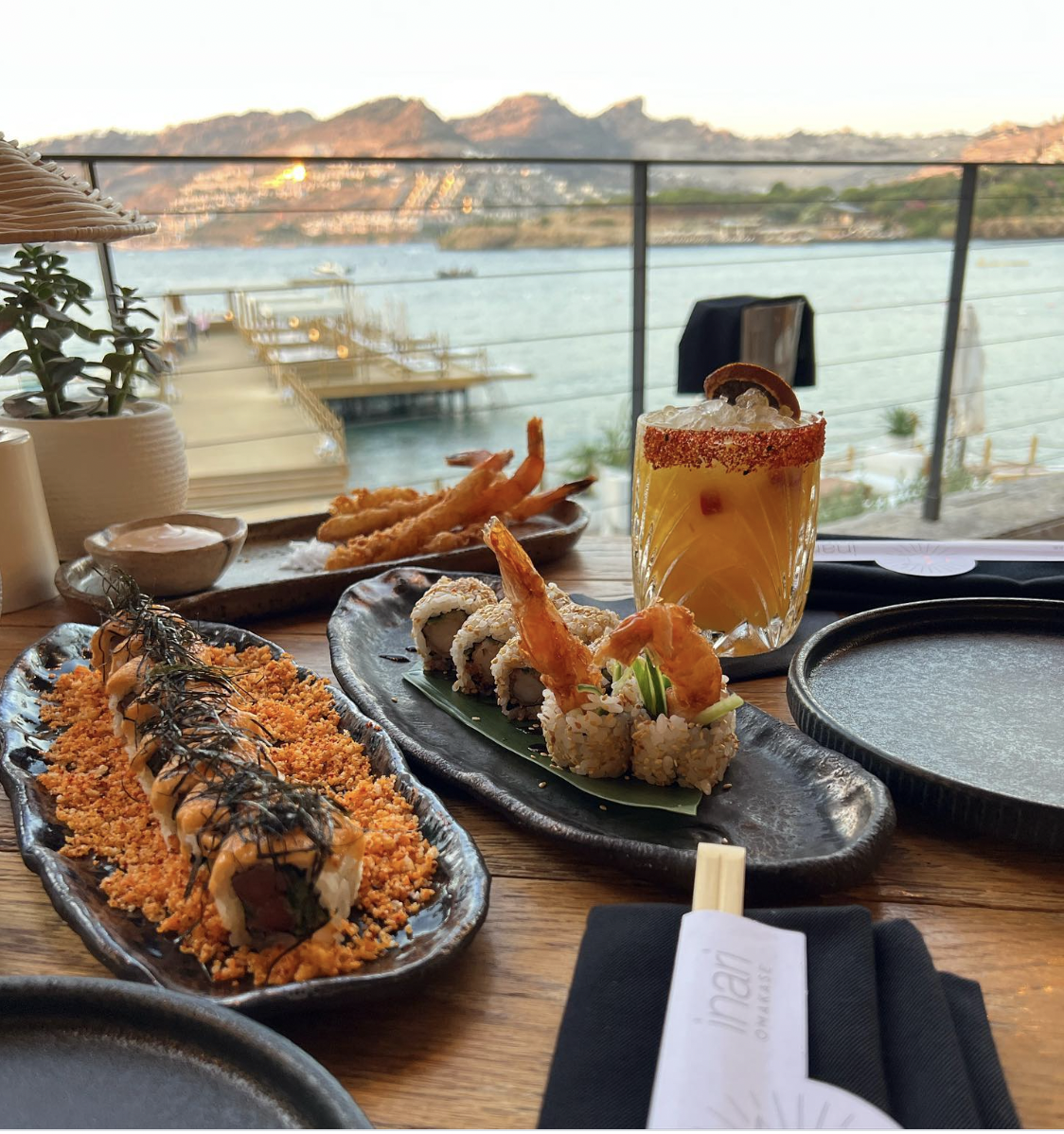
One evening I ended up at Inari Kujira, the hotel’s Japanese restaurant. It’s quieter than BRAVA, more intimate than Kitchen’s terrace, with tables that look directly out over the water.
I ordered a selection of rolls, one topped generously with orange tobiko, another with crispy tempura shrimp and some vegetable tempura that arrived light and not at all greasy. And a lovely cocktail with a chili-salt rim that I don’t remember the name of but was delicious.
The fish was fresh, the rolls were well-executed, particularly the one topped with orange tobiko and the tempura shrimp. The vegetable tempura was light and crispy, not greasy. It’s a solid option when you want something lighter, and the sunset views over the water don’t hurt. Good sushi, great setting, exactly what you want after a few days of pasta and lamb.
The Verdict
By the end of the week, the rhythm was clear: mornings at Kitchen’s breakfast spread, afternoons either at Morena by the beach or back at BRAVA for pasta, evenings split between Kitchen’s tasting menu and BRAVA’s more relaxed energy, with the occasional detour to Inari Kujira when the mood struck.
What surprised me most wasn’t any single dish, though there were plenty of standouts, but how the dining became as essential to the experience as the views or the pool or the room. The Bodrum EDITION is gorgeous, yes. But it’s also genuinely delicious in a way that goes beyond “good for a hotel restaurant.” Osman Sezener’s Michelin-starred Turkish cooking at Kitchen, Stefano Ciotti’s confident Italian at BRAVA, even the casual beach club lunches at Morena, every meal felt considered, intentional, worth planning your day around.
I left having eaten more than I probably should have, with a list of dishes I’m still thinking about months later. The lamb saddle with firik bulgur. The lobster cavatelli. That absurd breakfast spread that derailed every morning. The Bodrum EDITION is beautiful, but it’s the food that made me want to stay.
By James Morrison
For more information visit: