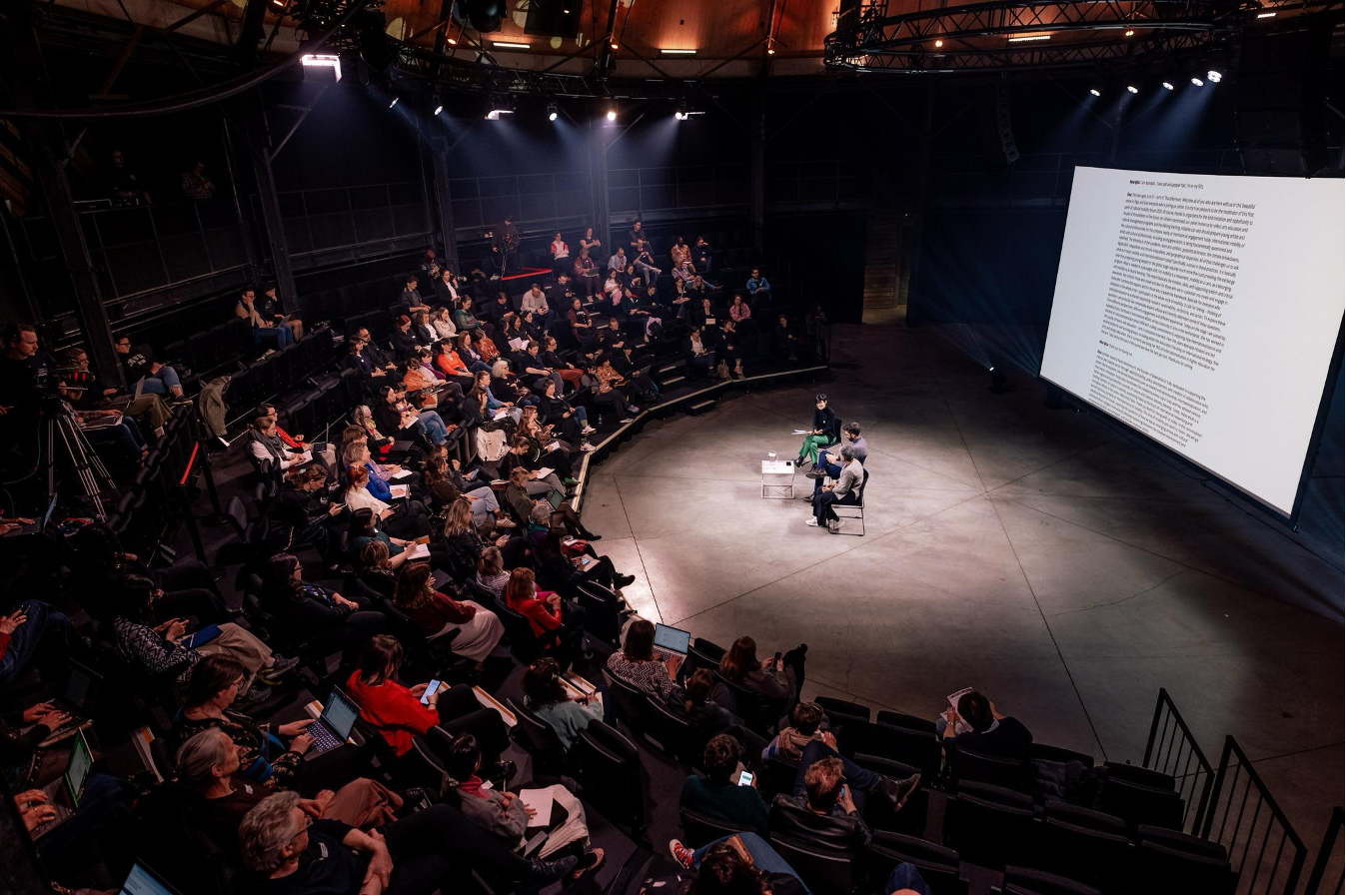
Cultural Mobility Forum 2025, On the Move, photographed by Lauris Viksne
In recent years, the title curator has become both alluring and overpopulated. Universities worldwide keep launching new curatorial programs, sending fresh waves of graduates into the field. However, the promise of curating, once imagined as a union of knowledge, aesthetics, and care, now collides with a reality that is increasingly precarious.
With fewer institutional roles and shrinking cultural budgets, many emerging curators are pushed toward freelance work. What once sounded like independence now often feels like the only option left. This new landscape leaves many young curators navigating a field that is as competitive as it is fragmented. They enter the profession armed with theory and passion, yet often without the structural support, mentorship, or practical tools to sustain their careers. This inevitably forces young talents to become strategists of survival, constantly recalibrating, and searching for community in a system that often isolates them.
Yet amid this uncertainty, new ecosystems of care are beginning to form. Initiatives that go beyond the algorithmic noise of social media and the superficial choreography of networking over champagne. They focus instead on what truly sustains a curatorial practice: knowledge exchange, collaboration, visibility, and access. In this article we are looking closer at some of these organizations and digital destinations, some already well known in the field and some breaking into the industry with the fresh energy, but all united by supporting a profession built on care and curiosity.
Young Painter Prize 2025, photographed by Klavs Loris
The hardest part of starting a curatorial career is no longer securing a position, but discovering where one truly fits within a constantly shifting art world. The landscape of curatorship has shifted dramatically. And while traditional routes through institutions are narrowing, curators became masters of finding opportunities themselves and valuing collaboration with their peers over competing with them.
Before we deep-dive into the tools/spaces/destinations designed exclusively for curators’ needs, let’s start with the basics. Below we have outlined the go-to resources for open calls, job opportunities and mobility programs, helping art professionals expand their perspectives and networks.
- Call for Curators – A global database that gathers both long-term and short-term job opportunities, residencies, internships and many more tailored specifically to curators.
- Culture Moves Europe: Individual Mobility – An EU-funded program supporting international collaboration among curators, artists, and other cultural professionals, covering travel and daily allowances.
- ArtRabbit – A digital guide to exhibitions and art events worldwide for all art professionals, where curators can find open calls and stay informed about the global art scene.
- On the Move – a Europe-based, international platform, where curators can find mobility opportunities in the arts. They also have a list of Mobility Info Points – local organisations that help artists and culture professionals with the administrative issues of cross-border mobility, through free information and consultation services.
Curating itself continues to reveal its many layers and their creative process can take countless forms. Yet the heart of every curatorial practice remains the same. It begins with dialogue, with listening to artists, understanding their intentions, and translating their ideas into broader narratives that help new audiences see their work anew. The term curator, rooted in the Latin ‘curare’, meaning ‘to care’, has regained its full significance nowadays. The figure of the curator is no longer that of a gatekeeper but of a guide, someone who builds bridges and encourages understanding.
And consequently, this role carries enormous responsibility and invisible labour, which apart from researching, writing and communicating, also includes managing their professional visibility online and on-site, growing their social network, participating in the public programs, caring for the artists, while sustaining their own well-being.
Fortunately, a growing number of initiatives acknowledge these pressures and offer much-needed support. From academic programs to peer-driven platforms and micro-patronage tools, new infrastructures are emerging to help curators thrive.
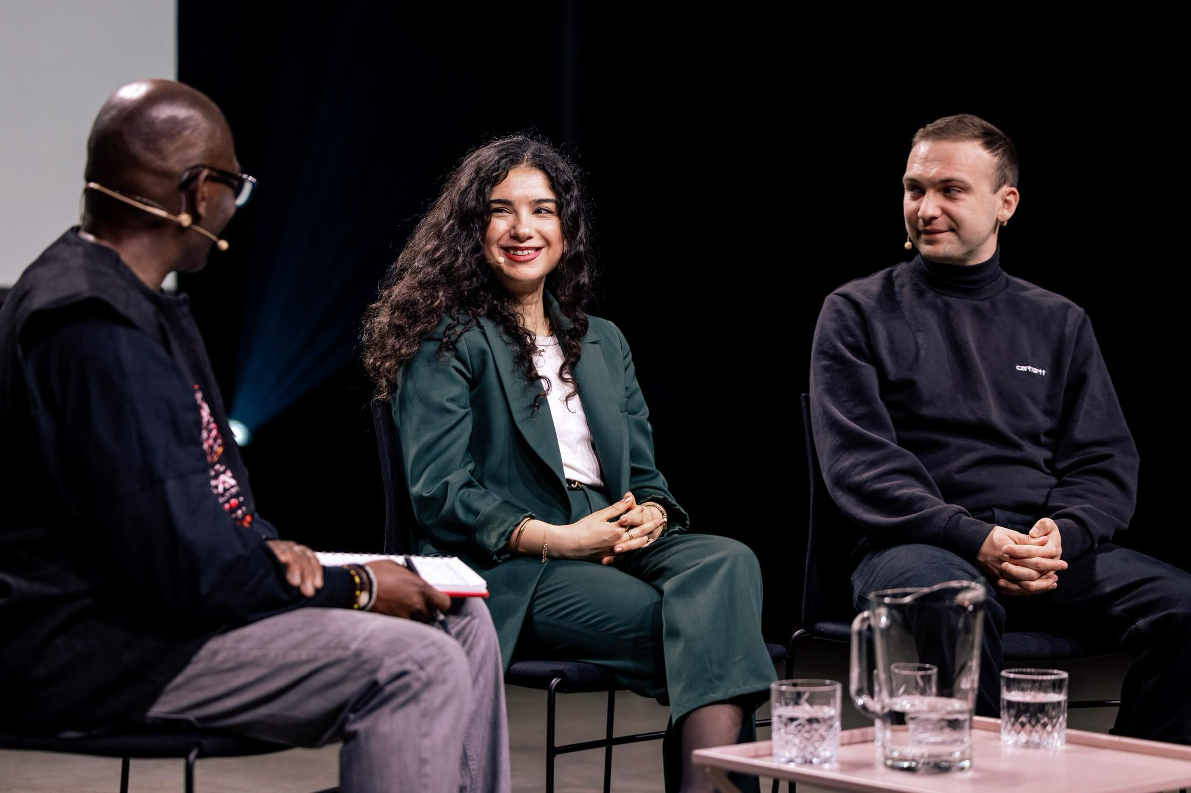
Cultural Mobility Forum 2025, On the Move, photographed by Lauris Viksne
FOLLOW.ART is one of them: a global network of curators and artists created in response to the exclusivity often present within the art world. This digital platform recognises the need for curators to have a space for professional self-presentation, where they can share their projects, publications, and visuals. It positions itself as a kind of OG social media, recalling the days when online platforms were about genuine connection and sharing real moments. Only this time it is built exclusively for curators and artists. Each profile becomes part of a global directory of members, where the algorithmic pressure to perform is replaced by intentional discovery, making it easier to connect with peers and be found by others.
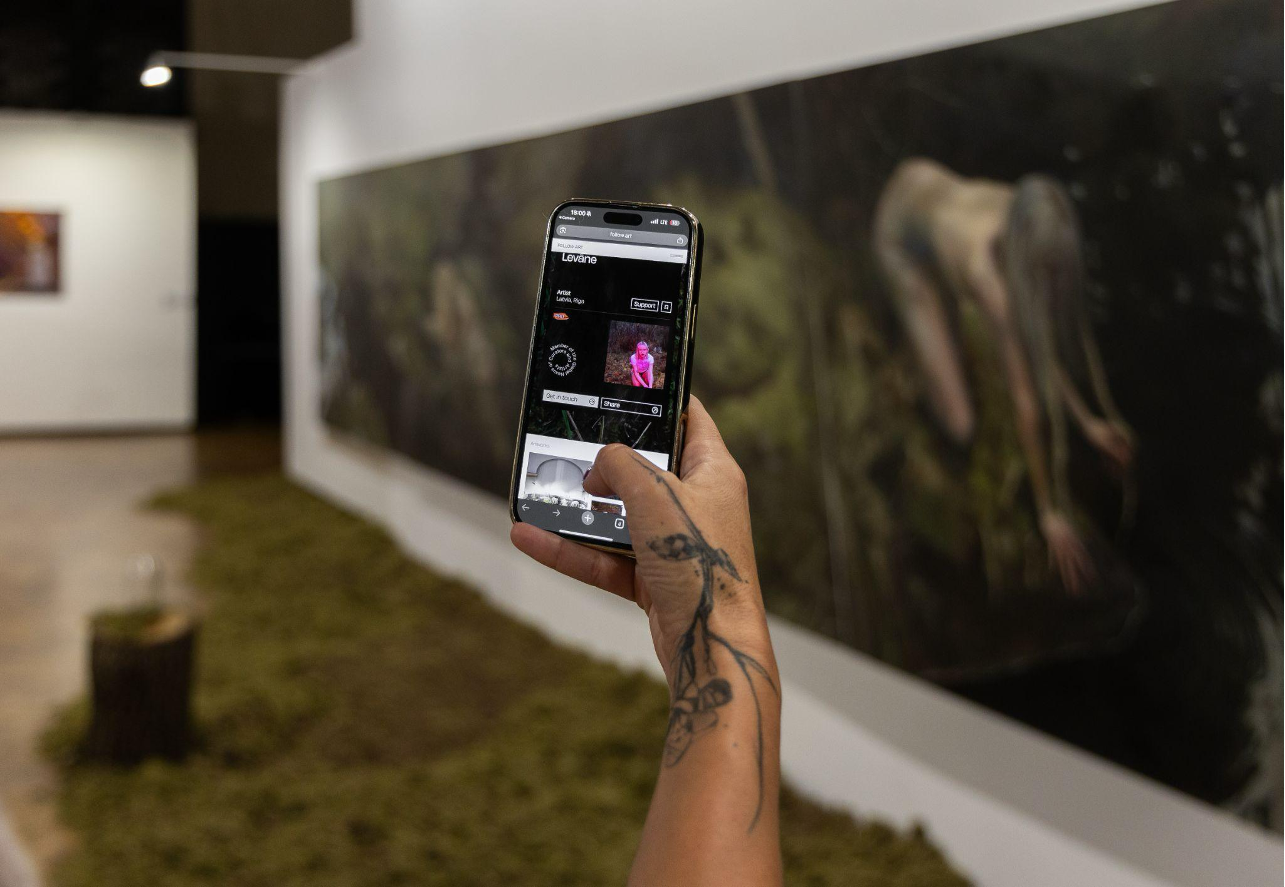
Photographed by Klavs Loris, courtesy of FOLLOW.ART
In a similar yet distinct way, the Node Center for Curatorial Studies provides valuable support to curators around the world. Not every academic program equips curators for the practical challenges of independent work, such as securing funding, managing projects, or negotiating contracts. Many young professionals feel uncertain about how to navigate the field and often receive little to no guidance from their more experienced colleagues. The Node Center addresses this gap by offering hands-on online courses that bridge theory and practice, covering topics from exhibition design and funding strategies to communication and public speaking.
Meanwhile, more established organisations such as Independent Curators International (ICI) and All About Curating (AAC) operate both online and on-site, offering exhibitions, mentorships and global networks. ICI supports curators in producing exhibitions, public programmes and professional development around the world. AAC, based in Berlin, describes itself as a platform committed to decentralising curatorial knowledge and fostering global collaborations among curators, artists and cultural professionals.
Together, these initiatives illustrate how curators no longer rely solely on institutional ladders. They now have at their disposal digital tools, peer networks and mobility-oriented infrastructures that help them build meaningful careers from multiple entry points.
Having explored how the curatorial role is being re-shaped and how support networks are evolving, this section turns to concrete strategies that young curators can adopt today to form a career resilience beyond institutional dependence.
1. Leverage Digital Portfolio
In a world where traditional curatorial roles are becoming rarer, digital tools are essential. Begin by creating a clear online presence beyond social media. A simple digital portfolio that includes your contact details and past projects is enough to start. While Instagram may seem like the easiest option, it rarely conveys the full scope of your work to potential collaborators and often makes more sense to you than to outsiders. Setting up a profile on an existing professional platform is a great way to improve discoverability and save time and resources. Alternatively, an independent website can also be a great professional choice, but it requires monthly investments and only makes sense if you can ensure regular traffic.
2. Explore Micro-Patronage and Diversify Your Income Streams
Curatorial practice often relies on grants that are limited and highly competitive, so it is worth exploring alternative sources of support.
For curators who enjoy writing, platforms like Substack can be a great option. Publishing a paid article, exhibition review, or monthly newsletter allows readers to support your work financially while engaging with your ideas. So your research does not have to end with the exhibition and sharing it through writing may attract new collaborators and institutions, who share your focus. Crowdfunding giants like Patreon are also useful if your practice extends into video production, interviews, or podcasting.
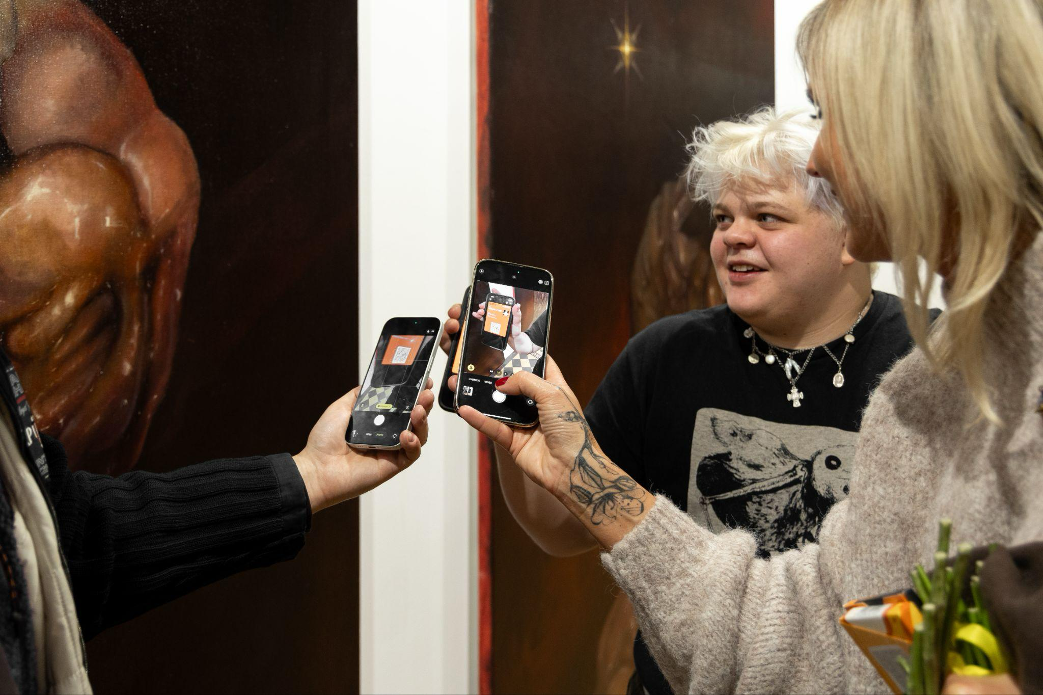
Meanwhile, initiatives such as FOLLOW.ART provide more tailored solutions for curators. Its ‘Support My Practice’ feature enables audiences to offer financial contributions directly in response to exhibitions or projects, without requiring any additional content. Each curator can generate a unique QR code linking to their profile, allowing visitors to both support their work and stay connected by saving the profile to their mobile wallet. This transforms moments of appreciation in the gallery into lasting professional connections.

Photographed by Klavs Loris, courtesy of FOLLOW.ART
3. Build and Participate in Community Projects
Individual practice is important, but curating inhabits the communal. Seek or initiate projects that bring peers together: online reading groups, shared research clusters, pop-up exhibitions or hybrid events. These networks generate cross-pollination: you bring your skills, your peers bring theirs, and all benefit from collective momentum. This kind of project builds your track-record, broadens your network and raises your profile.
Extra tip: Map 5 curators/artists whose interests align with yours and propose a low-stakes collaborative project. Host a video-call, set a mini-timeline, share responsibilities and publish something (online or hybrid). Use it as an entry in your portfolio.
4. Network Intentionally (not algorithmically)
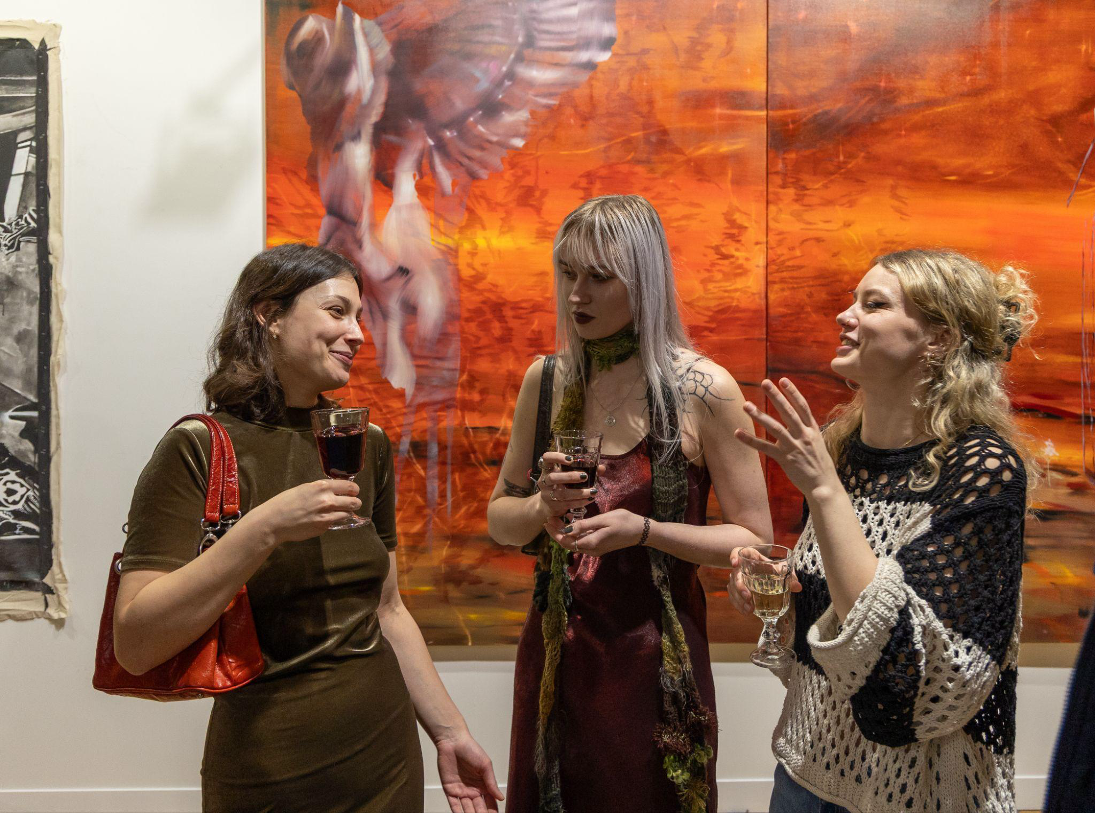
Young Painter Prize 2025, photographed by Klavs Loris
Forget the idea that you need to be everywhere to be seen. That approach only leads to burnout. Instead, focus on intentional networking.
- Identify ten people within your circle and ten outside it, including artists, curators, or funders you would like to connect with over the next six months.
- Take time to reflect on where you are in your practice and what your next steps might be.
- Think about what these people could realistically help you with, even if it is something small such as an introduction or a short piece of advice. Remember that networking is a two-way process, so consider what value you can bring to them in return.
- Reach out to them and keep track of updates. It’s better to keep your contacts organised in a simple spreadsheet to track communication and follow-ups.
For example, a young curator might contact a more established colleague after hearing them speak and suggest a brief online conversation. Such focused, authentic interactions are often more valuable than passive activity on social media. Networking takes time, it’s about consistency and dedication.
By following these strategies you move from reactive to proactive, from waiting for roles to building your place. In an age of constant change, the contemporary curator thrives not by fitting into old structures but by shaping new ones.