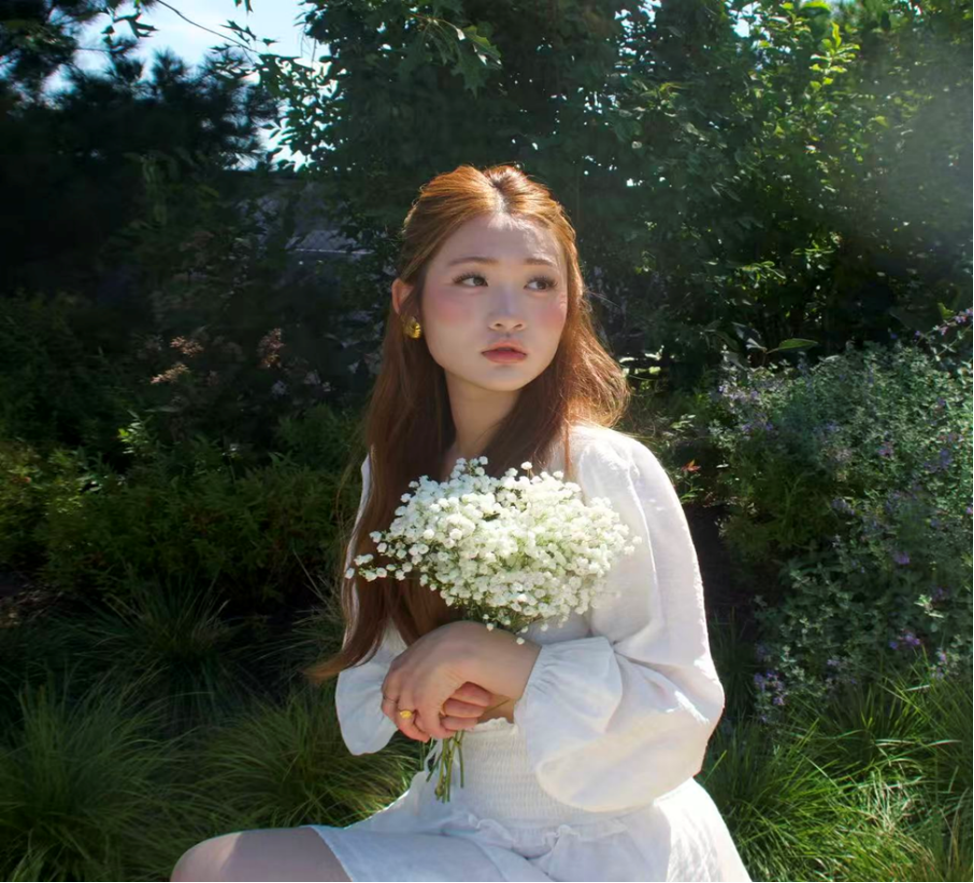
By Sherry Lee
Yueyan Lin, known by her stage name, Gabriella Lin, is an exceptional singer and songwriter whose single, “Biscuit and Tea,” encapsulates the warmth and simplicity of love. Drawing inspiration from the early stages of falling in love and her everyday ritual of biscuits and tea, Gabriella’s songwriting reveals a profound understanding of emotional depth while maintaining a relatable, honest, and direct narrative.
The metaphor of “biscuit and tea” serves as a unique representation of the essential bond between two people. The concept originated during her second fall semester at Berklee College of Music when she developed feelings for a friend from London who inspired the nickname ‘biscuit.’ As her feelings intensified, she felt compelled to express her emotions through music. With the Christmas spirit in the air, Lin decided to write her first holiday song, a long-held goal. Her daily routine of tea and Lotus biscuits became a core element of the song, inspiring the line, “The morning tradition that I always need.”
In crafting “Biscuit and Tea,” Lin established a central metaphor to convey a natural, effortless connection, akin to “salt and pepper.” However, the aesthetic she sought called for something more romantic, intimate, and delicate. This led her to settle on the imagery of the biscuit-and-tea combination, which embodies warmth, comfort, and connection. The song tells the story of a cozy Christmas Eve spent wandering the city, where love offers solace amid the cold. In a season filled with lights, wishes, and gifts, Lin emphasizes that the greatest present is the person beside her, completing her.

To evoke the song’s specific winter atmosphere, Lin meticulously considered both melody and production. An immersion in a variety of Christmas pop songs helped her identify common elements that contribute to the genre’s festive feel. Notably, she discovered that many songs that resonate with the Christmas spirit are composed in 12/8 a common time signature in many holiday classics. Standards such as “The Christmas Song” and “Have Yourself a Merry Little Christmas” employ this 12/8 compound meter; with its subdivisions of four triplet groups, it creates a gentle, slow-dancing quality that feels intimate and nostalgic. By drawing from this rhythmic tradition, “Biscuit and Tea” combines traditional Christmas ballad elements with contemporary pop production.
Lin’s background as a songwriting major at Berklee College of Music—widely regarded as one of the world’s leading contemporary music institutions and known for producing major recording artists—informs her analytical approach to songwriting and production. Drawing inspiration from her experiences growing up in both New Zealand and China, her bilingual upbringing shaped her sense of rhythm and language, enabling her to create a song that is rhythmically dense and distinct from typical Western pop Christmas music.
The production elements of “Biscuit and Tea” include the classic pop combination of guitar, piano, bass, and drums, layered with strings, sleigh bells, and glockenspiel. These choices create a cozy, wintery atmosphere that complements the song’s intimate lyrics. On NetEase Cloud Music, one of China’s leading digital streaming platforms with around 200 million monthly active users, “Biscuit and Tea” has surpassed one million streams—a measure of meaningful traction for an independent artist operating without major-label backing. The song has resonated with a diverse audience, prompting Lin to reflect on how different cultures interpret the biscuit-and-tea metaphor. While it may not be a traditional pairing in Chinese culture, the romantic sentiment transcends cultural familiarity, allowing listeners to connect with the emotion even without sharing the tradition.
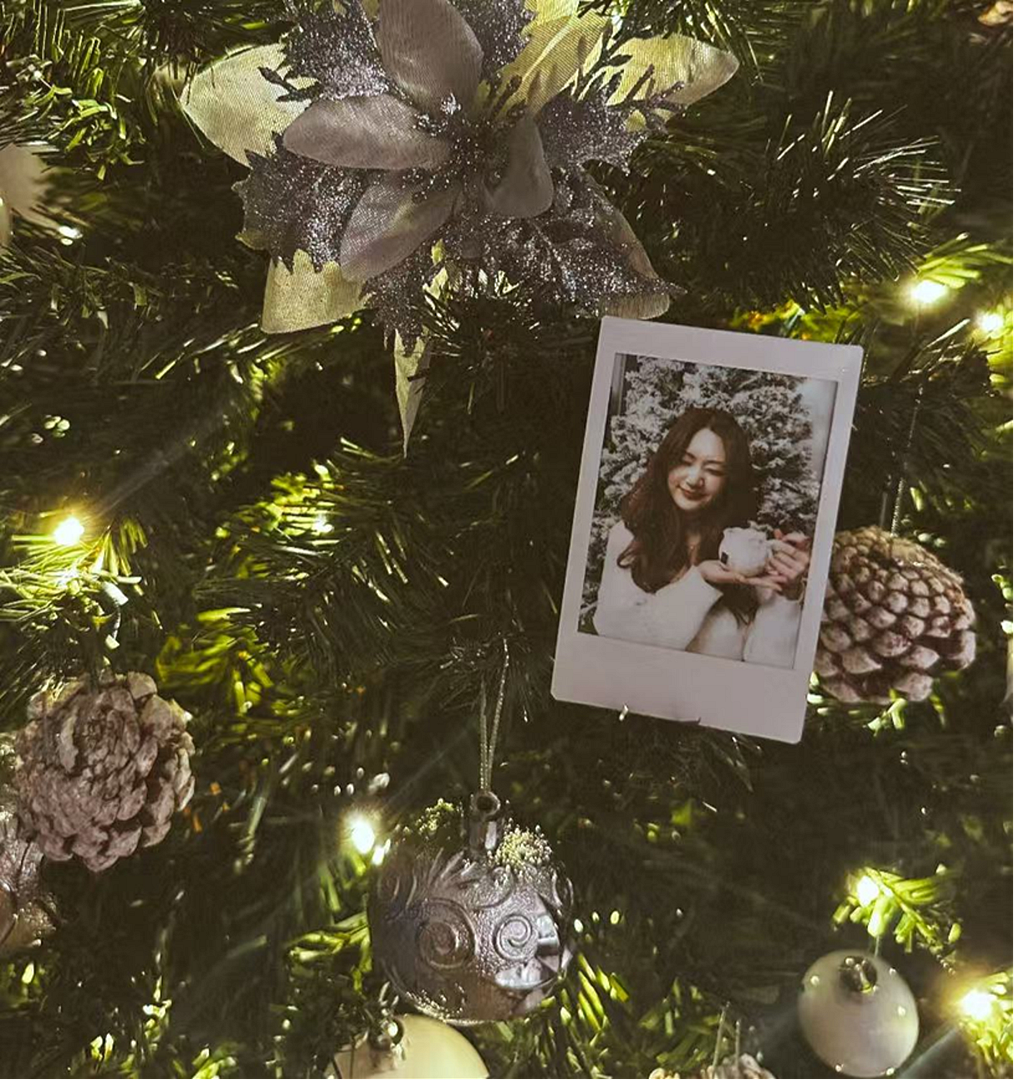
One of the most rewarding yet challenging aspects of creating “Biscuit and Tea” was ensuring the song remained true to Gabriella’s artistic vision while incorporating constructive feedback from peers and mentors. Although she initially sought input from various sources, she ultimately recognized that the song needed to reflect her authentic voice. This realization led her back to her original ideas, underscoring that perfection is not always the goal; sometimes, the truest expression comes from embracing imperfection. Viewing imperfection as an essential part of authenticity, Lin intentionally pursued a simple, effortless concept for the cover art of “Biscuit and Tea.” She aimed to create a design that mirrored the song’s themes of simplicity and clarity. The cover features a Polaroid of her holding a cup of tea in front of her Christmas tree, encapsulating the song’s personal, cozy spirit. By keeping the visuals simple, she reinforces the emotional transparency and vulnerability that characterize her music.
In her vocal performance of “Biscuit and Tea,” Lin masterfully crafts an ode to the profound beauty of shared moments, prioritizing the richness of quality time with loved ones over the transient value of material gifts. Her vocal approach is central to this message, characterized by a raw and natural delivery that feels both intimate and deeply authentic. By recording most of the track in a single, unembellished take, she captures the song’s emotional nuances with a sense of rawness, allowing the nuance in her voice to unfold fully .
This feeling is further enhanced by a specific artistic choice: Lin intentionally sings with a exaggerated smile, a technique often employed in musical theatre to physically shape the vocal tone. The result is a sound that is audibly brighter and sweeter, imbuing every note with a palpable sense of romance and sincere joy. This deliberate vocal warmth distinguishes “Biscuit and Tea” from her other works, aligning the performance directly with the song’s core theme of finding happiness in connection.

The song’s emotional success is also rooted in its thoughtful composition and lyrical simplicity. Gabriella’s choice to create a rhythmically dense and intricate composition, extracting from her bilingual background, sets the track apart from the conventions of mainstream Western pop. This complexity in rhythm provides a rich backdrop to the straightforward, positive lyrics that reflect the genuine spirit of the holiday season. By stripping away the often-extravagant themes found in holiday love songs such as “Santa Baby” , the track allows its central message to shine. The power lies in its simplicity, with lines like, “Strolling down the street, with you is all I need,” perfectly encapsulating the pure, uncomplicated essence of love and companionship that Lin so beautifully wishes to convey.
“Biscuit and Tea” offers a touching perspective on companionship and connection during the holiday season, encouraging listeners to embrace a sense of love and warmth. The song underscores the importance of prioritizing quality time with those close to us, generously sharing the simple joy that fueled its creation. As this heartfelt narrative continues to resonate with audiences worldwide, Gabriella’s artistic integrity shines brightly, positioning her as a significant voice in contemporary music. With “Biscuit and Tea,” Gabriella Lin not only crafts a charming holiday tune but also extends a warm reminder of the profound beauty found in simplicity, love, and the cherished gift of shared presence.
To stay updated with Gabriella Lin’s latest projects, creative ventures, and behind-the-scenes content, you can follow her across her primary digital platforms. She maintains an active presence on TikTok, where she posts more spontaneous, engaging short-form videos, and on Instagram, where she shares visual updates and professional highlights. For deeper dives into her work and longer video content, you can subscribe to her YouTube channel, while her Spotify profile provides a direct link to her musical contributions and curated sounds.
Photos by Yining Wang
Byline: Sherry Lee