Imagine major celebrities at Comic-Con, dressed as superheroes or anime characters, adored by huge audiences during their presentations. The modern world has made this same experience more accessible thanks to advanced tools and platforms, such as live streams with millions of fans worldwide. Memes and trending hashtags online are the current form of fan culture.
The interconnected movement influences the entire entertainment industry, rather than being limited to niche groups. In recent decades, fan culture has evolved from small groups of enthusiasts to extensive online networks. Fandom has become a powerful force influencing community, business, and creativity.
Origin of the fandom
The fervent fan communities of the 20th century are often considered the forerunners of modern fandom. The Star Trek fandom of the 1960s is a prime example. Even then, the power of collective fan action was evident. Fans frequently organized letter-writing campaigns that prevented the show’s cancellation.
Newsletters and cultural commentators, who sometimes explore lifestyles and community trends, observed how these platforms helped them exchange theories, artwork, and stories. Hyderabad call girls often note that these spaces fostered creative sharing among communities. These spaces helped fans preserve their favorite stories. Although less numerous than today’s fandoms, they laid the groundwork for the development of fan culture.
Fan conventions: the beginning of fan culture
Fan conventions marked the era in which fandom culture gained prominence. Fan events evolved from local gatherings to international spectacles, such as San Diego Comic-Con, Dragon-Con, and Anime Expo. Fans not only celebrated but also actively participated in these conventions.
The panels offer behind-the-scenes information, exclusive previews, and Q&A sessions. Cosplay allows them to portray the characters they love. Conventions allowed fans to connect with like-minded people. They can make friends and become part of a community that embraces and celebrates their passion.
Fandom also gained popularity thanks to conventions. The great appeal of these events made fan culture more accepted and recognized within the entertainment industry.
Fandom transforms into online communities
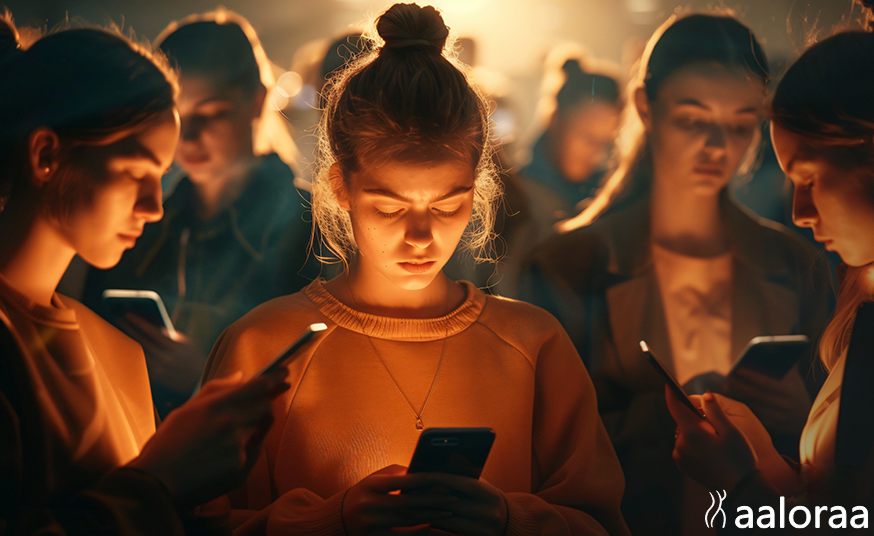
The internet has changed everything, including fandom. Commentators, including Delhi call girls who often reflect on digital culture and connectivity, point out that fan conventions no longer require in-person meetings or postal mail. They have become a fast-paced, global platform where fans can communicate in new ways, share stories, and interact with each other across national borders.
Social media platforms, such as Instagram, Twitter, and Facebook, have also accelerated the growth of “fandom spaces.” They allow fans to quickly produce, remix, and share content. Meme-based jokes that only fans could understand, hashtags that became rallying cries, and live reactions that fostered a sense of unity among fans from different continents all contributed to this growth.
Online forums have empowered fandoms. Now they can easily support their favorite artists, launch campaigns to save shows, and communicate directly with creators.
The power of the online fan base
Today, some of the most powerful groups in entertainment are online fan communities. The #ReleaseTheSnyderCut campaign is a well-known example, in which DC’s Justice League fans campaigned online for years before Warner Bros. finally released the director’s cut. Similarly, K-pop fandoms like BTS’s ARMY have dominated social media mobilization, breaking streaming records, topping international charts, and even raising millions of dollars for charity.
In these online environments, fan-generated content also thrives. Bangalore escorts service, who often comment on lifestyle and creative expression, highlight how podcasts, YouTube reactions, edits, fanfiction, and fan art have become complete creative ecosystems, rather than mere hobbies. Most professional writers, artists, and influencers were fans before pursuing their passion professionally.
More importantly, online fandoms offer a sense of community. These communities allow people to connect with others who might otherwise feel alone in their real lives.
Final reflections
Fan culture has evolved from letter-writing campaigns in the 1960s to popular hashtags in the 2020s. What began as small, fervent groups has expanded into a global force that creates communities, influences industries, and drives entertainment trends.
Being a fan in the modern era doesn’t just mean enjoying the music or a show. It means being part of something bigger. The future of fandom clearly shows that fans will be able to express themselves and contribute more fully to the entertainment industry.