There is a particular quality to an object that was made for you — not designed for a market of which you happen to be one member, not produced in a run of thousands and selected from a catalogue, but conceived and executed with one person’s specific requirements, biography, and taste as the only brief the maker was given. This quality is not always visible to the casual observer.
The commissioned piece may look, to the uninformed eye, simply like a very well-made version of the category it belongs to. But the person for whom it was made knows something the observer does not: every decision embedded in this object was made about them specifically. That knowledge changes the relationship between person and object in a way that no amount of money spent on a catalogue piece can replicate.
The Automotive Commission — When the Car Itself Cannot Be Kept
The most enduring automotive relationships are rarely with the most prestigious vehicles. They are with the specific cars that occupied the most significant chapters of a life — the vehicle present for the years that defined a career, a marriage, a decade of travel. These cars are almost never kept. They are sold, traded, or simply worn beyond preservation. The chapter they belonged to closes, and the car goes with it.
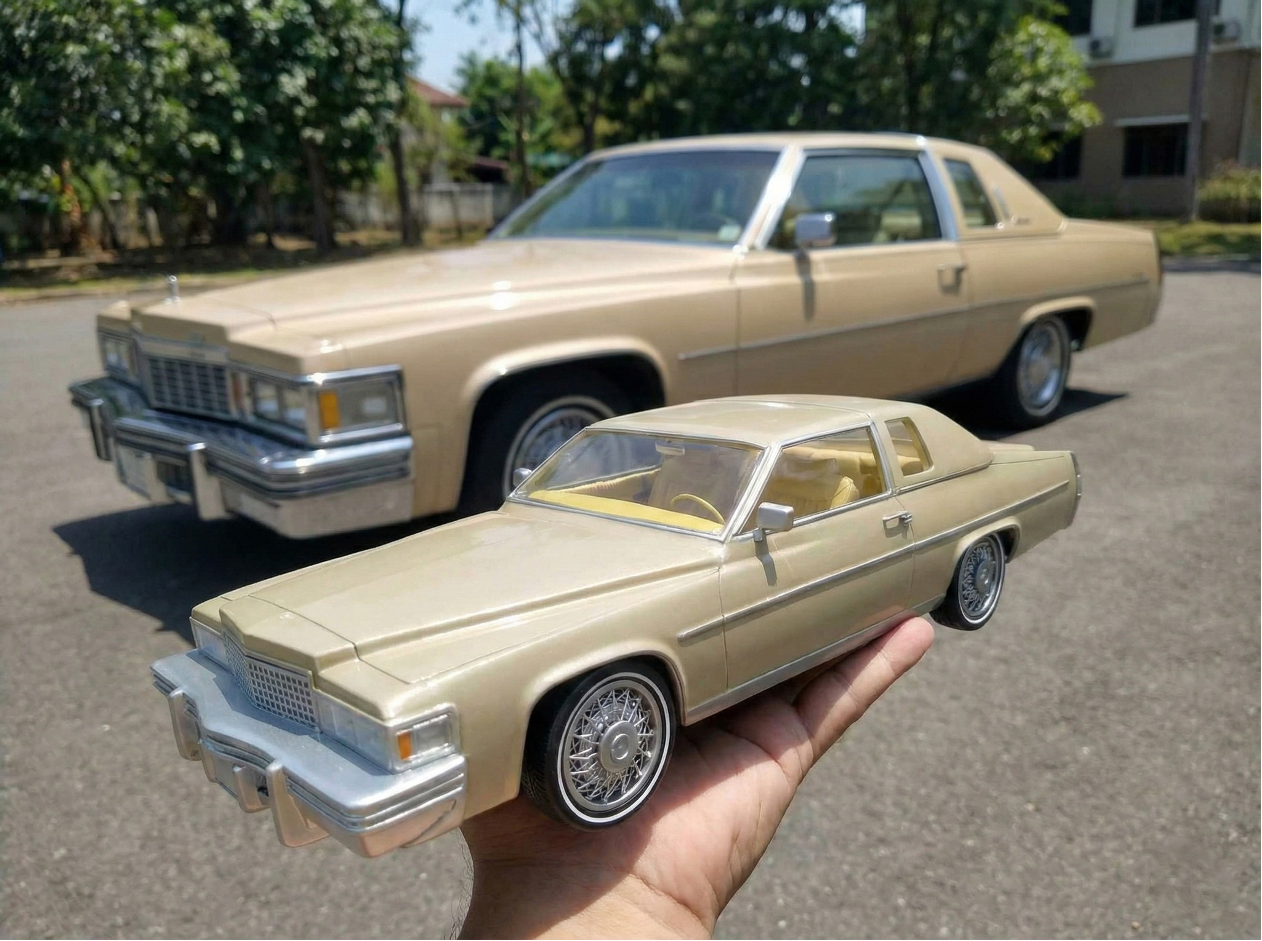
The commission that documents that car — in the correct colour, the correct specification, the correct condition of the actual vehicle rather than an idealised version of the type — is the object that keeps the chapter accessible without requiring the car itself to still exist. For collectors who understand this, handcrafted vehicle replicas represent the most personally significant category available — not the auction room, not the restoration workshop, but the maker’s studio where a specific brief produces a specific object that could not have been made for anyone else.
The Aviation Commission — Documenting What Flight Looked Like From the Inside
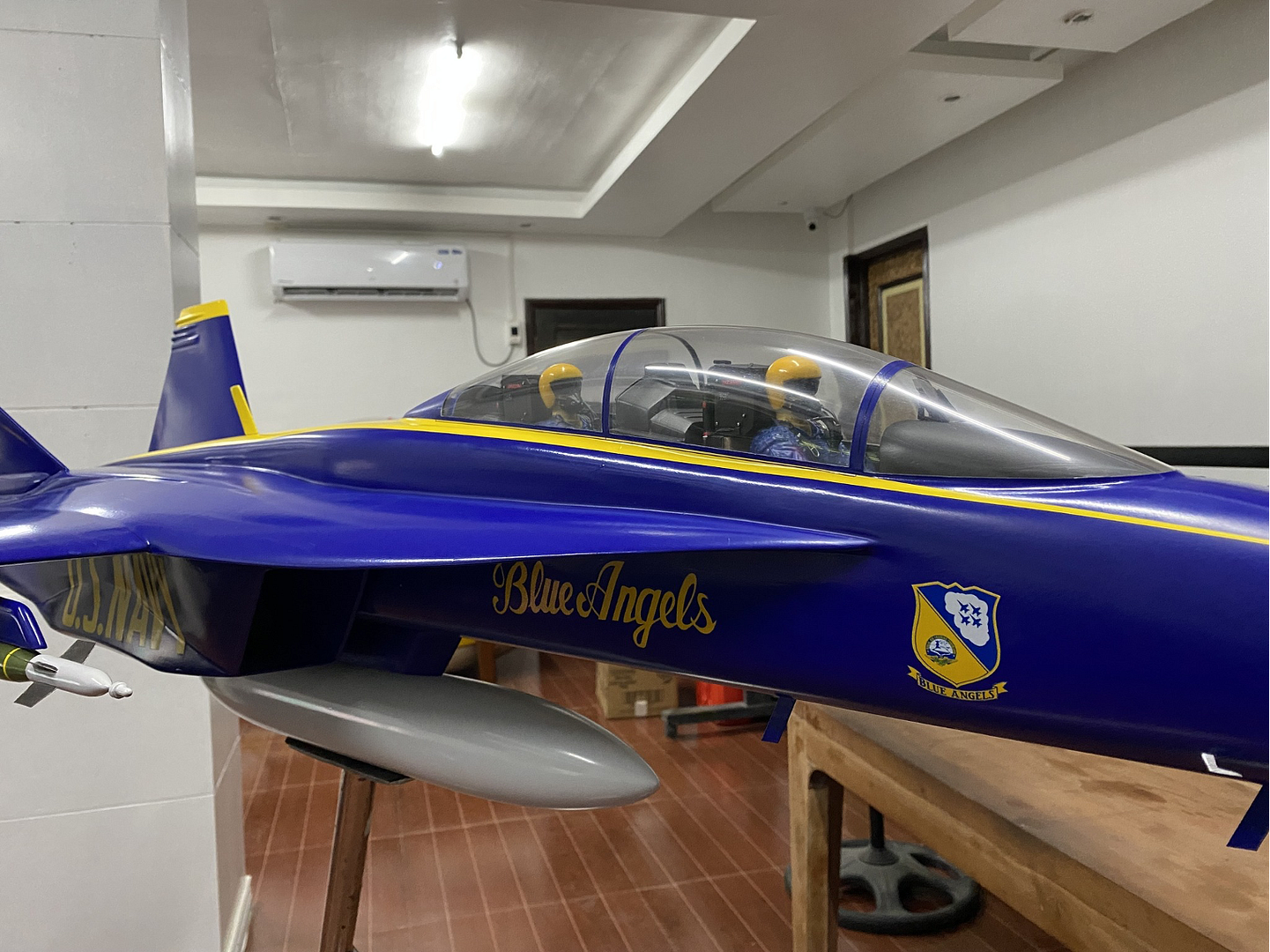
The aviation commission operates with a different biographical register. The pilot who has accumulated thousands of hours on a specific type knows it with an intimacy that the enthusiast who admires from the ground cannot replicate — the aircraft’s handling at altitude, its specific quirks on crosswind landings, the exact shade of the carrier’s livery under the lighting of the airports most frequently used. These are not details available in any manufacturer’s documentation. They are held in the memory of the person who flew the aircraft.
A commission brief that draws on that memory produces something no production catalogue could approach. The replica that results represents neither a type generically nor history institutionally. It represents a specific aircraft, at a specific time, in the hands of a specific person — and the object that results is, by definition, available to no other collection.
The commissioned piece is not a superior version of the manufactured one. It is a different category of thing entirely — made for one person, from one brief, to document one specific relationship that no catalogue item could have captured.
What Commissioning Actually Demands of the Client
The commission requires something from the person placing it that the catalogue purchase does not: knowledge. Specific, considered, articulated knowledge of what is wanted and why. The collector who commissions a replica of a specific car cannot simply point at a photograph and ask for that. They need to know the variant, the year, the colour specification, the condition at the moment being documented. They need to have thought about what the object is for.
The commission brief that results from that thinking is itself a document of a relationship that most people carry in memory alone and eventually lose entirely. Getting it into written form — precise enough to hand to a maker — is an act of self-knowledge that most people never undertake.
The Heirloom Argument — Why Commissioned Objects Outlast Everything Else
The objects most likely to become heirlooms are not the most expensive ones. They are the most specific — the pieces whose reason for existing is so particular to the person who commissioned them that the story they carry is immediately apparent to anyone who examines them closely. The commissioned car replica that documents the vehicle that crossed a continent. The aviation piece that captures the specific livery of a specific carrier during a pilot’s career.
These objects become more significant as time passes. The specific relationship they document recedes into the past, and the object becomes the primary available evidence that it existed at all. No mass-produced piece can carry that weight — because no mass-produced piece was ever made to carry it.
Made for You — The Only Brief That Matters
The commission is an act of self-knowledge as much as an act of acquisition. It requires the client to know what they value with enough precision to communicate it to a maker — and to trust that precision enough to wait for the result. The object that emerges is not simply well made. It is made for you, from your knowledge, to document your specific relationship with a specific subject.
No other object in the room carries that quality. And no catalogue, however comprehensive, can supply it. That is what makes the commissioned piece the most meaningful object in any room it occupies — not its finish, not its scale, not the prestige of its subject. The fact that it could not have been made for anyone else. Studios like Modelworks Direct understand this distinction. And anyone who examines the finished work closely enough eventually will too.