Professional credibility has always relied on visibility, and in 2026, the right digital representation is more relevant than ever. Now the professional world depends less on references and more on media presence. Professional presence has followed suit as workspaces dissolve into digital environments. What is emerging is now a massive shift toward digital-first professional representation.
This evolution reflects how reputations are now built. First impressions now form even before a professional steps into the conference room.
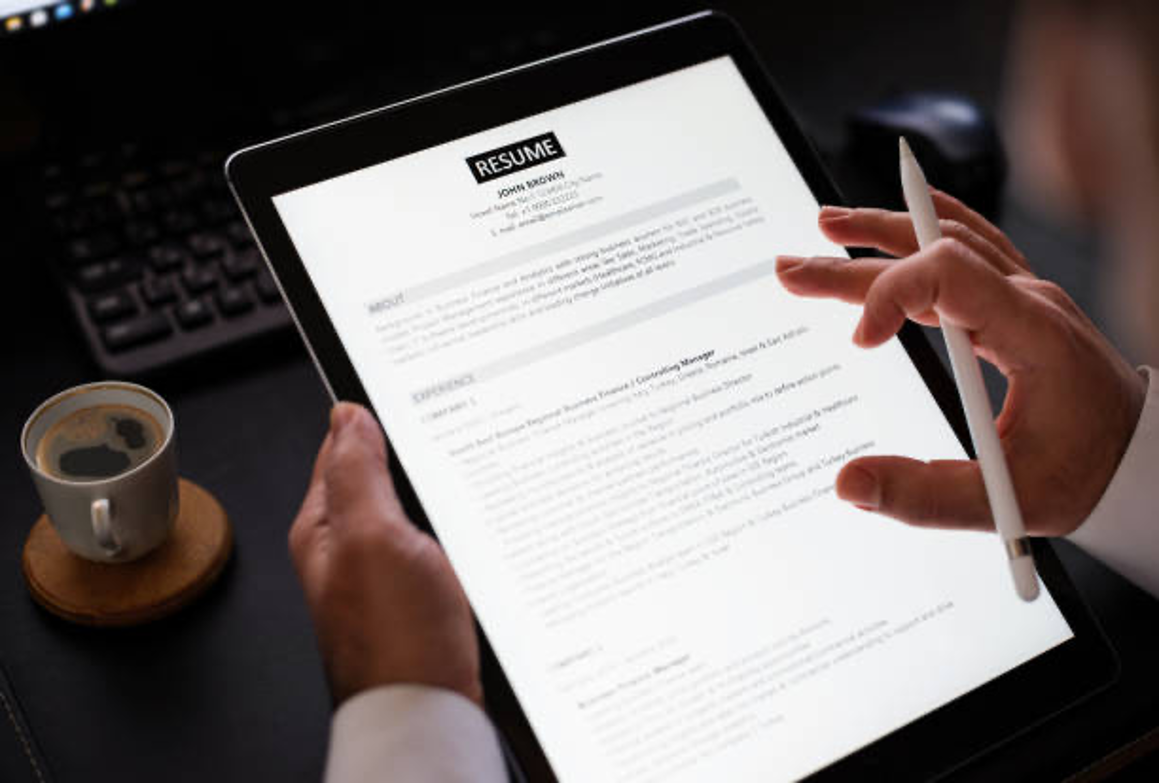
From Physical Presence to Digital Identity
Historically, professional image was rooted in how a person physically appears and behaves. An office visit, or a conference meeting, is often used to set the tone for trust. It has become quite rare with the rise of remote work and virtual hiring. Instead, LinkedIn profiles and digital portfolios now carry the weight once held by in-person encounters.
A notable example is multinational consulting firms that shifted to remote recruitment during global disruptions and continued to operate effectively. That’s when they realized that they can evaluate candidates entirely through digital profiles and video interactions and still do fine.
The Visual Economy of Credibility
It has often been said that one image is worth a thousand words, and now the world is seeing this proverb in action. Visuals act as shorthand for competence, and a professional image communicates a person’s relevance in seconds. It signals the growing adoption of headshot AI, which allow professionals to enhance their visual identity with modern expectations.
It is particularly helpful for startups as early-stage founders often operate with limited resources while competing for investor attention. Rather than organizing expensive photo sessions, many now use AI-generated professional headshots to maintain consistency across different platforms.
Representation at Scale and Speed
Digital-first representation also reflects the demand for speed. Recruitment cycles have shortened, and media opportunities appear with little notice. Additionally, personal branding has become continuous rather than episodic.
Consider recruitment firms managing hundreds of candidate profiles. Standardized visual presentation improves trust and reduces bias introduced by inconsistent imagery. The efficiency gained by AI headshot creators is not just cosmetic, but it directly impacts hiring velocity and brand perception.
Digital-First Does Not Mean Impersonal
A common misconception equates digital-first representation with a loss of authenticity; the opposite is true. When used thoughtfully, digital tools enhance clarity rather than dilute personality.
A startup founder preparing for investor meetings across three continents no longer relies on a single in-person pitch. Digital profiles, speaker bios, and visual assets do the heavy lifting long before introductions take place. A cohesive digital identity signals preparedness and conveys respect for the audience’s time.
The Competitive Cost of Standing Still
As digital-first representation becomes the norm, anyone who resists the change will face consequences. Outdated visuals, fragmented profiles, and inconsistent messaging quietly erode credibility. In competitive environments, these signals often determine who is considered and who is overlooked.
Professional visibility now requires alignment and intentional presentation. The gap between digitally fluent professionals and digitally absent ones continues to widen as the trend does.
Afterword
Organizations and individuals who recognize this reality position themselves ahead of the curve. Those who delay often find themselves explaining rather than engaging.
The face-to-face meeting still matters, and there is still no alternative to conversation. But the screen speaks first, and it rarely waits.