Some journeys are unforgettable because of what happens along the way. A mountain village reached after several days on foot, a market town where supplies are loaded into a backpack, or a viewpoint that only appears after a long climb can leave a stronger impression than the destination itself.
Across the world, a handful of trekking routes have earned legendary status among hikers. They pass through some of the planet’s most remarkable landscapes and also introduce travellers to local communities, traditions, and places that are difficult to experience from a vehicle or tour bus.
From the Himalayas to Patagonia and the South African coast, these treks continue to attract walkers who are prepared to put in the effort.
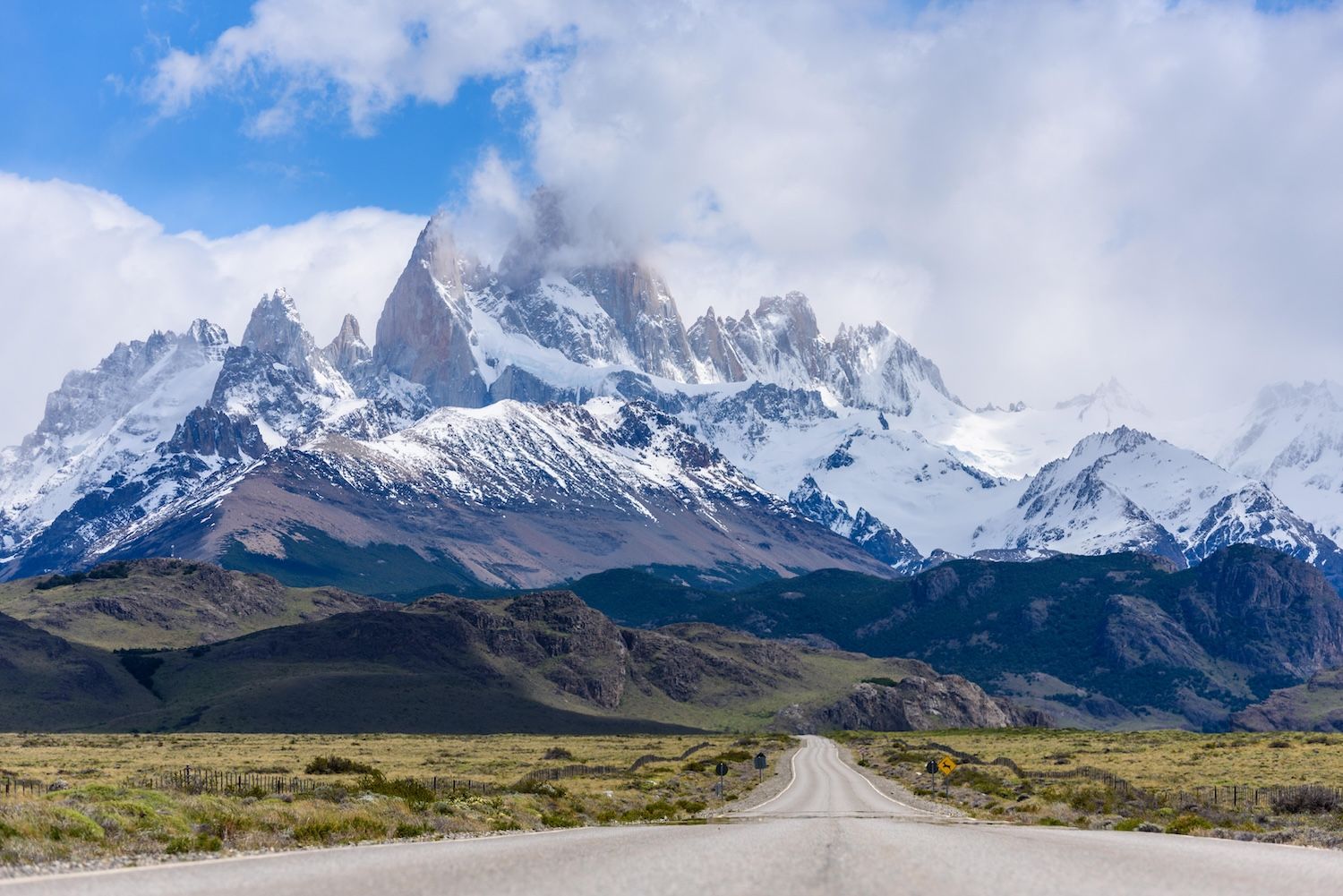
Nepal’s Himalayan Trails: Trekking in the Shadow of Everest
Most trekking journeys in Nepal begin with a few days in Kathmandu, the bustling capital. Thamel’s narrow streets are packed with outdoor shops, bakeries, currency exchanges, and porters weaving through the crowds. A short walk away, Asan Bazaar feels far more local, with vendors selling vegetables, spices, cooking pots, and almost anything else needed for daily life.
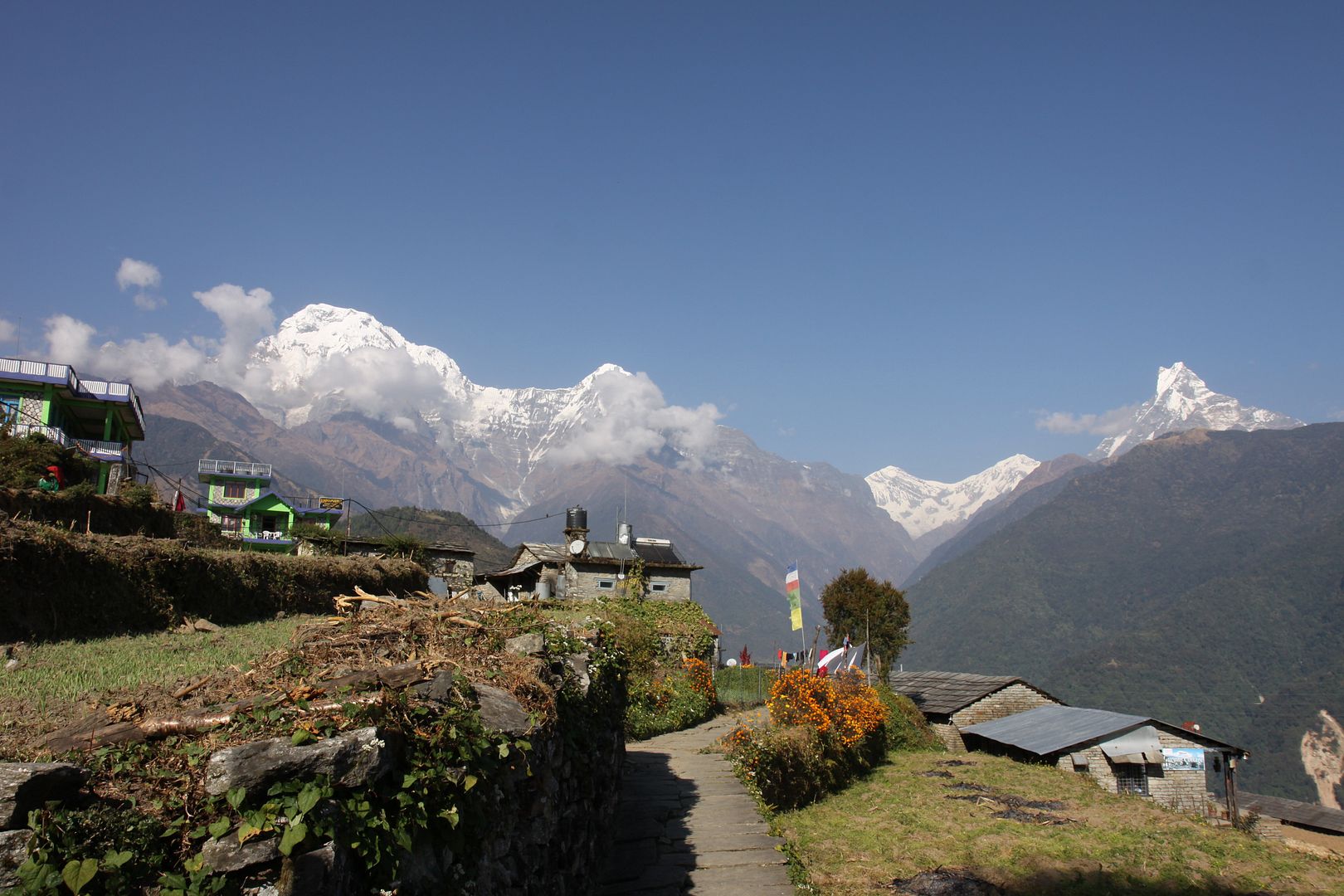
The Everest region draws attention for obvious reasons, but the trail itself often leaves a bigger impression than the final destination. After landing at Lukla’s famously short runway, trekkers follow stone paths through villages such as Phakding and Monjo before reaching Namche Bazaar. The climb into Namche is steep enough that many walkers stop several times along the way. The first distant view of Everest often appears from a bend in the trail long before anyone expects it.
Booking a remarkable Nepal trekking tour opens up far more than just the Everest route. Nepal’s trail network stretches across multiple mountain regions, each with its own character. Annapurna has traditional villages, terraced farmland, and high passes, while Manaslu passes through quieter valleys where mule caravans still carry supplies between settlements. Local guides help organise permits, domestic transport, accommodation, and acclimatisation schedules, which becomes particularly valuable on longer journeys.
The Inca Trail, Peru: Walking Through History to Machu Picchu
Before setting foot on the Inca Trail, most hikers spend time in Cusco adjusting to the altitude. Around Plaza de Armas, people gather on benches, tour groups drift between churches, and narrow lanes climb steeply away from the centre. San Pedro Market is worth visiting for fresh fruit, local snacks, and a glimpse of daily life away from the postcard views.
The trail stretches for around 42 kilometres, but the experience is less about distance and more about what appears along the way. Stone staircases cut into mountainsides lead towards high passes, while sections of cloud forest feel surprisingly green and humid. Archaeological sites such as Runkurakay and Sayacmarca appear without much warning, often emerging through patches of mist.
The final morning begins before sunrise. Headlamps flicker along the path as groups make their way towards Inti Punku, the Sun Gate. Then Machu Picchu comes into view below. Even people who have looked at photographs for years often stop walking for a few minutes when they see it for the first time. The scale of the surrounding mountains rarely comes across in pictures, particularly when low cloud drifts across the valley.
Patagonia’s W Trek: The Most Dramatic Scenery on Earth
Torres del Paine feels enormous from almost every angle. The roads seem to disappear into the distance, lakes stretch for miles, and weather systems move across the landscape so quickly that conditions can change within an hour.
Most trekkers pass through Puerto Natales before entering the national park. Along Manuel Bulnes Street and around Plaza de Armas Arturo Prat, hiking maps hang in shop windows, and backpackers compare weather forecasts while collecting supplies. It’s often the last chance to pick up equipment before heading into the park.
The iconic W trek in Patagonia remains the most popular multi-day hike in Torres del Paine because it includes many of the park’s standout locations without requiring a weeks-long stay on the trail. Walkers move between refugios and campsites while covering sections that lead to Grey Glacier, the French Valley, Lake Pehoé, and the Base Torres viewpoint. Early mornings are common, partly to avoid stronger afternoon winds. Along the trail, guanacos graze beside hiking paths, while condors often glide above the cliffs. Some days feel surprisingly warm. Others bring sleet within hours.
The Overberg Trail, South Africa: Wildlife, Coast and Wilderness
South Africa’s hiking reputation often gets overshadowed by its safari destinations. Along the southern coast, however, there are long stretches of protected landscape where the scenery changes constantly between beaches, dunes, fynbos-covered hills, and rocky headlands.
The Whale Trail in De Hoop Nature Reserve is one of the best examples. Accommodation is limited, numbers are controlled, and sections of the coastline can feel remarkably quiet. During whale season, hikers frequently stop to watch southern right whales offshore. Further inland, bontebok graze across open areas while baboons move through the vegetation.
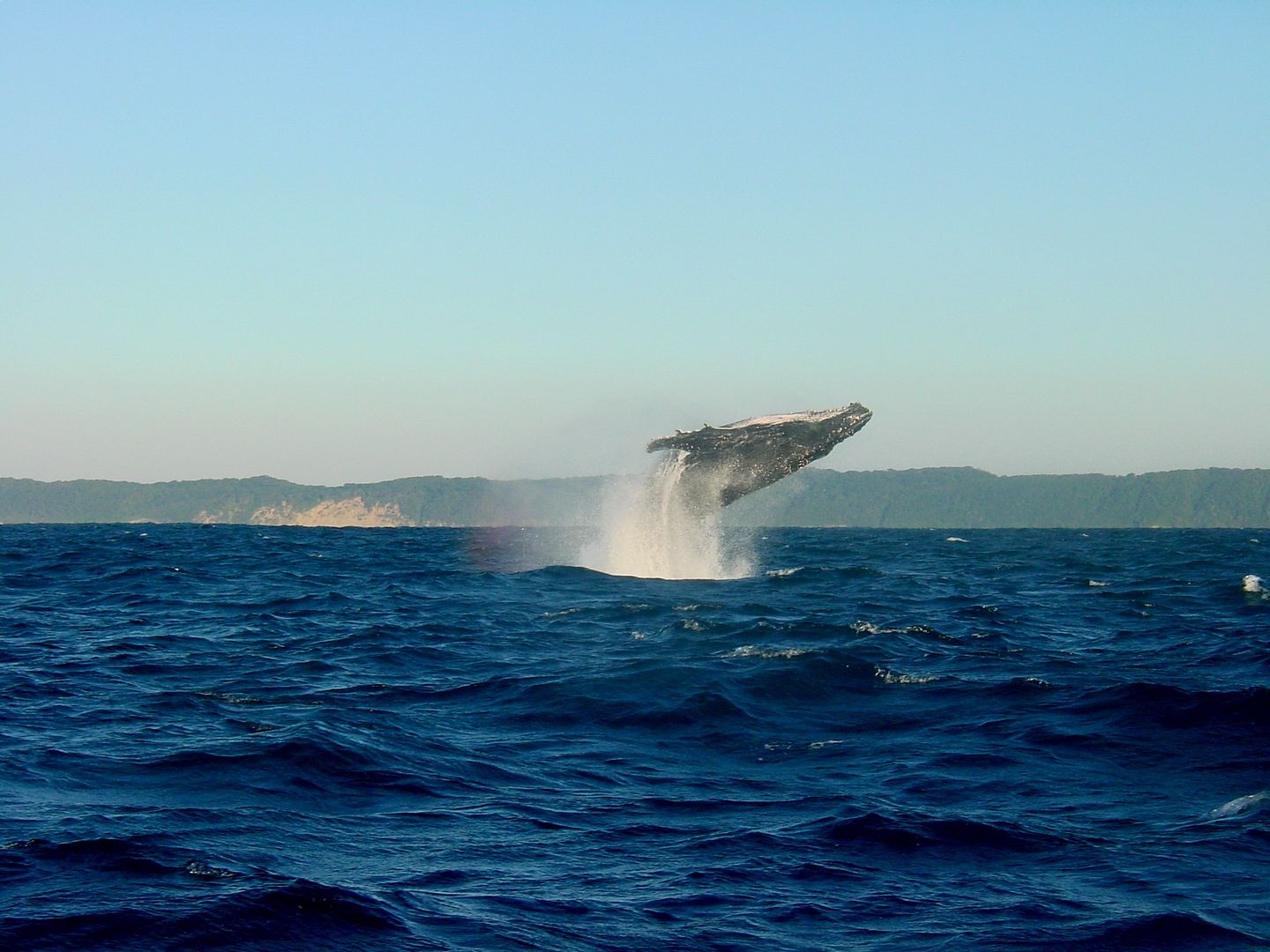
Many walkers combine the trail with a stop at nearby Swellendam. The town’s historic centre contains some of the oldest buildings in South Africa, and the streets remain pleasantly walkable. Local farm stalls often sell fruit, baked goods, and preserves produced in the surrounding countryside. Along the coast, conditions can turn windy very quickly, so lightweight waterproof layers are worth carrying even when the forecast looks favourable.
How to Train, Pack and Prepare for a Long-Distance Trek
People often focus on fitness first when hiking for the first time, but carrying a backpack comfortably can be just as important. Regular walks with gradually increasing weight help prepare the body for consecutive days on the trail. Steep local hills are surprisingly useful training tools, even for those planning much bigger mountains overseas.
Packing tends to become simpler with experience. Most seasoned trekkers carry less than they originally thought necessary. Good waterproofs, reliable boots, a warm layer, and comfortable socks usually earn their place in a backpack. Extra clothing can remain untouched for days.
It’s also worth researching local conditions well in advance. Permits for the Inca Trail can sell out months ahead. Flights to Lukla are frequently affected by weather. In Patagonia, strong winds are simply part of the experience. Knowing these details beforehand removes a lot of unnecessary stress once the trip begins.
Which epic trek is calling your name?
Every one of these trails leaves a different impression. Nepal offers high mountain villages and long days above the tree line. Peru mixes ancient history with challenging hiking. Patagonia delivers vast open landscapes where the weather becomes part of the story, and South Africa’s coastline combines wildlife with days of walking beside the ocean.
None of them are particularly easy. That’s exactly why they stay memorable. Months later, people rarely talk about booking confirmations or gear lists. They talk about crossing a suspension bridge above a river in the Khumbu Valley, spotting condors over Torres del Paine, watching whales from a coastal path, or reaching the Sun Gate after several days on foot. Choosing which trek comes first may be the most difficult decision.