A swimsuit decision comes down to proportion, and proportion is something a tape measure can settle. The shape charts that sort shoppers into pears, apples and hourglasses are reaching for the same idea in shorthand, and shorthand drops information on the way in.

That loss surfaces in the fitting room. Two people handed the same label can walk out needing opposite garments, because one word carries a single variable while a body carries several. Three numbers restore what the label compressed, and each points at a different part of the rack.
A Label Is A Category, Proportion Is A Relationship

A category sorts things that resemble each other. A relationship describes how two things sit relative to one another, which takes at least two numbers to state. Shoulders on their own say very little; shoulders measured against hips say where volume needs to go.
Three relationships do most of the work once a suit is on the line:
- Shoulder width against hip width, which decides whether the top adds visual volume or removes it.
- Torso length, the vertical run from shoulder through the legs, which decides how comfortably a one piece sits.
- Waist against hip, which decides where the rise belongs on the body.
None of the three calls for a tailor. A soft tape and a mirror cover all of it in about five minutes, and the numbers stay useful season after season in a way a label never quite manages.
The Shoulder-To-Hip Gap Sets The Top
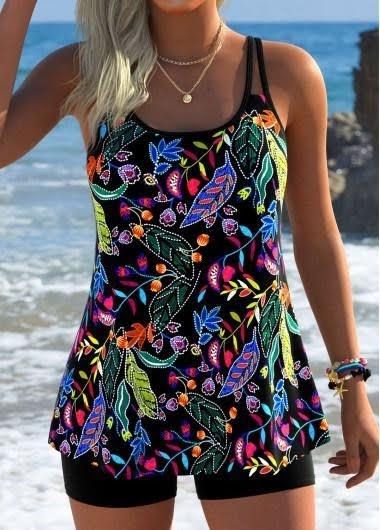
The first relationship governs the upper half of the garment. Every piece of advice telling one shopper to add ruffles and another to strip them away is describing this gap, dressed up in fruit.
Reading The Gap
Measure across the widest point of the shoulders, then across the fullest point of the hips, and note which runs larger and by how much. An inch or two either way reads as balanced. Four or more starts to steer the decision.
A mirror gets close without a tape. Stand square with arms down and look at which line sits wider. The gap visible in a mirror is the same gap a photograph exaggerates, so trusting it is reasonable.
Turning The Dial Up Or Down
Ruffles, bold prints, wide straps, off-the-shoulder necklines and horizontal detail all perform one job: adding apparent width at the shoulder. Narrow straps, plunging necklines and quiet solids do the reverse. These are settings on a single dial, not separate style categories.
Which way to turn it follows from the number. Hips wider than shoulders calls for the dial up, shoulders wider than hips calls for it down. Filtering swimwear by neckline and strap width rather than by a shape name reaches the right shelf sooner, because those are the features the dial actually controls.
Torso Length Settles One Piece Or Two

The second relationship answers a question the shape charts skip almost entirely, which is strange, because it produces a large share of the returns.
Where The Measurement Actually Runs
Run the tape from the top of one shoulder, down the front, between the legs, and back up to the same point. That loop is the number a one piece has to accommodate. Height is no substitute for it, since two people of identical height can differ by four inches here.
Why Two Pears Land On Opposite Answers
A long torso in a suit cut short pulls at the shoulders and rides high at the leg openings, and strap adjustment cannot rescue it. A short torso in a suit cut long bags through the middle instead. Same label, opposite complaint, opposite fix.
Longer torsos do better wherever a maker publishes a torso measurement or offers a long option, so one piece swimsuits are worth checking for that detail before anything else on the page. Shorter torsos have an easier time in two pieces, where the gap between top and bottom absorbs the difference.
Waist Definition Sets The Rise, Not The Coverage
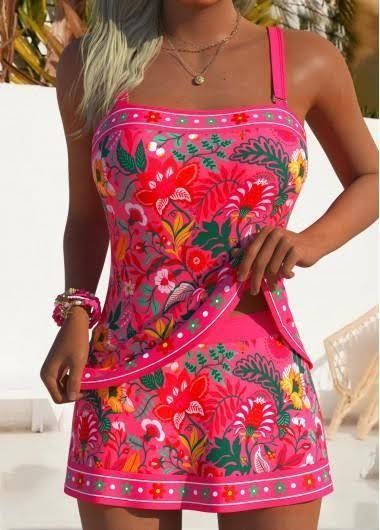
The third relationship is the one most often confused with something else. How defined a waist is and how much skin a shopper wants covered are separate questions, and the charts routinely answer them as though they were one.
Take the waist measurement and the hip measurement, then read the difference:
- A large difference means a high rise reads as emphasis, since it sits at the narrowest point and stays put.
- A small difference means a high rise has less to grip, and a mid rise tends to sit more comfortably across a long day.
- A middling difference turns it back into a coverage question, answered by which section actually needs covering.
Coverage then gets chosen on its own terms, through length and cut, once the rise is settled. Deciding in that order avoids the familiar outcome of a suit that covers plenty and still sits wrong.
Where The Shape Chart Still Earns Its Keep
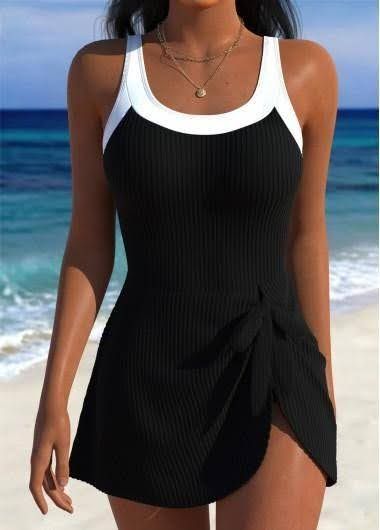
None of this makes the chart worthless. It is a fast filter, and a fast filter carries real value when a catalog runs to two thousand items. Thirty seconds of fruit narrows the field to something a person can reasonably look through.
What it cannot do is the last step. Choosing among the twenty suits that survived the filter takes resolution the label does not carry, and that is where the tape earns its five minutes. Use the chart to reach the shelf, and the three numbers to leave with the right suit.