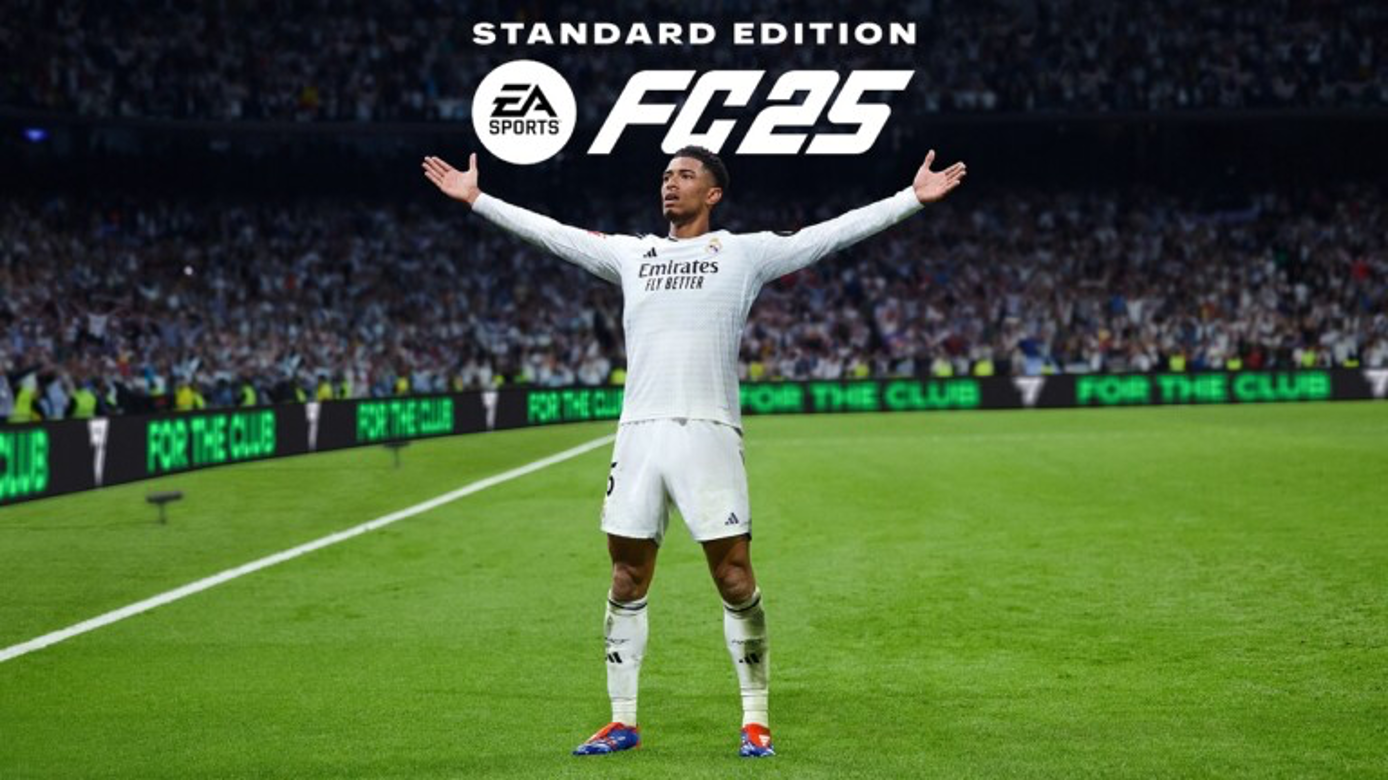
Every year, the same debate plays out across gaming forums and comment sections — is this year’s FC just a roster update with a new coat of paint, or does it actually bring something worth caring about? FC 26 has a cleaner answer to that question than most editions have managed in a long time. It does not just tweak things at the edges. It takes a hard look at problems that have been sitting in the franchise for years and, more often than not, actually does something about them.
Ultimate Team Gets Real Competition Structure
The structure of Ultimate Team in FC 26 has been meaningfully expanded. Tournaments run on a knockout format throughout the season rather than every single week, which reduces grind fatigue. Gauntlets require players to rotate their squads across five consecutive matches, meaning those deep-bench players actually get used. Live Events bring in themed competitions that change regularly and keep the mode from going stale mid-season.
The Challengers Weekend League is a new second-tier competition for players sitting in lower divisions, giving those who have not cracked the top ranks a proper competitive outlet rather than just grinding Rivals matches with no real ceiling.
The Bounties system is another addition worth mentioning — it gives players objectives to chase even inside matches they are losing, so there is always a reason to keep playing rather than rage-quitting after going two goals down.
For players building their squads from scratch, spending time farming FC 26 coins through match play is one route — but many players prefer to buy game coins through a reliable shop to get top-rated players into their team without spending weeks on the grind. Lootbar has become a trusted store for this, offering competitive rates with a straightforward buying process that FC fans have responded well to.
Two Games Inside One Box
The most talked-about change in FC 26 is not a new game mode or a flashy feature — it is a fundamental decision about how football is supposed to feel depending on who is playing it and why.
EA split FC 26 into two separate gameplay presets called Competitive and Authentic. On paper, that sounds like a marketing gimmick. In practice, it solves an argument that has been dragging on since before the franchise even dropped the FIFA name.
Career Mode players have spent years complaining that gameplay patches designed to please Ultimate Team crowds make their offline experience feel less realistic. Ultimate Team players, on the other hand, want faster, tighter, more responsive football that rewards skill in head-to-head situations. Both groups were right, and both were being left half-satisfied. FC 26 finally acknowledges that these are two genuinely different needs.
Authentic mode slows things down. Player size and physical attributes actually matter here — a big centre-back will shoulder a smaller forward off the ball, and a slower player cannot just sprint indefinitely like physics don’t apply. Corners, tackles, and goalmouth situations all reflect real-world probabilities more closely. It is methodical, sometimes frustrating, but it rewards those who actually think about how football is played.
Competitive mode is the opposite direction. It strips away some of the randomness — a goalkeeper save, for example, is far less likely to produce a ball that lands perfectly at an opponent’s feet for a tap-in — and keeps the tempo high. Inputs feel immediate. This is the version running in Ultimate Team and Clubs, and it is clearly built for people who take their online record seriously.
The FC 26 gameplay design director Kantcho Doskov put it plainly: patching for one group kept alienating the other, and nobody wanted that. Splitting the system gives each audience what they actually came for.
Dribbling That Finally Feels Intentional
Ball control in FC 25 had a reputation. The L1 sprint boost was overused to the point of being a crutch, and the whole dribbling system felt like it rewarded repetition over skill. FC 26 takes a different approach.
The dribbling overhaul here goes deeper than just adjusting numbers. Player height now affects how the ball is carried and how animations branch between touches. A player’s preferred foot actually influences how they receive and distribute the ball. Jog dribbling is faster, effort touches kick in during sharp direction changes, and the general feeling of being “locked” into an animation — something that drove players mad in earlier editions — has been heavily reduced.
The result is a system where dribbling feels purposeful. Using a pacey winger against a big slow defender is different from running a powerful striker into the box, and the game now communicates that difference through how movement actually looks and responds.
Goalkeeper Intelligence Gets a Proper Upgrade
Goalkeeper evolution was notably absent from FC 25, which was a strange omission that did not go unnoticed. FC 26 brings it back, but the more significant change is in how AI keepers actually behave during a match.
A reinforcement learning system now adjusts goalkeeper positioning based on how attacking scenarios unfold. Rather than standing in a fixed spot and reacting, keepers analyse where they are being attacked from and adjust their positioning accordingly. It is not perfect — one-on-one situations can still produce some odd moments — but it is a noticeable step forward from the scripted-feeling reactions of previous editions.
Icons Worth Chasing
The Icon roster in FC 26 is one of the more exciting in recent memory. Zlatan Ibrahimović, Andrés Iniesta, Francesco Totti, Toni Kroos, Oliver Kahn, Giorgio Chiellini, and Alex Morgan are among the names added this cycle. These are not obscure additions — they are players that generations of football fans have actually watched at their peak, and seeing them represented in Ultimate Team gives squad-building a different kind of motivation.
Career Mode Stops Being an Afterthought
Manager Live Career is the headline addition for Career Mode fans. Instead of grinding through a static season, players now face rotating weekly and monthly scenarios — transfer deadline pressure, Champions League knockout situations, mid-season form crises — that make the experience feel less like a simulation running on rails and more like something that actually responds to the calendar.
Live start points also let players drop into real-world situations rather than always starting from square one in pre-season. For a mode that has too often been treated as filler between Ultimate Team updates, these changes land well.
A Bigger, More Complete World
Over 170 stadiums appear in FC 26, including several making their debut or return: Everton’s Hill Dickinson Stadium, Napoli’s Stadio Diego Armando Maradona, the Allianz Arena after a five-year absence, and Inter Miami’s Chase Stadium in Fort Lauderdale all feature for the first time or for the first time in years. More than 750 clubs, 35 leagues, and 20,000 players round out a licensing package that is the most complete in the series’ history.
The Bottom Line
FC 26 sold over 12 million copies by October 2025 and debuted as the UK’s best-selling game on release. Those numbers tell part of the story, but the more interesting part is the 83% recommendation rate from critics — a clear rebound from the lukewarm reception FC 25 received.
For anyone who wants to hit the ground running in Ultimate Team, getting hold of FC 26 coins early through a reliable shop like Lootbar is one of the smarter moves available. Having strong game coins means better squad options from week one rather than month three, and in a game where early-season meta shifts quickly, that head start genuinely matters.