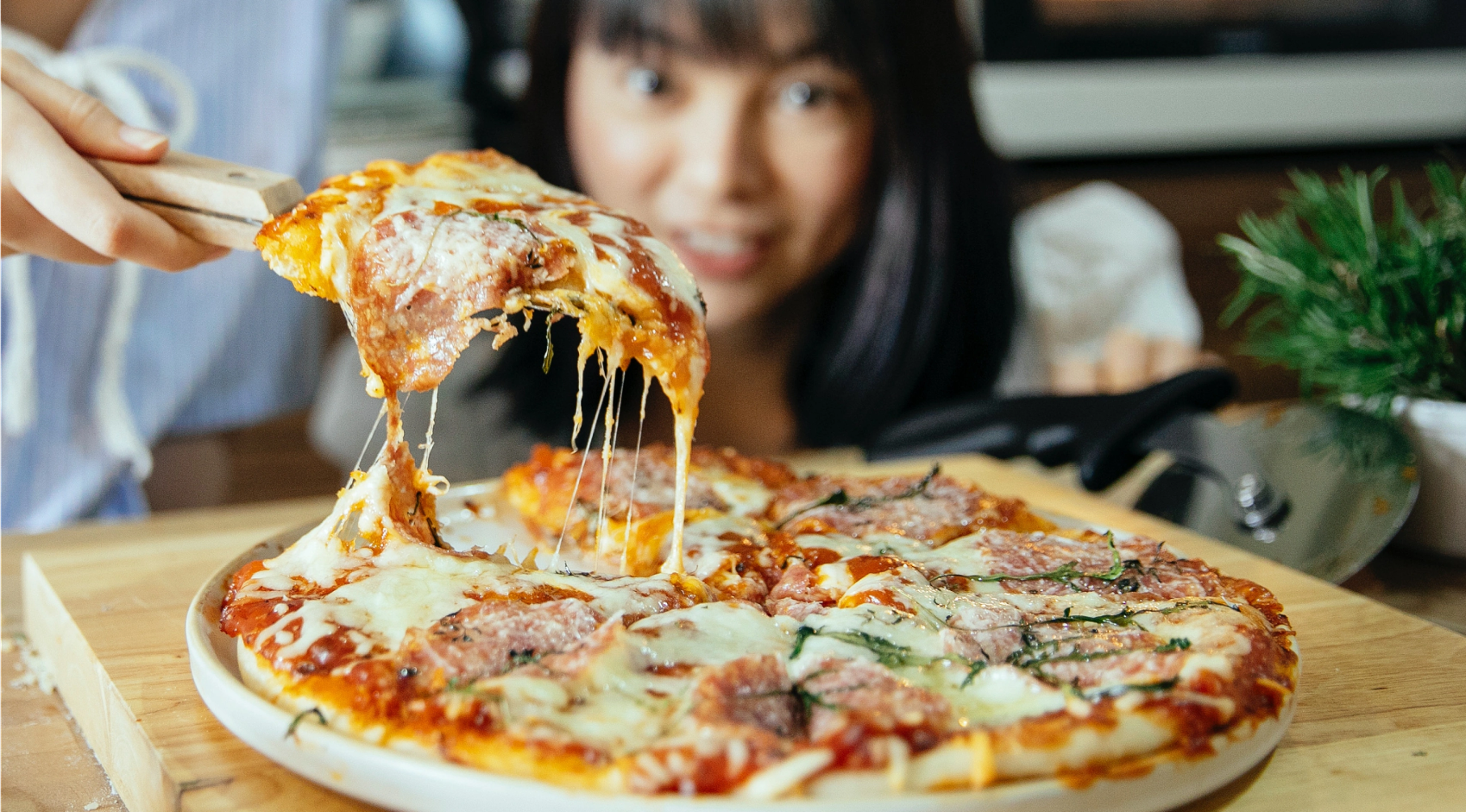
You make your own, and the pizzas appear proper. Yet the taste is different. The restaurant pizza is richer and more charred, and the texture is more tuned. You accuse the oven or the dough. Sometimes you are right. There are other occasions when one ingredient or minor technique can be the difference.
I’ll explain exactly why pizza restaurants taste better. Then I’ll give clear, practical steps you can use tonight. You’ll learn how to make pizza taste like a restaurant and how to improve frozen pizza.
The core reasons restaurants win
The most significant factors in restaurants include heat, dough, and ingredients, which are under the restaurant’s control. They use very hot ovens. They ferment the dough longer. They procure better quality products. Every one of these picks up every bite.
It is the heat that makes it crispy and blistering. Good dough is chewy and tastes good. Flavor is enhanced with improved ingredients. Mix them and you achieve the same result. It is this consistency that makes pizza restaurants unique.
Dough: fermentation and handling
Dough is science and time. Long fermentation is employed in most restaurants. That imparts flavour and enables the gluten to loosen. The crust gets complex notes. It also browns faster.
Dough can be cold fermented at home for 24-48 hours in the fridge. This is a small change that will result in a significant difference. Use high-protein flour where possible. It gives structure and chew. Lastly, remove the dough and stretch it. When overworked, it leaves no air and produces a compact pie.
Oven and temperature: the invisible tool
Pizza ovens found in pizza houses reach 450-900 °C. At home, the max is lower. But you can get closer. Preheat either a baking stone or steel at least 45 minutes in advance. Use the high setting of the oven. If your oven has a broiler, use it for the final 60-90 seconds to achieve the char.
A pizza stone stores heat. It enhances the bottom crust blistering. The fact that steel conducts heat more quickly makes it even better. These actions yield results like those of restaurants without a fancy setup.
Ingredients: where pizza places get theirs and why it matters
Where do pizza places get their ingredients? They often use wholesale distributors, local mills, and specialty suppliers. These sources deliver fresher cheese, higher-grade flour, and pizza-specific oils. Pizza restaurants can order in bulk and demand consistency.
You can use better ingredients, too. Swap cheap shredded cheese for a blend of whole-milk mozzarella and a touch of aged cheese for depth. Choose a high-quality canned tomato for your sauce. These pizzas’ better ingredients lift flavor immediately.
Sauce and cheese: simple upgrades that change everything
Restaurants build sauce for balance, not just acidity. They season but avoid heavy herbs that burn at high heat. Use crushed tomatoes, a pinch of salt, and a little olive oil. Simmer briefly to meld flavors.
For cheese, avoid pre-shredded blends with anti-caking agents when possible. Freshly grated whole-milk mozzarella melts cleaner. Add small amounts of a sharper cheese for umami. This is one reason you ask, “How do you make pizza taste like a restaurant?” – it’s often the cheese.
How to make a frozen pizza taste better
Frozen pizza can surprise you when you tweak it. First, preheat a stone or steel. Second, add fresh cheese or a drizzle of olive oil. Third, add fresh herbs after baking. Lastly, finish with a quick broil for 30–60 seconds.
These steps answer “how to make a frozen pizza taste better.” They give texture and freshness. The cost is small and the payoff is big.
How to improve DiGiorno pizza
DiGiorno cooks in a home-friendly format. To improve it, try this: bake according to the package on a preheated stone. Add thin slices of fresh mozzarella or torn basil after the bake. Finish with a light brush of garlic oil.
These small moves push a frozen-style pie toward restaurant quality. They are practical and quick.
Technique and timing: small moves that matter
Timing is precision. Slide the pie onto a hot surface. Bake until the crust blisters. Rest the pizza for a minute before slicing. Resting keeps the cheese from sliding and lets flavors set.
Also, control the topping load. Overloading cools the oven and steams the crust. Less is more. Spread toppings with intent. That’s how pizza restaurants keep the crust crisp and toppings balanced.
Packaging and final touches
Presentation affects perception. Restaurants finish with a drizzle of quality oil, a sprinkle of sea salt, or a grind of pepper. These final touches amplify the aroma.
If you sell or gift pizza, packaging matters too. Good boxes keep heat and let the crust breathe. Consider custom pizza boxes if you want brand control or better transport. Even at home, a quick tent with foil for a minute helps keep the crust stable.
Safety and rules to follow
Food safety matters. Keep raw toppings cold. Avoid cross-contamination. Provided that you are running a business dealing with pizza, you should adhere to local food safety laws. Record adequate temperature records. Such regulations safeguard the customers and your brand.
More so, when you alter packaged food to sell, take a look at the labeling regulations in the jurisdiction of sale. In case of doubt, ask local regulators.
Small investments with big returns
You don’t need expensive gear to close the gap. A quality pizza steel, better cheese, and a simple fermentation routine provide the biggest returns. Restaurants invest in ovens and supply chains. You can borrow their methods and adapt them to your kitchen.
How do you make pizza taste like it does in the restaurant?
Hot heat, prolonged fermentation of dough, and higher-quality ingredients. Heat a stone or steel at least forty-five minutes. Whole-milk mozzarella and concentrated sauce should be used. Bake and then end with a rapid broil and plain garnishes.
Improving the flavor of frozen pizza?
Preheat a stone or steel before baking for the perfect crust. After baking, add fresh cheese and herbs, then broil briefly to create a beautiful char. A drizzle of good olive oil at the end will elevate the aroma and overall flavor. And to maintain freshness and presentation, serve and deliver your pizzas in custom cardboard pizza boxes for the best customer experience.
What specifically can be done to improve DiGiorno pizza?
Bake on a hot surface. Insert fresh mozzarella slices halfway or at the end of baking. Garnish with basil and quick broil. Keep the door of the oven closed when it is cooking.
Conclusion
The Pizza restaurants are more tasty since they regulate heat, dough and supply. They optimize each step. Much of that can be repeated at home. A cold-fermented dough, a hot stone or steel, and a better cheese are all that you need. Just add some final touches and you will see the difference.
Try one change at a time. Track results. With practice, your home pies will close the gap with pizza restaurants.