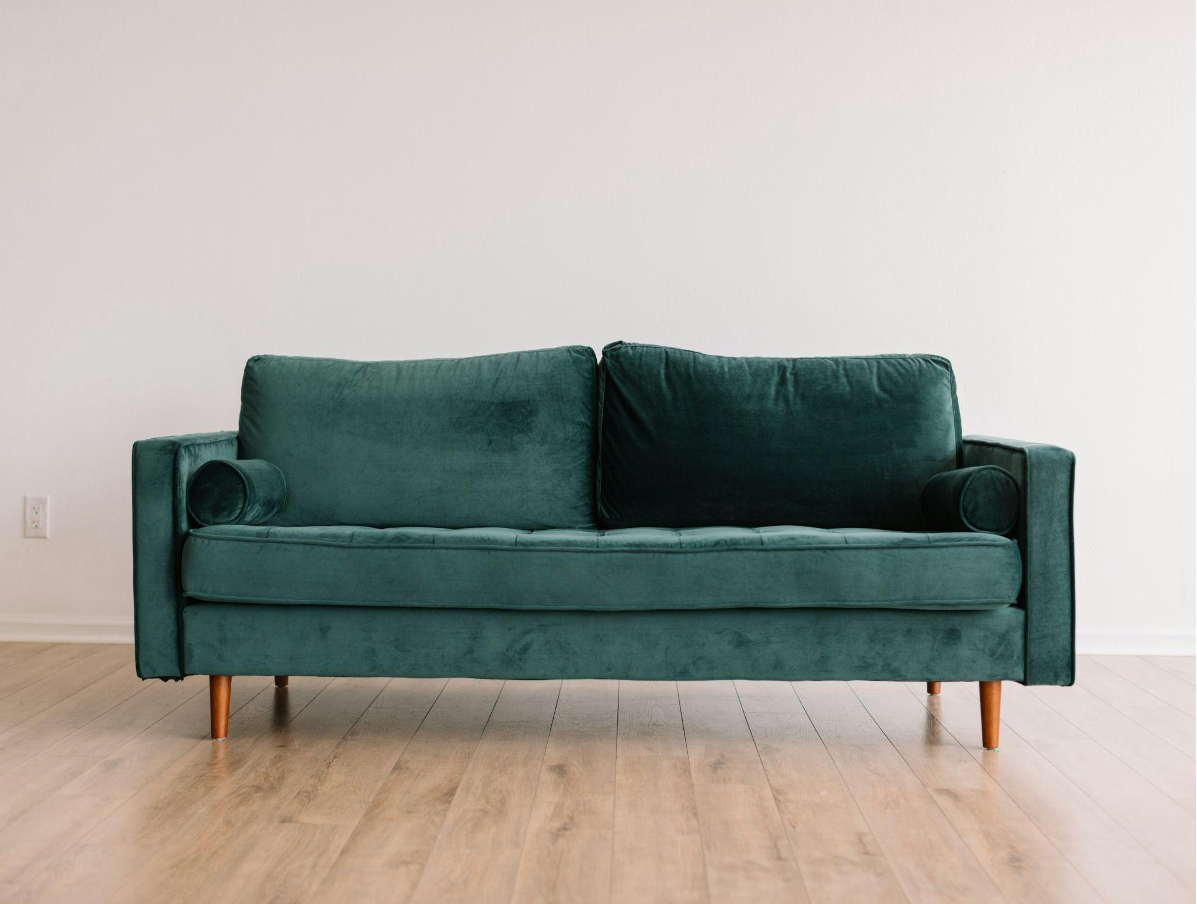
Photo by Phillip Goldsberry onUnsplash
A sofa is a functional object that ends up carrying a lot of daily weight. You sit on it when you are tired. You use it when guests come over. You default to it without thinking. Over time, it becomes the most used piece of furniture in the home.
That frequency is what makes it important.
Most homes revolve around the sofa more than any other item. It sets the tone for how a room is used, how long people stay in it, and how comfortable they feel once they do. When the sofa works, the room works. When it does not, everything feels slightly off, even if the rest of the space looks fine.
This is not a design issue. It is a daily life issue.
The Sofa as a Practical Center of the Home
A sofa functions as the center of gravity in most living spaces. People naturally orient themselves around it. Other furniture follows its lead. Lighting, tables, and even walkways are usually planned with the sofa in mind.
When the sofa feels stable and comfortable, the room feels usable. When it does not, people adjust their habits without realizing it. They sit elsewhere. They move around more than they want to. They leave the room sooner.
These changes are subtle, but they add up over time.
A sofa that works well allows the room to support real life. It gives people permission to sit down without planning to get up again. It makes the space feel dependable rather than decorative.
Comfort Is About Support, Not Softness
Comfort is often misunderstood. Many people assume softer means better, but that is rarely true over long periods of use.
A sofa that is too soft may feel inviting at first, but it often fails to provide proper support. Cushions compress too quickly. Seats lose their shape. Sitting becomes less comfortable the longer you stay. On the other end, a sofa that is too firm can feel rigid and unwelcoming, even if it looks well made.
Good comfort sits between those extremes.
Supportive seating allows the body to relax without slumping. It holds you in place rather than letting you sink. You notice this most after a full day, when sitting down should feel like relief instead of another adjustment.
This kind of comfort does not announce itself. It simply feels correct.
How Sofa Choice Affects Daily Habits
The sofa you choose influences how you use your home more than you might expect.
It affects how long you stay in one place. It affects whether you stretch out or sit upright. It affects how easily you move from sitting to standing. These details shape how relaxed or restless your evenings feel.
A poorly chosen sofa often leads to unconscious workarounds. People add extra pillows for support. They avoid certain seats. They sit on the edge rather than fully settling in. Over time, these habits become normal, even though they stem from a basic mismatch between the sofa and the way the space is used.
A good sofa removes the need for adjustment. It fits the body and the room without asking for correction.
What Actually Matters When Choosing a Sofa
Sofa shopping often focuses on surface details. Colour, fabric, and style tend to dominate the conversation. While these elements matter, they should come after the fundamentals are addressed.
The most important factors are physical and practical.
Seat height determines how easily you sit down and stand up. Seat depth affects whether you can rest your back comfortably without pulling your legs in. Cushion construction impacts how the sofa feels after hours, not minutes. Frame quality affects how the sofa performs years later, long after the novelty has worn off.
These are not technical concerns. They are comfort concerns.
Before buying, it helps to pay attention to a few clear signals:
- Whether your feet rest flat on the floor
- Whether your lower back feels supported
- Whether the seat encourages relaxed posture rather than tension
- Whether the sofa feels stable when you shift your weight
These checks reflect real use, not showroom impressions.
Living With a Sofa Over Time
A sofa should not be evaluated based on how it looks on the day it arrives. It should be judged on how it holds up over months and years.
Daily use exposes weaknesses quickly. Cushions lose resilience. Fabrics wear unevenly. Frames reveal whether they were built to last or simply to sell. A well-made sofa handles this wear without falling apart or losing its function.
The best sofas age gradually. They soften without sagging. They show use without looking tired. They remain comfortable even as they become familiar.
This is where material quality and construction matter most. Not as talking points, but as quiet performance indicators.
Why Longevity Is Part of Comfort
Comfort is not static. It changes as the sofa changes.
A sofa that feels great at first but deteriorates quickly creates frustration. It requires replacement sooner than expected. It becomes a source of regret rather than ease. Over time, that frustration outweighs any initial satisfaction.
Longevity supports comfort by maintaining consistency. When a sofa holds its shape and support, it allows daily routines to remain stable. You know how it feels. You trust it. You do not think about it.
That trust is what turns furniture into infrastructure.
The Difference Between Trend and Use
Trends move faster than most people replace their sofas. This disconnect often leads to choices that prioritize appearance over practicality.
A sofa designed around a trend may look current for a short time, but it can quickly feel impractical. Unusual proportions, low backs, or exaggerated shapes may photograph well, but they often fail to support daily use.
Choosing a sofa based on how it functions rather than how it trends leads to longer satisfaction. It allows the rest of the room to evolve around a stable foundation instead of forcing frequent replacement.
This approach favors restraint over novelty. It values use over attention.
Craftsmanship as a Daily Advantage
Craftsmanship is easy to overlook because it does not always show itself immediately. It becomes obvious over time.
Solid frames reduce noise and movement. Thoughtful cushioning maintains shape. Quality upholstery resists wear and cleans well. These features support daily life without requiring constant maintenance or adjustment.
Stores like The Chesterfield Shop are on this level of consistency. Their pieces are designed to function well across years of use, not just at the point of sale. This emphasis on construction and material quality allows the sofa to remain reliable long after it has become part of the background.
When a Sofa Stops Drawing Attention
The goal of a good sofa is not to stand out. It is to disappear into daily life in the best possible way.
You notice this when you stop thinking about where to sit. When guests naturally gravitate toward it. When the room feels usable at all hours, not just when it is tidy.
A sofa that works well supports routines without dictating them. It allows the space to feel lived in rather than managed. That ease is not accidental. It comes from choosing function first.
Making a Choice That Lasts
Choosing a sofa is less about finding the perfect piece and more about avoiding the wrong one.
A good choice supports the way you actually live. It accommodates rest without forcing posture. It holds up to repetition without degrading quickly. It fits the room without dominating it.
When a sofa meets these criteria, it becomes a quiet constant. It does its job without asking for praise or attention.
That kind of reliability matters more than most people realize.