Winter does something to skin that no moisturiser seems able to fix. Cold air pulls moisture out, indoor heating strips your barrier, and suddenly the routine that worked in September leaves your face tight, flaky or inflamed. Dermatologists call this seasonal shift xerotic stress, and it’s why products can feel like they’ve stopped working overnight.
The good news? Winter dryness is predictable and fixable when you understand what’s actually happening in the skin and adjust your routine strategically.
Meet Our Experts
Dr Aliaa Ahmed — Aesthetic Doctor at Harley Street Dermal specialising in skin health and aesthetic medicine with a focus on treating acne, pigmentation, rosacea, and signs of ageing.
Dr Richard Devine — Aesthetic Doctor & Founder of Devine Clinic and Carriages of Harley Street, the UK’s pioneering mobile aesthetics clinic. Known for natural results and expertise in anti-wrinkle treatments, dermal fillers, and corrective procedures.
Tracy May Harriott — Skin Education Expert and brand ambassador specialising in treatment protocols, product science, and seasonal skin management across salon/spa and medical aesthetic environments. Over 37+ years in the beauty industry
HACK 1 — Switch to a Non-Stripping Cleanser
Most people blame their moisturiser when winter dryness hits, but dermatologists will tell you the problem usually starts earlie, at the cleansing step. Even gel or foaming formulas that feel fine in summer can leave winter skin tight and reactive before you’ve even reached your serum
Cold air, indoor heating and constant temperature changes all strip the skin’s natural lipids. As Tracy May Harriott puts it, winter skin is “fighting a lot of external factors,” from low humidity to increased water loss.“
Dr Aliaa Ahmed explains why this hits harder biologically. In colder temperatures, barrier lipids become less flexible, meaning skin simply can’t hold on to water in the same way. The result? Increased water loss, slower repair and skin that feels tight, dull and uncomfortable.
A non stripping cream cleanser cushions the barrier instead of compromising it, which means everything you layer afterwards actually has a chance of working.
Dr. Hauschka Cleansing Cream
A uniquely gentle, grain-infused cream cleanser designed to be pressed, not rubbed, into the skin. It lifts impurities without stripping, leaving the complexion soft, cushioned, and perfectly primed for hydrating serums. Ideal if your skin feels tight immediately after cleansing or if winter has made your barrier more reactive.
Where to buy: drhauschka.co.uk – £18 / 50ml

HACK 2 — Master the Art of Layering: Humectant to Occlusive
Humectants like hyaluronic acid and glycerin are brilliant at pulling water into the skin but in winter’s bone-dry air, that hydration can evaporate almost as quickly as it arrives. That’s why a serum can feel plumping for twenty minutes, then leave skin tighter than before.
Dr Aliaa Ahmed sees this mistake constantly in winter. Humectants, she explains, draw water into the skin, but without a lipid-rich layer on top, that moisture simply escapes again. The result is skin that feels temporarily hydrated, then increasingly dry.
Tracy May Harriott breaks it down more simply: a humectant pulls water in, while an occlusive is what stops it from leaving.
The fix isn’t complicated, it just requires rethinking how you layer your skincare. This is the winter formula dermatologists actually use themselves:
Layer 1: Humectant serum (hyaluronic acid or peptides) on damp skin
Layer 2: Ceramide or lipid-rich cream to reinforce the barrier
Layer 3: A micro-dose oil for a ‘seal and heal’ effect
That final oil step is where most people hesitate. There’s a persistent misconception that facial oils automatically make skin greasy, especially if you’re already prone to oiliness. In reality, compromised skin often overproduces sebum to compensate. Used correctly, just one or two drops blended into your evening moisturiser, oils like squalane, rosehip or oat oil help replenish missing lipids without heaviness, reducing transepidermal water loss, the main driver of winter tightness.
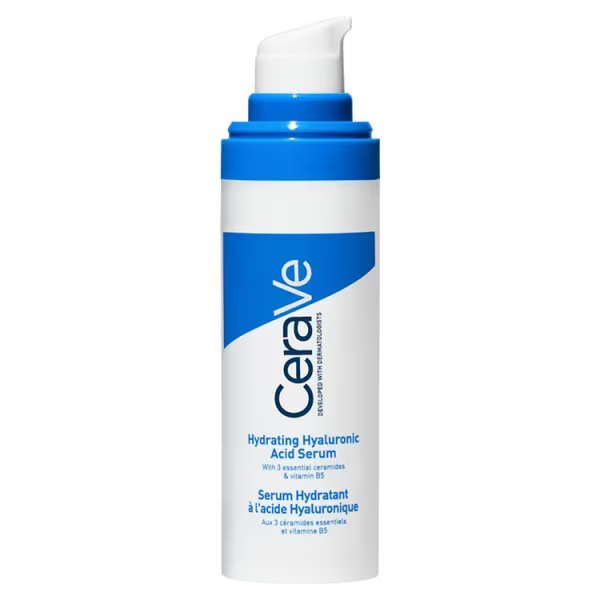
CeraVe Hydrating Hyaluronic Acid Serum
A lightweight, multi weight hyaluronic acid serum that delivers three molecular sizes of HA for deeper, longer-lasting hydration. It absorbs instantly without stickiness and works beautifully under occlusive layers, making it ideal for the humectant-first step in winter layering. Best applied to damp skin for maximum water binding effect.
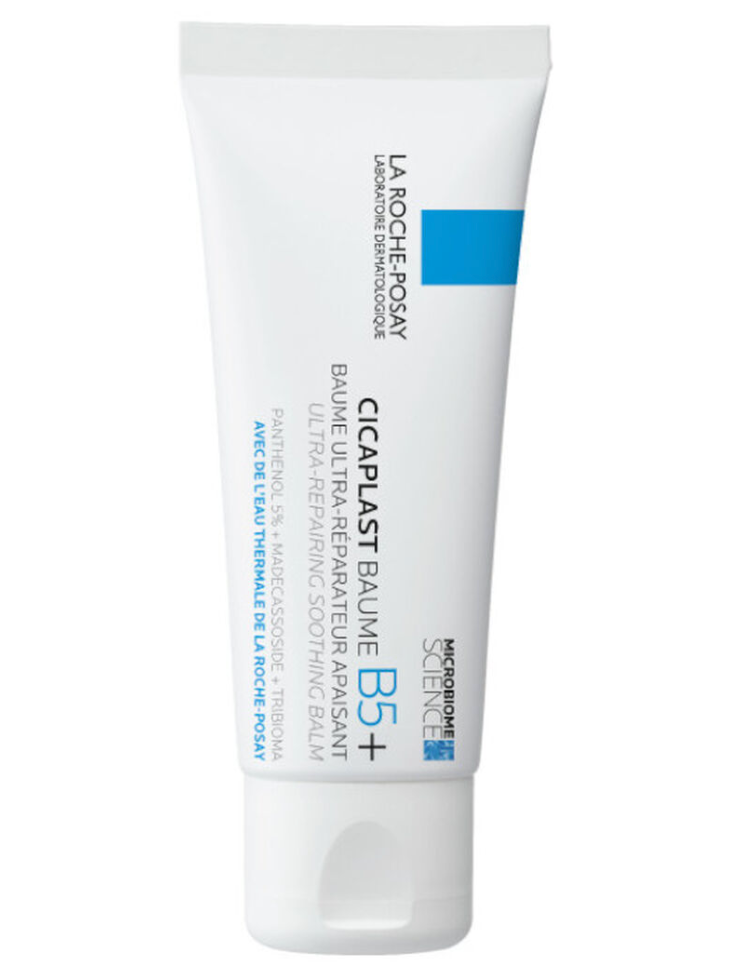
La Roche-Posay Cicaplast Baume B5+
The cult French pharmacy balm that dermatologists recommend for compromised barriers. Its combination of panthenol, madecassoside, and zinc creates a breathable but protective film that soothes irritation and locks in hydration without feeling suffocating. Perfect as your final occlusive step or over dry patches.
Where to buy: sephora.co.uk – £19.50 / 100ml
MZ SKIN Reviving Anti-Oxidant Facial Oil
A luxe but lightweight oil infused with omegas and antioxidants to reinforce the skin’s lipid barrier. Add 1–2 drops into your evening moisturiser for a winter “seal and heal” effect without greasiness.
Where to buy: mzskin.com – £160 / 30ml

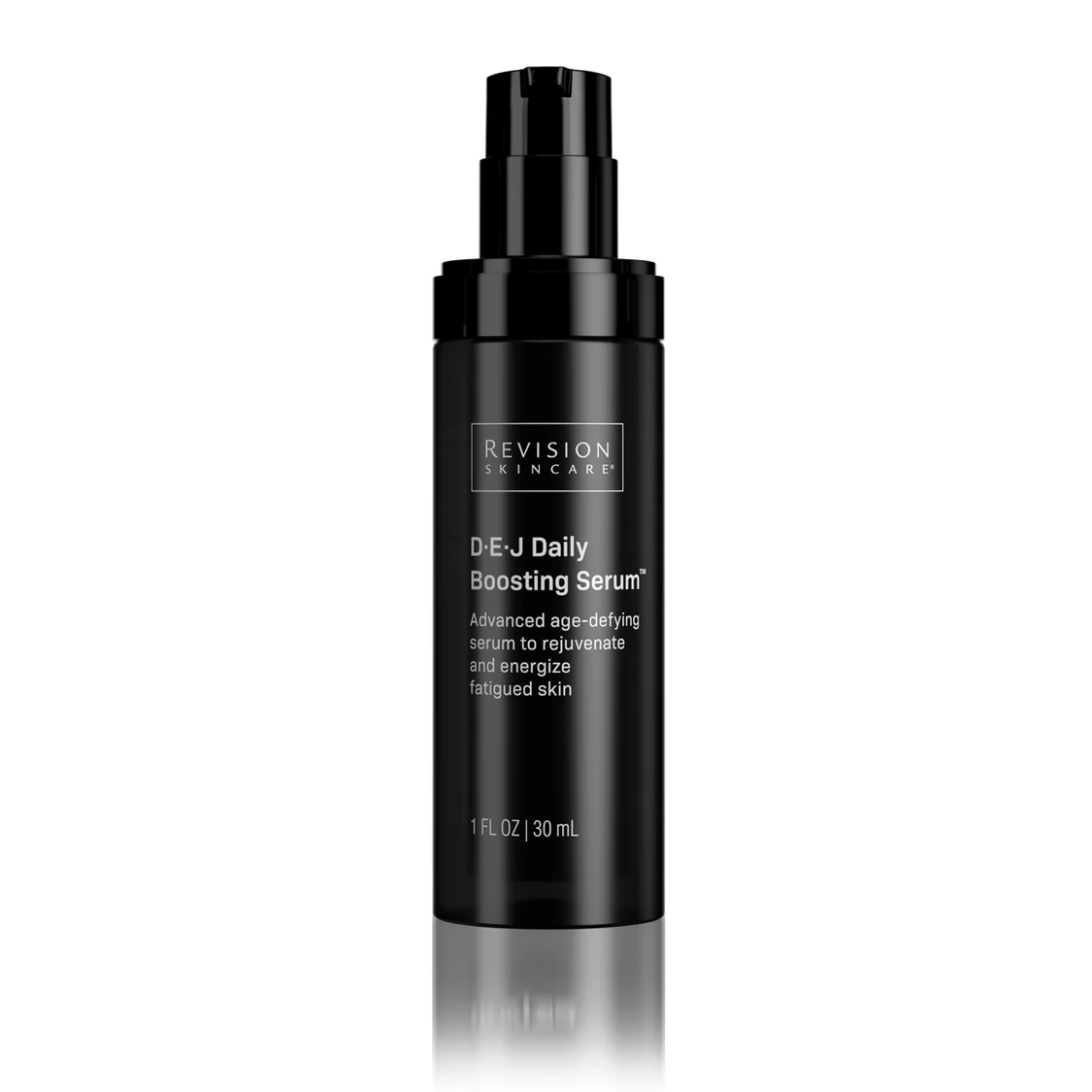
Revision DEJ Daily Boosting Serum
Expert Recommended
A peptide-rich serum that strengthens barrier function at the dermal-epidermal junction. The silky, fast-absorbing texture makes it an excellent humectant alternative if you find hyaluronic acid too sticky or if your skin responds better to peptides. Apply to damp skin as your first hydration layer.
Where to buy: revisionskincare.co.uk – £265 / 30ml
Hack 3 — Add “Buffer” Layers to Stop Retinol or Acids From Backfiring
Retinoids and acids don’t suddenly become harsher in winter but your barrier does become far more vulnerable. That’s why irritation your skin tolerated in the summer can tip into redness, peeling or full barrier breakdown by January.
“In extreme cold weather, the skin can become much more reactive,” says Tracy May Harriott. High-strength retinoids that once felt manageable can suddenly overwhelm sensitised skin, making it essential to watch for signs of stress and pull back when needed.
From a clinical perspective, Dr Richard Devine sees this constantly in winter. Retinoids and exfoliating acids, he explains, can compromise an already stressed barrier if they’re overused — especially because the skin’s natural rate of repair slows down in colder months, allowing irritation to build up more quickly.
One of the biggest issues, he notes, is unintentional stacking. Acid cleansers, exfoliating toners and retinoids are often layered together without realising — a pattern that quietly drives winter barrier damage.
The fix doesn’t require giving up actives entirely. Reducing frequency, buffering with a richer moisturiser, or temporarily pausing certain products allows skin to stay healthy without sacrificing long-term results.
Apply moisturiser, then retinoid, then moisturiser again — a simple buffering technique dermatologists rely on all winter long.
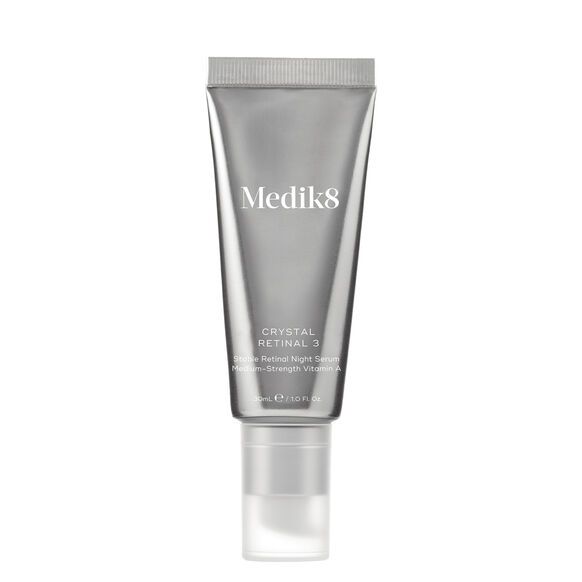
Medik8 Crystal Retinal 3 or 6
A stabilised retinal (the step before prescription retinoids) in an encapsulated delivery system that releases slowly to minimise irritation. It’s one of the gentler high-strength options for winter, especially when buffered with moisturiser. Start with level 3 if you’re new to this; level 6 if your skin tolerates retinoids well.
Where to buy: medik8.com – £45 – £109 (depending on strenght)
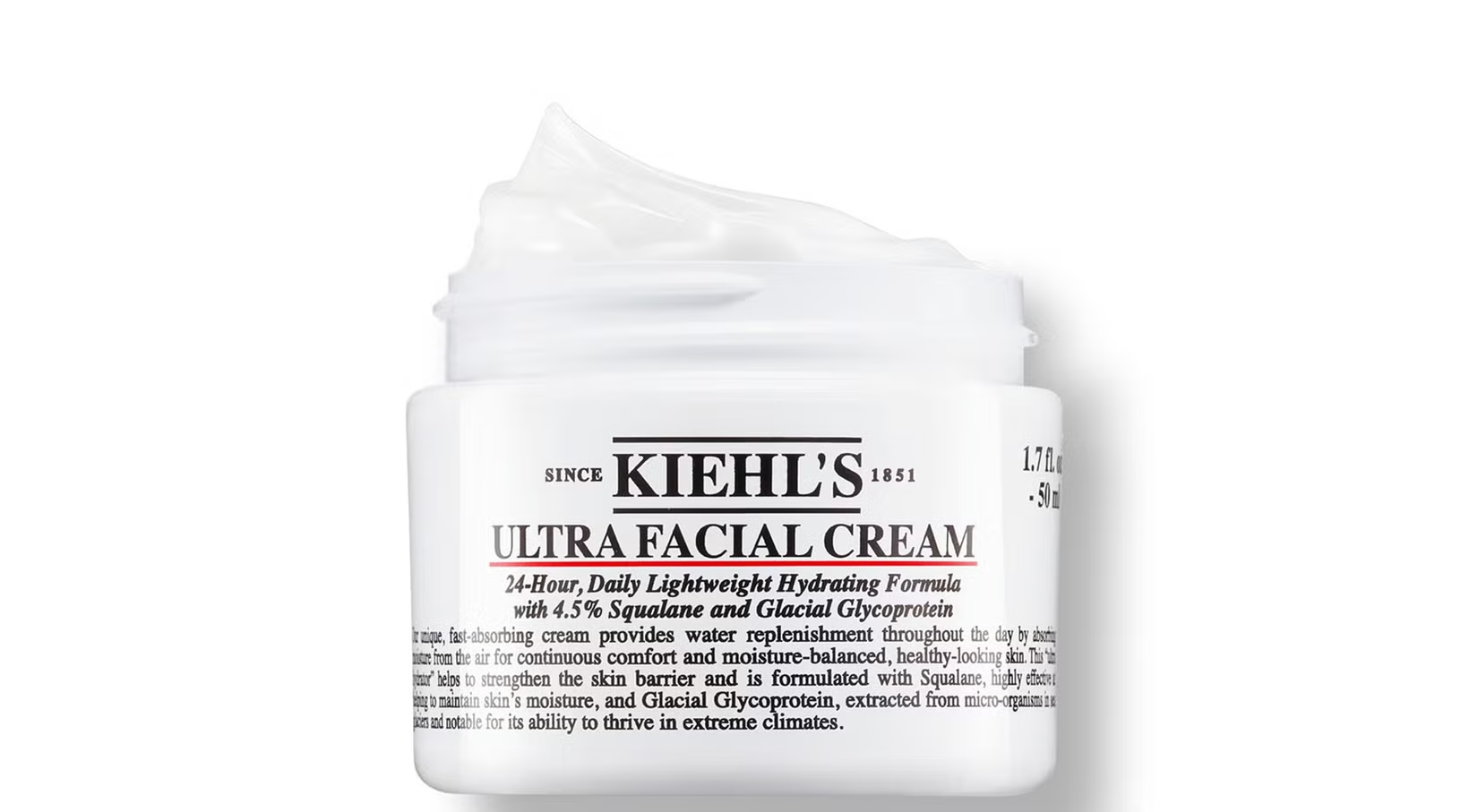
Kiehl’s Ultra Facial Cream
An unfussy, deeply hydrating cream with squalane and glacial glycoprotein that works as both a buffer layer and standalone moisturiser. The texture is rich but absorbs quickly, making it ideal for sandwiching around actives or wearing under SPF without pilling. A reliably non-irritating workhorse for winter.
Where to buy: lookfantastic.com – £37 / 50ml
Hack 4 — Mist Before Moisturising
Most facial mists are fragranced water, lovely, but useless for dryness. What dermatologists actually recommend are panthenol-, ectoin-, or thermal water–based formulas that add real hydration rather than just a temporary cooling sensation.
A barrier supportive mist gives you extra water to trap under your moisturiser. It’s one of the easiest ways to make your routine more hydrating without overhauling your entire lineup.
Allies of Skin Molecular Saviour Probiotics Mist
A barrier-supporting mist loaded with prebiotics, peptides, and ectoin rather than just fragranced water. It adds a genuine hydration layer that your moisturiser can trap, and the probiotics help calm winter-induced sensitivity. Mist generously before your moisturiser for an instant plumping effect.
Where to buy: uk.allies.shop – £62 / 50ml

Hack 5 — Shorter, Cooler Showers (Your Barrier Will Thank You)
Hot water is one of winter’s biggest and most overlooked triggers for dryness. That long, steaming shower might feel comforting, but studies show it can strip natural lipids for up to 24 hours.
Tracy May Harriott points out that winter’s most tempting habits are often the most damaging; long hot showers, sitting close to open fires, or scrubbing away dryness in search of smoothness.
Dr Aliaa Ahmed sees what happens next. When skin starts to feel rough or flaky, many people respond by cleansing more or exfoliating harder, exactly the opposite of what compromised winter skin needs. Hot water, foaming cleansers and frequent exfoliation strip essential lipids, turning simple dehydration into inflammation and, in some cases, flare-ups of eczema or rosacea.
Dermatologists keep the fix simple: shorter showers, warm (not hot) water, and gentle, fragrance-free cleansers. If winter flaking shows up on your arms or legs every year, this change alone often makes the biggest difference.
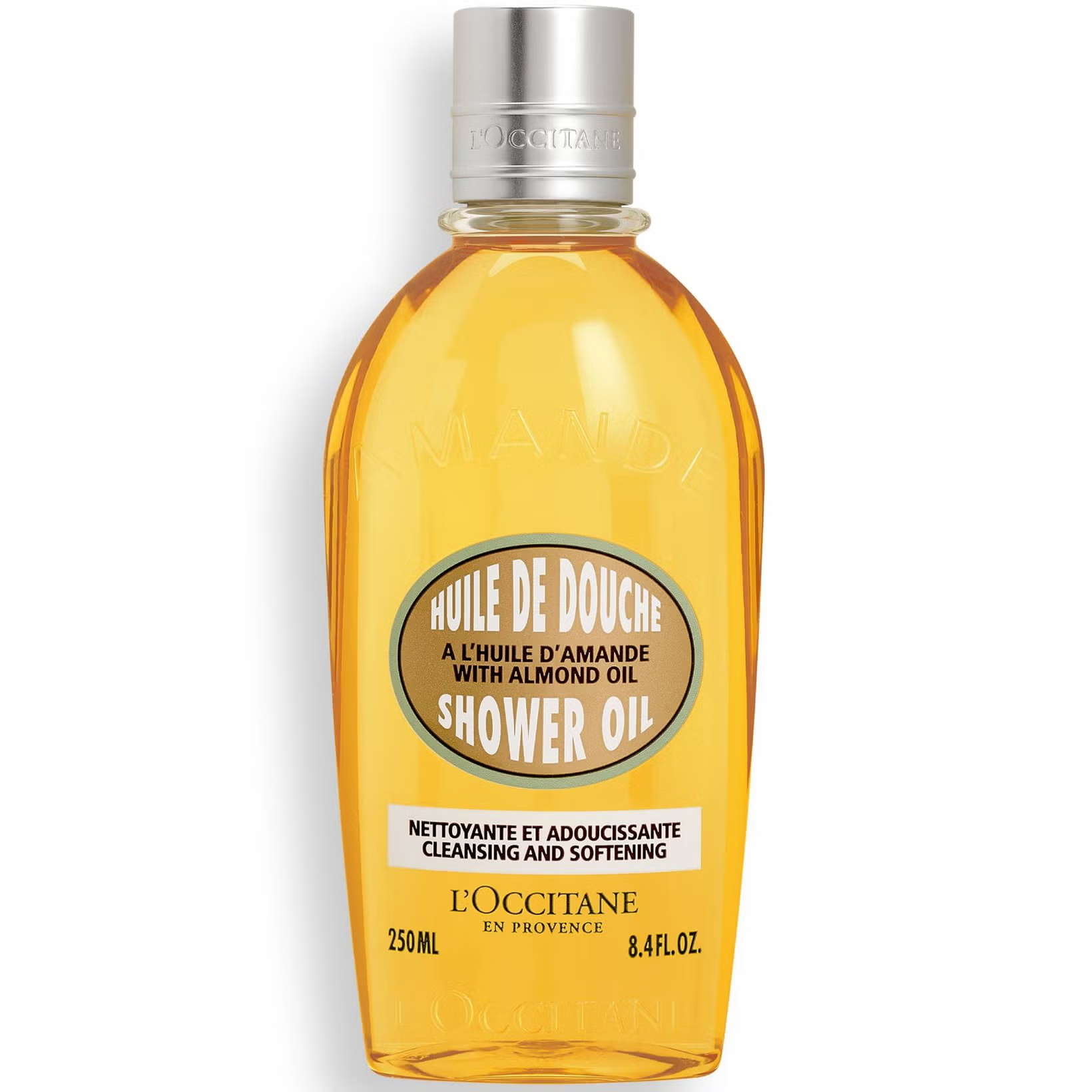
L’Occitane Almond Shower Oil
A cult shower oil that transforms into a milky cleanser on contact with water, lifting dirt without stripping your body’s natural oils. It leaves skin soft and lightly nourished rather than tight and squeaky—the difference is immediate if you’re dealing with winter body dryness or flaking on arms and legs.
Where to buy: uk.loccitane.com – £22 / 250 ml
Hack 6 — Use SPF to Stop Dryness Spiralling
UV may be weaker in winter, but it’s still a major driver of inflammation and barrier breakdown—two things winter skin can’t afford. A lightweight winter SPF is one of the best dryness prevention tools you can use, especially if you choose hydrating formulas with niacinamide or ceramides that double as moisture support.
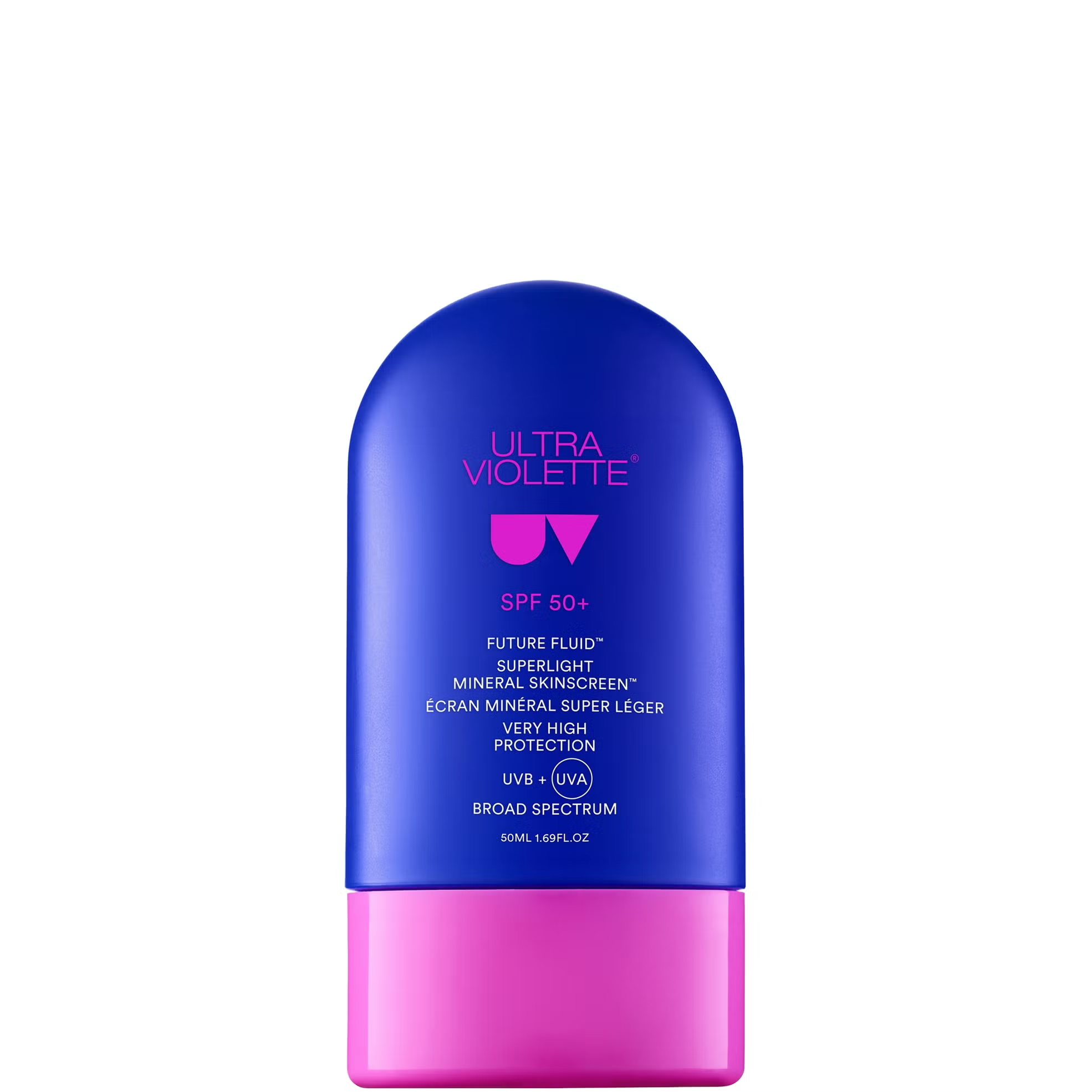
Ultra Violette Future Fluid SPF 50+ Superlight Mineral
A new ultra-fluid mineral SPF that feels more like a lightweight serum than a sunscreen. It’s hydrating, non-chalky, and ideal for dry winter skin because it sits comfortably under moisturiser without pilling or tightness.
Where to buy: ultraviolette.co.uk – £38 / 50 ml
NecessaryGood Protected & Hydrated SPF 50
A beautifully moisturising daily SPF with barrier-supportive ingredients. It has a dewy, comforting finish that suits winter perfectly, doubling as a protective layer against cold-weather dehydration and indoor heating.
Where to buy: necessarygood.com – £29 / 50 ml

Hack 7 — The Humidifier Trick Dermatologists Swear By
Indoor heating can drop humidity levels to below 20%, drier than the Sahara. A humidifier raises moisture in the air, reducing TEWL overnight and giving your skincare a better chance of actually working.
No humidifier? A bowl of water near radiators is a surprisingly effective low tech, low cost alternative.
Vitruvi Cloud Humidifier
A sleek, ultrasonic humidifier that runs for up to 24 hours and is whisper-quiet for overnight use. It genuinely improves the moisture levels that indoor heating destroys, and the difference in how your skin feels when you wake up is immediately noticeable.
Where to buy: healf.com – £260

Hack 8 — The Two-Step Barrier Reset
When skin is genuinely compromised raw, stinging or visibly inflamed, minimalism always wins.
Tracy May Harriott’s approach is to strip everything back to the essentials: a gentle cream cleanser, a lipid or omega source, a peptide serum and a thicker moisturiser. Nothing more.
Dr Richard Devine takes the same view clinically. When the barrier is damaged, he prioritises repair over correction, stopping all active ingredients and focusing solely on restoring resilience with barrier-supporting moisturisers and daily SPF.
One myth he sees every winter is the idea that flaking skin needs to be scrubbed away. In reality, flaking is usually a sign of dehydration and barrier stress, not dead skin build-up. Exfoliating more at this stage only increases water loss and inflammation.
Used for just two or three nights, this pared-back approach often calms skin faster than any intensive treatment, because it stops the cycle of overcorrection and gives the barrier space to recover.
Step 1: Rich ceramide or lipid cream
Step 2: Occlusive balm on dry, flaky areas
This bare bones approach stops you from overwhelming already-angry skin and focuses entirely on barrier repair.
Sente Dermal Ultra Nourish
Expert Recommended
A deeply nourishing barrier cream with heparan sulfate to help skin retain moisture and repair itself. Rich but not suffocating, it’s Tracy May’s go-to for barrier rescue when skin is genuinely compromised.
Where to buy: facethefuture.co.uk – £180 / 50ml

Weleda Skin Food
The intensely rich, herb-scented balm that’s been a makeup artist staple since 1926. It’s too heavy for all-over facial use, but as a targeted occlusive on dry patches, wind-chapped areas, or overnight on particularly compromised zones, nothing seals and soothes quite like it. Use sparingly, a little genuinely goes far.
Where to buy: weleda.com – £16 / 75ml

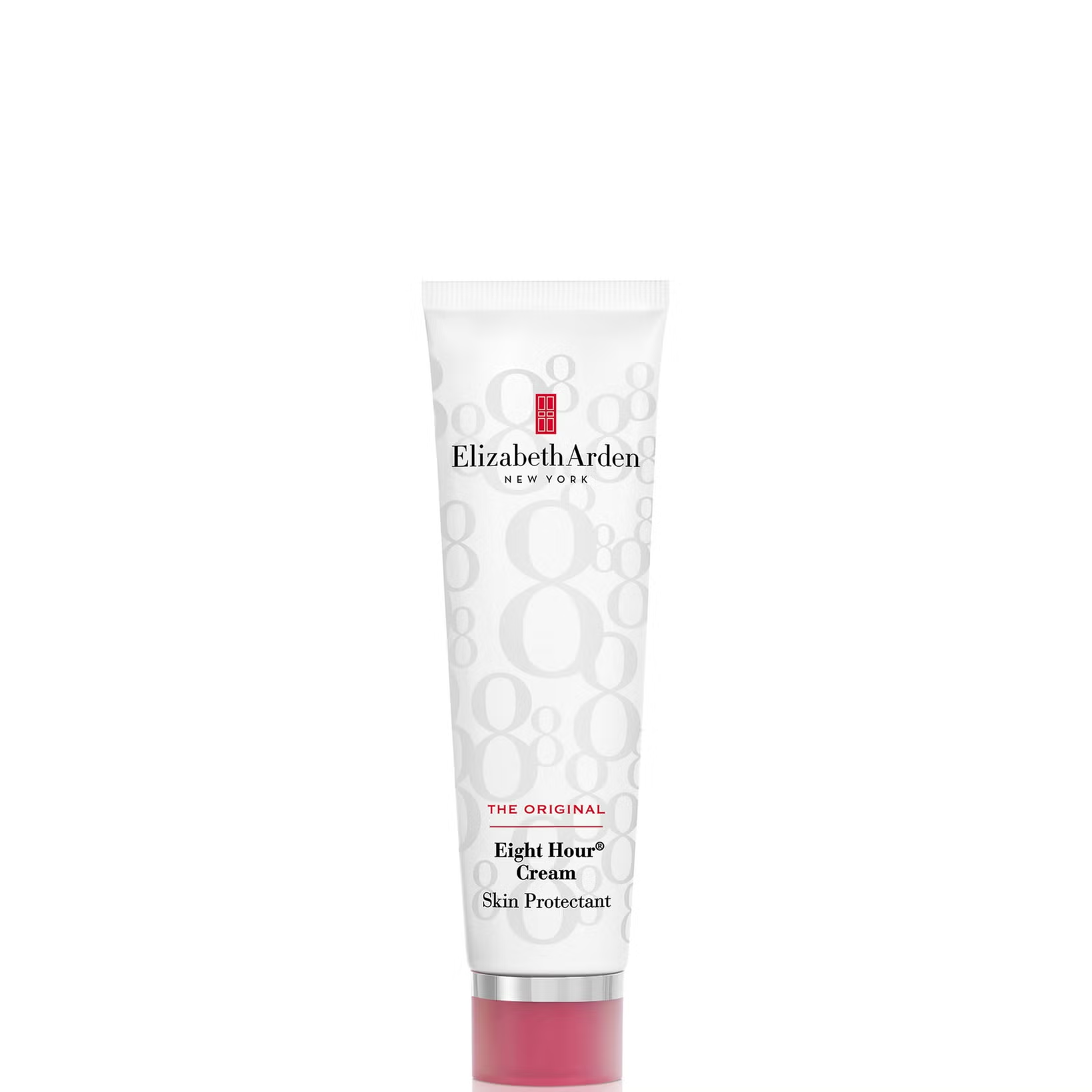
Elizabeth Arden Eight Hour Cream Skin Protectant
A cult-classic multi-use balm that creates an occlusive, protective layer over compromised winter skin. Ideal as the final step in a barrier-repair routine, sealing in moisture overnight and soothing dry patches, flakiness, or windburn instantly.
Where to buy: elizabetharden.co.uk – £31 / 50ml
Winter skin doesn’t have to be a losing battle. One final myth worth correcting, according to Tracy May Harriott: “Staying hydrated isn’t only about how much water you drink. In winter, it’s more about what you keep in. Your barrier determines how much moisture your skin actually holds onto.”