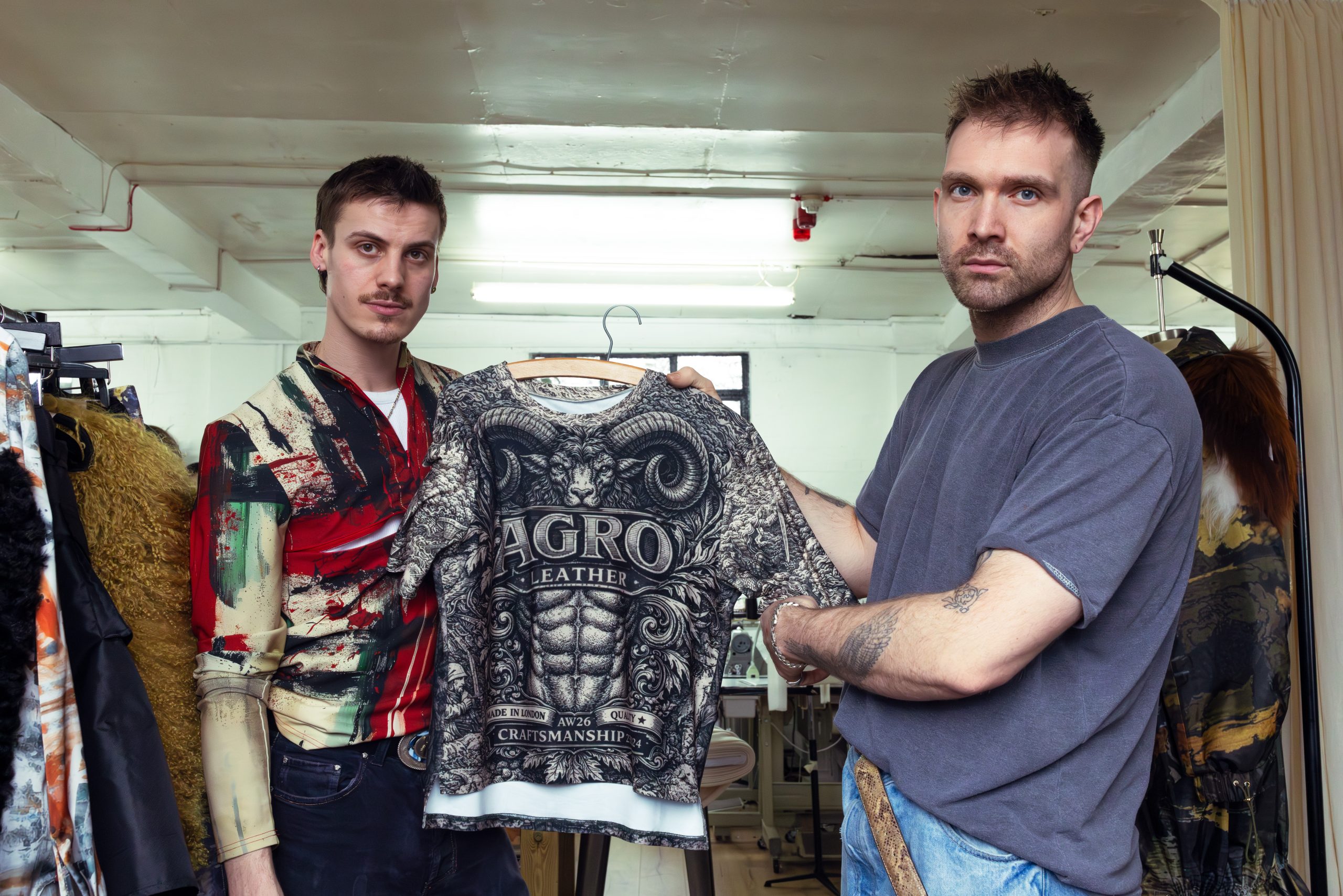
There’s nothing chaotic about the way George Oxby approaches fashion week. While the clothes might lean dramatic, the mindset behind them is calm, structured, almost methodical. As Co Director and Founder of AGRO Studio, he’s as focused on production schedules and VAT returns as he is on silhouette and story. For him, the spectacle only works if the foundations are tight.
AGRO has built a reputation for sharp British attitude mixed with serious craft. Corsetry, leatherwork and tailoring are treated with the same respect as high shine PVC, engraved denim and hand dyed knits. It’s irreverent, yes, but never careless.
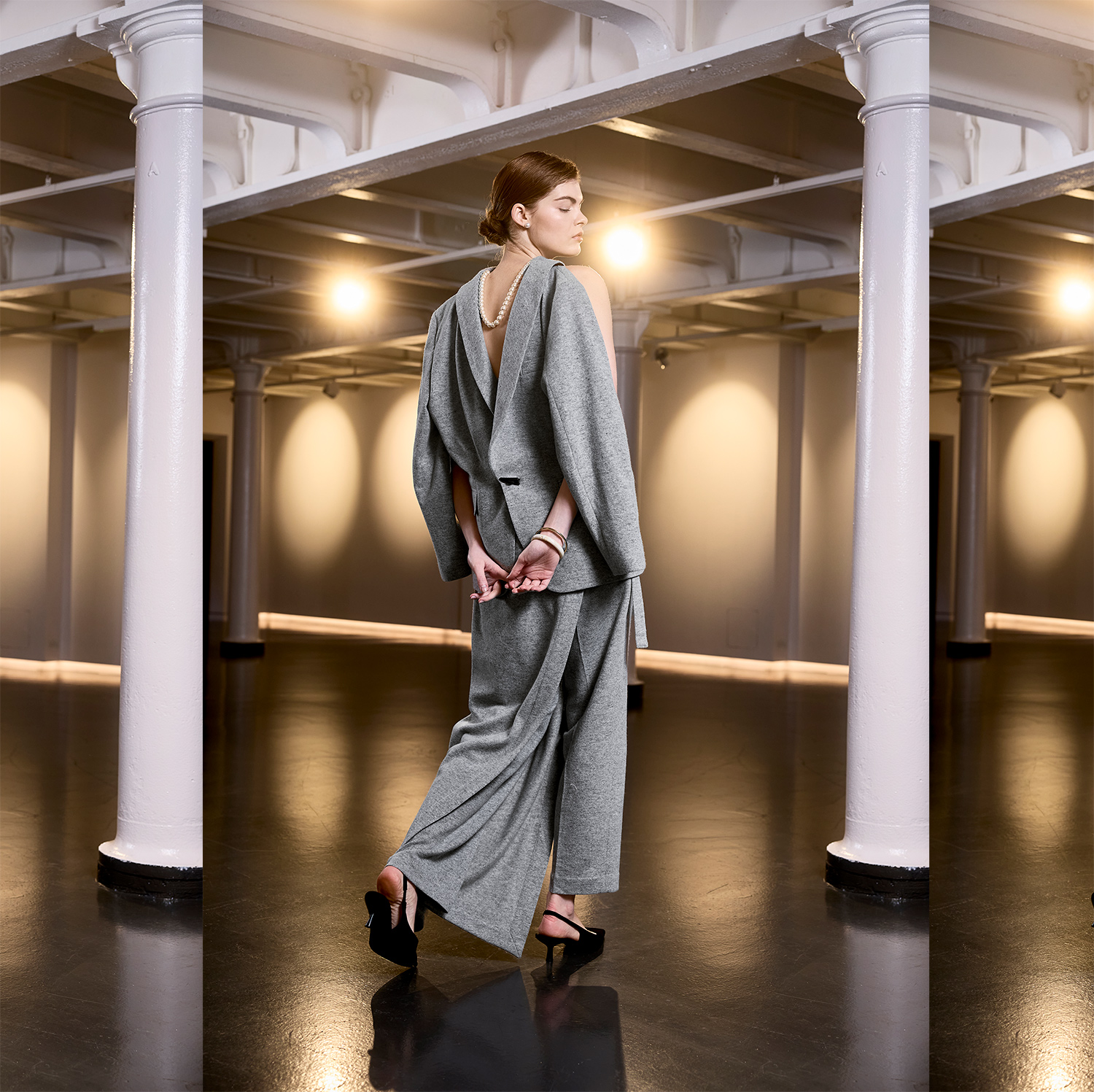
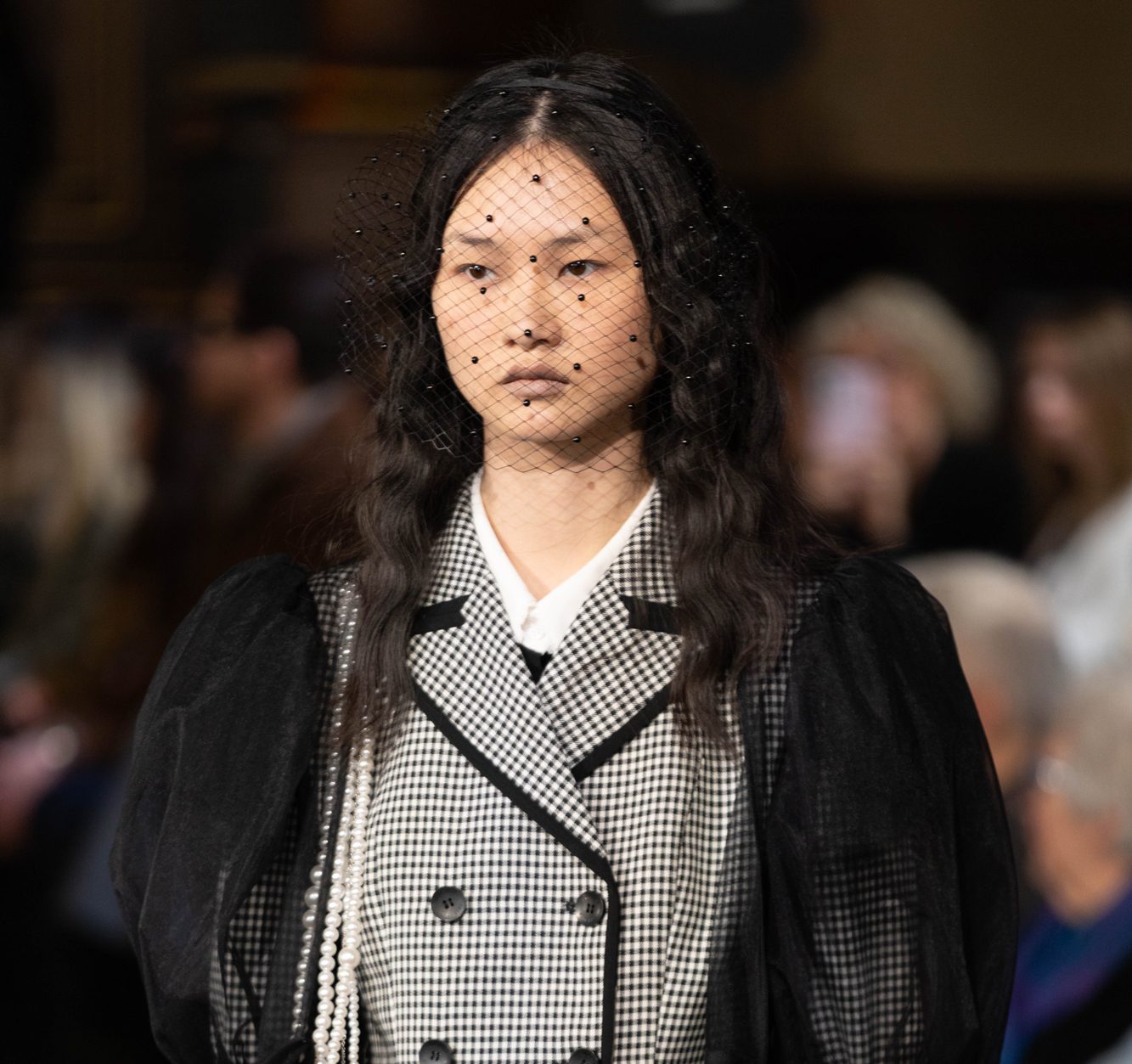
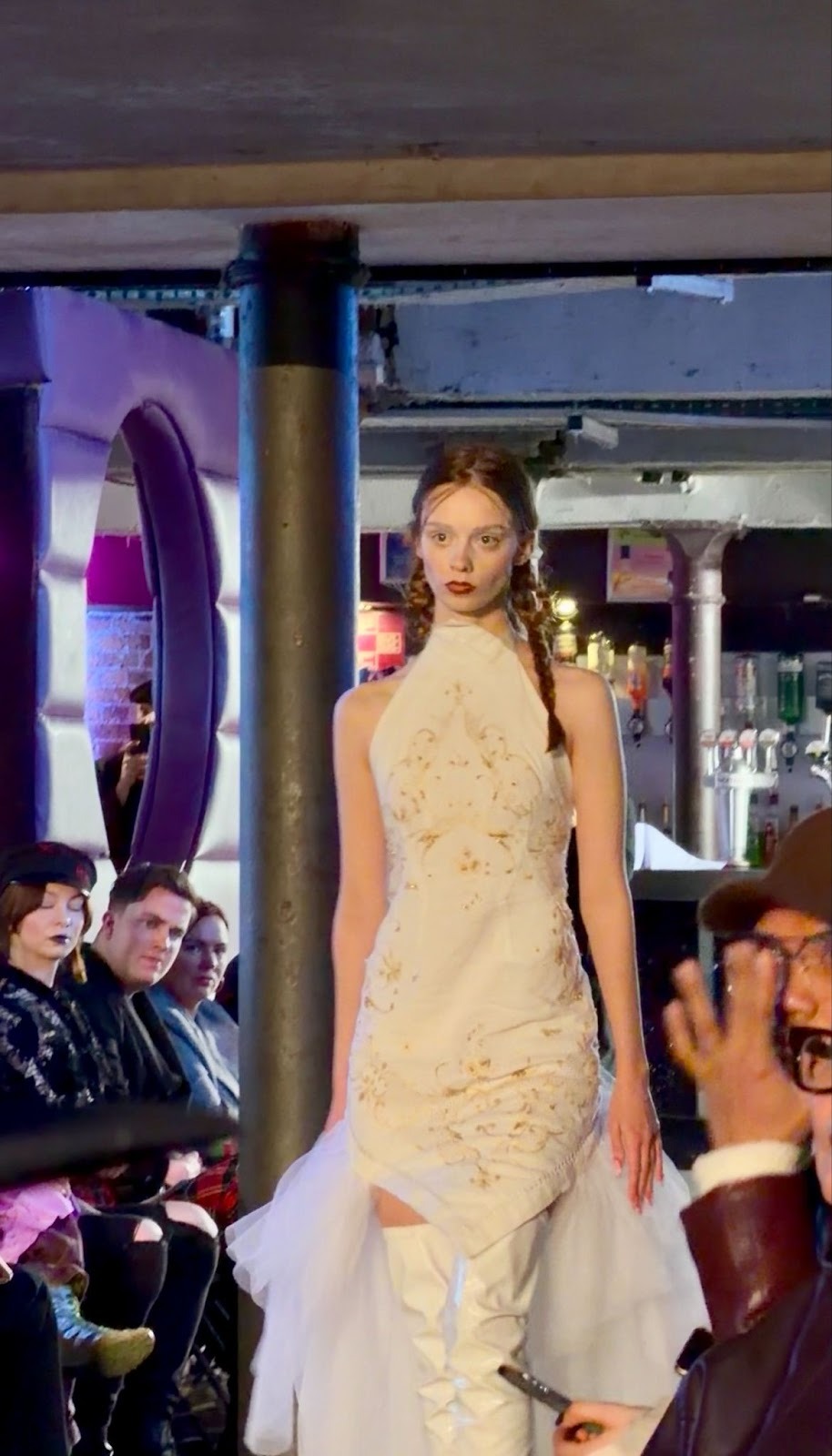
For Autumn Winter 2026, The Wanderer, presented at London Fashion Week, the studio explores the push and pull between protection and exposure. Click here for our full coverage of the show. Strength sitting right next to vulnerability. Icelandic sheepskin in raw rusts and greys, aviator leathers, distorted flags painted onto silk, Bakst inspired outerwear that almost reads as camouflage. The references stretch from King Lear to club culture, from folklore to engine oil and sweat. It’s about endurance. About movement. About a figure who keeps going, even when there’s no clear destination.
In this 18 Questions, Oxby gets honest about the invisible infrastructure behind building a fashion house, why stepping onto the official London schedule marked a real shift, and why seeing a garment move on a body will always beat a sketch on a page.
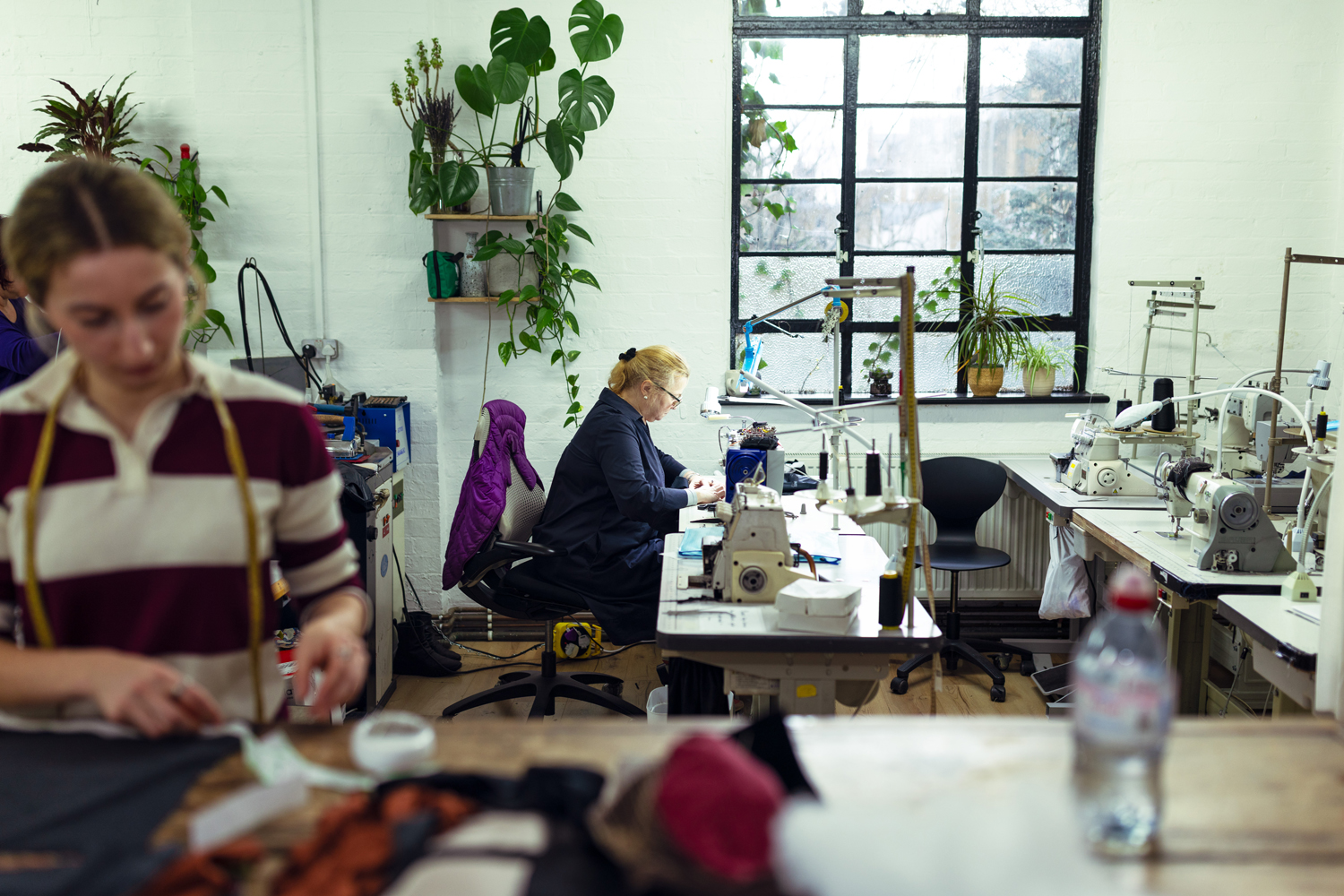
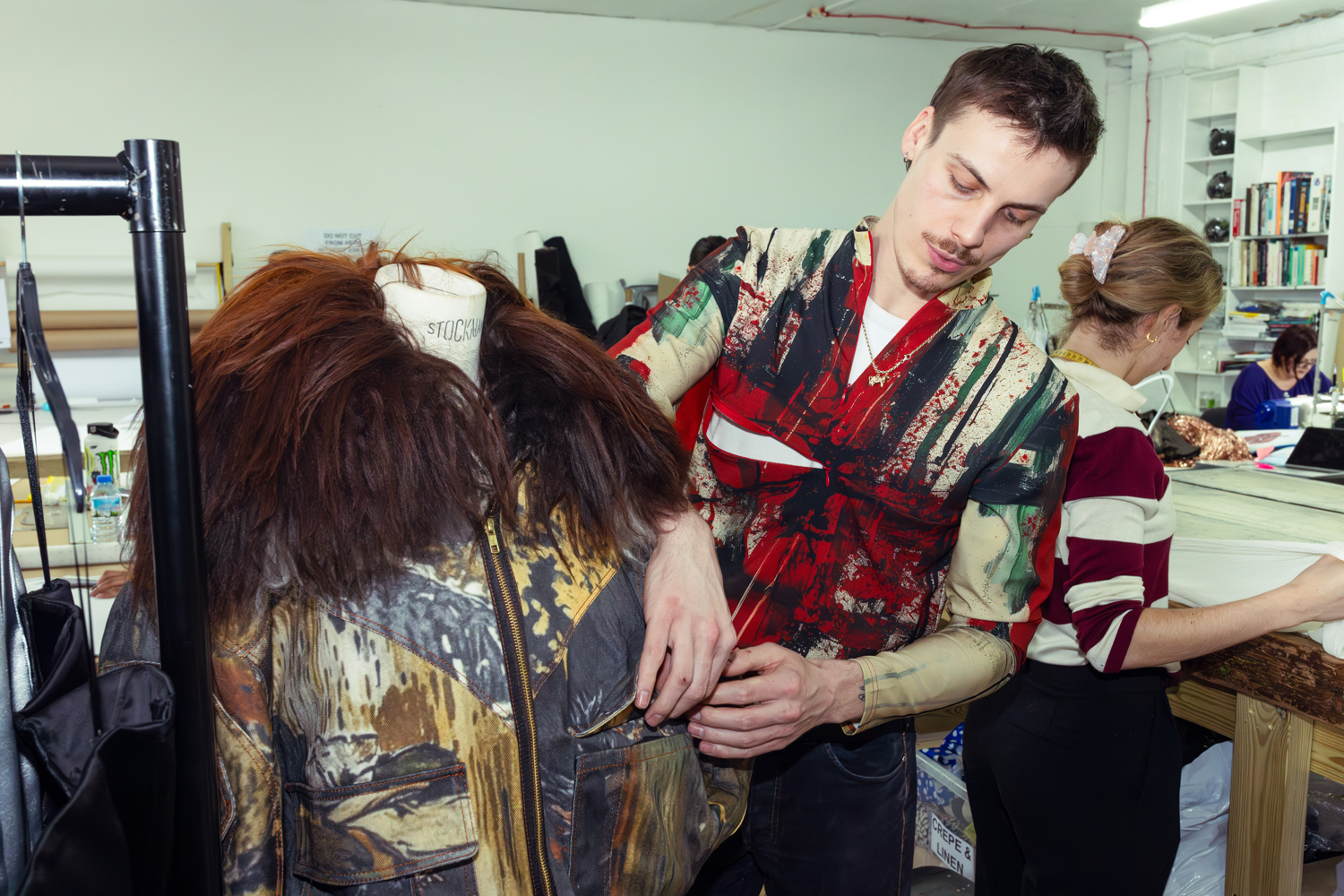
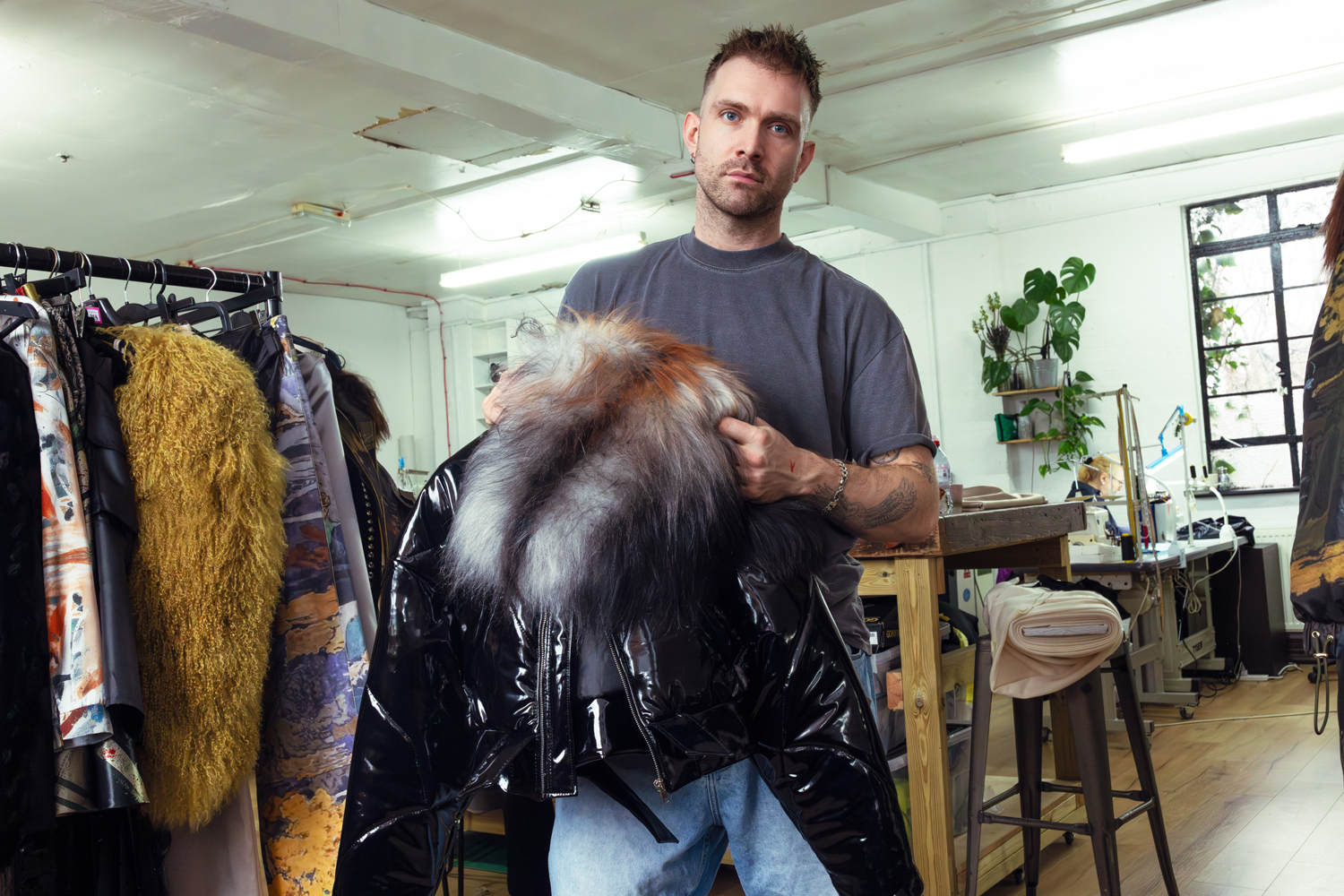
1. What’s the first thing you usually do when you wake up during fashion week?
I check messages before I’m properly awake. Production updates, fittings shifting, press confirmations, something inevitably running late. Then coffee, then straight into the studio. Show week has its own tempo. It’s intense, but it’s focused.
2. When you’re under pressure, what’s the one small habit that keeps you steady?
Clear communication. If everyone understands the plan, even when it changes, the pressure becomes manageable. Uncertainty creates stress. Direction creates momentum.
3. Are you someone who thrives on structure, or do you prefer controlled chaos?
Structure, definitely. The ideas can be dramatic, but the studio itself is calm and organised. That discipline allows the work to feel bold without tipping into disorder.
4. What’s a creative risk you’ve taken that completely changed your trajectory?
Committing to the official schedule with the British Fashion Council marked a shift. It wasn’t just about showing clothes, it was about declaring that we’re building a house with longevity. It reframed how the industry sees us and how we see ourselves.
5. What’s something people often misunderstand about building a fashion house today?
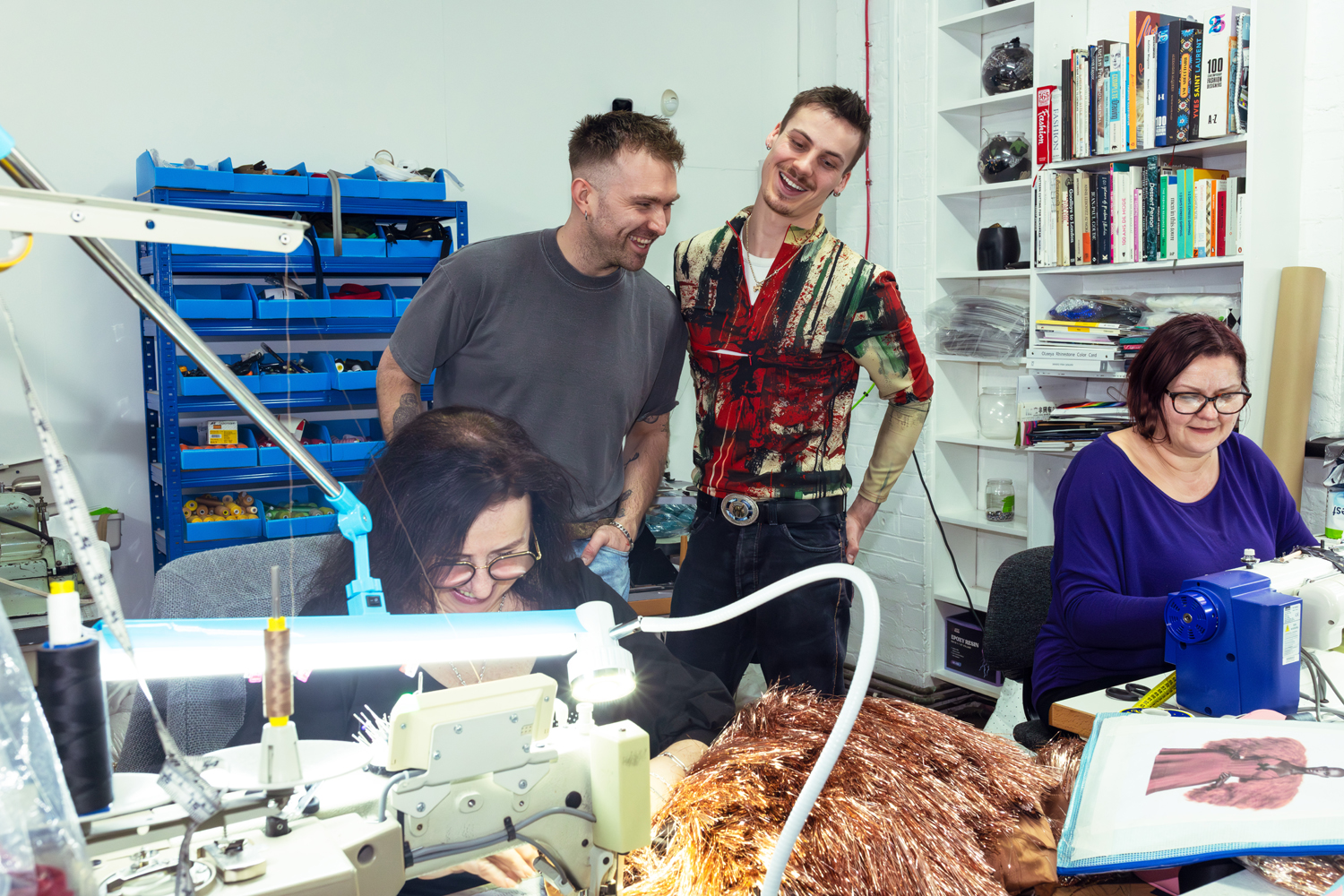
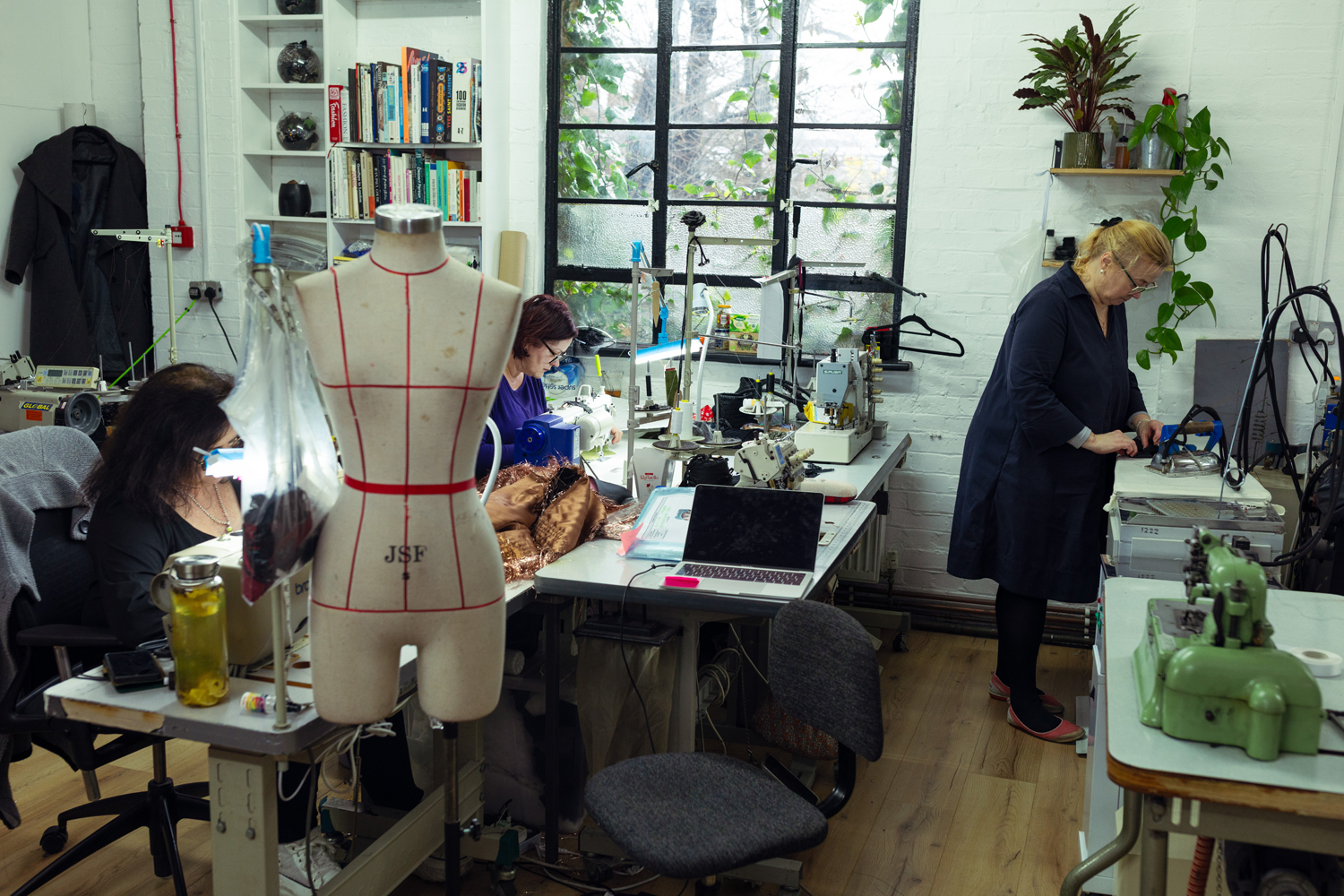
That it’s primarily aesthetic. In reality it’s infrastructure. Cash flow, production timelines, supplier relationships, contracts, VAT returns. The creative output is only possible because of a lot of invisible systems underneath it.
6. Are you more inspired by emotion, environment, or experimentation?
It usually starts with a feeling rather than a visual. A tension, a character, something unresolved. The environment then gives it texture and context, references in landscape or material. Experimentation comes later, once we’re trying to translate that feeling into something wearable. Without that initial emotional charge, it can feel decorative rather than necessary.
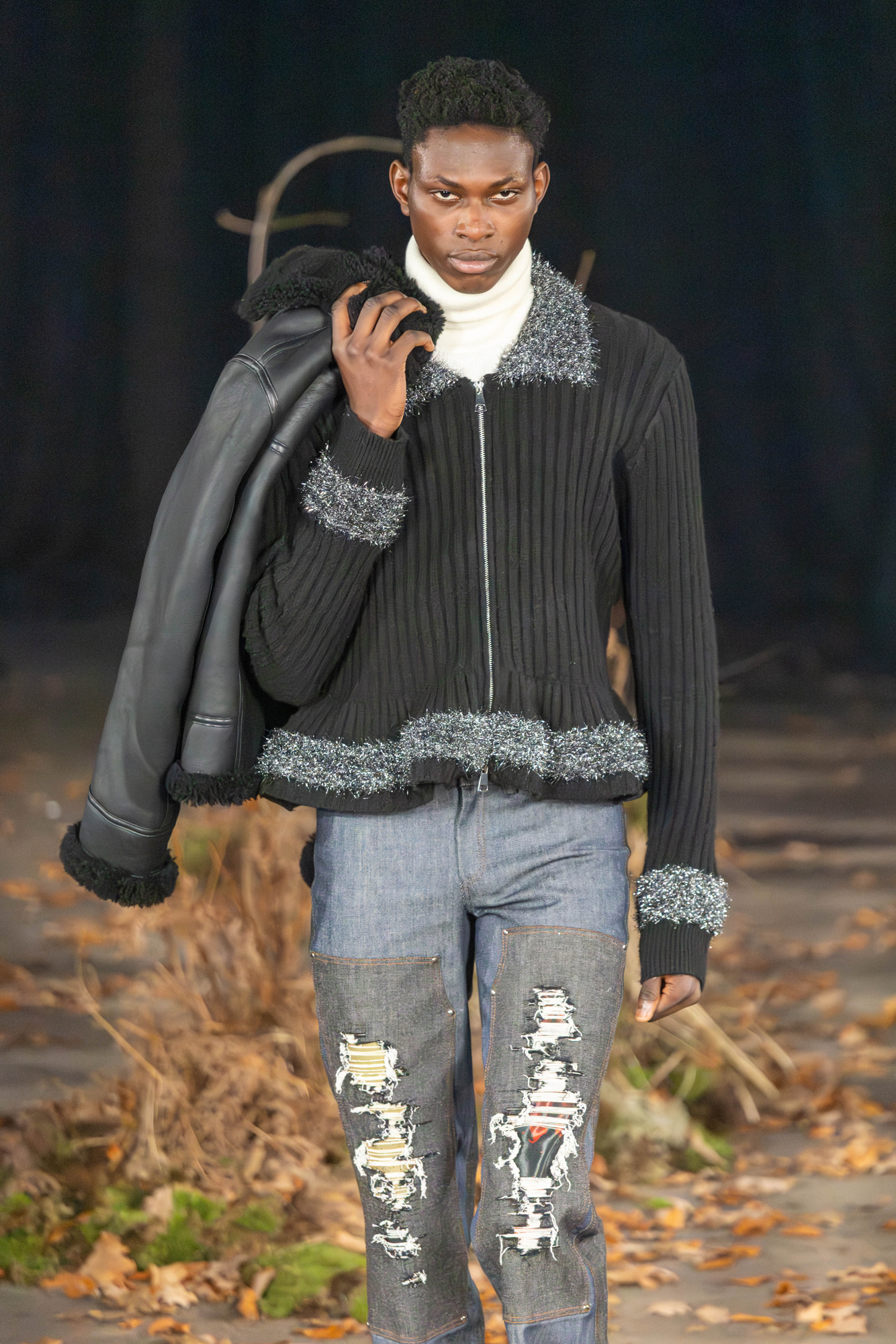
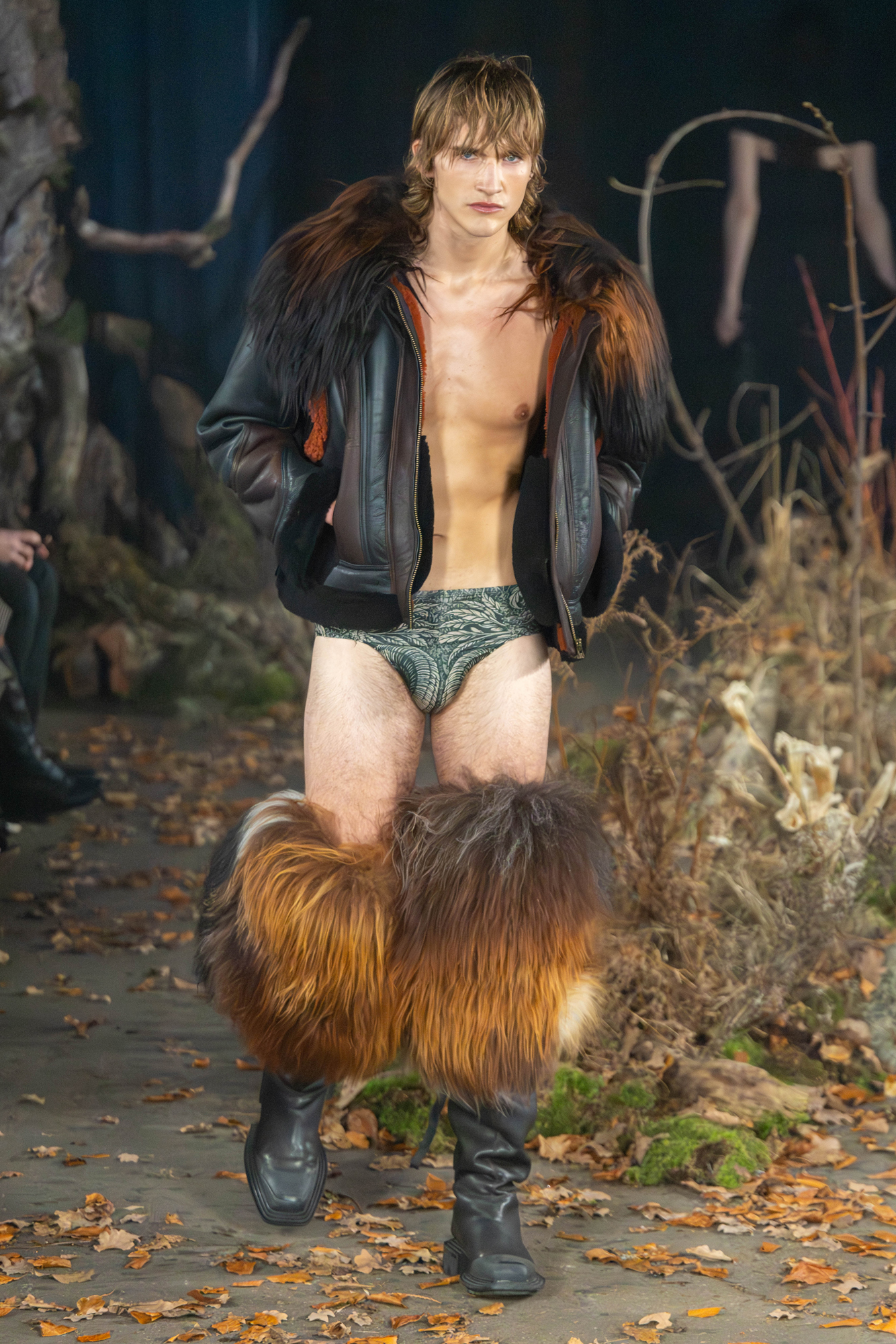
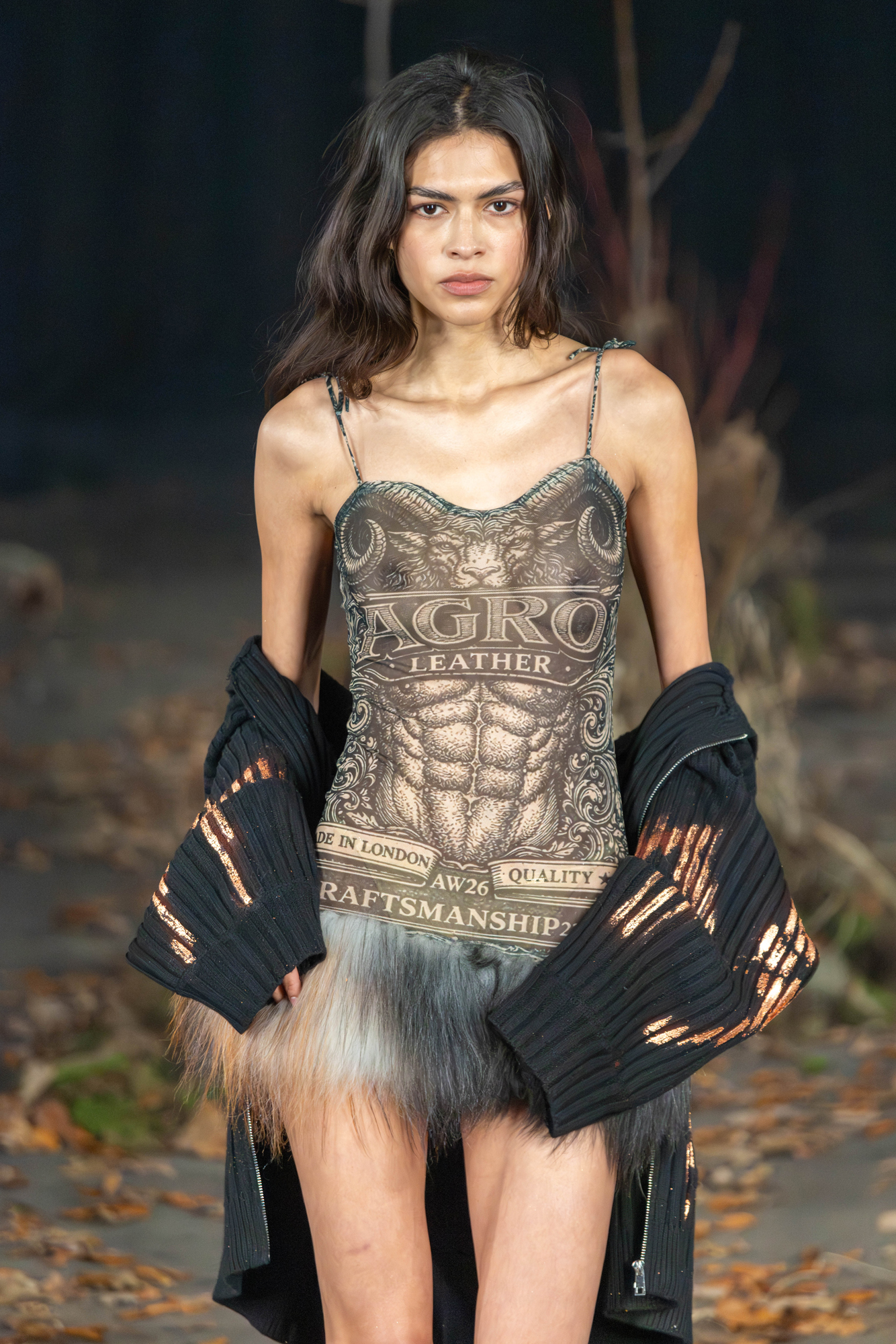
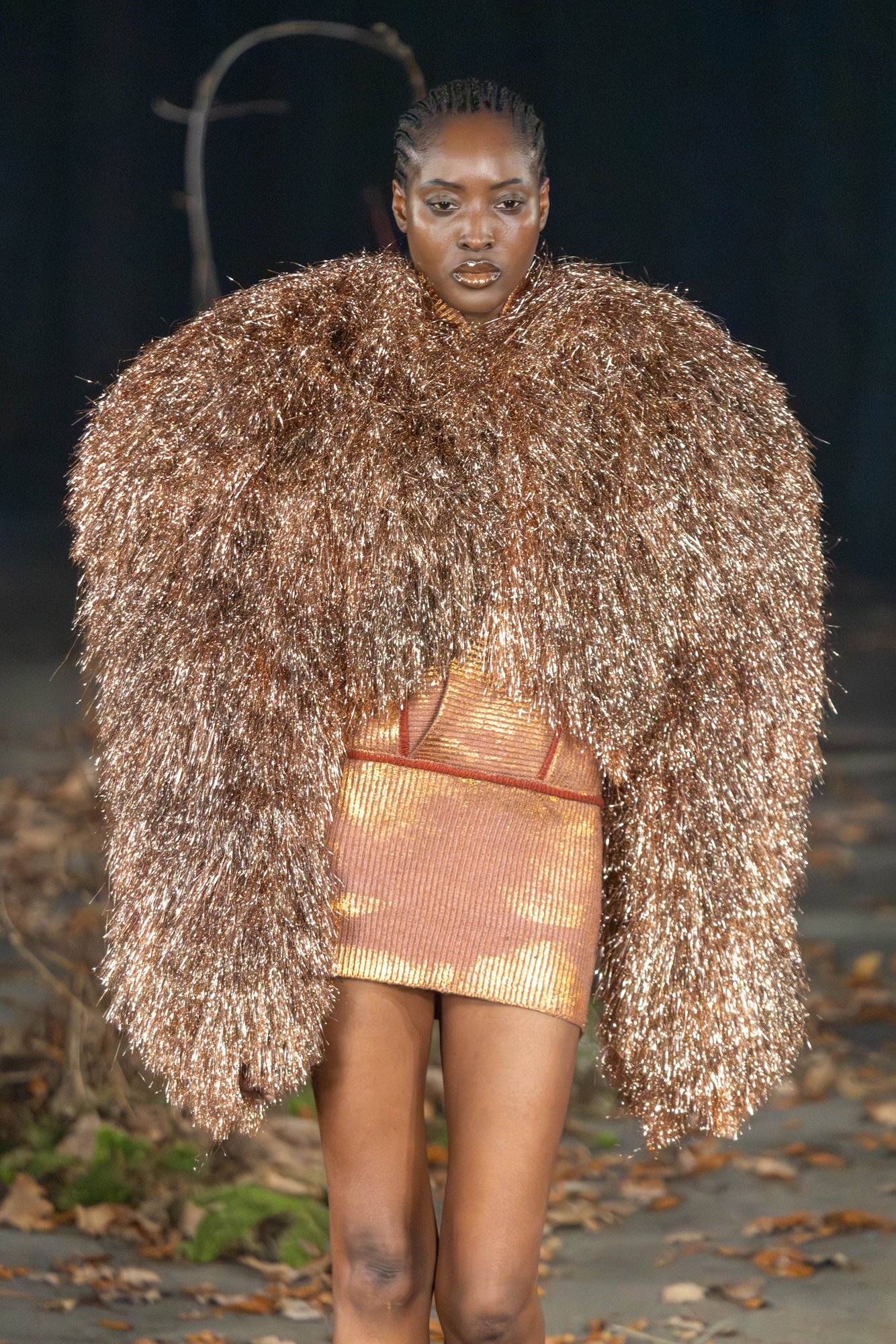
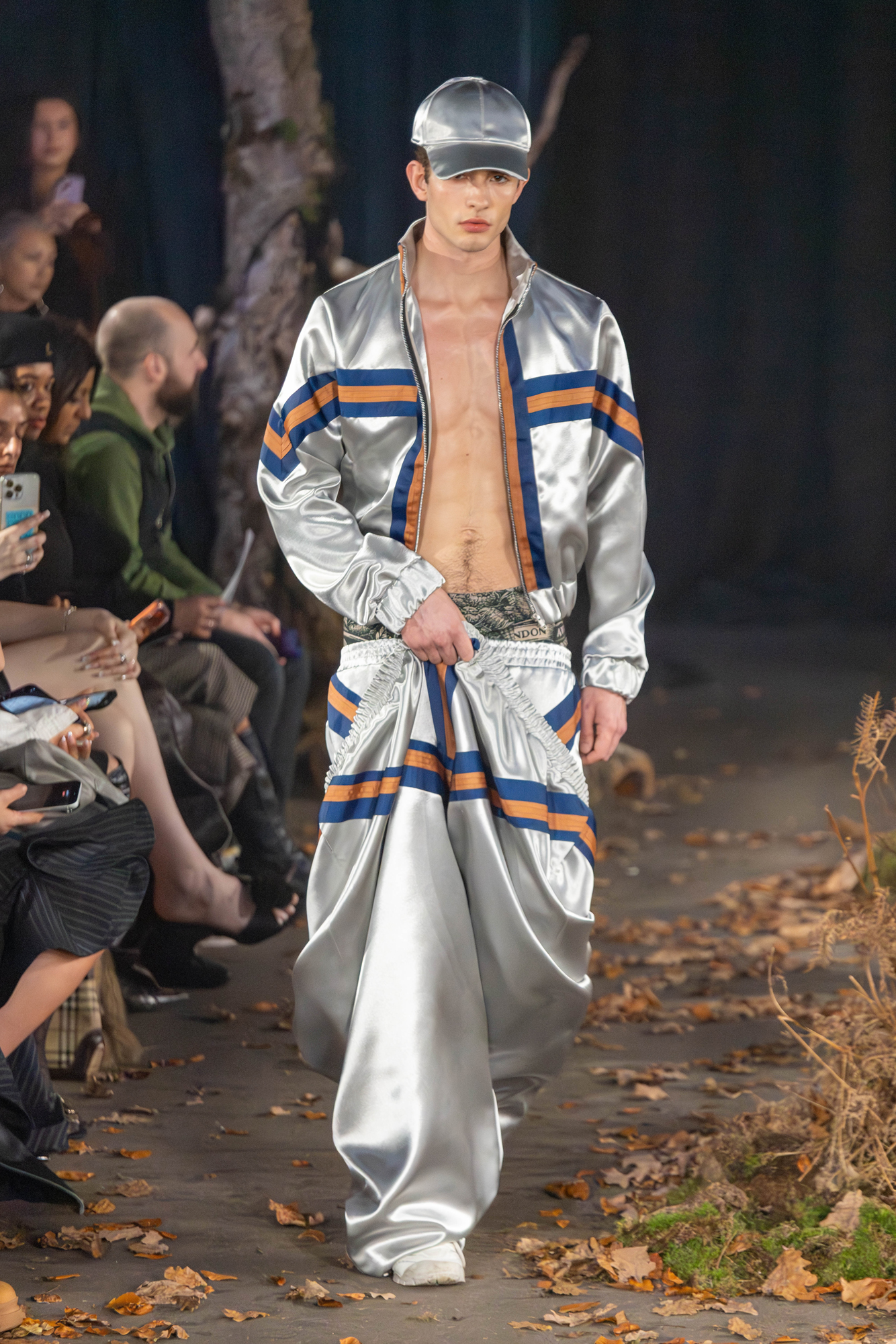
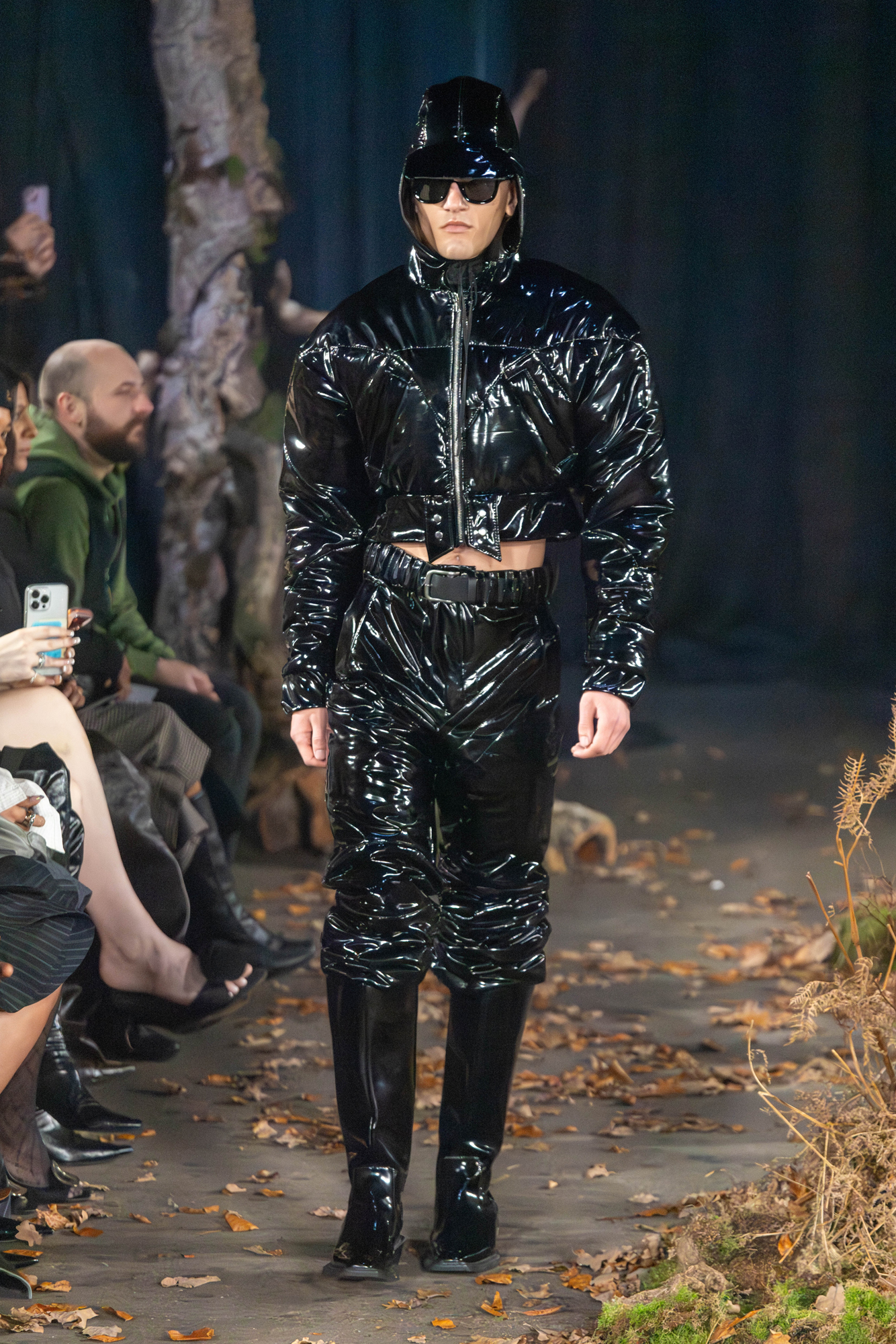
London Fashion Week February 26
7. How do you know when an idea is worth pursuing, instinct or analysis?
There’s always an instinctive reaction first. Something feels alive. But then we interrogate it. Can it expand into a full narrative? Does it push us forward rather than repeat ourselves? Is it strong enough to justify the time and cost? If it still feels urgent after that scrutiny, it stays.
8. When you’re creatively blocked, what genuinely helps and what absolutely doesn’t?
Stepping away helps. Movement, music, even reorganising the studio. Changing the physical environment shifts your perspective. What doesn’t help is forcing it in front of a screen. That usually makes it worse.
9. Do you feel more powerful conceptualising a collection or seeing it come to life on a body?
Seeing it on a body. A sketch is potential. On a person, it shifts with movement, reacts to light, develops attitude. That’s when it becomes real.
10. What does success look like to you at this point in your career?
Stability with growth. A studio that supports its team properly, produces at a high level, and still protects its creative independence. Longevity feels more important than noise.
11. For someone discovering AGRO Studio for the first time, how would you describe its core philosophy?
Performance-driven garments anchored in narrative. British craft with irreverence. We think in terms of characters and worlds, not just standalone pieces.
12. AGRO Studio has a strong visual identity. How conscious are you of building a recognisable aesthetic versus letting each collection stand alone?
We’re conscious of the handwriting, but we don’t design to preserve a signature for the sake of it. Each collection needs its own emotional centre. The recognisable elements come from consistency in values rather than repeating visuals.
13. Your work often blurs the line between fashion and statement. How important is intention when you design?
Intention is essential. Even when something feels expressive or dramatic, there’s structure and reasoning behind it. The cut, the fabrication, the reference, they’re all considered. Nothing is arbitrary.
14. What themes or tensions are driving the collection you’re presenting at London Fashion Week this February?
For AW26, it’s the tension between protection and exposure. Strength and vulnerability existing at the same time. The idea of a wanderer moving through physical and psychological landscapes, collecting wear and memory. It’s about endurance and transformation rather than arrival.
15. How does preparing for London Fashion Week shape your creative decisions, if at all?
It sharpens the edit. When you know the work will be seen in that context, you question every look more rigorously. It forces clarity without diluting the concept.
16. As Co Director and Founder, how do you balance the artistic side with the business realities of growing a label?
By accepting they’re intertwined. If the business isn’t healthy, the creative work doesn’t survive. Finance, production, partnerships, they’re not separate from the vision. They enable it.
17. What does AGRO Studio stand for culturally right now?
Independence. Emotional storytelling. A commitment to British craft with a global outlook. Building something rooted but forward-thinking.
18. After the London Fashion Week show is over, what do you hope lingers in the room and beyond it?
A mood. A sense of atmosphere. If people leave carrying the feeling of the world we built, rather than just remembering individual looks, then it’s done what it needed to do.
For the latest on Argo Studio visit www.agrostudio.co.uk and follow via @agrostudio_
Photography Studio and Catwalk Jason Jude