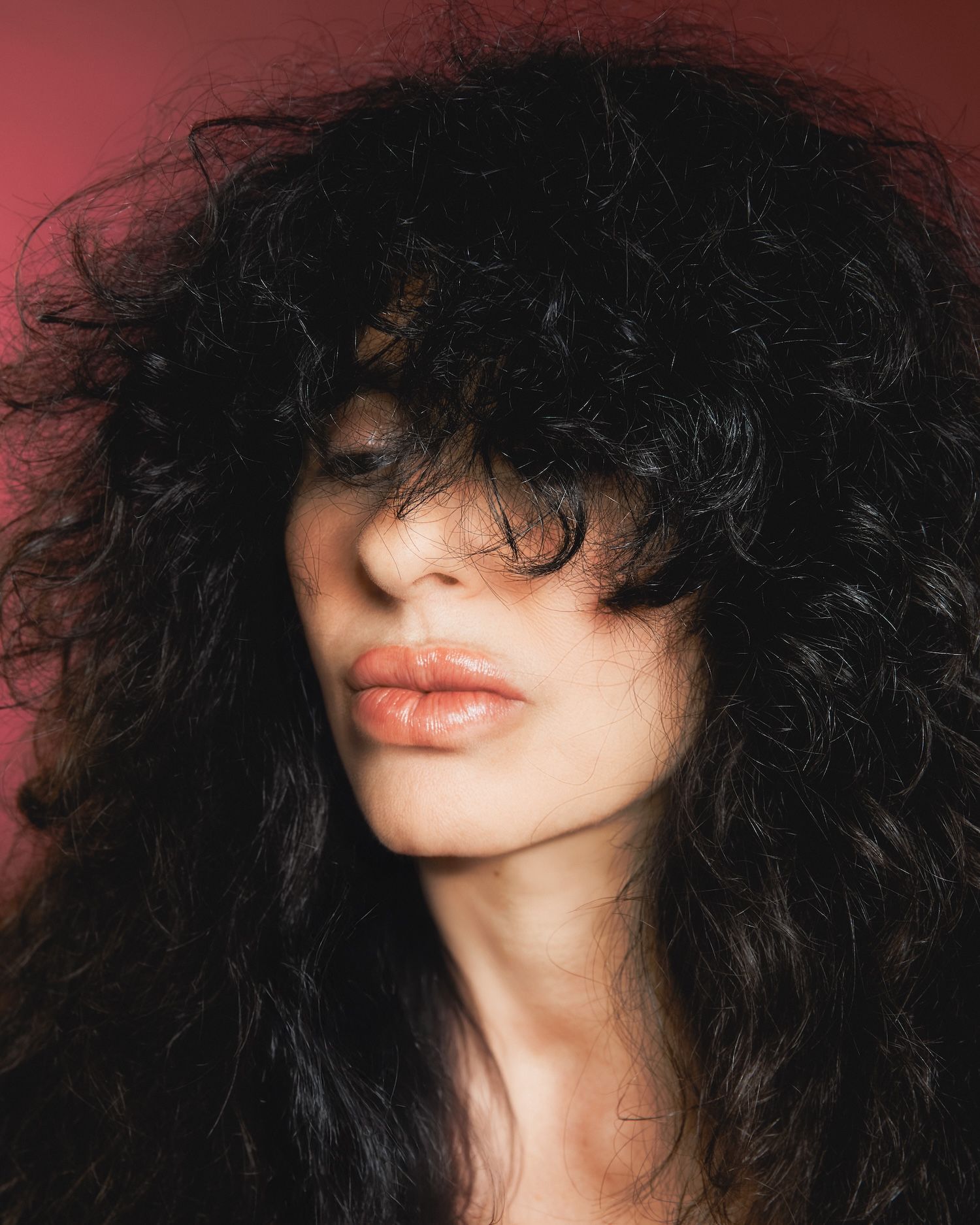
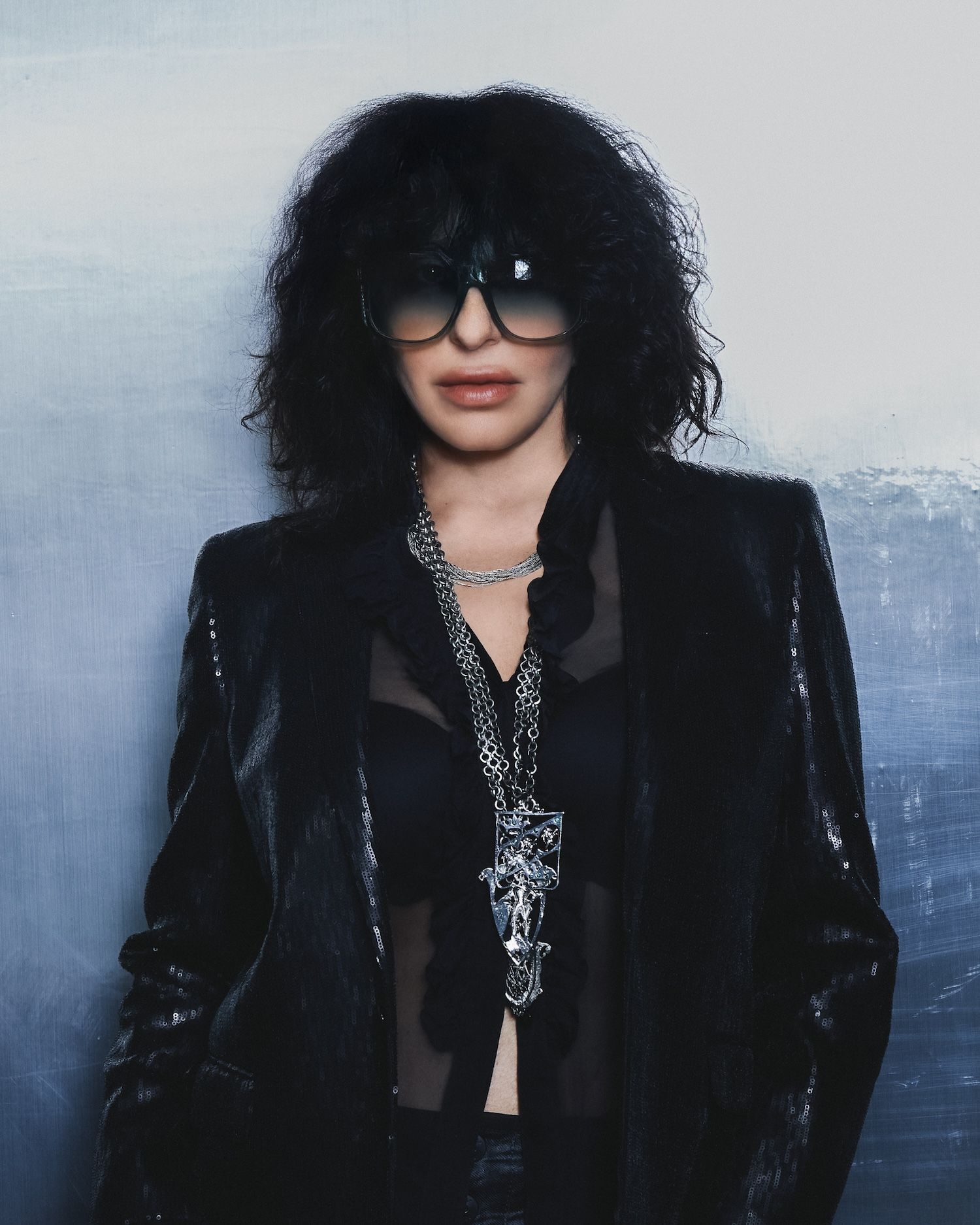
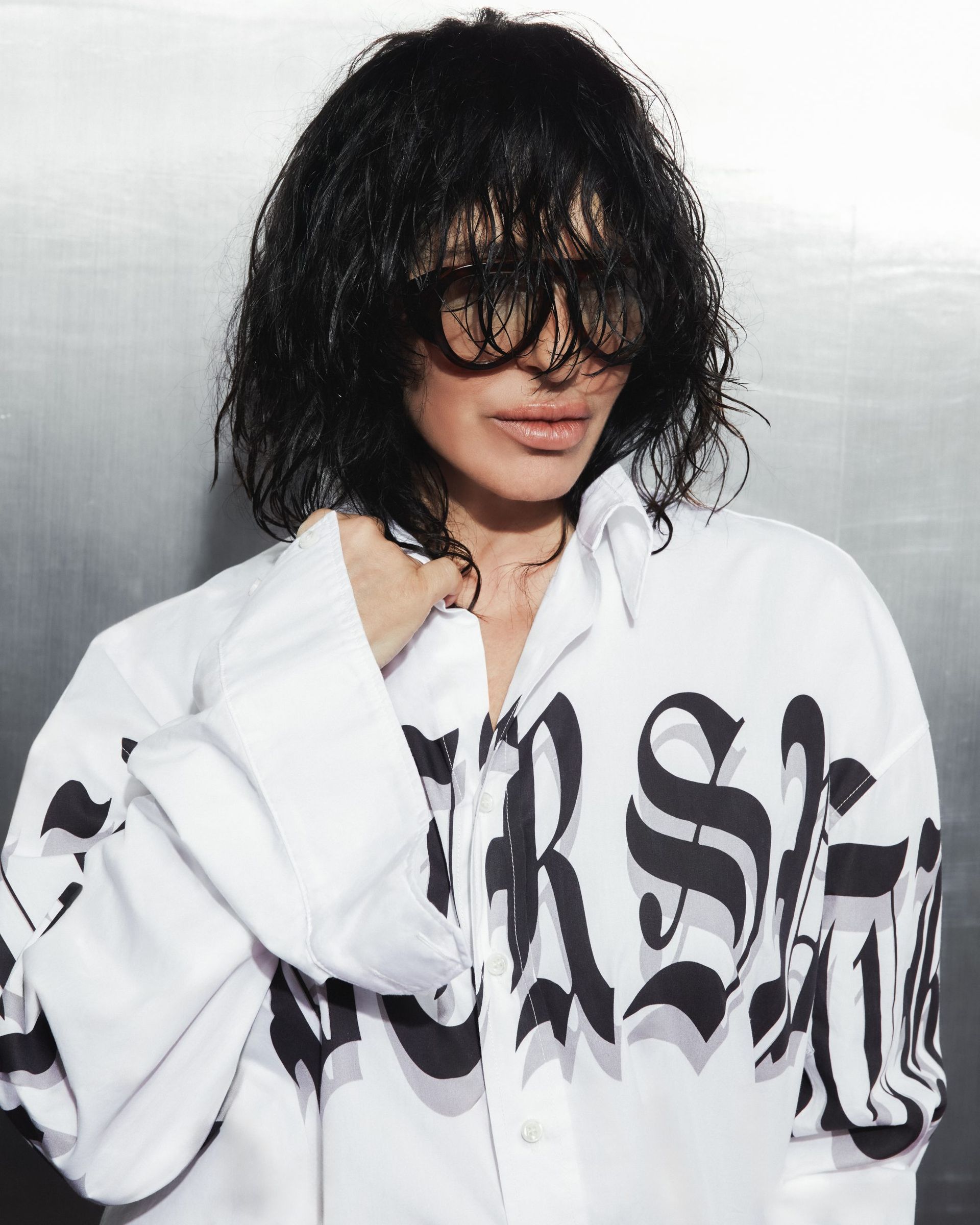
Few artists have shaped modern electronic music quite like Nicole Moudaber. From her early days building Beirut’s underground club scene to becoming one of the world’s most respected DJs, producers and label bosses, her career has been driven by fearless creativity, uncompromising vision and a deep-rooted belief in the power of the dance floor.
Despite everything she’s achieved, Nicole has little interest in standing still. What drives her is the constant desire to evolve.
As she prepares to release her most musically diverse album yet, continues to grow both MOOD and MoodCollective, and puts the finishing touches to her memoir, Nicole remains focused on evolution rather than expectation. Throughout our 18 Questions conversation, she speaks candidly about instinct, originality and why she’s still driven by the fear of repeating herself.
She also reflects on the influence of Nigeria, Beirut and London, the artists who shaped her outlook, and the importance of protecting techno’s soul while allowing it to evolve.Ahead of her return to Kappa FuturFestival 2026, a performance we’re especially looking forward to, we caught up with Nicole Moudaber to discuss creativity, longevity, the future of the underground and why, after decades at the top of electronic music, it still feels like the journey is only just beginning.
1. What’s the first thing you usually do when you wake up, wherever you are in the world?
Coffee, always. Then I check in with myself before I check in with the world. My schedule is so full that those first few quiet minutes are important. They remind me who I am before the day starts pulling me in every direction.
2. Where do you feel most connected to yourself creatively?
On a dancefloor, without question. When I’m behind the decks, that’s where everything makes sense. The crowd tells you the truth. You can’t fake that connection.
3. What’s something people often misunderstand about you?
I think people can think I’m tough, because I like to bring that fierce female energy when I play. But everything I do comes from feeling. I’m just not afraid to be strong and take a stand as well.
4. Looking back at your journey from Nigeria to Beirut and now London, what’s one lesson from each place that still shapes the way you approach life and music today?
Nigeria taught me rhythm. Those early sounds stay with you forever. Beirut taught me resilience because you learn to create beauty even in difficult circumstances. London taught me discipline. Talent means shit if you don’t put in the work every single day.
5. What’s one album or artist you’ve returned to throughout your life, and what is it about their music that never leaves you?
I’d probably say Fela Kuti. His song ‘Teacher Don’t Teach Me’ was one of the first songs I bought and he is a legend and god in West Africa. I was born in Ibadan so I grew up on afrobeat, funk and soul. It’s all about the rhythm. It reminds me that rhythm isn’t just something you hear, it’s something you feel in your body. Fela resonated with me because he wasn’t afraid to be political and go against the system. I think he’s shaped me into who I am today – not just my music, but my character too.
6. When do you feel most free?
When I stop thinking. Usually it’s that meditative state you can reach somewhere in the middle of a long set when me and the crowd are completely connected. Time disappears and you’re just following instinct. That’s why I love my open to close sets. Not many people do them anymore and while I’m doing this interview I just finished a 9hrs set at Stereo Montreal, it was transcendental
7. If you could relive one moment from your career simply to experience it again, what would it be?
There have been so many incredible moments, but honestly it’s never about one specific show. It’s those nights where everything aligns – the music, the energy, the people. You walk off stage knowing something special happened that could never be recreated exactly the same way again.
8. What’s something you’ve learned about yourself over the last few years that genuinely surprised you?
That I’m still curious. After all these years I thought I’d have all the answers, but actually I’ve realised I enjoy asking more questions. That’s what keeps me evolving.
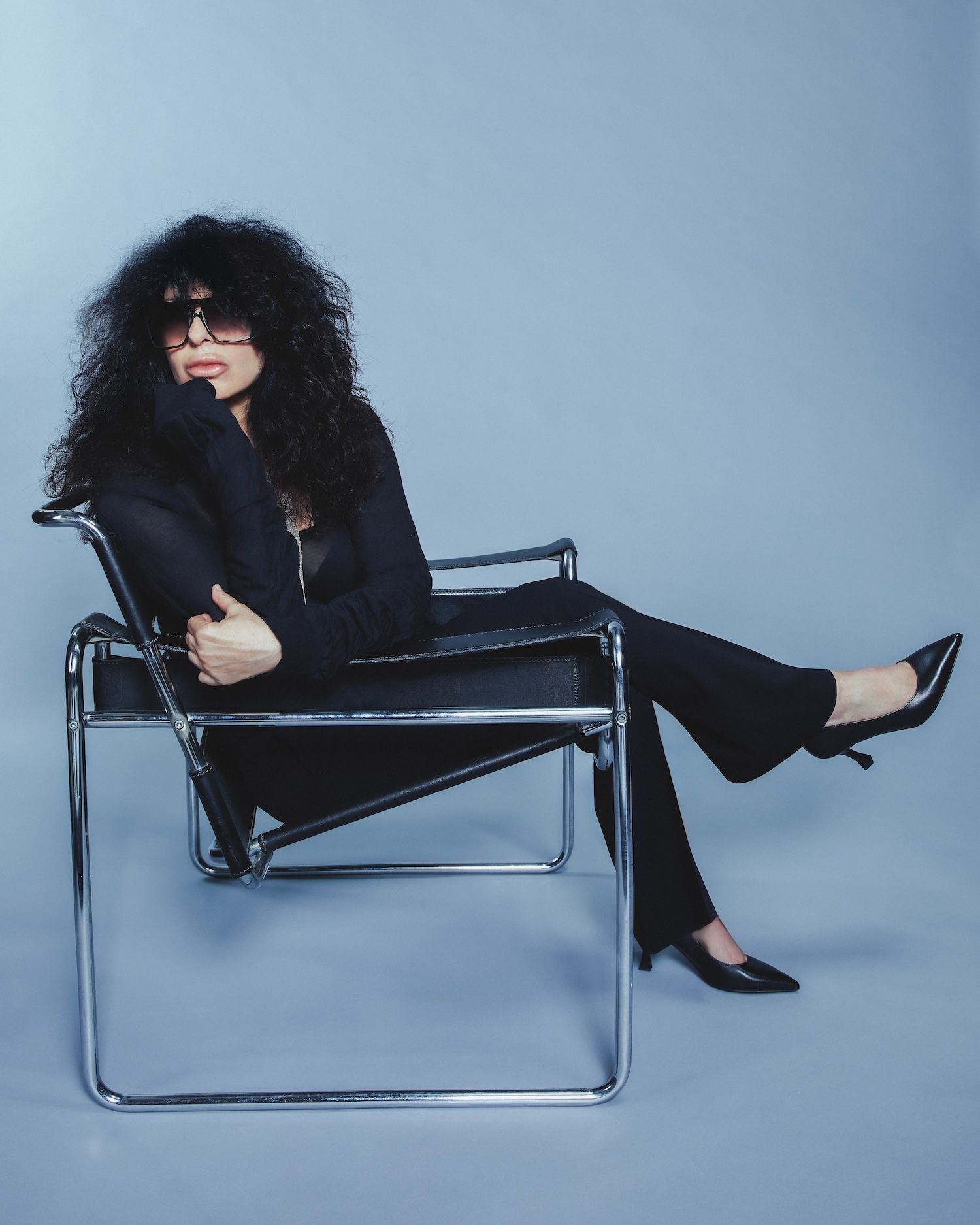
9. After everything you’ve achieved, what still motivates you to keep pushing yourself creatively?
The fear of getting boring – of repeating myself! The day I become comfortable is the day I stop growing. I always want to surprise myself before I surprise anyone else. I’ve just signed a new song from Danny Avila for my tech house label MoodCollective which is coming out later this month. I loved the track immediately but I didn’t like the AI vocals so I said to him, I’m gonna jump on these – and I did. I don’t think people will be expecting that.
10. Success often changes how people measure happiness. What does success look like to Nicole Moudaber today?
Success is having the freedom to do what you love. If I can make music I love, support new talent, connect with people around the world and still wake up excited to do it all again, that’s success. Motivation is my happiness
11. You’ve described DJing as almost like “dancing with the crowd” rather than simply playing records. Has your relationship with the dance floor changed as you’ve become a more experienced artist?
Absolutely. I listen more now. Earlier in my career, I wanted to prove myself, and I had things planned out. Today, it’s much more of a conversation with the crowd. I arrive with an idea but they help me write the rest of the story. If I’m feeling something and they’re not, I shift. That exchange is what makes my dancefloor alive.
12. You often talk about trusting instinct over. Have there been moments where throwing away your original plan has created your most memorable sets?
Many moments, actually, and I feel lucky to be able to do that because not every artist can flip instantly. I remember playing EDC in the States and I arrived thinking I was going to play a techno set. But as soon as I got there and felt the crowd, my instinct told me to take it in a different direction musically.
I ended up playing one of my best tech house sets, completely unprepared and unplanned. I just followed my gut, and that’s often when the real magic happens.
13. Your upcoming album explores different genres and influences while staying rooted in your signature sound. What inspired you to make your most musically diverse project yet, and what do you hope listeners discover about you through it?
I’m a bit of a chameleon, I’ve never listened to just one style of music, so it didn’t make sense for my album to live inside one box. This project reflects who I am as a person, not just as a techno artist. I hope people hear my influences, my journey and my love for groove regardless of genre. At the heart of it, it’s still me.
14. You’ve spoken passionately about protecting the identity of techno while still embracing evolution. Where do you think the genre is heading over the next decade, and what do you hope never changes?
I think techno will keep evolving as it should. Every generation brings a new energy, new tools, new influences and that’s healthy for the genre. But evolution only works when the roots are respected.
For me, techno should never lose its depth, its tension, its soul and its sense of rebellion. It was never meant to be polished entertainment. It was built from feeling, resistance, community and underground culture.
Over the next decade, I hope it keeps expanding without becoming empty. The sound can change, the production can change, the stages can get bigger but the spirit has to stay intact. That raw connection between the music, the room, and the people is what must never disappear.
15. Between MOOD, MoodCollective, your upcoming album and your memoir, you’re entering one of the busiest creative periods of your career. Does having multiple creative outlets make you a better artist, or does it make switching off even harder?
Probably both. They all feed each other creatively. One day I’m writing music, the next I’m writing memories from my life. It keeps my mind active. But yes, switching off is hard for me. This industry doesn’t stop and it’s very intense – the hours we play, the travel, the time in the studio – we don’t work office hours. That’s why every year I try to take a few weeks off to go to Bali and take some time to myself, it’s important for my body and soul.
16. You’ve spent years championing emerging talent and pushing for greater diversity in electronic music. When you discover a new artist today, what qualities immediately catch your attention, and what advice would you give someone trying to build a lasting career?
Originality always stands out. I don’t want to hear another version of someone who’s already successful. I want personality. My advice is simple: build your own identity and be patient. Trends come and go, but authenticity has longevity.
17. Ahead of Kappa FuturFestival 2026, what excites you most about returning to Turin, and what kind of journey do you want to take that crowd on this year?
Returning to Turin is always special. Kappa has such a strong identity and the crowd really understands the music. There’s an energy there that feels open, alive and ready for something powerful.
This year, I want to take them on an uplifting journey. Groovy and driving, emotional and full of light, while still keeping that hypnotic edge. I want to lift the energy step by step and create those moments where the whole crowd feels elevated.
18. Looking ahead, with a new album, a memoir, MoodCollective and so much still evolving, what excites you most about the next chapter of your life and career?
The fact that it still feels like the beginning..!
Nicole Moudaber will be playing Kappa FuturFestival 2026 which runs from 3–5 July at Parco Dora, Turin.
Tickets are on sale now at kappafuturfestival.it.