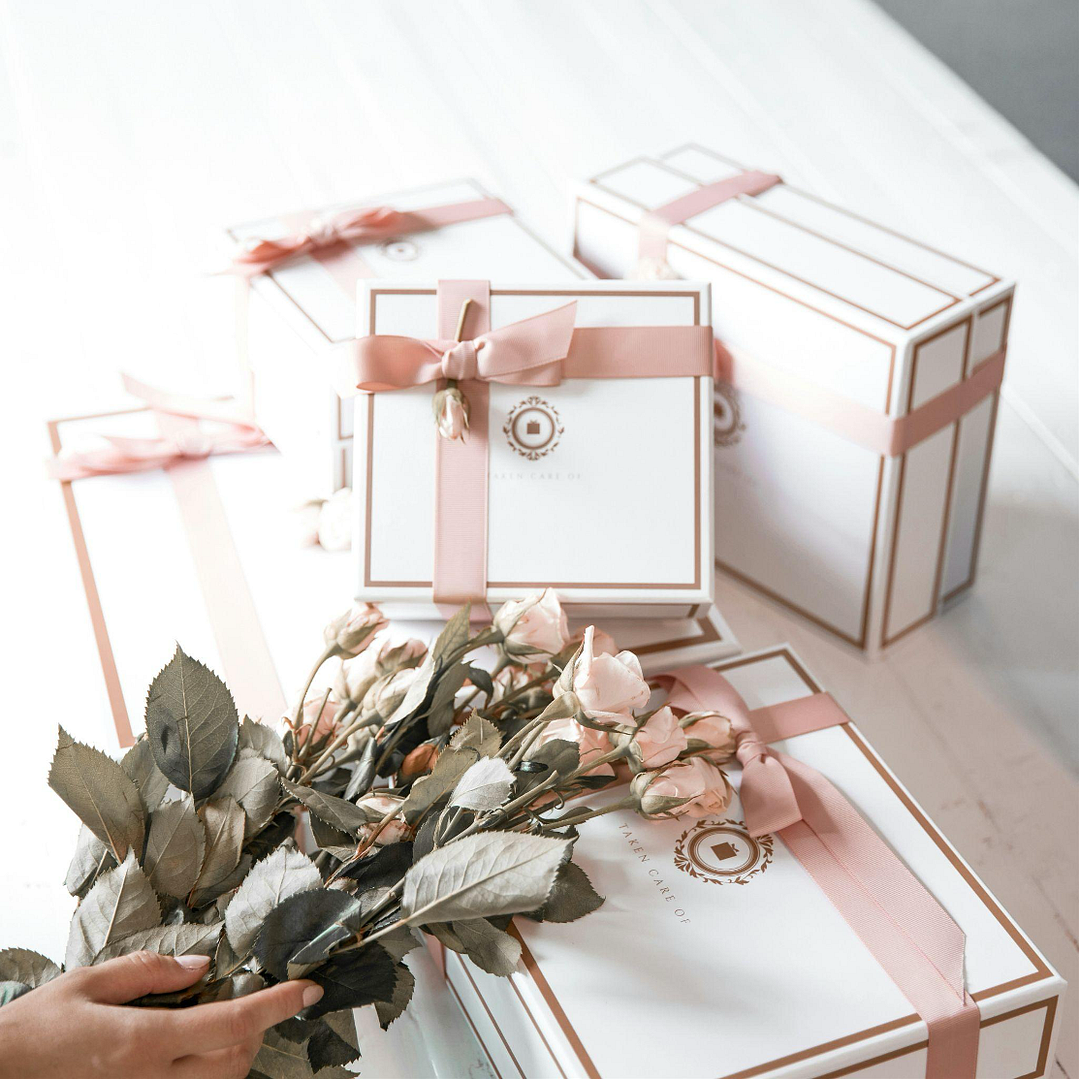
A gift box earns the word luxury not from price alone but from the quality of the thinking behind it. The most expensive contents in the world, assembled without consideration for the recipient or the occasion, produce something that feels purchased rather than chosen. The genuinely impressive gift box, the kind that gets talked about and photographed and remembered, is the one where every element reflects a decision: why this product, why this combination, why this presentation. A well-curated gift box Auckland gets these decisions right. For anyone building their own or assessing what a quality curated option should look like, this guide covers the six elements that consistently separate an excellent gift box from an adequate one.
1. A Single Anchor Product Worth Talking About
Every outstanding gift box is organised around one item that sets the standard for everything else. Not a collection of equivalents, not a bundle of things at similar price points, but a hero product that the recipient might recognise as genuinely special, that they would not buy for themselves, and that immediately communicates the quality of the whole.
The anchor product does not need to be the most expensive item in the box. It needs to be the most considered one. A single-origin chocolate from a maker the recipient has never encountered, a small-batch aged cheese from an artisan producer, a beautifully designed candle from a brand with real fragrance credentials, a bottle of something genuinely excellent: any of these, chosen with knowledge of the recipient, anchors the box in a way that a random collection of mid-range items never achieves.
One practical test: if you removed the anchor product and replaced it with something generic at the same price, would the box feel meaningfully worse? If the answer is yes, you have found the anchor. If the answer is no, the box does not have one yet.
2. Supporting Items That Create a Story
The items surrounding the anchor should be chosen to extend and complement it, not merely to fill the box. This is the difference between a gift box with a theme, one that creates a coherent experience, and a gift box that is simply a container of things.
A box built around a quality wine includes something to eat with it: a good cracker, a small jar of a complementary preserve, perhaps a piece of artisan chocolate that pairs with the wine style. A box built around a self-care theme includes products that work together as a ritual: a bath soak, a body oil, a candle for the bathroom. A breakfast-themed box includes the full picture: good coffee, an artisan honey, a quality jam, and something to put them on.
The coherence of the selection is what makes the box feel like it was assembled by someone who thought about it rather than built by selecting from a catalogue. Three well-chosen items that tell a unified story are worth more than six items that merely coexist.
3. Presentation That Earns the Word Luxury
Luxury is an experience as much as a category of product, and in a gift box the experience begins before anything is touched or tasted. The way a box looks when it arrives, the quality of the materials used to contain and protect the contents, the visual impression made when the lid is lifted: these are the sensory signals that prime everything that follows.
A rigid box with a clean matte finish, a fabric ribbon rather than a plastic bow, tissue paper in a considered colour, contents arranged so they are visible and beautiful when the lid comes off: these details cost relatively little to execute correctly and produce a dramatically different opening experience from a product simply placed in a box with filler material. The presentation communicates the quality of the contents before anyone has read a label.
The materials themselves carry meaning. Kraft paper communicates artisan and natural. Matte black communicates premium and modern. White or cream communicates clean and considered. The box should reflect the character of the brand or the occasion, not default to whatever packaging was available. For a gift going to someone specific, the presentation should feel as though it was made for them rather than produced in volume.
4. A Handwritten or Genuinely Personalised Message
A printed card with a generic message, however elegant, does not do what a handwritten note does. The handwritten element is the most personal part of a gift box and the one most often underestimated or omitted. It is also the one the recipient is most likely to keep.
The message does not need to be lengthy. It needs to be specific. A note that references something particular about the recipient, the occasion, or the reason behind specific products chosen for them, communicates a quality of attention that no product in the box can replicate. “I chose the honey because you mentioned that morning ritual” says something about the giver that a perfectly curated box without any message cannot convey.
For corporate or professional gift boxes where a handwritten note is not practical at scale, a printed card that is at minimum addressed personally and signed individually maintains more of the personal quality than a completely generic enclosure. The warmth of the language matters as much as the format.
5. One Item That Surprises
The gift boxes most often described as exceptional by recipients almost always contain something the person did not expect to encounter: a product they had not heard of before, an ingredient or flavour they would never have chosen for themselves, a beautifully designed object that sits slightly outside what they typically buy. This element of discovery is what gives a gift box a quality of generosity that a predictable selection, however carefully chosen, does not quite achieve.
The unexpected item does not need to be expensive or elaborate. It might be a small jar of a preserving company’s most unusual seasonal product, a chocolate bar in a flavour combination that sounds unlikely and tastes extraordinary, a tea from a region the recipient has never encountered. The criterion is that it introduces them to something genuinely new rather than confirming what they already know they enjoy.
This element requires more knowledge of the recipient than the others, because the unexpected item that works is one that stretches their preferences in a direction they are capable of appreciating. A person who does not like strong flavours should not receive the smokiest whiskey in the box as their surprise. The unexpected element should feel like a discovery, not a test.
6. Quality Over Quantity, Without Compromise
The most consistent failure mode of gift boxes across every price point is filling space with items that dilute the quality of the selection. A small, heavy box containing four things of genuine quality is worth considerably more than a large box containing twelve things of variable standard. The recipient’s experience of the former is one of sustained appreciation. The experience of the latter involves encountering the good items alongside the unremarkable ones, which diminishes both.
Resist the instinct to fill the box. An item that is included because it fills a space rather than because it is genuinely worth including should be replaced by better packaging of the items already selected, or removed entirely. The edited selection communicates confidence in the things chosen. The padded selection communicates uncertainty.
The practical implication is that a luxury gift box at almost any budget should contain fewer items than might instinctively seem enough. Three extraordinary things, presented beautifully, with a personal note and one genuine surprise, produce a gift that is remembered as exceptional. Six adequate things in a large box produce a gift that is appreciated and forgotten. The number of items is not the measure. The quality of each decision is.
The Sum of the Parts
A luxury gift box that gets these six elements right creates an experience that unfolds rather than simply arrives: the visual impression when it is first seen, the quality signalled before anything is tasted or used, the discovery of the anchor product, the coherence of the selection, the warmth of the message and the small surprise that makes the recipient feel genuinely known. None of these elements is expensive in isolation. Together, and only together, they produce the thing that the word luxury is actually trying to describe.