Music careers look nothing like they did twenty years ago. Artists once needed a record label to notice them before anyone else could hear their music. Now a musician can upload a single song from a bedroom studio and potentially reach listeners around the world.
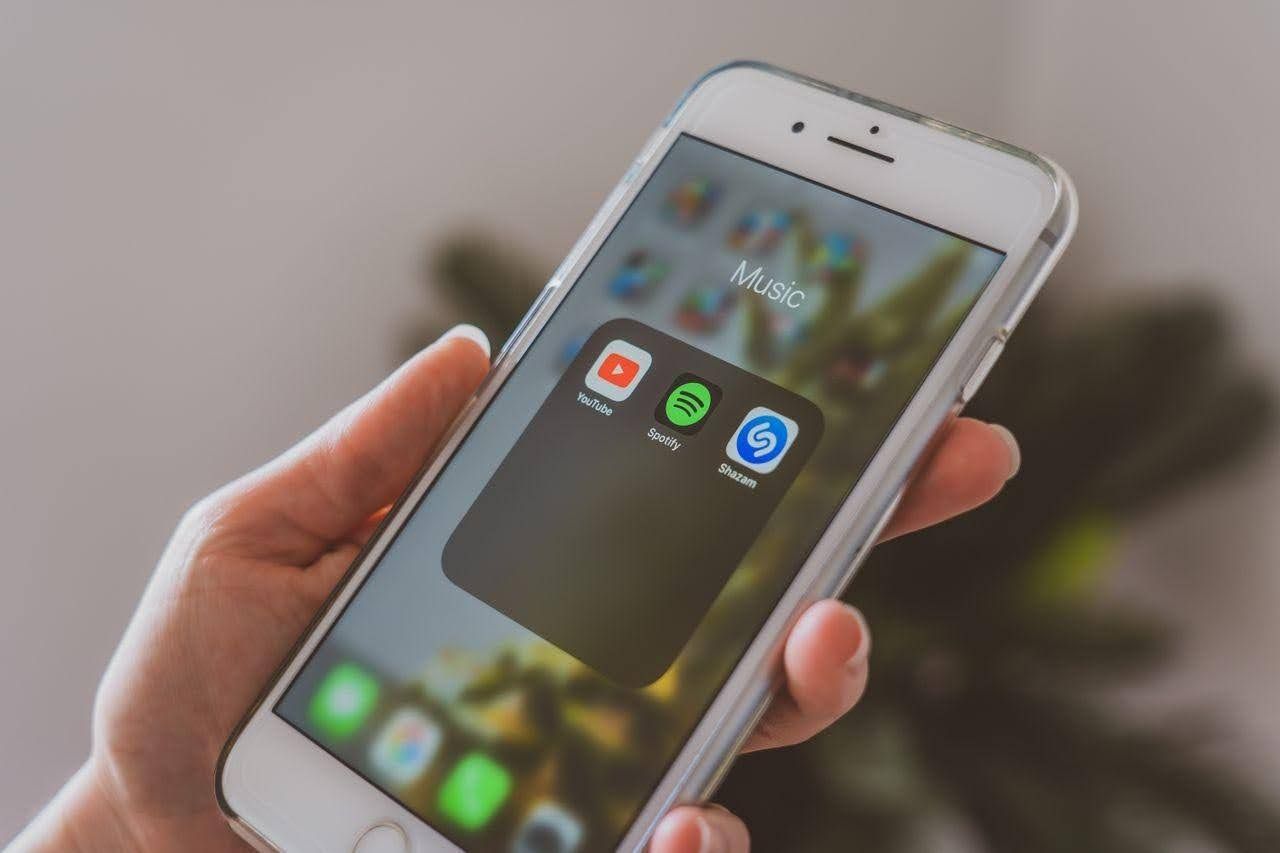
Platforms such as SoundCloud, Spotify, Apple Music, and YouTube have reshaped how songs get shared, discovered, and monetized. Each platform can play a different part in an artist’s story, and moving from one to another often marks a turning point in a musician’s growth. Here are six ways streaming platforms can shape that journey, from a first upload to reaching a much larger audience.
1. New Artists Can Get Their Start Without a Label
SoundCloud has long served as a launchpad for musicians who want direct control over their sound. Artists can upload and share music directly, giving experimental and genre-blending work a way to reach listeners without first securing traditional label backing or radio airplay.
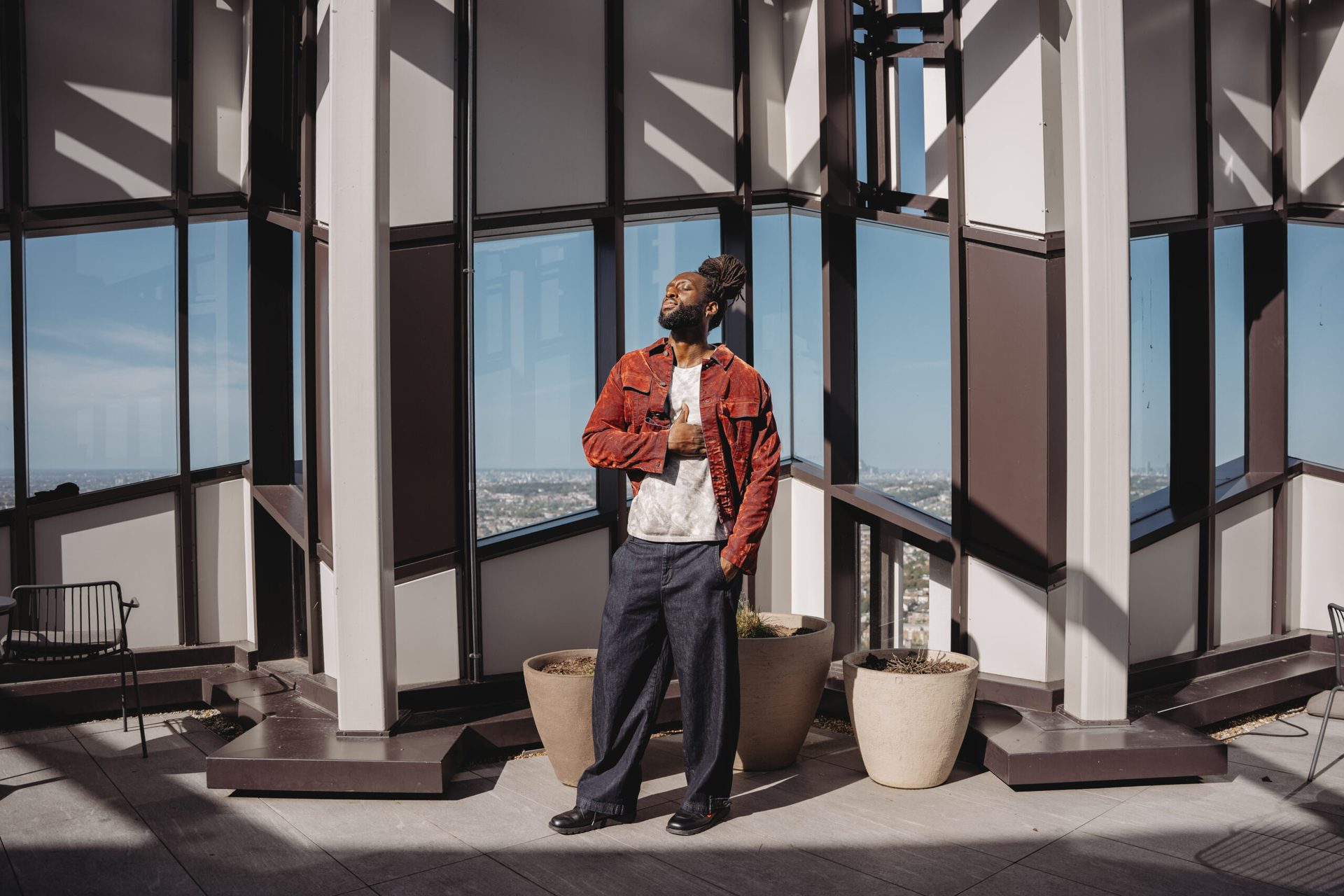
Listeners can also discover raw, early tracks long before an artist signs with a label or distributor. For listeners interested in experimental hip-hop, Jackson Laurie offers a sound shaped by jazz, funk, soul, and electronic music. Open platforms can give genre-blending work like this a direct route to listeners who are actively searching for new sounds and styles.
2. Fans Can Grow One Stream at a Time
Building a fan culture on an open platform can happen gradually. A song gets shared in a private group chat, reposted by a small blog, or added to a listener’s personal playlist. Over time, those individual listeners can turn into a real audience, and some fans may feel particularly connected to an artist they discovered early.
Once an artist has built an audience, expanding onto bigger platforms can provide another way to reach listeners. Arriving with an existing fanbase also gives a new release an early source of streams, saves, shares, and other engagement.
This is one reason some musicians use smaller or more open platforms as a place to experiment, learn what connects with listeners, and develop an audience before putting more resources behind releases on larger services.
3. Playlists Can Introduce Artists to New Audiences
Playlists now fill some of the discovery role that radio stations once dominated. A spot on a widely followed playlist can introduce a song to listeners who might never have searched for the artist on their own.
Two broad kinds of playlists are especially important for growing artists:
- Editorial playlists, curated by people working for the streaming platform
- Algorithmic playlists and recommendations, generated using listening behavior and other signals
Editorial playlists can put a track in front of a large curated audience, while algorithmic recommendations can continue introducing music to listeners based on their tastes and listening habits.
The route to each is different. On Spotify, for example, artists can submit an unreleased song through Spotify for Artists for editorial playlist consideration. Spotify recommends delivering and pitching the track at least seven days before release. Algorithmic recommendations work differently, drawing on listening activity and other signals rather than a direct pitch to a curator.
A good release strategy therefore involves more than trying to land one big playlist. Artists also need music that gives new listeners a reason to save a track, explore the rest of their catalog, and come back for the next release.
4. Streaming Changes How Artists Think About Income
Payment structures differ between platforms, and streaming royalties are more complicated than a fixed amount paid every time someone presses play. Factors such as the platform’s royalty model, the listener’s market and subscription type, an artist’s share of streams, and agreements with labels, distributors, publishers, or other rightsholders can all affect how much eventually reaches the artist.
That’s why widely quoted “per-stream rates” are better treated as rough estimates than guaranteed payouts.
For many independent musicians, streaming is also only one part of the income picture. Merchandise, live shows, sync licensing, and direct fan support through sites like Patreon can provide additional revenue alongside streaming royalties.
This changes the role streaming plays in an artist’s career. A stream can generate revenue, but it can also introduce someone to an artist who later buys a concert ticket, orders merchandise, follows them on social media, or becomes a long-term fan.
5. Streaming Can Influence How Often Artists Release Music
Moving from a smaller platform to a major streaming service can also change the way musicians think about their release schedules. The always-on nature of streaming has encouraged many artists to maintain a more regular flow of new music rather than disappearing for years between albums.
For some musicians, that means releasing singles more frequently. Others may alternate between individual tracks, EPs, collaborations, and full-length projects. There is no single schedule that works for every artist, but streaming has given musicians more flexibility in deciding how and when new work reaches their audience.
That flexibility comes with its own pressure. Staying visible can feel important when listeners have a constant supply of new music competing for their attention, so artists still have to balance consistency with the time needed to make work they’re actually proud to release.
6. Independent Artists Can Use Different Platforms for Different Goals
A path from SoundCloud to Spotify is rarely a straight line. Some artists build a following on one platform and stay there by choice, while others distribute their music across several services to reach different audiences.
What stays constant is that streaming platforms have lowered many of the barriers to being heard, even if they have not made the path to sustainable income easy.
For musicians starting today, a practical approach is to treat each platform as a tool with its own purpose. Open platforms can provide room to experiment and connect directly with listeners, while larger streaming services can help distribute finished releases to broader audiences.
Seen this way, streaming is not a shortcut to success. It’s one part of a much larger career that still depends on the music itself, the audience that gathers around it, and what an artist does with that attention.
FAQs
Q. How have music streaming platforms changed the music industry?
Answer: Music streaming platforms have made it possible for artists to distribute music and reach listeners without relying entirely on traditional label or radio exposure. They have also changed how audiences discover music, how artists release it, and how streaming royalties fit into a musician’s broader income.
Q. Why is SoundCloud a popular platform for new artists?
Answer: SoundCloud gives musicians a relatively open way to upload music, experiment with different sounds, and connect with listeners. That can make it particularly useful for independent and genre-blending artists who are still developing their audience.
Q. How do playlists influence an artist’s career today?
Answer: Playlists can introduce songs to listeners who may not already know the artist. Editorial playlists are selected by platform curators, while algorithmic recommendations use listening behavior and other signals to match music with potential listeners.
Q. How much do artists earn from streaming?
Answer: There is no universal amount an artist earns every time a song is streamed. Royalty calculations vary by platform and can also depend on the listener’s market, subscription type, rightsholder agreements, and how revenue is divided among the parties involved.
Q. How can streaming affect an artist’s release strategy?
Answer: Streaming gives artists the flexibility to release singles, EPs, collaborations, and albums on different schedules. The constant availability of new music has encouraged some musicians to release more regularly, although the right schedule depends on the artist and their audience.
Q. What should independent musicians keep in mind when using different streaming platforms?
Answer: Independent musicians can treat each platform as a different tool rather than expecting one service to handle every part of their career. Some platforms are useful for experimentation and community building, while larger streaming services can help distribute finished releases to wider audiences.