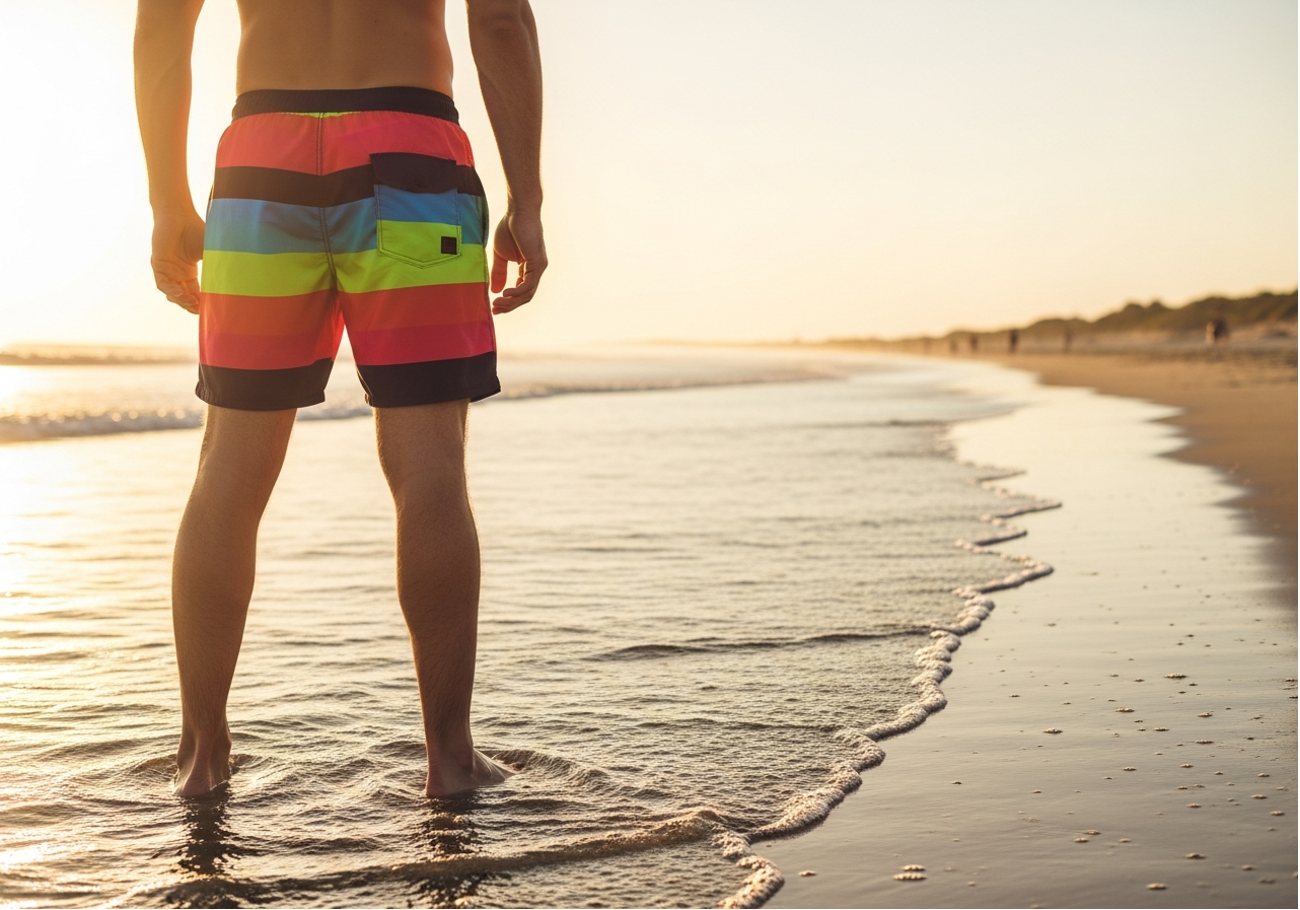
A surprising number of men quietly dread the beach or pool — not because they dislike the water, but because being seen in minimal clothing stirs up real self-consciousness. Whether the concern is a soft midsection, pale skin, or simply feeling underprepared, these worries are far more common than most people let on. Feeling comfortable matters more than chasing a “perfect” beach body, and genuine confidence at the water’s edge comes from a mix of realistic expectations, smart practical choices, and well-fitting men’s swimwear suited to your body and activities — not from looking like you stepped out of an advertisement.
Why Body Image at the Beach Is Complicated
Most men carry a complicated relationship with their bodies: features they’ve made peace with alongside ones they’d rather keep covered. Research from psychology and public health consistently shows that exposure to idealized images — in advertising and across social media — distorts self-perception and pushes benchmarks into unrealistic territory. The practical result is that many men skip beach outings altogether, or spend them tense and distracted rather than relaxed.
One useful mental shift is moving focus from appearance to function. What can your body actually do? It can swim, hoist a child onto its shoulders, walk the length of a shoreline, or simply float in warm water under open sky. And it’s worth remembering that most beachgoers are absorbed in their own experiences — not scanning the crowd for someone to scrutinize. That awareness alone can quiet a lot of mental noise.
Choosing Swim Gear That Works for Your Body
Fit has a measurable effect on both comfort and confidence. Overly baggy shorts tend to look shapeless and can paradoxically draw more attention to areas of concern, while shorts that are too tight restrict movement and become uncomfortable fast. A few reliable principles hold across most body types:
- Mid-thigh length generally balances proportions well and avoids cutting the leg line at an unflattering point
- Darker, solid colors around the midsection create a subtly slimming effect
- Horizontal stripes tend to widen the visual silhouette; vertical or diagonal patterns work better for adding length
- Slimmer builds often benefit from structured fits and bolder patterns that add visual presence
- Shorter men should steer clear of very long shorts, which visually shorten the legs even further
Tip: Before heading out, run through a few movements in your swim gear — sit down, squat, walk around — to confirm it stays in place and feels secure during activity.
It’s also worth distinguishing between recreational swim shorts and performance-oriented suits. Looser boardshort styles are well-suited to casual beach days and light activity, while closer-fitting suits in polyester-elastane blends reduce drag for lap swimming and dry considerably faster. Matching your gear to what you actually plan to do makes a genuine difference in day-to-day comfort.
Skin Care, Sun Safety, and Physical Comfort
Sun protection isn’t optional. Dermatology organizations recommend broad-spectrum sunscreen with an SPF of at least 30, applied generously and reapplied every two hours or after swimming. Lightweight shirts, wide-brimmed hats, and seeking shade during peak sun hours — typically late morning through mid-afternoon — support both long-term skin health and immediate comfort.
A few habits that make beach time noticeably more enjoyable:
– Apply sunscreen before you leave home, not just when you arrive
– Drink water regularly, particularly in the heat
– Take shade breaks to avoid fatigue setting in earlier than it should
– Wear swim gear that stays secure when you’re actually moving
Building Confidence Over Time
Gradual exposure genuinely helps. Starting with quieter spots or shorter outings can ease anxiety before working up to busier environments. Practicing self-compassion — speaking to yourself the way you’d speak to a friend in the same situation — redirects attention away from perceived flaws and toward the real pleasures of being near water.
Anyone experiencing significant distress around body image may find it worthwhile to speak with a qualified mental health professional. These feelings are valid, widely shared, and well understood — and support is available.
The goal isn’t perfection; it’s feeling comfortable enough to fully enjoy your time in and around the water.Small, consistent choices — well-fitting attire, dependable sun protection, and a focus on experience over appearance — make that more achievable than it might initially seem.