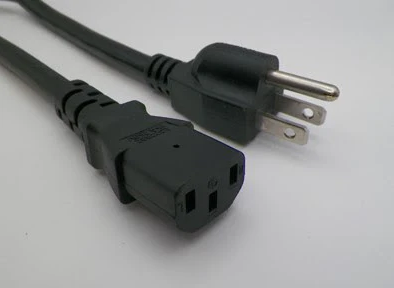
Everything from your television to your monitor to any other kind of media device is powered by a single component – the power cord. From creating a new entertainment system to replacing a damaged cable or even wiring an office loaded with display screens, choosing the right power and extension cords is what turns your setup into either stable or frustrating.
Not only will the right cable supply power to your gadgets, but it will also help keep everything neat and trouble-free. By using the right cable, you can prevent loose connections, untidy situations, and even electrical issues that might interfere with your devices’ performance.
This article breaks down everything you need to know about TV cords, from connector types and safety certifications to cord length and heavy-duty options for commercial use.
What Are LCD & LED TV Power Cords And Why They Matter
LCD and LED TV power cords are the cables that connect your television to a wall outlet, providing a steady electrical supply. While they may look like simple accessories, they play an important role in keeping your TV running safely and reliably. A low-quality cord may overheat, become loose, or wear out faster than expected, leading to power interruptions and unnecessary replacements.
Quality TV cords are designed to provide consistent power over years of regular use. Many are also compatible with monitors, gaming consoles, streaming devices, and other media equipment, making them a practical choice for a range of devices. Since these cords come in different connector types and specifications, understanding the common standards helps you choose one that fits your devices correctly and delivers dependable performance.
Common Connector Types: C5, C7, And C13 Power Cords Explained
TV power cables employ one of three different IEC connectors. C7 connector, also known as a figure-8 plug, is often used with small LED TVs, streaming machines, and DVD players. C5 connector, which looks like a cloverleaf, is used with specific monitors, projectors, and compact TVs. The C13 plug is the larger one used with computer desks, larger monitors, and office appliances.
It is necessary to determine the type of connector your device uses, as you cannot use a different one. In addition, such a forced connection can ruin the connector itself. Checking your current cable or the device’s instructions will help you avoid extra trips later.
UL Certified Cords And Why Safety Standards Matter
Not all power cords conform to safety standards, so this is one of those places where you can never underestimate the importance of quality. UL-approved power cords come with safety approvals for features like flame resistance, insulation level, and safe current-carrying capacity.
The presence of the UL Listing Mark indicates that the product has undergone testing in accordance with safety standards. Opting for UL-approved power cords for TVs, monitors, and other electronics will reduce the risk of overheating, electrical problems, and early power cord failure. Always remember to purchase a certified power cord replacement.
Indoor Power Cords vs Outdoor Extension Cord Options
The vast majority of power cables for LCD and LED TVs are designed for indoor use, as their insulation is intended for consistent indoor temperatures only and not for sunlight, moisture, or temperature fluctuations. If you intend to use your display outdoors, for instance at a patio bar or event space, an ordinary cable won’t last.
Cables designed for outdoor use come with more durable insulation that withstands moisture and UV radiation. Moreover, they usually have a higher gauge to accommodate longer cable runs. It is among the most common mistakes: mixing indoor and outdoor cords, and one of the easiest ways to shorten a cord’s lifespan.
Heavy-Duty Extension Cables and Commercial-Grade Plugs For Business Use
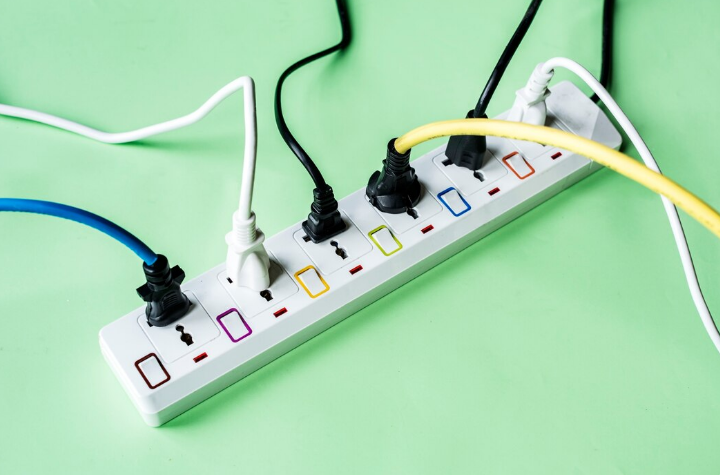
While regular extension wires will do just fine in homes, there are many places where something more durable is needed – office buildings, hotels, schools, and stores, among others. Extension wires that are designed for heavy-duty work with commercial-quality plugs have enough strength to withstand frequent use, longer distances, and a larger number of devices.
This is especially true in situations such as conference rooms with many screens, hotel rooms where many TVs are being disconnected at one time, and retail venues that use digital signage throughout the day. Ordering the power and extension cords in bulk for all these locations makes maintenance easier, as they can be replaced with identical ones.
Choosing The Right Cord Length For Your Entertainment Setup
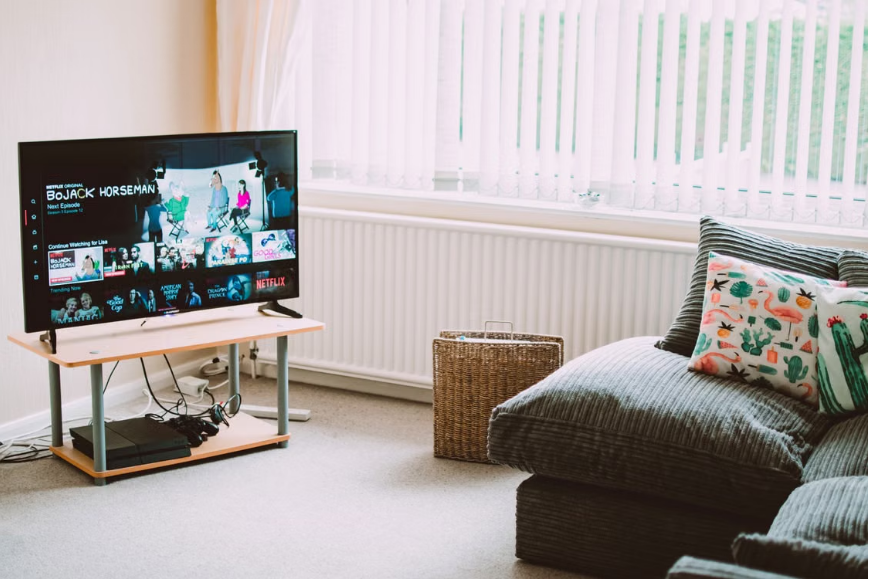
A cord that is not the right length can be problematic for both safety and visual aesthetics. A very short cord risks coming loose because it will have tension on the plug end, while a very long cord becomes messy and creates trip hazards when coiled up. A short cord, which measures less than six feet, is ideal for use with TV sets positioned close to the outlet.
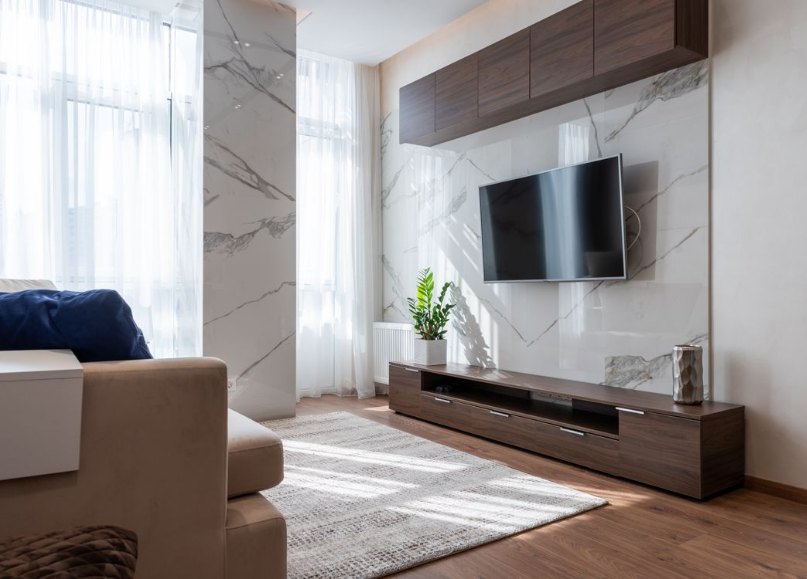
Medium-length cords, which are normally between six and eight feet long, are the most suitable for use in average living rooms or offices, where the outlet is located a few feet away. Long cords, which measure more than eight feet, are best suited for wall-mounted TV sets. The best thing to do is measure the actual distance beforehand.
Cord Safety Tips Every Household And Business Should Follow
A few basic habits go a long way toward keeping any power cord or extension cord safe over time. Flexible cords are more prone to damage than fixed wiring precisely because they are exposed and handled often, and it is recommended to inspect cords regularly for cracks, exposed wire, or loose connectors.
Avoid running cords under rugs or through doorways where they can be pinched, and never force a plug into a mismatched outlet or connector. Replacing a worn cord immediately, rather than patching it with tape, remains one of the simplest ways to prevent overheating or shock.
Where TV Cords Fit Beyond The Living Room
Though the name suggests a particular application, TV power cords aren’t limited to televisions alone. The use of C5, C7, and C13 connectors extends to devices such as computer screens, printers, video games, projectors, and audio devices, so just one drawer filled with these cords can handle all your electronic needs.
This cross-purpose use is particularly helpful for companies operating conference rooms, classrooms, or medical facilities, where there is often a mix of devices with similar connectors. Having just one supplier of these cords also helps ensure you keep your warranty intact and easily replace a faulty cord without having to find one identical to the old one.
Choosing The Right TV Cord For Your Setup
Picking the right power cord comes down to matching connector type, cord length, and build quality to how and where the device will be used. Whether you need a compact C7 cord for a bedroom TV or heavy-duty extension cables for a commercial installation, getting these details right keeps your entertainment and office equipment running safely for years.
Americord’s collection of LCD and LED TV power cords covers all three major connector types in multiple lengths, with UL-certified construction built for both residential and commercial use. Browse the full selection of TV cords to find the exact fit for your setup, or reach out to Americord’s team for a custom quote on bulk or specialty orders.