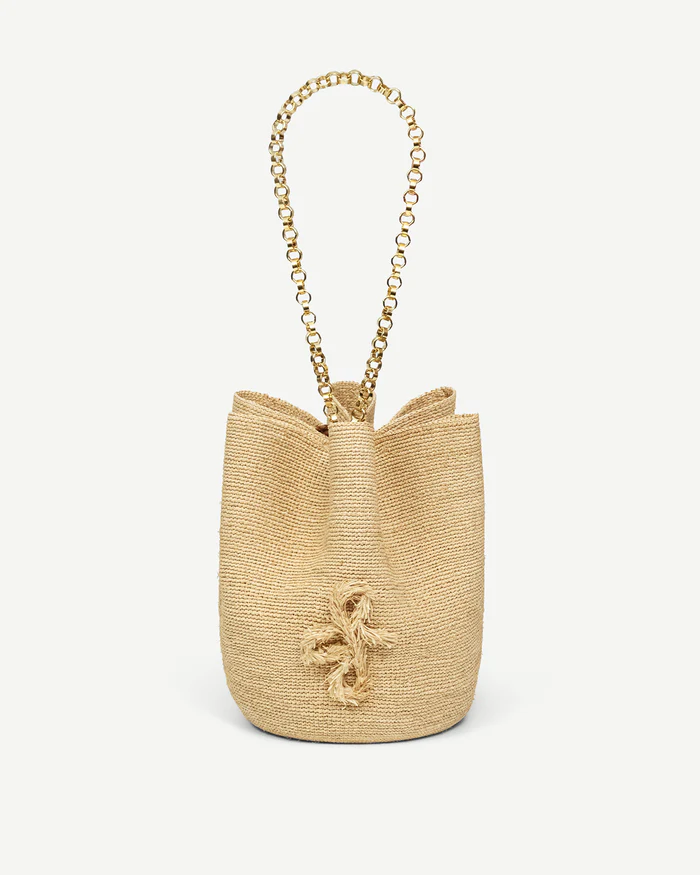
Some accessories remain on the fringes of fashion; others return with renewed strength every ten years, changing the rules of the game. And that is what happened with the bucket bag, which has evolved from a functional shape into a design statement that marries engineering logic with an almost sculptural aesthetic.
It used to be seen as a practical item for everyday use. Today it inspires experiments with shape, volume, and material. This silhouette, interestingly enough, never quite went out of fashion. It simply altered its visibility, remaining in the shadow of more structured forms until the industry rediscovered its potential. The more you look at this change, the more you see it. What we have here is not just a trend but a full-fledged cultural reassessment of utilitarian design.
A Shape That Was Always Smarter Than It Seemed
Initially, the bucket bag silhouette emerged as a response to a purely functional need — capacity, ease of access, and a minimum of structural elements. For years, people saw this simplicity as a limitation rather than an advantage. The bag lacked the “architecture” and rigorous lines associated with the luxury segment.
However, it was precisely this simplicity that became the basis for designer interpretations. Without strict internal divisions, the form is subordinate to the content, living and changing throughout the day.
Such flexibility is rare in accessories, where a static and predictable silhouette is more often valued. This is why the bucket shape has found new life in the hands of designers who see its utilitarian nature as the potential for a sculptural statement, rather than an excuse for simplification.
Material That Makes Transformation Possible
When form is so laconic, all expressiveness flows into the material. It is the texture, density, and processing of the material that determine whether the product will look like a casual accessory or a thoughtful statement.
The principle of “fewer words, more meaning” applies here. A bag needs no embellishment if the material speaks for itself. High-quality material holds its shape without a rigid frame, and dense fabric creates structure where there seems to be none.
The carefully chosen materials also make the design’s most distinctive feature possible: its ability to transform a hat into a bag and back again. The construction maintains its shape in both forms. Designed to adapt effortlessly, it combines versatility with a clean silhouette and refined character.
From Utilitarianism to Cultural Symbol
Interestingly, the bucket bag has long been associated with a specific subculture — free, slightly casual, and far removed from strict dress codes. It was a staple of street style long before it caught the eye of major fashion houses. It is precisely this informal pedigree that makes it so valuable today for brands working at the intersection of culture and design.
Today, this context hasn’t disappeared; it’s transformed. The bag retains a hint of casualness, but now in dialogue with high fashion. This is a case where cultural codes aren’t erased by artisanal refinement but become part of a new aesthetic — intelligent, contextual, and appealing to those who appreciate nuances without further explanation.
It is at this juncture of art and quotidian life that the bucket bag has found a place for itself in collaborations and cultural projects. Here, form is not simply functional but a statement of a broader lifestyle.
Practicality Without Compromising Aesthetics
Another reason for the continuing popularity of this silhouette is its unusual combination of spaciousness and visual lightness. Unlike many structured bags, the bucket shape doesn’t create a visual heaviness, even when filled.
It seems to “breathe” with its contents while remaining recognizable and organized in silhouette. This is especially appreciated by those who lead a fast-paced life and aren’t willing to sacrifice style for functionality — or vice versa.
Before choosing the right model for your lifestyle, it’s worth determining which characteristics are truly important:
- sufficient depth for everyday items;
- comfortable handle or strap length;
- practical internal pocket;
- compatibility with various looks;
- base stability during use.
These parameters help you choose not just a beautiful accessory but one that will seamlessly fit into your lifestyle — without compromising on form and function.
Sculpturalism as a New Design Language
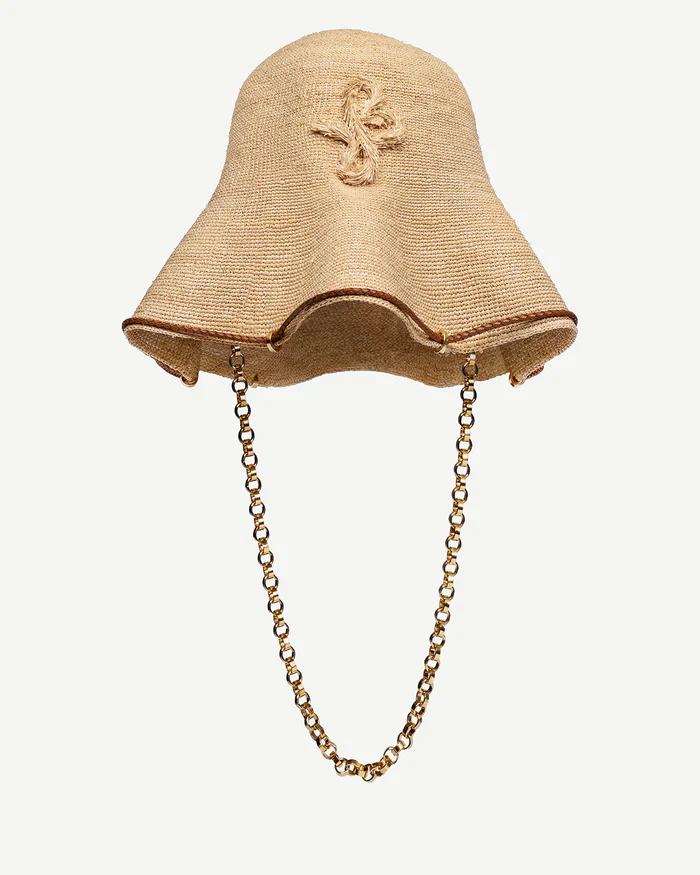
Contemporary designers are increasingly working with the bucket shape as a three-dimensional composition rather than just an accessory. Soft lines, smooth transitions, the absence of sharp angles — all of these make the bag almost an architectural object. This shape changes its look depending on the angle and how you wear it.
The bag becomes more than an accessory. It is something to look at as a piece of art. This approach to work erodes the boundaries between fashion and art, turning a functional item into an object to be gazed at and interesting.
This is where the balance between luxury and cultural expression is shown. The form here is restrained, but the vision invested in it is highly conceptual.
Ruslan Baginskiy and a New Reading of Silhouette
Ruslan Baginskiy is the brand to note that does something meaningful with this shape. What sets it apart is its focus on materials and minimalist geometry, with a utilitarian base approached from a thoughtful designer perspective.
Here, the silhouette of the bucket does not make a loud statement, but a quiet and confident one. It’s that perfect blend of simple and profound. That’s what makes the difference between pieces made with context in mind and pieces made to chase trends. Every detail adds to the integrity of the look, without unnecessary elements to distract.
Conclusion
The history of the bucket bag is a good illustration of how a utilitarian idea can be turned into a designer object without losing its practical essence. It remains comfortable, roomy, and easy to wear, yet acquires a new aesthetic dimension — sculptural, intellectual, and recognizable.
And it is precisely this combination of function and form that reveals its greatest strength. It speaks the language of people who know the difference between a trend and true design. It can remain relevant regardless of changing fashion cycles.