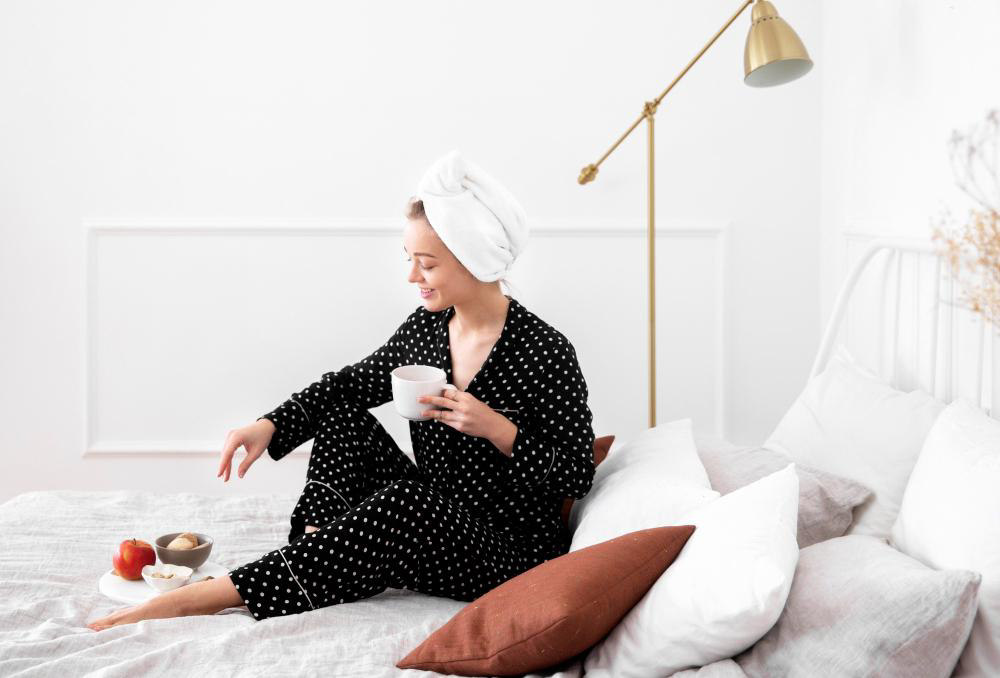
We spend a great deal of energy perfecting our mornings, yet the quality of that morning is decided the night before. A considered evening routine is one of the most underrated tools for better skin, deeper sleep, and a calmer mind. It is not about a fourteen-step ritual or an arsenal of gadgets. It is about a handful of intentional habits that tell your body the day is done.
Here is how to build a night routine that actually restores you, from the skincare that works while you sleep to the small rituals that make winding down feel like a pleasure rather than a chore.
Why does a night routine matter so much?
A night routine matters because sleep is when your body does its most important repair work. While you rest, your skin regenerates cells, your brain consolidates memories, and your nervous system shifts out of fight-or-flight mode. A consistent evening ritual primes all three by lowering cortisol, the stress hormone that keeps you wired long after you have closed your laptop.
The key word is consistency. Doing the same calming sequence each night trains your brain to associate those cues with sleep, so you fall asleep faster and wake less often. Think of your routine as a runway: each step brings you gently lower until rest arrives naturally.
What time should a night routine start?
A night routine should ideally begin 60 to 90 minutes before you plan to sleep. This window gives your body time to transition out of stimulation and into rest. Trying to go straight from a bright screen to a dark bedroom rarely works, because your brain is still processing the day.
Use that hour to dim the lights, lower the temperature, and step away from anything demanding. You do not need to fill it with activity. The goal is to slow down, not to add another item to your to-do list.
How do you build an effective evening skincare routine?
You build an effective evening skincare routine by focusing on cleansing, treating, and moisturizing, in that order. Nighttime is when active ingredients absorb best, so this is where results are made.
- Cleanse thoroughly: Remove makeup, sunscreen, and the day’s pollution with a gentle cleanser. A double cleanse works well if you wear heavier makeup.
- Treat with Actives: Apply targeted ingredients such as retinol for cell turnover, niacinamide for tone, or a hydrating serum with hyaluronic acid. Introduce potent actives slowly to avoid irritation.
- Moisturize and Seal: Lock everything in with a nourishing night cream. A slightly richer formula than your daytime moisturizer helps your skin stay hydrated overnight.
- Do not forget the details: A drop of eye cream and a swipe of lip balm round out the ritual.
Keep it simple and repeatable. A three-step routine you actually do every night beats an elaborate one you abandon after a week.
How can you calm your mind before bed?
You can calm your mind before bed by giving it a clear signal that the day’s demands are over. Racing thoughts are one of the most common reasons people struggle to fall asleep, and a few low-effort practices make a real difference:
- Brain-dump on Paper: Write down tomorrow’s tasks or lingering worries so your mind can release them.
- Try slow breathing: inhale for four counts, hold for four, and exhale for six. Longer exhales activate the parasympathetic nervous system.
- Read Something Gentle: A few pages of fiction pull you out of your own head without the blue light of a screen.
- Stretch Lightly: A short sequence of gentle stretches releases the physical tension you have carried all day.
For a deeper dive into building calming, science-backed evening habits, wellness and lifestyle resources like Nimble Journal are a useful place to find ideas you can adapt to your own rhythm.
Why does what you wear to bed matter?
What you wear to bed matters because your sleepwear directly affects your body temperature, and temperature governs sleep quality. As you drift off, your core temperature naturally drops, and that drop is what signals deep, restorative sleep. Fabrics that trap heat interrupt the process and leave you restless.
Breathable, temperature-regulating materials support that natural cooling instead of fighting it. There is also a psychological layer: changing out of daytime clothes into something soft and dedicated to rest reinforces the mental shift from “on” to “off.” The act of changing becomes part of the ritual itself.
What is the best fabric for sleepwear?
The best fabrics for sleepwear are natural, breathable fibers such as mulberry silk and Tencel. Both regulate temperature, wick moisture, and feel gentle against the skin. Silk in particular is naturally thermoregulating, hypoallergenic, and smooth enough to reduce friction on skin and hair while you sleep.
If you want your wind-down to feel genuinely luxurious, investing in a quality set is worth it. A well-made pair of dore and rose silk pajamas turns the simple act of changing for bed into a small nightly ritual, and quality silk lasts for years, making the cost-per-wear surprisingly reasonable. Look for 100% mulberry silk and, ideally, a washable design so care never becomes a barrier to wearing it.
How do you make a night routine stick?
You make a night routine stick by starting small and anchoring it to habits you already have. Trying to overhaul every evening at once usually collapses within days. Instead, choose one or two changes and build from there.
- Stack New Habits onto Old Ones: Do your breathing exercise right after you brush your teeth.
- Keep Your Tools Visible: Leave your book, skincare, and sleepwear where you will see them.
- Protect the Routine, not the Perfection: Missing a night is fine. Returning the next night is what matters.
- Make it Pleasurable: A routine you enjoy is a routine you keep. Comfort is not a luxury here; it is the mechanism.
Over a few weeks, these steps stop feeling like effort and start feeling like the natural close to your day.
Frequently asked questions
How long should a night routine take?
A night routine can take anywhere from 15 to 60 minutes. Even a short, consistent routine is more effective than a long one you only do occasionally.
Should I do skincare before or after brushing my teeth?
Most experts suggest brushing your teeth first, then completing your skincare, so your final step is calming and screen-free.
Does sleepwear really affect sleep quality?
Yes. Breathable fabrics like silk help regulate body temperature, which supports the natural cooling process that leads to deeper sleep.
What should I avoid before bed?
Avoid bright screens, caffeine, heavy meals, and intense exercise in the hour before sleep, as each keeps your nervous system alert.
Conclusion
A perfect night routine is not about doing more. It is about doing a few things with intention: caring for your skin, quieting your mind, and slipping into something that signals rest. Start with one habit, keep it consistent, and let comfort lead the way. Do it night after night, and you will not just sleep better; you will end each day feeling genuinely cared for.