
Most people don’t think about their charger until it stops working. Then suddenly it’s a crisis — dead phone, no backup, and a mad scramble to find literally any cable that fits. Sound familiar? If your current setup is one aging cable and a wall brick from three phones ago, it’s probably time for an upgrade.
Your iPhone Deserves Better Than a Basic Cable
A lot of iPhone users are still charging the old-fashioned way: plug in, wait, unplug, repeat. It works, sure, but it’s not exactly convenient, and cheap cables wear out fast, especially at the connector point where they bend the most.
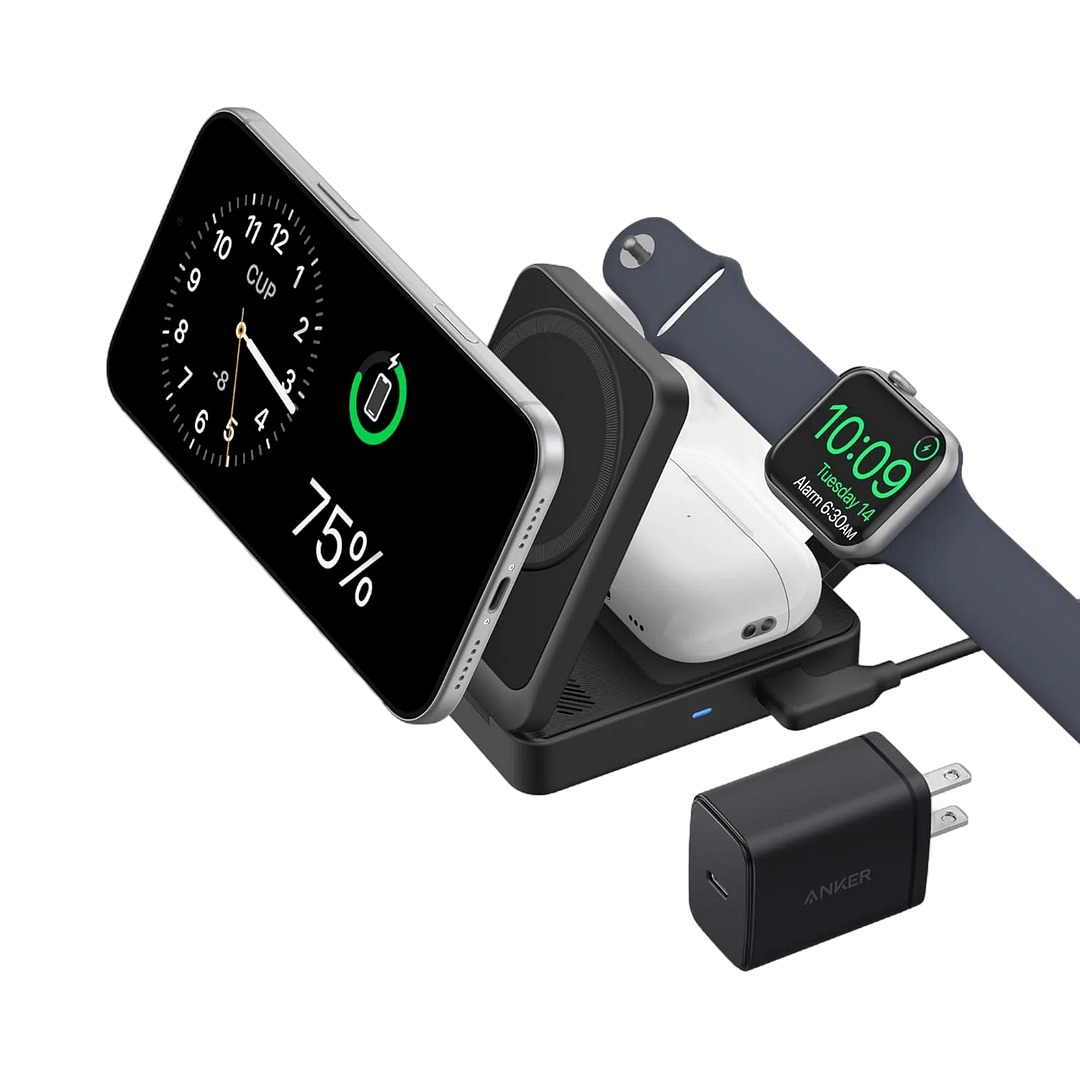
Switching to a magsafe charger iphone setup changes that entire experience. Instead of fumbling with a cable in the dark or worrying about bent connector pins, you just place your phone down and it starts charging. The magnetic snap means it’s basically foolproof, even for people who aren’t particularly tech-savvy.
Why Magnets Actually Matter Here
It might seem like a small detail, but the magnetic alignment in MagSafe chargers solves a real problem. Standard wireless pads rely on you placing your phone in just the right spot, and if you’re even slightly off, charging slows down or stops entirely. MagSafe eliminates that guesswork completely, snapping into perfect alignment every time.
This also means less wear and tear on your charging port. Every time you plug in a cable, you’re putting a small amount of physical stress on that port. Over months and years, that adds up. Wireless charging skips that entirely.
But What About When You’re Away From an Outlet?
This is where things get interesting, and it’s a gap a lot of people overlook. A MagSafe charger is fantastic at home or in the office, but it still needs to be plugged into a wall. So what happens when you’re out all day, at a concert, on a hike, or stuck at the airport with a delayed flight?
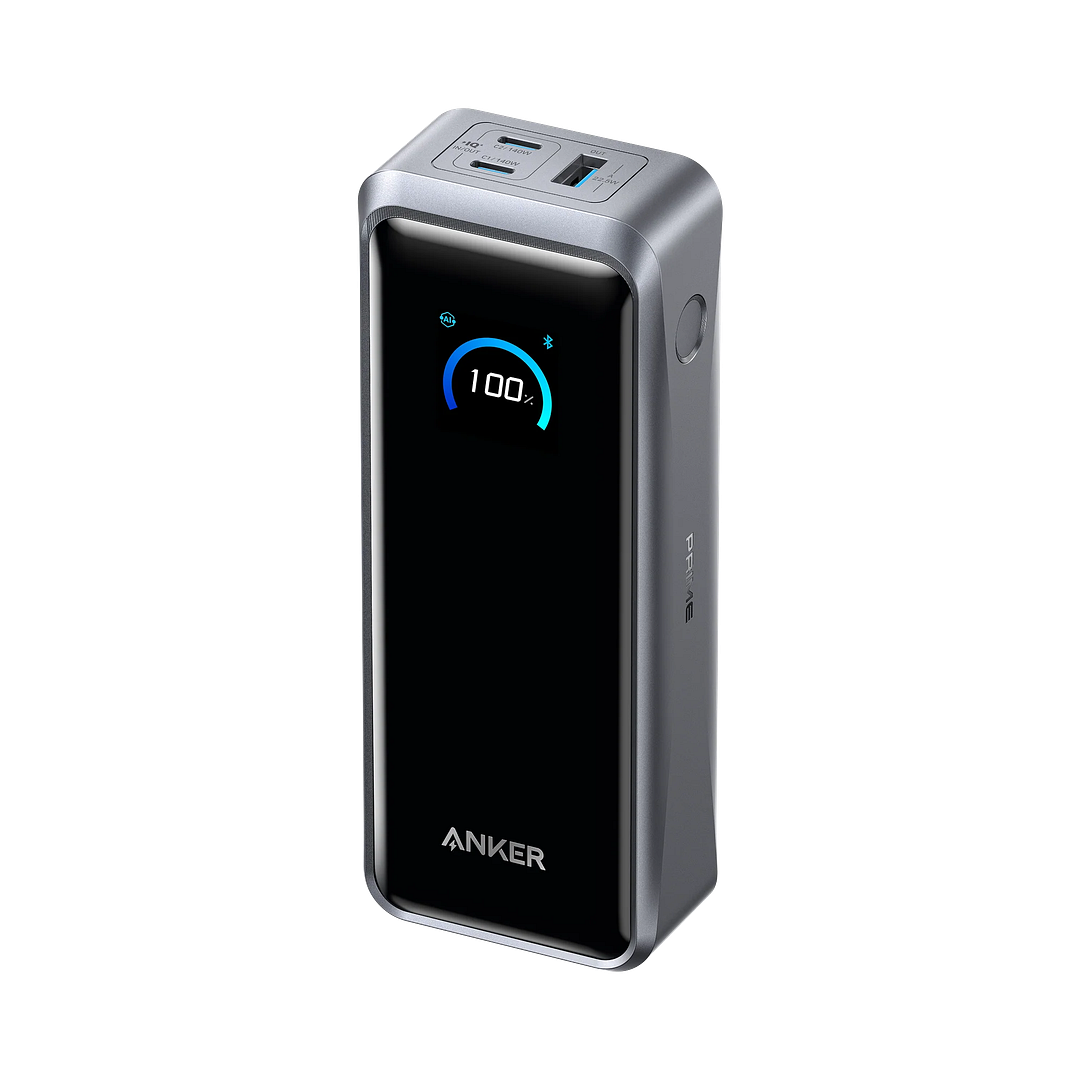
That’s where charger power banks come in. A good power bank gives you the same reliable charging experience, minus the need for an outlet. Toss it in your bag, and your phone never has to hit zero, no matter how long your day runs.
Building a Setup That Actually Covers You
The smartest approach isn’t choosing one over the other — it’s pairing them. Use a MagSafe charger at home and at your desk for that easy, cable-free experience, and carry a power bank for everywhere else. Between the two, you’ve basically eliminated the “my phone died” problem for good.
What to Look for in a Power Bank
Not all power banks are built the same, and picking the wrong one means carrying dead weight in your bag. Keep these in mind:
Capacity (mAh) – Higher capacity means more full charges before you need to recharge the bank itself, but it also usually means more weight.
Charging speed – Look for fast-charging support so you’re not waiting around for a meaningful top-up.
Size and portability – A power bank that’s too bulky just won’t get used. Find the balance between capacity and something you’ll actually carry.
Number of ports – If you’re charging more than just your phone, multiple ports save you from juggling devices.
Small Change, Big Difference
Upgrading your charging setup isn’t glamorous, but it’s one of those quality-of-life changes you notice every single day. No more hunting for cables, no more anxious glances at a dropping battery percentage, no more asking strangers at a coffee shop if they have a charger you can borrow.
Between a MagSafe charger for your daily routine and a reliable power bank for life on the go, you’ve basically covered every charging scenario you’ll run into. It’s a small investment that pays off constantly, in ways you’ll appreciate the very first time your battery would’ve died the old way.



