
Fashion desks do not lose a lookbook because the first still looks pretty on a phone. They lose it when the motion cut ships with a softer jawline, a fabric weave that forgot the sample room, or a hem that no longer matches the hero frame the stylist already approved. An AI API that keeps image and video work in one workspace matters only if the desk can lock identity before regenerate becomes the default panic move.
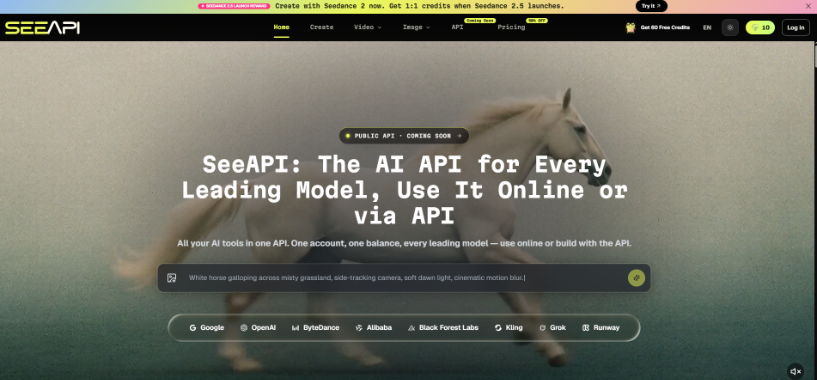
The practical claim to test is narrow: one account and one credit balance should reduce vendor hopping under publish pressure, while reference tools keep face and garment cues attached to the same package. SeeAPI positions itself as that multimodal gateway—create online without a separate engineering sprint—so the editorial question is whether the package survives side-by-side review, not whether the homepage carousel looks busy.
Lookbook Packages Break Between Still And Motion
A modern fashion package is rarely one asset. It is a still for the feature, a short loop for social, and sometimes a product close-up for the brand partner. Each piece can look acceptable alone. Trouble starts when the three pieces are laid next to the approved reference and the reader would not swear they show the same person in the same cloth.
Watch a concrete fail pattern at publish crop. The hero frame shows a sharp collar edge and a visible stitch line on a wool coat. The motion cut, generated two hours later from a mood prompt, keeps the color story but the stitch melted into a painted smudge. Or the talent’s ear spacing warps just enough that the beauty team refuses the loop even though the lighting still feels “editorial.” A square preview can hide that kill; the magazine crop usually will not.
That failure is expensive in editorial time. The photographer cannot rebook. The stylist cannot rebuild the rack overnight. The producer ends up arguing adjectives in a chat thread while the CMS window closes. The desk needs a gate that names identity drift before anyone debates cinematic language.
Vendor Hopping Multiplies Identity Drift Under Deadline
The old path looks efficient until the third login. One tool for stills, another for motion, a third for background cleanup—each with its own export watermark rules, its own history, and its own habit of “almost” matching the hero frame. Credits scatter. Reject reasons never travel with the prompt. The next assistant inherits a folder of pretty fails with no ledger.
Count the afternoon the way a producer would. Forty minutes finding which export still carries a trial watermark. Twenty minutes rediscovering which chat held the approved crop. Another round of regenerations because nobody attached the locked still. None of that shows up as a line item called “identity,” yet it is what burns the publish window.
Chat Threads Replace A Written Pass Rule
When the only record of a kill is a Slack emoji, the same warp returns tomorrow. In our desk pipeline, the approval check stays boring and written: face landmarks match the locked still, fabric hand matches the sample note, logo or label text stays readable after crop. If any check fails, the cut does not enter the shared drive.
Run the check at final crop, not at thumbnail size. A jawline that passes a square preview can fail when the magazine crop opens the shoulders. If the partner mark on a belt softens into a grey wedge and becomes unreadable, that take never cleared editorial even if the pose still feels stylish.
Separate Wallets Hide How Much Rework Costs
Trial balances that die at month end punish the exact week a cover story slips. Desks that cannot see still and motion spend in one place keep buying speed and keep paying for the same identity mistake. A single balance does not invent taste. It makes the cost of ignored references visible when finance asks why the week produced six almost-usable loops and zero shippable packages.
Rebuild The Package Inside One Multimodal Gateway
SeeAPI’s public pitch is blunt: one account, one balance, leading image and video models, use online or prepare for a unified API later. For a fashion desk, the useful reading is operational. Put the approved still and the motion attempt in the same review habit. Attach a reference before you ask the model to invent continuity. Compare exports against the locked frame, not against memory.
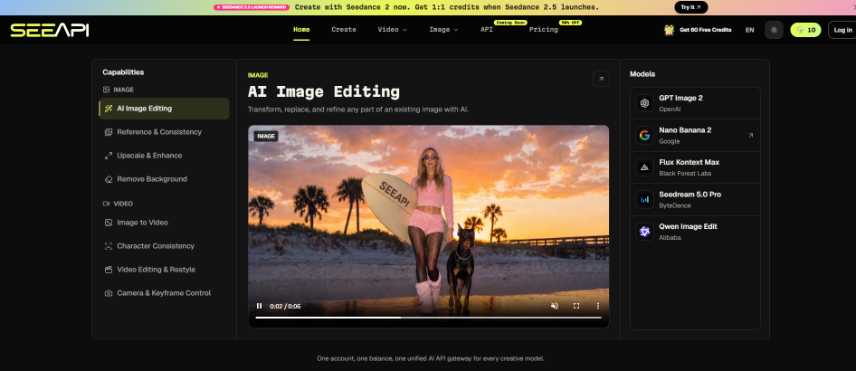
Capabilities listed for image work include editing, reference and consistency, upscale, and background removal. Video pages emphasize image-to-video, character consistency, and camera or keyframe control. The desk does not need every model name on day one. It needs one path where a reject reason can sit with the credit spend.
Lock The Hero Still Before Any Motion Prompt
Upload or pin the approved editorial still as the identity source. Write the motion brief as camera and garment behavior, not as mood poetry. If the weave or jewelry is brand-critical, say so in the prompt the same way a stylist would say it on set. Generate only after the reference is attached.
A useful test protocol is short enough to tape on the desk card: when I opened the locked still at publish crop, I attached that still as reference, generated one motion candidate, then scrubbed only for identity kills before anyone talked about grade. If step four fails, do not “improve the adjectives.” Fix the reference or discard the take.
Old Desk Path Versus One Balance Package Desk
The table below is a production comparison, not a feature tour. Use it in Monday planning when someone proposes another single-purpose login “just for this shoot.”
| Checkpoint | Scattered vendor hop | One-gateway package desk |
| Identity source | Phone crop in chat | Locked hero still attached as reference |
| Still and motion spend | Separate wallets and histories | One balance that never expires |
| Reject language | Emoji and adjectives | Face, fabric, label checks written |
| Publish decision | Whoever is online last | Side-by-side pass before shared drive |
Credits that never expire matter when fashion calendars slip. They do not forgive a missing approval check. SeeAPI only helps if the desk treats compare as a job, not as a nice-to-have tab.
Side By Side Checks Before The Shared Drive
Open the locked still and the new cut at the crop that will actually publish. Ignore half-size previews. Watch three places first: jaw and eye spacing, fabric micro-texture on the hero garment, and any text on labels or partner marks. If a free-tier watermark is still on the export, do not invent a commercial story around it—paid paths are the ones that advertise HD watermark-free and commercial usage.
Failed jobs that never return a usable result should not burn the balance under the published fail policy. That is a ledger courtesy, not a creative standard. The creative standard remains the written approval check. A refunded failed job still costs the hour you spent waiting if you never attached the right still.
When the package clears the three checks, write a one-line note in the shoot folder: which model route was used, which still was locked, and who signed the pass. The next assistant should not have to reverse-engineer taste from filenames.
Publish Gate For Fashion Lookbook Packages
Keep the gateway if your week mixes stills and short motion under one brand face. Do not add another login if your team cannot name the three kill checks above. The win is not more models in a carousel. The win is a lookbook package that still looks like the same person in the same cloth when the editor scrolls without mercy.
Write the approval check on the shoot brief. Attach the hero still before generate. Spend from one SeeAPI balance so rework stays visible. That is the whole fashion-desk case for the multimodal path—fewer pretty fails, fewer late chat arguments, and a publish folder that survives daylight.



