Independent fashion lives on direct orders from unknown names. How the culture of checking a label before checkout became part of dressing well.
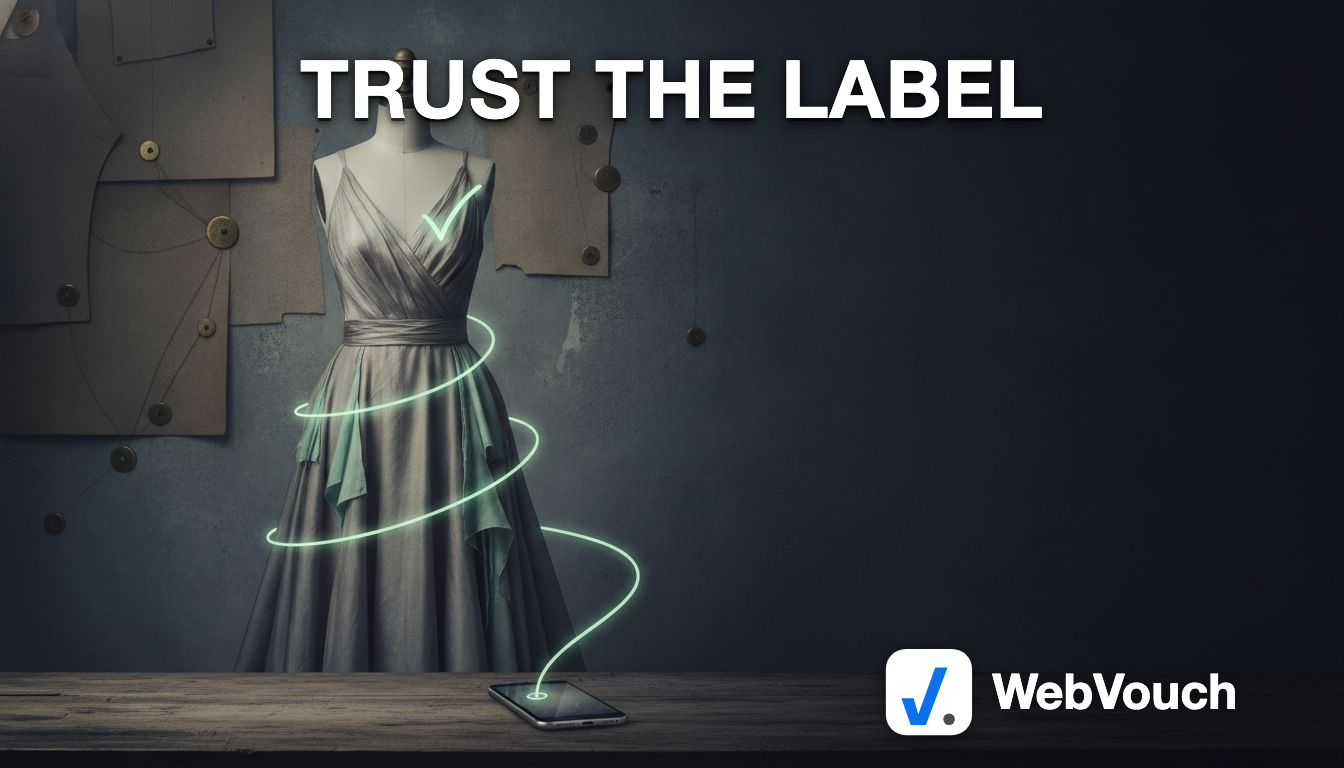
An independent label’s garment wrapped in a thread of verified trust
Trust is the working currency of independent fashion e-commerce: buying from small labels means ordering from strangers, so checking a brand’s verified, uncurated record before checkout has become part of the culture of dressing well.
It starts, as it usually does, after midnight. A collection surfaces on the feed, eight looks by a label nobody around you has worn yet, and the cart is filled before the kettle boils. Then comes the pause that every independent-fashion devotee knows: the small print moment, when desire meets the question of whether this beautiful stranger will actually ship.
Independent fashion runs on strangers
The whole appeal of the independent scene is that it happens outside the department-store perimeter. A designer cuts a small run in a studio two time zones away, photographs it honestly, and sells it straight to whoever finds it first. No buyer’s committee, no middle layer, no safety net either.
That last part is the price of the poetry. Ordering from a young label means wiring money to someone known only through a grid of pictures, and the entire transaction rests on faith that the person behind the account is who the aesthetic says they are. Most of the time they are, and the parcel arrives wrapped like a letter from a friend. The culture works because trust, mostly, gets honored.
It is worth saying plainly how new this arrangement is. A decade ago, discovering a designer meant a stockist had already vouched for them: someone with a shop, a lease and a reputation had inspected the seams before the public ever saw the rail. Direct-to-customer removed that chaperone. The discovery got faster and more democratic, and the vouching became the buyer’s own job.
The look-alike problem
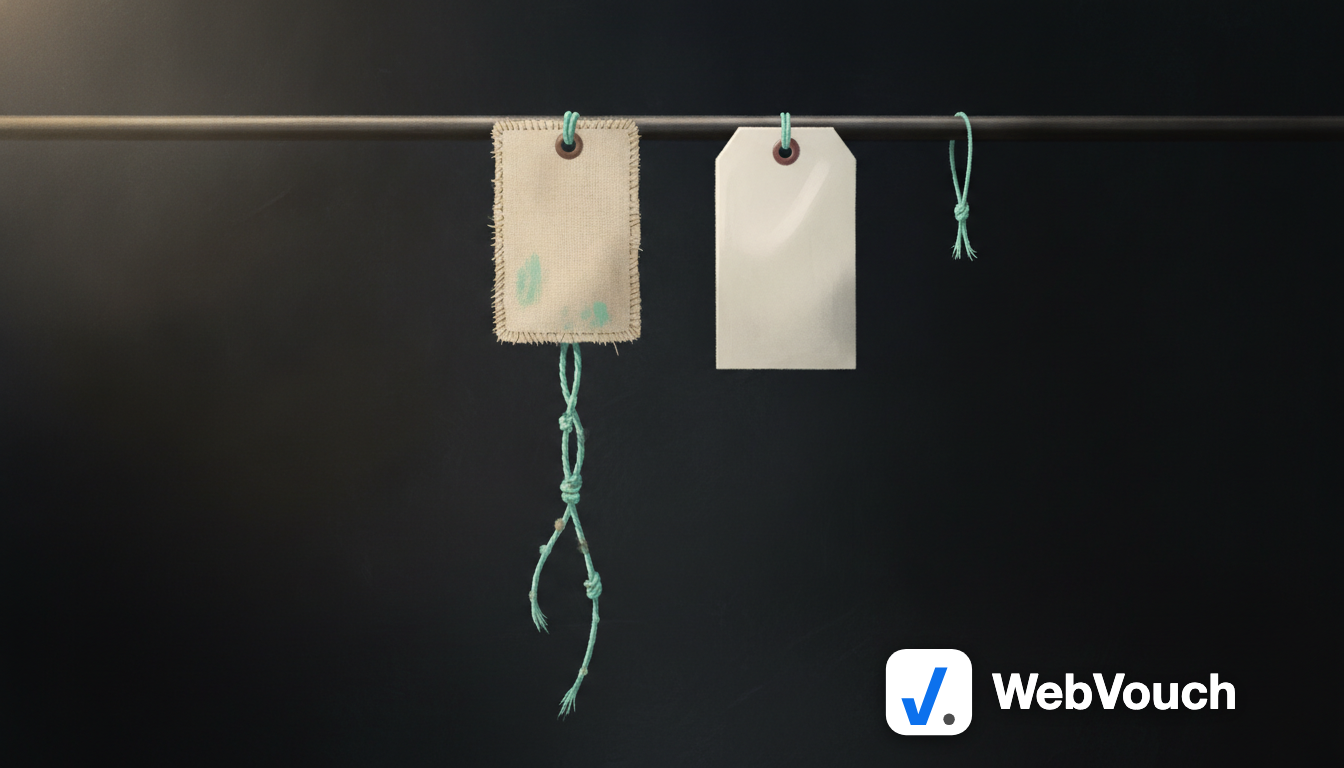
A real label’s long messy trail versus an imitation’s short perfect one
Mostly is doing quiet work in that sentence. The same feeds that surface real ateliers surface their imitations: cloned shops wearing a designer’s photographs, accounts that collect orders for garments that never existed, and storefronts styled like studios that are actually forwarding orders from mass catalogues. The last pattern has its own debate, and the question is dropshipping a scam gets asked precisely because the aesthetic of the atelier is so easy to rent.
None of this is a reason to retreat to the mall. It is a reason to learn the difference between a label’s story and a label’s costume, which turns out to be a readable difference.
A real label leaves a long, slightly messy trail: process shots that do not flatter, a restock delayed and explained, a customer complaining about a zip and being answered by name. A costume leaves a short, perfect one. The imitation economy can rent the photography, but it cannot rent the years.
The quiet ritual before checkout
The devotees have developed a ritual for it, and it takes about two minutes. Find the label’s trail in places the label does not control: what earlier customers say about shipping, fit and fabric on independent platforms, whether the praise accumulated over seasons or landed in one suspicious week, whether the brand answers problems or deletes them.
The platforms built for this make the reading easy. WebVouch verifies each review before it goes live and locks it so the business cannot edit or remove it afterwards; the page about WebVouch is essentially that single principle written down and applied at the scale of thousands of shops. A record nobody could clean is the closest thing online fashion has to trying the garment on before it ships.
The reading itself takes less time than choosing a size. Praise spread across seasons, a few honest complaints, a brand that answers: order. A perfect wall of five stars born last month: close the tab and keep the money for the label that earned its trail.
Trust is part of the fit
The ritual, once learned, stops feeling like caution and starts feeling like taste. Knowing which strangers to believe is the same skill as knowing which hem will hold, practiced on a different material.
There is a generosity in it, too. Leaving an honest review after the parcel arrives is how the next stranger gets their answer, and small labels that deliver beautifully are built up by exactly this kind of testimony. The scene protects itself, one verified experience at a time.
Dressing well has always meant more than owning the right pieces. In a scene that runs on direct orders and distant studios, it now includes buying well too, and buying well is simply trust, verified.