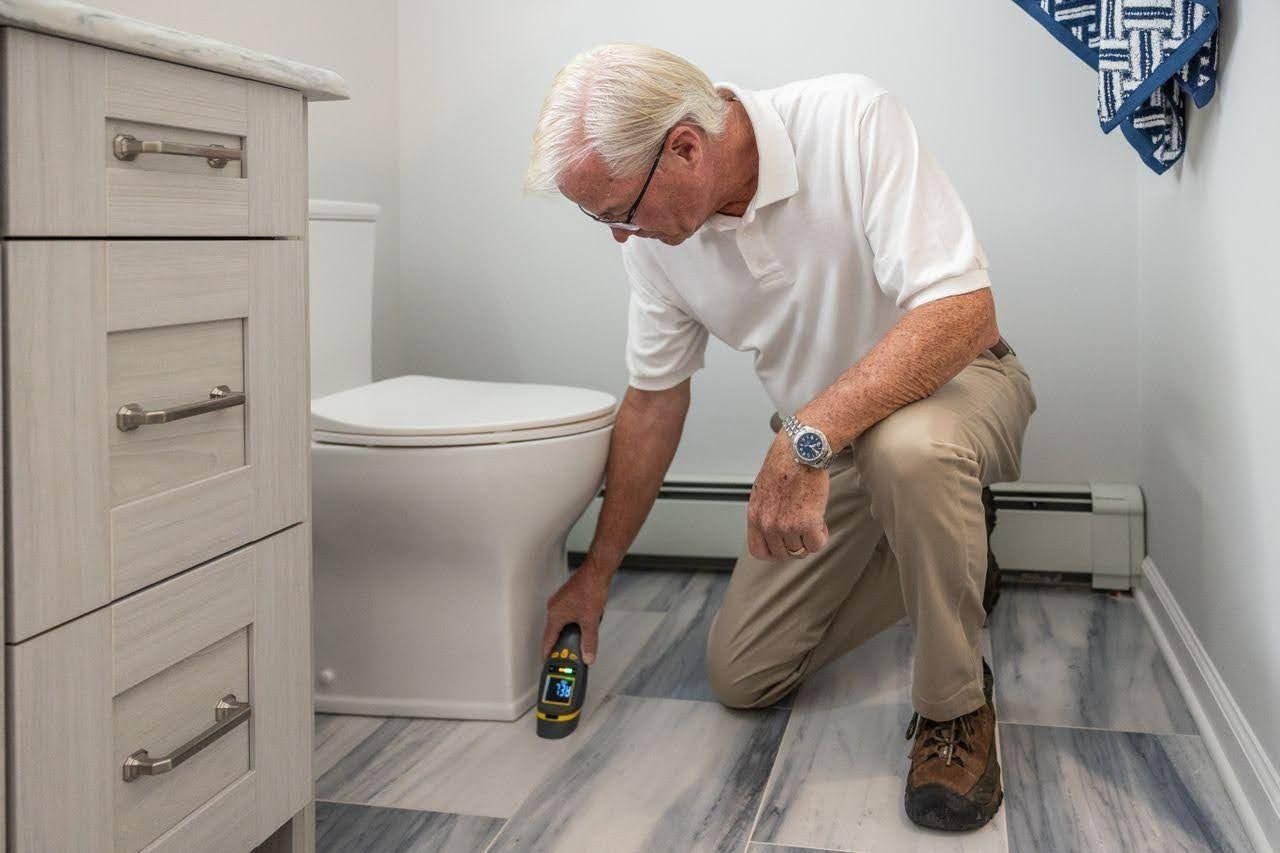
As people age, everyday activities that once seemed simple can become more challenging. The bathroom is one of the most important areas to consider when creating a safer home because slippery surfaces, high tub walls, poor lighting, and difficult-to-reach fixtures can increase the risk of accidents. Fortunately, thoughtful bathroom remodeling can make the space safer, more comfortable, and easier to use without sacrificing style.
For seniors who want to remain independent at home, accessibility-focused bathroom improvements can provide greater confidence and peace of mind. Whether you are remodeling an entire bathroom or making a few strategic upgrades, there are several features worth considering.
Replace High-Threshold Tubs With Easier-Access Showers
One of the most effective ways to improve bathroom accessibility is to eliminate obstacles that make entering and exiting the bathing area difficult. Traditional bathtubs often have high sides that require users to lift their legs significantly to get inside. For seniors with limited mobility or balance issues, this can create an unnecessary fall hazard.
A low-threshold or walk-in shower can provide a much easier entry point. These showers can be designed with minimal barriers, allowing users to step into the bathing area more naturally. Handheld showerheads can also make bathing easier because they allow water to be directed without requiring the user to stand continuously.
Homeowners considering a bathroom renovation should evaluate the layout and determine which bathing option best suits the senior’s mobility and daily routine.
Install Grab Bars and Other Stability Features
Grab bars are another practical addition to a senior-friendly bathroom. Properly positioned grab bars can provide support when entering a shower, standing up, sitting down, or moving around the bathroom.
They should be securely installed into appropriate structural support rather than simply attached to a surface that cannot withstand a person’s weight. Depending on the bathroom layout, homeowners may consider adding grab bars near the toilet, inside the shower, and near the bathing area’s entrance.
Other stability features can complement grab bars. A shower seat, for example, allows seniors who have difficulty standing for long periods to sit while bathing. These features can make the bathroom more convenient while reducing the need for unnecessary movement.
Choose Slip-Resistant Flooring and Surfaces
Wet floors are a major concern in any bathroom, particularly for older adults. A safer bathroom should incorporate flooring materials that provide reliable traction even when moisture is present.
Instead of choosing flooring based solely on appearance, homeowners should consider texture, water resistance, maintenance requirements, and slip resistance. Small-format tiles can sometimes provide additional grout lines that contribute to traction, although the specific material and installation method matter.
It is also important to address water that may accumulate around the shower or bathtub. Proper drainage can help keep floors drier and reduce the likelihood of slipping.
Combining slip-resistant flooring with strategically placed grab bars and an accessible shower can create a significantly more functional bathing environment.
Improve Bathroom Lighting and Visibility
Good lighting is often overlooked during a bathroom remodel, but visibility is especially important for seniors. Reduced vision can make it harder to identify changes in floor levels, locate fixtures, or recognize wet areas.
A senior-friendly bathroom should have sufficient lighting throughout the space. Bright, evenly distributed illumination can help eliminate dark corners and shadows. Additional lighting around the vanity, shower, toilet, and entrances can make important areas easier to navigate.
Night lighting can also be useful. A soft pathway light or illuminated switches can help seniors find their way to the bathroom during nighttime without having to navigate through a completely dark room.
When planning a remodeling project, lighting should be considered alongside flooring, fixtures, and the overall bathroom layout rather than treated as an afterthought.
Make Fixtures Easier to Reach and Operate
Accessibility is not only about preventing falls. A bathroom should also allow seniors to perform everyday tasks with minimal strain. Fixtures that are too high, too low, or difficult to operate can make the space frustrating to use.
Lever-style faucets are often easier to operate than traditional knobs because they require less gripping and twisting. A handheld showerhead with an easily accessible control can also improve convenience.
The vanity and storage areas should be organized so frequently used items are within comfortable reach. Avoid placing essential toiletries on high shelves that require stretching or the use of a step stool.
During a remodeling project, homeowners can evaluate the entire bathroom from the perspective of the person who will use it. Small adjustments to fixture placement can make a substantial difference in everyday comfort.
Consider a More Open and Accessible Bathroom Layout
A bathroom can have accessible features and still be difficult to navigate if the overall layout is cramped. Seniors using walkers, wheelchairs, or other mobility aids may need additional space to move and turn safely.
An open layout can improve accessibility by providing clearer pathways between the entrance, toilet, vanity, and bathing area. Doors should also be evaluated to ensure they do not create unnecessary obstacles.
For homeowners researching projects beyond their immediate area, searching for services such as Pooler bathroom remodel can provide ideas about modern layouts and accessibility-focused renovations. However, the right design ultimately depends on the home’s structure, the available space, and the individual homeowner’s needs.
A professional remodeling assessment can help identify obstacles and determine which changes will provide the greatest practical benefit.
Combine Safety With Comfort and Modern Design
Making a bathroom safer does not mean turning it into a clinical-looking space. Today’s remodeling options allow homeowners to combine accessibility with attractive materials, contemporary fixtures, and personalized design.
Walk-in showers can feature attractive wall systems, modern hardware, built-in shelving, and comfortable seating. Grab bars are available in a variety of designs, while accessible vanities and fixtures can be selected to complement the room’s aesthetic.
Companies such as Five Star Bath Solutions are also associated with bathroom renovation and bathing-safety solutions, demonstrating how safety improvements can be incorporated into broader bathroom transformation projects.
The best senior-friendly bathroom is one that feels comfortable and welcoming while quietly incorporating features that make everyday activities easier. By planning the design around the user’s needs, homeowners can create a space that supports independence without compromising appearance.
Conclusion
Creating a safer, more accessible bathroom for seniors is an investment in comfort, independence, and peace of mind. Features such as low-threshold showers, grab bars, shower seating, slip-resistant flooring, improved lighting, accessible fixtures, and open layouts can make the bathroom easier and safer to use.
The most effective approach is to consider the senior’s current needs as well as potential future mobility changes. A thoughtful bathroom remodel can eliminate unnecessary barriers while creating a comfortable space that works for everyday life.
Whether you are planning a complete renovation or looking for a few targeted safety upgrades, accessibility should be a central part of the design. With careful planning and professional installation, a bathroom can become a safer and more functional part of the home for seniors today and for years to come.