Aotearoa beauty is moving away from quick hype. The sharper shift is practical: buy fewer products, demand clearer claims, and track visible results. That suits New Zealand life, where UV can shape skin care more than runway make-up. A good routine now starts with evidence, not a trending sound. It also respects money, storage space, and the skin you actually have.
Why Proof Now Matters on Kiwi Bathroom Shelves
A product earns its place when it solves one clear problem. For Auckland humidity, that may be lighter sunscreen. For Christchurch winters, it may be ceramide-rich moisturiser. For Queenstown ski weekends, it may be lip SPF and barrier cream. A $32 serum used twice then forgotten costs more than a $68 treatment finished over three months. Therefore, the useful question is not “what is new?”, but “what works by Friday?”
Use this quick five-step test before adding another bottle:
- Check the active ingredient before the brand story.
- Compare price per 10ml, not just shelf price.
- Give activities four to eight weeks before judging.
- Patch test acids, retinoids, and strong fragrance.
- Retire products that duplicate the same job.
This removes guesswork from the bathroom shelf. It also makes trends easier to judge. If a product cannot name its job, it probably should not take the next spot.
What Casino Bonus Rules Can Teach Beauty Buyers
The casino comparison works because both areas use bright offers to frame spending. A beauty “20% off” label can hide weak value if the product is too large, too harsh, or near expiry. In online casinos, the same reading habit applies to casino bonuses, odds, wagering rules, and withdrawal limits. For instance, a reader can learn more about Lucky Nugget before judging a bonus by headline size alone.
Casinos Analyzer is useful here because it treats a bonus as terms, not decoration. Beauty buyers can copy that habit. Read the conditions, set a spending limit, and ask what happens after the offer ends. A serum deal needs the same questions as any casino bonus. Will the value still make sense after every condition is counted? This keeps the section practical rather than moral. The lesson is about reading, timing, and control.
Sunscreen is New Zealand’s Strongest Beauty Proof Test
Start with Cancer Society New Zealand sunscreen guidance: choose broad-spectrum, water-resistant SPF 30+ sunscreen. The same guidance says to reapply at least every two hours. Reapply sooner after swimming, sweating, or towel drying. In NZ, skin care without sunscreen is incomplete, especially from September to April.
The law also raised the standard for sunscreen claims. The Sunscreen Product Safety Standard Act made AS/NZS 2604:2012 mandatory for covered sunscreen products in New Zealand. That matters when a moisturiser or gel carries a labelled SPF above 15. Shoppers should treat that number as a tested claim, not a beauty flourish.
A five-minute label audit
A useful sunscreen label should answer four questions fast. Is it broad spectrum? Is the SPF at least 30? Is it water-resistant for beach days? Is the texture wearable enough for daily use?
The last question matters more than it sounds. A perfect formula left in a drawer protects nobody. A slightly dewy SPF worn every morning beats an elegant bottle saved for holidays. For most faces, two-finger application is a practical starting measure. For bodies, reapply after swimming, sweating, or towel drying. Keep one tube near the door and one in a work bag. That tiny habit helps more than buying another night serum.
New Cosmetic Rules Make Ingredient Literacy Less Optional
Aotearoa is also tightening the back end of beauty. The Environmental Protection Authority says new cosmetic rules for importing and manufacturing started on 1 January 2026. These changes expand the group standard and phase out PFAS ingredients in cosmetic products. That makes ingredient literacy more useful for readers who buy overseas beauty online.
This matters because “clean” is not a legal shortcut. Better questions are more precise:
- Which ingredient does the main job?
- What concentration is listed, when stated?
- Does the brand explain testing, irritation, or limits?
- Does the claim sound cosmetic, or does it imply treatment?
These questions stop a label from doing all the thinking. They also help separate daily care from medical claims. Medsafe says therapeutic claims are not permitted for products supplied as cosmetics. So acne, eczema, infection, and healing language needs care. A moisturiser can support comfort. It should not pretend to replace medical care when skin is sore, broken, or infected.
Beauty Culture is Still Fun, But the Edit is Sharper
For an 1883 reader, beauty does not sit apart from music, film, or fashion. A lip look from a video clip can still sell out by Monday. A red-carpet fringe can still reach Ponsonby salons within a week. The difference is how New Zealand readers now filter the look. They ask how it wears in Wellington wind, Dunedin cold, or Tauranga humidity. They also ask how long the look takes before work. Ten minutes matters on a wet school-run morning. So does removal time after a late gig.
The Culture Test Before Checkout
Ask one question before buying the screen version. What part of this look survives real life at 3 pm? A glossy cheek may work at an indoor gig. It may slide during a ferry queue after work. A matte base may suit photos, but crack around the nose by lunch. A strong lip stain may last well, yet need oil-based removal at night.
That filter keeps style alive without turning shopping into guesswork. A casino offer can also look stronger before its rules are read. Likewise, a beauty trend can look better before climate, skin type, and time are counted. The smarter buyer checks both the mood and the maths. That is not less creative. It is simply better edited. In practice, that means testing one new look at home first. If it fails by dinner, it should not lead a Saturday plan.
A Tighter Kiwi Routine for 2026
The best New Zealand routine is not the longest one. It is the one that covers risk, comfort, and evidence. Morning can be cleanser, antioxidant serum, moisturiser, and SPF. Night can be cleanser, retinoid two or three times weekly, and barrier care. Sensitive skin may need fewer steps, not softer marketing. If a retinoid stings for days, pause it and repair the barrier first. Then restart once weekly, using moisturiser before and after application.
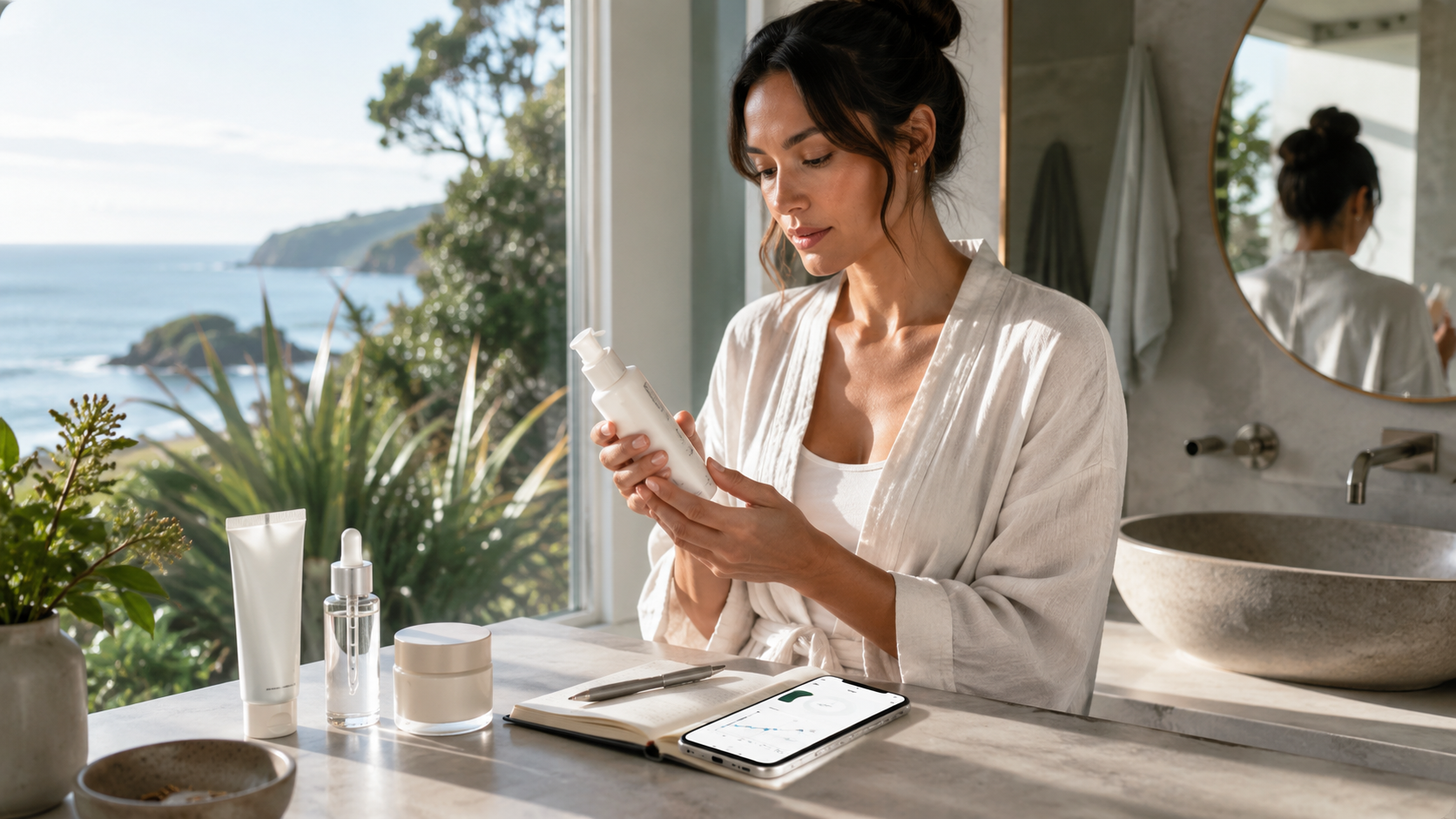
Online casinos and beauty shelves share one final lesson: limits protect better decisions. Set a monthly beauty budget before the sale email arrives. Keep one active change at a time. Take a phone photo every Sunday in the same light. Then review after six weeks. That record shows redness, texture, and breakouts more clearly than memory. It also stops a sale from replacing a working routine.
Skin first, trend second is not a rejection of beauty culture. It is a better edit for NZ. The look can still be current, but the routine must earn its place on skin. A product earns that place through use, comfort, cost, and visible results.