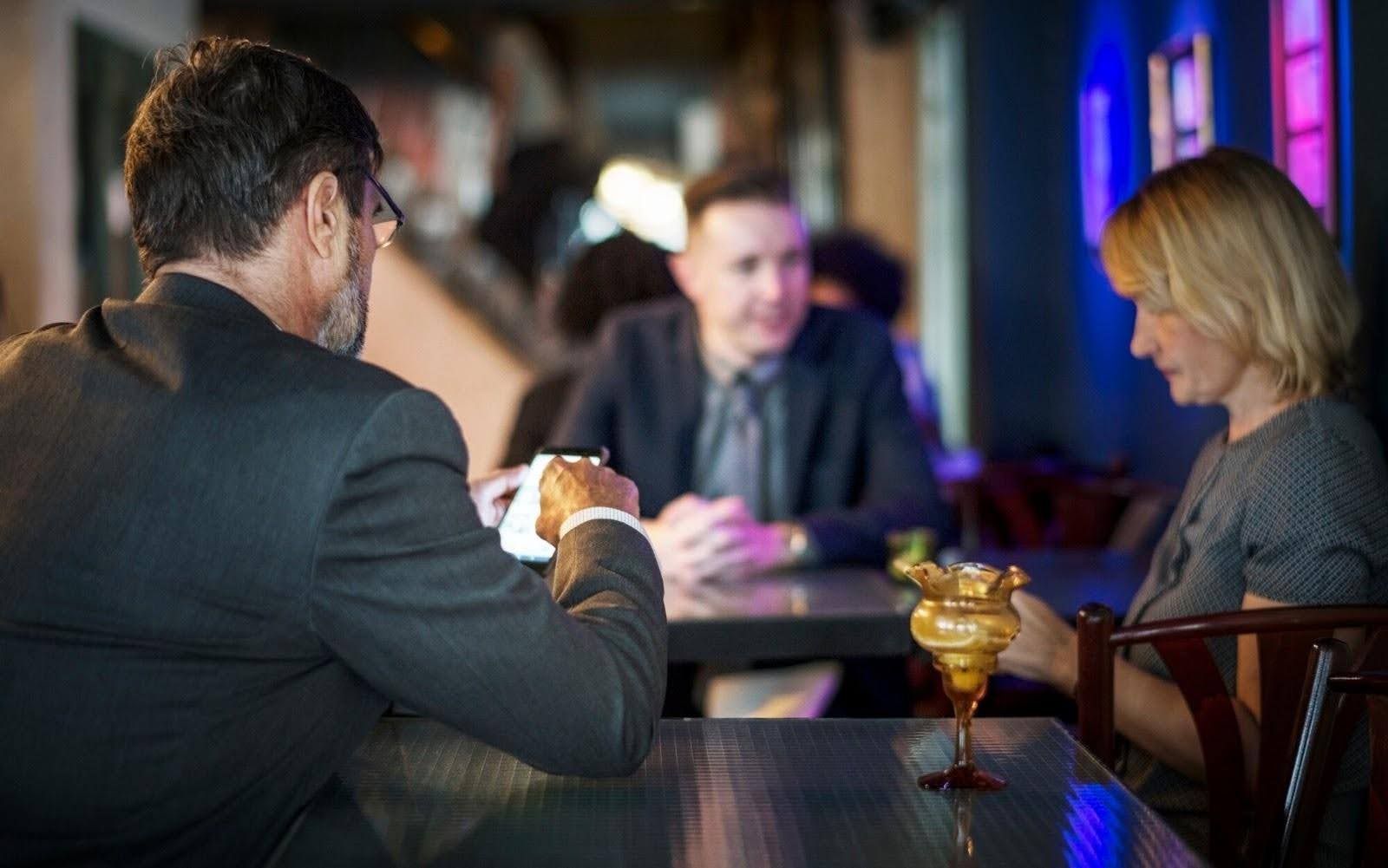
Every September, a particular alchemy takes over Toronto’s better hotels. The lobby stops being a place to retrieve a key card or wait for a cab. It becomes a nerve center — meeting room, holding pen, cocktail bar, and talent corridor, all at once. For those navigating the city during the Toronto International Film Festival, reading a lobby correctly is half the social intelligence of the week.
According to The Hollywood Reporter, the 2026 festival’s social geography runs west from the cluster around TIFF Lightbox — anchored by the Ritz-Carlton and BISHA — through to Ace Hotel Toronto and 1 Hotel farther along Wellington and King, with Four Seasons keeping Yorkville firmly in the conversation. Each property plays a distinct role. None of them require a room reservation to walk in.
The Lightbox Perimeter: Ritz-Carlton and BISHA Set the Pace
The Ritz-Carlton and BISHA Hotel occupy the most coveted festival real estate in the city, both within easy reach of TIFF Lightbox, and both running programmed spaces that reflect the rhythm a festival day actually demands.
At the Ritz, that rhythm splits into two distinct registers. Mornings open with juice shots and a collagen bar — the kind of functional hospitality that makes a 9 a.m. screening feel survivable. Come evening, the property pivots sharply: Champagne arrives, a purpose-built cocktail bar takes shape, and theatrical presentations and live music fill the opening weekend calendar. EPOCH, the Ritz’s nightlife anchor, stays open until 2 a.m. on weekends, with DJs working Thursday through Saturday. The Ritz is also an official TIFF: The Market hotel partner, hosting private exhibitor suites across the festival stretch, which keeps a particular stripe of industry traffic moving through its corridors.
BISHA Hotel, at 80 Blue Jays Way, operates on a different frequency but with comparable ambition. During the opening stretch of the festival, it becomes the House of BISHA — a transformation that draws filmmakers and talent through the property in a way that few other lobbies can match at that density. TIFF Lightbox is barely a block away, which makes BISHA the natural first stop after a screening lets out. The lobby cocktail scene is handled by Mister C, giving the space a built-in social anchor regardless of what programming surrounds it.
Together, the two properties define the Lightbox perimeter — the compressed, high-traffic zone where the festival’s professional business and its public enthusiasm collide most visibly.
Downtime in the Lobby: How Festival Crowds Decompress Between Screenings
The Live Sports Odds editorial team, which covers North American sports fandom across a range of markets, has noted something consistent about how industry crowds actually spend the gaps between screenings. The lobbies documented here — the Ritz’s dual-mode programming, BISHA’s round-the-clock social current, the general function of these spaces as downtime bases — serve a broader decompression economy than a film schedule alone can explain.
Among the filmmakers, buyers, and film fans filling these spaces, basketball followers are a visible contingent. The team observes that sports fans in the crowd regularly check NBA betting odds to stay tethered to the leagues they follow at home, a habit that travels with them regardless of what city they’re in or what festival is on. It is an external pattern, not a festival-specific quirk — travelers keeping a thread back to their home sports calendar while the programming dictates everything else about their day.
Ace Hotel Toronto Earns Its Distance from the Lightbox Crush
Ace Hotel Toronto, at 51 Camden St., returned for 2026 as an official TIFF hospitality partner, a status it uses to host private festival events including an invite-only filmmakers’ lounge. The public-facing operation is built around Shim-Sutcliffe’s triple-height lobby, a space defined by massive poured-concrete arches and an oak-lined bar suspended above Alder. It is one of the more architecturally serious rooms in the city, and it carries weight even without a festival audience filling it.
The TIFF Lightbox is roughly a 10-minute walk from Camden Street — a distance that, depending on disposition, reads either as a mild inconvenience or a deliberate editorial position. For those who have had enough of the King Street concentration, Ace offers something the Lightbox-adjacent properties cannot quite replicate: proximity to the festival orbit without immersion in its density. Evangeline on the rooftop extends the vertical range. The hotel’s public downstairs scene functions as an alternative festival circuit, drawing people who want to be part of TIFF without being consumed by it.
The Hollywood Reporter Green Room and 1 Hotel’s Festival Living Room
West of the Lightbox cluster, 1 Hotel Toronto at 550 Wellington St. W. has positioned itself as the industry’s living room for the 2026 edition, and The Hollywood Reporter’s presence there gives it a specific institutional weight. The Hollywood Reporter Green Room takes over the Flora Lounge from September 11 through September 20, the full run of the festival’s opening weeks, with film-inspired Don Julio cocktails and live piano on select nights animating the space.
Flora does not operate in isolation. Casa Madera occupies the lower level of the building, while Harriet’s sits on the roof, giving the property a vertical hospitality stack that functions as a self-contained festival base. The hotel’s design runs to reclaimed Toronto timber and substantial greenery — materials that read as deliberate rather than decorative, and that distinguish 1 Hotel from the more conventionally glossy options closer to the theater cluster.
The geographic spread of the 2026 festival’s social life is the real story. From BISHA’s block-away proximity to the Lightbox through the Ritz’s structured programming to 1 Hotel’s western anchor, the festival’s connective tissue is distributed across a significant stretch of the city. A room key opens doors to the private floors and exhibitor suites. For everything else — the lobbies, the bars, the crowds, the useful accident of running into someone between screenings — it is largely optional.