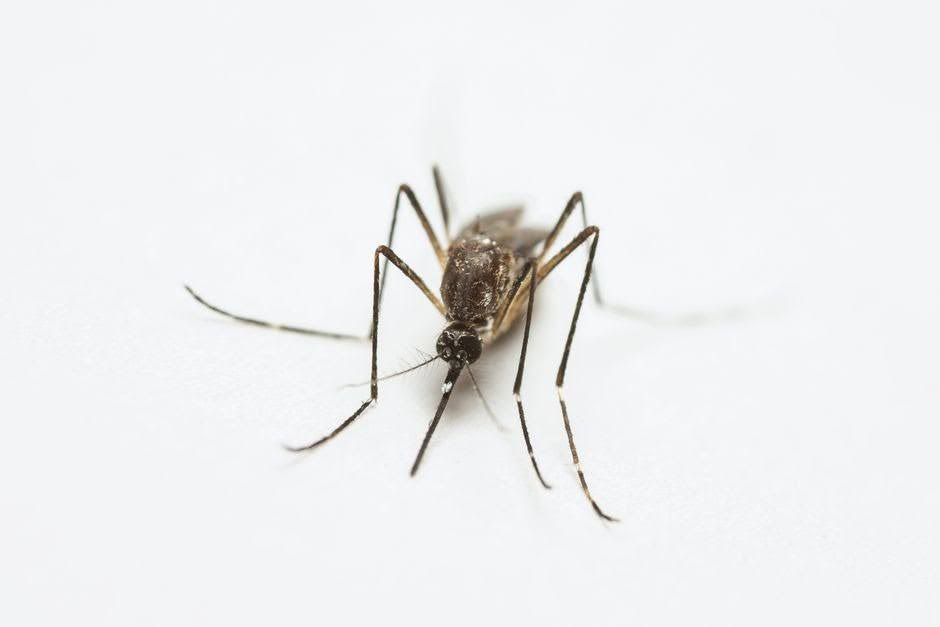
A quiet evening outdoors can change quickly once mosquitoes arrive. They may be tiny, but a few persistent biters are enough to send everyone back inside.
Making a yard less inviting to mosquitoes does not have to mean constantly spraying products or completely redesigning the landscape. The most effective starting point is usually much simpler: understand where mosquitoes breed and rest, then make those conditions harder to find around your property.
Start With the Water You Barely Notice
You do not need a pond or an obviously waterlogged yard to have mosquito breeding sites. Small amounts of standing water can be enough.
After rain or watering, walk around the property and look closely. Plant saucers, buckets, toys, tarps, wheelbarrows, clogged drains, uncovered containers, and outdoor furniture can all collect water.
Birdbaths and other intentional water features deserve attention too. If you want to keep them, refresh or manage the water regularly rather than allowing it to remain undisturbed for long periods.
Gutters are easy to overlook because the problem happens above eye level. Leaves and debris can slow drainage and create pockets of standing water, so keeping gutters clear is useful for both drainage and mosquito prevention.
A quick inspection after rain can reveal more than an occasional major cleanup.
Know When the Yard Needs More Than Routine Prevention
Removing standing water and improving maintenance can make a meaningful difference, but homeowners cannot always control every mosquito source.
Neighboring properties, nearby vegetation, drainage conditions, and other environmental factors may contribute to mosquito activity. Some breeding sites can also be difficult to locate.
When mosquitoes remain a persistent problem despite regular prevention, professional backyard mosquito control may be worth considering as part of a broader outdoor pest-management approach.
A thoughtful strategy should begin with the conditions around the property rather than assuming that applying more product everywhere is automatically the answer. Understanding where mosquitoes are breeding or resting makes it easier to choose measures suited to the actual problem.
Give Mosquitoes Fewer Places to Rest
Water is essential to the mosquito life cycle, but the rest of the yard matters too.
Adult mosquitoes often seek sheltered, humid areas away from direct sun and wind. Dense vegetation, overgrown shrubs, weeds, and accumulated yard debris can provide those conditions.
That does not mean turning a green backyard into a bare one. Focus instead on keeping vegetation reasonably maintained around the areas where people spend the most time.
Trim overgrown shrubs, remove unnecessary piles of leaves or organic debris, and avoid routinely overwatering the landscape. If part of the yard stays unusually wet, look at why. Poor drainage, a leaking outdoor fixture, or an irrigation system watering too heavily may be contributing.
The aim is not a perfectly manicured landscape. It is fewer damp, protected places close to patios, doors, and seating areas.
Make Outdoor Living Areas Less Inviting to Mosquitoes
Mosquito prevention becomes especially important around the places where people actually sit.
Start with airflow. Outdoor fans can be useful around decks, patios, and dining areas because mosquitoes are relatively weak fliers. A steady breeze can make it more difficult for them to approach and land.
Then look around the furniture itself.
Umbrella bases, forgotten cups, decorative containers, children’s toys, and planters can quietly hold rainwater. Even if the rest of the yard is well maintained, a few overlooked containers beside the patio can undermine that work.
If mosquitoes are especially noticeable at certain times, clothing and an appropriate insect repellent can provide another layer of protection. Backyard prevention works best when it reduces mosquito habitat while personal protection helps deal with the insects that remain.
Don’t Let Containers Become Tiny Nurseries
Some of the most productive mosquito habitats can be surprisingly small.
That makes container management one of the easiest habits to build into normal yard care. Removing or regularly emptying items that collect standing water can help reduce places where mosquitoes lay eggs.
Pay particular attention to objects that are easy to forget. A tarp can develop folds that hold rainwater. A wheelbarrow left upright can collect several days’ worth. Water can remain inside discarded containers or other objects long after the rest of the yard appears dry.
For containers that must hold water, regular maintenance becomes more important. The solution is not necessarily removing everything from the yard; it is preventing stagnant water from sitting unnoticed.
Treat Water That Can’t Simply Be Emptied
Not every source of standing water can be tipped over or removed.
Certain rain barrels, ornamental features, drainage areas, or other water-holding spaces may require a different approach. Where appropriate, larvicides can be used for standing water that cannot be easily dumped or covered.
Product choice and directions matter. A treatment intended for mosquito larvae should be used only in situations allowed by its label, particularly around water, people, pets, and wildlife.
This is also why indiscriminate treatment is rarely the best first move. Start by eliminating unnecessary water, then address the sources that genuinely cannot be removed.
Pay Attention to Drainage
Sometimes the problem is not a container at all. It is the way water moves—or fails to move—through the property.
A low spot in the lawn may stay wet after everything else dries. A clogged drainage area may repeatedly hold water. Irrigation may be running longer than the soil can absorb.
Watch the yard after heavy rain or watering. Areas that remain wet deserve a closer look.
Improving drainage can have benefits beyond mosquito prevention. It may also make lawns, planting areas, and outdoor spaces easier to maintain.
The important thing is to notice recurring moisture rather than treating each puddle as an isolated event.
Keep Prevention Simple Enough to Repeat
Mosquito control works better as a habit than as an emergency response before a barbecue.
You do not need to inspect every inch of the property every morning. A brief walk around the yard after rain and a more thorough check every week can catch many of the common trouble spots.
Empty water. Clear debris. Check planters and outdoor containers. Keep vegetation around gathering areas reasonably maintained. Notice whether drainage problems keep returning.
Then adjust the routine as you learn where problems tend to develop on your property.
Mosquitoes may never disappear completely from an outdoor environment, and promising a perfectly mosquito-free yard would be unrealistic. The more practical goal is to reduce the conditions that allow them to multiply close to your home.
A backyard should invite you to stay outside a little longer—not send you indoors the moment the mosquitoes arrive.