If you want a nursing career that goes beyond bedside care without losing its impact, nurse education deserves your attention. You get to influence patient outcomes in a different but very real way by training the people who deliver care every day. It’s a role that blends leadership, teaching, and clinical credibility. For many nurses, it offers a smarter long-term path with room to grow, specialize, and stay deeply connected to healthcare.
Education You’ll Need to Get Started
The baseline usually starts with becoming a registered nurse and building solid clinical experience. After that, many nurse educators pursue graduate education so they can teach at a higher level and qualify for more advanced roles. A Master of Science in Nursing can open doors, while a Doctor of Nursing Practice can move you into leadership-heavy academic and clinical education positions.
If you’re exploring advanced pathways, becoming a clinical nurse educator through a program offered by St. Thomas University often means combining teaching skills with current clinical expertise. You’re not teaching from theory alone. You’re showing students and staff how best practices work in real patient care.
Common qualifications include:
– RN licensure
– Clinical nursing experience
– MSN or DNP
– Teaching or curriculum development experience
– Specialty certifications, depending on your focus area
The higher your education, the wider your options tend to get.
What a Nurse Educator Actually Does
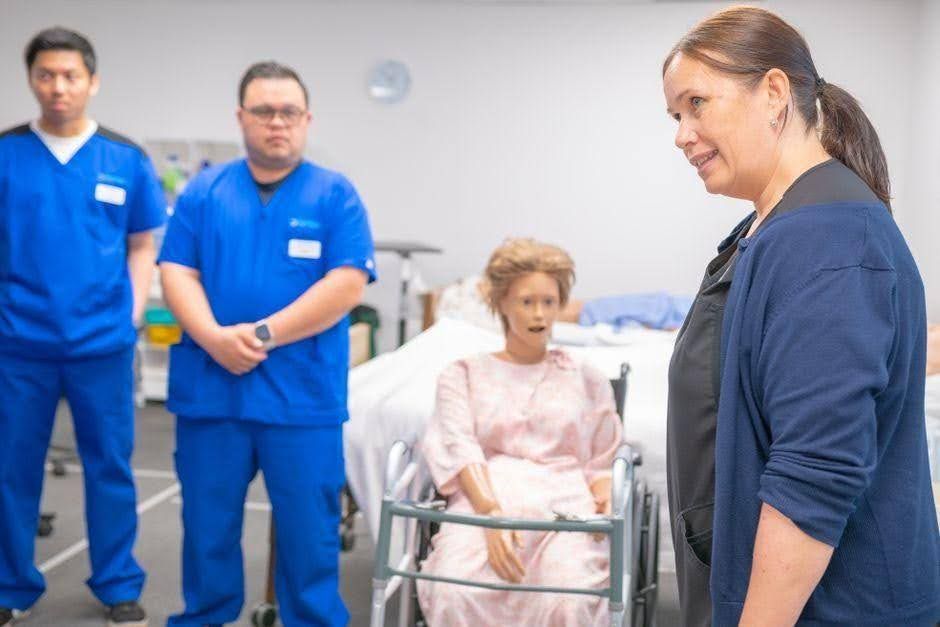
A nurse educator teaches future nurses and helps working nurses sharpen their skills. That sounds simple on paper, but the job has range. You might lead classroom lectures, run simulation labs, supervise clinical training, or build course materials that translate complex care standards into something students can actually use.
In many settings, a nurse educator also mentors new professionals who are still finding their footing. Think less endless PowerPoint, more hands-on coaching with real consequences. One strong lesson on medication safety or patient communication can stick for years.
You’ll usually find educators in:
– Colleges and universities
– Teaching hospitals
– Community health systems
– Staff development departments
– Online nursing programs
If you like explaining, leading, and improving systems instead of repeating the same shift rhythm forever, this lane has serious appeal.
Why This Career Matters More Than Ever
Healthcare keeps changing, and nursing education sits right in the middle of that motion. Hospitals need well-prepared graduates. Clinics need nurses who can adapt fast. Patients need professionals who understand both technical care and human communication. None of that happens by accident.
A shortage of qualified faculty has also become a real issue across nursing education. Schools often turn away capable applicants because they don’t have enough instructors. That creates a frustrating bottleneck: people want to enter nursing, but there aren’t enough educators to train them.
Stepping into this field means you’re not just changing your own career path. You’re helping expand the pipeline of skilled nurses. It’s workforce development with a stethoscope still in the picture. That kind of influence tends to outlast any single shift, unit, or job title.
Why a DNP Can Change Your Career Trajectory
A DNP is built for nurses who want to lead practice improvement, influence outcomes, and operate with a broader systems view. In education, that matters a lot. Students and healthcare teams need instructors who understand evidence-based practice, policy, quality improvement, and the realities of modern care delivery.
You may help shape programs, evaluate training outcomes, or improve how nurses are prepared for high-pressure environments.
A DNP can be especially useful if you want to:
– Teach in university-level programs
– Lead staff education in hospital systems
– Design evidence-based curricula
– Mentor advanced practice nurses
– Step into academic leadership over time
It’s a serious commitment, no question. Still, for many nurses, it offers a cleaner runway to influence, authority, and long-term career flexibility.
Skills That Separate Good Educators From Forgettable Ones
Clinical knowledge gets you credibility, but teaching takes more than knowing your material. Great nurse educators know how to break down information without watering it down. They can spot confusion early, adjust their delivery, and connect textbook standards to messy real-life care.
Communication is huge. So is patience. You’ll work with learners who are confident, overwhelmed, brilliant, distracted, or all four before lunch. A good educator doesn’t just correct mistakes. They create an environment where people can improve without shutting down.
The strongest professionals often bring these skills to the job:
– Clear verbal and written communication
– Instructional planning
– Critical thinking
– Emotional intelligence
– Time management
– Comfort with technology and simulation tools
In other words, you’re part clinician, part coach, part strategist. A little academic stage presence doesn’t hurt either.
Where You Can Work and What the Job Looks Like Day to Day
One of the best parts of this field is variety. You’re not locked into one setting or one type of schedule. Some educators teach undergraduate nursing students in universities. Others train newly hired nurses in hospitals. Some split time between clinical practice and teaching, which keeps their knowledge current and their stories useful.
A typical week might include:
– Preparing lectures or online course modules
– Evaluating student performance
– Running simulations or lab sessions
– Supervising clinical rotations
– Meeting with faculty or nursing leadership
– Updating material to match current standards and regulations
You may also spend time reviewing accreditation requirements, analyzing outcomes, or coaching nurses who need targeted support. It’s not a low-effort role, but it can feel more sustainable than physically demanding bedside work, especially later in your career.
How to Know if This Path Fits You
Not every excellent nurse wants to teach, and that’s fine. Nurse education tends to suit people who enjoy structure, growth, and helping others build confidence. If you naturally explain procedures to coworkers, precept new hires well, or care about improving how people learn, that’s a clue worth noticing.
Ask yourself a few practical questions:
– Do you enjoy mentoring as much as performing clinical tasks?
– Are you interested in leadership without leaving nursing behind?
– Can you stay patient when someone needs concepts repeated?
– Do you want a career with long-term impact on the profession?
If your answer is yes more often than no, nurse education may fit better than you think. It’s a career built on expertise, but also on generosity. You pass along what you know, and the ripple effect reaches patients you’ll never even meet.
Final Thoughts on Building a Career in Nurse Education
Becoming a nurse educator isn’t a detour from nursing. It’s a high-impact evolution of it. You move from treating one patient at a time to shaping how entire groups of nurses deliver care. That shift can be powerful, practical, and deeply meaningful.
If you want a role that values experience, advanced education, and leadership, this path brings all three together. You’ll still be part of healthcare’s front line, just from a different angle. And unlike some career pivots that sound good until reality checks in, this one offers something rare: purpose, stability, and a chance to improve the profession from the inside out.