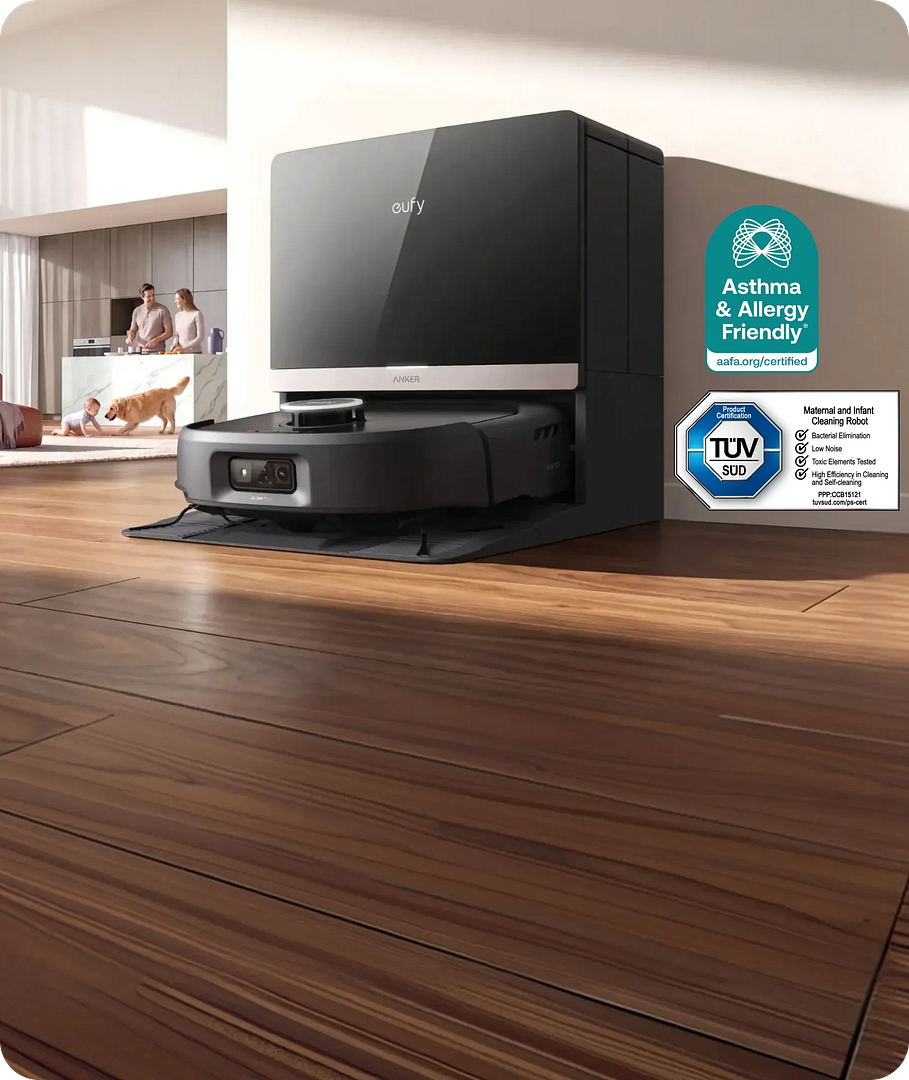
Personal style is influenced by more than the clothes hanging inside a wardrobe. The way a person organises their outfits, stores accessories, arranges footwear, and maintains their dressing space can have a surprising effect on everyday fashion decisions. A thoughtfully organised environment makes it easier to compare clothing combinations, find favourite pieces, and prepare for different occasions without unnecessary stress. Whether someone prefers minimalist outfits, contemporary streetwear, classic tailoring, or seasonal fashion trends, maintaining a clean and functional dressing area can make getting dressed feel like a more enjoyable part of the day. Even practical household choices, such as using a robot vacuum to maintain floor cleanliness, can support a more comfortable space for exploring personal style.
Fashion enthusiasts often invest considerable time in selecting clothing, coordinating colours, and finding accessories that express their personalities. However, the surrounding environment sometimes receives less attention than the wardrobe itself. Shoes left near the entrance, dust beneath furniture, scattered shopping bags, and poorly arranged storage can make a dressing room feel crowded even when it contains beautiful clothing. Creating a more organised space does not require an expensive renovation. Small improvements in storage, cleaning routines, lighting, and furniture arrangement can make an existing room more practical and visually appealing.
A well-maintained dressing area also encourages people to make better use of what they already own. When clothing is visible and accessible, forgotten pieces become easier to rediscover, outfit combinations become more apparent, and unnecessary purchases may become less tempting. By bringing together thoughtful organisation and consistent maintenance, fashion lovers can create a personal space that supports creativity, confidence, and a more intentional approach to dressing.
Why the Dressing Environment Matters to Personal Style
A dressing room serves several purposes beyond storing clothes. It is a place where people prepare for work, experiment with new combinations, assess how garments fit together, and make decisions about their appearance. When the room is arranged around these activities, the process becomes more straightforward and less time-consuming.
Consider the difference between a wardrobe where every item is packed tightly together and one where clothing is grouped according to type, colour, or frequency of use. In the second arrangement, a person can quickly identify suitable options for different occasions. Workwear, casual outfits, formal clothing, and seasonal pieces can each have a designated place, reducing the need to search through the entire wardrobe every morning.
The physical environment influences how easily these habits develop. Clear floors provide more room to move between the wardrobe and mirror, while accessible shelves make it easier to retrieve shoes and accessories. Adequate lighting helps reveal the actual colours and textures of clothing, reducing the likelihood of choosing combinations that look different under natural daylight.
A dressing area does not need to resemble a luxury boutique to feel attractive. Simple furniture, coordinated storage containers, a well-positioned mirror, and a consistent arrangement can create a polished appearance. The aim is to make the room work for the person using it rather than copying a showroom design that may not suit their available space or routine.
Building a Wardrobe Around Clothing You Actually Wear
One of the most effective ways to improve a dressing space is to understand which garments genuinely contribute to everyday life. Many wardrobes contain clothes purchased for a specific occasion, items that no longer fit comfortably, and pieces that remain unused because they are difficult to coordinate. Over time, these items can make it harder to identify the clothing that deserves regular attention.
A wardrobe review can help clarify the situation. Start by separating everyday essentials from occasion-specific garments, seasonal clothing, and pieces that require repair or alteration. This process makes it easier to see which items form the foundation of a personal style and which ones are taking up space without serving a useful purpose.
Rather than organising clothing exclusively according to colour, consider how each category is used. Someone who wears professional clothing throughout the week may benefit from keeping shirts, trousers, blazers, and work shoes together. A person whose lifestyle revolves around casual outfits may prefer easy access to denim, T-shirts, knitwear, trainers, and lightweight jackets.
Colour coordination can still be useful once the main categories are established. Arranging garments from lighter to darker shades may help when creating outfits, especially for people who prefer a cohesive wardrobe palette. However, the system should remain flexible. A practical wardrobe is one that makes dressing easier, not one that requires constant effort to maintain an ideal appearance.
Creating Outfit Combinations Without Buying More Clothes
A common fashion challenge is feeling that there is nothing suitable to wear despite having a full wardrobe. This often happens when individual garments are purchased without considering how they will work with existing pieces. A structured wardrobe can reveal combinations that might otherwise go unnoticed.
Start by identifying versatile garments that can work across different situations. Neutral trousers, simple shirts, well-fitting denim, classic outerwear, and comfortable footwear can form the basis of numerous outfits. These items can then be combined with more distinctive pieces, such as patterned tops, colourful accessories, or statement jackets, to create different looks.
A full-length mirror can be useful for evaluating proportions and checking how separate pieces work together. Lighting also matters because certain colours and fabrics appear different under warm indoor bulbs compared with natural daylight. When possible, review important outfits in the type of lighting in which they will usually be worn.
Planning outfits ahead of time can be particularly helpful during busy weeks. Selecting several combinations before the week begins reduces morning decision-making and makes it easier to identify missing items that need washing, ironing, or repairing. This approach can also reveal whether the wardrobe has a practical balance of everyday essentials and occasional statement pieces.
Keeping the dressing area organised supports this process by making clothing easier to see and access. When the environment is manageable, experimenting with personal style becomes less like a chore and more like a creative activity.
Keeping Floors Clean in a Fashion-Focused Home
A dressing room can accumulate dust, loose threads, hair, and small pieces of debris more quickly than expected. Clothing fibres may collect around storage units, while shoes bring in particles from outside. These everyday conditions can make floors look untidy even when the rest of the room is well organised.
Regular cleaning helps maintain a comfortable environment, particularly in spaces where people change clothes, try on footwear, or spend time deciding what to wear. Hard floors, rugs, and carpeted areas may require different cleaning methods, so the routine should reflect the materials present in the room.
Automated cleaning equipment can help reduce the effort involved in maintaining floors between more thorough cleaning sessions. Depending on the model, a robot vacuum may navigate around furniture, collect dust and loose debris, and follow scheduled cleaning routines. This can be particularly convenient in a dressing area where clothing racks, wardrobes, and furniture create several edges and corners that need attention.
However, the room should be prepared appropriately before automated cleaning begins. Loose belts, shoelaces, charging cables, garment bags, and small accessories should be removed from the floor because they may obstruct the device or become tangled in its brushes. Long curtains and hanging fabrics may also need to be kept clear of the cleaning path.
A robot vacuum does not replace every cleaning task. Shelves, mirrors, wardrobe interiors, upholstery, and delicate clothing still require suitable care. Instead, automated floor maintenance can complement a broader routine that keeps the dressing area presentable without demanding constant attention.
Protecting Clothing Through Better Storage Habits
A well-organised wardrobe is not only about appearance. Proper storage can also help garments retain their shape, reduce unnecessary creasing, and remain easier to maintain. Different materials respond differently to folding, hanging, moisture, and prolonged pressure, making it useful to consider the needs of each clothing category.
Structured garments such as blazers and tailored jackets generally benefit from suitable hangers that support their shoulders. Knitwear may be better stored folded to reduce stretching, while delicate fabrics often require extra care when placed alongside items with zips, hooks, or rough surfaces. Following garment care labels is important because recommended storage and cleaning methods vary by material.
Space management also matters. Overcrowded hangers can compress clothing, make garments difficult to retrieve, and increase the likelihood of wrinkles. Leaving some space between frequently worn pieces can improve visibility and make the wardrobe easier to use.
Seasonal storage can help create additional room. Clothing that is unlikely to be needed for several months can be cleaned and stored appropriately before being placed in labelled containers or designated storage areas. Before packing garments away, make sure they are completely dry and follow suitable fabric-care recommendations.
Accessories deserve their own storage arrangements. Belts, jewellery, handbags, scarves, and sunglasses are easier to maintain when each category has a designated location. Simple drawer dividers, hooks, boxes, and trays can reduce clutter while making it easier to coordinate finishing touches with an outfit.
Designing a Dressing Space That Reflects Your Personality
A dressing room can be practical while still expressing individual taste. The colours, materials, furniture, and decorative elements chosen for the space can reflect the same preferences that influence clothing choices. Someone who enjoys understated fashion may prefer neutral walls, natural materials, and minimal decoration, while a person drawn to bold styling might choose statement lighting, colourful storage, or distinctive artwork.
Consistency helps the room feel intentional. This does not mean every item must match perfectly, but a limited palette of complementary colours can make the space appear more cohesive. Storage boxes, hangers, baskets, and furniture can be selected to support the overall look without sacrificing functionality.
Lighting is particularly important in a dressing area. A combination of general lighting and well-positioned mirror lighting can improve visibility when selecting clothes and checking details. Light that renders colours accurately is especially helpful for people who regularly coordinate outfits or apply makeup as part of their routine.
A comfortable place to sit can also improve the room’s usefulness. A small bench or chair provides somewhere to put on shoes, consider accessories, or temporarily place an outfit while getting ready. In compact spaces, multifunctional furniture can provide seating and additional storage without taking up too much room.
Personal touches should be chosen carefully. Framed photographs, decorative trays, plants suitable for the available light, or a small display of favourite accessories can add character. The goal is to create a space that feels personal without becoming so crowded that it interferes with everyday activities.
Making Small Dressing Rooms Feel More Spacious
Limited space does not prevent someone from building an organised and attractive dressing area. In smaller rooms, the most important decisions often involve using vertical space, keeping frequently used items accessible, and avoiding furniture that blocks movement.
Wall-mounted shelves can provide storage without occupying additional floor area. Hooks may be useful for frequently worn bags or outerwear, while narrow organisers can make use of otherwise overlooked spaces. Under-bed containers may also work for suitable seasonal garments when they can be accessed easily and kept clean.
Mirrors can help a small room feel more open by reflecting light and creating a greater sense of depth. Their placement should still be practical, allowing enough room to view an outfit comfortably. A mirror that is hidden behind a door or blocked by storage furniture offers less value than one positioned for regular use.
Keeping the floor relatively clear is another simple way to improve the impression of space. Shoes can be arranged on a rack, laundry can be placed in a suitable hamper, and shopping bags can be stored away from walking routes. These changes can make a compact dressing area feel easier to navigate.
It is also worth avoiding excessive storage purchases. Adding more containers does not automatically solve a clutter problem if the underlying issue is too many unused belongings. Reviewing what is already owned and choosing storage according to actual needs can be more effective than filling every available corner with organisers.
Developing a Sustainable Approach to Fashion
Personal style does not have to depend on constantly purchasing new clothing. A more intentional approach involves understanding what is already in the wardrobe, selecting garments that work together, and caring for items so they remain useful for as long as possible.
Before purchasing something new, consider whether it fills a genuine gap. A new jacket may offer several styling opportunities if it works with existing trousers, dresses, and footwear. By contrast, an item that only matches one rarely worn outfit may provide limited value despite looking attractive in a shop.
Clothing maintenance can also extend the usefulness of a wardrobe. Following care labels, repairing loose buttons, addressing small tears, and storing garments correctly may help reduce avoidable replacement costs. Shoes and accessories benefit from suitable cleaning and storage as well.
When an item no longer suits personal needs, there may be alternatives to discarding it immediately. Depending on its condition, it could be altered, donated, sold second-hand, or passed on to someone who will use it. These decisions encourage a more thoughtful relationship with clothing and reduce the tendency to treat every change in fashion as a reason to replace an entire wardrobe.
A clean and organised dressing space supports these habits by making existing items easier to identify. When garments are visible and accessible, people are more likely to rediscover older favourites and create new combinations from what they already own.
Building a Daily Routine That Keeps Everything Manageable
Maintaining an attractive dressing area does not require a major cleaning session every day. Small habits can prevent clutter from building up and make the room easier to manage over time. Returning shoes to their designated place, hanging garments after use when appropriate, and putting accessories away can take only a few minutes.
A simple evening reset can make the next morning more convenient. Place worn clothing in the laundry hamper, return unused items to their storage locations, and prepare anything needed for the following day. If an outfit has been selected in advance, check that its components are clean, suitable for the weather, and ready to wear.
A weekly review can address tasks that do not need daily attention. These might include cleaning the floor, wiping shelves, checking the wardrobe for items that need repair, and reorganising accessories that have become scattered. Automated floor cleaning may help with routine debris, while more detailed tasks can be handled separately.
The most effective routine is one that matches the person’s schedule. Someone with limited time may prefer a short daily reset and a more thorough weekend clean. Others may find it easier to maintain the room through several small tasks spread across the week.
Consistency matters more than perfection. A dressing area does not need to remain immaculate every hour of the day to be functional. It simply needs an organisation system that makes it easy to restore order when the room becomes busy.
Final Thoughts
A well-kept dressing room can support personal style by making clothing easier to organise, outfits easier to plan, and everyday routines less stressful. Thoughtful storage, suitable lighting, practical furniture, and regular cleaning all contribute to an environment where fashion choices become more enjoyable and accessible.
The best approach combines appearance with functionality. A beautiful room is useful only when it works for the person who uses it, while an organised wardrobe becomes more valuable when it encourages people to wear and care for the clothing they already own. By maintaining clear floors, protecting garments, arranging accessories, and developing simple daily habits, fashion enthusiasts can create a dressing space that reflects their personality and supports a more intentional lifestyle.
Frequently Asked Questions
How can I make my dressing room look more stylish?
Start by organising clothing, choosing coordinated storage, improving lighting, and removing unnecessary clutter. A full-length mirror, practical seating, and a few personal decorative touches can improve the appearance without requiring an expensive renovation.
How should I organise clothes for everyday use?
Separate clothing into useful categories such as workwear, casual outfits, formal pieces, and seasonal garments. Keep frequently worn items accessible and arrange accessories where they can be easily seen and retrieved.
How can I keep my wardrobe and dressing room clean?
Use a consistent routine that includes returning clothes to their proper places, cleaning floors, wiping accessible surfaces, and storing shoes and accessories neatly. Follow the care instructions for individual garments and avoid allowing laundry or shopping bags to accumulate.
Can automated cleaning equipment help maintain a dressing room?
Yes. A suitable robot vacuum can collect loose dust, hair, and debris from compatible floor surfaces. Before running it, remove cables, loose clothing, accessories, and other objects that could obstruct its movement. It should complement rather than replace detailed cleaning and clothing care.
How can I create a fashionable wardrobe without overspending?
Focus on versatile garments that coordinate with multiple items already owned. Review the wardrobe before shopping, identify genuine gaps, and consider repairing or restyling existing pieces. Thoughtful purchases and proper garment care can help create more outfit options without unnecessary spending.