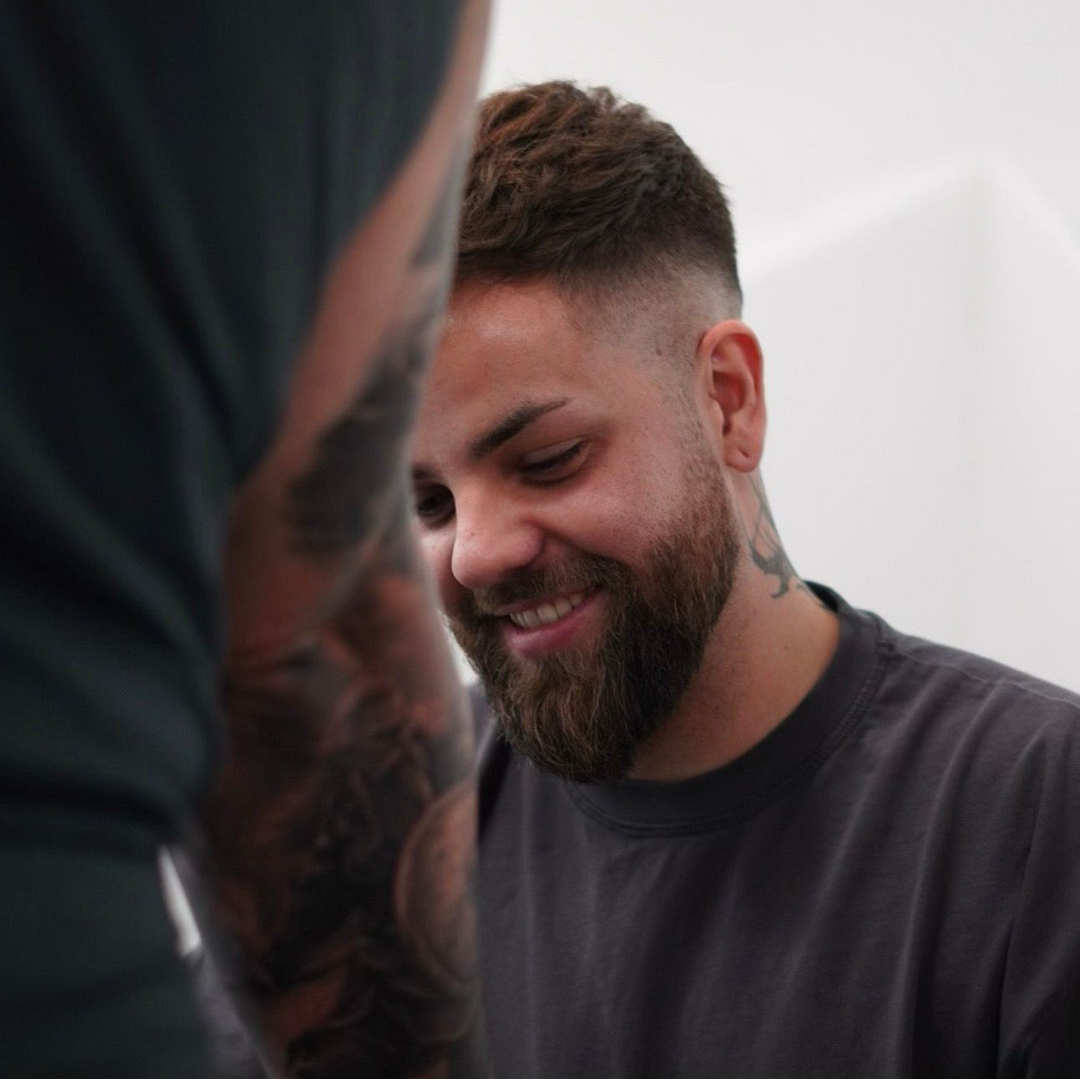
To look at a tattoo inked by David Baena requires a double-take: at first glance, you might mistake the ink etched onto skin for a vintage photograph or a lost cinematic frame. His work is that hyper-realistic, it’s hauntingly real.
Working out of Minimal NYC tattoo studio in Brooklyn, the Barcelona-born artist has quietly carved out a distinct niche in modern body art, mastering a high-contrast, film noir aesthetic that brings cinematic mood and sculptural weight to black-and-grey realism.
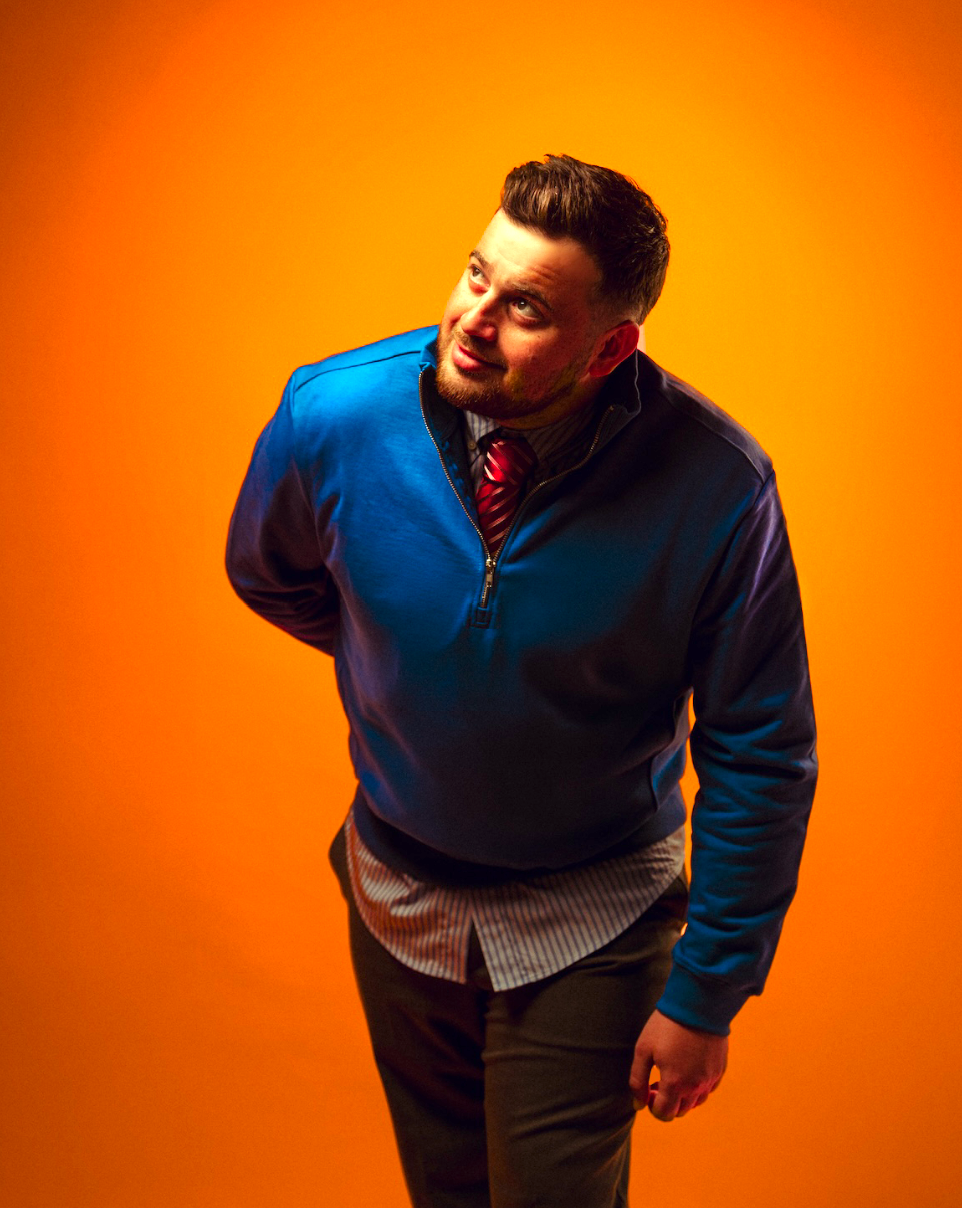
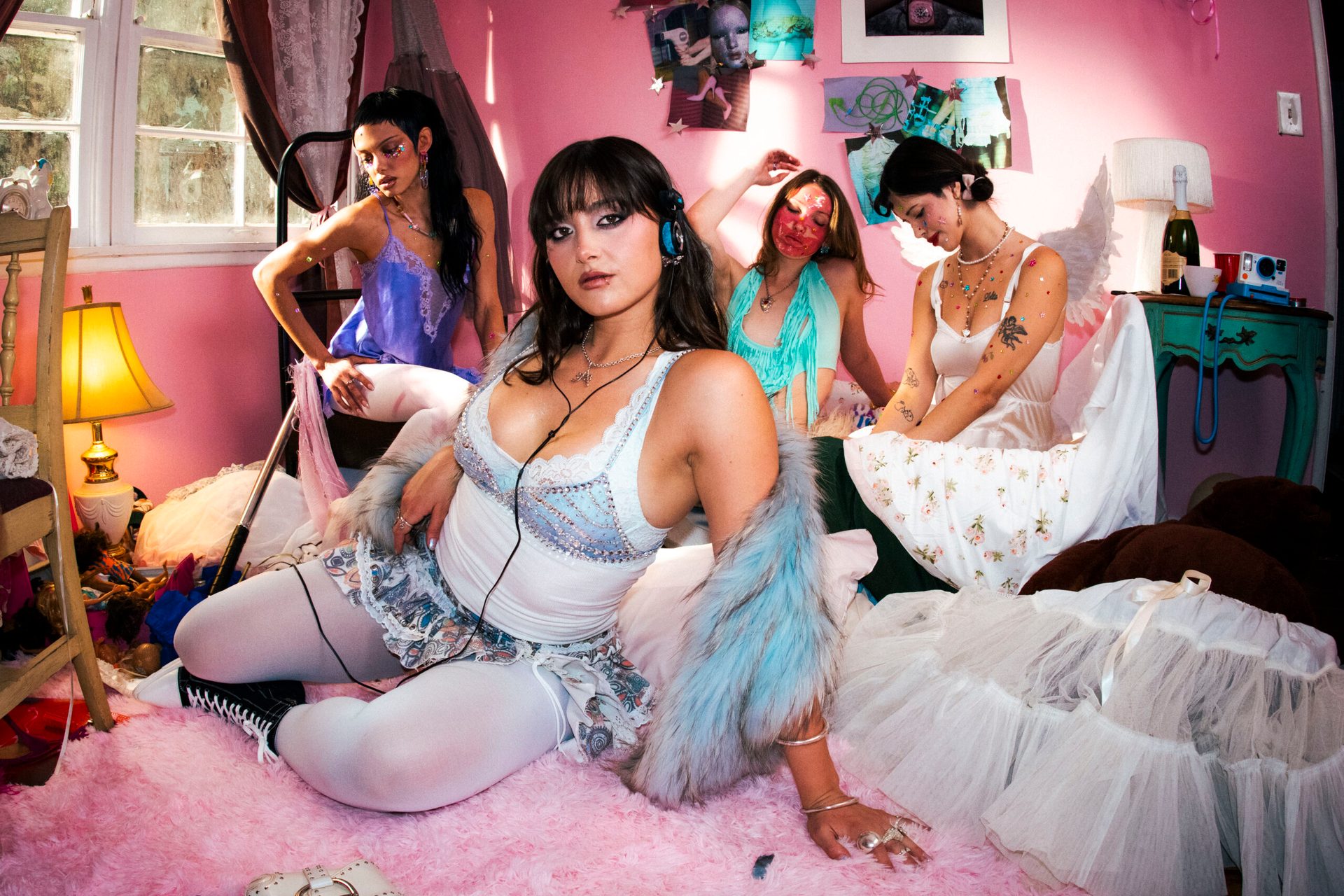
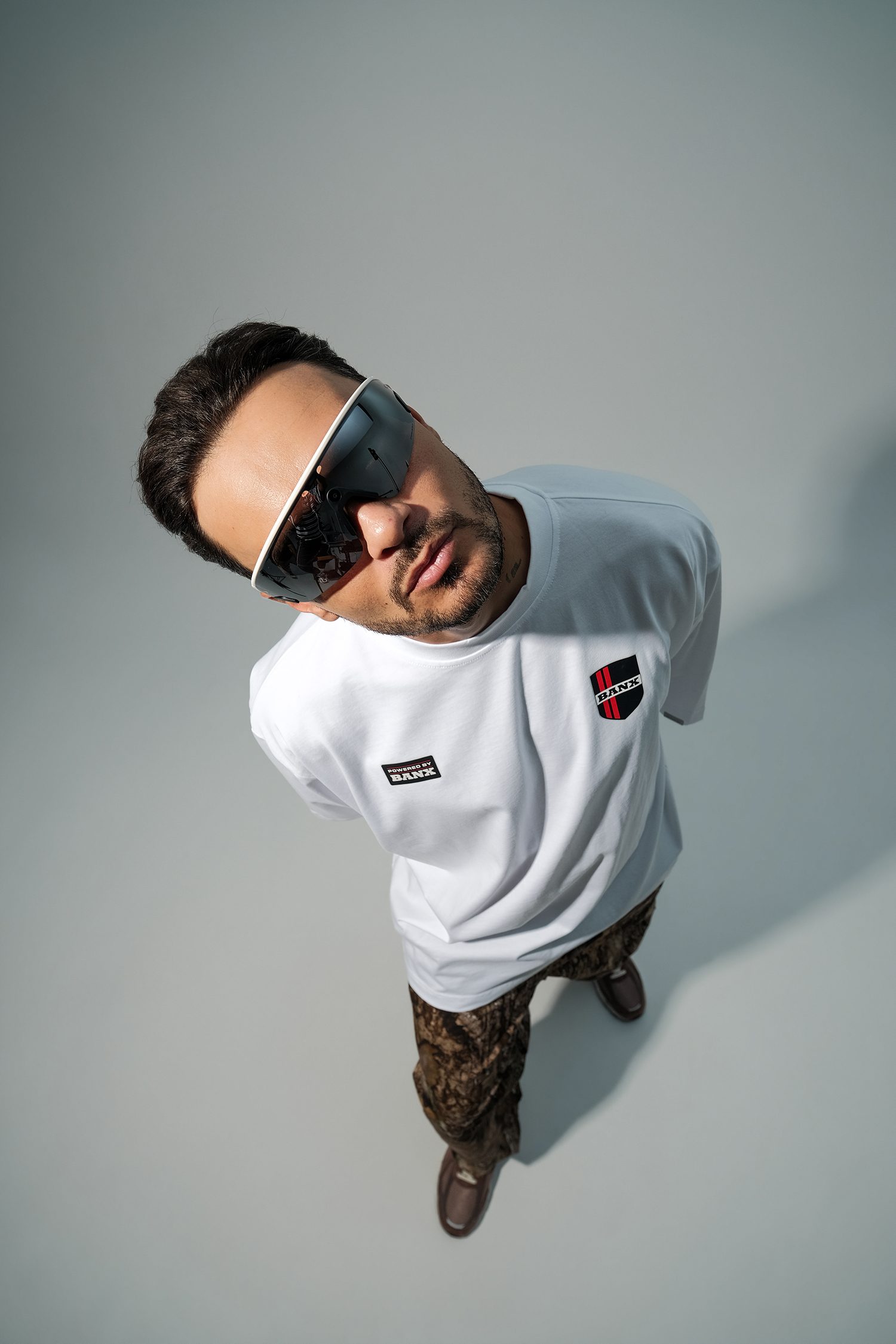
Over a 14-year career that spans Spain, Germany Switzerland, and the United States, Baena has built a reputation that reaches far beyond standard studio walls. His chair has hosted a global roster of stars across music, athletics, and comedy, including Maroon 5 members PJ Morton and Jesse Carmichael, La Liga soccer players Fernando Calero and Alex Collado, Latin recording artists Tiago PZK, Boza, and CRO, actor-comedian Druski, and producers like DJ Morten.
Yet for Baena, the high-profile clientele is secondary to the craft itself. “While many were single sessions, several have turned into lasting friendships,” Baena says. “My goal has never been to leverage celebrity clients for publicity, and I rarely post about these sessions on social media. But being a chosen artist from so many talented tattoo artists is something I take great pride in.”
His work bridges the personal and the iconic, ranging from celebrity portraits and film stills to memorial pieces reconstructed from aging family photos. That balance of technical authority and artistic voice has made him a celebrated figure on the global convention circuit.
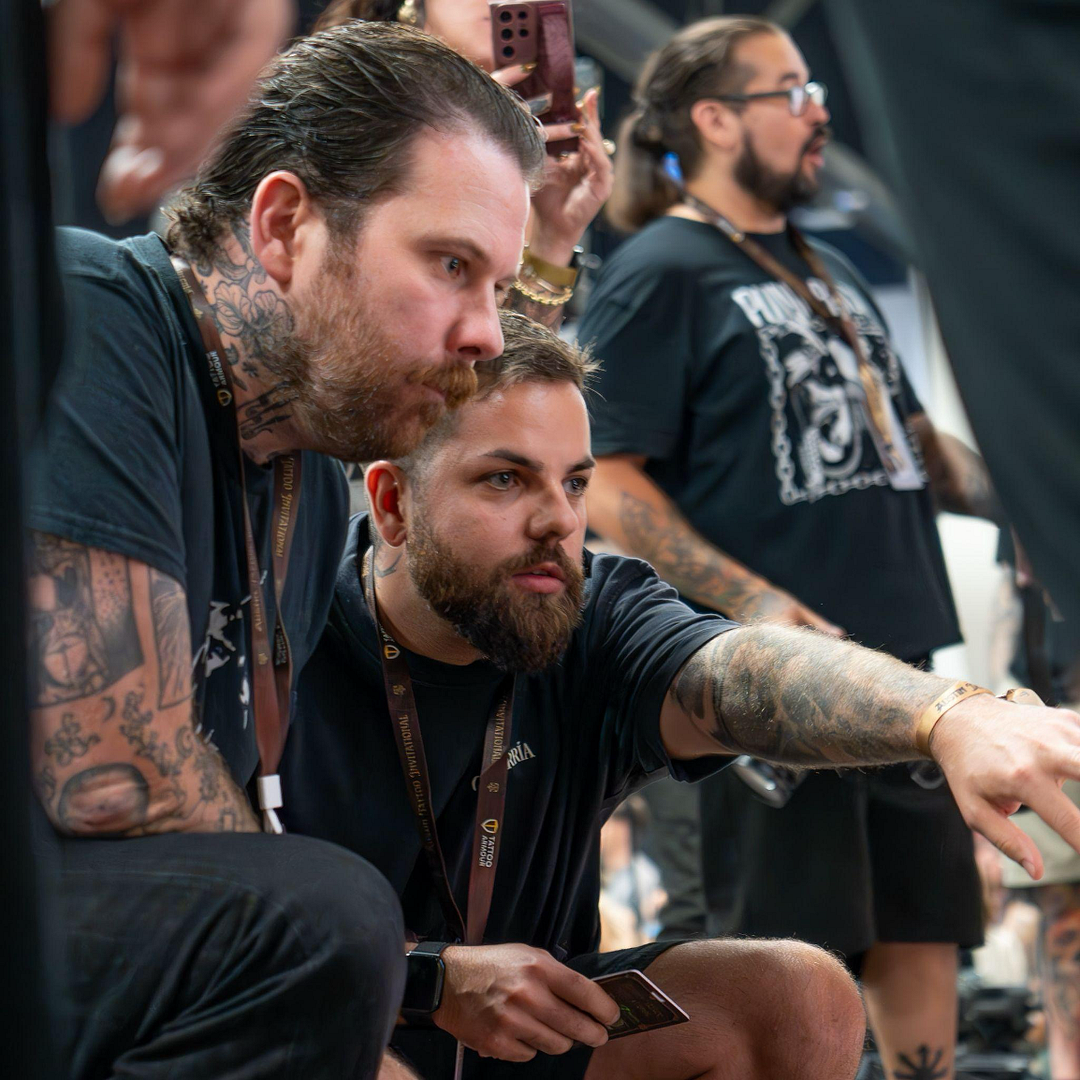
After earning breakout awards at Spanish tattoo conventions, like winning First Place in Black & Grey Realism at Zaragoza Tattoo Convention in 2019 and Second Place at the Murcia Tattoo Convention in 2023, Baena has transitioned into a sought-after international judge. He has served on jury panels at the Austin Tattoo Invitational and the Syracuse Tattoo Arts Festival, with upcoming judging spots at the New Orleans Tattoo Arts Festival and return engagements in Spain at the Valencia and Alicante conventions in 2027.
Next up, Baena will be featured as an invited judge at the 5th annual New York Tattoo Convention hosted at the Duggal Greenhouse in Brooklyn from November 13–15, 2026.
Inking the Icons
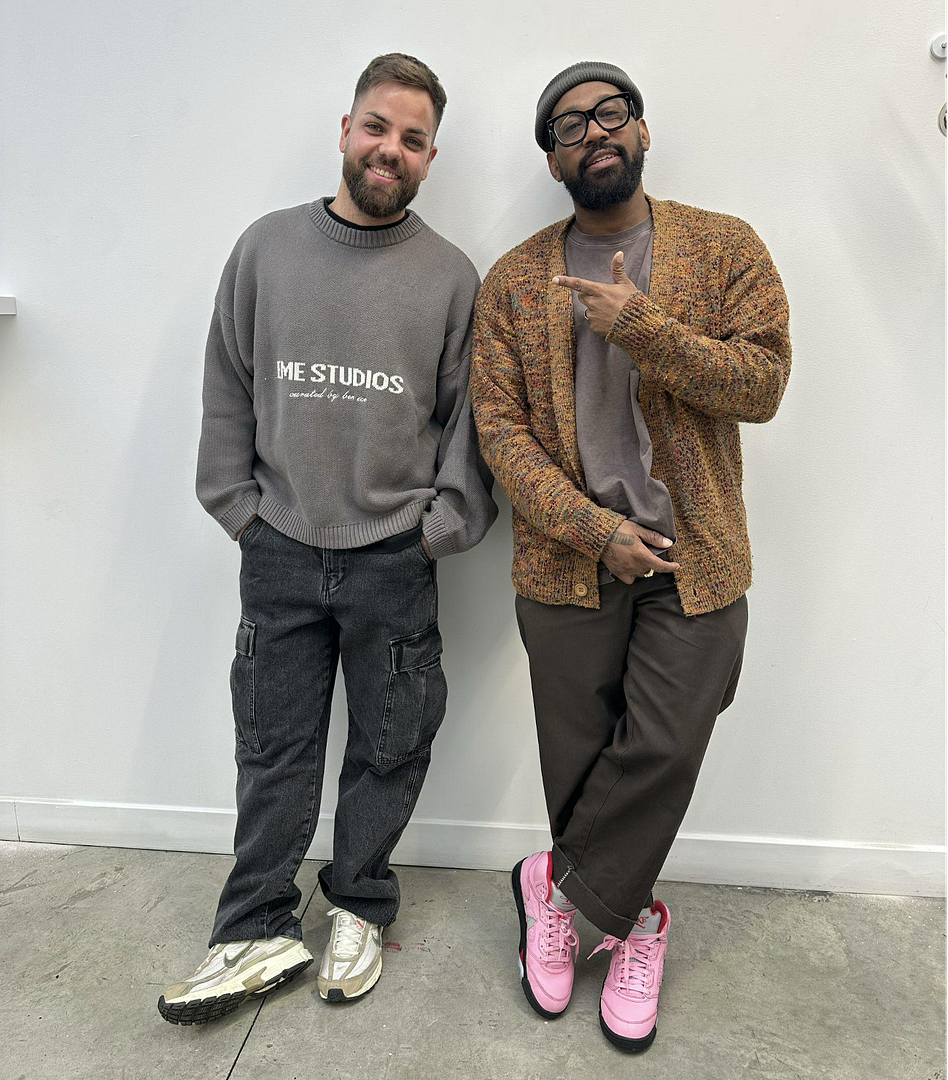
When celebrity clients book time with Baena, the requests almost always lean toward narrative over spectacle. “They usually request pieces with deep personal significance,” Baena explains. “Since many were on tour or traveling when we met, our time working together was often limited. When I first tattooed PJ Morton, I inked his first keyboard—a very personal piece for him. I happened to have tickets to the Maroon 5 show in Barcelona that evening, and he gave me a shout-out on stage, which was an incredible surprise. I later tattooed a Grammy trophy on him with the titles of his award-winning tracks; he actually returned last year to add his sixth win to the list.”
The roster of personal stories rendered on skin continues across genres and continents. “My first celebrity client was Jon Z, a Puerto Rican artist and producer. He got the logo of an artist he admired, Ñengo Flow, and called him right after the session to show off the finished piece,” Baena says.
“I have also done large-scale work, including an 8-day full back-piece featuring animal imagery for Spanish soccer player Fernando Calero,” he adds. “Most recently, I participated in a ‘No Pain’ session by Ganga Tattoo for Druski, executing a multi-portrait piece featuring 18 figures who influenced his life and career, including Kevin Hart, Kobe Bryant, and character depictions like Django.”
Controlling the Light: The Noir Approach to Realism
What truly sets Baena apart in a sea of contemporary tattooers is his treatment of direct light and shadow, using dark motifs to frame visual moments with theatrical intensity.
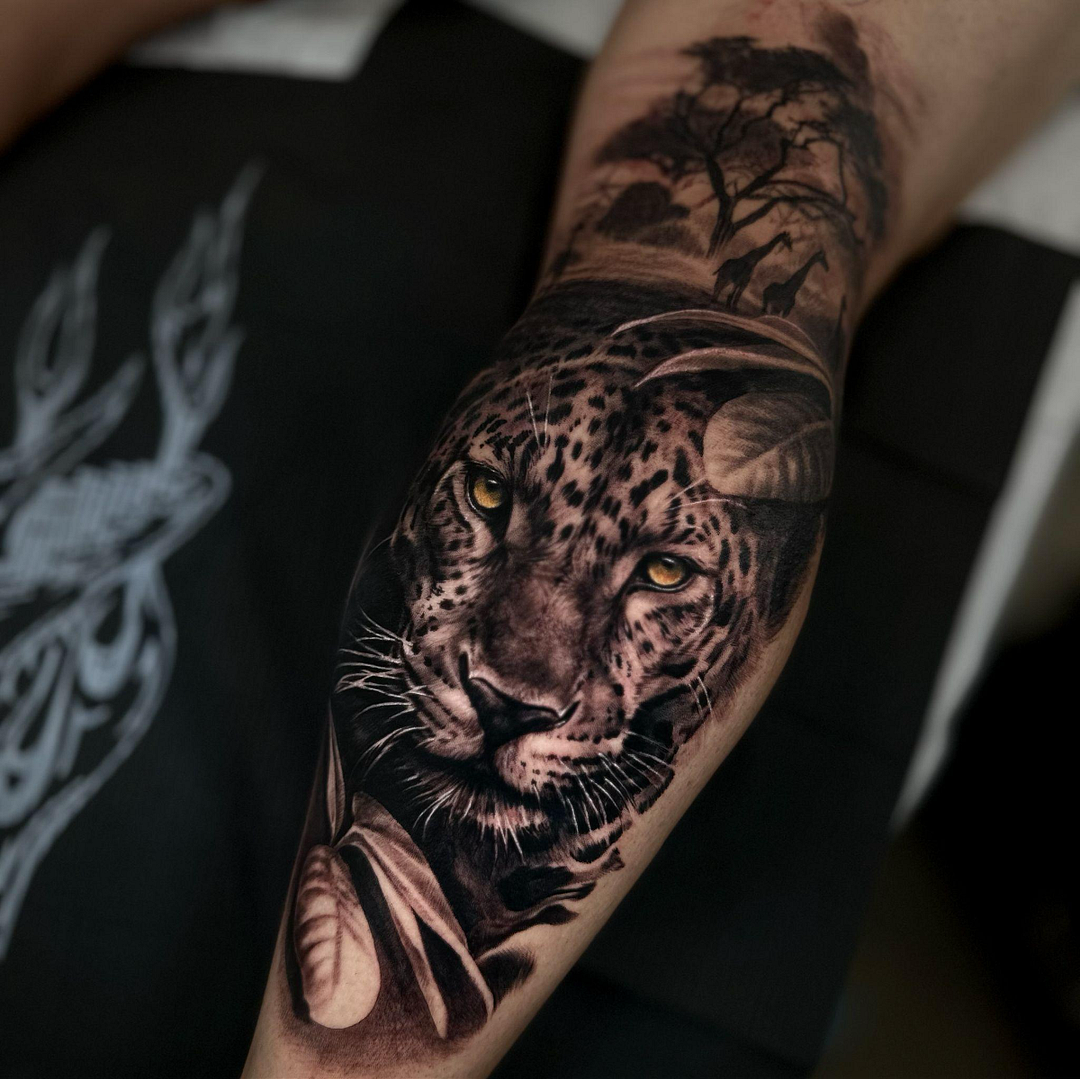
“Contrast is one of the most effective tools in tattooing,” Baena notes. “Dark elements provide depth, atmosphere, and mood, while light directs the viewer’s focus—neither functions as effectively without the other. This dynamic naturally led me toward darker realism. My goal isn’t just to reproduce an image accurately on skin, which I’ve done for years; it’s to establish a mood and control visual emphasis. Introducing a controlled beam of light into a dark field fundamentally changes how a piece feels, adding dramatic tension, movement, and narrative depth.”
Achieving that depth on human tissue requires an entirely different approach than working on canvas or digital pads. “It’s essential to distinguish true realism from standard black-and-grey tattooing,” Baena explains. “Realism requires accurate texture and form—not uniform, overly smooth shading that turns skin into porcelain, but organic details like uneven fur, skin texture, or natural imperfections. It shouldn’t look artificially polished; it needs to look authentic.”
“Executing a realistic portrait means capturing depth, subtle focus shifts, and facial character—the light in an eye, fine expression lines, skin variations, and subtle facial asymmetry,” he adds.
That level of execution is far more demanding than simple line reproduction, notes Baena. “What defines my work is that textural focus: rendering a protruding vein on a forehead, the coarse fur of an animal, light reflecting off a raven’s feathers, or fractures in a skull,” he said.
Sitting From The Juror’s Seat
Baena’s technical capability stems directly from an uncompromising, old-school foundation. Long before earning viral international acclaim—such as when his detailed leg-sleeve portrait of Leo Messi was featured by @433 to its 80 million followers—Baena was mastering the mechanics of the trade from the ground up.
“Having learned through a traditional apprenticeship 14 years ago when formal resources were scarce in Spain, I developed a strong foundational understanding of the craft,” Baena says. “Learning under my uncle meant mastering the mechanics of rotary machines, hand-welding needles, and adjusting equipment by sound. That background allows me to evaluate the underlying mechanics and technical execution of a piece very precisely.”
It is precisely this blend of technical mechanics and fine art composition that Baena brings to the judging table when evaluating the world’s top tattoo artists.
“My fine arts background makes me particularly attentive to composition, anatomical placement, direction, flow, and structural proportions,” Baena explains. “When judging international competitions featuring exceptional artists, evaluated criteria must extend beyond surface aesthetics. Bringing technical precision and artistic composition into the jury room ensures decisions are based on comprehensive, objective standards.”
Reflecting on his trajectory from competitive entrant to convention juror, Baena views his evolution as a full-circle moment: “Returning to events where I once competed—this time as a judge—is a rewarding reflection of how my career has grown.”
Words: Tom Oakley
Photos courtesy of David Baena