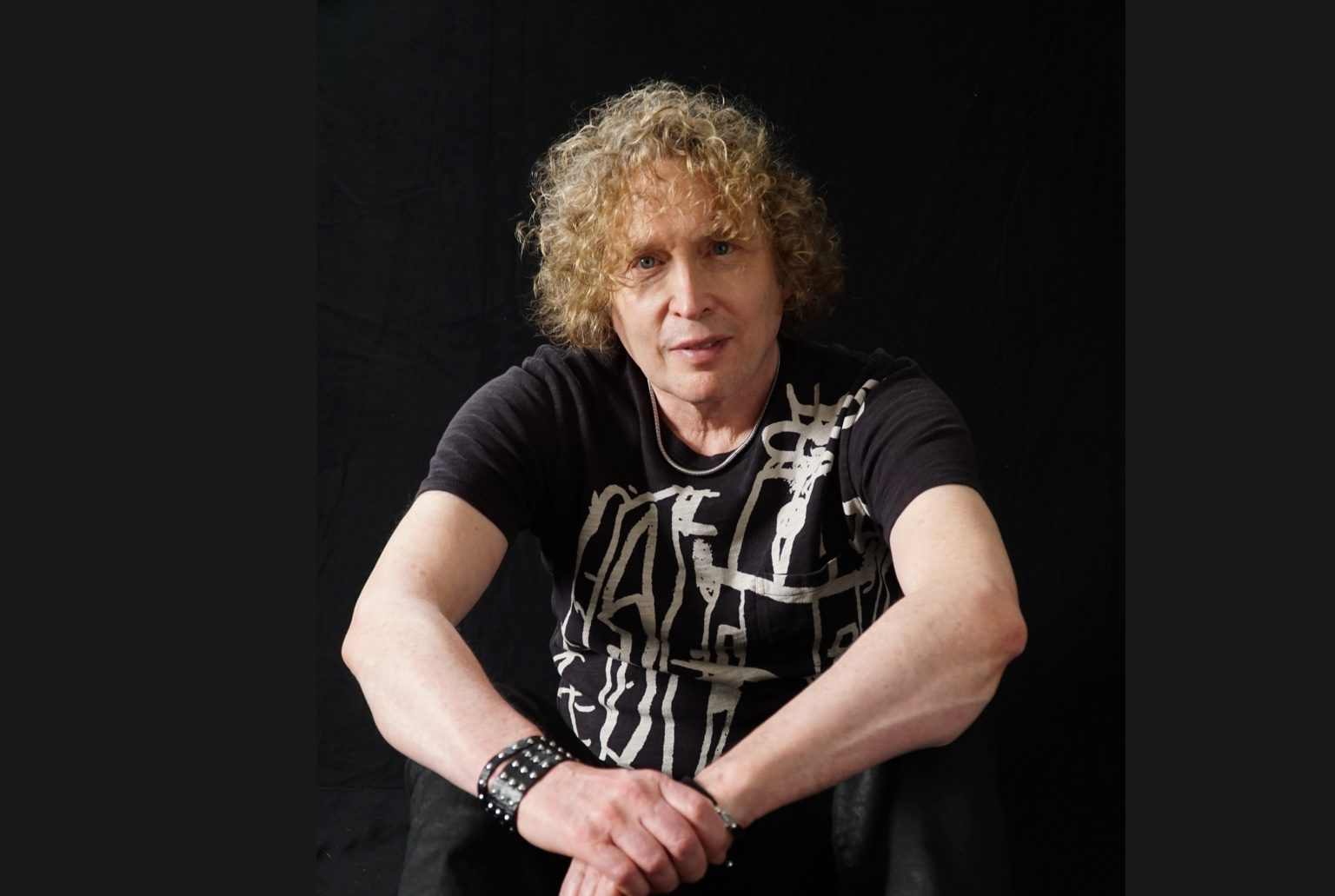
Emmy Award-winning and multi-BMI Award-winning composer Peter Manning Robinson began playing piano at three, and by twelve he was performing professionally. Born in Chicago and raised between Vancouver and Los Angeles, he built a career across film, television, orchestral and live performance. His scores include the Emmy-winning Above and Below and five BMI Music Awards for Without a Trace.
In his early twenties, severe tendonitis left him with a verdict that he would never perform live again. He took it as a challenge. After more than a decade, he began an artistic retraining under Phil Cohen of Concordia University’s Leonardo Project, “unlearning” traditional technique and emerging with a new physical and musical language. That journey led to the Refractor Piano™, a reimagined acoustic piano that lets him create “Refracted Music”: fully live, with no pre-recorded tracks, MIDI instruments or external sounds.
Now the Los Angeles-based pianist returns to solo acoustic piano with Excursions, his neo-classical album, compiled over three years. Written through grief, heartbreak and resilience, it follows an emotional arc from despair to joy. Its singles, “Pure Heartbreak,” “Bent Out of Shape” and the latest, “Initiation,” each arrive with a striking music video. He also co-founded Owl Walk Records with video director Klaus Hoch, and he is an accomplished vegan chef.
For 18 Questions, Peter tells us about his morning rituals, the composers he’d share a table with, the day he decided to prove the doctors wrong, and why, for him, music says what words can’t.
1. What’s the first thing you usually do when you wake up in the morning?
The first thing I do is yoga stretches. Then I do a meditation. I take my herbs and supplements with a vegan green and protein drink. Then it’s off to my music sanctuary.
2. What’s one thing you can’t live without right now?
The same thing that has shaped my life from the age of three… my music! It is my life blood… the reason I was put on the planet… to create and inspire people.
3. What’s the best piece of advice you’ve ever been given?
“It is not how many times you get knocked down… it’s how many times you get back up. Never give up… just keep going!”
4. If you could have dinner with any musician, dead or alive, who would it be and why?
Either the Japanese composer Toru Takemitsu or the French composer Olivier Messiaen. Both were brilliant innovators whose spirituality inspired their creativity. Messiaen would go into the countryside with his wife, the wonderful pianist Yvonne Loriod, and record bird songs. He would then go home and transcribe them into fascinating compositions. Takemitsu said, “Music is not notes on a piece of paper. It is a form of prayer.”
5. What’s a song you wish you had written yourself?
Nothing. Although there have been countless compositions that I love, those are other people’s songs and music. Mine are my own and my journey.
6. When you’re not making music, what’s your favourite way to completely switch off?
I never can completely switch off… I’m always creating. However, I love running in the hills, kickboxing, seeing friends and loved ones, and I am a pretty good vegan chef. Creating new plant-based recipes feeds my body and heart. It’s also a great way of introducing non-vegans to a wonderful healthy cuisine.
7. What’s somewhere in the world that always inspires you creatively?
Every place has its own beauty and inspiration. I find that wherever I journey.
8. If you could go back and give your younger self one piece of advice before beginning your music career, what would it be?
When I was three years old, I first sat down at the piano. I put my hands on the keys and said to myself, “I’ve done this before,” and I was already playing complete compositions. I have never tried to understand or explain this, but from that point on, I knew my journey and never questioned it.
9. Explain the Refractor Piano™ to someone who has never seen it. What does it let you do that a standard piano can’t?
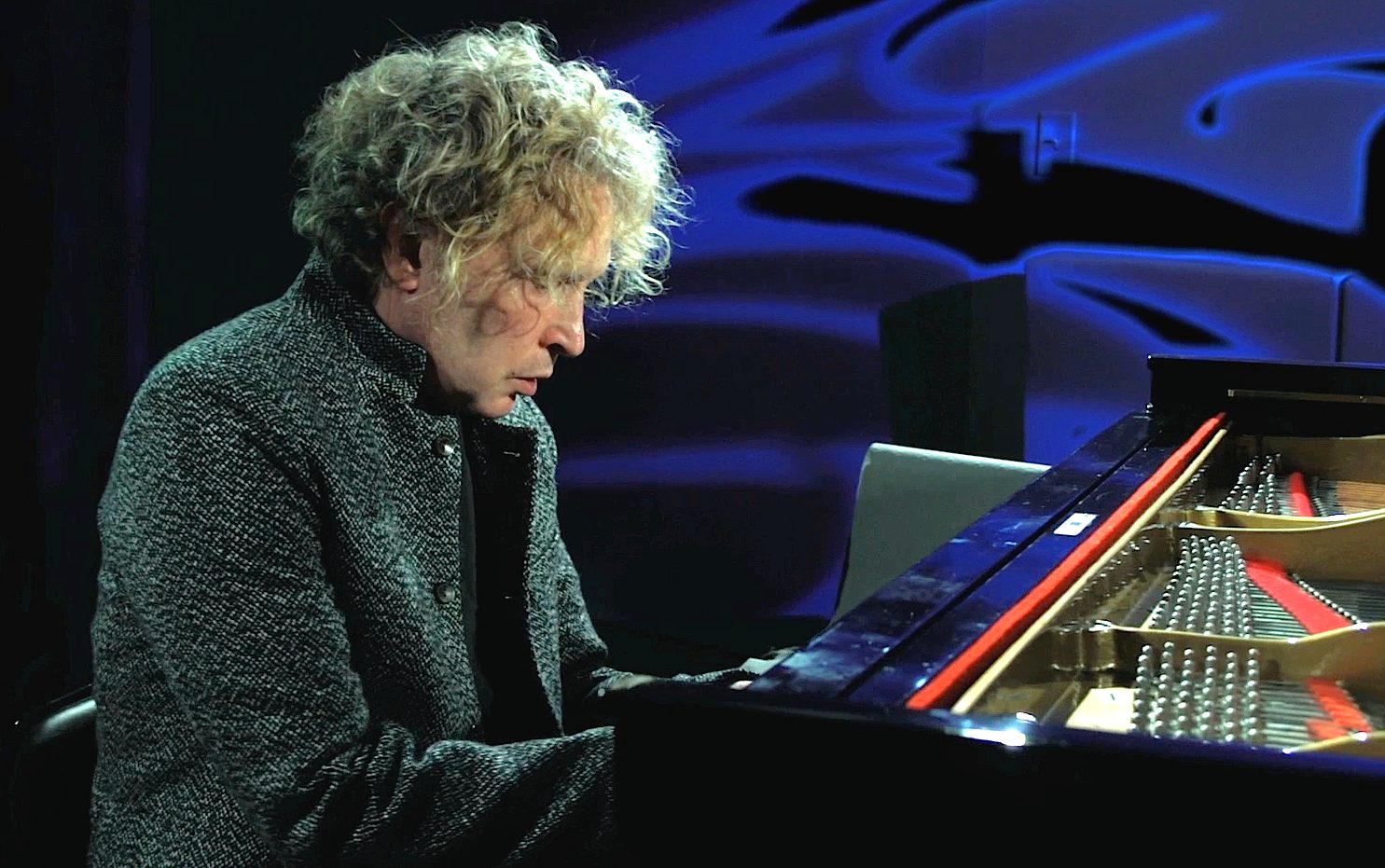
In science, refraction occurs when a wave, either light or sound, passes through a prism. The initial sound is unaltered, but what happens on the other side of the prism becomes morphed or “refracted.” Imagine a standard acoustic piano with pickups attached to it. The sound then travels through a combination of hardware and software that completely alters it, without synths or virtual instruments. Everything one hears is totally live, without overdubbing or pre-recorded tracks. The best way for somebody to experience this is to listen to my music. Words are meaningless… experience is everything!
10. In your early twenties you were told you’d never perform live again. What do you remember about that day?
The moment I was told I would never perform live again was the day that I said that I WOULD! I never gave up and never listened to the negativity. I always knew I would perform again… I just didn’t know when and how. After over 10 years, I met the man who would change… and save… my life, Professor Phil Cohen. Head of the Leonardo Project in Montreal, he would travel the world assisting musicians and artists. I had to, in his words, “completely unlearn” my traditional classical technique. Phil taught me to play like a martial artist. All of the energy is triggered from my back and core, not my fingers. I am playing better than ever, thanks to him!
11. Excursions was compiled over three years from hundreds of recorded sketches. What did the first sketch that made it onto the record sound like, and when did you realize you were making an album?
During this period, I was experiencing a great amount of grief and sadness, not just in my own life, but in the world at large. There was, and is, so much tragedy, so much sadness. I found myself playing only solo acoustic piano and in a much different way… slower, more melodic… no cleverness… just emotion. I didn’t think of creating an album… I only thought of expressing my thoughts and feelings through music.
12. You’ve said you kept defaulting to the acoustic piano to process grief. What was it about that instrument that the Refractor Piano™ couldn’t give you in those years?
My Refractor Piano™ is capable of incredible sounds and images in many different ways. However, there is an immediacy to just the unadorned piano, a directness to the emotions. This music is deceptively simpler, with melodies and harmonies that transform and connect in a different way.
13. The album moves from despair and fracture through struggle, renewal and joy. Did you plan that arc, or did it reveal itself once everything was laid out?
I never plan anything out. An emotion appears and I play. I’ve never said to myself, “I should write something about a specific event.” Others are very good at doing this… just not myself.
14. “Pure Heartbreak” is described as unraveling with unflinching honesty. What does honest heartbreak sound like to you, and where did you have to hold back?
The ancient Greeks had a saying: “When the words end, the music begins.” If you want to know what my heartbreak sounds like, just listen to the composition. As I’ve said before, the music says it all.
15. “Bent Out of Shape” came out of months of struggle and a need for positivity. Do you remember the moment the whimsy arrived?
For myself, there is a great difference between sadness and struggle versus depression. The only period of my life where I’ve been truly depressed was when I could not play for so many years. When I finally was able to play and perform again, I became so grateful and appreciative. During this last period, despite the sadness and grief, I still had so much gratitude for everything. Once one taps into this, whimsy, laughter and joy have to come out!
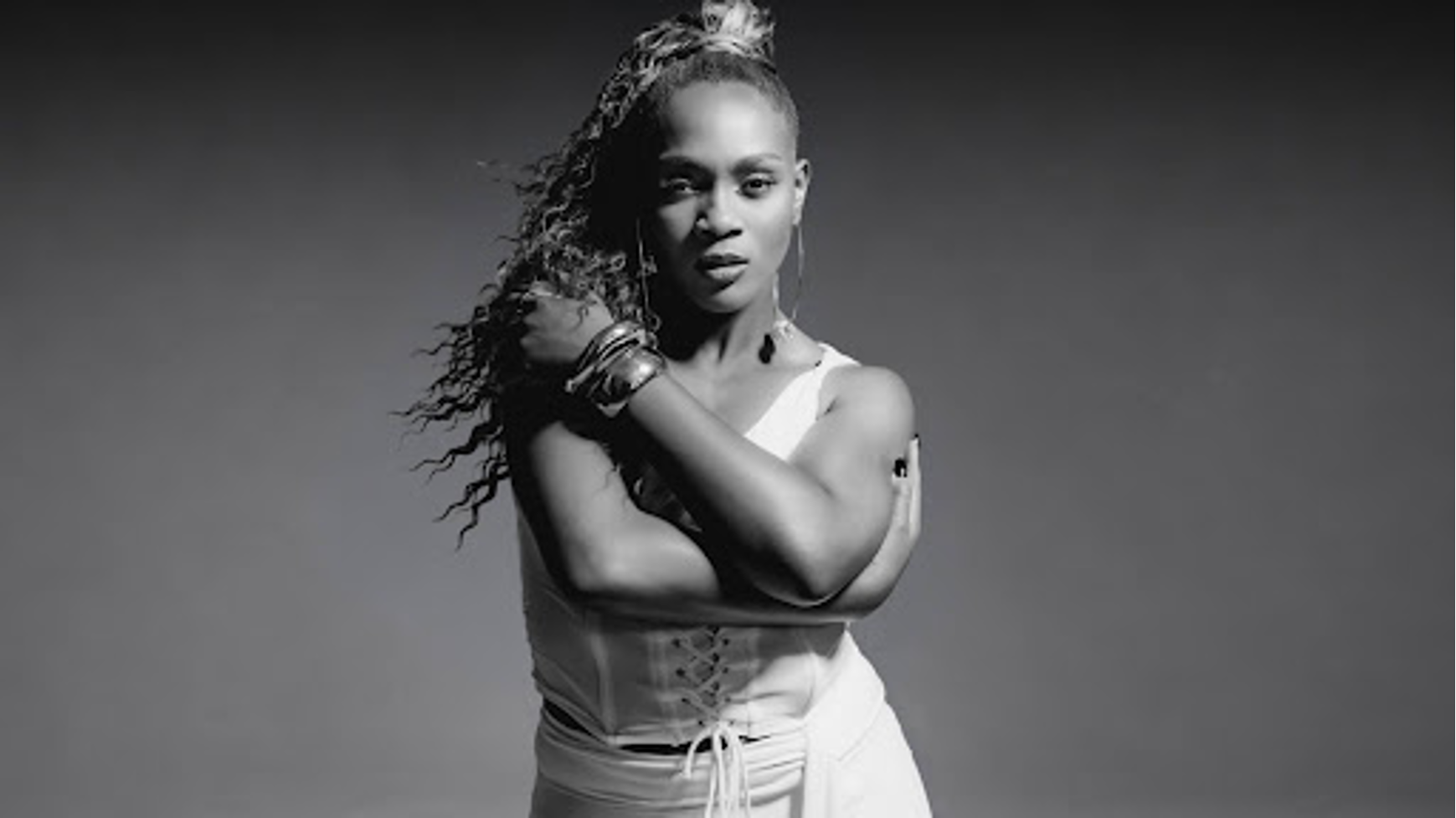
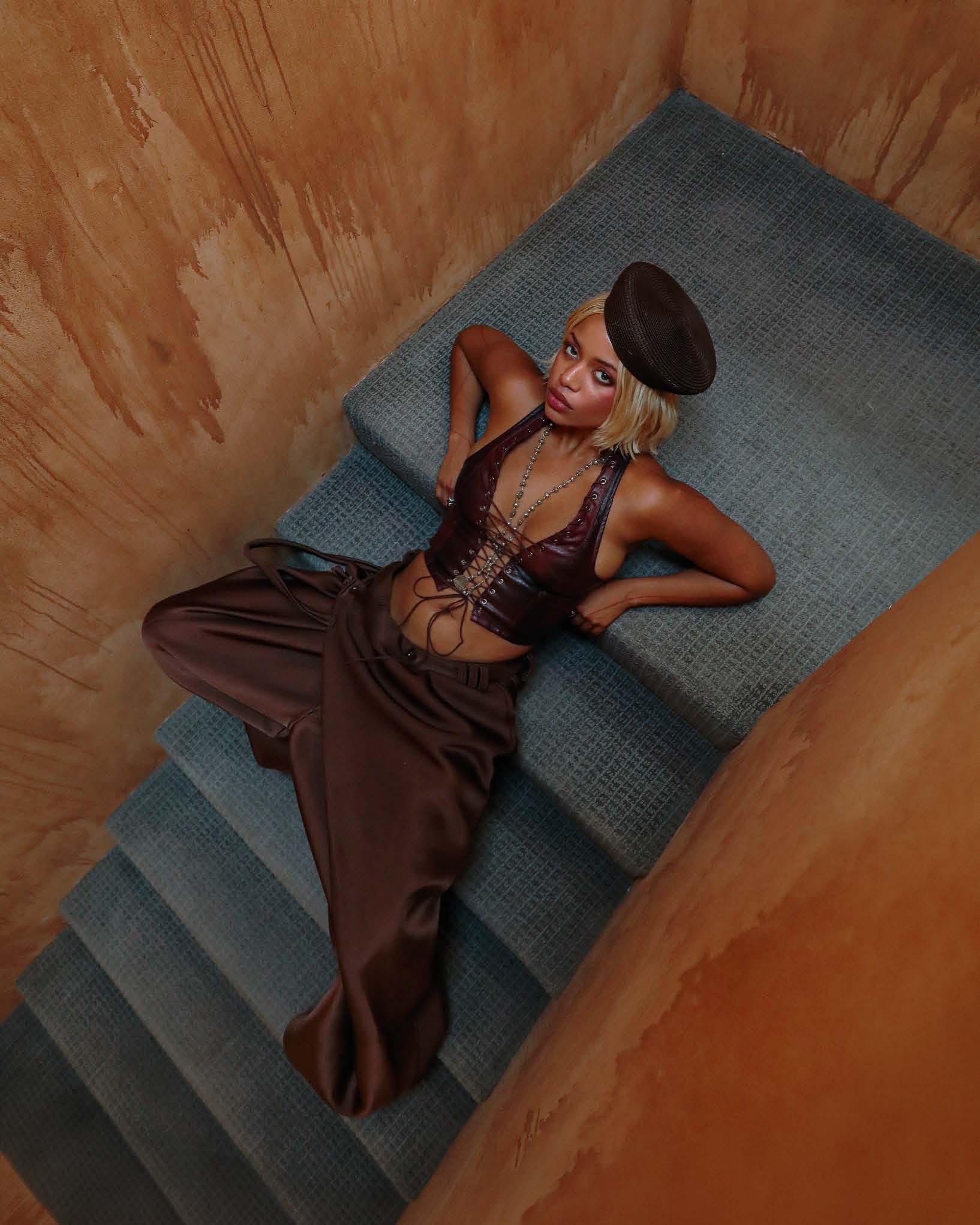
16. “Initiation” brings in dancer Lydia McDonald and painter Mariia Menshikova. How did the three of you approach grief in your own mediums, and what did you learn from watching them work?
This video was conceived by Kershona Mayo and Lucy LaForge, who directed it. After listening to the music, they imagined a struggle for one’s art using ropes with three different artists in different mediums. This experience was very powerful for me. The ropes represented my hands being so limited because of my tendinitis during that time that I could not play or perform. Since I am a terrible dancer and cannot paint at all, it was very inspiring to watch and experience all of these women dealing with their individual emotions and creating at a high level.
17. You co-founded Owl Walk Records with Klaus Hoch in 2021 as an artist-friendly label. What did you want to fix about how music gets made and released?
We have entered a period where the “democratization” of art and music… indeed everything creative… has been made so easy to create with so many AI apps and programs that promise that “anyone can do this!” It is easy to forget that true art is not a destination… it is a journey with many struggles to overcome. Historically, artists have always found ways to create avenues for their art to be heard and seen despite huge obstacles. I have been very fortunate and grateful that my online presence and whatever success I have had in other areas allows so many to experience my art and hear my story without the traditional channels of the past. I cannot fix anything… I can only find a way around it.
18. Instrumental music can evoke images and emotions beyond language, in your words. When a listener tells you what Excursions made them feel, what answer would surprise you most?
I am never surprised by other people’s reactions to my music. I am only grateful and appreciative when they listen and respond… positively or negatively. It is not my place to tell anybody what to feel. I just create and allow their own feelings to bloom.
Thank you so much for this interview! I truly appreciate the opportunity. For anyone that is curious, you can find me online through my website, PeterManningRobinson.com, YouTube, or the usual social media sites. You can listen to my music and read about my story. Feel free to contact me and I will do my best to respond.
“Initiation” is out now, follow via @petermanningrobinson