Winter’s cold air, central heating and environmental stress can leave skin feeling reactive, tight or unusually red, but redness, sensitivity and rosacea are not interchangeable. Understanding what you’re actually experiencing is essential, because each condition requires a different approach.
What’s the Difference Between Redness, Sensitivity and Rosacea?
Redness, sensitivity and rosacea get lumped together constantly, but they behave very differently and recognising which one you’re experiencing is the first step to actually managing it.
“People often lump redness, sensitivity and rosacea together, but they’re actually quite different,” explains Dr Kamenica Alma. “Redness is usually a reaction — it might show up after exercise, heat, alcohol or certain skincare and then settle. Sensitive skin is more about a compromised barrier, where the skin stings, feels tight or flushes easily.”
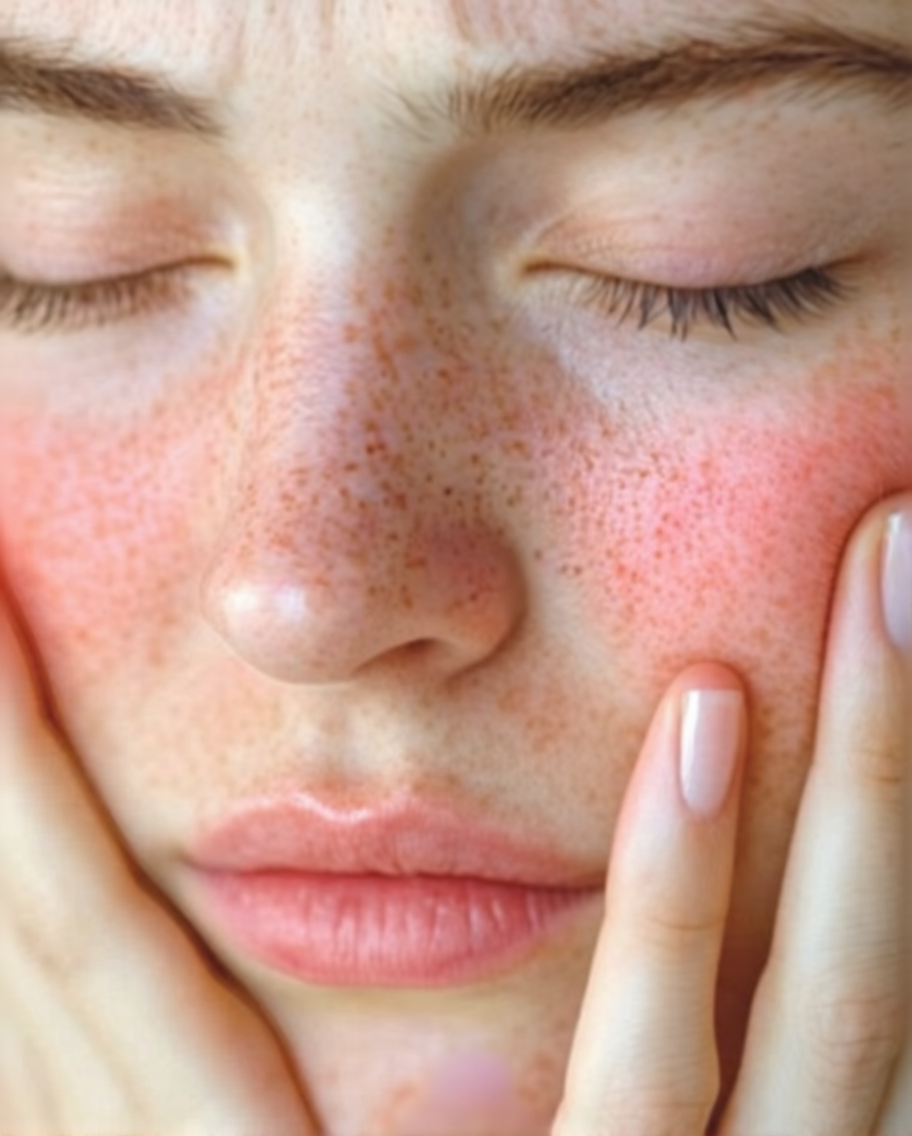
Rosacea operates differently. “It’s a long-term inflammatory condition, so the redness tends to stick around, often across the cheeks and nose, sometimes with visible capillaries or papules. If it’s persistent rather than occasional, that’s usually the clue.”
| Redness | Sensitivity | Rosacea | |
|---|---|---|---|
| What it looks like | Temporary flushing that comes and goes | Tightness, stinging, visible reactivity | Persistent redness across cheeks and nose, visible capillaries, papules |
| How long it lasts | Minutes to hours | Ongoing but fluctuates | Chronic – weeks, months or longer |
| Common triggers | Exercise, heat, alcohol, spicy food | Harsh products, over-exfoliation, environmental stress | UV exposure, heat, alcohol, stress, certain skincare |
| What causes it | Temporary vasodilation (blood vessels widening) | Compromised skin barrier | Chronic inflammation and vascular dysfunction |
| How to manage it | Avoid triggers, use soothing skincare | Rebuild barrier with gentle, ceramide-rich products | Professional diagnosis, prescription treatments, gentle barrier support |
| When to see a professional | If it becomes frequent or persistent | If barrier repair doesn’t help after 6-8 weeks | Always – this requires medical management |
The Most Common Mistakes That Make Redness Worse
When skin looks red or inflamed, the instinct is to do something but that intervention usually backfires.
“Trying to do too much is probably the biggest mistake,” says Dr Alma. “Over-exfoliating, using strong actives too often, or jumping from product to product in the hope of calming redness usually does the opposite. At-home devices and very aggressive facials can also aggravate already inflamed skin.”
Heat is another major trigger that people consistently underestimate.
“Hot showers, steam rooms and intense workouts can all trigger flushing,” she adds, “as can stress, which people often forget has a huge impact on the skin”
This is why reactive skin responds better to simplification and barrier support than aggressive correction. Less really is more here.
The Best Products for Redness, Sensitivity and Rosacea
When it comes to calming redness, skincare should support the skin barrier rather than overwhelm it. These are the products dermatologists consistently recommend for reactive, sensitive or rosacea-inclined skin, gentle, barrier-strengthening and unlikely to trigger flare ups. Most people notice improvement within 4-6 weeks of consistent barrier-focused care, though rosacea may take longer to stabilise
Gentle Cleansers
Over-cleansing is one of the fastest ways to worsen redness. These formulas cleanse properly without disrupting the barrier.
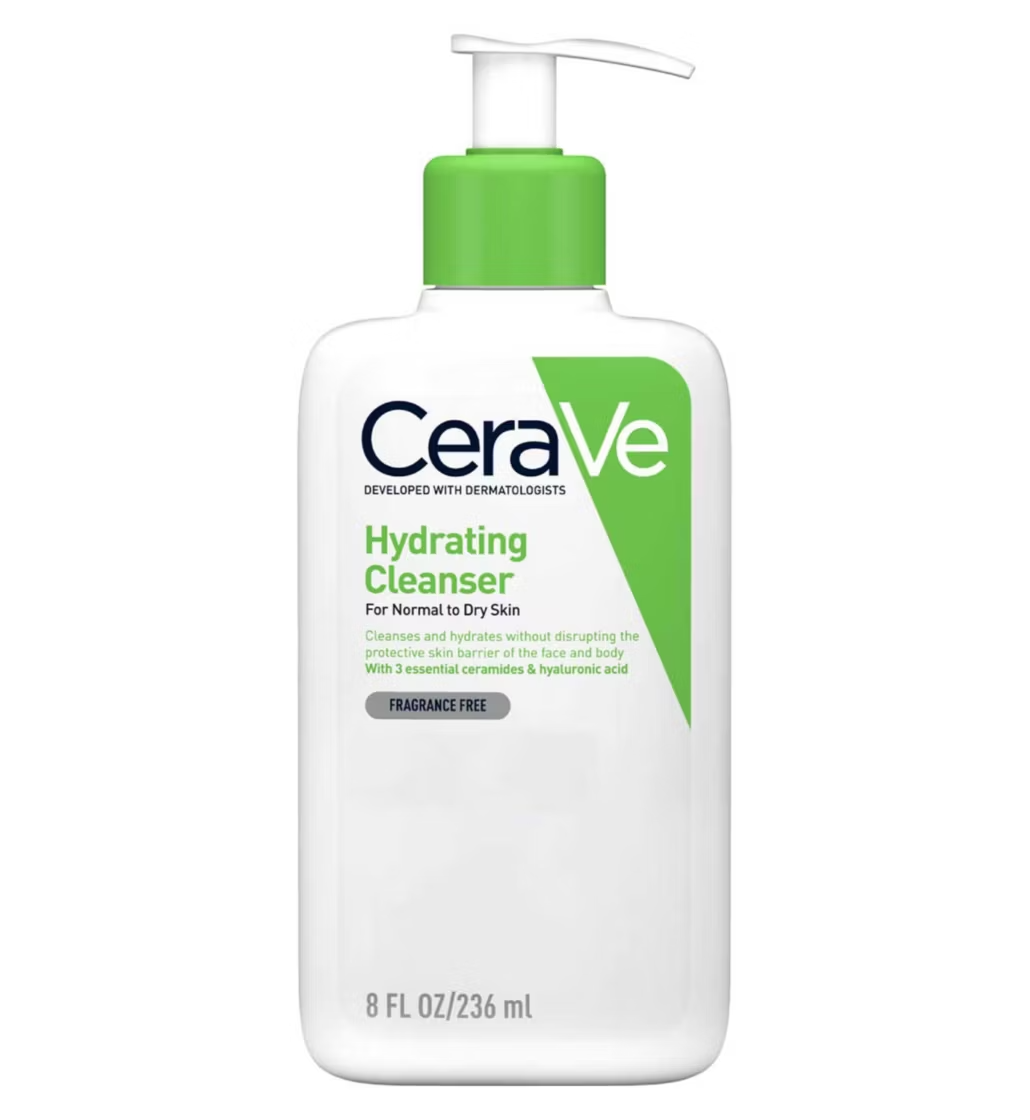
CeraVe Hydrating Cleanser
The go to for compromised skin barriers, thanks to ceramides and a non-foaming texture that doesn’t leave skin feeling tight or stripped.
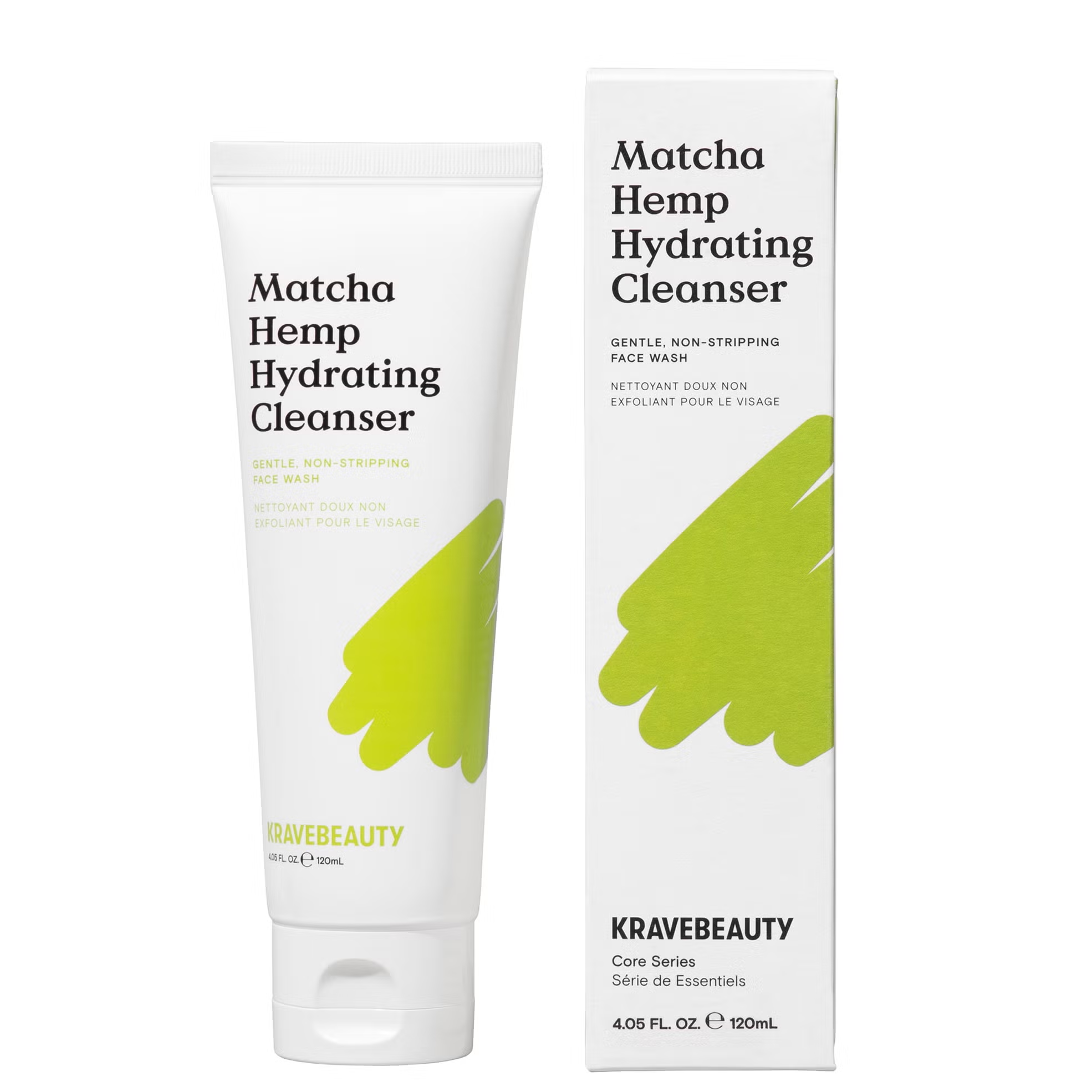
KraveBeauty Matcha Hemp Hydrating Cleanse
A calming, non-foaming formula with matcha and hemp seed oil for gentle cleansing that supports the skin barrier.
Where to buy: cultbeauty.co.uk – £16 / 120ml
Barrier Repair Moisturisers
A compromised barrier sits at the heart of both sensitivity and persistent redness. These moisturisers focus on restoring lipids and improving comfort levels.
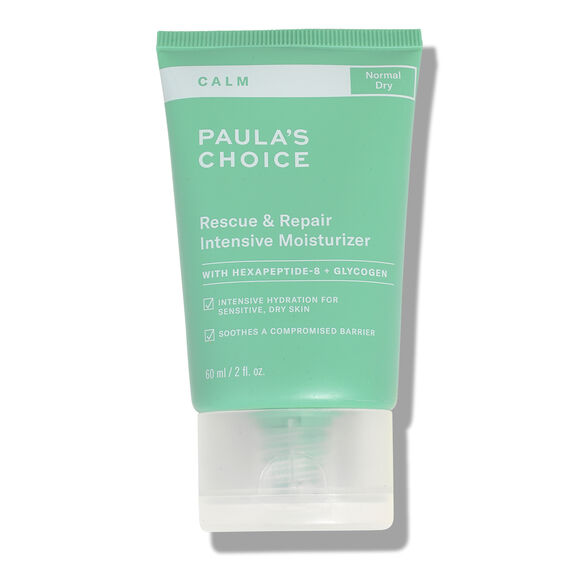
Paula’s Choice RESIST Anti-Redness Moisturiser
Lightweight enough for daily layering but cushioning where it counts. It sinks in quickly without leaving reactive skin feeling suffocated, useful if you’re layering SPF on top.
Where to buy: spacenk.com – £39 / 60ml
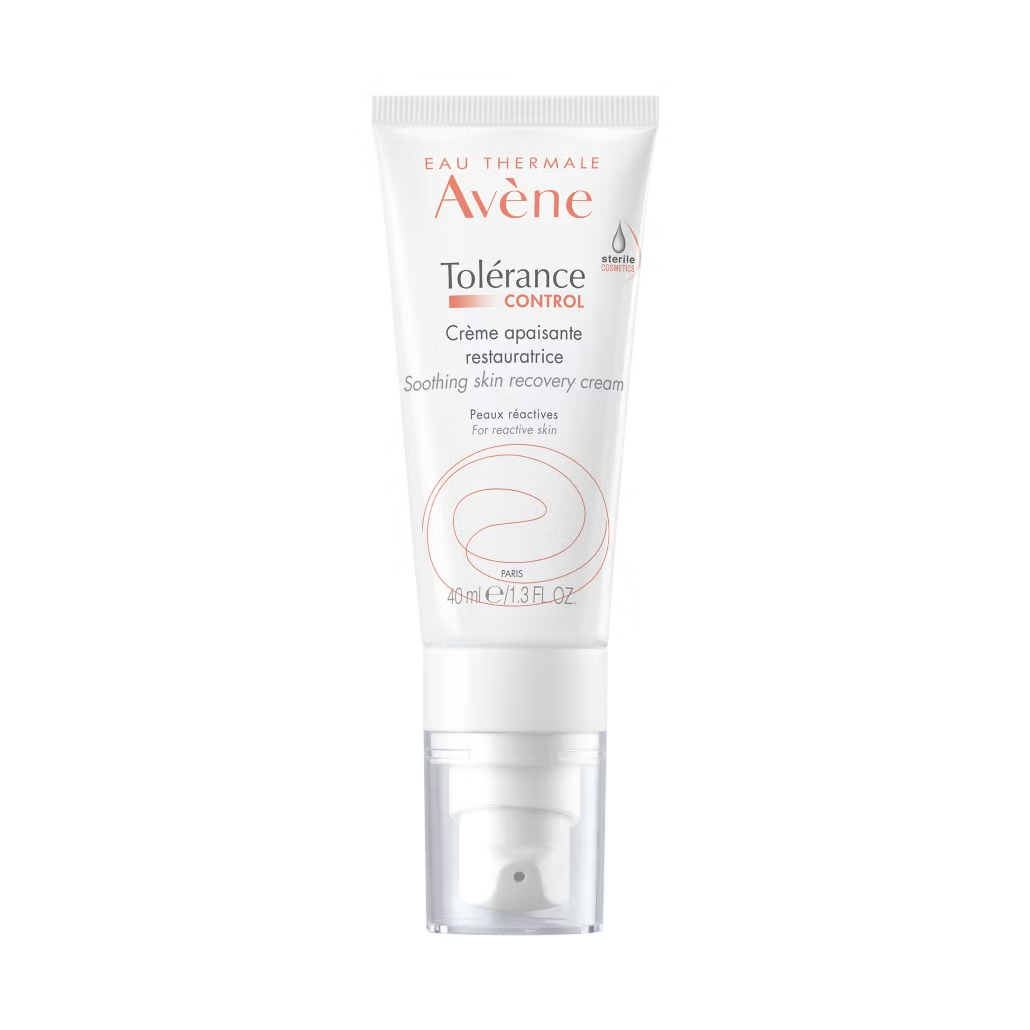
Avène Tolerance Control Soothing Skin Recovery Cream
Built around the principle that less is more, this ultra-minimal formula works for skin that reacts to everything — post-procedure, mid-flare, or when your usual routine suddenly feels like too much.n.
Where to buy: lookfantantastic.com – £22 / 40ml
Calming Serums
Serums should soothe, not stimulate. Look for calming ingredients rather than high-strength actives that might push things over the edge.
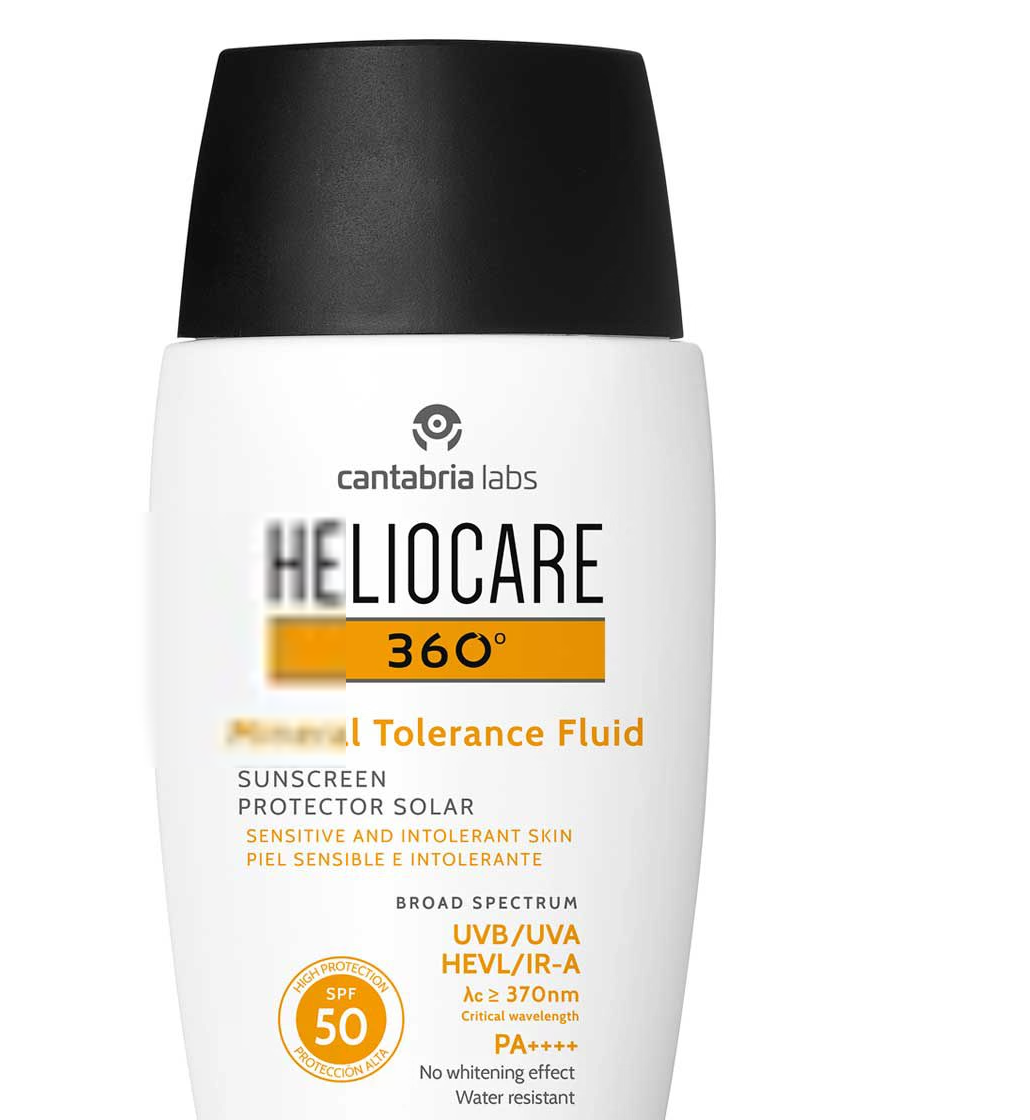
Dr Jart+ Cicapair Tiger Grass Serum
Centella asiatica helps calm inflammation and reduce visible redness over time. Think of this as first aid for easily flushed complexions.
Where to buy: drjart.com – £42 / 30ml
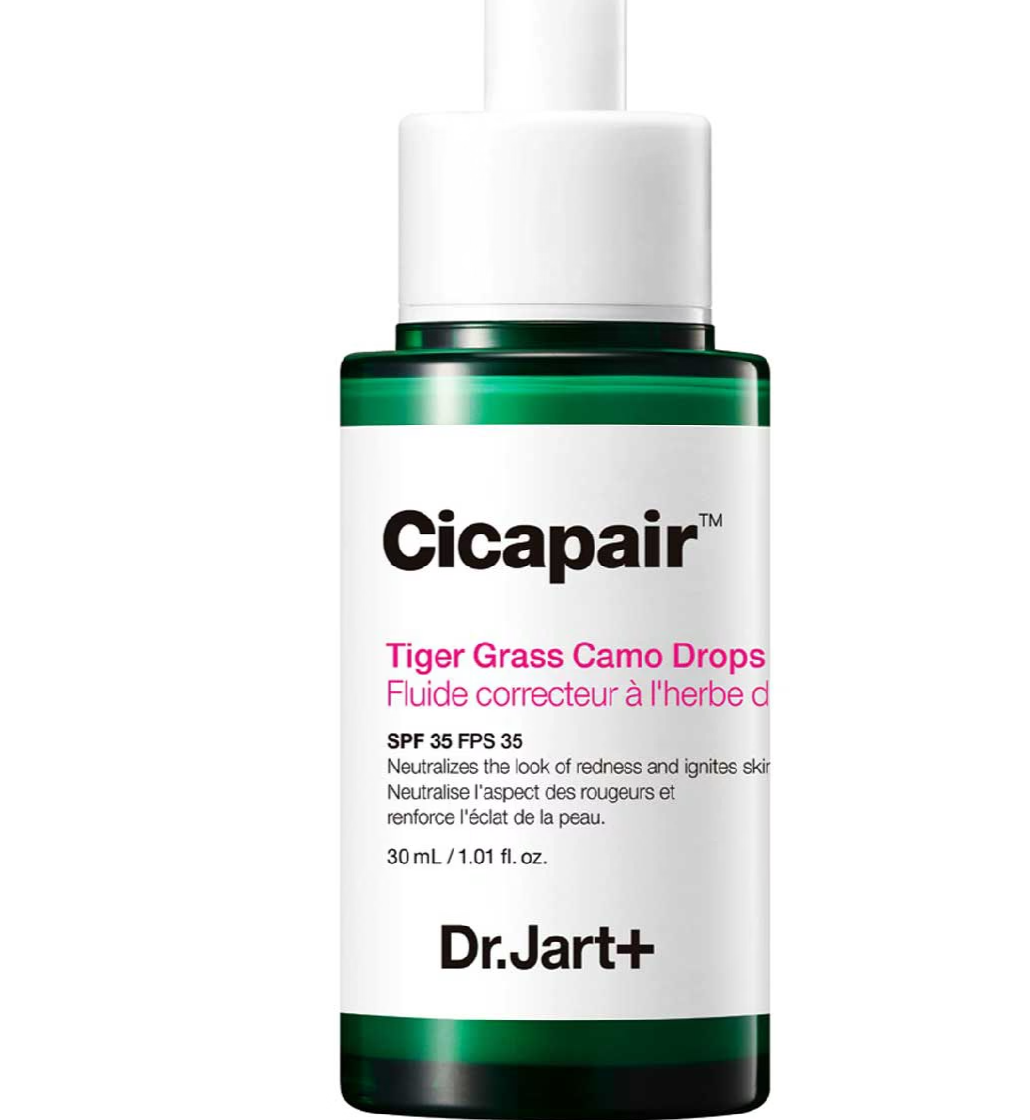
La Roche-Posay Toleriane Rosaliac AR Concentrate
A targeted serum designed to calm visible redness and soothe reactive, sensitive skin. The formula is gentle, fragrance-free and kind to compromised barriers, helping reduce the appearance of flushing and irritation while supporting overall comfort.
Where to buy: lookfantastic.com – £26.50 / 40ml
Using Actives Safely
If you want to incorporate acids or retinoids, introduce them slowly, once or twice weekly to start and always buffer with a barrier repair moisturiser. Azelaic acid is often the most tolerable option for reactive skin, as it calms redness while gently resurfacing. Avoid layering multiple actives, and if your skin stings or flushes after application, pull back immediately.
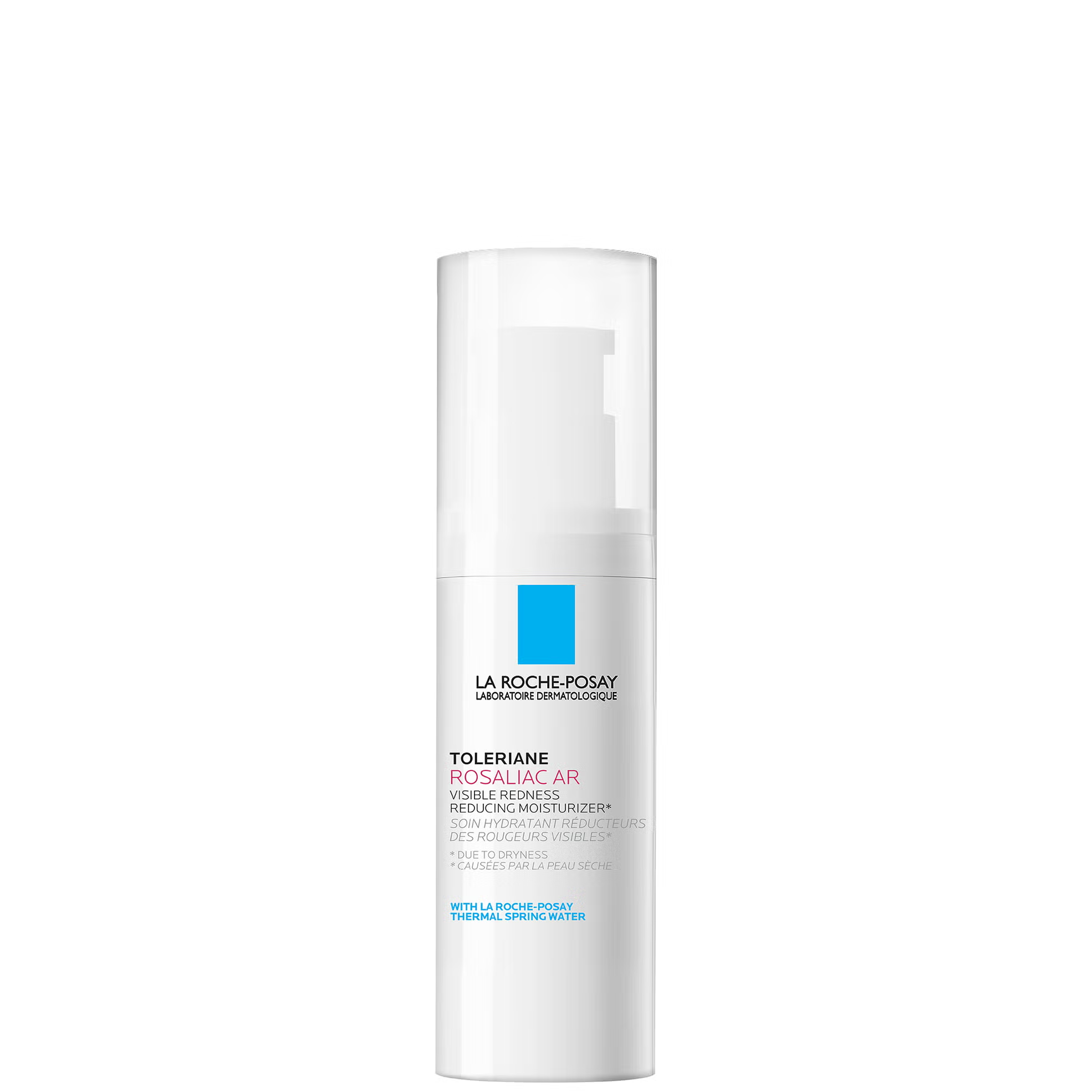
NATURIUM Azelaic Acid 10%
This 10% formula helps reduce inflammation and visible redness while supporting skin clarity, making it a useful option when introduced slowly and used consistently.
Where to buy: spacenk.com – £22 / 30ml
Daily SPF for Redness-Prone Skin
UV exposure is a major trigger for both redness and rosacea flares, making daily SPF non-negotiable year-round. Mineral formulas tend to be better tolerated than chemical filters for easily irritated complexions.
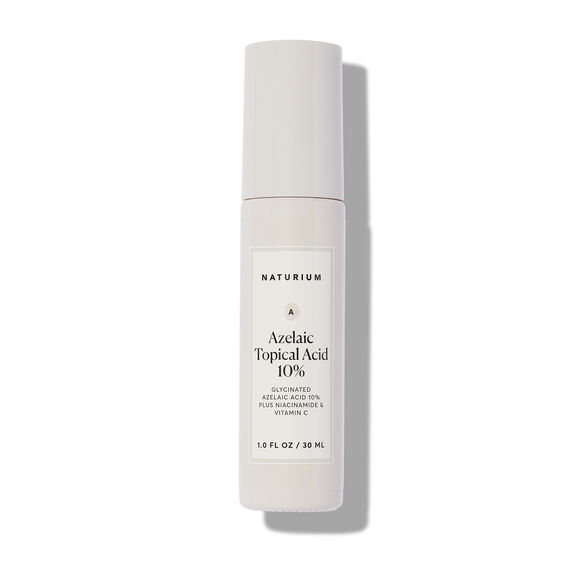
Heliocare 360 Mineral Tolerance Fluid SPF 50
Lightweight, fragrance-free and suitable for reactive or post-treatment skin that can’t handle heavy textures.
Where to buy: boots.com
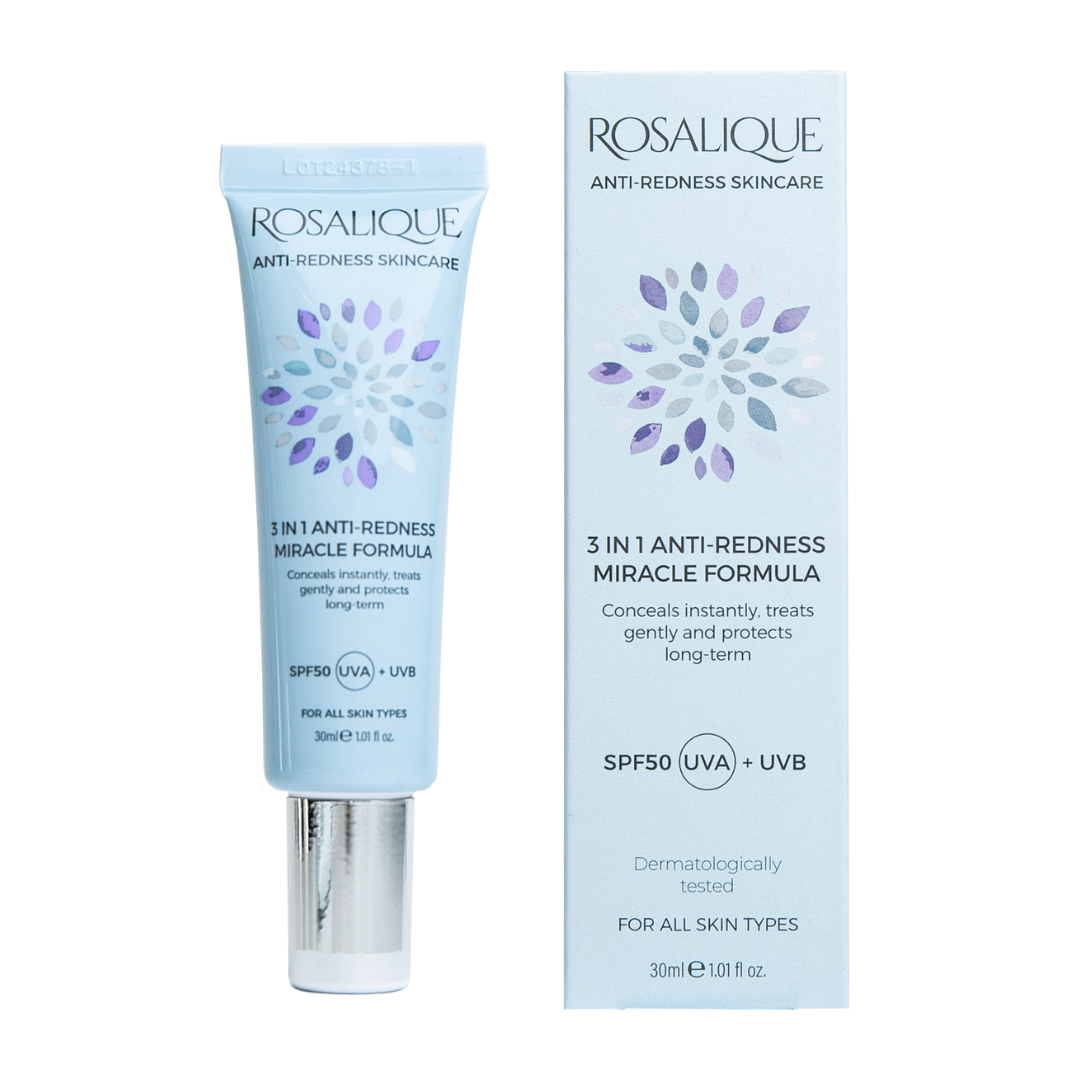
Rosalique 3 in 1 Anti-Redness Miracle Formula SPF50
A tinted SPF that combines broad-spectrum protection with subtle redness-neutralising colour correction. Its lightweight mineral formula helps shield skin from UV — a common trigger for flushing — while visibly toning down diffuse redness on application.
Where to buy: rosalique.co.uk – £30 / 30ml
Which In-Clinic Treatments Actually Help, and When to Seek Professional Help
When redness becomes ongoing rather than occasional, professional treatments can make a real difference — particularly when they target inflammation and visible blood vessels without compromising the skin barrier further.
“When redness is ongoing, in-clinic treatments can make a real difference,” explains Dr Alma. “Lumecca Peak IPL works by using targeted light to gently treat visible blood vessels and redness in the skin, helping to calm flushing and even out skin tone over a course of treatments.”
Most clients see visible improvement after 2-3 sessions spaced 4-6 weeks apart, with treatments typically ranging from £150-£300 per session depending on the clinic and area treated.
Treatment choice matters here.
“It’s not about stripping or resurfacing the skin,” she notes, “which is especially important for reactive clients. LED and barrier-support treatments can also help keep inflammation under control.”
If redness isn’t settling after 6-8 weeks of barrier-focused care, is worsening, or is accompanied by burning or breakouts, professional assessment becomes essential.
“If it’s persistent rather than occasional, it’s always worth seeing a professional rather than trying to manage it alone.”
Unlike general redness or sensitivity, rosacea requires long-term management rather than product switching alone.
The Seasonal Triggers You’re Probably Missing
Winter’s combination of harsh winds and indoor heating creates the perfect storm for reactive skin, but summer brings its own challenges : heat, humidity and increased UV exposure can all trigger flushing. Adjust your routine seasonally: richer textures and more frequent barrier support in winter, lighter layers and diligent SPF reapplication in summer.
In Short
Redness, sensitivity and rosacea might look similar on the surface, but they behave very differently. Understanding the signs and responding with supportive skincare and appropriate treatments is how you get to calmer, more resilient skin.
When in doubt, less is more: strengthen the barrier, keep treatments gentle and consult a professional if redness persists beyond two months of consistent care.