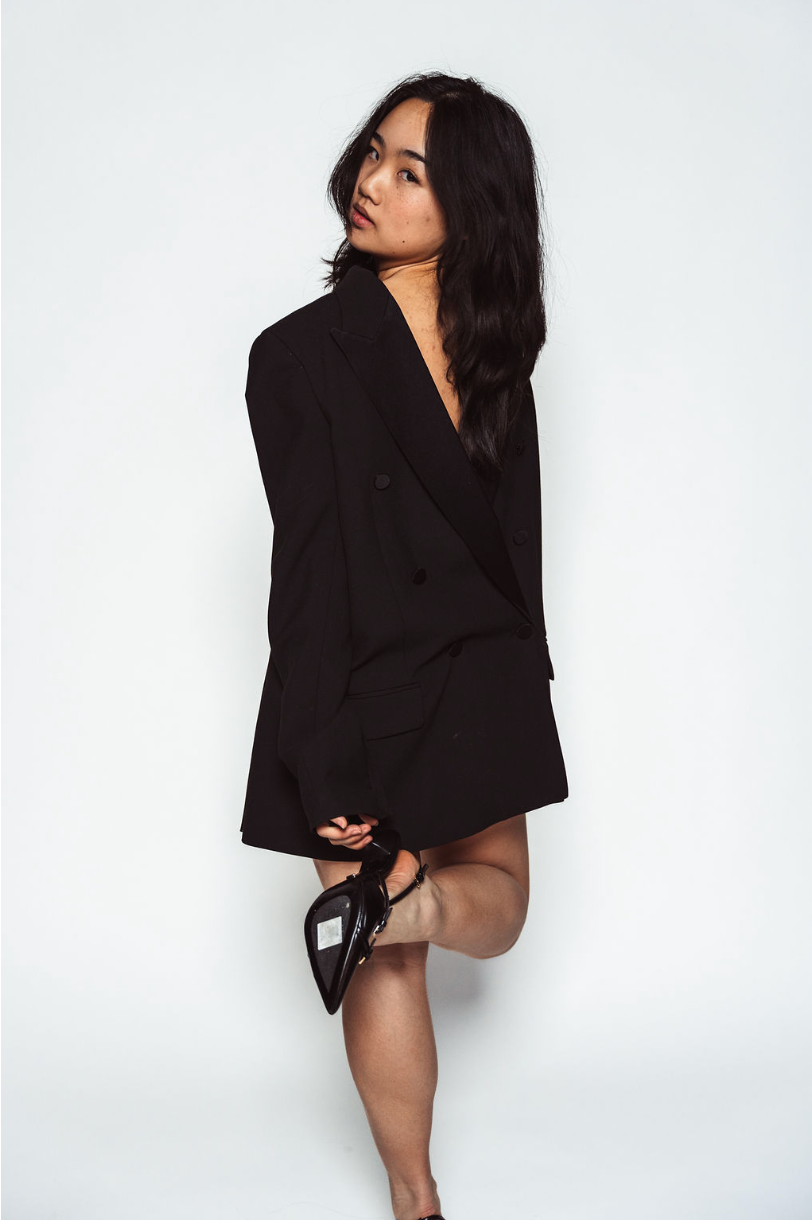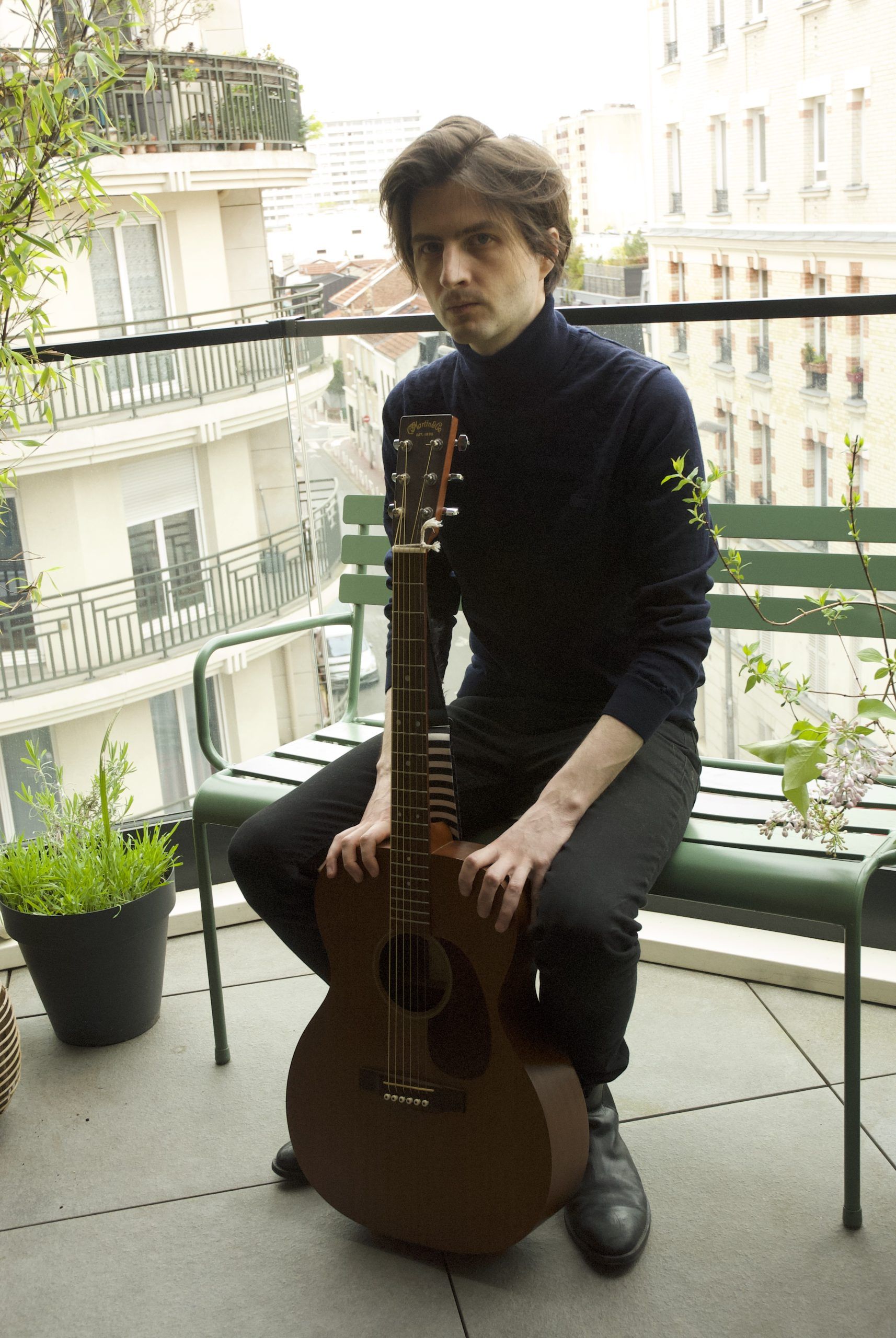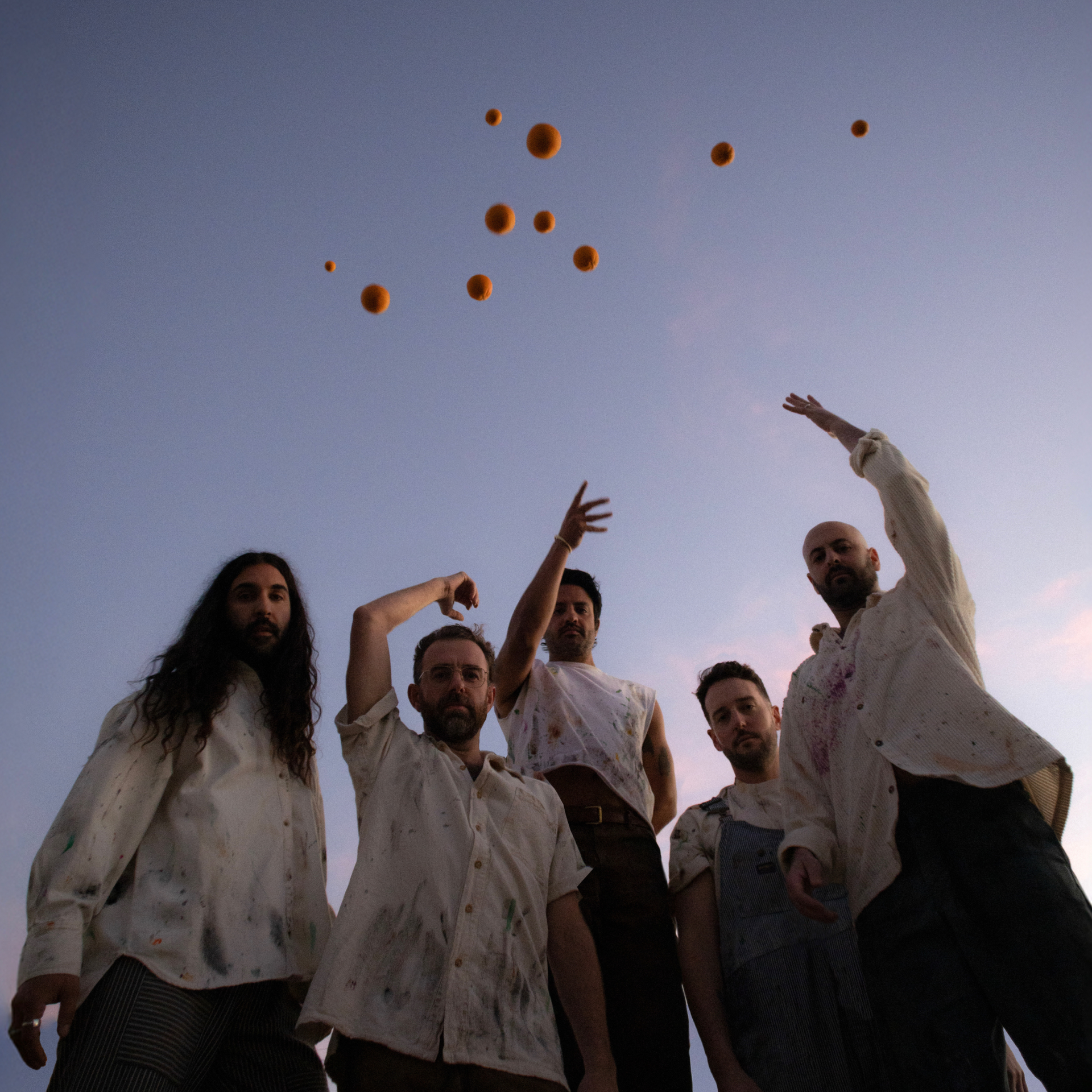
A consistent photography style is not something you stumble upon by accident. It is something you build slowly, often without realizing it, through repetition, curiosity, and deliberate choice. Many photographers worry that they do not yet have a recognizable style, as if it were a badge you either earn or do not. In reality, style is less about identity and more about alignment. It is the point where your visual preferences, technical decisions, and emotional instincts start moving in the same direction.
Developing a consistent photography style does not mean trapping yourself in a rigid formula. It means creating visual cohesion while leaving room to grow. Style is not a cage. It is a compass.
Understand That Style Is the Result, Not the Goal
One of the biggest misconceptions about photography style is that it should be pursued directly. Many photographers ask, “What is my style?” when the more useful question is, “What do I consistently respond to?”
Style emerges from patterns. It is visible in the images you gravitate toward, the light you prefer, the subjects you linger on, and the moments you choose to capture. Trying to define your style too early often leads to imitation rather than authenticity.
Instead of chasing a label, focus on making images that feel right to you. Over time, those feelings leave visual fingerprints. That is your style forming quietly in the background.
Pay Attention to What You Enjoy Photographing
Consistency begins with subject matter, even if it evolves later. Photographers who try to shoot everything often struggle to develop a cohesive look because their visual decisions are constantly resetting.
Notice what draws you in naturally. Is it people, landscapes, quiet interiors, street scenes, or small details? Do you prefer motion or stillness? Isolation or connection?
You do not need to limit yourself permanently, but leaning into what excites you accelerates stylistic clarity. Enjoyment leads to repetition, and repetition is how patterns emerge.
If you notice that you keep returning to similar themes, trust that instinct. Your style often knows itself before you do.
Identify the Light You Prefer
Light is one of the strongest style-defining elements in photography. Some photographers gravitate toward soft, diffused light. Others prefer high contrast and dramatic shadows. Some thrive in natural light, while others enjoy sculpting scenes artificially.
Pay attention to when you feel most confident shooting. Is it overcast days, golden hour, window light, or nighttime scenes? Look through your favorite images and note common lighting conditions.
Once you identify the type of light you consistently respond to, begin prioritizing it intentionally. Seek it out. Shape your shoots around it. Over time, light becomes one of the most recognizable aspects of your style.
Be Consistent With Color and Tone
Color palette plays a powerful role in visual identity. Even photographers who work primarily in black and white develop consistency through tonal range, contrast, and texture.
Review your work and look for color patterns. Do your images lean warm or cool? Muted or saturated? Earthy or bold? Consistency does not require sameness, but it does benefit from restraint.
When editing, aim to reinforce the mood you naturally create rather than reinventing it with every image. Develop a general approach to contrast, highlights, shadows, and color balance that feels like home.
Over time, viewers should feel a sense of familiarity when encountering your work, even if they cannot articulate why.
Let Editing Support Your Vision, Not Define It
Editing is where many photographers unintentionally derail their style. Chasing trends, experimenting endlessly with presets, or dramatically changing looks from shoot to shoot creates visual noise.
A consistent style uses editing as refinement rather than transformation. The goal is to enhance what was already present in the image, not to impose something unrelated.
This does not mean your edits must be minimal. It means they should be intentional and repeatable. If you cannot describe your editing approach in simple terms, it may be too complicated to support consistency.
Style strengthens when your editing decisions feel inevitable rather than experimental.
Study Your Own Work Like a Stranger Would
One of the most effective ways to develop a consistent photography style is to step back and review your work objectively.
Lay out your images and ask honest questions. Which ones feel most like you? Which feel forced or disconnected? What do your strongest images have in common?
Look for patterns in composition, framing, subject distance, and emotional tone. These patterns reveal your instincts more accurately than any external advice.
Resist the urge to judge quality at first. Focus on coherence. Style is about alignment, not perfection.
Learn From Others Without Copying Them
Studying other photographers is essential, but imitation without reflection stalls growth. When you admire someone’s work, go deeper than surface aesthetics.
Ask what specifically resonates with you. Is it their use of light? Their patience? Their emotional restraint? Their boldness?
Understanding why something works allows you to translate the principle into your own voice rather than copying the result.
This includes studying thoughtfully curated stock photos. High-quality stock imagery often demonstrates strong stylistic clarity because it relies on consistency to communicate effectively across many uses. Analyzing these images can sharpen your understanding of lighting, composition, and mood without the pressure of authorship.
Learning is about absorption, not duplication.
Limit Your Tools Intentionally
Too many options can blur stylistic direction. While experimentation is important, constant gear changes can slow the development of a consistent look.
Limiting your tools forces you to solve problems creatively within constraints. Using the same focal length regularly trains your eye to see composition instinctively. Shooting primarily with one camera or lens reduces technical distractions.
This familiarity allows your attention to shift toward storytelling, timing, and emotion, which are the real engines of style.
Constraints do not limit creativity. They focus it.
Shoot With Intention, Not Volume Alone
Volume matters, but intention matters more. Shooting endlessly without reflection often leads to repetition without growth.
Before shooting, ask yourself what you are trying to express. Mood, story, texture, connection. Having a loose intention aligns your decisions and reinforces consistency.
After shooting, review what worked and what did not. Style develops through feedback loops. The tighter the loop, the faster the clarity.
Accept That Style Evolves
A consistent photography style is not static. It evolves as you do. Growth does not mean abandoning consistency. It means refining it.
Early work often feels scattered because you are learning what resonates. Mid-stage work begins to show patterns. Later work feels intentional and calm.
Allow yourself to change without panic. Style that evolves naturally remains authentic. Style that is forced tends to fracture.
Consistency is about coherence, not permanence.
Trust the Slow Reveal
The most recognizable photography styles are rarely announced. They are discovered by others over time.
When viewers can look at an image and sense the photographer’s presence without seeing their name, style has taken root. That recognition comes from repeated choices made thoughtfully over many images.
Developing a consistent photography style is not about becoming someone else. It is about becoming more yourself, visually and honestly.
The more you shoot with awareness, the clearer your voice becomes. And once it does, consistency follows quietly, frame by frame.