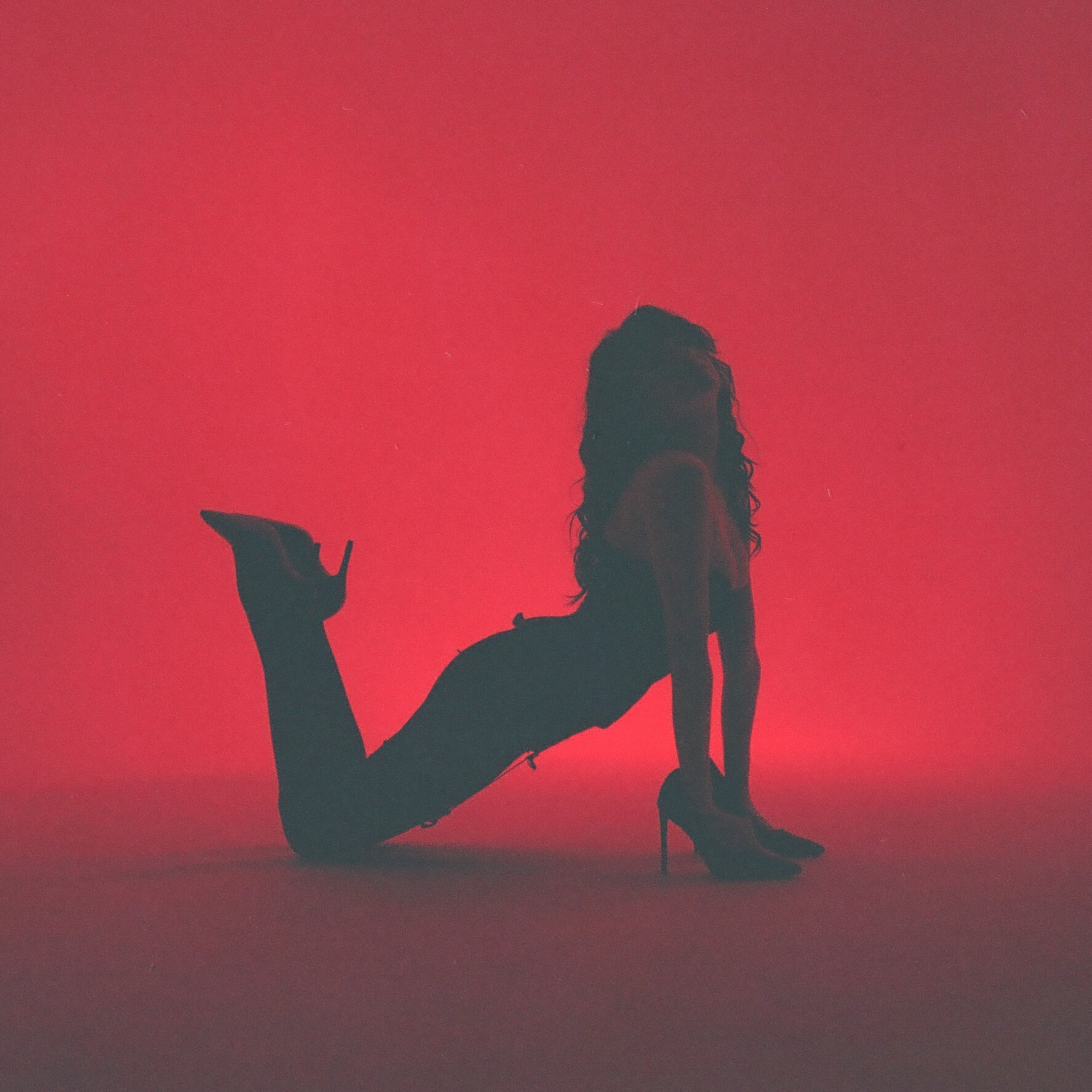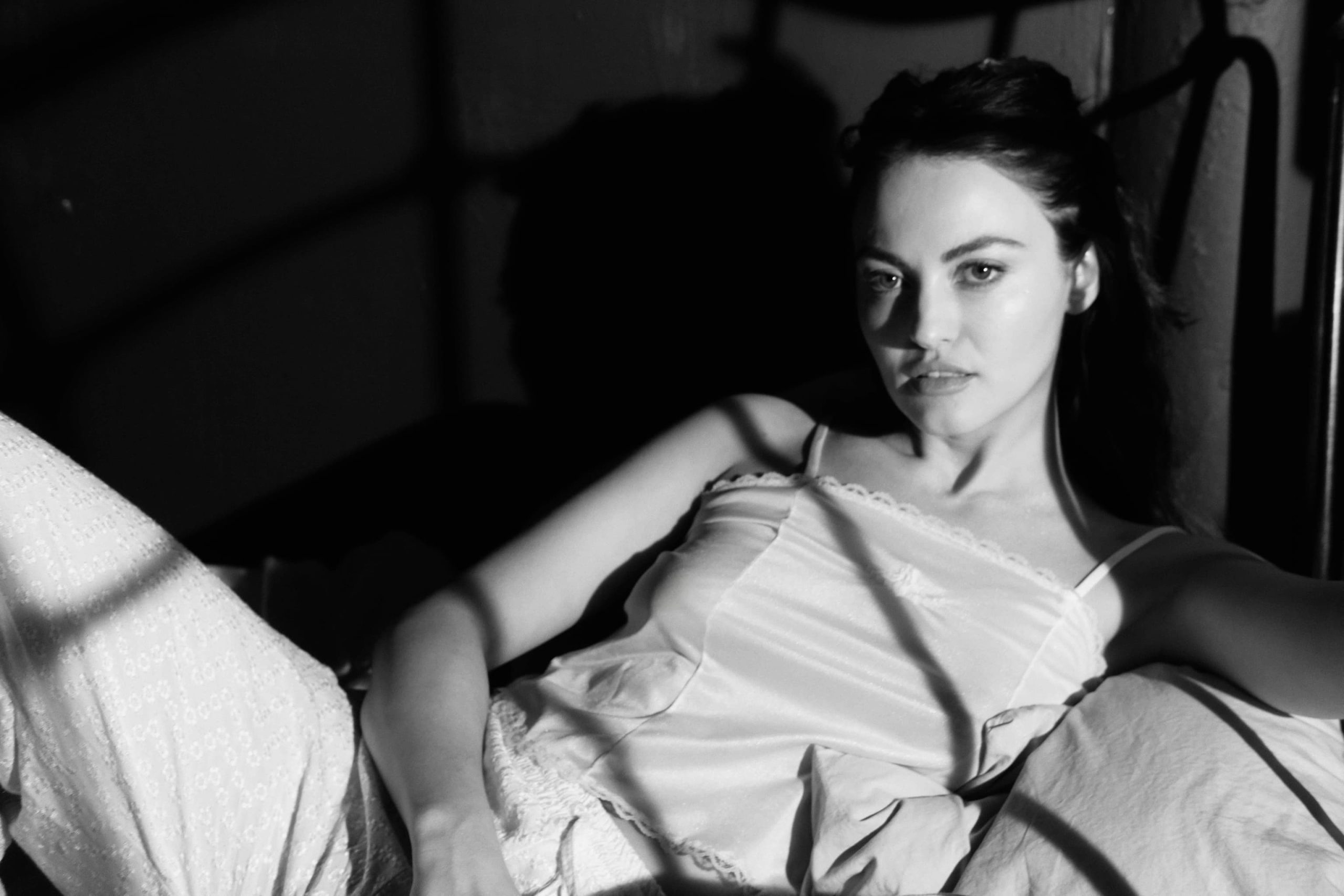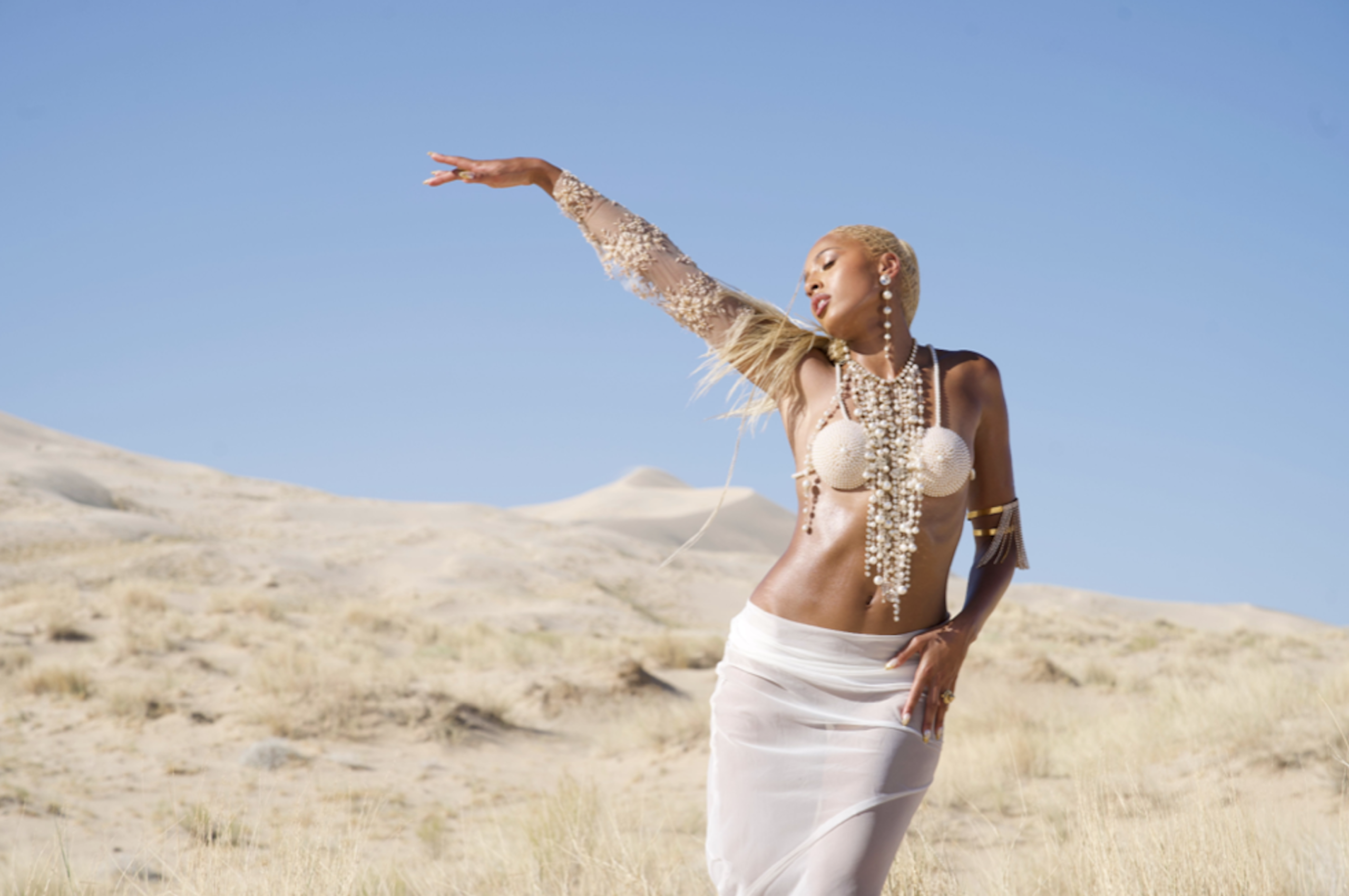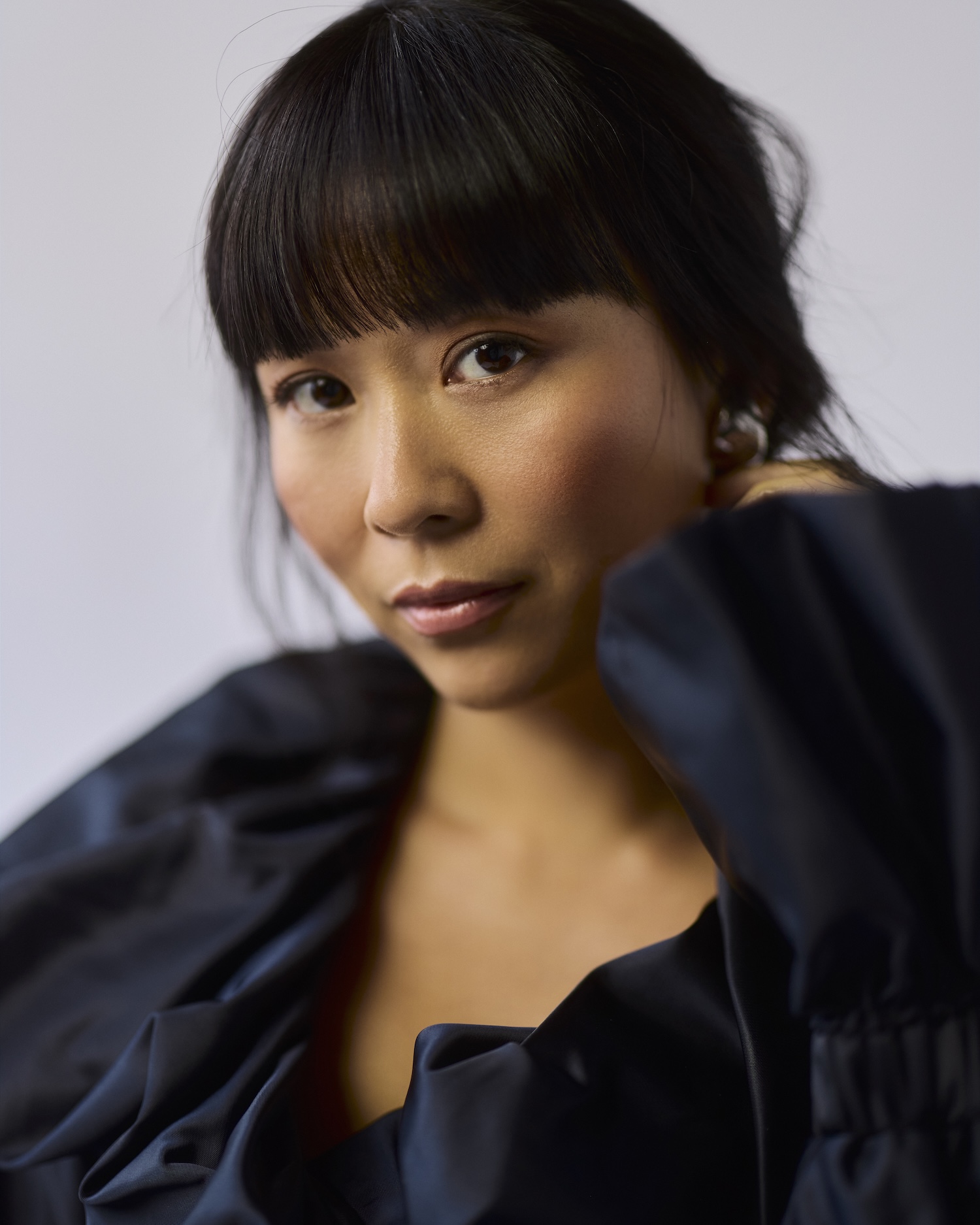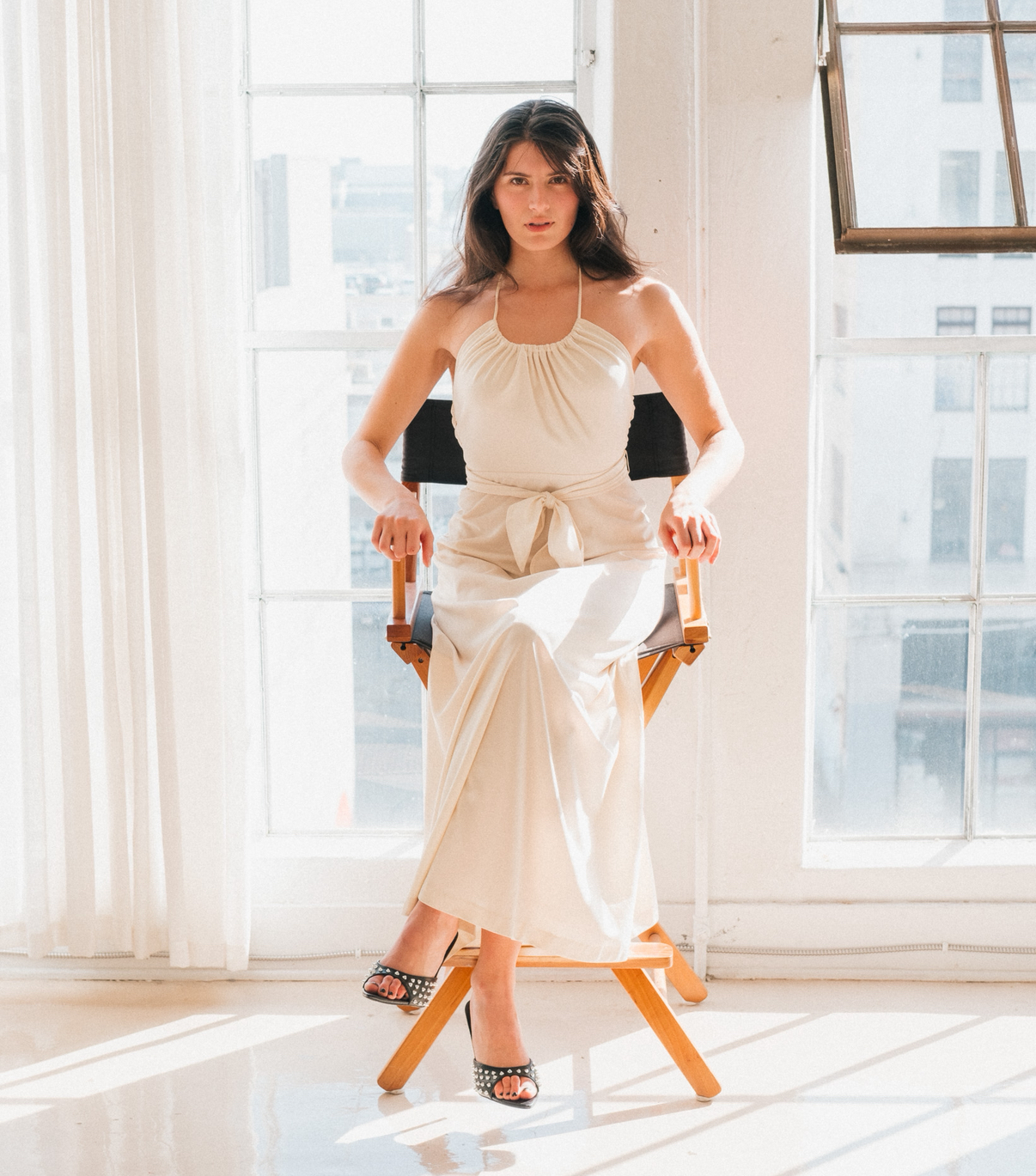
Before she stepped fully behind the camera, Alivia Levie was used to being in front of it. Now, with her debut series Tunnel Vision, she’s the one calling the shots and she’s not playing it safe.
The show, which premiered at London West Hollywood with Tara Reid among the guests, digs into the cracks beneath polished Bay Area suburbia. It moves back and forth in time, lets us inside each character’s head, and isn’t interested in neat heroes or obvious villains. Everyone’s messy. Everyone’s human. That’s kind of the point.
Set in Marin County, the series pulls from Levie’s own memories growing up, but twists them into something darker and sharper. Wealth, pressure, self-destruction, family dynamics that look perfect from the outside. It’s uncomfortable in places. It’s meant to be.
In 18 Questions, she talks about reprogramming her relationship with her phone, why hot yoga and long walks are non-negotiable, being misjudged, and what it was like juggling writing and directing on a project this ambitious. There’s honesty about mental health, people-pleasing, ambition, and the stubborn belief that if you care enough about a story, you’ll find a way to make it happen.
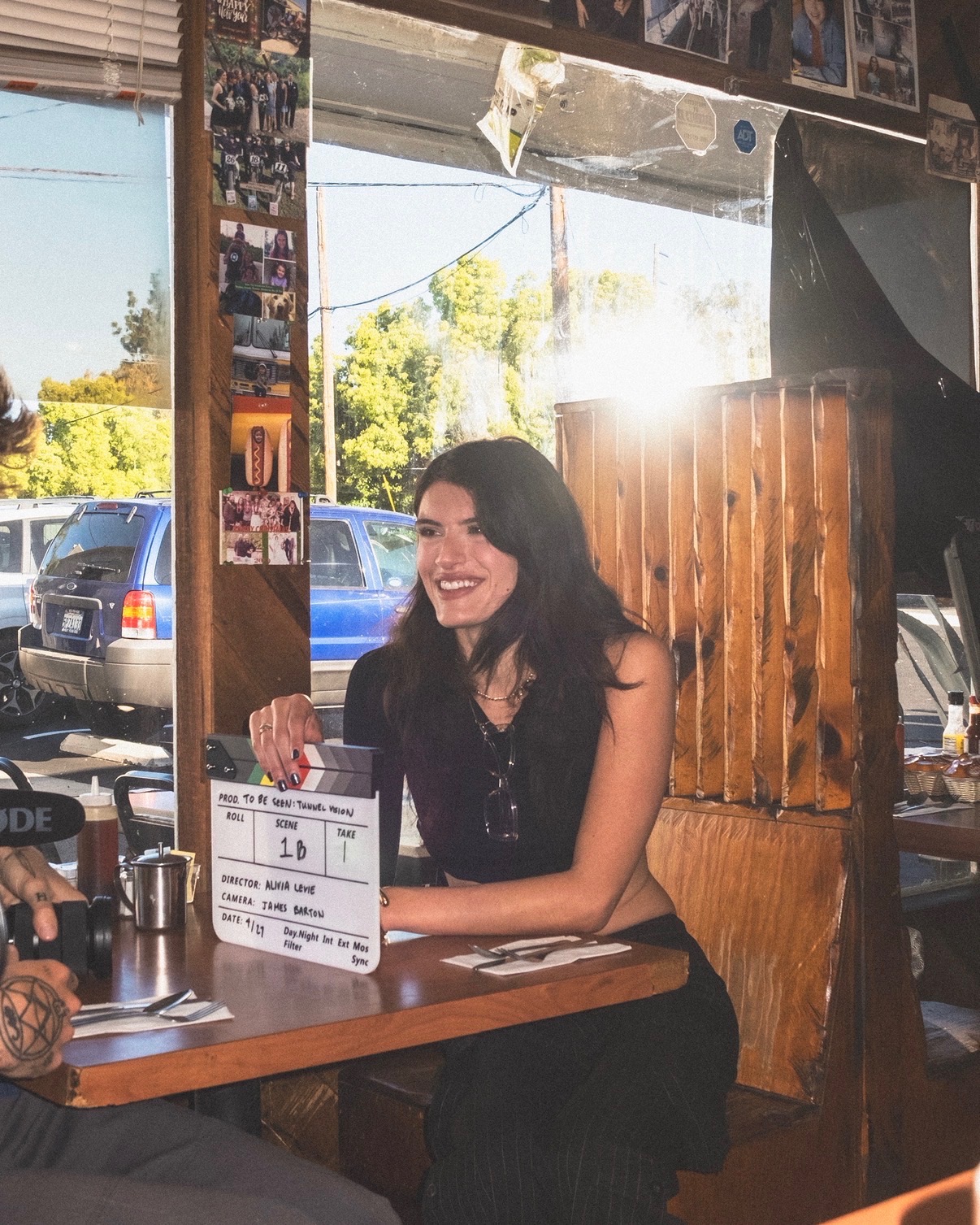
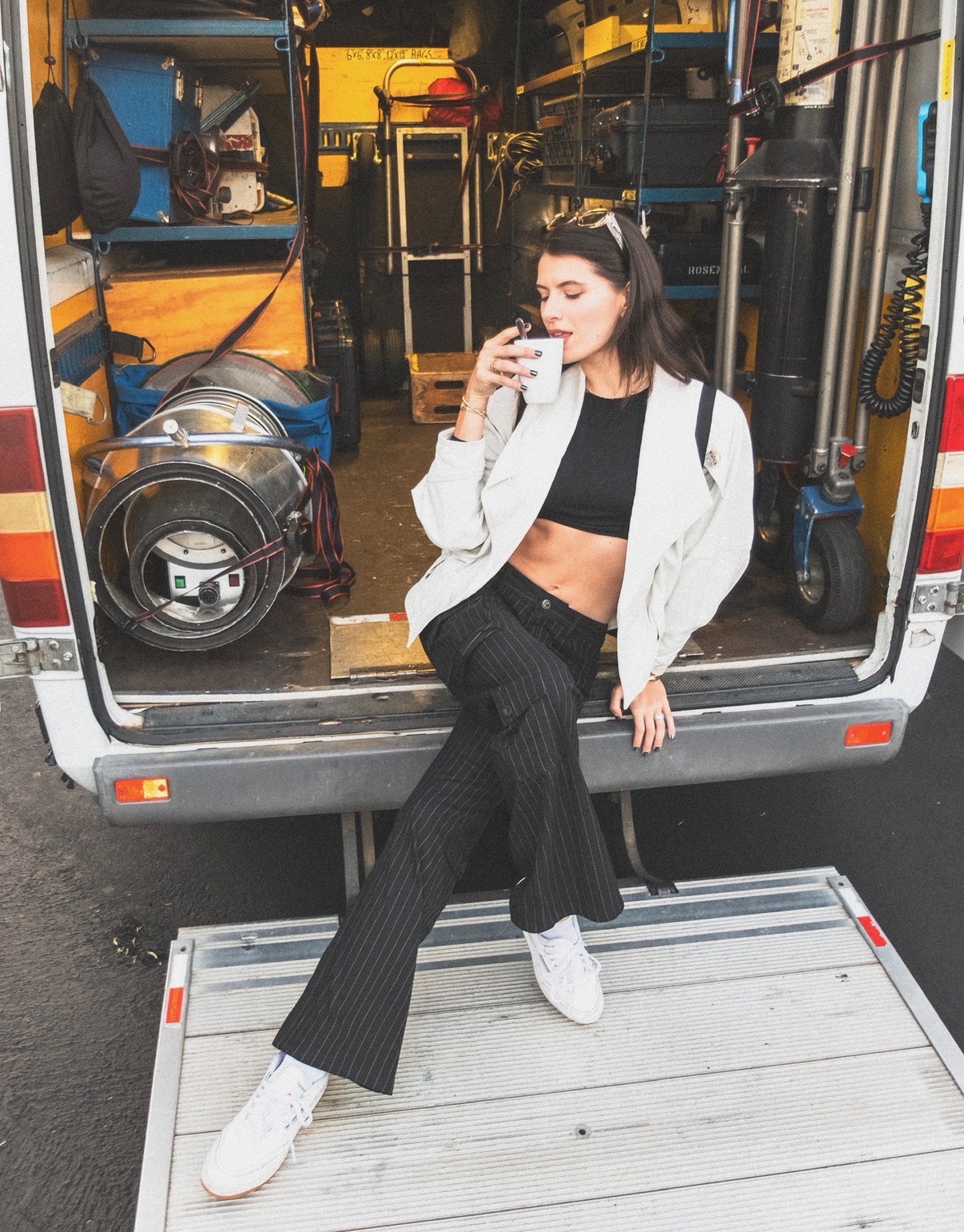
1. What’s the very first thing you reach for when you wake up — your phone, water, coffee, or something else?
I’ve had seasons in my life where this changes; but I’d say in this season the first thing I reach for is water and my phone. I used to have a toxic relationship with my phone and social media (haven’t we all?), but now I just feel excitement when I reach for it because it used to be for online consumption, but now it’s for creation. I can’t wait to start filming my day, take photos on a walk outside, or film the list of that day’s auditions. It’s taken some intentional reprogramming of why I reach for my phone, and that why has shifted in the last two years.
2. Do you have any small rituals that make a normal day feel a bit more intentional?
I’m a big fan of movement. I feel like it’s the perfect way to move energy out of my body, releasing me from stagnation. Whether this is a pilates or barre class at FOLM studio, a hot yoga class at Kinship Yoga, or a walk through the Silverlake reservoir, movement is a daily non-negotiable for my physical and mental health. I’ve always been able to recharge with nature and being outside in the light. It’s where I find my best ideas and inspiration. It’s where I reflect.
3. When your brain feels noisy, what actually helps quiet it down?
I love talking to a friend or someone I feel safe with, and when I don’t feel like sharing I enjoy journaling. I have been journaling since I was as young as I can remember, and it’s so special to look back on my thoughts and observations during certain seasons of life. I’ve always been a deep thinker and a deep feeler, so being able to verbally or visually brain dump always quiets my mind. A third tactic I love is turning on a favorite film like Palo Alto or Interstellar.
4. What’s something you’ve been obsessed with lately that has nothing to do with filmmaking?
I have been obsessed with traveling. Seeing the world. I love to explore and I love novelty. Experiencing a new place or meeting a new group of individuals with their own stories really pulls me in.
5. Are you naturally organised, or does chaos play a role in your creative process?
I’ve always loved keeping my space organized and well curated. I like to know where everything is and I’m very intentional with how I stage my home. I gravitate toward organized people when I’m collaborating, which I’m proud of because past versions of me were definitely attracted to chaos. I’ve been known as a fixer and always want to heal or problem-solve for those around me. But I am my best self when surrounded by people who are collected and composed.
6. Where do you feel most yourself — on set, at home, or somewhere in between?
I have always felt most myself on stage or on screen performing. Drama and theatre saved me growing up and made me feel seen, but as a woman I’m less concerned about being seen and more focused on being felt. I always feel most myself when I’m on set, whether directing or acting. I feel most me when I’m doing something that matters.
7. What’s advice you’ve heard a hundred times but only recently started to understand?
I spent a lot of my life as a people pleaser. Sometimes that led to self-sabotage and self-abandonment. In the last year I’ve really learned that when you respect yourself, those who you respect will respect you more for doing so. Even if that means saying no or putting your foot down. Standing in your authentic power will always attract alignment.
8. How do you like to spend time when you’re not working and no one needs anything from you?
I find myself wanting to go back to my hometown in Northern California whenever I can. I visit all my favorite nature spots and recall every memory I’ve had there. I love to reflect on moments that made me who I am. I like to get dirty in the mud, frolic in the mountains, put my phone away and switch to a film camera. I always come home to myself, in love and out of breath.
9. What’s one assumption people tend to make about you that misses the mark?
I hate when people misjudge me before getting to know me. Since I’m also a model and have been told I’m very pretty, people sometimes don’t see my internal world. I was bullied growing up for being awkward, fat and ugly. In my heart, I’m still that 12-year-old girl sometimes. If people judge me based on appearance, I don’t take it personally. The ones who get to know me are the ones who matter.
10. Right now, what feels non-negotiable in your life?
Sharing the same values as the people I surround myself with. I was born to make waves in this industry, and I won’t stop until I feel I’ve done that as a storyteller. I strive to be intentional about making the entertainment industry a kinder and deeper space for artists.
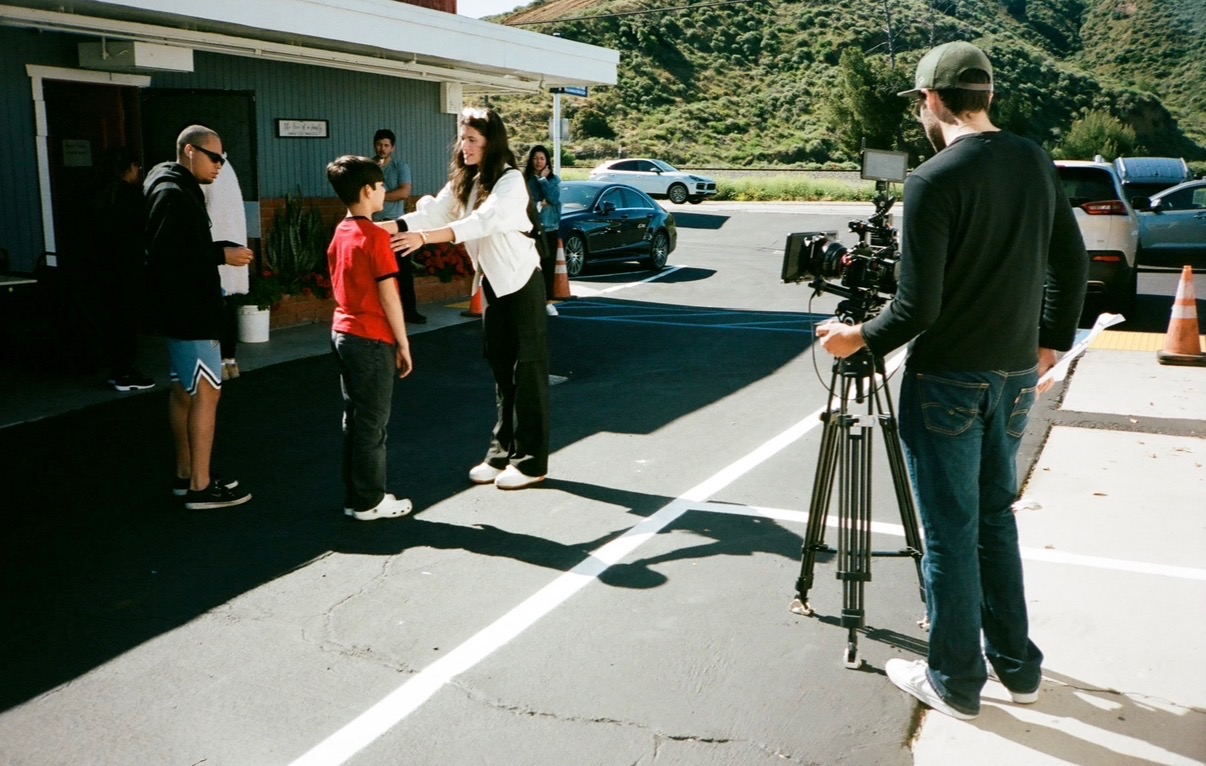
11. Tunnel Vision uses fractured timelines and shifting points of view. When did that structure start to feel essential to the story?
That was the main theme from the beginning. I strongly believe life experiences shape us, so I wanted to implement that through flashbacks and multiple timelines. It enhances empathy and humanizes the characters as much as possible.
12. The series draws from personal memories and real experiences. How did you decide what to transform into fiction and what to hold back?
The series resonates with my experience growing up in Marin County. I blended stereotypes I witnessed with new characters and stories. It’s such an intriguing bubble, beautiful on the surface but with so much going on underneath.
13. Each episode centres on a different character’s inner world. Was there one perspective that challenged you the most?
I didn’t feel challenged creating these inner worlds. I’ve always been interested in psychology, and I had been waiting for a project where these stereotypes and struggles could bleed into fully realized characters.
14. The story is set against the polished calm of suburban Marin County. What made that the right place to explore emotional fracture?
No matter where you grow up, there will always be struggle. Money can’t fix emotional fractures in families. Marin County has wealth and beauty, but also binge-drinking, overdoses, self-harm, and pressure. I wanted to show that even when everything looks perfect, deeper issues are often hiding beneath the surface.
15. Wearing both the writer and director hats, how do you know when to push a scene further and when to let it breathe?
A mentor told me to allow improv on set. That’s where some of the best work happens. I made sure to leave room for that, and it brought new layers to the characters. I prioritize rehearsals so actors feel safe enough to go there emotionally.
16. As a director, how do you help actors access that level of vulnerability?
I ask them to draw from their real experiences or someone they’ve known. I’ve always used my own life in performances, and it brings authenticity. Leaning into that approach allowed us to achieve raw, phenomenal performances.
17. Tunnel Vision marks your directorial debut at this scale. What did making it reveal about how you work under pressure?
I discovered that being solution-oriented is a gift of mine. If something seemed impossible, we found a way. Shooting in two locations with separate crews, casting multiple ages, building rain rigs on a budget. I love a challenge. Completing this project showed me nothing is impossible if you believe in it enough.
18. After completing this project, how do you feel it’s shaped the kinds of stories you want to tell next?
I’m here to tell stories that create change and speak to truth. Relationship dynamics, family, deep love, heartbreak. Stories with heart. Film and television helped me feel seen growing up, and I want to create work that increases empathy and emotional intelligence in others. That’s why I do this.
For more info follow @thetunnelvisionseries