Love has always been the constant. Everything else is being rewritten.
There is a particular kind of wedding that feels familiar before it even begins.
The neutral florals. The predictable playlist. The groom in a black suit is indistinguishable from every other groom in every other photograph from the last twenty years.
For a long time, this was the template. Most people followed it without much question.
That template is dissolving.
Across Australia and beyond, weddings are becoming something far more considered, far more personal and, frankly, far more interesting.
The modern couple is approaching the day not as a performance of tradition but as a genuine act of self-expression. Fashion, setting and ritual are all being renegotiated, and the results are more compelling than anything a prescriptive wedding checklist could produce.
The Changing Face of Wedding Fashion
Bridal fashion has always carried a certain cultural weight. What is shifting now is who that conversation belongs to.
It no longer centres exclusively on the bride.
Grooms are dressing with intention.
The era of the reluctant suit, chosen because it seemed like the obvious thing to do, is giving way to something more deliberate. Colour, texture, tailoring and jewellery are all being used as tools of identity rather than obligation.
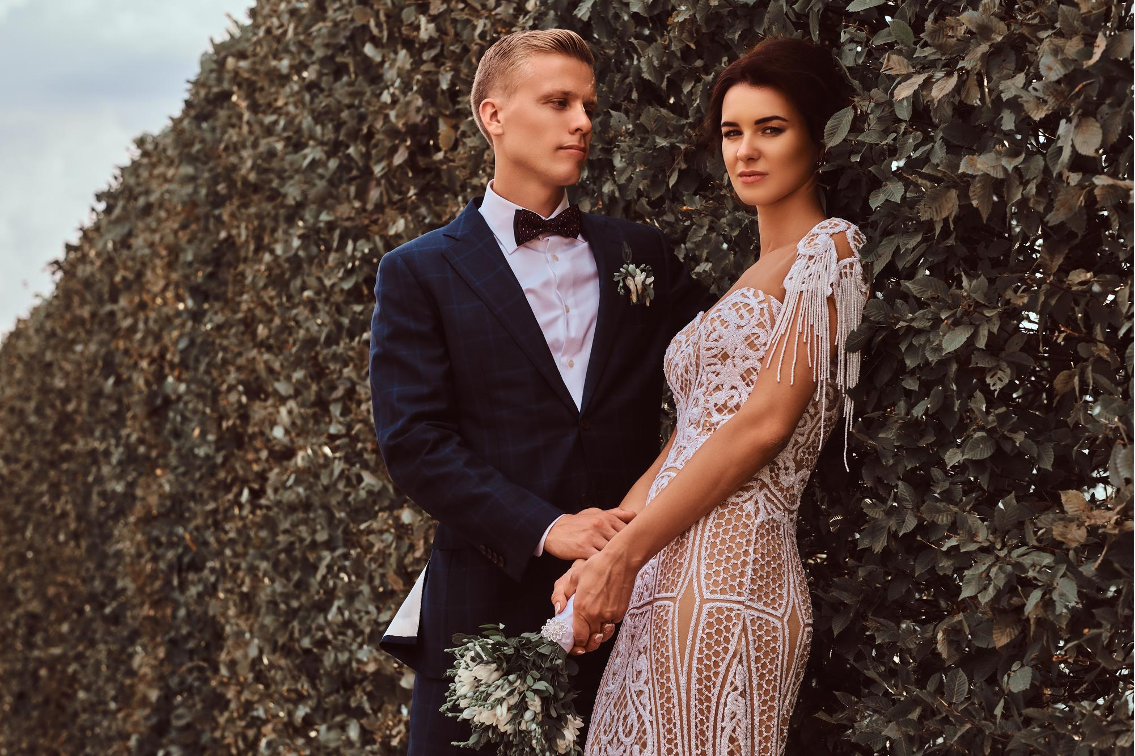
A groom today might arrive in ivory linen, double-breasted navy or a considered all-black look that owes more to the runway than the rental rack.
Jewellery, specifically, has become a defining detail.
Where once a plain gold band was the only acceptable groom accessory, couples are now choosing pieces that carry genuine weight, both literally and symbolically.
Yellow gold has surged back into cultural relevance across fashion and fine jewellery alike, and the wedding ring is no exception.
Those wanting to explore the breadth of what is available can shop mens gold wedding rings in Australia across a range of styles that move well beyond the traditional flat court band, from hammered textures and brushed finishes to bolder, sculptural designs that read as fashion-forward as anything on a menswear runway.
This shift in groom style reflects something broader.
Masculinity at weddings is being reexamined. Men are investing in how they look on the day, not to compete with their partners but to stand beside them as an equal participant in the aesthetic narrative of the event.
The old idea that the groom simply dressed not to embarrass himself is, to put it plainly, over.
For brides, the changes are just as striking.
The reign of the traditional white ballgown is far from finished, but it now shares space with bias-cut slip dresses, tailored jumpsuits, coloured gowns and separates that prioritise movement and personality.
The obsession with looking like a version of a bride from a magazine has been replaced by something more interesting: looking like yourself, but elevated.
As explored in recent formalwear coverage, the most memorable wedding looks today are built on authenticity rather than adherence.
Accessories have followed the same logic. Bold boutonnières, vintage cufflinks and textured pocket squares are no longer afterthoughts.
They are the details that make an outfit a statement.
The Importance of Setting and Experience
Fashion tells one half of the story.
The setting tells the other.
Where a wedding happens is no longer an afterthought determined by availability or family expectation.
It is a primary creative decision that shapes everything from the dress code to the flowers to the feeling guests carry home with them.
Couples are choosing venues the way they might choose a backdrop for a portrait: with intention, with mood and with a clear sense of what they want the space to say.
Melbourne has emerged as a particularly compelling city for couples who care about this.
Its cultural richness, architectural diversity and food scene have made it a city where the venue itself becomes part of the experience. Rooftop settings with skyline views, converted warehouses with raw industrial bones and waterfront spaces that blur the line between interior and exterior are all part of what the city offers.
For those wanting to move beyond the conventional ballroom, the range available when you discover wedding venues in Melbourne reflects exactly that appetite for something more specific.
Harbour-facing terraces, art deco dining rooms and spaces where floor-to-ceiling glass meets the city below are increasingly what couples are drawn toward, not because they are extravagant but because they feel considered.
The guest experience is part of this equation too.
The modern couple is not just hosting a party but curating an atmosphere.
Long tables instead of round ones. A grazing spread instead of a formal menu. A ceremony so short and personal that nobody checks their phone.
These decisions accumulate into something that feels entirely unlike the weddings of the generation before, and that is precisely the point.
Location and setting now communicate as much about a couple as their vows do.
A waterfront dinner that runs late into the night says something different from a garden ceremony at noon. Neither is wrong. Both are intentional.
That intentionality is what defines the modern wedding more than any single trend.
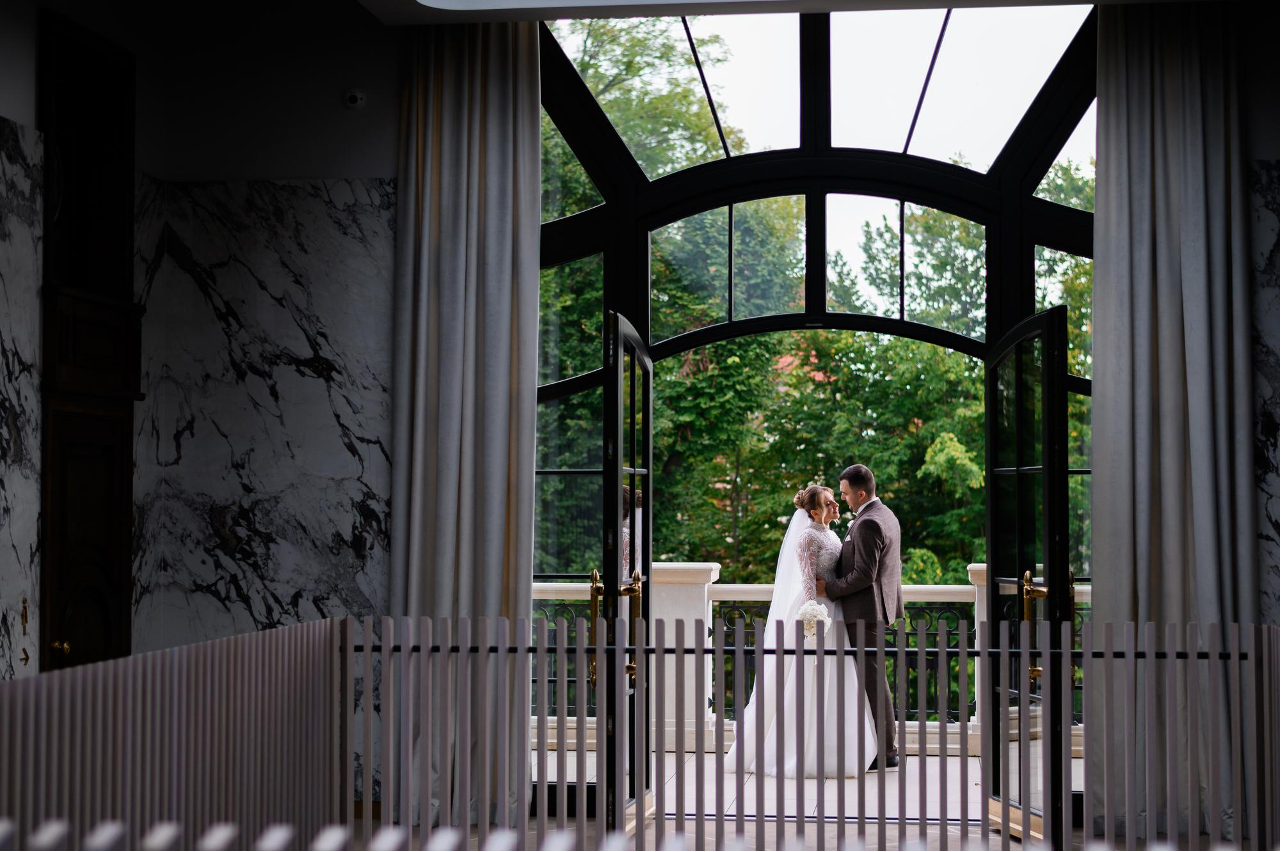
Beyond the Day: Meaning, Memory and Care
The conversation around weddings rarely extends much past the reception.
But what happens after the day matters more than people tend to admit.
A wedding dress carries a different kind of weight once it has been worn. It has absorbed the whole of the day: the joy, the nerves, the dancing, the accidental champagne.
For some couples it represents a significant financial investment. For many it holds something money cannot quantify at all.
Sustainability has entered the wedding world through multiple doors, and the care and longevity of garments is one of the most quietly meaningful.
Rather than sealing a dress into a box and hoping for the best, or leaving it in a bag at the back of a wardrobe, couples are increasingly treating post-wedding care as a genuine priority.
Specialist wedding dress dry cleaning services exist precisely for this purpose, offering professional preservation that accounts for the delicacy of bridal fabrics, the complexity of embellishments and the particular challenges posed by heirloom-quality construction.
Whether a dress is destined to be passed on, resold, repurposed or simply stored with intention, professional care extends its life in a way that reflects the broader cultural shift toward valuing what we already own.
The same logic applies to wedding suits and accessories.
A well-made suit that has been properly cared for can be worn to graduations, christenings and anniversaries. A gold wedding ring that is cleaned and maintained becomes something that genuinely improves with time.
Aftercare is not a footnote. It is part of the commitment.
The New Language of Weddings
What all of this points to is a generation that has stopped treating weddings as a social obligation and started treating them as a genuine creative project.
The choices are more specific. The details are more personal.
The willingness to step away from what has always been done is more confident than it has ever been.
None of this means tradition is dead.
It means tradition is being chosen rather than inherited by default. And there is a difference worth recognising.
A couple who opts for a classic ceremony with all the formality intact, but brings that decision from a place of genuine desire rather than expectation, is participating in exactly the same cultural shift as the couple who writes their own vows in a converted warehouse in Fitzroy.
Modern weddings are not about breaking with the past for the sake of it.
They are about understanding the past well enough to decide, consciously, what to carry forward.
The result, when it works, is a day that reflects two actual people rather than an idealised image of who a couple is supposed to be.
And that, more than any trend, is what makes a wedding truly unforgettable.