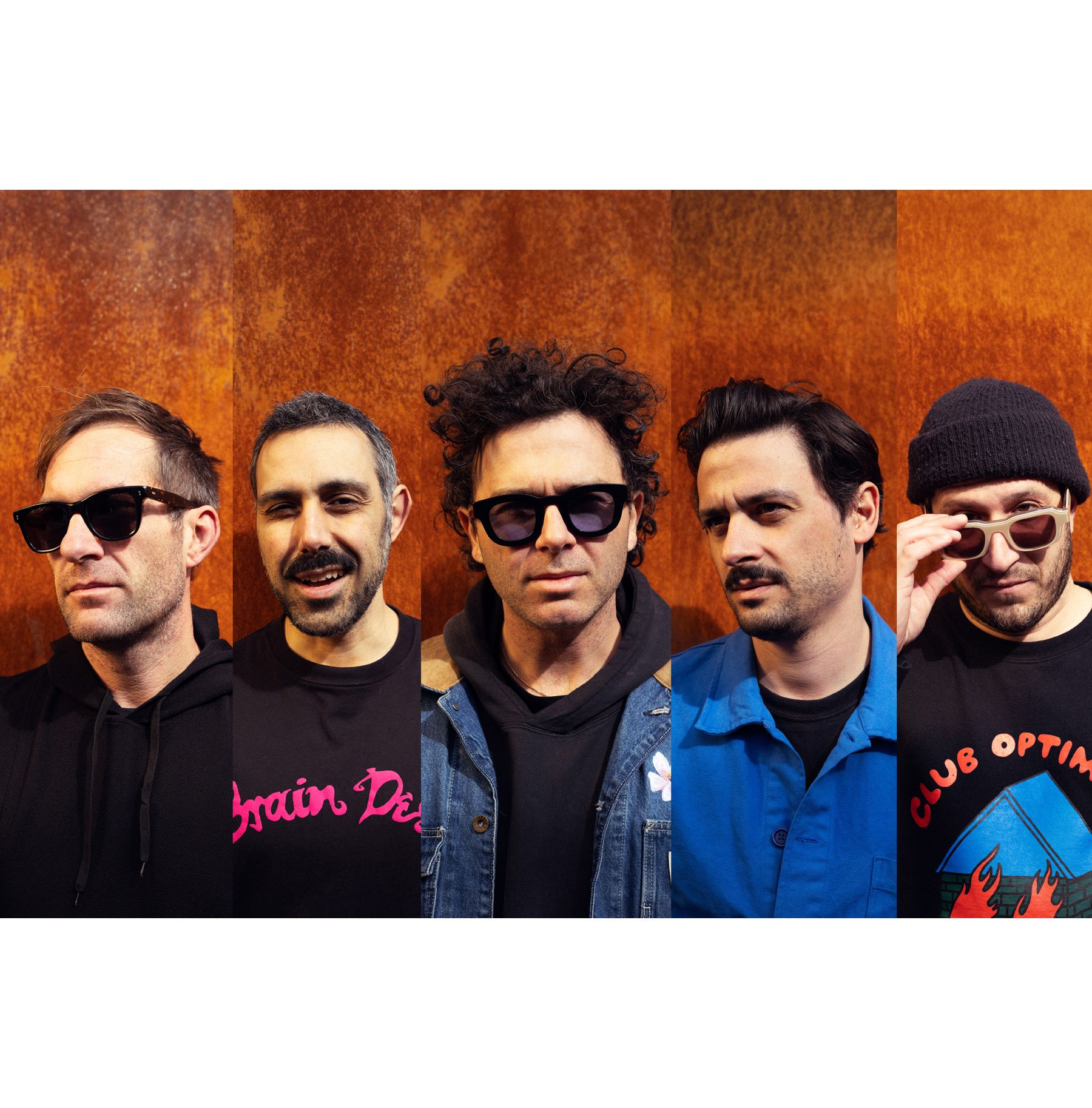
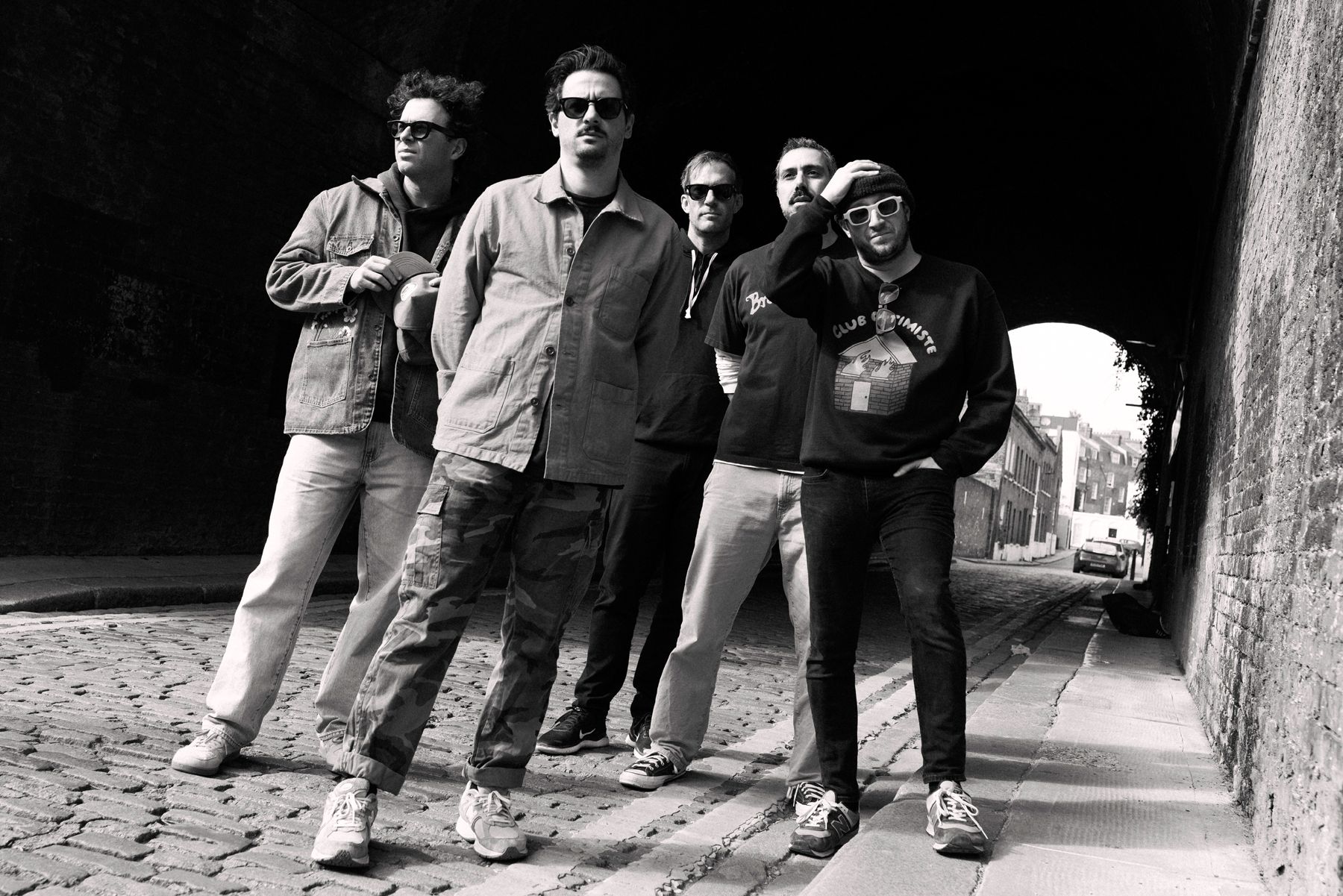
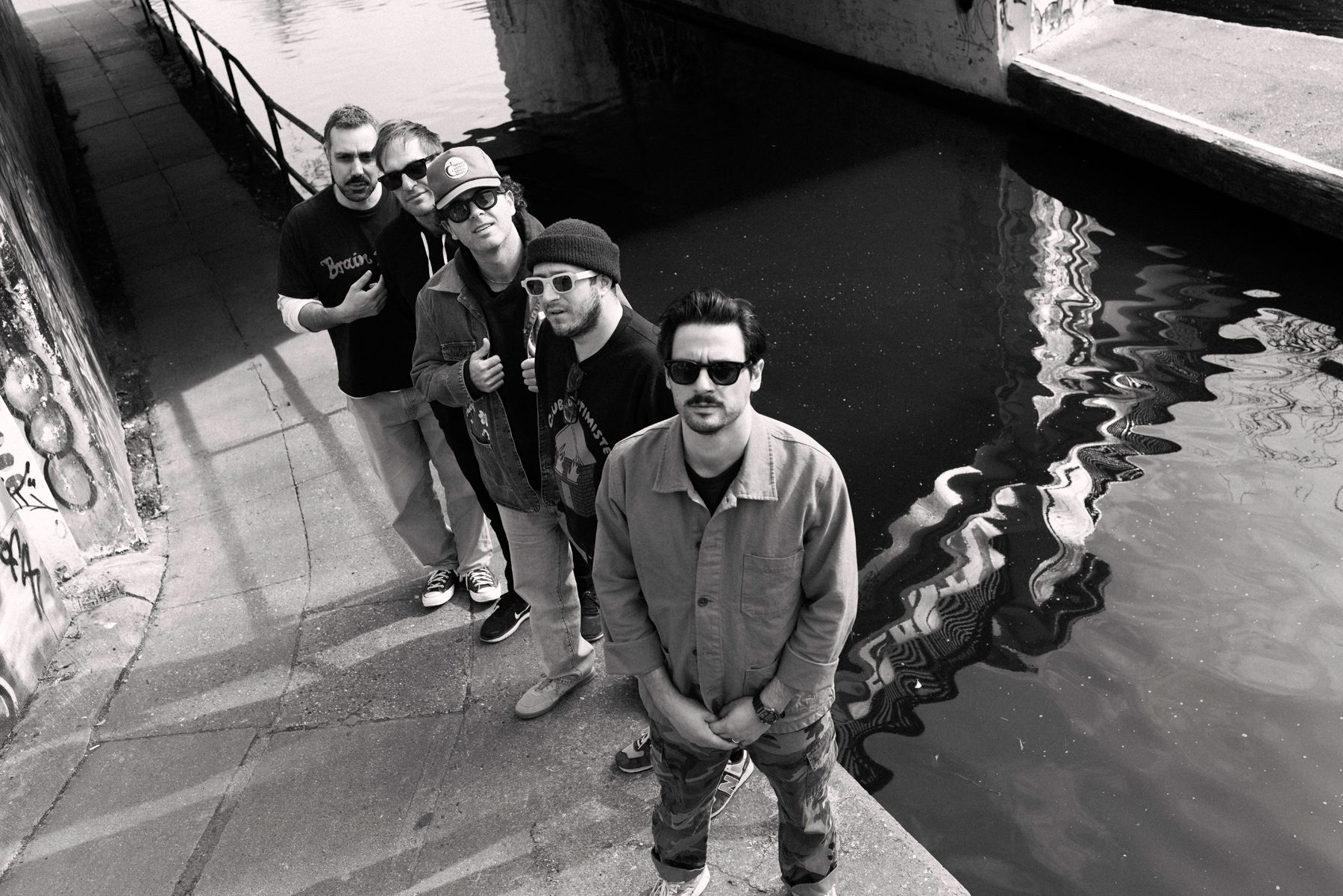
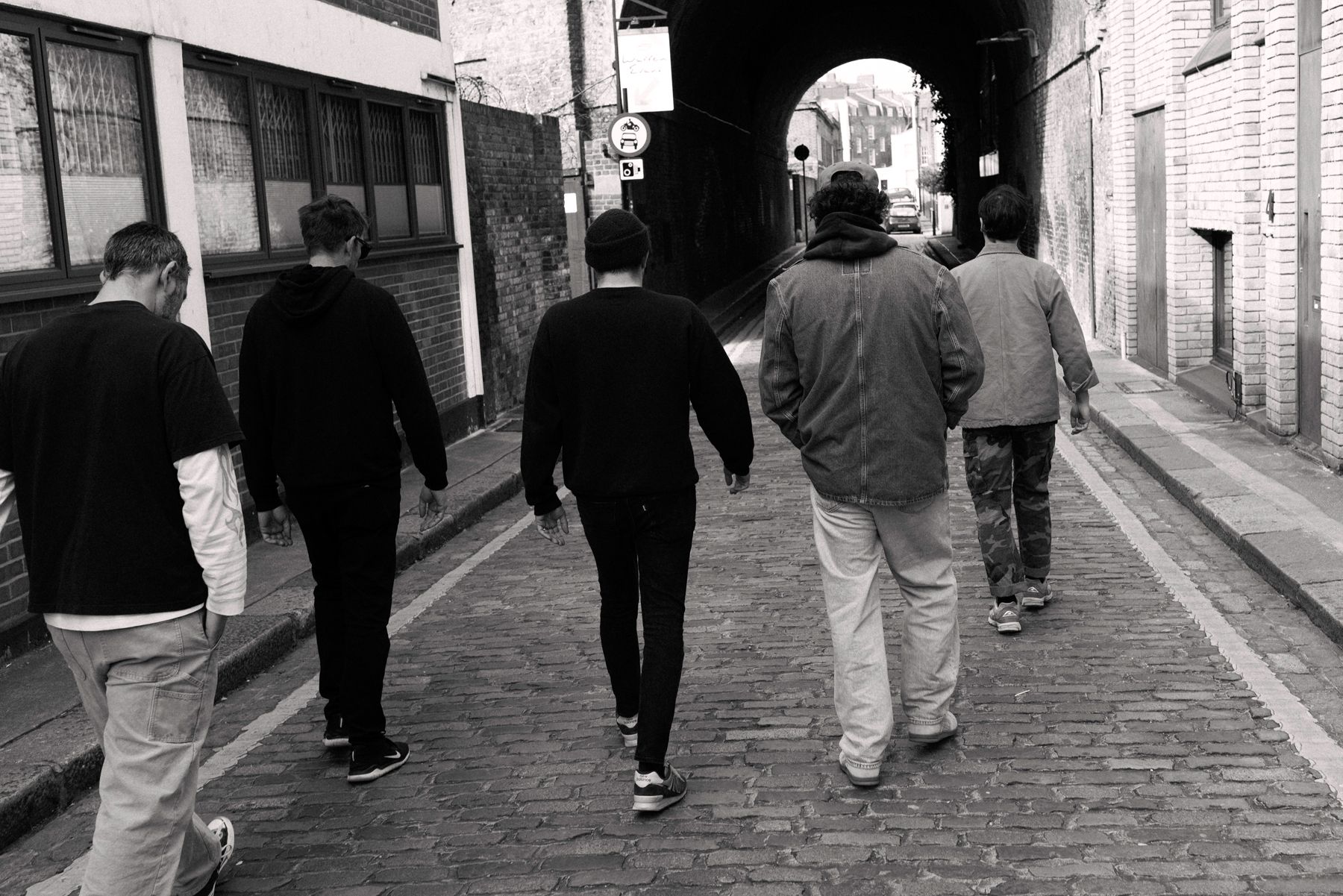
Arkells have spent years perfecting the kind of songs that live beyond the speakers, songs made for stadium singalongs, long drives, and the messy in-between moments of everyday life. Now, the nine-time JUNO Award winners are building on that momentum with their latest release Between Us, a project that pushes their sound forward while staying rooted in the emotional honesty that has always defined them.
Produced and recorded in LA with Grammy-winning producer John Congleton, the project captures the band at a point of reflection and reinvention, balancing the anthemic alt-rock energy they are known for with touches of disco, dance music, and emotional intimacy. Featuring collaborations with Portugal. The Man, GROUPLOVE, and Poolside, the album is less about spectacle and more about connection between people, moments, and the uncertainty of what comes next.
Led by the hopeful and instantly hummable single “Next Summer”, the record leans into themes of nostalgia, longing, and the quiet optimism that comes with not having all the answers. There is a fluidity across the record, from the hypnotic repetition of “What’s On Your Mind” to the live-wire energy of songs built for festival stages and singalongs. What emerges is a project designed with both intimacy and scale in mind, a soundtrack for late-night reflection as well as one that can fill a packed venue.
For a band whose identity has always been rooted in community, Between Us feels like a natural evolution, one that reflects where Arkells are now while still pushing toward what is next. In conversation with 1883, frontman Max Kerman reflects on songwriting, collaboration, and why they continue to create with the urgency and intent of a band still hungry to prove themselves.
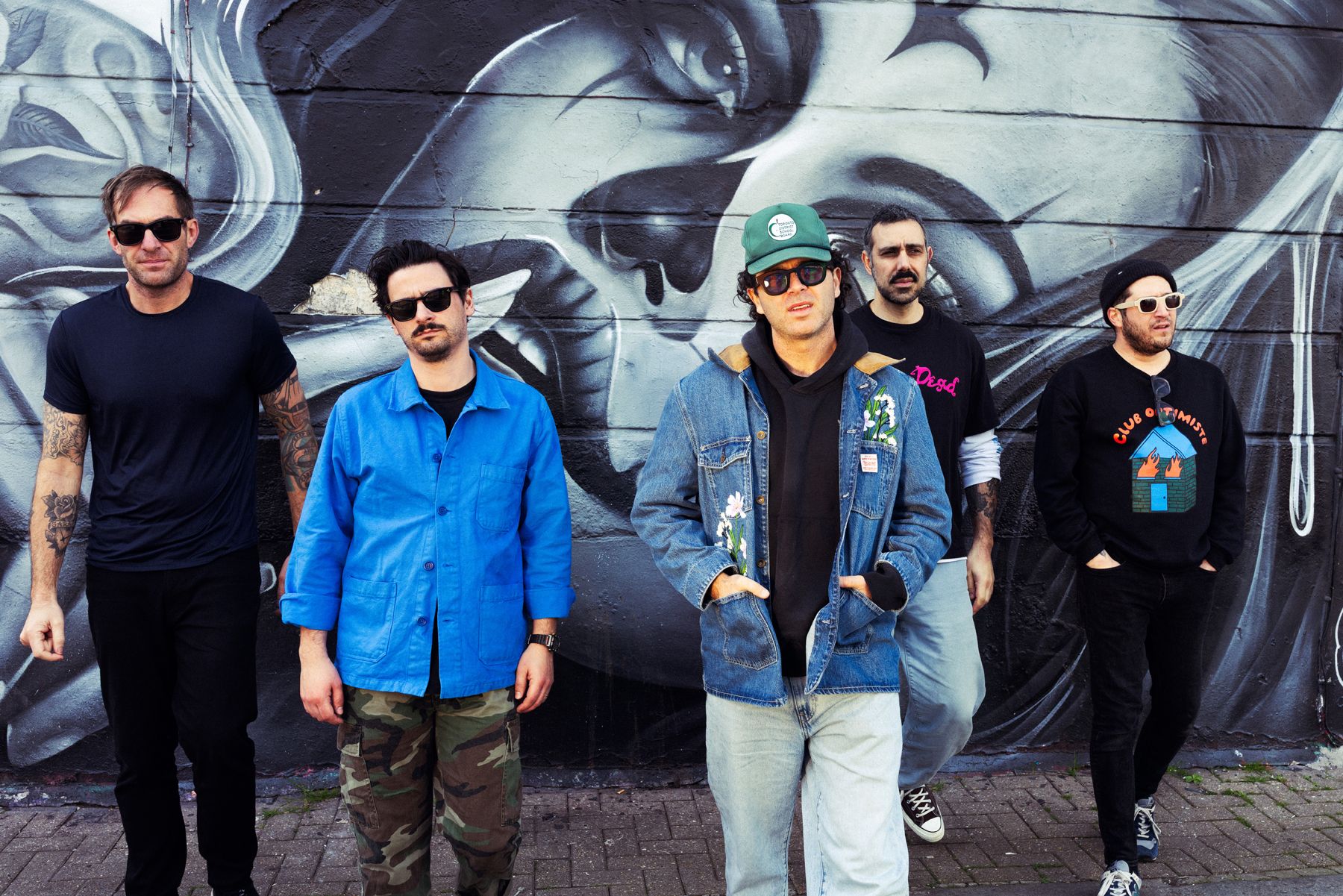
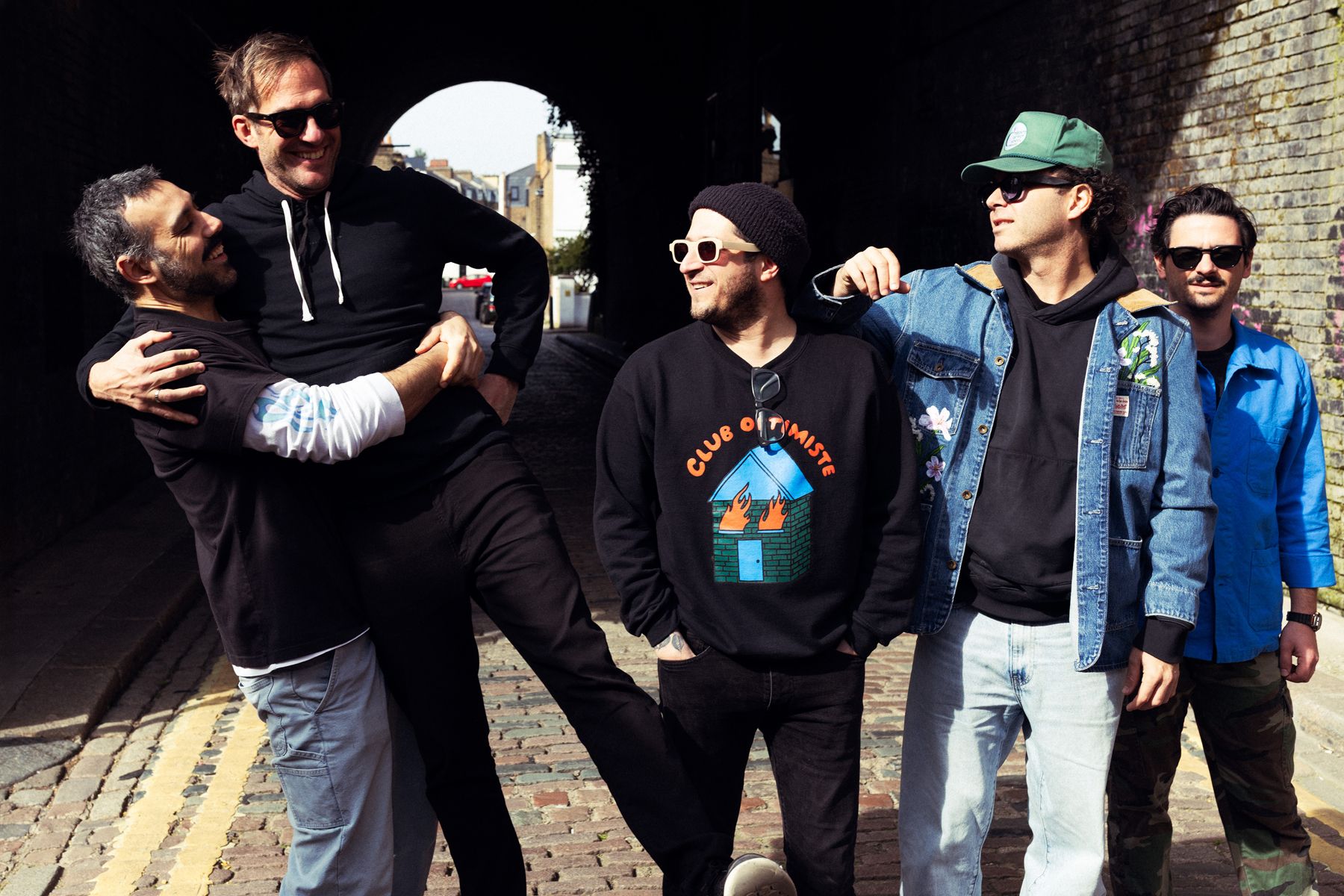
“Between Us” feels like an album rooted in connection, both sonically and thematically. At this point in your career, what does that title represent to you?
It’s exactly that. We live in this time of social isolation and political division, and it’s because we spend all of this time retreating to our screens. But I know the most nourishing moment of the day is when I’m out for a walk with a friend. Or hanging out on my favourite stoop, watching the world pass by. Or on stage, where we are locked into a different state of flow.
“What’s On Your Mind” leans into a kind of hypnotic repetition that feels almost meditative. What drew you to that restraint, and how did it shift your usual instincts in the studio?
There’s so much about dance music that I love, but it’s that commitment to repetition. There’s rarely a bunch of clever chord changes, it’s not about that. It’s about allowing the listener to fall into some kind of trance. This was our attempt at making a song like that. Originally, it was inspired by “What’s The Time Where You Are?” by Troye Sivan, and as we worked on it, we started using an LCD-style synth and drum programming. It’s going to be fun to play live.
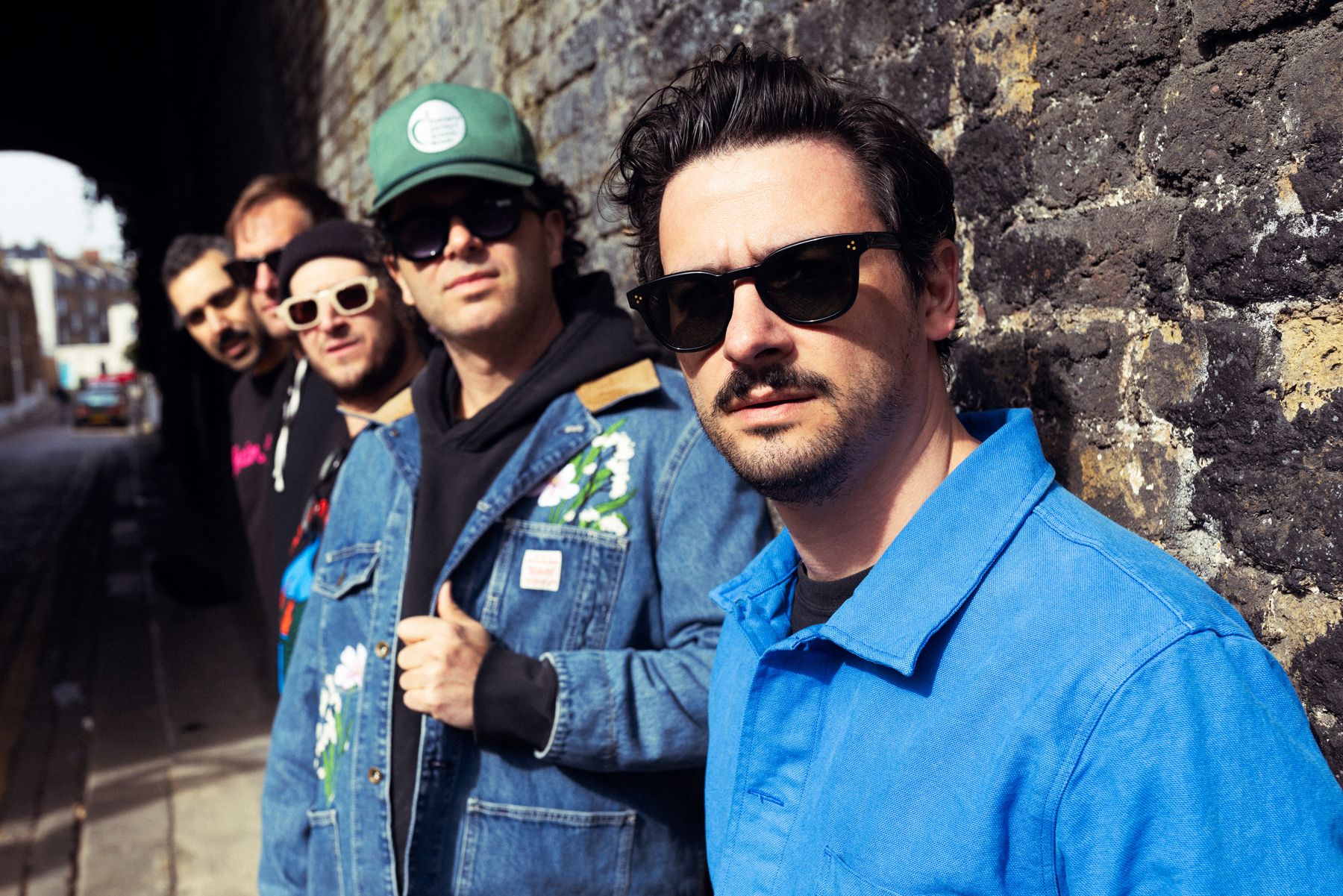
There’s a noticeable fluidity across the singles, from the anthemic feel of “Next Summer” to the disco-leaning energy of “What’s On Your Mind.” How intentional was that genre-blending when shaping the world of Between Us?
We never want to write the same song twice. That would be a bore. We figured that if it’s us singing and performing it, the audience will find the natural through-line, and it will feel like a cohesive record.
Working with John Congleton brings a distinct sonic identity. What did he challenge or unlock in your sound that might not have surfaced otherwise?
He was amazing. He really wants to get the most out of the band, not change the band. He’s not heavy-handed in shaping lyrics and melodies, though he’ll give you an idea of what’s working. He’s more interested in capturing the band at this moment in time. He works quickly and instinctively. His skill was making our record sound like “us”, which is harder than it sounds.
Collaboration plays a big role on this record, with artists like Portugal. The Man, GROUPLOVE, and Poolside. What were you looking for in these features, and how did they expand the album’s universe?
The songs were all recorded, and as we listened back, I just wanted to hear other personalities on the songs. A little whipped cream on top. You do not need whipped cream on your ice cream, but it is usually better if you add some.
You’ve always balanced big, stadium-ready moments with more intimate, emotional songwriting. How did you navigate that balance on this new record?
It’s a record we hope has a long shelf life. One that we can play for years and years on tour. So we wanted to make sure it had peaks and valleys, that it was not all one note. I feel like most of our records attempt some version of this. When we were recording, I imagined where each song might be able to slot into a setlist, and the utility of the song in our catalogue.
“Next Summer” touches on uncertainty and the unknown, but with a sense of optimism. Do you find yourselves more comfortable now sitting with that ambiguity compared to earlier in your career?
There’s always a new challenge in this line of work. Every tour feels like you’re going off to war, and you have to come back feeling like you won over the fans who bought tickets. So I do not think we will ever feel settled. And I do not think that is a bad thing, to feel like you have something to prove, even if only to yourself.
Looking back at your earlier work, how has your relationship to songwriting, whether lyrically or sonically, evolved leading into this album?
I hope it’s always evolving. The more I do it, the more I want to refine what I have developed, but with that beginner’s mind perspective. Because the beginner’s mind can take you into more unknown spaces. Going into the unknown, that sense of being surprised, is a key ingredient in creation.
Having built such a strong live reputation, do you think about songs in terms of how they will live on stage while you are still writing them?
Absolutely. And now that the record is coming out, we are already thinking about how each song can be reimagined live. What story I will tell about each one, what instrumental sections can be extended, how each song can become a moment rather than just something performed.
There’s a strong sense of nostalgia throughout your music, but it never feels stuck in the past. How do you approach that balance of honouring where you have been while still pushing forward?
You want the record to feel exactly like that. You want it to have the comfort and recognition of something familiar, but also to sound like the future. You need to lead the listener. It has to do both.
With Between Us, what do you hope listeners take away after sitting with the album from start to finish, and where do you feel Arkells are heading next?
I want the listener to feel like they are hearing a band that genuinely wants to be here. You can always tell with an artist, how hungry they are, how much they want to tell their story, how much they want to connect. That shows in the care they put into their work. I hope people hear a band that wants to keep getting better.
Between Us is out no, follow via @arkellsmusic
Interview Stanley Kilonzo
Photography Jason Jude