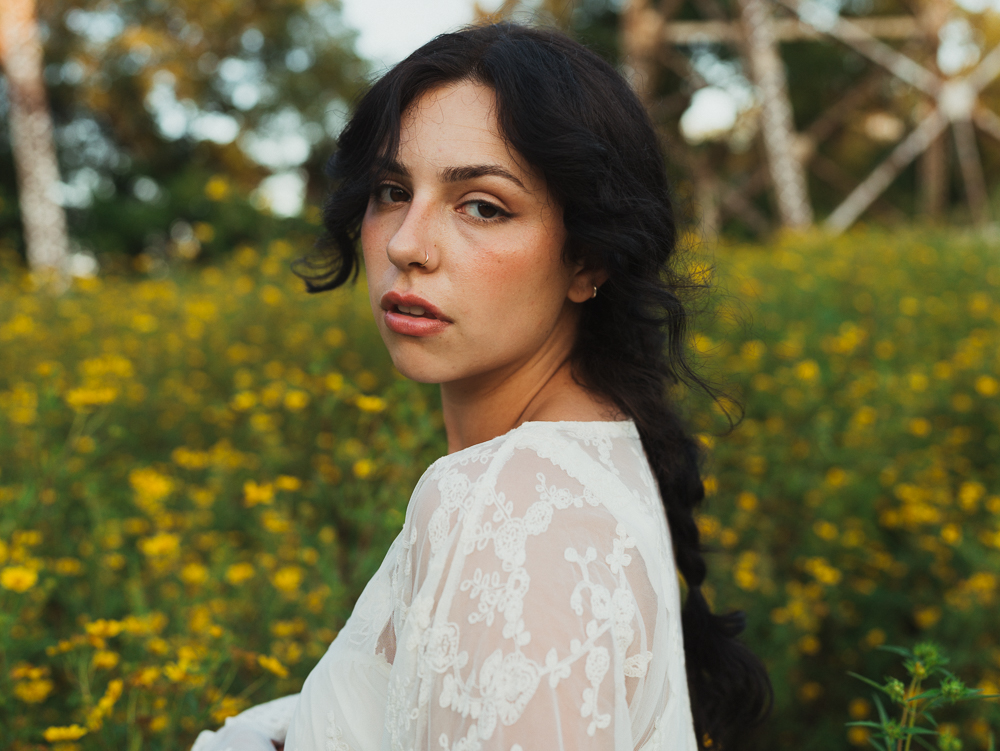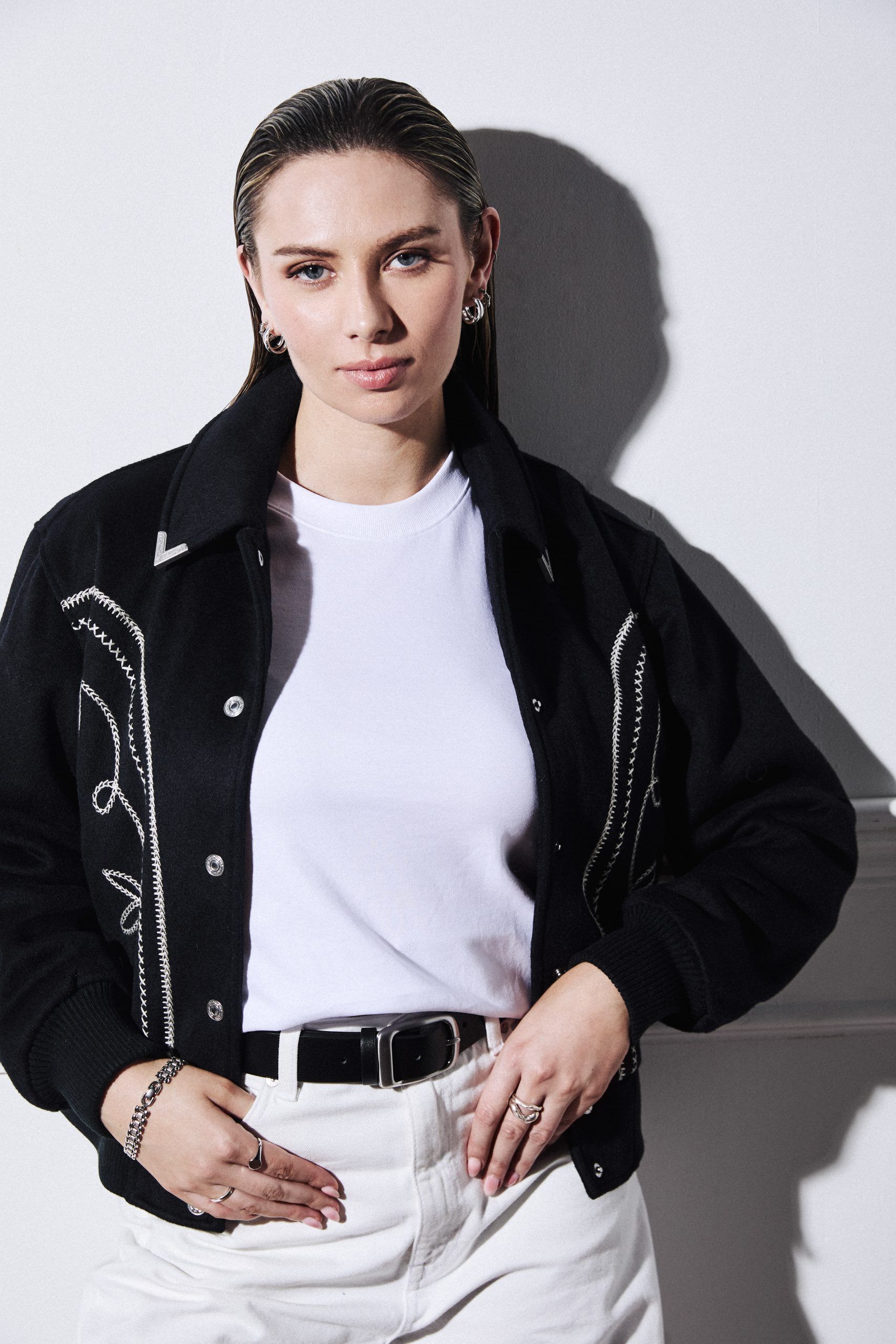
If you tune into BBC Radio 1 late in the evening, you’re bound to be greeted by the soothing cadence of a North Wales accent. Sian Eleri, a host who once considered presenting on one of the UK’s biggest stations an ‘impossible’ dream, is now one of its most recognisable faces. In the past six years, as voice of The Chillest Show, Future Artists and The Power Down Playlist, a Mercury Prize judge, and a regular music festival broadcaster, Eleri has rapidly become an influential tastemaker in the British music scene.
Unsurprisingly, if you were to ask Eleri’s fifteen-year-old self what her life would look like in 2026, she certainly wouldn’t have predicted this. Raised on the fringes of Yr Eryri in the small town of Caernarfon, where opportunities often felt few and far between, Eleri frequently credits ‘luck’ for much of her success. Yet, her determination to take hold of the opportunities that comes her way shines a spotlight on the genuine hard work she has put in to get here.
Outside of the studio, her love of music is only one part of her growing resume. Now she looks forward to ‘dipping her toes’ into other areas either by exploring the documentary world be it investigating the supernatural as the face of the BBC’s Paranormal series or, more recently, rubbing shoulders with fashion designer Jonathan Anderson in a documentary on Welsh artist Gwen John, in a nod to her heritage.
When we meet for coffee a short walk from Broadcasting House, the conversation flows with the same ease and fluidity as one of her radio shows. This is in part to our shared background of growing up only miles apart, but also because she instinctively slips into her second-nature role of interviewer. It’s a role and responsibility she takes seriously, and as a ‘proud Welsh woman’, it is a chance to advocate for Welsh musicians and anyone outside the capital harboring dreams like she did.
Sian Eleri sits down with 1883 Magazine to discuss the “hundreds of nos” that led to her big break, the emotional weight of being a radio companion, and why she’s finally ready to admit that she worked damn hard to get here.
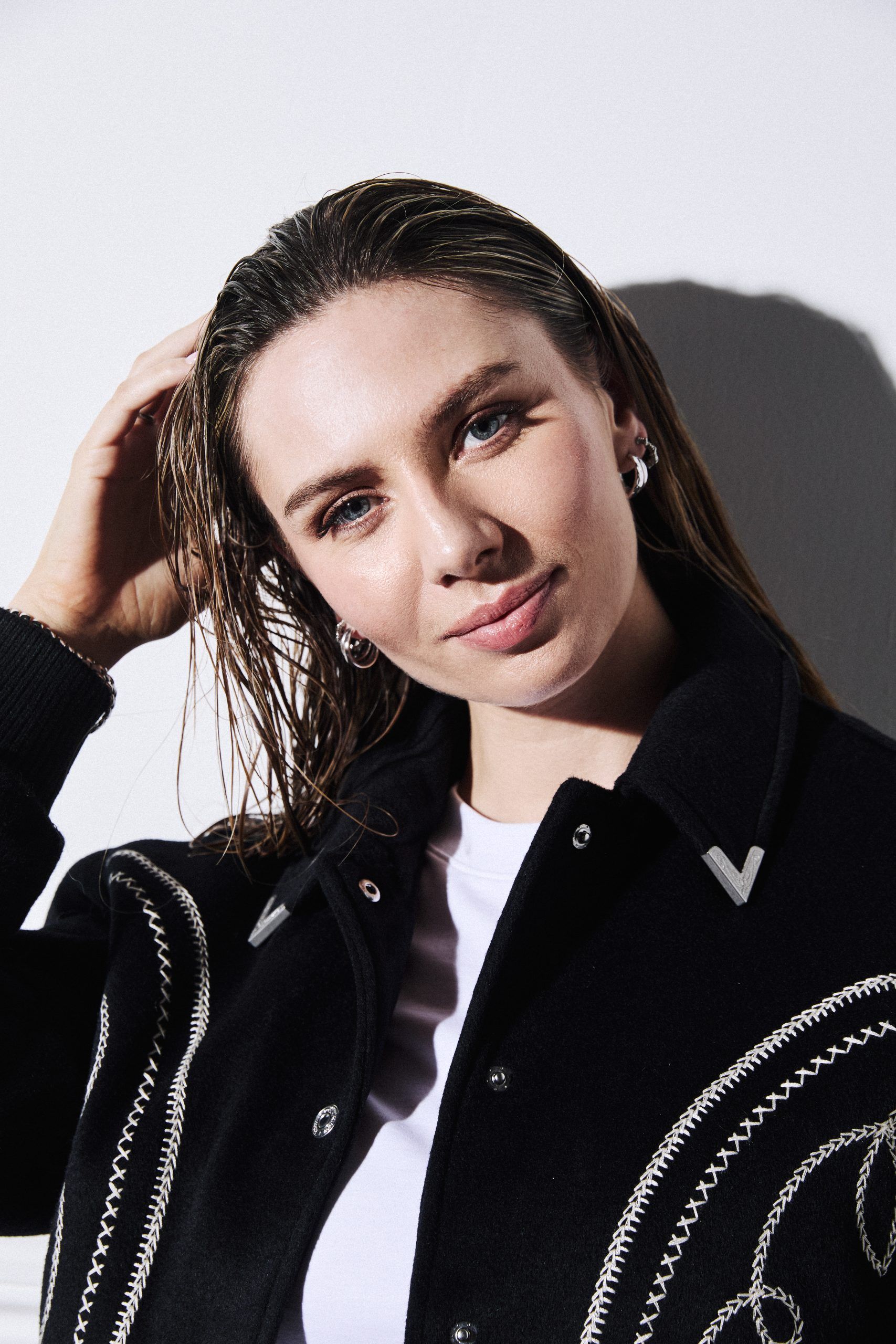
Hi Sian! Thanks for speaking to 1883. We’re only a short walk from the BBC’s Broadcasting House in central London, and of course, you’re not from here originally, what was it that brought you here? Was radio always the plan?
I moved to London eight years ago from Leeds. I had hopes of working in the media, but specifically for the BBC. I consumed so much of that content when I grew up I just thought I would ‘love to work there one day’, but I never considered that was a job for people like me. It wasn’t something [that] felt accessible, especially without a mentor or someone giving you a leg up.
I felt quite embarrassed telling my parents that I wanted to be a presenter. There was something about it that felt so flash because it’s not necessarily a conventional job. It almost felt cringe to admit that it was something that I wanted to do and it was a realistic avenue – which felt like it wasn’t – but amazingly it has been.
You originally came here to do your Masters at Goldsmiths, right? What was the experience like afterwards?
Trying to get a job here was horrendous because I moved to do a masters with the intention of having a base in London, and it didn’t go as smoothly as I would have wanted it to. There was lots of freelancing. I was doing unpaid internships with jobs promised at the end, that didn’t happen. [I was] getting dribs and drabs of work, mainly all behind the scenes.
I did a couple of bits on Radio Cymru, the Welsh language station, and they were amazing. I never had my own show on that network but they let me cover a lot. Being a saddo that I was, when I was working for Radio Cymru it meant that I got to go to Broadcasting House now and again to record a little ten minute feature for Huw Stephens. I would sit outside that plaza bit of the BBC and just people watch the journalists go by. Now looking back, that’s so cringe, I’m calling up my Mam like ‘oh my gosh Victoria Derbyshire just walked past’ and freaking out about it, thinking one day I might walk through those revolving doors with an actual job there.
And you did! Considering the rocky start, how did your first job on The Chillest Show come about?
They do a thing every year called the ‘Christmas presenter search’ where you apply for a slot on the station in what they marketed as a ‘once in a lifetime opportunity’. A part of me didn’t feel like there was any point applying because all the presenting applications I had submitted were voluntary positions, [and] I was either ghosted or turned down. I remember thinking ‘well if a hospital radio station doesn’t want me, why on earth would a national radio station that I grew up idolising’?
At one of my freelance jobs a guy called CassKidd, – he’s actually a presenter himself now – was like, “what’s one more no? You’ve been handed hundreds of nos, what’s one more?” and I was like “you know what? Yeah! What’s one more no?” So I went for it. It was the first year they ever did it and I didn’t have any expectations going in, and I got it. So I covered The Chillest Show.
What was that like when you turned up for the first time?
Surreal. I was terrified. I remember George Ezra was doing a live lounge that day and I got chatting to his manager, who was his sister. I remember just being in awe like that’s the live lounge I’ve grown up watching and now suddenly I find myself in this building. Naturally you feel like you don’t belong, it’s like who’s going to rat me out? Who’s going to figure out that I’m not supposed to be there? Sometimes I still feel that way. It’s less often now, but for the first few years you definitely feel like ‘this is temporary, just enjoy it while it lasts’. Now it’s like ‘ok you’ve been here for five years, you’re doing something right. They’ve not got rid of me yet’.
They keep giving you more stuff! Following the ‘Christmas Presenter’ slot, in 2020 you took over The Chillest Show from Phil Taggart and joined the Radio 1 team full time. Since then, I’ve seen you describe your role on the radio as a ‘responsibility’. How do you feel that’s changed over the last five years?
That’s interesting because I’ve thought about this a lot recently. Because people are paying their TV license there’s an additional responsibility to cater to that audience, and give them the best experience. I think radio shows in particular can be crafted in such a way that it’s not just here’s a song then another song, then another song, there’s thought and care that goes into it. I believe listeners deserve that as the bare minimum so it’s my pleasure to curate that show and make it a journey.
A lot of the time I’m introducing you to new acts you might never have heard and it’s part of my job to make you care about it. Sometimes it pays off and sometimes it doesn’t. When it does pay off it’s obviously great because you’re a very small part in that artist’s journey.
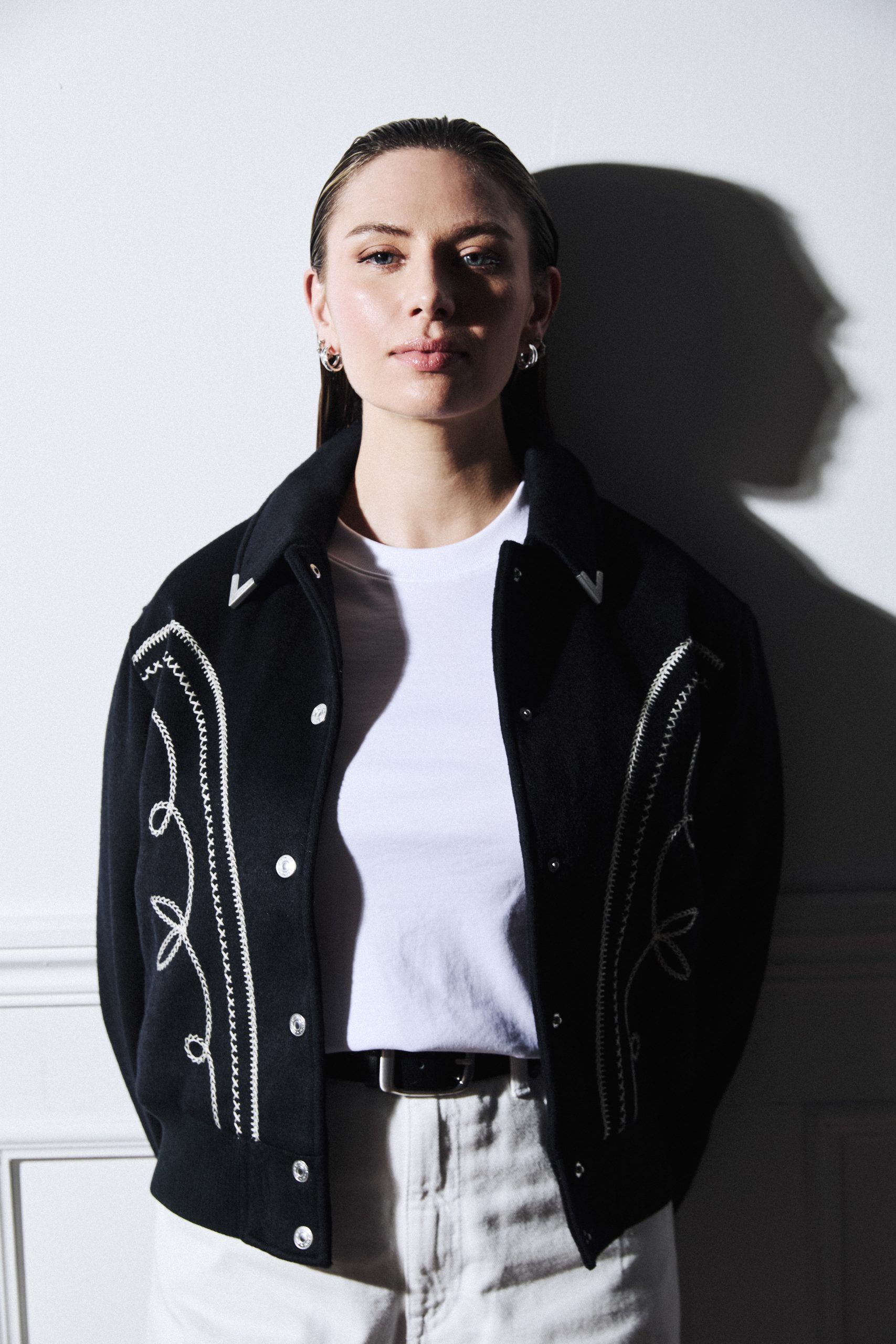
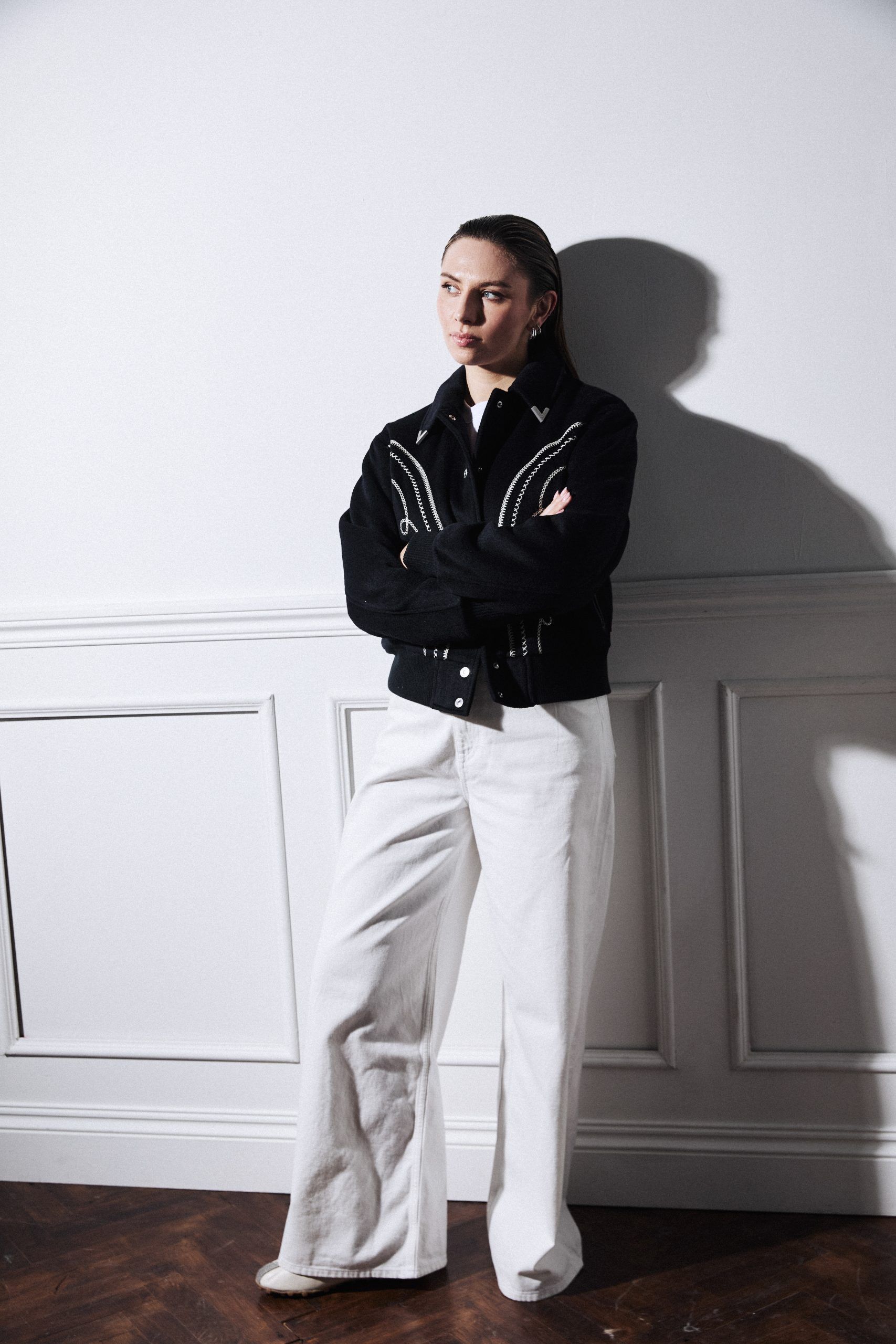
You’re often championing new music and upcoming artists, especially as you now host Radio 1’s Future Sounds and judge the prestigious Mercury Prize, so how does it feel when you get described as a tastemaker?
The thought of being considered a tastemaker is amazing because I grew up idolising people who did this job; people like Annie Mac who is an unbelievable, formidable, powerhouse of a woman. Anything she would tell me to listen to I would and I would be like, I trust that person. It’s strange to now think that there’s maybe someone out there who thinks the same of me.
Ultimately I’m picking music based on how it makes me feel, if it makes me feel something that’s better than making me feel nothing, even if it’s a negative response. And then when it comes to rising artists I’m looking at other things they’re doing, what is it about them that excites me.
It’s really interesting with polarising artists because music is based on taste and you could easily tune into whenever I’m on air and think ‘this is terrible’ and then I’m glad you have an opinion but stick around because there might be something you like.
How do you think the music landscape has changed over the last couple of years, especially since COVID when more people started making music in their bedrooms, and with their laptops?
What presses on my mind is the integration of AI in music. I think that’s going to be something we’re really going to have to consider going forward. We had that Haven track that was about to hit the charts and it turned out the voice they had advertised as Jorja Smith wasn’t actually Jorja Smith. But it’s tricky when it comes to being a DJ. It worries me that there’s almost a responsibility to filter out what AI sounds like when it’s getting better every day. How do we distinguish what is real and what is not and how do we vouch for real artists?
I think it’s a really interesting conversation in general because I think there was a similar fear when synthesisers became a thing. It’s amazing how electronic music can feel so emotional and get people crying on the dance floor, so I think there might be a way forward where AI can be used in a positive light but not to do the work for you. The amount of AI music that’s uploaded everyday is overwhelming the real artists, so how do you monitor that, and how do you label it correctly and be transparent with people who might feel hoodwinked if you are promoting a product.
Like you say, it’s difficult if listeners feel connected to it, and it makes them feel something, because that’s the purpose of music in the first place. But then what do you do to support the artists who aren’t making AI-generated music?
Sometimes going to gigs is the best way forward. I went to see Dove Ellis last week, [he’s] insanely talented in his early twenties and it was a testament to what a real musician is capable of. But it’s asking a lot because you might be nowhere near a city where they’re playing so you have to travel to get there, book a hotel, and [then] the grassroot venues are closing because there’s not enough investment, so how do you get new artists testing out the waters? You can’t just sell out an arena at the start of your career. You need these spaces.
That’s the concern many people have with artists that come from TikTok. Someone like Lola Young for example, has a viral song and then gets projected to global stardom, but there’s no middle ground, no time to settle in.
There’s a lot of expectation nowadays [for artists] to be their own marketing and it’s a lot of pressure. In terms of them dealing with virality it’s a very tricky thing because it’s the thing you’re chasing, the success you’re chasing, and the second you get a hit how do you then cope with the repercussions of that and the fame.
I really feel for Lola. She’s worked so hard for years. It’s not been an overnight success story in any shape or form, same with Sasha Keable. She’s starting to gain momentum and she’s like ‘I’ve been here the whole time, and now you’re paying attention!’ From a radio perspective a big part of my job is to make sure they feel supported if I ever get them on air. I want it to be a positive experience, I reassure them that ‘I’m not here to catch you out, I’m here to champion you’. I feel like we have a duty to make people feel comfortable and make them feel like they can be themselves and walk away from the experience thinking, ‘I’m glad I did that’ because over time you can have more and more interviews and they’ll be like ‘I know you, I can trust you’.
How do any artists deal with that level of virality and pressure?
Looking at someone like Lola who had to take a bit of a break last year and protect herself, that takes a lot of guts. She’s potentially facing a wall of people being like, ‘we’ve supported you this entire time’ and ‘you’re letting us down now’, but it’s been nice to see so much humanity as a response, with people saying ‘take all the time you need, we’ll be here’.
You’ve seen people like Sam Fender talk openly about his mental health and how he’s been dealing with that and Lewis Capaldi did his [How I’m Feeling Now] documentary. It’s a lot of pressure for one person to be under, to constantly be entertaining and be a perfect version of myself all the time. It’s a lot to ask.
Do you feel like that sometimes on the radio?
I think it’s only challenging when you’re juggling other things in your life that you feel would be oversharing if you were to ever say it on air. I’m going through a period at the moment where I’ve lost someone and I’m trying to navigate being the happy, chipper presenter you expect when I’m distracted. It feels wrong to put on a happy face because then you feel like ‘I’m a performer, I’m an entertainer’.
I’m lucky and fortunate where in moments in my life where I have been affected by things outside of work I’ve been supported. Sometimes it’s a healthy distraction to focus my entire attention on the person I’m interviewing, or if I’ve got a radio show to do it’s really helpful in giving context to what listeners might be going through in that moment.
Can you share a bit more about what you mean by that?
Radio is such an intimate format and it’s my job to make it feel personal. [Listeners] might just have had the best day of their lives or the worst, and regardless, you’re there for them as a companion. For The Chillest Show for example we get a lot of candid messages from listeners – I don’t know if it’s the music that evokes that feeling sometimes – [but] you feel like you’re there for them, so when people decide to share what they’re going through it’s really touching. You get a snapshot into their life that they choose to tell you, and sometimes it gets you really emotional.
It’s not like telly, it’s you and a producer, and sometimes an assistant producer that keep ships sailing for people who might not have engaged with friends or family in days sometimes and you’re that companion there for them, and that’s the beauty of it.
You mentioned television, you’ve now done work both inside and outside the studio. Your latest documentary Keeping the World Away: Finding Gwen John has just been released and your Paranormal series was a huge success. You mentioned how it’s not as ‘intimate’ but how else did the experiences differ for you?
I definitely want to do more documentaries. I’ve got the bug for it now, now I know what I’m doing. I’d never been on the production side of a documentary [so] I went in completely blind. At least for radio I did quite a lot of assistant production work before I became a presenter so I knew what sort of voice I wanted to give myself and the kind of person I wanted to be.
With radio the wheels are always in motion, it’s like you’re on a treadmill. You’re like ok we’re all working towards this radio show, we’re planning it, planning it, finding music together, writing my notes, doing the show, do it all over again. It’s quite a satisfying cycle every single week whereas documentaries are months and months dedicated to telling this story. You end up living in it [because] you’re not just in the studio anymore. You’re out and about meeting people and connecting with people face to face, which I love.
How does that compare to being behind the mic in the studio?
You feel out of your comfort zone much more. It’s easy to talk about something you’re passionate about, something you feel you’ve got a lot of knowledge about. I went into paranormal not being a ghost fanatic, [and] you then feel like, god I don’t know their world, how do I meet them where they’re at while also asking questions from a new person’s perspective? Similar to what someone at home might be asking. I just love being on the ground and meeting interesting people.
You got to hear plenty of stories about ghosts and UFOs, did the experience on Paranormal change your mind about anything?
It definitely made me more open minded. Not that I was 100% a cynic at the beginning, I’ve always been scared of ghosts and the potential of them being real – I still don’t know if they are or not. It’s fascinating how people build a belief system. Who am I to say that their experiences aren’t real? Because it might be, I wasn’t there. What I do like now is when I meet people I get ghost stories of their own experiences. And I’m like this is such a cool convo. You get a little window into their lives.
In a slightly different way, your recent documentary on Gwen John was also new territory for you. You were a fan of her works and there’s the obvious Welsh connection, but how did this come about?
It was a privilege to be part of that project. It was so good. There’s an exhibition in Cardiff celebrating 150 years since Gwen John was born so they wanted to make a documentary as a companion to that exhibition It came to me in terms of timing but I always wanted to dip my toes more into art and fashion in particular, and I got to interview Jonathan Andrerson…I WAS FREAKING OUT, I couldn’t believe it.
I was on zoom with Anna the producer months beforehand and she was saying, ‘I don’t want to 100% comfortably say that we’ve secured a man called Jonathan Anderson’. And I was hyperventilating like oh my god really…he has time?! And she said ‘I don’t know how he has time but he’s made time for it’. He’s got a personal collection of Gwen Johns works so he’s got loads of her paintings. [It’s] nice to see the fact that an artist that was born over a century ago has an effect on art now.
The Gwen John documentary was a perfect example of using the format for storytelling, are there any stories in the pipeline you’re hoping to share?
There is a project I’m hopefully going to be filming in April/May time. I don’t think I can talk about it, but that’s something that means a lot to me because it’s something I’ve actually experienced. I don’t think you need to experience something in order to do a documentary about it, like paranormal, and the same with Gwen John, but this is something that has directly affected me.
I think for any documentary maker their goal is to incite change and advocating for women’s rights and women’s health is really close to my heart, so if I can delve into those kinds of worlds that would be great. I would love to do a music documentary as well, maybe it could be about music and mental health? The kind of levels of support or lack of that artists get and how we can make it a healthier environment. I would love to do more on fashion…Jonathan Anderson call me…
Ha! From one Welsh project to another: Y Llais, the Welsh version of The Voice UK, aired for the first time last year, and I believe another series is coming this month?
The first episode airs in March! I really enjoy it. It’s a nice supportive environment for artists that I think I underestimated when I was watching the Voice UK growing up. It’s not like an X-factor level of grilling and it takes guts to go upon that stage and sing to people you might admire. I couldn’t do it if I was a singer, no way, so it’s a really nice project to be a part of.
All the songs are performed in the Welsh language even if they’re originally in English. Last year we had someone perform Chappell Roan’s Good Luck babe as Pob Lwc Babe. It gives that chance for virality on social media because it’s like “I know this song but I don’t”. Some don’t know welsh is a real thing. The singers they have on this [series], they’re just remarkable and defy any stereotype you might have of what Welsh singers look like or sound like. I can’t say anything about who’s in and who’s got to the final stage but it’s just amazing. It’s cool that we got a second series and I hope it’s the second of many. I’m surprised it’s taken so long to come to Wales if I’m honest…I mean we’re known for singing.
With that said, you’ve spoken before about the influence Huw Stephens had on you, especially on showing you people with different dialects can be on the radio. How important is it for you in your career to continue to champion Welsh artists and the language?
I’ve got another radio show on Selector radio which is all about elevating UK artists. That means I get to champion artists at every stage of their career, whether they’re an Olivia Dean or whether they’re brand new. I think it’s really important to put these artists alongside each other while building radio shows and I think Selector is a really unique opportunity where I can do that. I don’t necessarily have that leverage so much in a show like Future Artists where all of the focus is on household names of tomorrow.
I found someone called menig from St Davids who just dropped an EP and it’s sick. And it’s nice because that’s a debut EP from a 17-year-old artist versus someone who just won best new artist at the Grammys, and they’re all [played] within the same two hours.
I heard you have a spreadsheet where you list the artists gender, region etc. do you still use that even now?
Yeah. It’s hugely integrated into the way I build radio shows because it’s really important to diversify the playlist that you are offering so artists know that they are seen and heard on a national, and in Selector’s case, an international platform. While Radio 1 still felt very out of reach growing up, listening to someone like Huw Stephens (while he is from south wales, and a city), it still felt like someone had made it and I really hope there will be more welsh broadcasters on a national scale…someone like Alex Jones, she’s on one of the biggest TV shows in the country and she’s been there from the beginning and she’s sick at it, so it’s really nice that you’re like OK there are welsh people in these spaces. There just needs to be more of us.
Now you are in these spaces, if you look back on the last ten years and everything you’ve achieved so far, what’s the one thing you never imagined you’d be able to say you’ve done?
Being involved in the Mercurys is unbelievable. There’s ten or twelve of us and I’ve been invited back, and getting to announce the winner…it’s just lots of things where if I told 15-year-old me “you’ll be on stage doing that and you’ll actually be part of the judging process” it’d be like how the fuck have you done that?
That’s great! And in ten years time, what do you hope you’ll be able to turn around and say you did?
I want to do TV coverage for Glastonbury; I’ve done radio coverage and I loved it. I did telly coverage for Reading festival this year; I was petrified, especially on the first day, but once you get into the swing of it you’re like ok I get it. By the last day I was really enjoying it and was sad it came to an end. I remember crying in the taxi home.
All of the pent up stress and expectation, and wanting to make myself proud, and wanting to make my parents who were watching at home proud; all of these bottled up emotions that had been brewing spilled out of me because I couldn’t believe I had done it and I got away with it. I would love to recreate that with Glastonbury and I know the places are few and far between for broadcasters getting to be there. So that is something I would love to do.
Catch Sian on radio across BBC Radio 1 and Selector Radio – and on television hosting Y Lais / The Voice Wales and ‘Finding Gwen John’ on S4C / BBC iPlayer now.
Interview Lauren Victoria Edwards
MUA Gina Blondell
Stylist Natasha Elizabeth