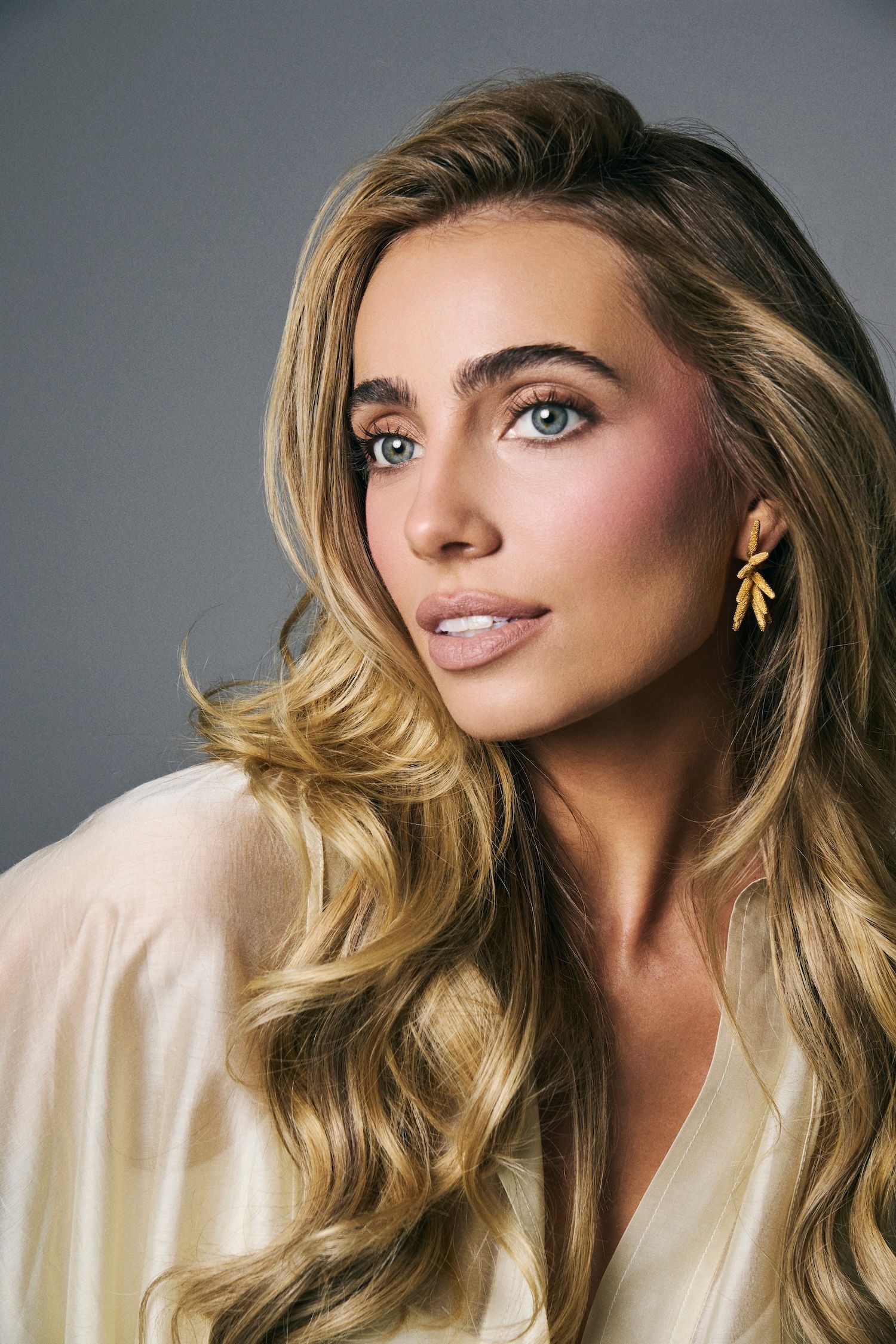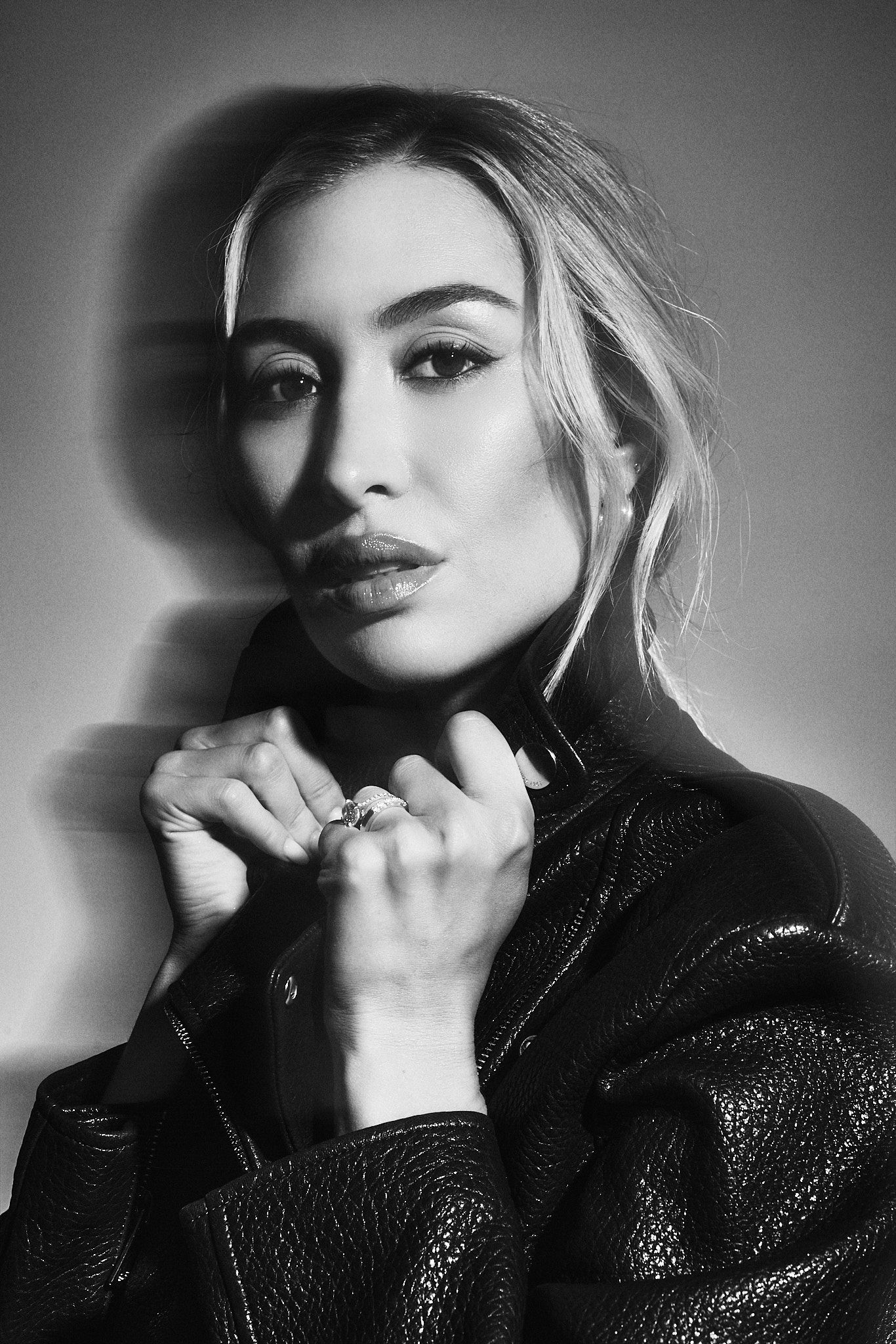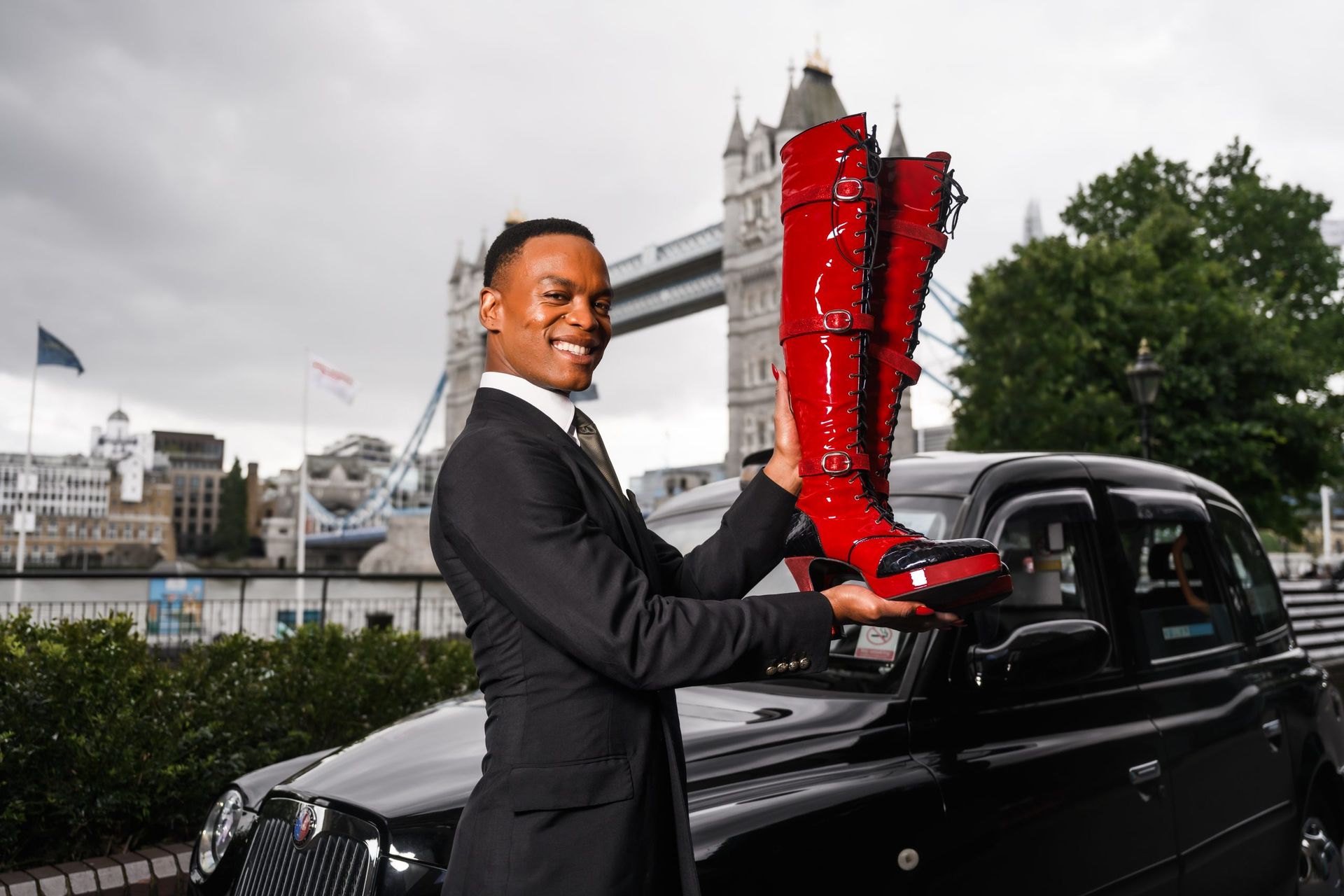
Johannes Radebe has spent much of his life turning the very things he was told to hide into the source of his power. Growing up in Zamdela, South Africa, he found freedom on the dance floor long before he found it in the wider world. Dance took him out of the township and onto the cruise ships, into Dancing with the Stars South Africa, and eventually to the UK, where he has become one of Strictly Come Dancing’s most beloved professionals.
Since joining the BBC series, Johannes has helped shift what Saturday night television can look like, from his groundbreaking same-sex dance with Graziano Di Prima to his landmark partnership with John Whaite. But his latest chapter might be his most challenging yet.
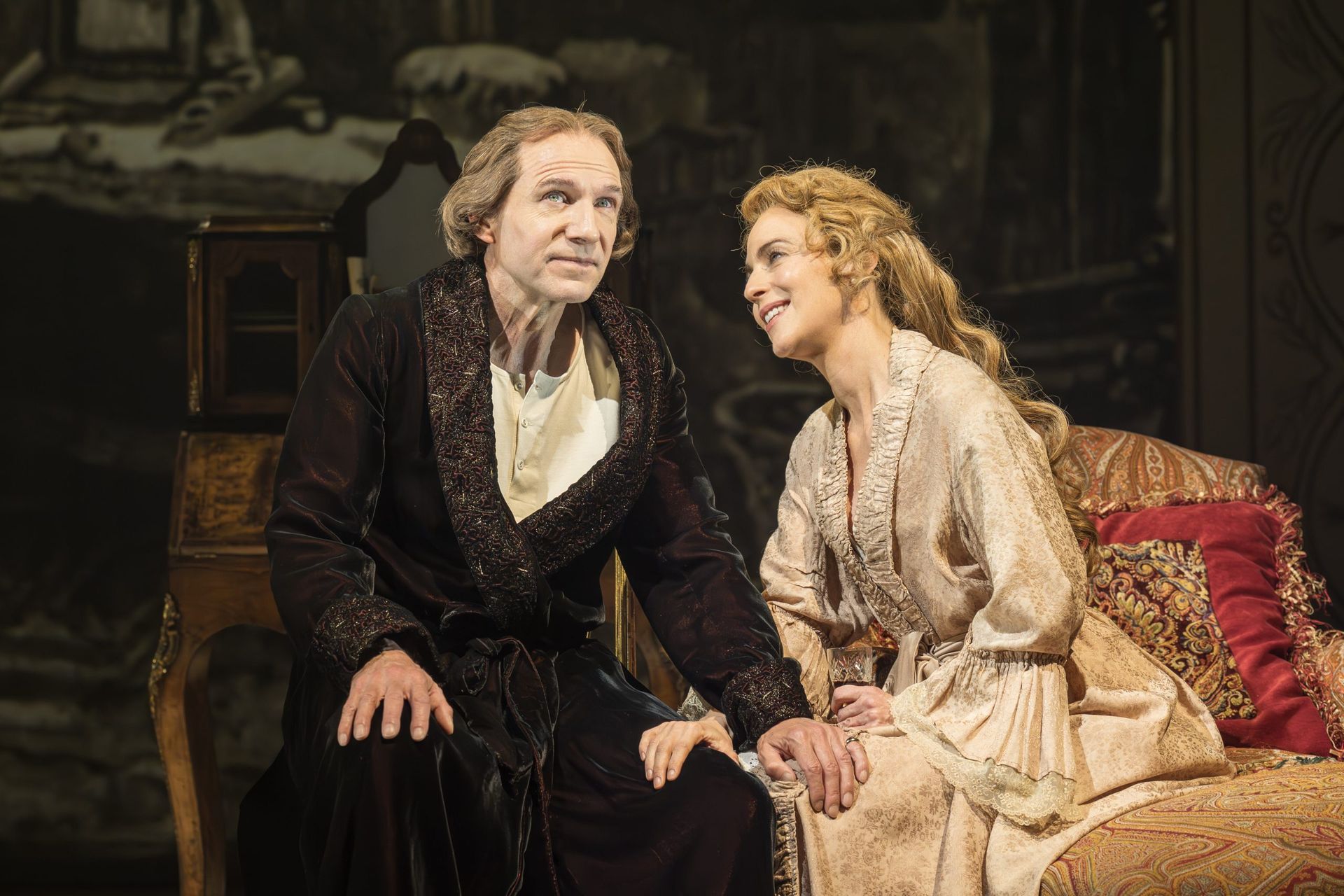
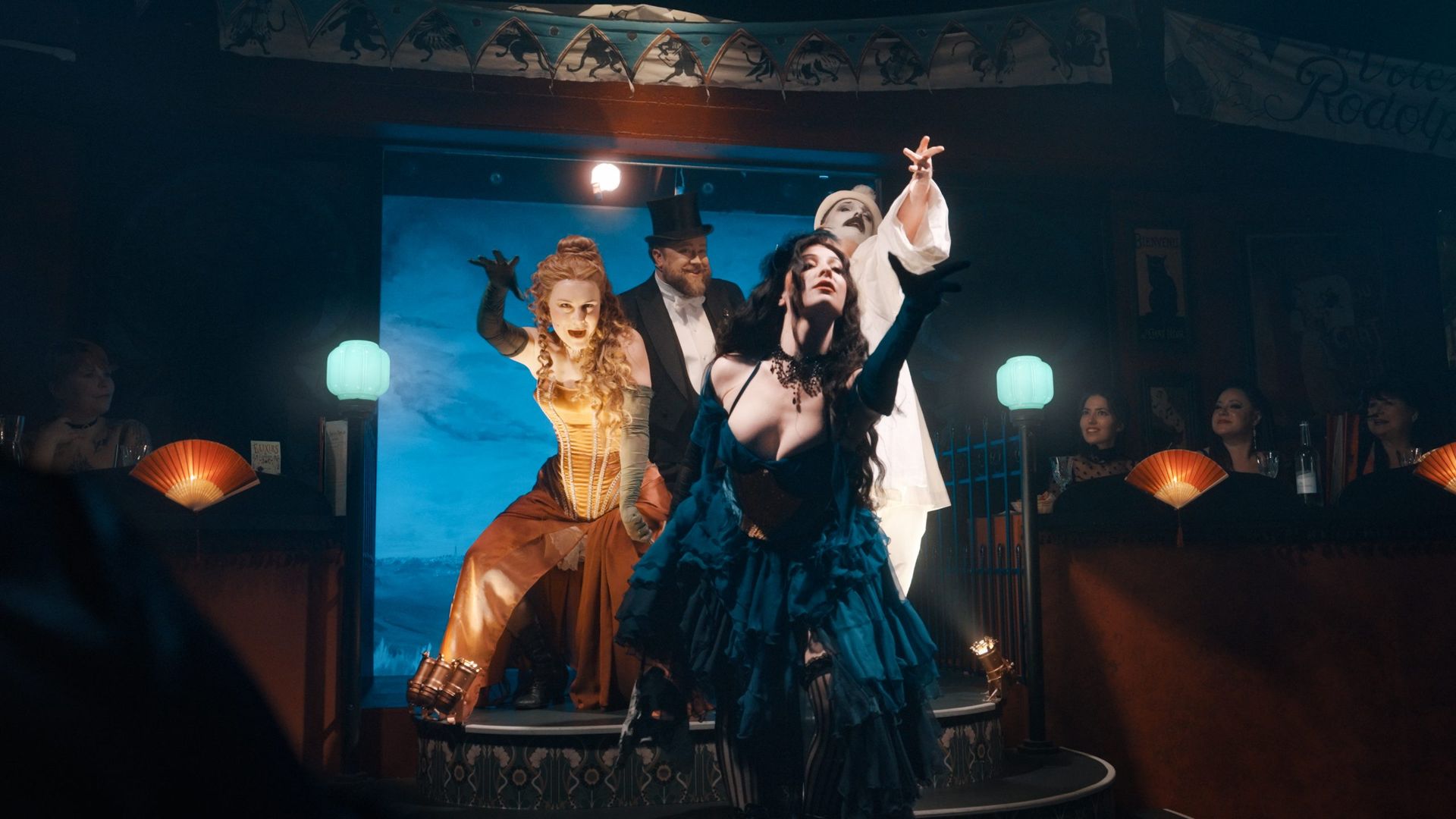
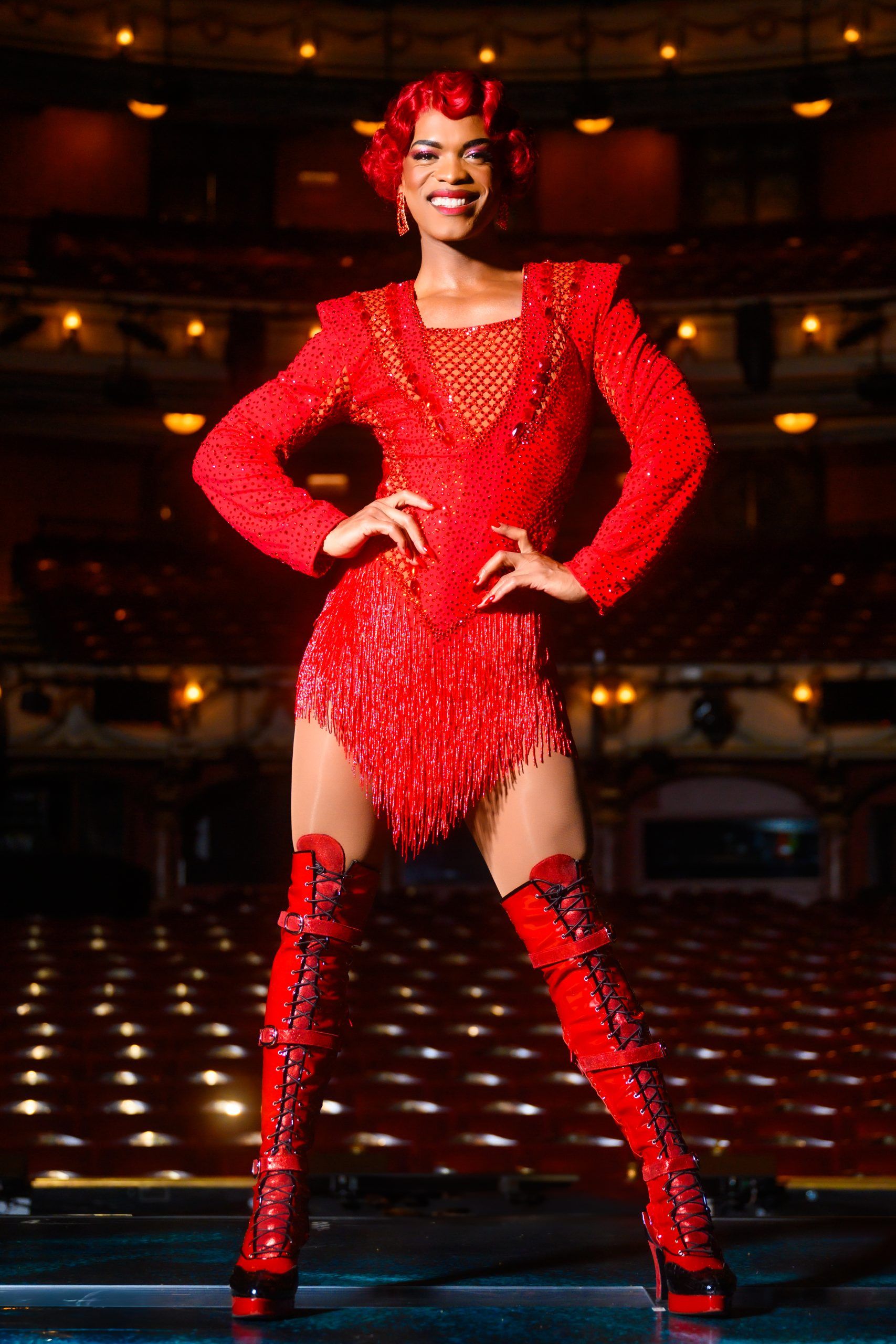
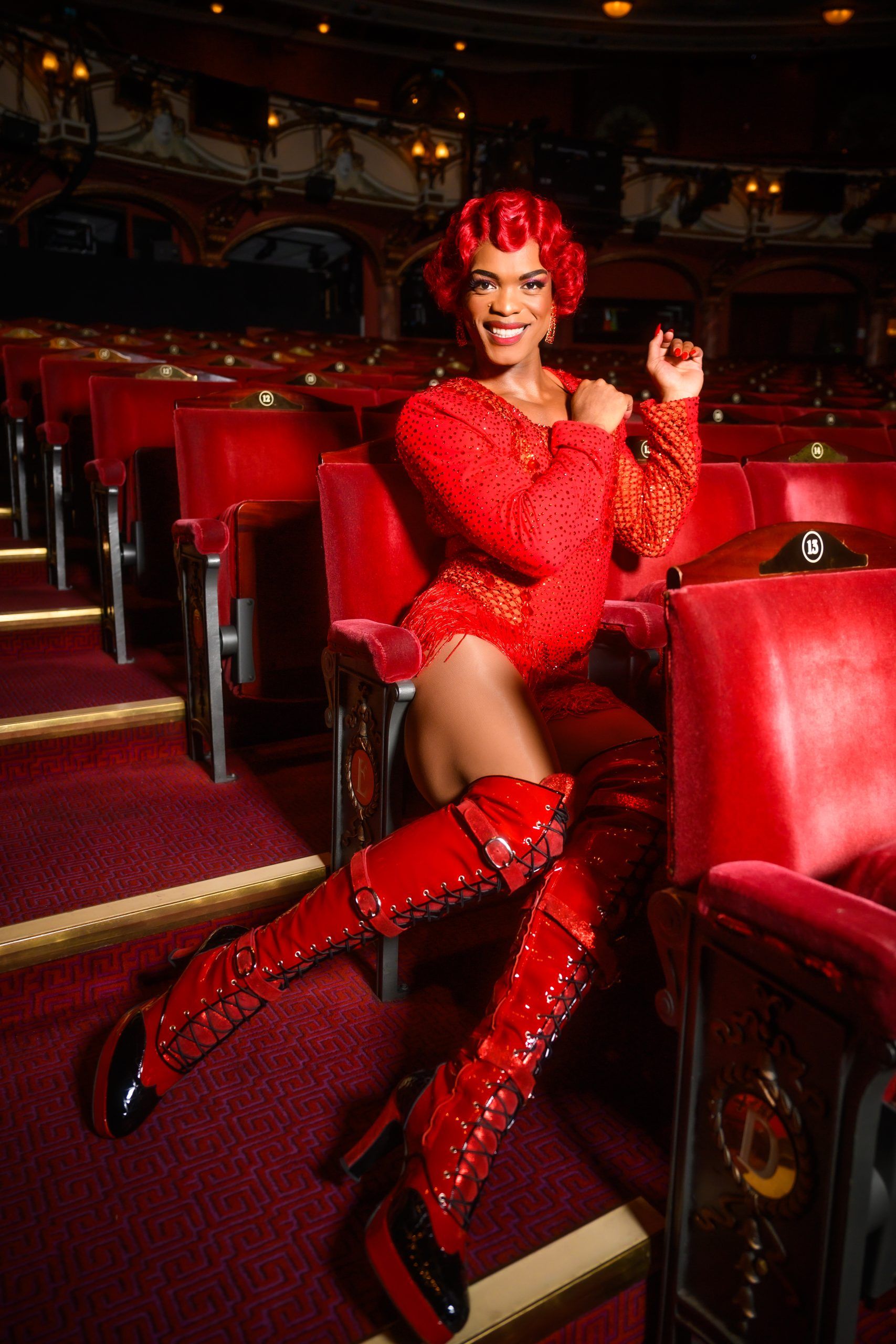
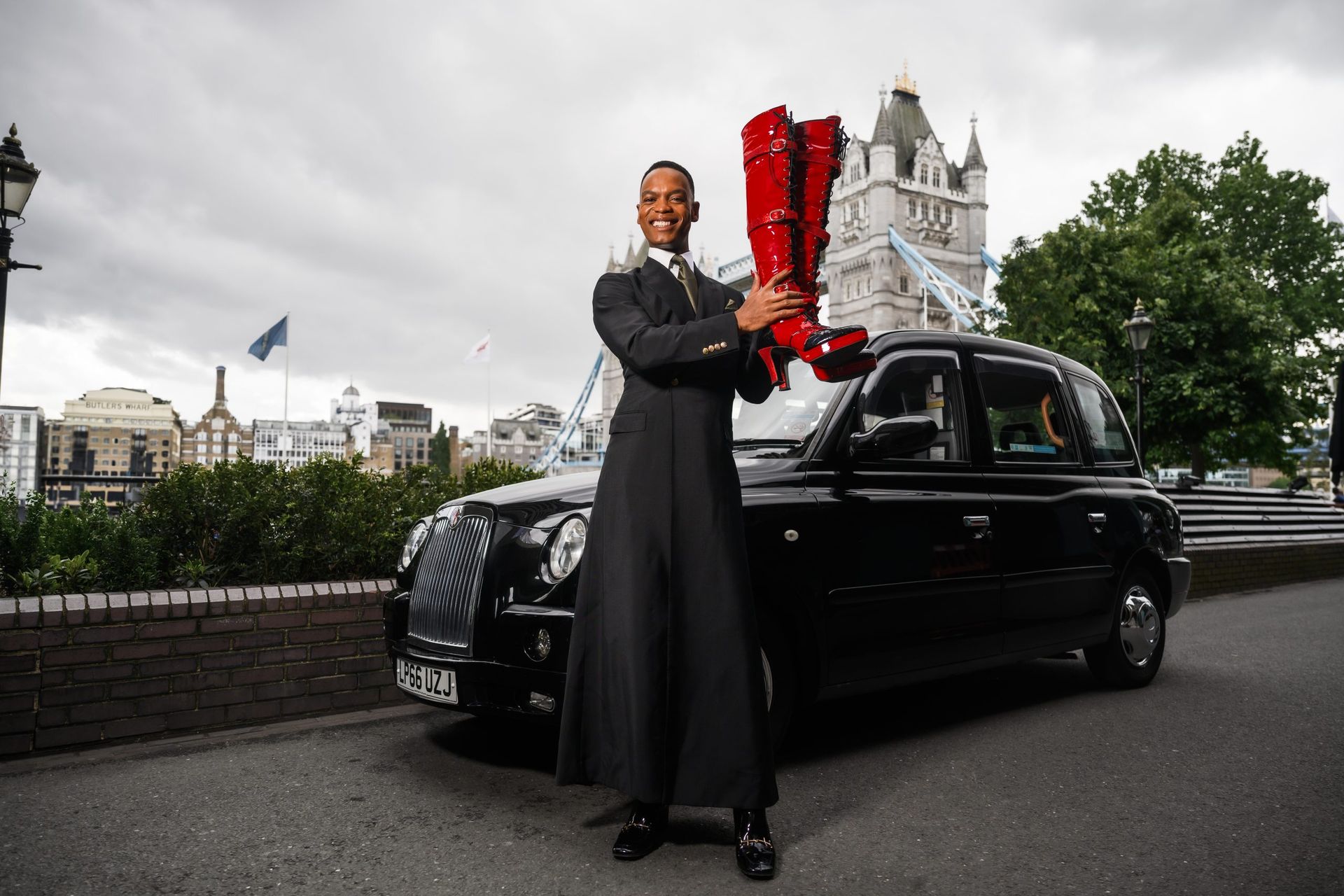
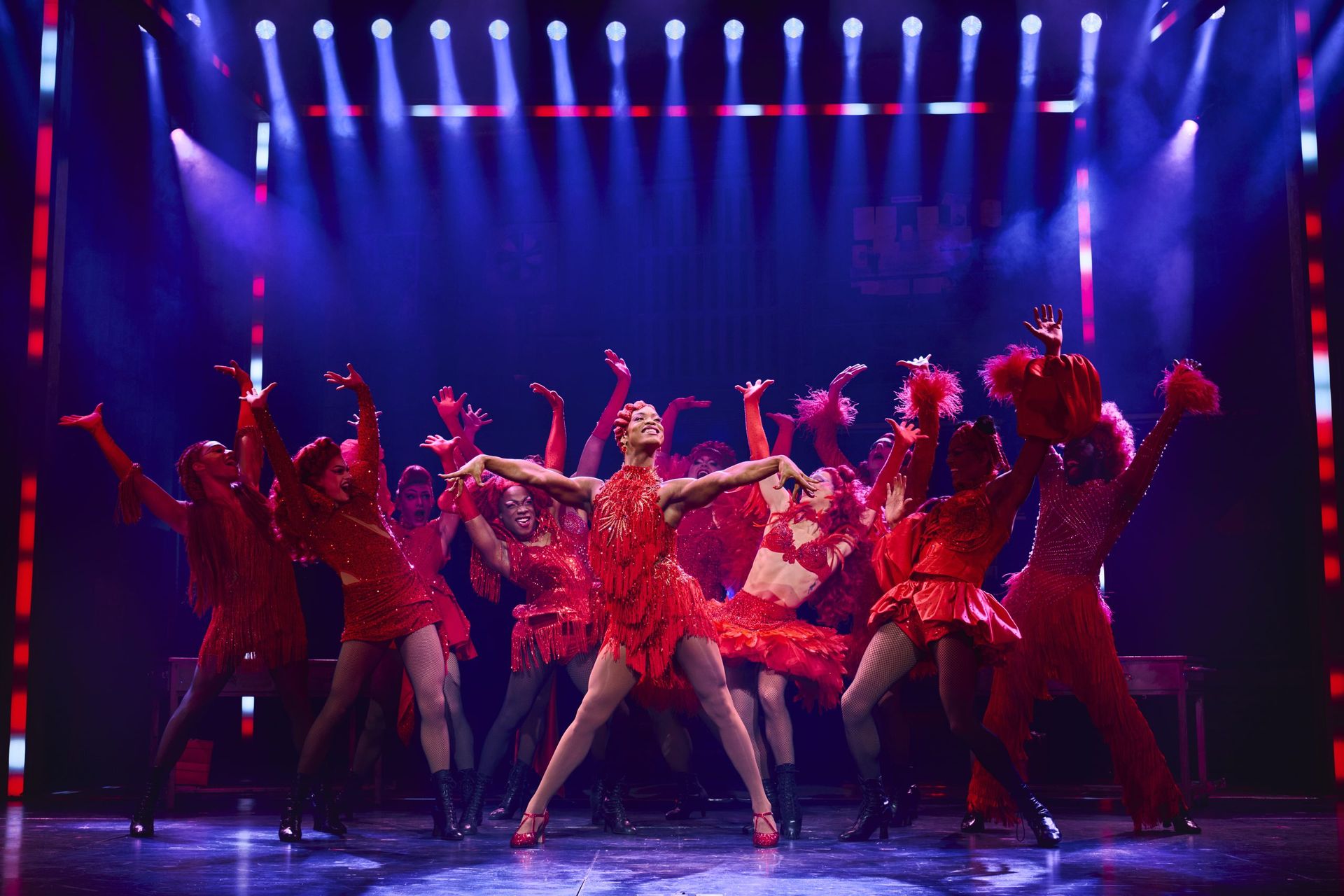
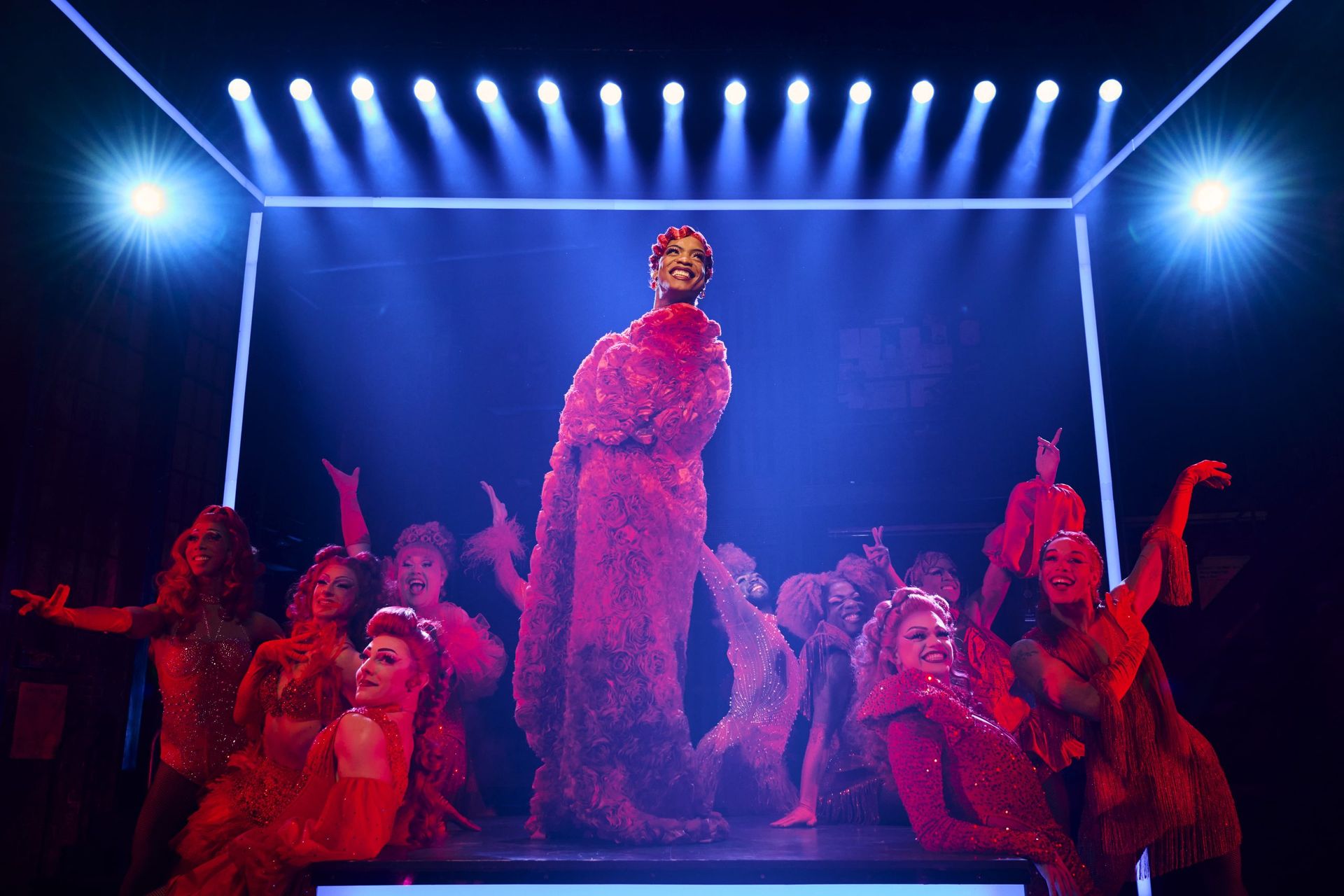
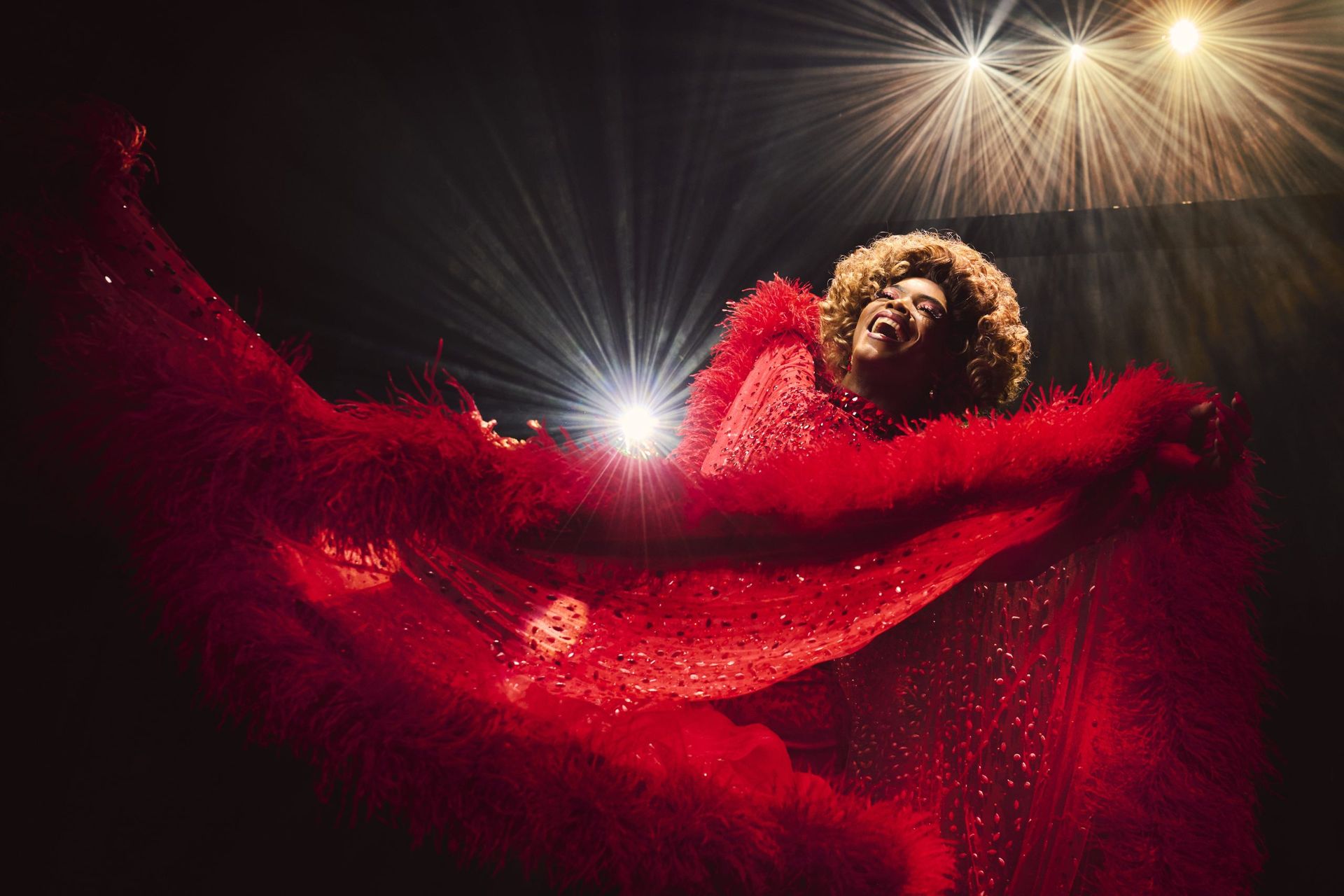
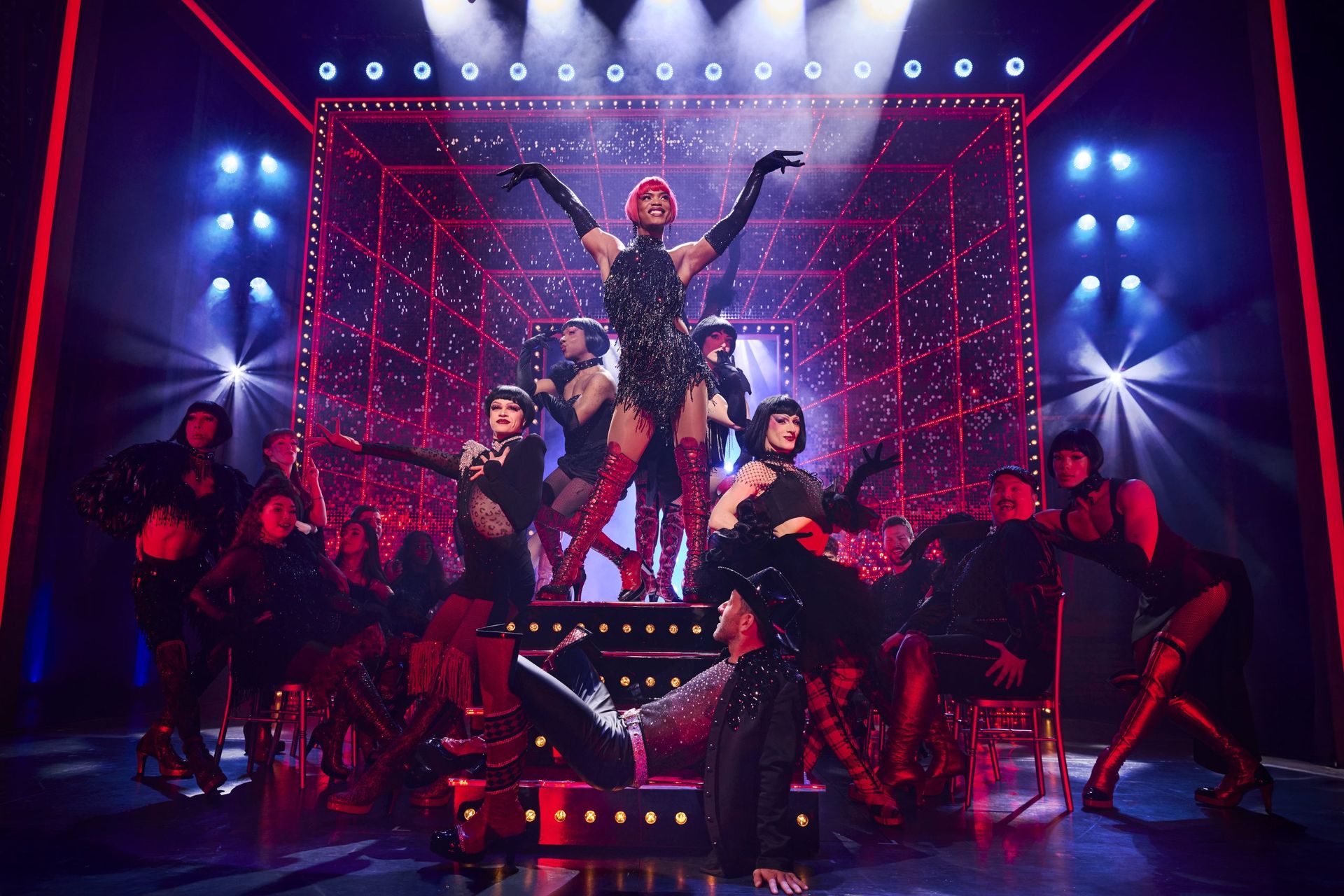
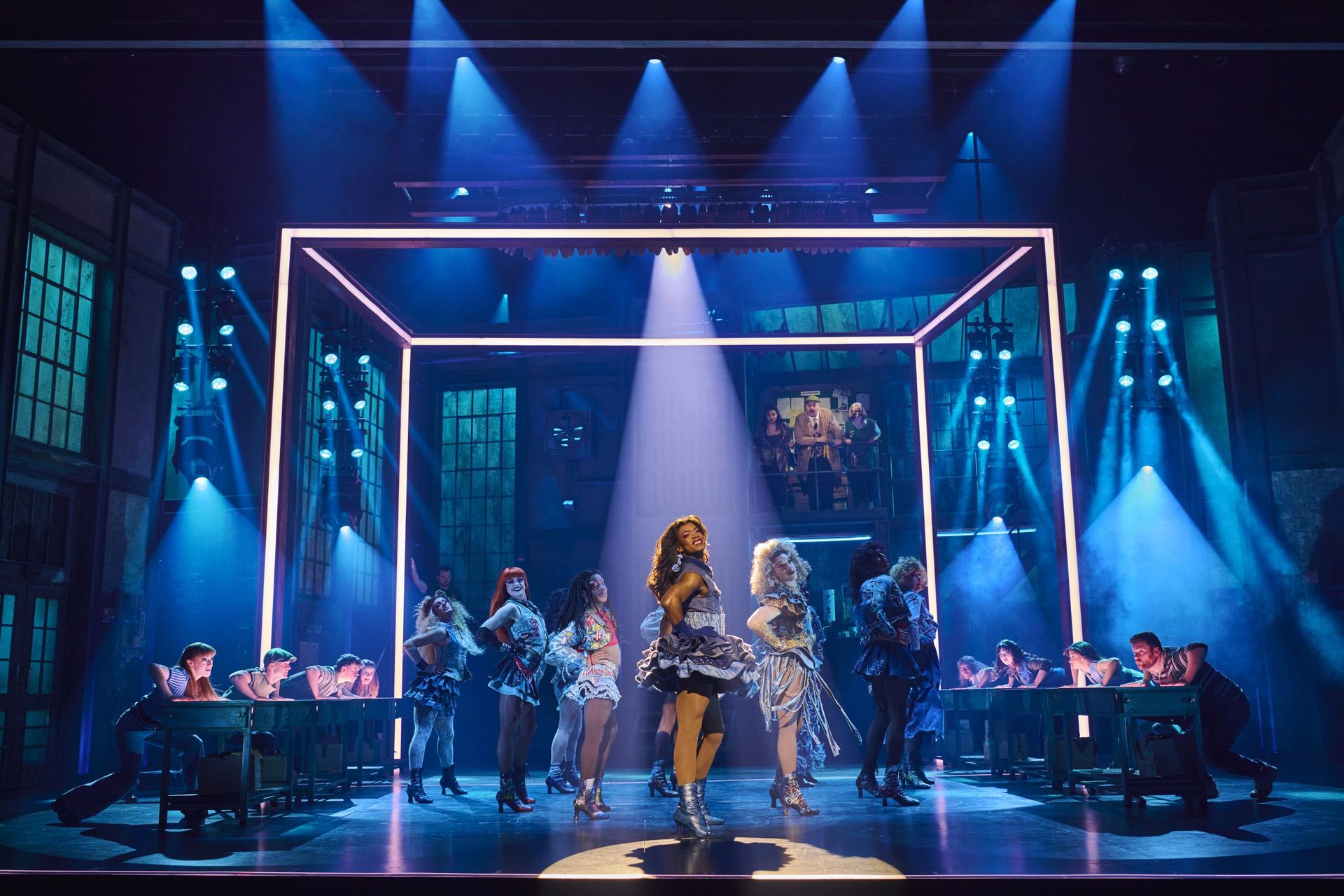
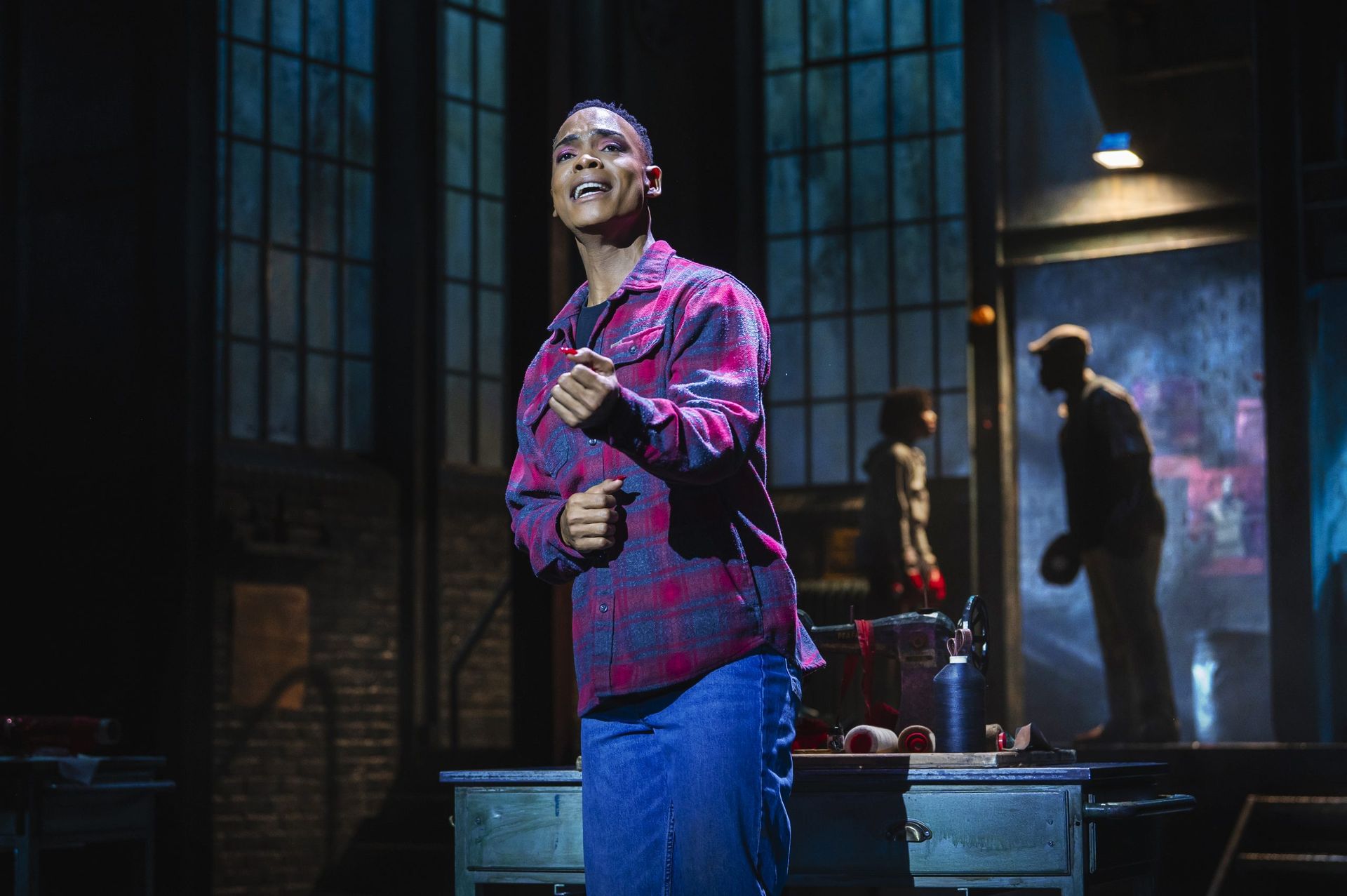
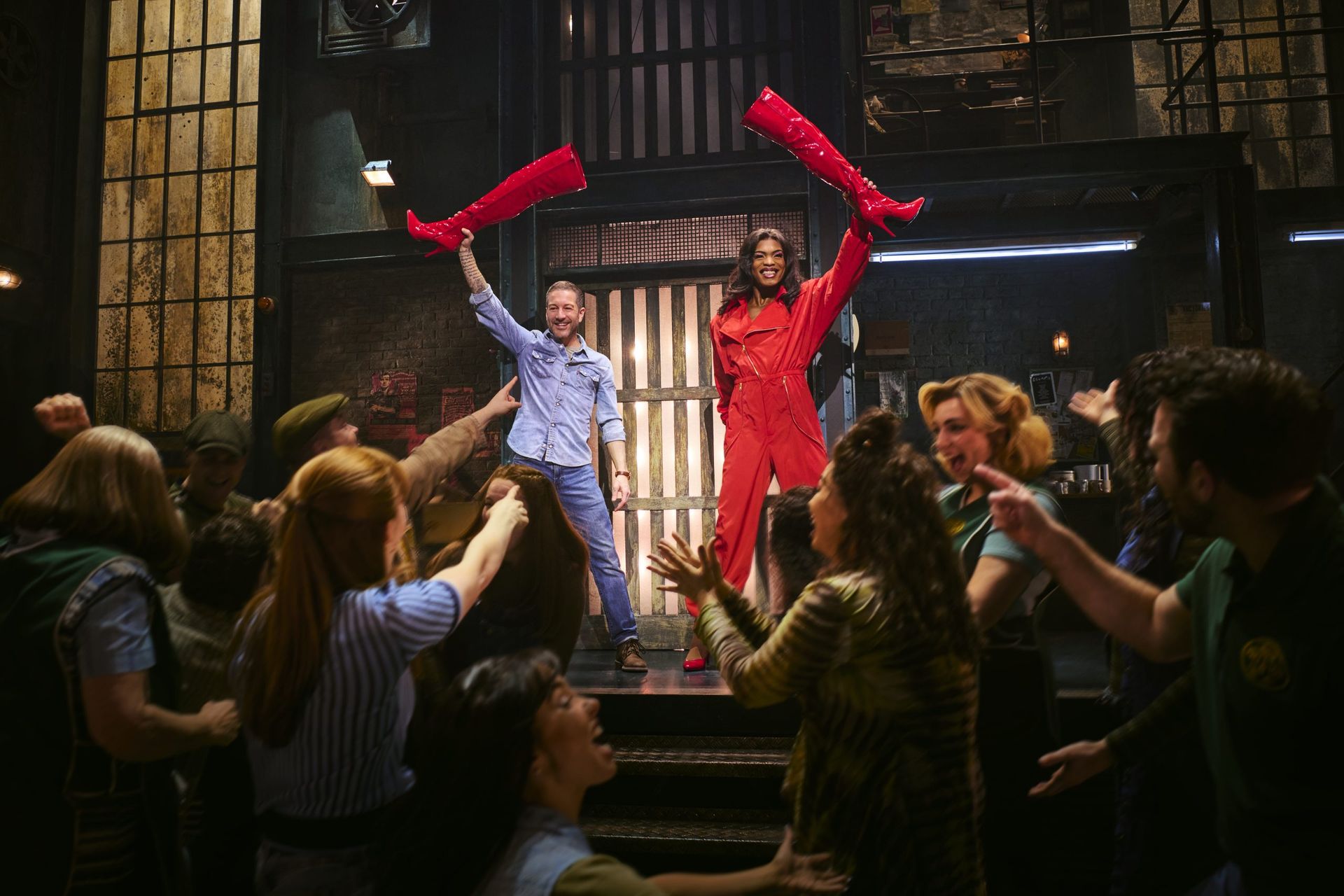
In Kinky Boots, Radebe steps into the towering heels of Lola, a role that demands not just charisma, glamour, and movement, but serious vocal and emotional weight. Determined not to be dismissed as celebrity casting, he spent two years training his voice before even asking to audition. Having had the privilege of seeing the show on opening night, I can say that commitment pays off – his performance is fabulous, joyful, and with stunning vocals.
I sat down with Johannes to talk about childhood, bullying, family, representation, finding community in the UK, and why playing Lola every night feels like coming home.
What was it like growing up in Zamdela, South Africa, as a boy who didn’t quite fit the mould?
I wouldn’t say it was isolating, because I was always surrounded by love. Home and the recreation centre, where I danced, those were my two havens. But school was hard. That’s where you realise how unkind the world can be, and for me it was often the adults, their views, their language. I just always felt like I didn’t belong.
I was very young when I started to feel that, seven or eight. And it’s wrong for a child to have to process that at that age.
So when I had the chance to travel outside my township and see that there was a world that accepted me exactly as I am, I held on to that. It felt like freedom. It felt like a way out.
My mum and my gran’s love was fierce, though. Every time I came home from the world, they reassured me there was nothing wrong with me. But it still got to a point where I just wasn’t a happy child anymore. When I was about 14, my mum realised she was losing me and made the decision to let me leave the township.
Looking back now, I don’t know if I was depressed, but it was definitely stifling. There was a lot of pressure to conform, to be a certain version of myself, and I internalised that. There were moments where I resented who I was, where I thought life might be easier if I could just change.
My mum was always trying to protect me. She worried about how hard life might be, and we’ve only really unpacked those conversations properly as adults. But seeing where I am now, seeing me fully myself, that’s been a journey for both of us.
The turning point was when she came to the UK for the first time. She saw me at a Pride shoot for Hello! magazine, heard me speak, saw me fully expressed, flamboyant, happy, colourful. And she said, ‘You look beautiful.’ That meant everything.
And it wasn’t just her. Members of my family who had never really understood, like my uncle, saw me dancing with John on Strictly and had to acknowledge that it was something beautiful. That’s when I really saw the impact of just being myself.
I’ve only really felt completely comfortable in my own skin quite recently, especially after dancing in heels on Strictly. And now, stepping into Kinky Boots, it feels like everything has come to fruition.
The very thing I once tried to hide has become my purpose. I get to stand on stage and open people’s eyes, to shift how they see things, especially people who may never have been exposed to someone like me before. And for me, the most transformative part of all of it has been my relationship with my family.
So when dance first came into your life, how did that happen, and what did it start to unlock for you?
Dance was always around me. Where I come from, it’s part of life. People wake up, we dance, people go to sleep, we’re still dancing. It’s part of the culture.
But I remember seeing ballroom and Latin for the first time on television, a couple dancing, and something just clicked. Around the same time, there was all this music coming through, Kwaito, a South African house music genre, groups performing, people just living freely. And I remember asking my mum, ‘Can I do that in life?’ and she just said, ‘Honey, read your books.’
Then one day at the recreation hall, someone demonstrated a waltz, and I saw this man in a sparkly tailcoat. I walked straight up to him afterwards and said, ‘How do I get to wear that?’ It wasn’t even about the dancing, it was about that costume. And he said, ‘Stick around.’
So I did. Most of the other kids drifted off, but I stayed. We were partnered up and taken to a competition, and that was the first time I ever left my township. It was the first time I realised there was a bigger world out there, and that there were people like me in it. That’s where I saw that freedom.
From then on, my day really started after school. At school I kept my head down, but dancing was where I could be myself. And people encouraged me, they cheered me on, they nurtured me. I always say I know a real cheer and real applause, and it was there.
I remember coming back from that first competition with a little plastic trophy. I didn’t even win, it was just for taking part, but my mum was waiting at the bus stop. She picked me up, ran down the street celebrating like I’d won everything. And something clicked in that moment.
That’s what dance gave me. It affirmed who I was, and it gave me hope.
‘The mission has always been to create a world where others could feel seen, heard, and understood.’
You’ve mentioned your mum and your auntie being really supportive, but what was your relationship like with your dad?
My dad loved me. He really did. He took me to every soccer game around the country, which I hated because it was just filled with that kind of toxic masculinity, and then there was me, just being myself, pulling moves, making people laugh. It was hard to navigate, because I knew I was loved, I knew I was his boy, but you could also feel the discomfort.
I remember asking for dance shoes and being told yes, and then opening the box and finding soccer boots. That was quite a moment. It took him time to come around.
What shifted things was when one of his friends saw me dance at a competition and told him, ‘Your son is incredible.’ After that, he came back and said, ‘When is your next competition? What do you need?’ He never actually saw me dance himself, but there was that support in his own way.
He passed away before I reached my championship level, so there’s a lot that was never said. Life was a bit too short for him.
You’ve spoken about facing bullying, and even violence – how did that shape your sense of who you were?
At the time, it was just horrible. It strips you of your humanity. It makes you question who you are and whether you even have a place in the world. I had suicidal thoughts from a very young age, but I was able to talk to my mum, and I think that’s why she was always so protective of me.
Looking back now, I can say it gave me resilience and compassion. It forced me to create a life for myself. If I hadn’t gone through that, I don’t think I would have stepped into my purpose or found a way out.
But it also came with loss. I lost a friend to suicide. We were teenagers, and he was quite queer. He left the township, came back home, and people were unkind. Then he got sick, and we weren’t allowed to see him. Nobody spoke about what had happened, and then his brother told me he took his own life. Just from people being unkind and bullying.
I remember thinking, what if that was me? And that’s when I made a decision. I thought, I’m not going to live like this, because I know where it could lead.
That’s why the mission has always been to create a world where others could feel seen, heard, and understood. So now, everything I do comes from that place. I try to lead with joy, with love, because I know what it is to go without it, even if only for a moment.
Do you think your experiences of bullying have shaped the way you see people now?
Yes, absolutely. It was the how and what was said, and how it was done, that made me lose faith in people at times. And as a child, to be processing all of that, it’s wrong on so many levels. That’s why I feel so strongly about protecting children. Children are precious, and they need to be protected at all costs.
You’ve spent a lot of time building a life in the UK – what have you found in terms of community here?
I always say, in this country, there is such a sense of community. I’ve been to every corner of the UK and I’ve always been met with kindness. That’s what’s allowed me to make this place feel like home.
There’s something beautiful about the way people connect here. It can be something as simple as having tea or coffee with someone you’ve just met. I feel like I’ve found sisters, friends, extended family. People invite you into their homes, and that means a lot.
But it’s not like that everywhere. You only have to look at what’s happening in parts of Africa, where governments are putting more pressure on people, even introducing death penalties for two consenting adults wanting to love each other. That’s scary, because that’s home to me.
Before UK audiences knew you, you were already making a name for yourself on Strictly Come Dancing in South Africa. What did that experience give you as a performer?
That was really the inspiration to get here. I was always frightened of cameras, frightened of television. It took me away from my focus of trying to become a world champion, but it also gave me a salary and allowed me to support my family, so there were choices to make.
Before that, I’d spent seven years on ships, dancing every night, and I got to a point where I thought, there has to be more for me. That’s also when I first really learned about musical theatre and the world of Broadway and the West End. I’d done theatre back home, but it was very local, very different.
When I landed Strictly in South Africa and started researching the UK show, that’s when it all opened up for me. I started seeing what was possible, watching dancers like Brendan and Anton, and realising the kind of careers they’d built beyond the show.
As a South African boy, I didn’t think that was something that could happen for me. But doing that show allowed me to dream a little bit.
And how did the move to the UK come about – was that something you were able to transition into from the South African show?
The UK is definitely the mothership. We were doing Dancing with the Stars in South Africa, and the execs from the UK came over to support the production. I was given a meeting with them, and my exec at the time said to me, ‘Your talent needs to be shared with the world. Just show up on time and let’s see what happens.’
They saw me dance and that led to the opportunity, but then I had to wait two years for the call. It wasn’t instant.
Around that time, I was also in London with Burn the Floor at the Peacock Theatre, and the Strictly team came to see the show. That was another moment of being seen. I met people like Oti Mabuse and Jeanette Manrara, people I’d watched on television, and it gave me a glimpse of what that world looked like.
For a lot of us in Burn the Floor, that was the dream, to step into something like Strictly. But I didn’t do it on my own. I showed up, but there were people who believed in me and helped open those doors.
What did it feel like stepping into the UK version, knowing how huge that platform is – and as a Black man coming from South Africa into that space, did you feel a difference in how you were seen or received?
I didn’t realise just how massive it was. I knew it was a big show, of course, but I didn’t understand the reach or the impact. When I realised it plays in winter, when everyone is at home, curled up on the sofa watching, that’s when it hit me. The magnitude of it.
And I wasn’t ready for it. I wasn’t ready for the fans in Blackpool, I wasn’t ready for the media scrutiny. I don’t think I was media-trained at that point, and I struggled with that side of it.
In terms of how I was seen, I don’t think I ever went into it thinking about myself as a Black man in that way. That wasn’t my perspective. But I have been made aware of it since. Representation does matter.
I come from a place where everybody looks like me. Then you come here, and even though Strictly is diverse, when you look at the lineup, there were only a few of us, myself, Oti, Carlos, Nancy. And that’s when you start to understand the impact of being visible on that platform.
I remember a friend saying to me, ‘You’ve made Black beauty palatable.’ And that really stayed with me, because it wasn’t something I had set out to do. But hearing that from people in the industry made me realise that just showing up does something. It opens doors. It gives people permission to say, ‘We are here.’
And that’s something I’ve carried with me, even when I was thinking about stepping into musical theatre and taking on a role like Lola. Because I know how many incredibly talented Black performers are out there, and how few opportunities there can be.
But I also had to remind myself, I’ve worked for this. And showing up matters. Because it does liberate.
You’ve spoken about not wanting to be seen as just a celebrity stepping into a role, and about putting in two years of singing lessons before taking this on – what was driving that?
All my life, I’d been told I sounded like a sheep because I have a strong vibrato. That comes from my church background, there was an apostolic church across from my mum’s house, so that influence was always there. But I grew up thinking I couldn’t sing, let’s just put it that way.
When Kinky Boots came up, I thought, okay, Jojo… because I grew up listening to people like Patti LaBelle, Whitney Houston, Shirley Bassey, those were the women that carried me. And I always felt like there was something there.
Then I read the script and I thought, Lola and I are the same person. That’s what really connected me to it. But I was scared. I remember speaking to Annabelle Croft about it, and she said, ‘Just go to a singing teacher.’
So I did. I walked into this room, and she said, ‘Open your mouth and sing. I don’t care how it comes out, I just want to hear where you are.’ And after a few tweaks, she started showing me how to warm up my voice properly. I didn’t really know how to do that before.
At the end of that session, she said to me, ‘With enough time and training, you can do this.’ And that’s all I needed. I just needed someone to affirm it.
After that, I went home and I didn’t stop singing. Every Sunday during Strictly, without fail, I had a singing lesson. I didn’t tell anyone, I just kept working at it until I felt comfortable.
And then after about two years, I went back and said, ‘Do you remember that conversation? Do you think I could audition now?’
And now that you’re performing Lola, what has surprised you most about yourself in the role?
The fact that I can just do it. I say that because playing Lola has reassured me in ways I didn’t expect. People see me and think I’m completely confident, but there are still layers of me that have needed to heal, and still do. I still go to therapy. I still deal with imposter syndrome. That doesn’t go away.
But stepping into this role every night, the storytelling, the journey, it affirms something in me. It heals parts of my past and my pain. Everything we’ve been talking about, the bullying, the fear, it’s all there on stage, and I get to face it. I get to play out those fears every single night, and that’s been incredibly liberating for me.
There’s something about the transformation as well. The hair, the make-up, the nails, taking that time to get ready. I’ve always admired women, I love them, and there’s a power in that process. It’s allowed me to really sit in my truth, and I’m enjoying that, I really am.
And when I think about my mum, about the fears she had for me when I was younger, how worried she was about how hard my life might be, and now she’s FaceTiming me while I’m getting ready, asking about the hair, the make-up, the costumes, it just shows how far we’ve come.
So when I say I’m living my best life, I really mean it.
Catch Johannes in Kinky Boots at the London Coliseum until 11th July 2026.
Get your tickets at londoncoliseum.org
Words Nick Barr
Production photography Matt Crockett
Portrait photography Charlie Flint