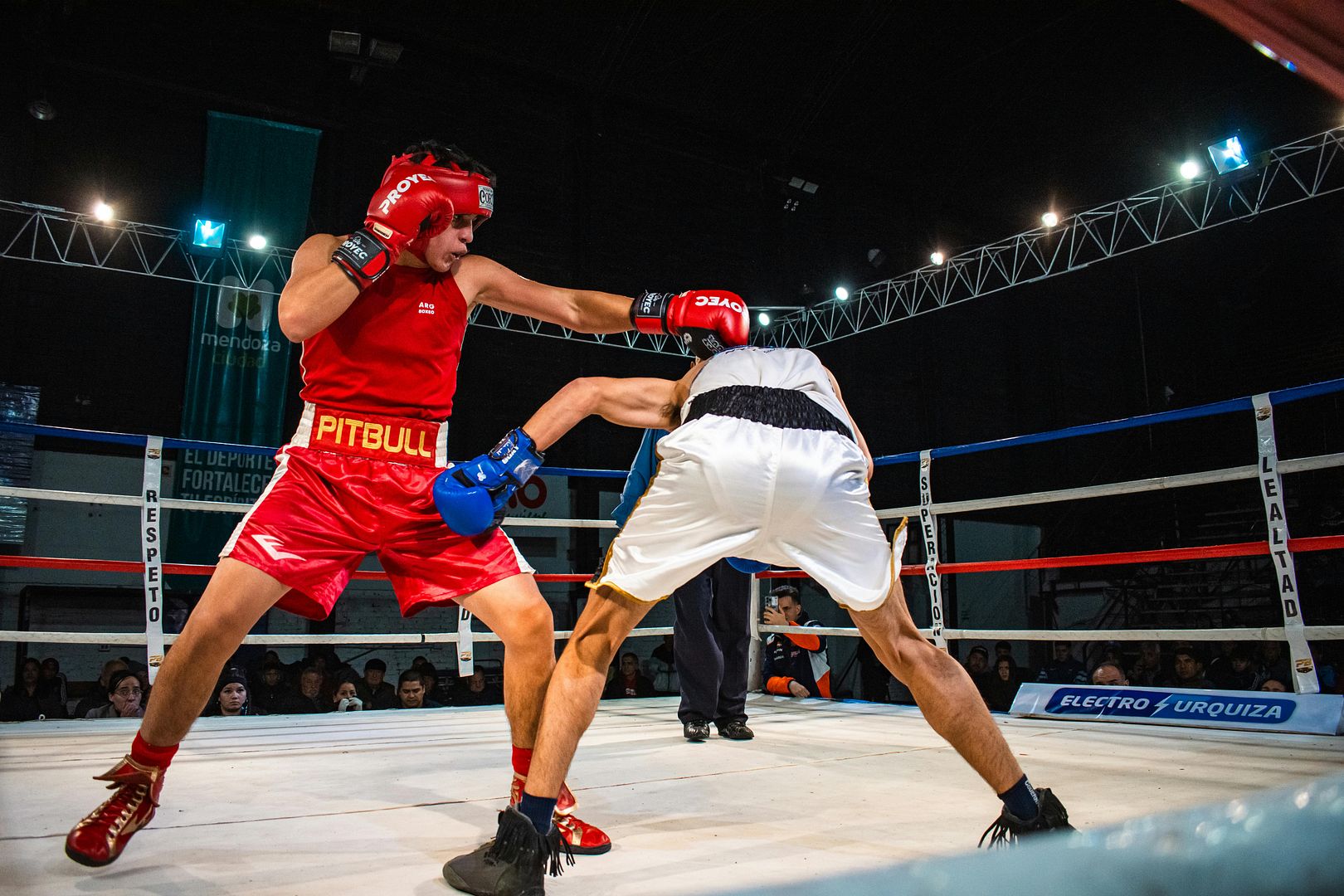
Boxing has always carried a sense of drama. The tension of the walkout, the silence before the first bell, and the sudden shift from stillness to impact all feel almost cinematic. In recent years though, something has changed. The sport has not just stayed relevant. It has expanded into something far more cultural.
Today, major boxing events feel less like isolated sporting contests and more like global moments. They live across timelines, trend on social media and attract audiences who might never have tuned in a decade ago. Somewhere between tradition and transformation, boxing has found itself at the center of sport and celebrity culture.
The growth of modern fight night
A big fight used to be about rankings, titles and legacy. Now, it’s also about narrative. Promoters and fighters now build narratives around each bout, complete with dramatic visuals and carefully edited storylines. Press conferences are no longer just a formality. They are performances designed to go viral.
Even the pacing has changed. Weeks of build-up stretch across platforms, with clips, interviews and behind-the-scenes content feeding anticipation. By the time fight night arrives, the audience is not just invested in the outcome but also in the storyline that comes with it. And that story doesn’t end when the bell rings. Post-fight reactions, memes and analysis extend the lifecycle of the event far beyond the arena.
When celebrities enter the ring
One of the most visible shifts in boxing’s cultural status has been the rise of crossover fights. The bout between Jake Paul and Mike Tyson generated around 108 million live viewers globally on Netflix. It combined nostalgia with internet-era spectacle. Similarly, KSI stepping into the ring against Logan Paul helped to redefine what a boxing audience could look like, reaching a whole new audience.
These events are often polarizing, but they are undeniably effective at pulling in new viewers. The first KSI vs. Logan Paul fight reportedly drew 1.2 million pay-per-view buys globally. This is a figure that rivaled some traditional championship bouts and highlighted how powerful digital-first audiences have become. For a generation raised on YouTube and streaming platforms, these fighters aren’t outsiders. They are familiar faces. Watching them step into a boxing ring feels like a natural extension of the content they already consume.
Ringside is the new front row
It’s not just who is fighting. It’s who is watching too. Major boxing events now double as high-profile social gatherings, with celebrity attendees often becoming part of the excitement. You will find names like Drake, Rihanna and Leonardo DiCaprio seated ringside, their reactions captured just as much as what’s going on in the ring.
Fashion plays a role here too. Fighters arrive in custom looks, while guests treat the event like a red carpet. The visual language of boxing has shifted. It’s no longer just about gloves and belts, but about image, identity and presence. For fans watching at home, this adds another layer of appeal. You’re not just watching a fight. You are watching a moment where sport, entertainment and style all come together.
The digital engine behind the hype
Social media has become boxing’s most powerful tool. Clips from press conferences circulate within minutes. Training footage builds anticipation. Even small interactions between fighters can spark days of conversation. The sport has adapted seamlessly to a content-driven world.
Streaming has also reshaped access. Events that might once have been limited to specific regions now reach global audiences instantly. This accessibility has contributed to a noticeable surge in viewership for major fights.
For instance, the highly publicized clash between Floyd Mayweather Jr. and Conor McGregor drew an estimated 4.3 million pay-per-view buys in North America alone, making it one of the most watched combat sports events in history. Moments like this show how boxing, when paired with the right personalities and narrative, can still command enormous attention in a fragmented media landscape.
Betting becomes part of the experience
As boxing continues to evolve, so does the way fans engage with it. For many, watching a fight now includes analyzing matchups, tracking odds and making predictions. It creates a more interactive experience and encourages deeper engagement with each bout.
Platforms like Oddspedia have become part of that ecosystem, offering real-time comparisons across bookmakers and helping users navigate their options more clearly. For those exploring a list of current sportsbook betting offers across Canada, it provides a simple and data-driven way to assess value without jumping between multiple sites. This doesn’t define the experience, but it does add another layer of excitement, especially for fans who enjoy the analytical side of the sport.
Style, persona and the modern fighter
Spend a few minutes watching a modern fight build up and one thing becomes clear. And that image is important. Fighters are thinking about more than just the ring. Walkouts are choreographed, outfits are custom-designed and personal branding is carefully curated. Some collaborate with designers, while others build entire lifestyle identities around their careers.
This shift shows a broader change in how athletes operate within culture. They are not just competitors. They are public figures moving through fashion, media and entertainment spaces at the same time. Fans respond to that. A compelling persona can elevate a fight from a sporting contest into a wider cultural moment.
Why boxing feels so relevant right now
There’s a reason boxing continues to cut through the noise.
- It is inherently dramatic
- It adapts quickly to new media
- It embraces crossover appeal while still respecting its roots
That balance can be hard to achieve, but boxing manages it. The core of the sport remains unchanged. Two fighters, one ring and one outcome. Everything around it, however, has evolved. The result is something that feels both familiar and new. A sport rooted in history, now thriving in a digital and celebrity-driven era.
The future of the fight game
Boxing’s trajectory suggests it will not slow down anytime soon. If anything, the lines between sport and entertainment will continue to blur. Boxing’s influence continues to stretch beyond the ring and into film and television. Stories built around the sport have long captured mainstream attention. More crossover events, larger global audiences and deeper integration with fashion, music and digital culture are all likely.
At the same time, the essence of boxing remains intact. That tension, that unpredictability and that sense that anything can happen in a single moment still drive the sport forward. In a world where attention is constantly shifting, boxing has found a way to hold it. Not just through punches and titles, but through presence, personality and its ability to turn a fight into something much bigger than sport alone.