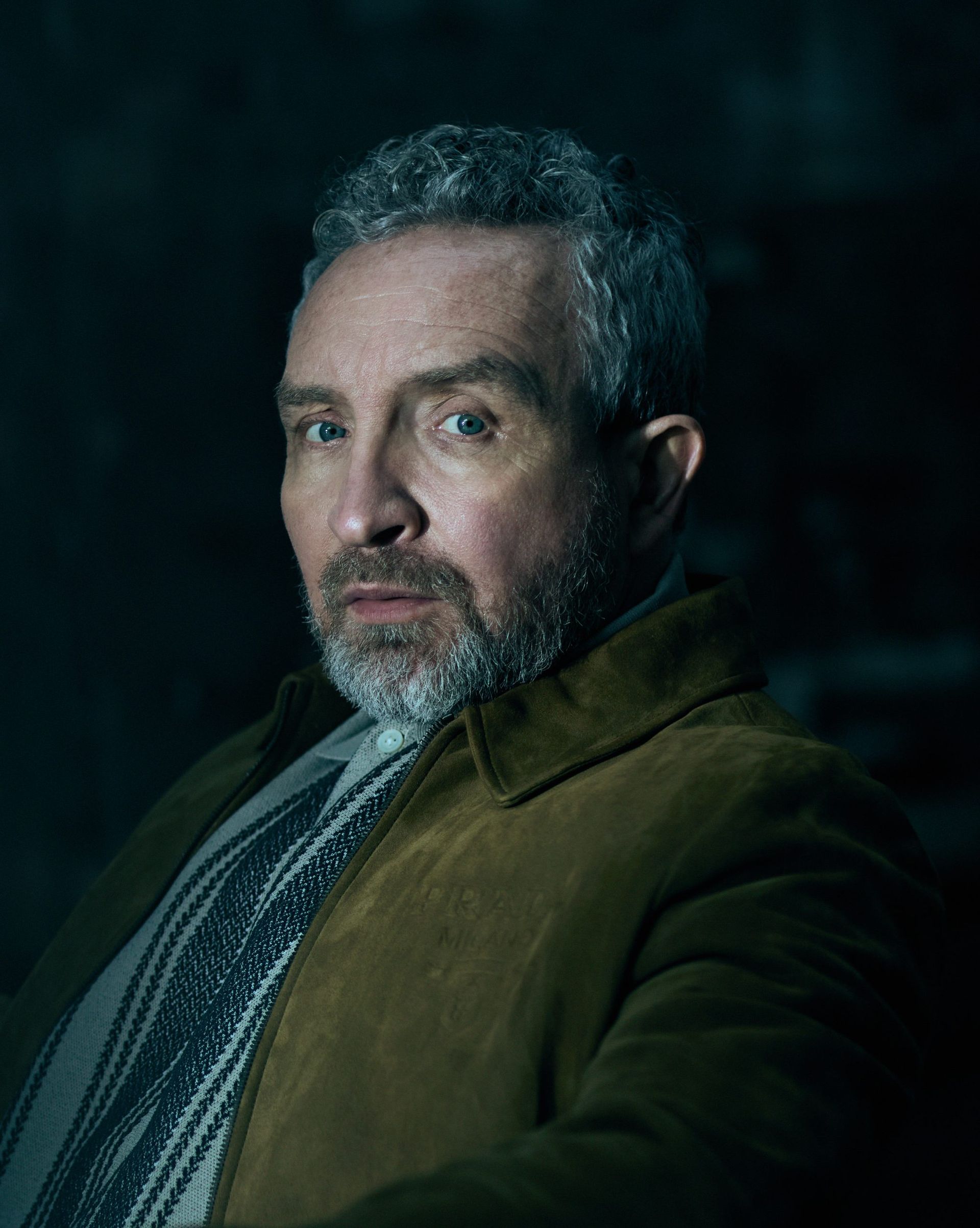
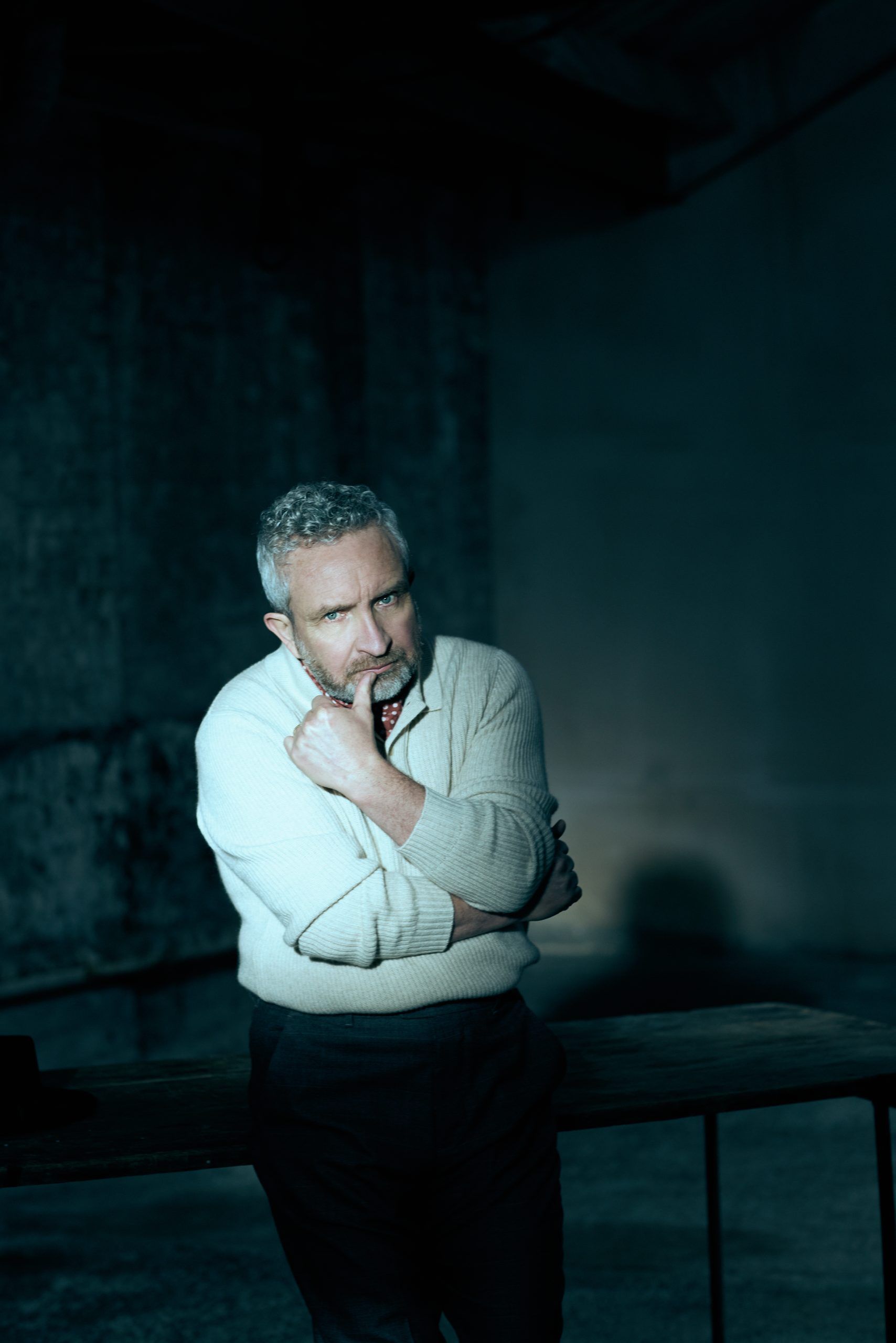
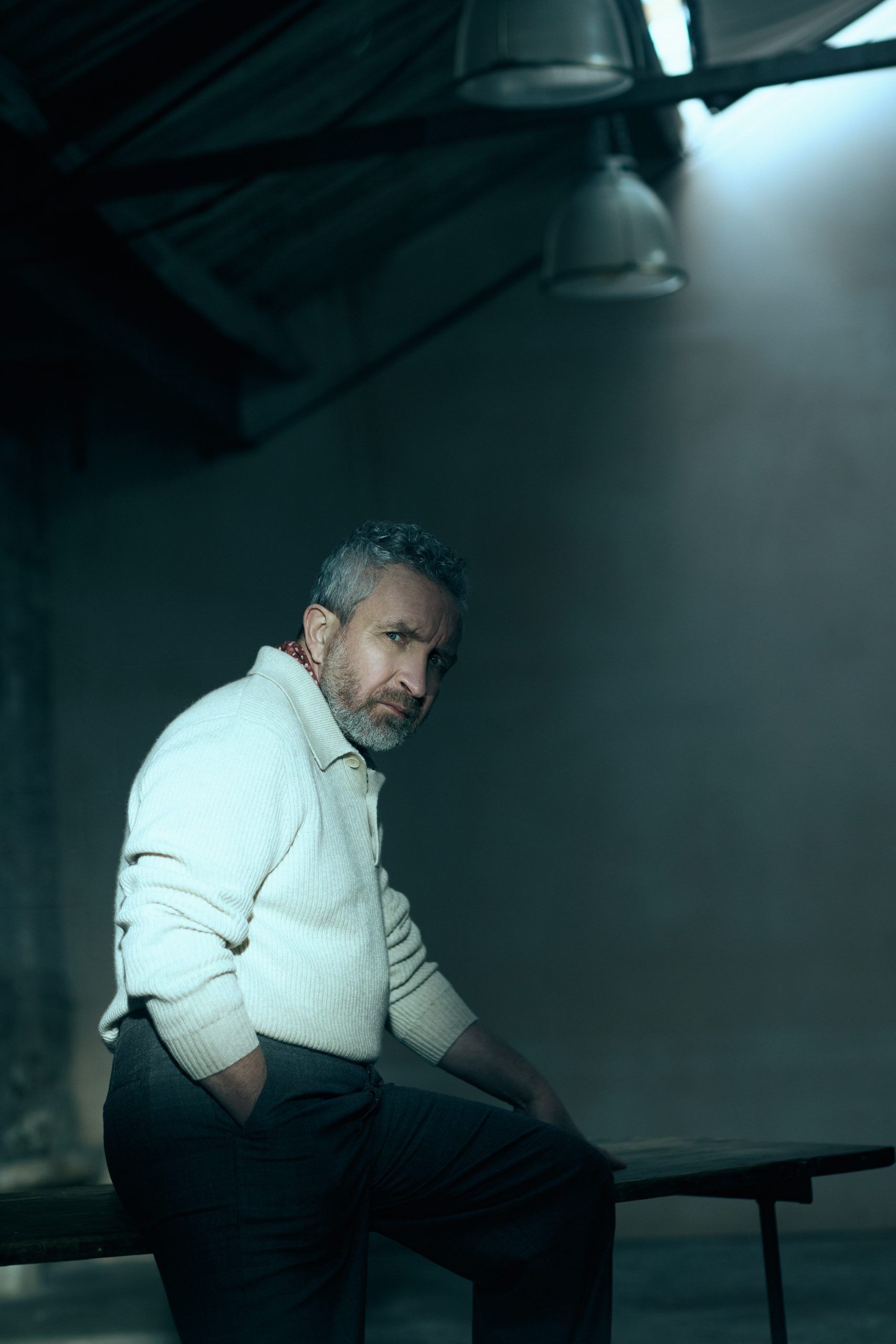
Revered, diligent, and no-nonsense are just three ways you could describe East London actor, Eddie Marsan OBE, and for good reason. Similarly to peers such as Stephen Graham, Marsan has built a career as one of the most hardworking talents around. From playing Richard III on stage to starring alongside Robert Downey Jr. in Guy Ritchie’s Sherlock Holmes films, or appearing in Edgar Wright’s The World’s End from the Cornetto Trilogy, Marsan has proven himself an acting powerhouse across a career spanning three and a half decades. No matter what job he takes on, he imbues a sense of quiet yet intense focus into each role.
Undoubtedly, across many big performances and an eclectic body of work, which also includes Amy Winehouse biopic Back to Black, Netflix’s Heartstopper, 21 Grams, and so much more, he remains a magnetic force on the big screen. Constantly working on top-tier projects, Marsan has appeared recently in Sky’s Prisoner with more to come later this year – including anticipated projects such as Clayface and Lord of the Rings: The Rings of Power season three.
In an industry where ego can often run rampant, Marsan consistently comes across as a genuine, family man who loves his job and the art form. There’s no pretence or pomp, just an unwavering work ethic and a deep understanding of every role. Despite admitting during our Zoom conversation that he still approaches roles with the mindset that he’s always ‘third choice’ — even though he hasn’t properly auditioned in nearly a decade — it’s now the case that if Marsan is attached to a project, it feels like a seal of approval given his quality.
When meeting Eddie this time for 1883, it’s primarily for No Ordinary Heist, a thrilling film based on the real-life Northern Bank robbery in Belfast in 2004, where a staggering £26.5million was stolen. In the project, Marsan plays a workaholic bank manager who is kidnapped by the criminals, forcing him to work with co-star and disgruntled employee Éanna Hardwicke. It also features Game of Thrones’ Michelle Fairley.
For his second 1883 Magazine interview, Eddie Marsan discusses working on No Ordinary Heist, accent work, the reform he would like to see implemented in the industry to help working-class actors, upcoming projects like DC’s Clayface, and much more.
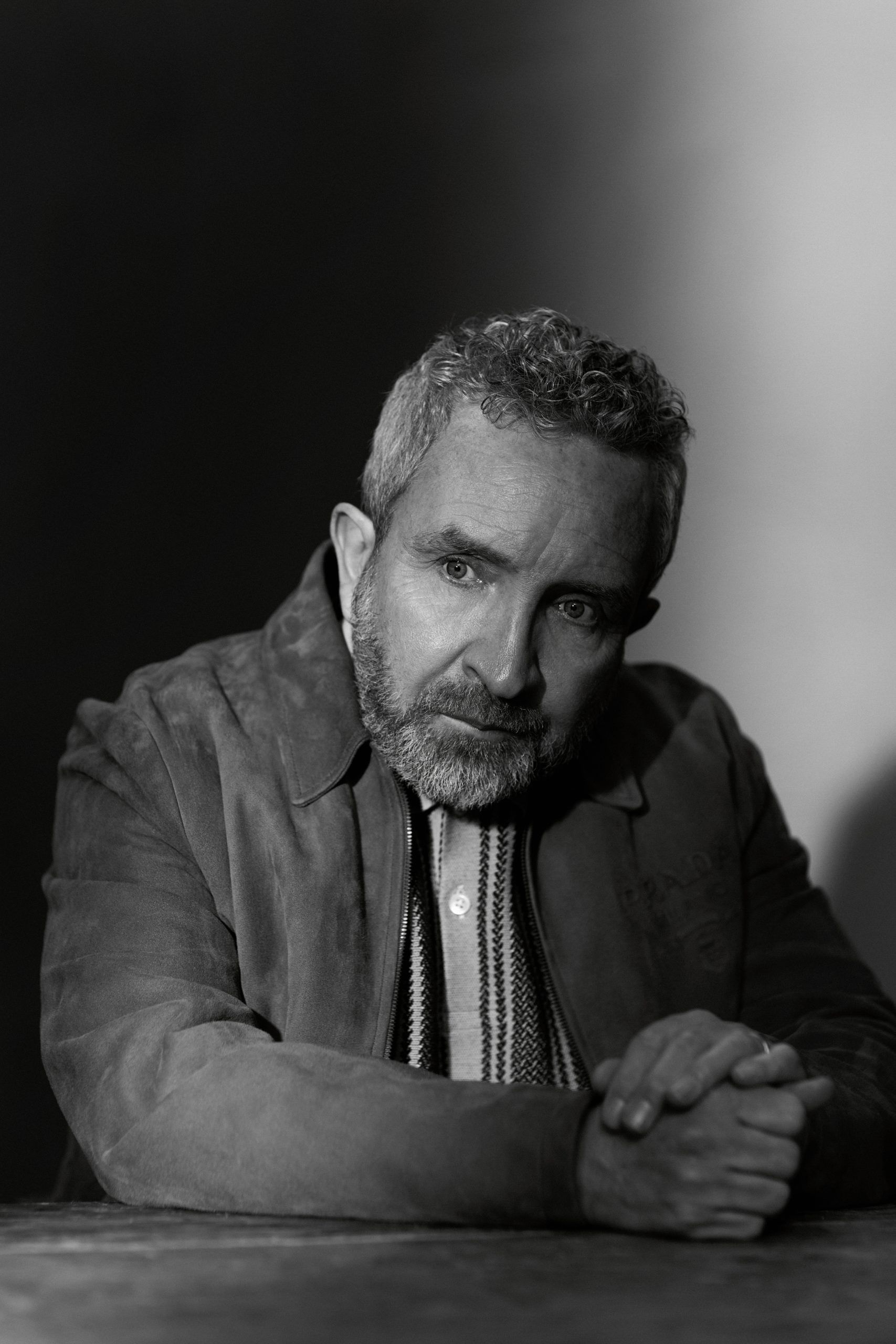
Eddie, thanks for chatting with 1883 again. We spoke briefly for All The Devils Are Here, last year. Now, we’re back for No Ordinary Heist and a general chat. I went in blind, not knowing anything about the infamous £26.5million Northern Bank robbery in Belfast, 2004. When this role came to you, how much did you know about the incident, and what did you learn by simply taking it on?
I didn’t know anything about the actual robbery, so that kind of shows you how UK-centric our news is. I didn’t know anything about it. What I learned most from doing the story, I initially thought, because there is a division between the characters, I thought Richard would be Protestant and Barry would be Catholic, and that isn’t the case. What I like about this story is that it’s actually about a kind of class system within the Catholic community of Northern Ireland. I really like that because it’s not playing on generalised tropes, really.
That was one of the biggest lessons I learned in doing this, plus it’s just a great premise for a movie. Two men who have a dislike for each other and a prejudice against each other because of recent history, both political and personal, and yet they’re forced to work together to rob their own bank to save their families.
I think that was an amazing premise for a film, so that’s why I wanted to do.
As you play the bank manager Richard Murray, who doesn’t really realise the importance of a healthy work-life balance until this horrific moment, how do you navigate a healthy balance yourself when acting is such a public-facing role?
That’s two separate things, really. I am a workaholic. I am addicted to my job, career and work. I love working, I love it mainly because of the education it gives me. I switch off by meditating a lot. So I find meditation is a means by which I can temper my own anxiety. So I suffer from anxiety, so meditation has helped me there.
The fame bit about it is a whole different ball game, and that is something that you try to keep life as normal as possible for you and your family. It kind of helps, I’ve avoided playing the same part over and over again, so that people have a fixed idea of me. I mean, people don’t really quite often recognise me, so I can go by kind of uninterrupted as much as possible.
Alongside yourself, there are some fantastic cast members involved, such as your co-star Éanna Hardwicke and Game of Thrones’ Michelle Fairley – how was it on set with them?
Most of my work with Éanna is kind of almost a two-hander in many ways. I was a big fan of his since The Sixth Commandment when I saw what he did with Timothy Spall. One of the reasons I did the film was because I wanted to work with this young man. I think he’s a brilliant actor.
Eva [Birthistle] and Michelle are both brilliant actresses. I think Michelle is just phenomenal, the efficiency with which he holds orders going on within her character and does it in locks and thoughts. That’s what I call proper acting, and I think she’s wonderful.
There’s a certain level of skill where you’re portraying everything, but without saying any sort of dialogue or speaking a word, and that’s quite a talent.
Yeah, the golden rule is that everything should be seen, but nothing should be shown. And she doesn’t show anything. The trick is, really, if you think it, the audience will see it.
If you don’t mind, with this next question, it may be just like breathing for you, but I don’t know as I’m not an actor, so I would find it interesting to dig into…
Look, I’m not a journalist [laughs].
It’s so impressive how, as an actor, you can learn and pick up accents. How would you explain the process which helped you dig into the nuances of a Northern Irish accent?
You have to be prepared to sound ridiculous, you have to lose all sense of self-respect [laughs], and you can’t be self-conscious. I did this accent amongst a Northern Irish creep, so I knew I sounded ridiculous. I kept it going all the time. For the first few weeks, I struggled. When it came to doing the accent within scenes, I have a brilliant voice coach, Liam Robinson, and he’s kind of like a Boxing trainer.
Every morning we get up an hour before we’d shoot and do an hour’s exercise. We have vowel sounds, consonants, and we go through the dialogue we’re doing that day. He listens on headphones so that if something’s wrong, he’ll come back and tell me. First of all, it’s like training like a boxer would train. It’s repetitive, it’s all to do with vowel sounds and consonants, but the other side of it is, you ask for help from the people you work with.
I went up to all the Northern Irish crew and said, ‘Can you please help me to get this right?’. They were brilliant. They just helped me. And then you just throw yourself in, and hopefully it works out. I mean, the response seems to be that people think I say Northern Irish, which is a relief. So just two things, really discipline and lack of self-consciousness, I think, is the way you do it.
Last time we spoke, you mentioned how America had, in a way, been kinder when it came to offering a diverse range of roles through your career so far. With that in mind, as an established actor, what is the audition process like these days, as you’ve built a stellar reputation. Do people come to you with scripts with you in mind for the role, or do you still audition?
No, I haven’t auditioned for… I would say about 10 years now. I always tell myself, whenever I do a film, whether it’s true or not, I tell myself I was the third choice [laughs]. Because then it keeps me humble, and it makes me grateful that I’ve got the job. So you never go in thinking you’re the only one who could do it. The thing about acting is, it’s like the music industry, there are so many brilliant artists, there are so many people who could do it.
So I’m on a list, I suspect, and there are lots of other actors on the list and many other actors on different lists, and you share the jobs on that list with those actors.
So if you can’t do it, one of the others will do it, and if they can’t do it, you will do it, and it works like that.
Sometimes you are the first choice, sometimes you’re second, sometimes you’re third, and sometimes they’ve got a week to go, and they’re panicking, and they cast you. Just because you don’t audition, it doesn’t mean you’re a big star; it just means you’re on the list.
I saw your chat on Lorraine from December last year, regarding your fundraising for Mountview Academy of Theatre Arts. It’s where you studied and were able to complete your third year thanks to a scholarship. It raised a good point about there needing to be fairer opportunities for working-class actors – is there any reform you would like to see made across the entertainment industry, moving forward, to help actors from a working-class background… You came from a working-class background yourself.
Yes, I would. One of the things I would like to see is whenever film companies get tax breaks in certain areas. Like you go to Sheffield, you get a tax break, or if you go to Wales, you get tax break. I would like there to be a stipulation when you get a tax break that the film company agrees to fund the fees for someone from an underprivileged background, for a course for someone to work either in front of or behind the camera, or for someone to work within the film industry.
I’m a big fan of DEI [Diversity, Equity, and Inclusion initiatives in the industry. I’ll tell you why: to choose the best person for the job, you invariably judge that person by experience. Well, if you have a systemically classist or racist system, people with the most experience will come from a smaller pool of society.
So, in order to broaden that, don’t judge people on their experience; judge them on their qualities. Some people have great qualities that are really conducive to having a career in film, either in front or behind the camera, but they don’t get those opportunities because they’re the wrong colour, they’re from the wrong religion, or they’re from the wrong class. So you have to look beyond experience and look at qualities, I think.
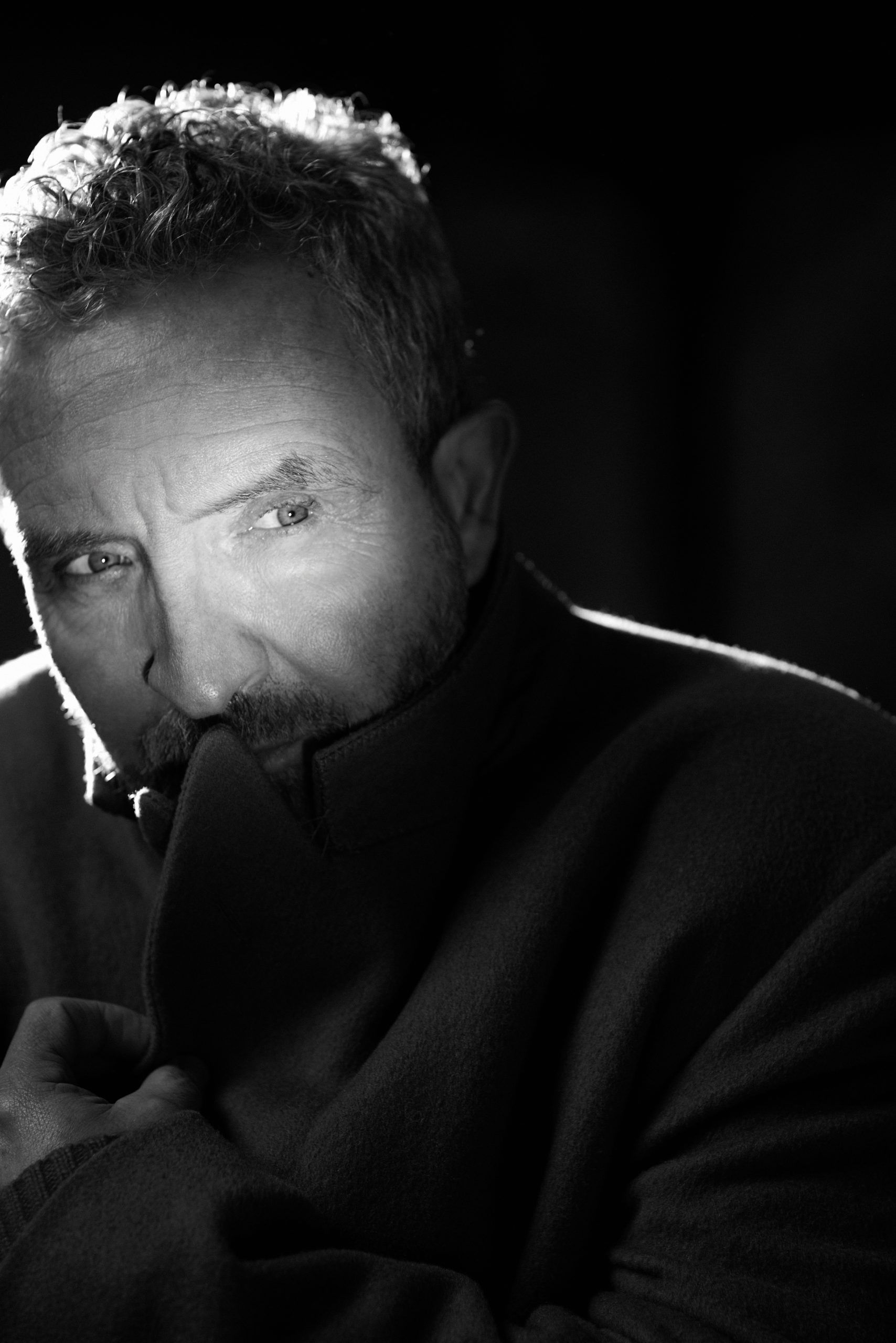
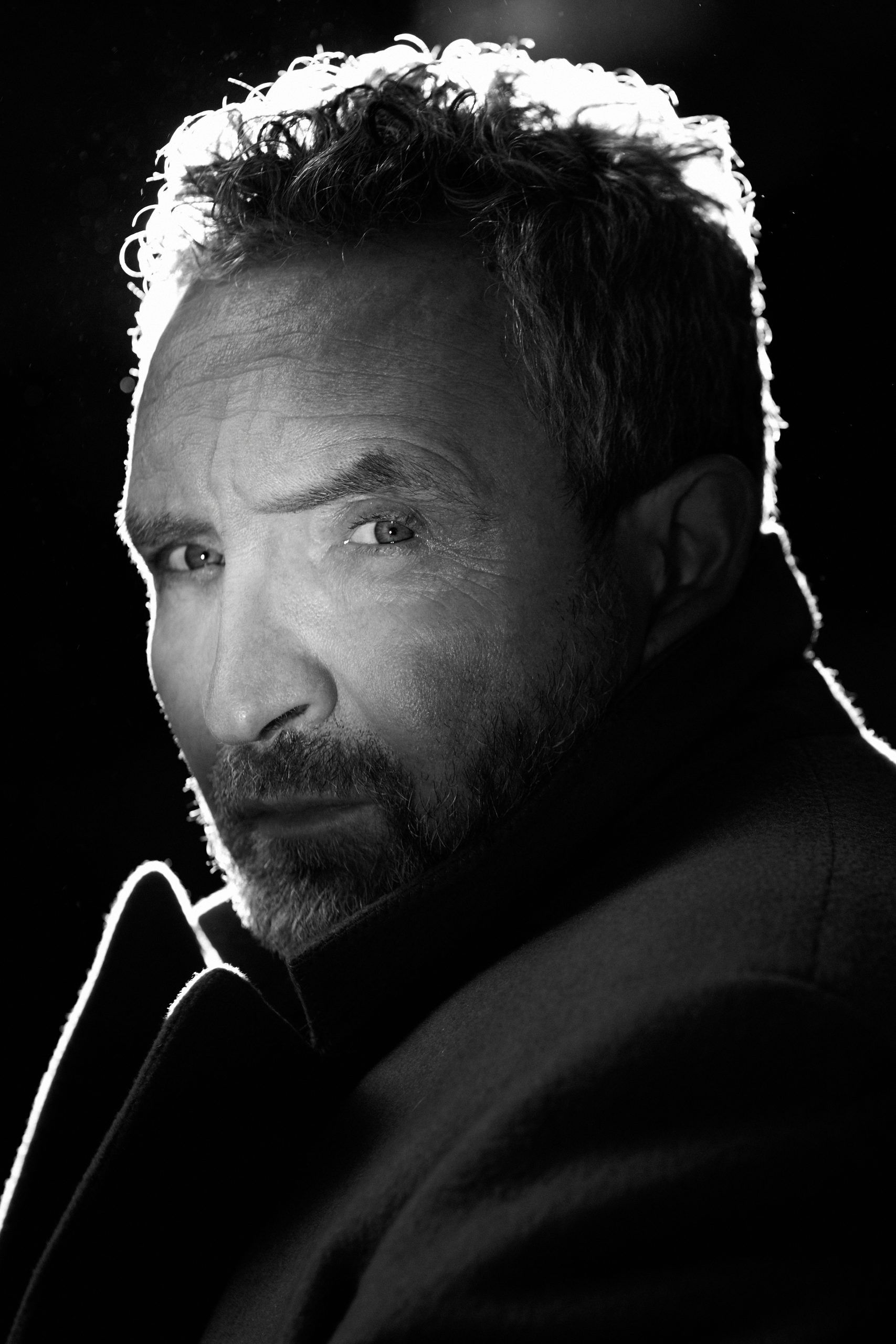
Speaking about your time at Mountview, I know you’ve said your mother and East End bookmaker Mr Bennett helped pay to get you through the first two years. We all have these experiences in life which help shape us, and I’m sure you may say that this period was one of them, potentially. So what were you like on the first day of study, and then what did you feel like on your last day?
I tell you what, I was working as an apprentice printer, but I was also working in menswear buying and selling clothes, so I was very smart, I liked my schmutter [laughs]. In the East End, the working class, we like to dress well. It’s part of our sense of identity to be smart, you know. And when I went to drama school, I was very surprised by how the middle-class dressed down, I was surprised to see how many young men had holes in their jumpers, dirty trainers, and no one ironed a shirt. They all looked like they were wearing used condoms or something, you know [laughs], and I found that unusual, but that’s a more superficial level.
Psychologically, I think I had a sense of anxiety that has always been addressed and tempered by understanding. I always have a need to understand because I was very confused when I was younger. So finding out about things has really helped me to calm down.
So when I went to drama school, two things happened. I went to drama school and started to learn about Konstantin Stanislavski and the creation of a character. And then I went to a Buddhist Centre in Bethnal Green to work on my breath because I needed to make my breath deeper and more connected. So I started meditating. Buddhism has a theory called Atman, which is no self. Which means that we are not fixed, permanent beings, we change in relation to our environment.
And those two things together freed me a lot from my own anxiety and my own insecurities about myself. Some people find those things very nihilistic. They are like, ‘What do you mean? I don’t exist’. It’s a terrifying concept for people.
For me, I found it very liberating because it meant that I didn’t have to be what other people perceived me to be. My whole career has been that in many ways, it’s been a means by which I can not allow myself to be restricted and defined by other people. And the class system in this country is dying to define you. You know, it’s what they do.
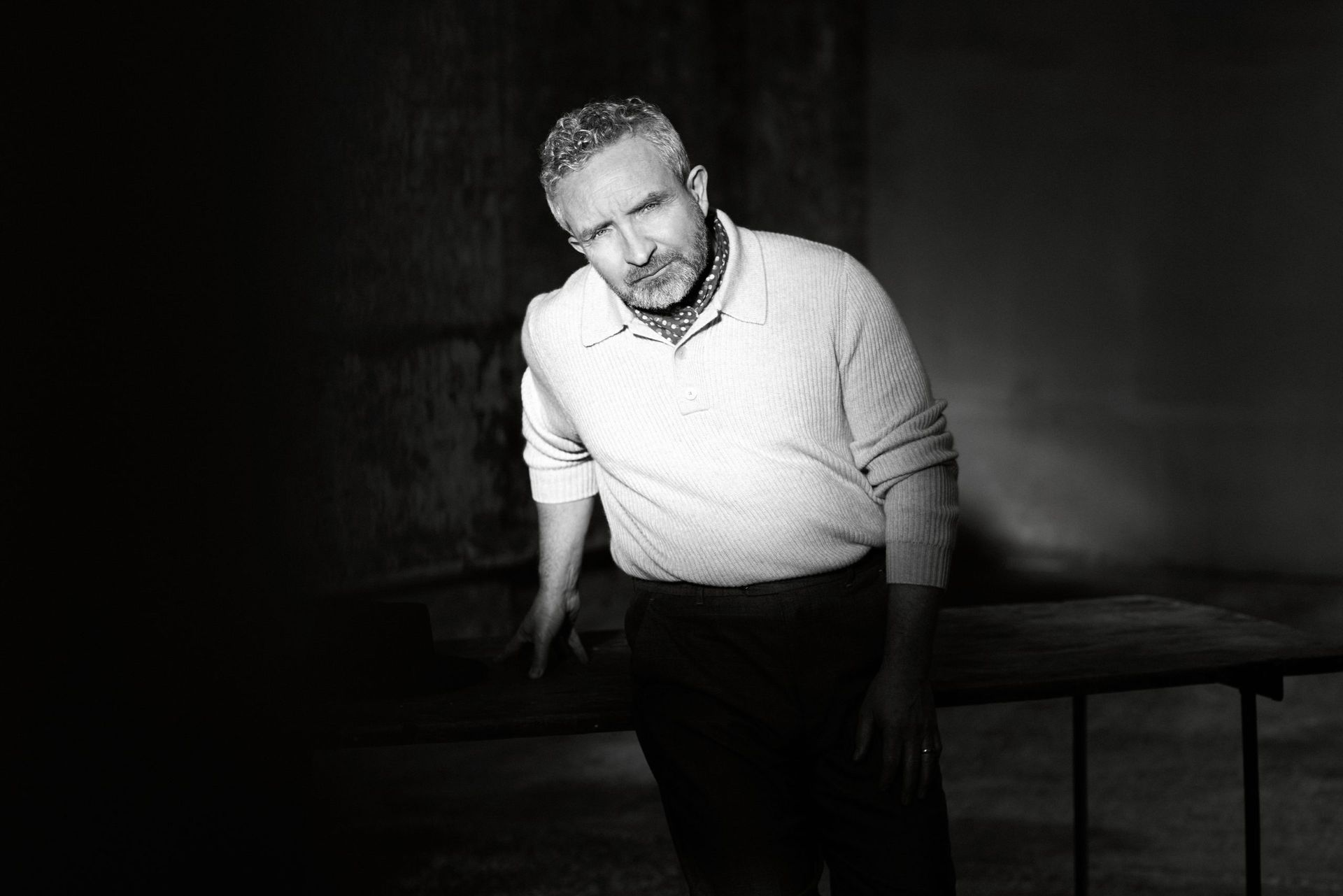
Talking about upcoming roles, you’re in Season three of Rings of Power. How does it feel to step into a world as beloved as LOTR?
My wife is a screenwriter now, but when I first met her, she was a prosthetic makeup artist on the original film, so she did live Liv Tyler and Orlando Bloom. So I had an understanding of that world because it was creatively part of my family’s life, because of my wife’s work for four years on it. I thought it was great.
You know, a professional actor goes into any environment and can do it. You just learn. An amateur is someone who can’t do it, even when they want to do it, and a professional is someone who does it, even when they don’t want to.
So I just went in. I don’t let anything faze me anymore because it’s my job. My job is to do it regardless of the circumstances, and it is to be consistent.
It was a brilliant production, brilliant writing, and I loved it. I really enjoyed it. It was great to do, and it was great to be part of that world. I love coming out of No Ordinary Heist and Prisoner, and going straight into Middle-earth; it is wonderful.
What can you say about one of your most anticipated projects coming later this year, Clayface? What can you tell us about your role?
I don’t know if I can tell you what my role is, but it’s a great film, and Tom is a real young movie star. I had great fun doing it, I love those films. I loved doing Deadpool as well.
I’m a big superhero fan. When I was a kid, I used to love superheroes, so doing a movie set in Gotham city was great. Gotham is always raining and is a dystopia; I love all that stuff. I really enjoyed that.
I don’t know what I’m allowed to say really, it’s coming out later this year.
Let’s talk about another interesting film project – Campeón Gabacho, directed by Jonás Cuarón….
It won the Audience Award at the South by Southwest Film Festival. It’s a Mexican film and immigrant story. It was really brilliant to make an immigrant story at the moment, especially set in America.
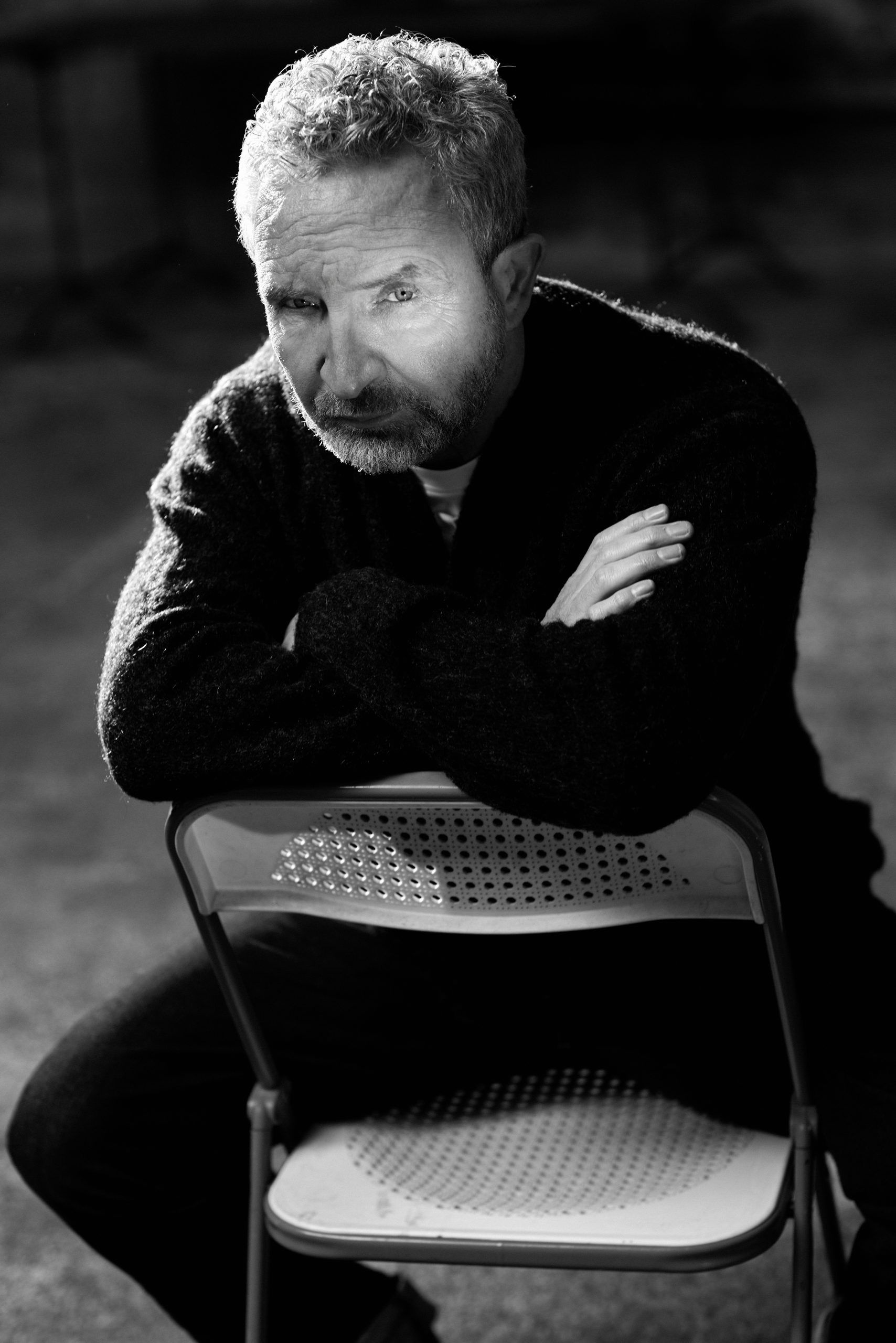
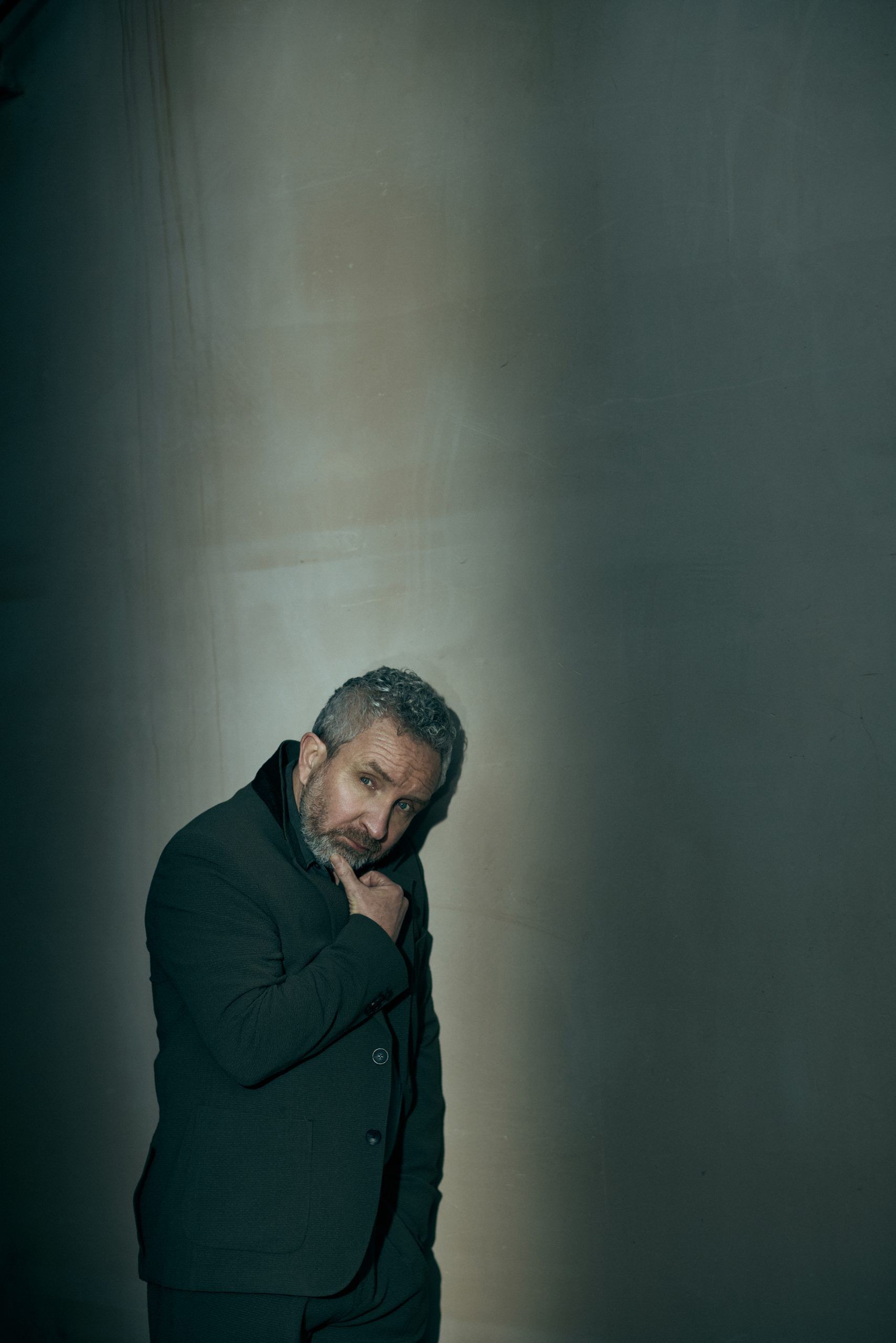
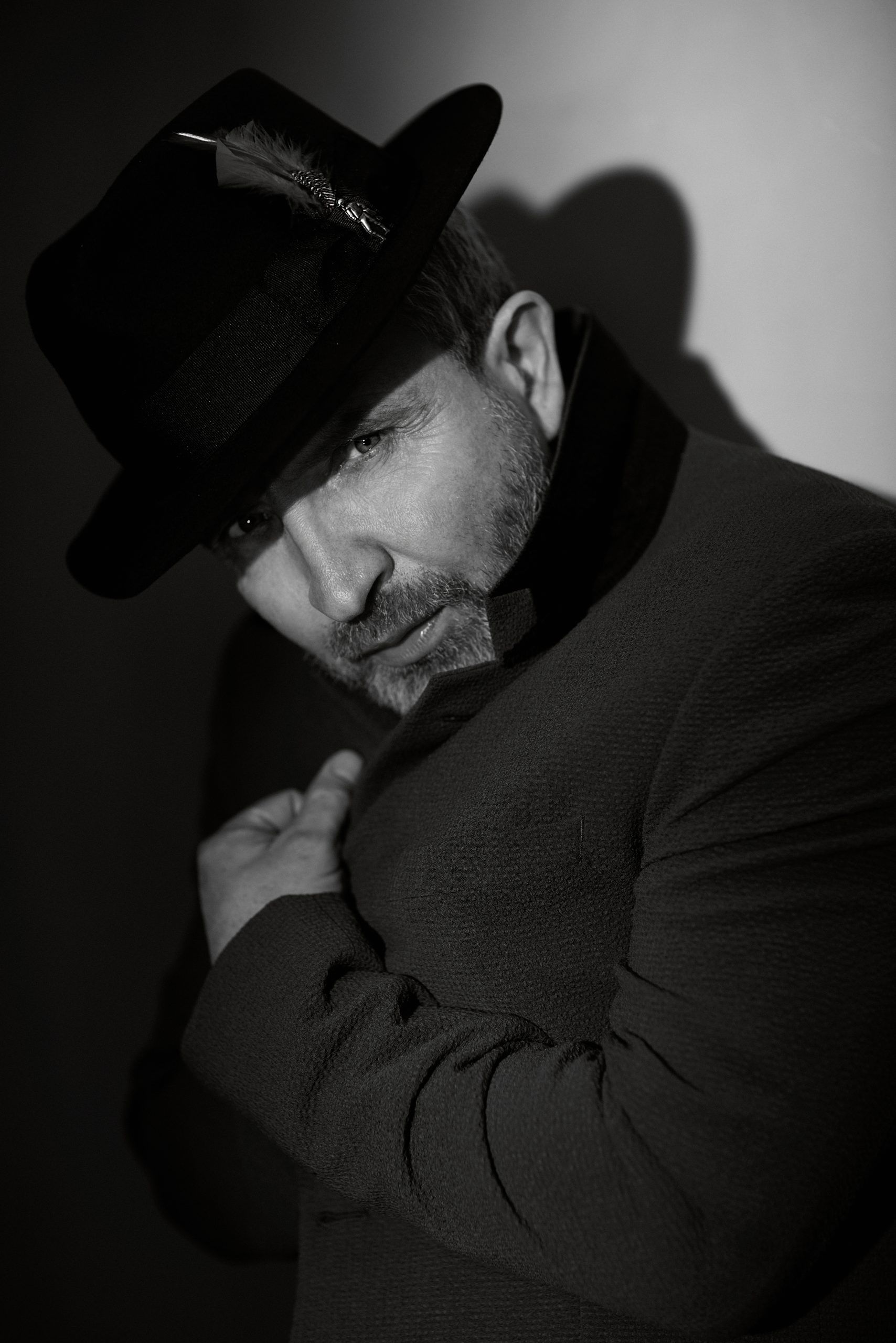
It sounds very timely, as we know, there’s a lot of darkness in this world right now, a lot of unjust things happening in certain places in the world. To work on a set with such a needed story at this time, what was the atmosphere like on set? Was it serious?
No, the film’s magical, it has real magical elements to it. The film was great fun. You wait to see my costume, I look amazing [laughs]. It wasn’t a dark film, it was a very inspiring, loving film to do. It wasn’t depressive or ultra serious at all. It’s just a great story.
What we’re doing in the world at the moment, I think, because our main political discourse is through social media, is that we objectify everybody. If somebody has an opinion different to ours or a religion different to ours, or they look different to us, then we objectify them.
And that’s one of the dangers of social media. What you do in art is you break through the objectification. You provoke empathy rather than encourage people to objectify. I think Nigel Farage encourages people to objectify, actors should do the opposite, they should do anyway.
Can we say when it is coming out?
I don’t know. I don’t know what the distribution deal is yet for that.
It was like when we did Fair Play a few years ago, which went down a storm at Sundance, then there was a bidding war. There will probably be a bidding war for this, and it will come out later this year.
Fingers crossed. Finally, you’ve achieved so much in your career so far, worked on so many heralded projects and collaborated with countless directors and actors. Where does the creative mountain move for you next?
I’ve signed on to do a series for FX that’s going to shoot in New York. We shot the pilot, and it has been picked up for a series called Disinherited.It’swritten by Peter Gould, who was the co-creator of Breaking Bad and Better Call Saul. So I’m doing that. That’s going to be my next big creative project.
I’ve been approached to direct. My wife and I write together, She’s probably more talented than I am, if I’m reluctant to say but she is [laughs]. So that’s on the cards. I’ve been asked for years to direct and avoided it because of family commitments. Ray Donovan was nine years of spending six months of the year in LA, so there was never a time to really direct anything, because you had a long-term commitment. So that’s coming down the pipe.
I just want to be…. When I was younger, when I was 16 and an apprentice printer, I didn’t know who I was, and that created anxiety in me. Through acting, I’ve learned that I still don’t know who I am, but I find that really inspiring now, that’s a difference.
Life is exciting, so much to work out. Thanks for your time today, Eddie.
Thank you!
No Ordinary Heist is coming to Sky Cinema soon.
Interview Cameron Poole
Photography Lee Malone