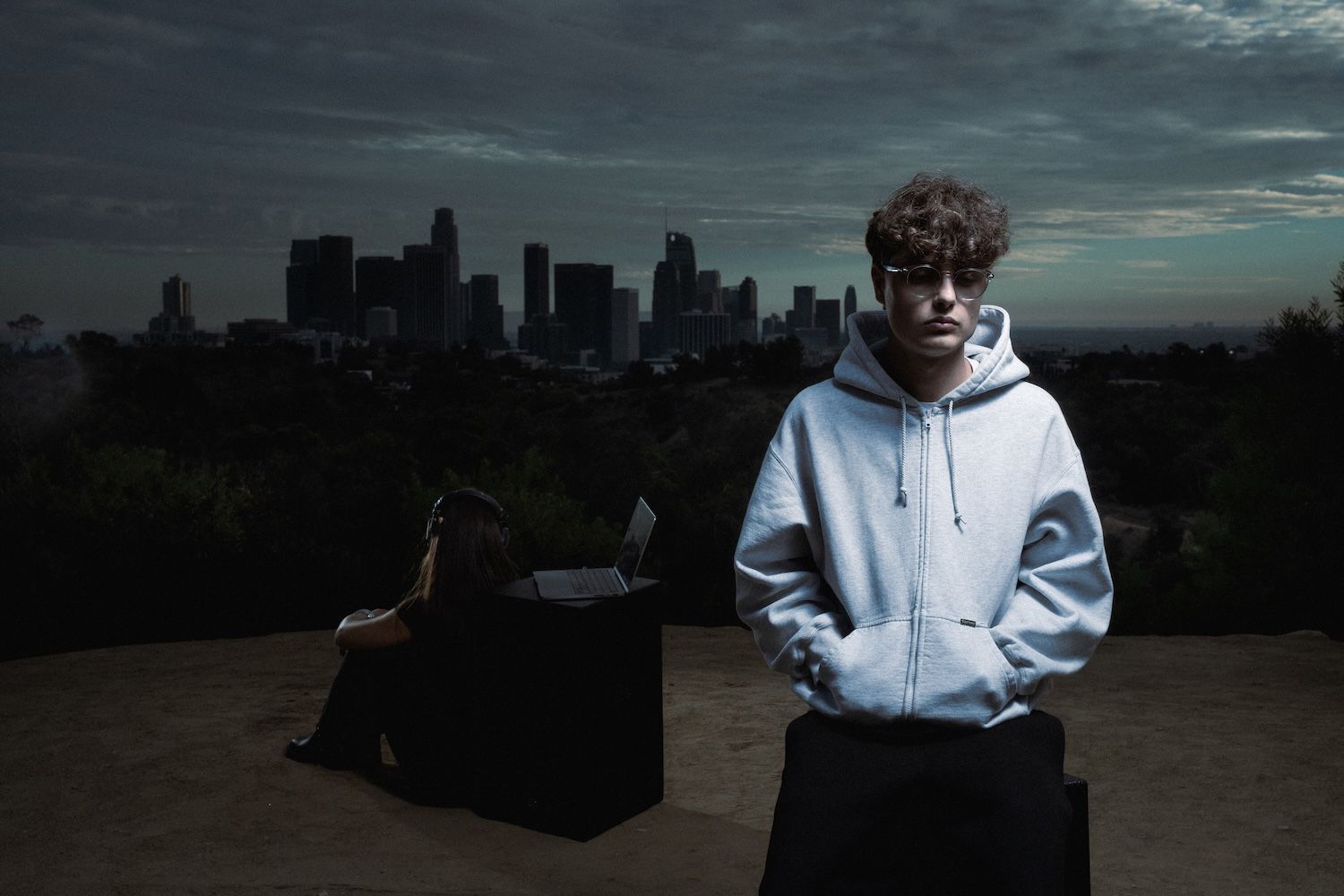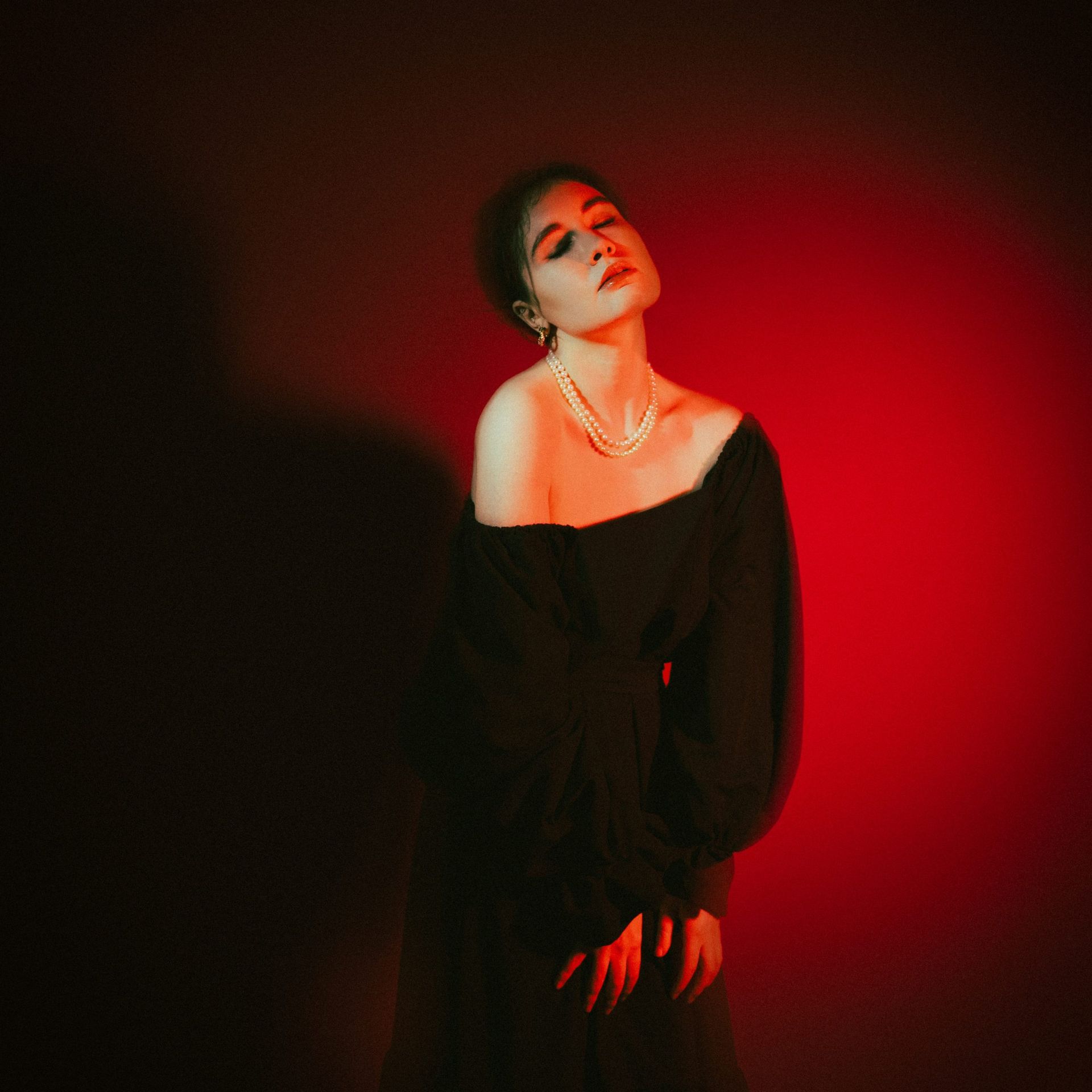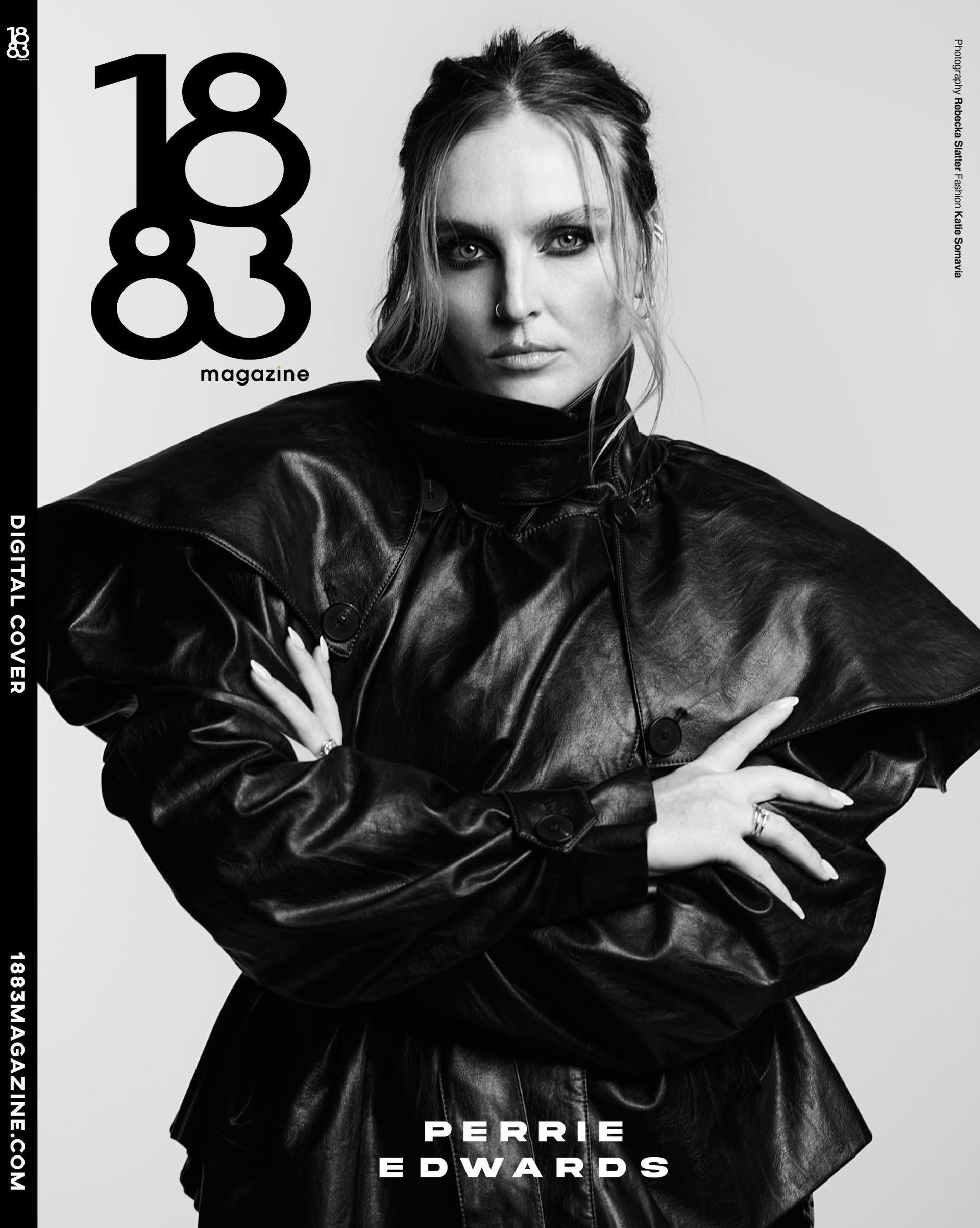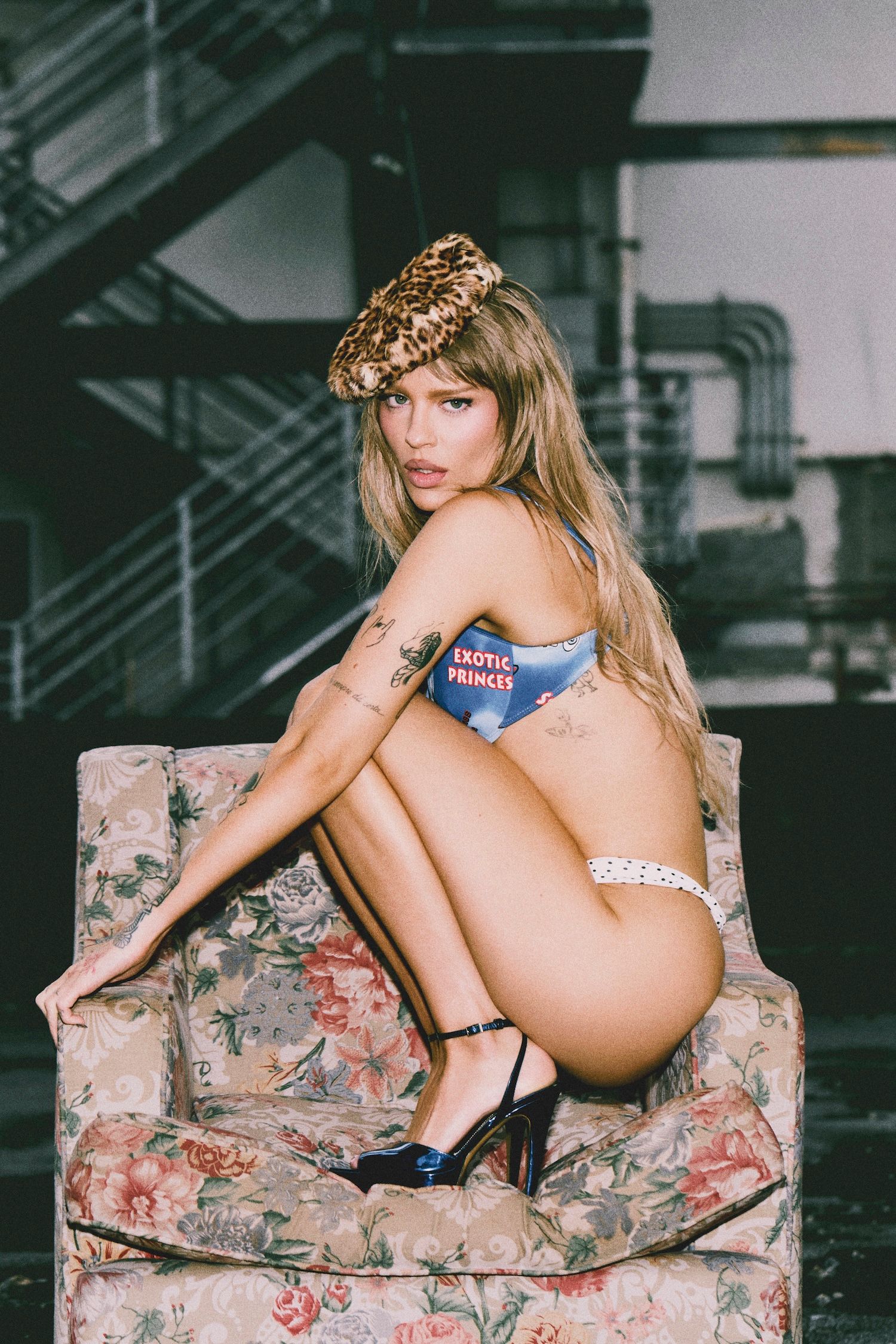
Luísa Sonza is done performing for other people and instead is embracing every side of herself. Aware of the pressures of performance culture and the emotional exhaustion it’s accompanied by, the Brazilian star is unapologetic about appearing ‘polished’ in the face of scrutiny. Describing herself as “a big mess”, Sonza weaves those contradictions into Brutal Paraíso – a bilingual and emotionally exposed body of work that explores the richness of Brazil’s musical landscape and the coexistence of beauty and brutality in Brazil and her personal journey.
Her Brazilian heritage shines through in this project; its vibrancy, openness, subcultures, and emotional complexities that mirror Sonza herself. Through genres spanning pop, rock, ballads and bossa nova, Brutal Paraíso reflects her musical experimentation and emotional honesty, heard in tracks Fruto do Tempo and O Som da Despedida.
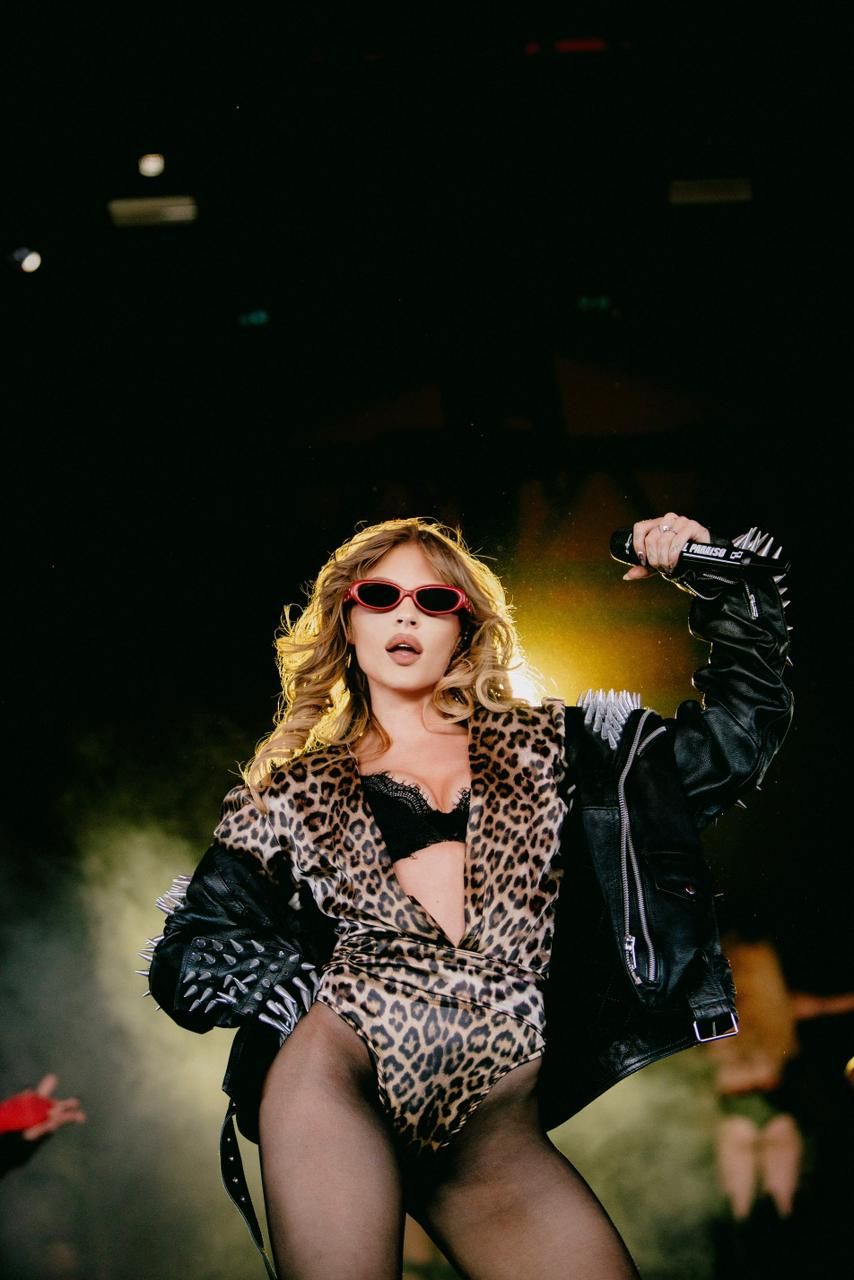
Sonza made her festival debut performing the album at Coachella, introducing the project to an international audience without softening its range and identity. Rather than treating the moment as pressure, she describes the experience as a new chapter that made her feel ‘alive again’.
Luísa Sonza speaks with 1883 from Brazil about Brutal Paraíso, overcoming emotional barriers, creative freedom and staying true to herself.
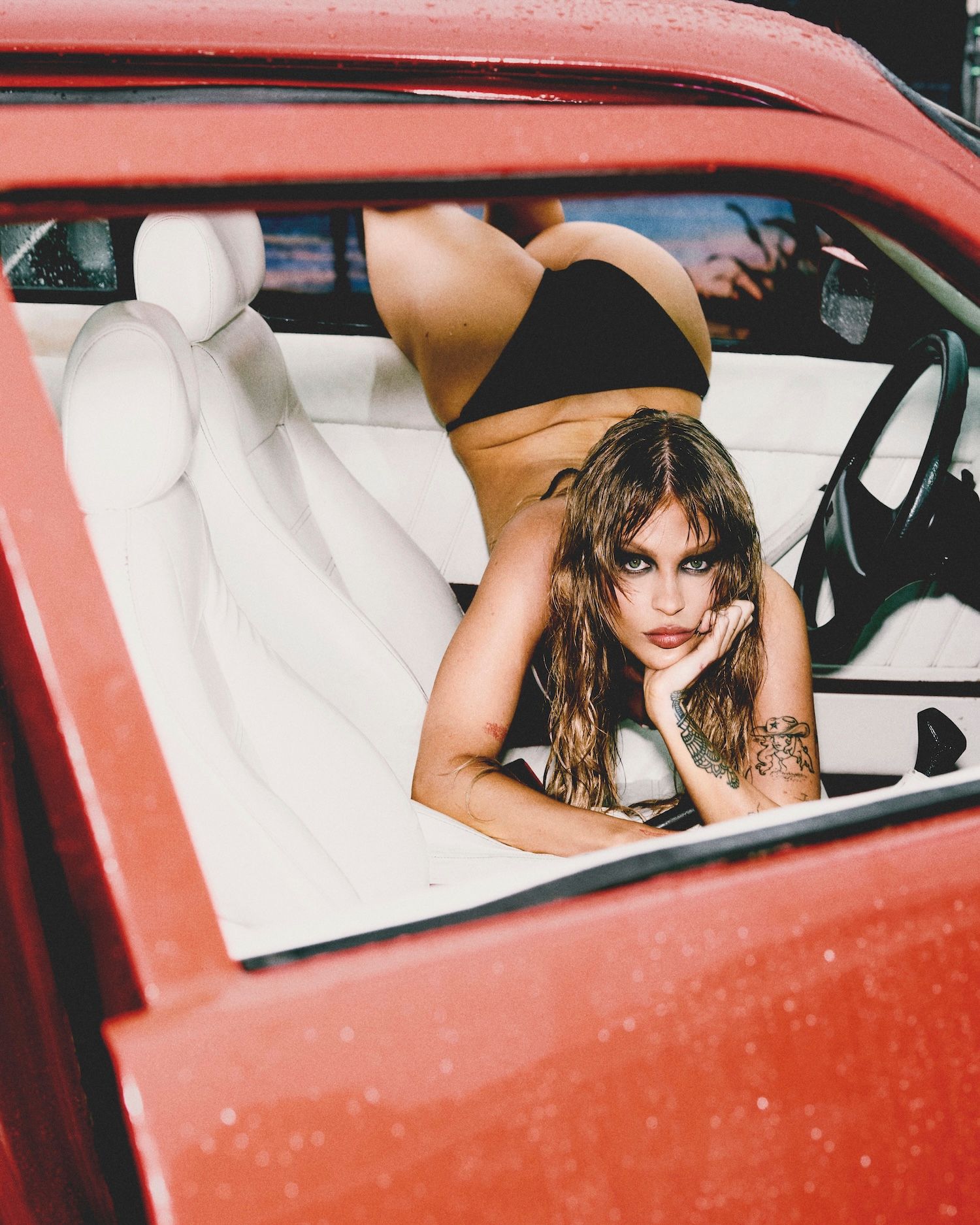
You’ve described Brutal Paraíso as reflecting both the beauty and harshness of Brazil – was it important for you to challenge how people outside Brazil perceive it?
I think Brazil is an incredible place. I love my country. But obviously, people abroad think that Brazil is just Rio de Janeiro, the beach, and the forest. Brazil is such a huge country with so many rhythms, people, culture, and I thought I needed to do an album that really represents Brazil. Especially because Coachella would be the first performance of this project. I could have done something cliché that people abroad would immediately connect with, but that wouldn’t have been true to myself. That’s just a small part of so many incredible and beautiful things that we have in Brazil.
I wanted to make the craziest album of my life. It’s mixed, messy at times, but that’s what Brazil is. We have the whole world inside one country. There are so many influences and identities here.
It was funny bringing my friends from abroad to Brazil – In Sao Paulo, where I live, and they said they were expecting postcards. Where is the Rio de Janeiro? Where is the beach? I was like, I don’t have it here. It’s just a big city with about 12 million people in one city. It’s one of the biggest cities in Latin America. That process made me realise that yes, Brazil is a paradise, but it’s also brutal sometimes. And beyond funk or bossa nova, we’re also rock, we’re everything. That’s the real beauty of Brazil. That’s why I made Brutal Paraíso.
Wonderfully said. It’s also nice to see how passionate you are about your country. Artists can talk about a lot of things, but hearing someone speak so passionately about where they come from – their roots and identity through music – feels powerful. And experimenting with different genres, even if it looks messy at times, is a beautiful thing. I don’t think many artists do that today without it feeling like a trend.
It’s not the easiest choice. Obviously, I could do something totally cliché, and maybe it would be cool, but it wouldn’t be true. At some point, we need to talk not only about what sounds good to our ears, but about real things. I think Brutal Paradise is mostly about that. It’s about Brazil and how people see the country, but it’s also about life itself. Life is a brutal paradise.
Especially today with Instagram and social media, we’re always trying to show the beautiful side of things – the best version of ourselves. Most of the lyrics are in Portuguese, but I talk a lot about life and difficult feelings too.
I think it’s powerful when we stop waiting only for happy moments and start understanding that sadness and different emotions are part of life too. We need to embrace those feelings instead of hiding them because that’s not healthy. Brutal Paraíso is messy because I’m intense, and I think a lot of people are like that. I can feel happy about one thing while also feeling angry or sad about something else happening to someone I love.
This album is about life in Brazil, but also life in general. The rhythms represent different emotions, not just one feeling. It wouldn’t make sense to spend two years writing an album and only express one version of yourself. This album is so many things at the same time, and that’s how I see life now – everything happening at once; work, family, relationships, politics, entertainment. It can feel overwhelming. And Brutal Paraíso came from that feeling I’d been carrying for the last two years.
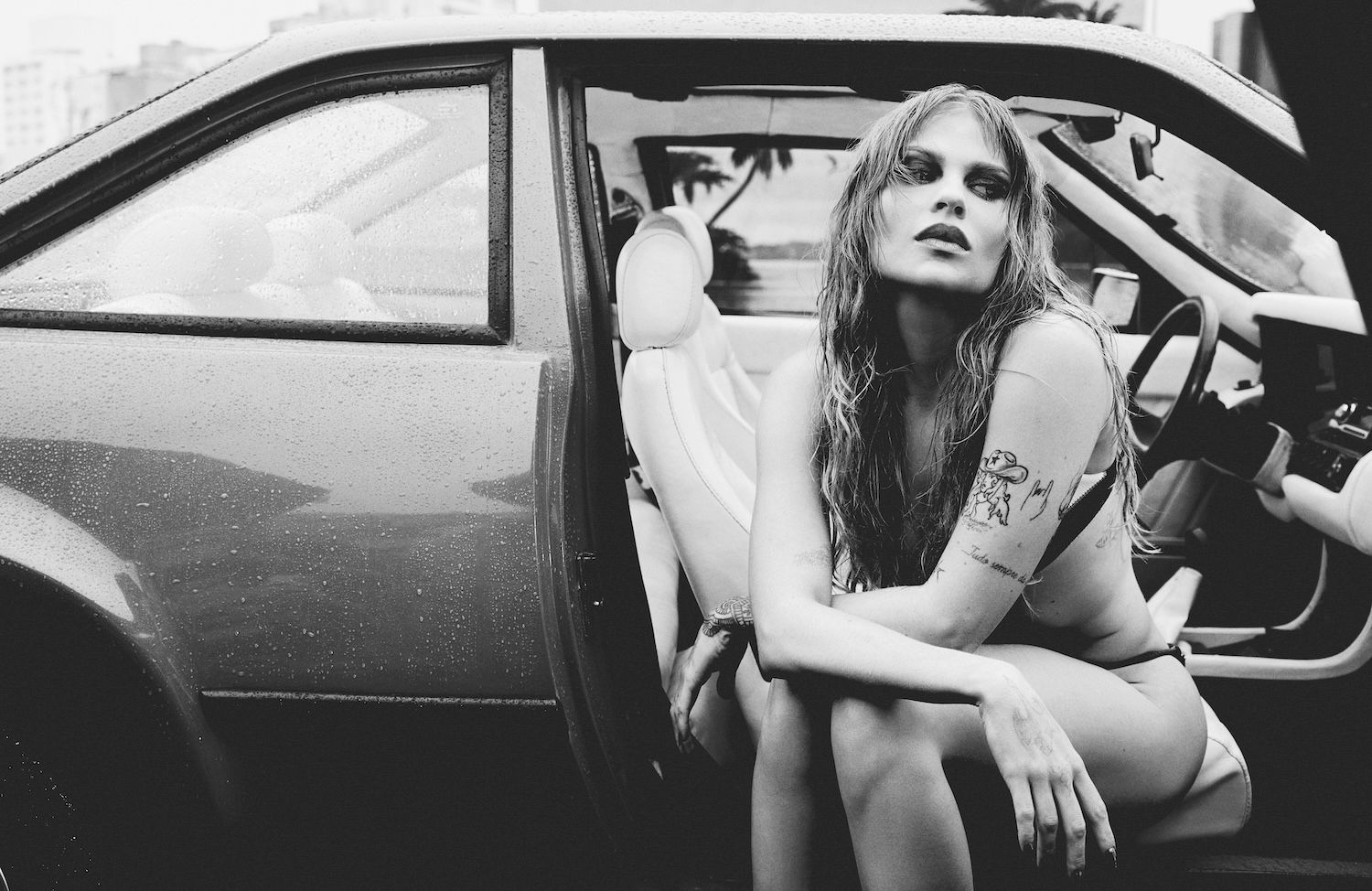
Did a part of you really struggle to put pen to paper or to find the right words for what you wanted to say?
I think the hardest feelings to revisit were on one particular song where I talk about depression and suicide. Not now, but I felt that way at one point in my life. It was very difficult for me to talk about and put that into the album.
But I knew I needed to be truthful about what I was feeling. I wanted to speak to people who have felt that way too, or who might be feeling that way now, so they know they’re not alone and that things can end differently.
The song called O Som da Despedida, was difficult for me emotionally because I needed to almost feel those old feelings again, but that’s why life is brutal, and it’s a paradise. Sometimes you are going to feel things that you need to process. I reached a point where I wanted to be raw and truthful instead of constantly performing. Obviously, I think it’s good to try to be our best, but we also need to be true to ourselves – especially the new generation.
We spend so much time trying to show the best version of ourselves, especially online, while hiding what we’re really going through. But it should be the opposite. We need to talk about those feelings with the people who care about us. With this album, I wanted to write about everything honestly without trying to soften or change those emotions. Sometimes there isn’t a big redemption or hopeful ending. Sometimes life just feels difficult. But eventually things pass, and you process those feelings.
For the last two years, I was processing a lot emotionally, and I put all of that into this album. I just felt like I needed that in my career and in my life.
You’ve spoken about embracing being “a mess” – especially in a space where women are often expected to be controlled or polished. Was that something you had to grow into, or something you’ve always felt comfortable with?
I spent so much time trying to make people like me and changing myself for other people, and it didn’t work. I still got hurt, and I still hurt people unintentionally. That’s life. I’m almost 30 now, and I started my career when I was 17. After living as a musician for almost ten years, I’ve reached a point where I don’t want to try so hard to be someone else. I can’t run away from who I am.
If there’s a price to pay for being myself, then I’ll pay it, because pretending to be someone else for the rest of my life doesn’t make sense. That’s why I say I’m a brutal paradise. To be unique or special, I need to be myself, and I’m not polished. I think most people are like that, but we spend so much time pretending we aren’t. Jesus, let’s be ourselves. You know, Jesus Christ, we all have problems! We can talk about it. I think it’s a better way of living.
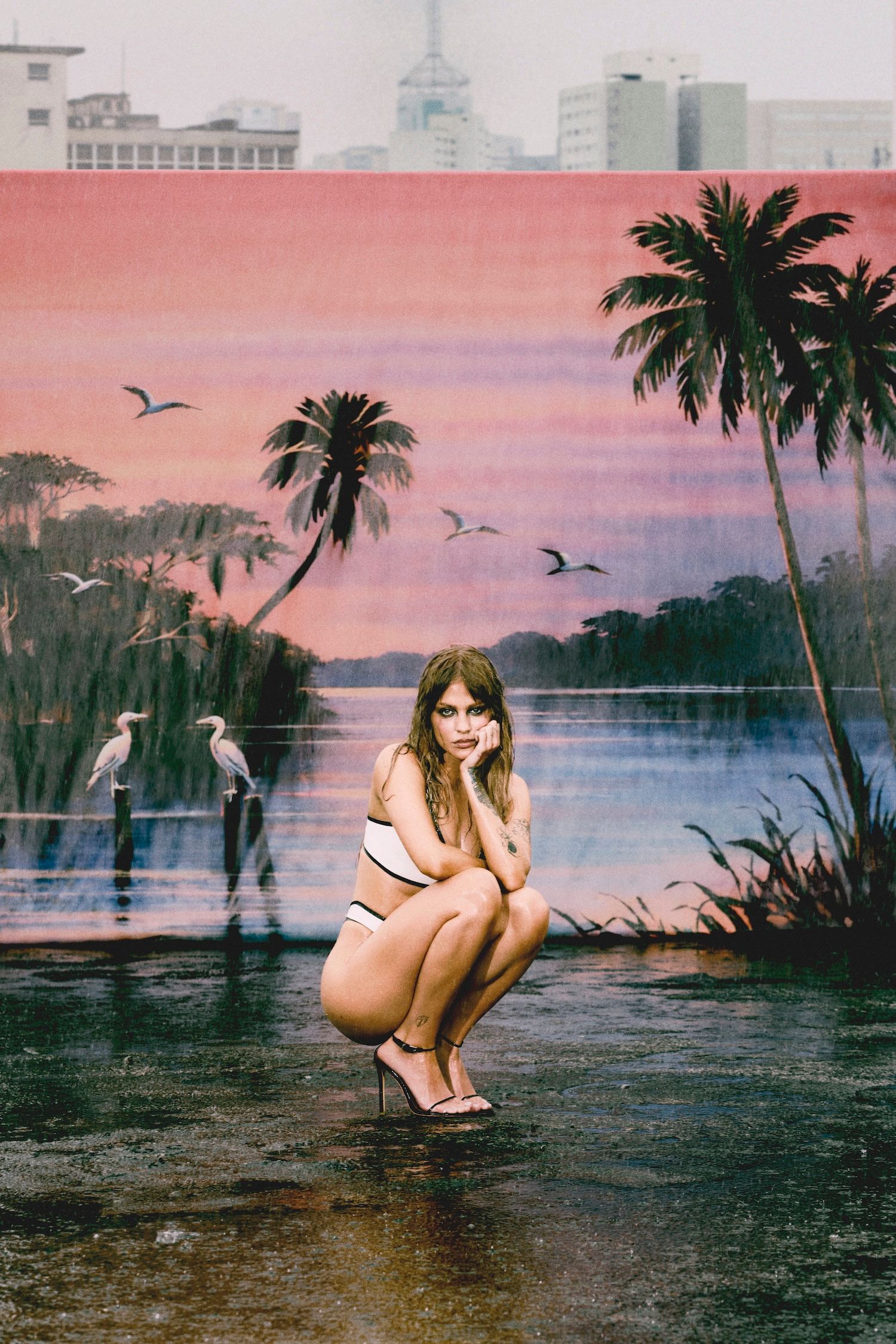
This project pulls from different places you’ve worked in – LA, Europe, Korea – did those environments change how you approached your sound, or just how you saw yourself as an artist?
Every place influenced the creative process differently, and that’s exactly why we made music in so many different places. You work with producers who bring fresh beats and new references, and you exchange ideas and experiences. It’s really incredible because it adds so much to the project and enriches the work creatively.
You started performing very young and were signed early – how has that shaped your sense of control over your image and career today?
I started singing when I was seven in a band that played everything – weddings, parties… So, before anything else, music was work and passion at the same time for me. I learned very early how to read a room, connect with people, and keep going no matter what. I think that experience made me very resilient and more protective of my career later on, because everything I built came from years of really living music in the most real and unglamorous way possible.
Before going on stage at Coachella, how did you centre yourself – and has that changed since that performance?
I felt really good before Coachella, but at the same time, it felt like I was starting again. I’ve had a ten-year career in Brazil, but Coachella was a completely new place, a new crowd, a new album, new everything. I kept thinking, ‘How is this going to be? Who’s going to be there?’
But now I have more experience, more structure and more confidence in what I’m doing. I’m not just a girl anymore. So, it was very special for me. I think I needed that for a long time.
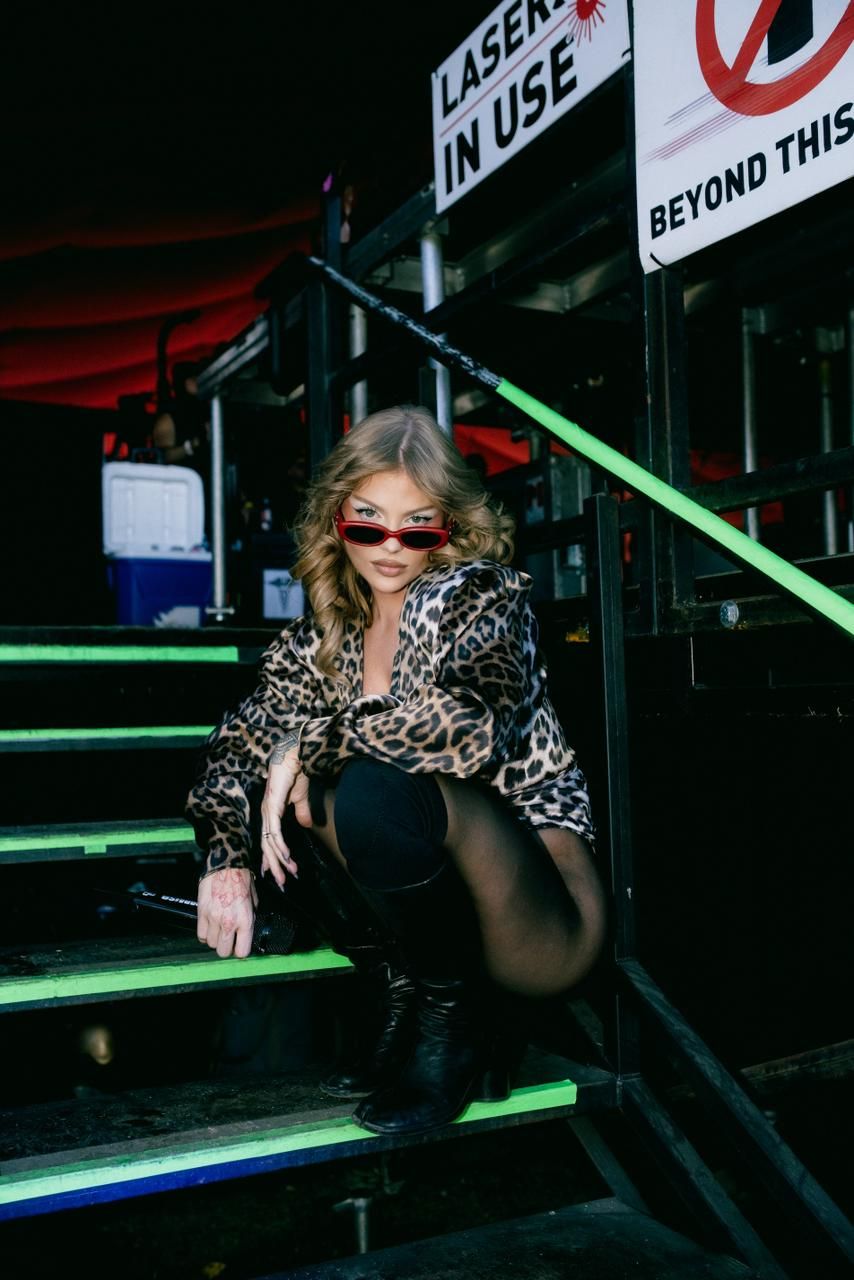
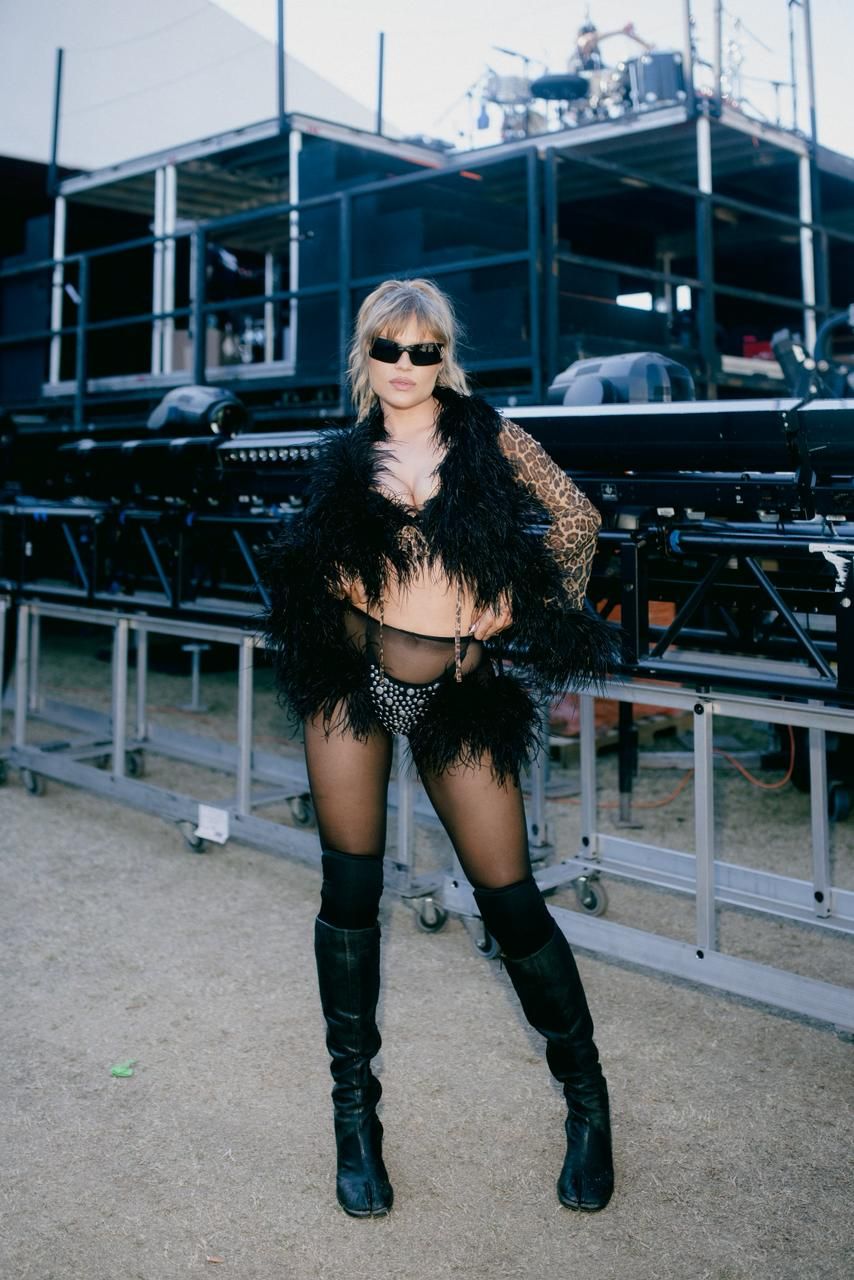
It was my biggest crowd – in Brazil, we do like shows for like one hundred thousand people, sometimes a million people. But it’s different when you’re positioned in front of people who don’t really know you yet and seeing their reaction for the first time. I love it. Since Coachella, I think I’ve felt happier performing, even back home in Brazil, because it feels like a new chapter for me.
And what did that experience teach you about yourself as a performer?
Coachella was one of those moments where I could really stop and realise how far music has taken me. I started singing as a kid in very small places in the south of Brazil, so being on that stage felt surreal in a beautiful way.
If this album is a message to your younger self, what do you think she would recognise in you now – and what would surprise her?
I think my younger self would still recognise the sensitivity in me, because I’ve always felt things very deeply. But I think she would be surprised by how resilient I became. I used to think strength meant hiding emotions, and today I understand that strength is actually surviving things, learning from them, and still staying open to love, art, and vulnerability.
You’ve spoken about adopting animals and having quite a full home life – in a career that can feel intense and fast-moving, what does that give you that music or work can’t?
Music is my passion, but it can also be intense, emotional, and sometimes overwhelming. Having my dogs, my cats and a full home life brings me back to very simple things like care, routine, affection, and presence. That kind of love is really healing.
When everything goes quiet – no shows, no noise, no expectations – who are you in that space?
I think I’m much quieter than people imagine. When everything stops, I like being with my friends, family, my animals, playing video games, and watching something. I think that silence is important because it reconnects me with who I am outside of work and outside of public perception.
Brutal Paraíso is out now, follow via @luisasonza
Interview Nancy Anekwe