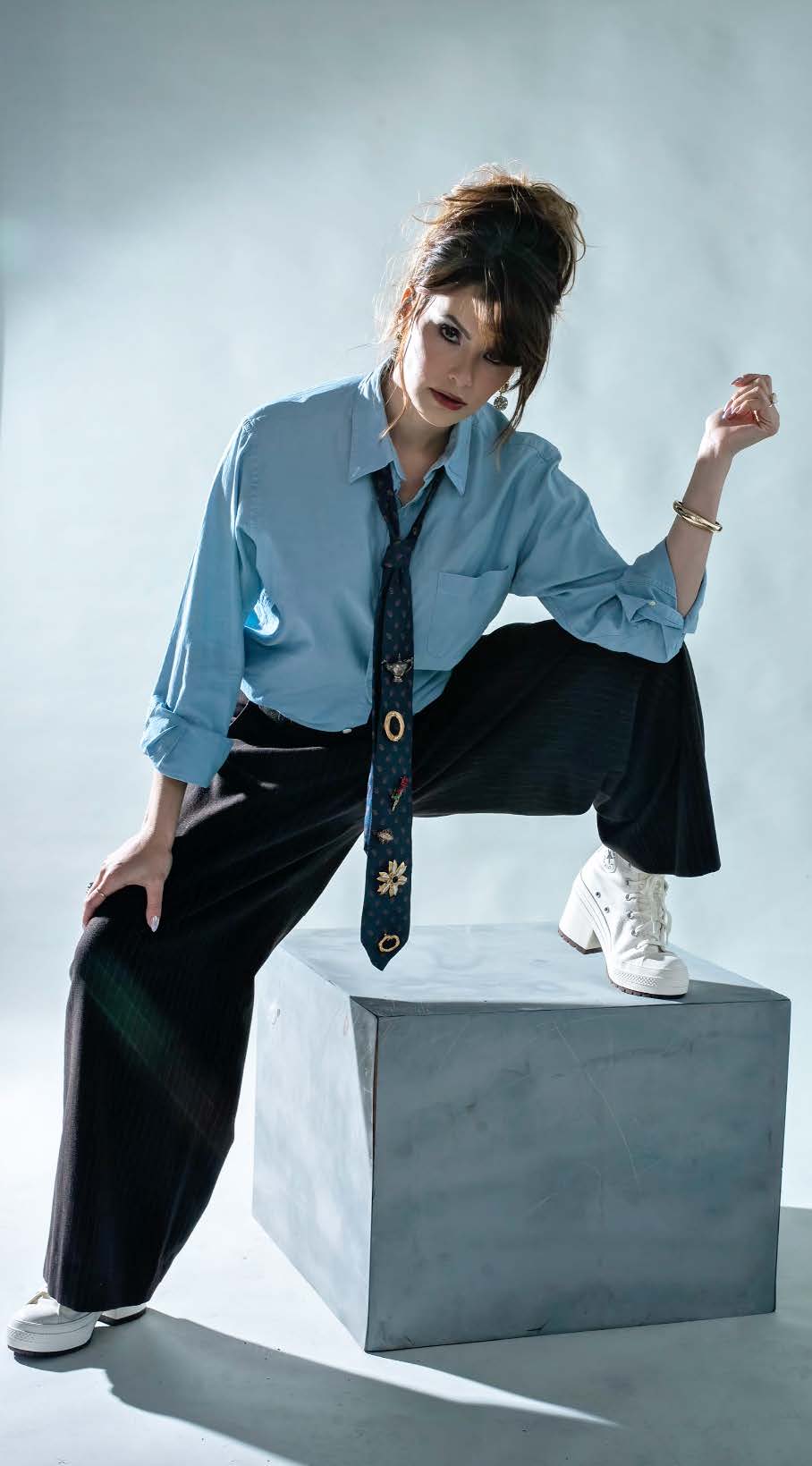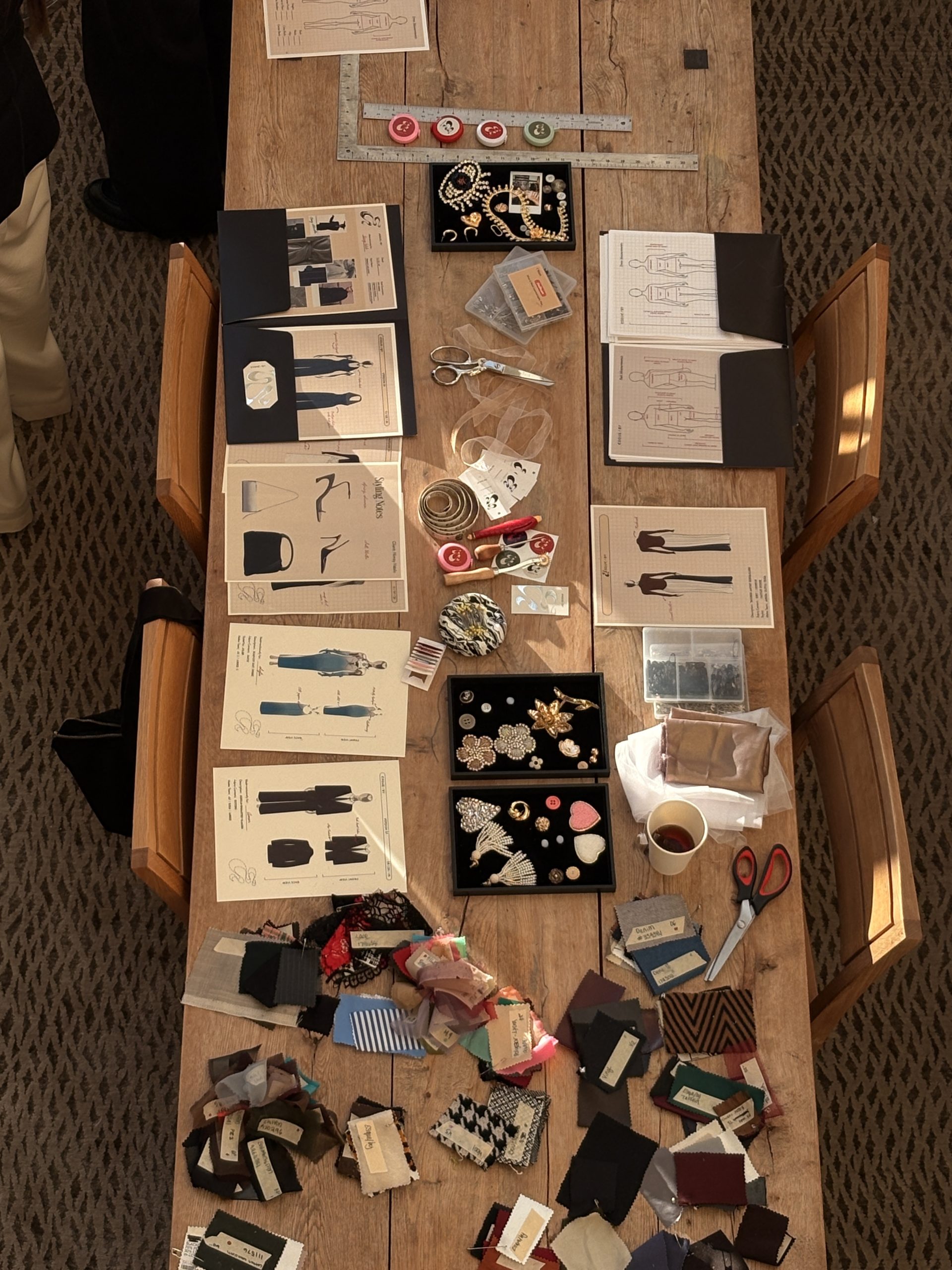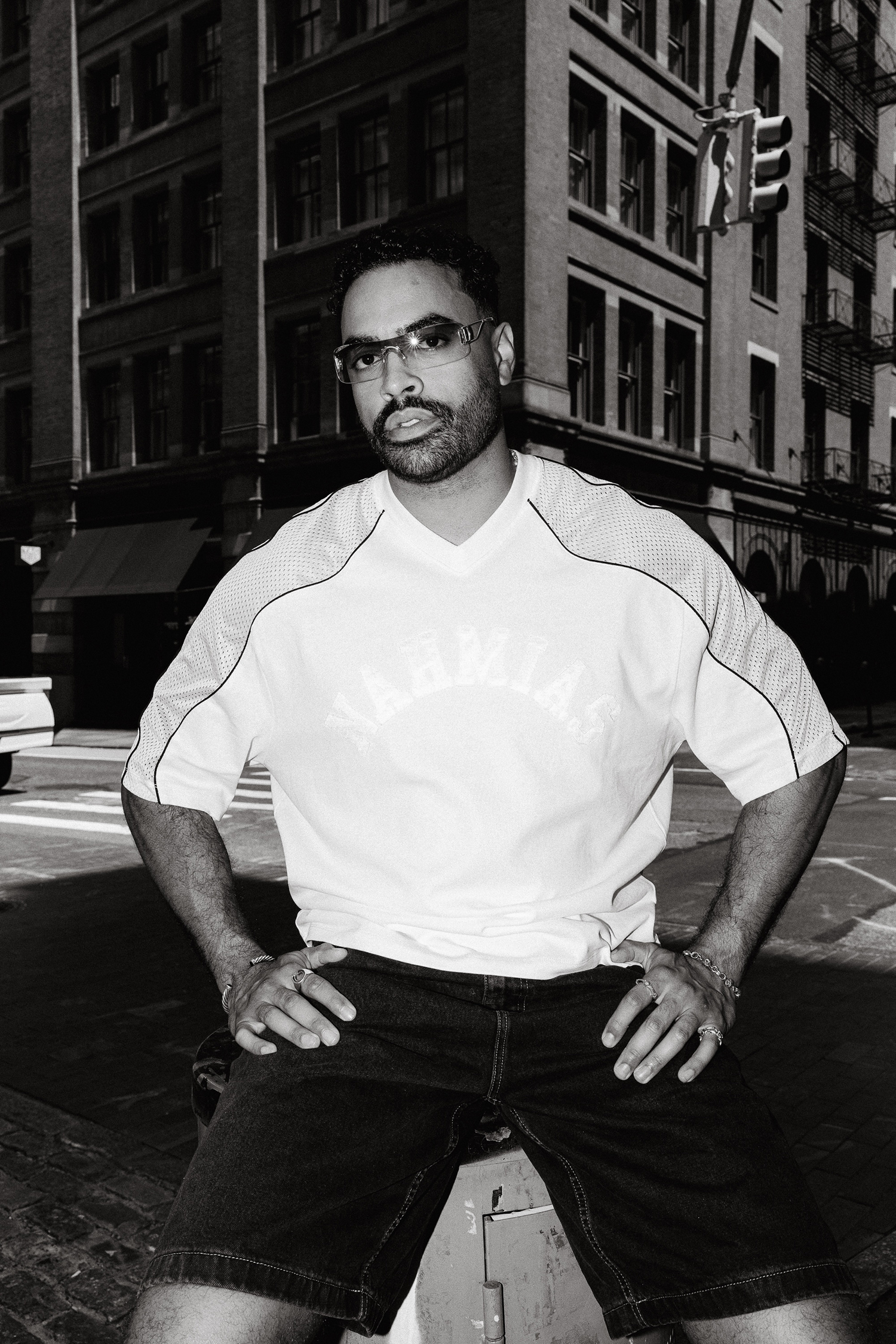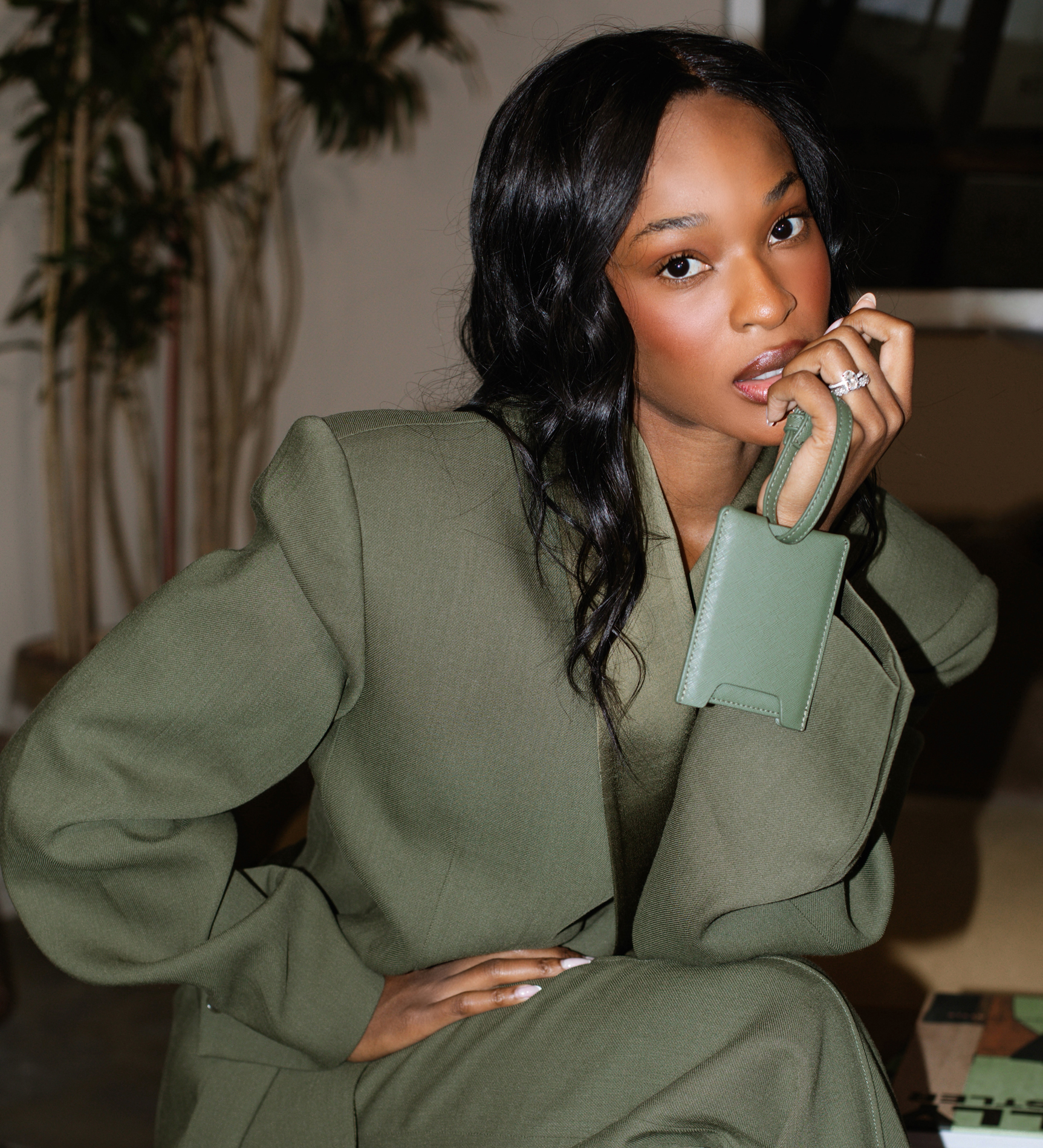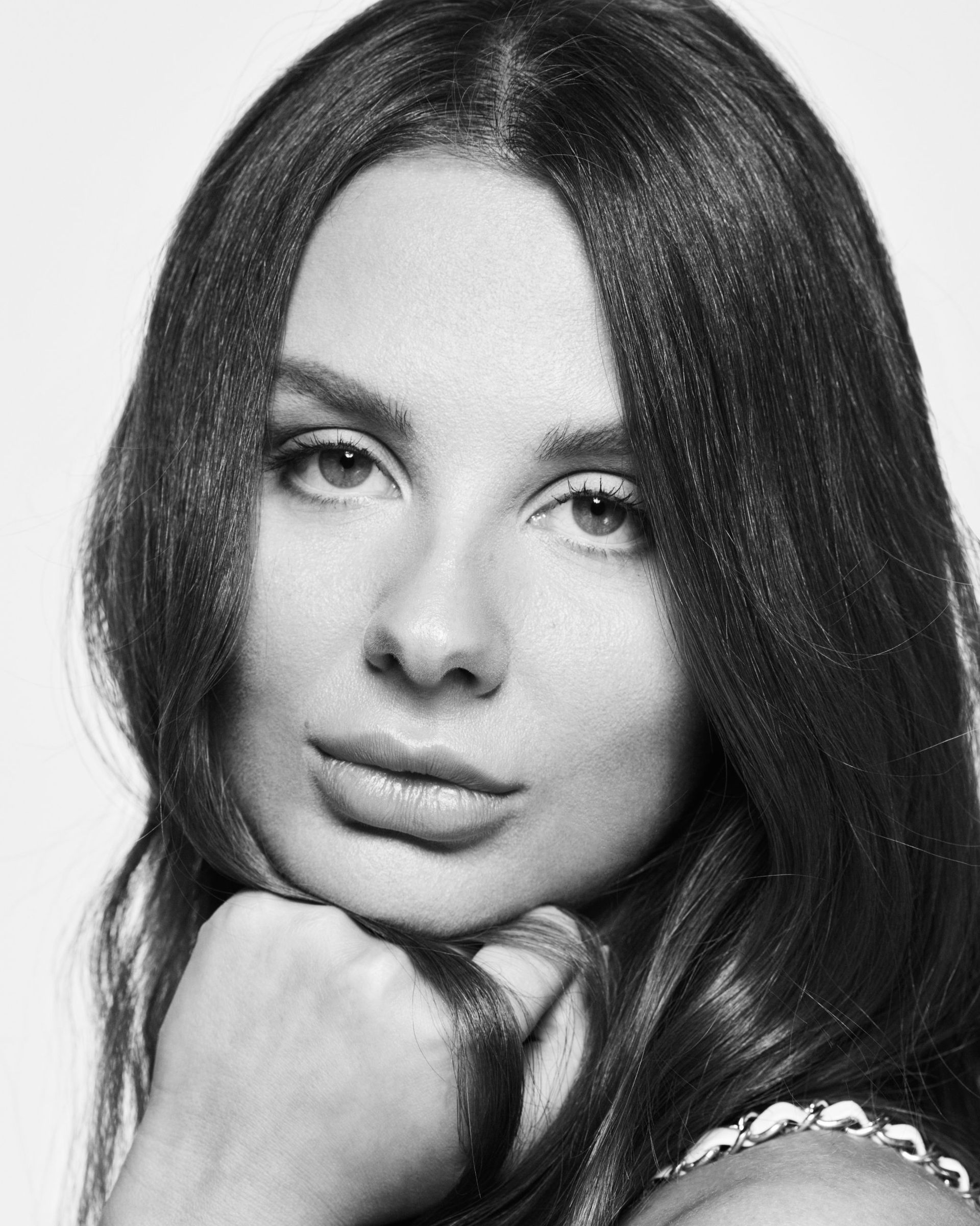
Polina Mikhailova knows what it looks like to hold it together on the outside while everything inside is fraying. A former professional tennis player turned academic and art curator, she spent years inside high-pressure environments where composure was currency and admitting you weren’t coping simply wasn’t an option. 11:11 LUCK, her London-based label, came directly out of what happened when that pretence finally ran out.
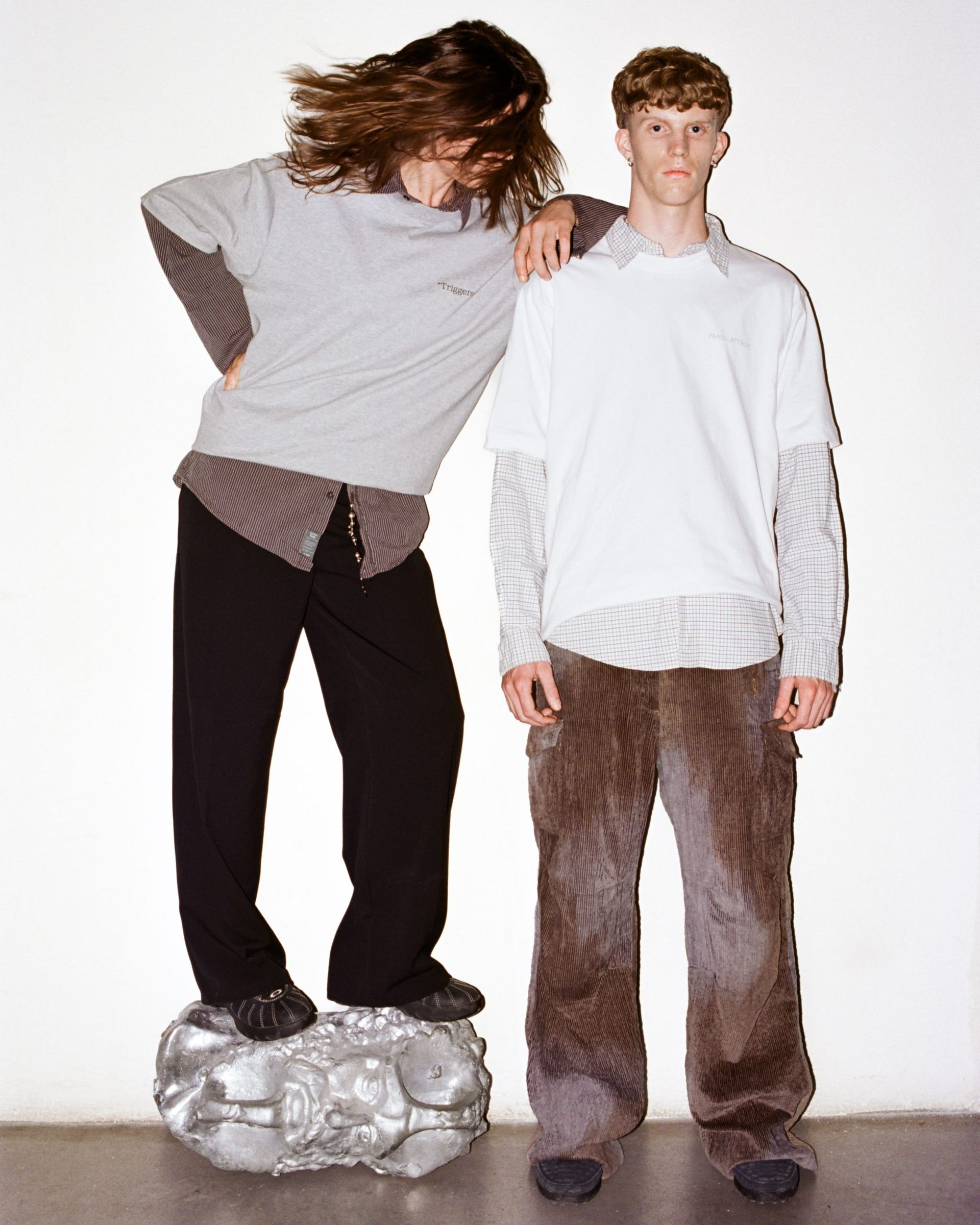
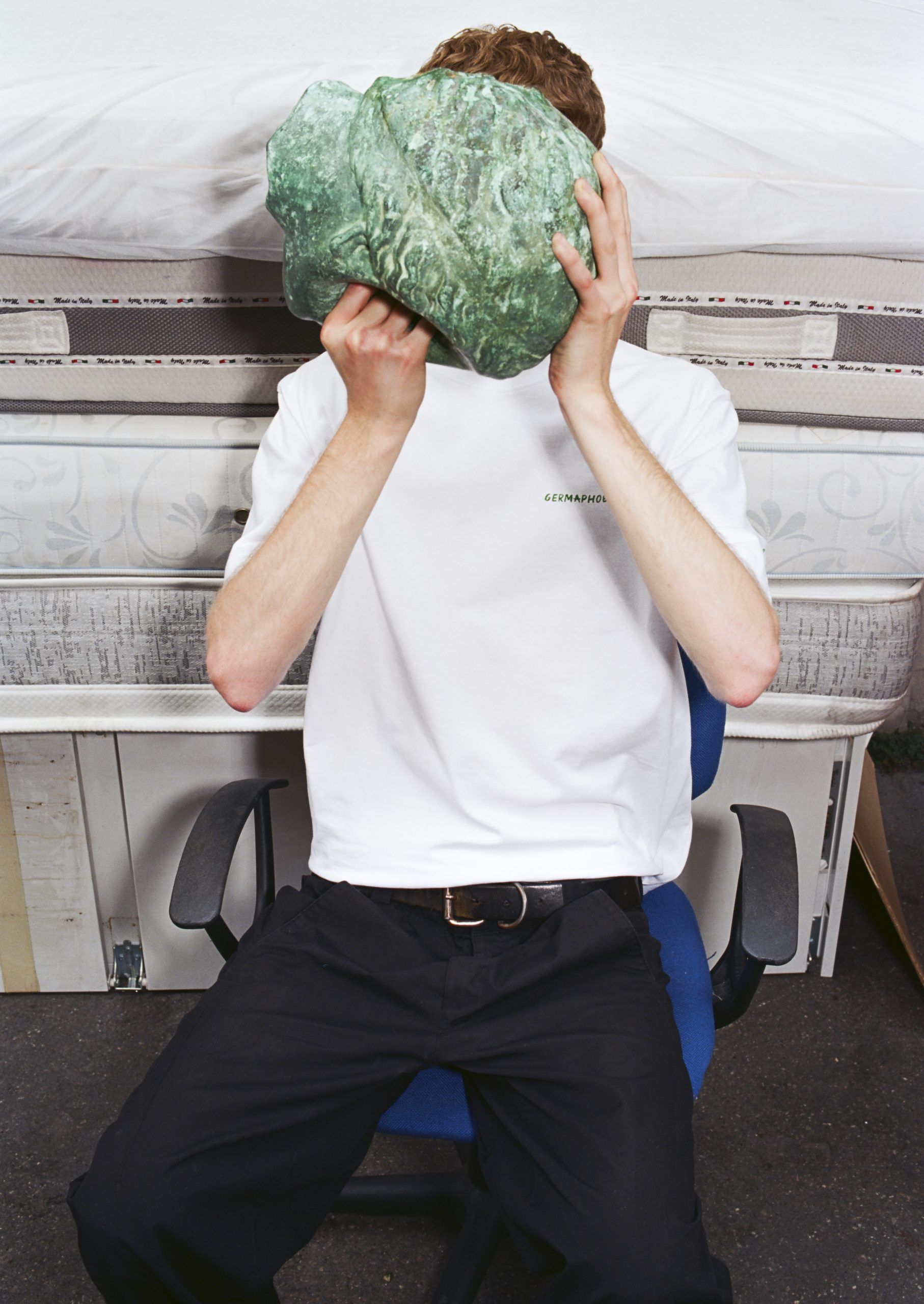
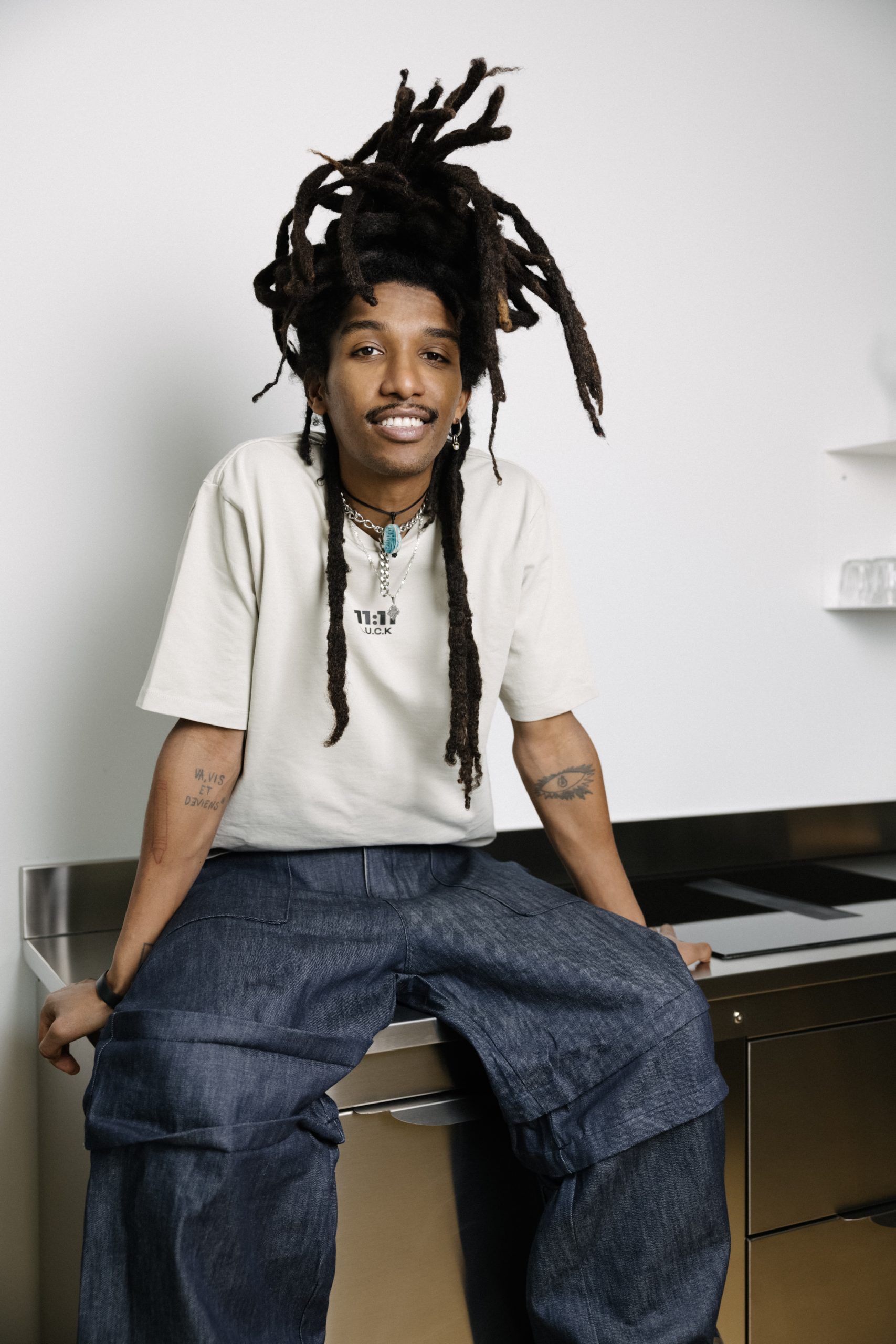
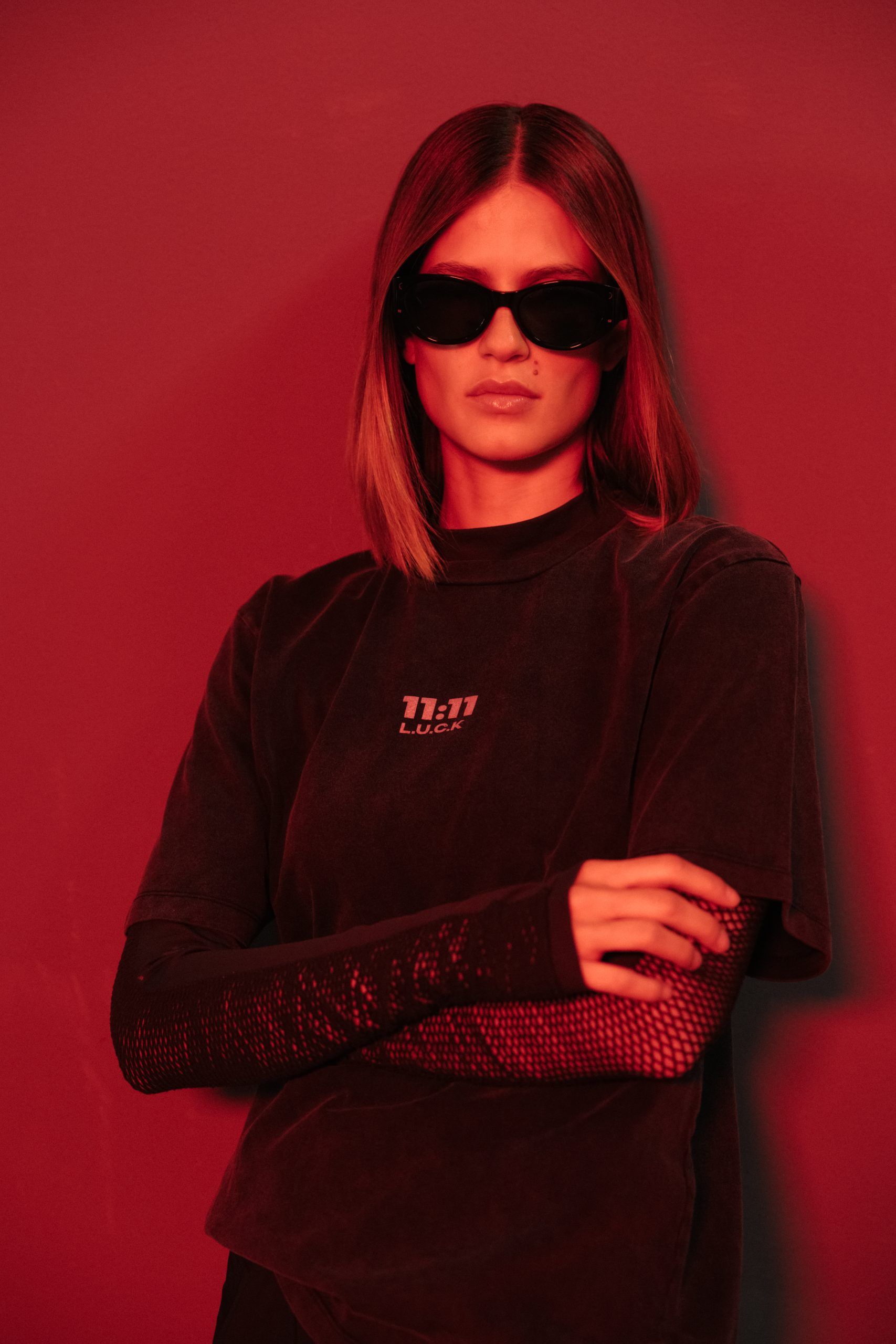
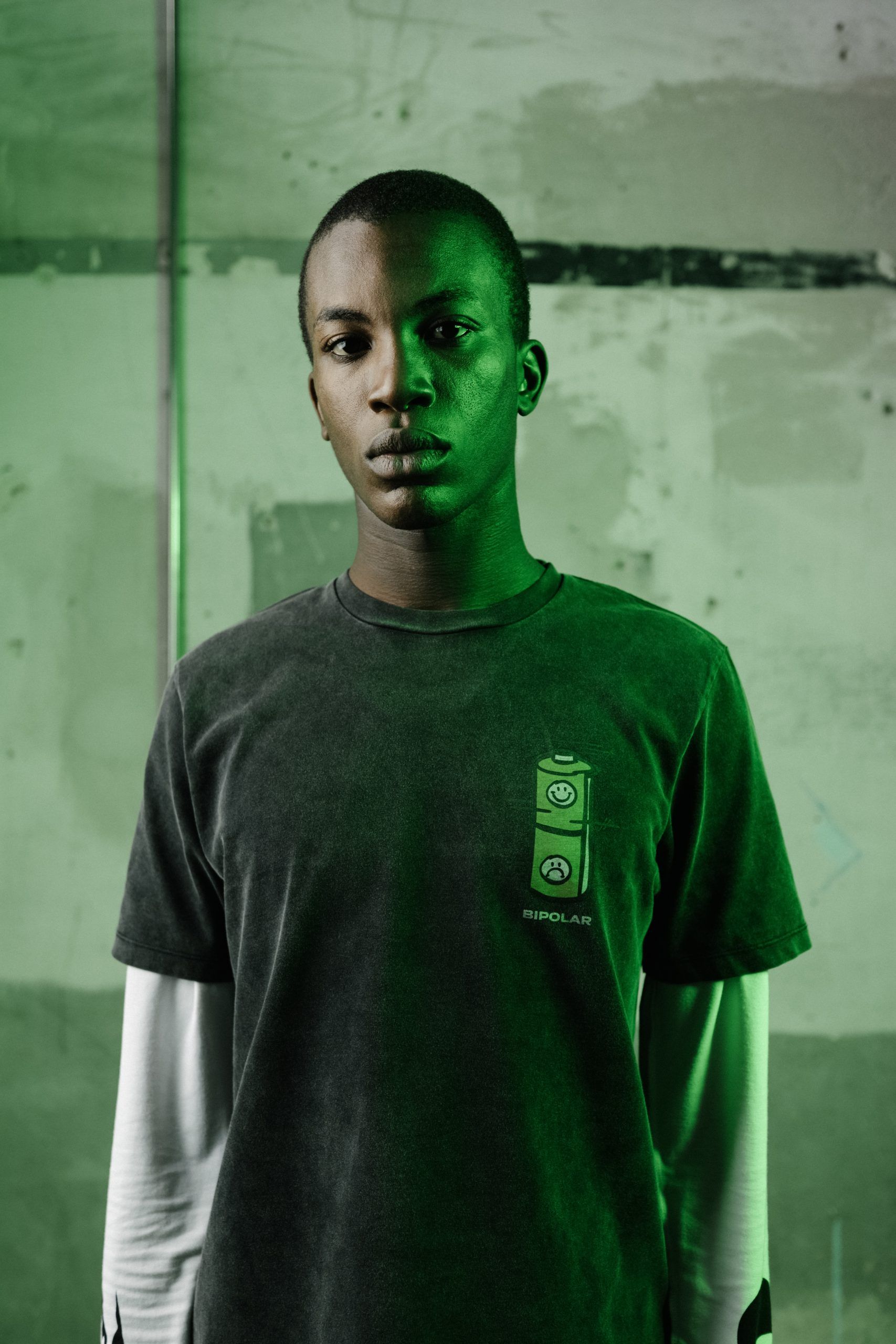
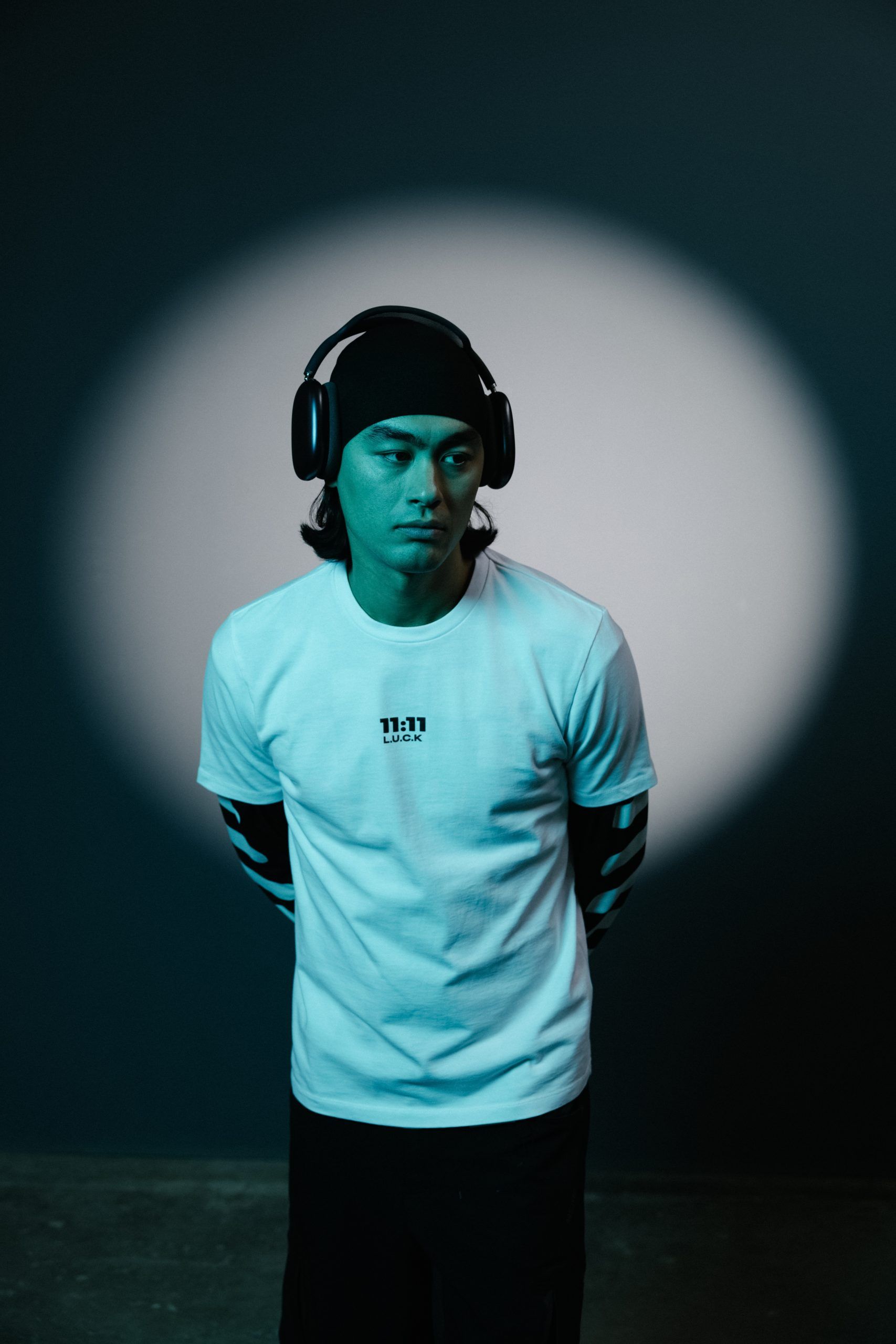
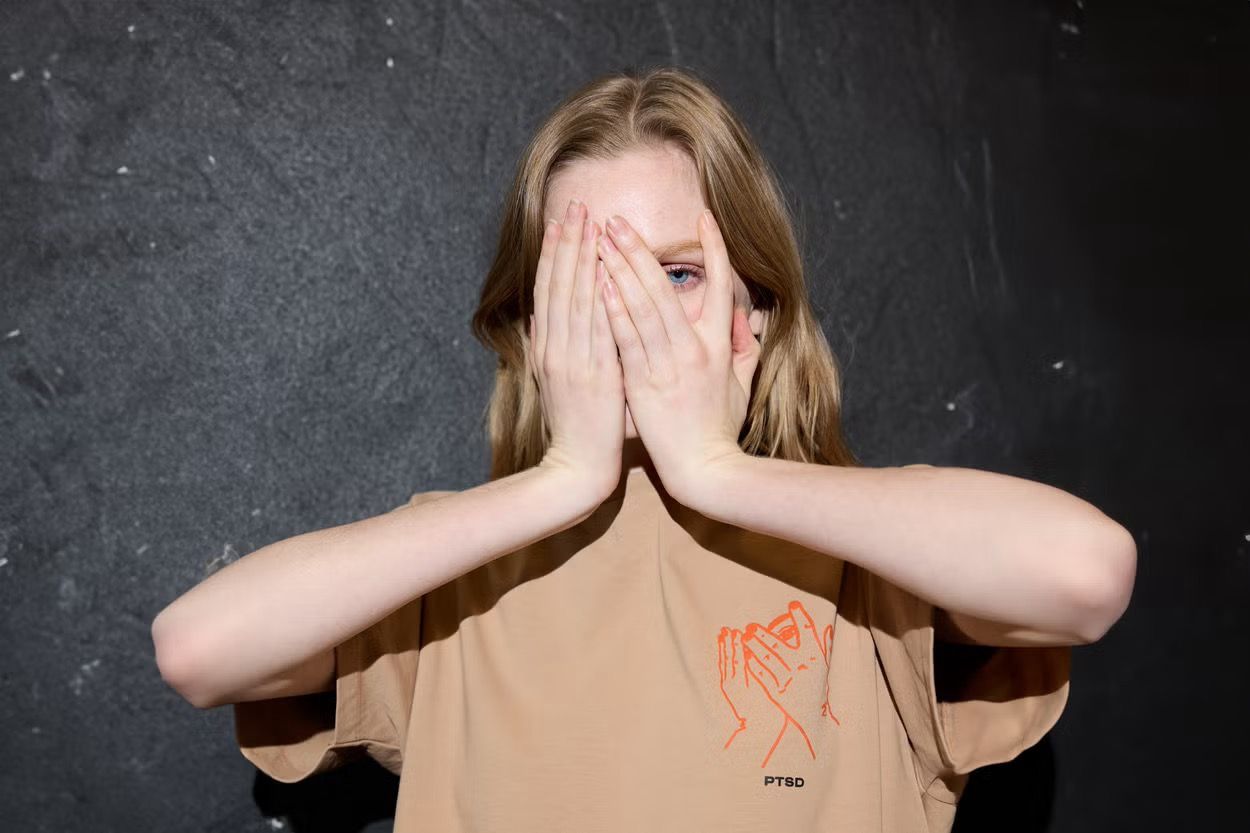
The brand’s vocabulary does the work plainly. Slogans like “Depresso”, “Triggered”, “Germophobe” and “I’m Not Here” are blunt, funny and slightly uncomfortable, exactly the kind of thoughts people usually keep internal. There’s a particular skill in making clothing that feels like a private joke made public, and Polina has it.
It’s connecting. Since launching, 11:11 LUCK has grown quickly beyond the UK, building a strong DTC following before moving into luxury retail across Italy, Switzerland and Greece, with stockists in St Moritz, Forte dei Marmi, Mykonos and Lake Garda. The trajectory says something about where fashion is heading: away from status, toward something more personal. People want pieces that reflect how they actually feel, not how they’re supposed to.
Polina is equally direct when she talks. Pressure culture, burnout, motherhood, the relentless expectation to appear fine. She covers all of it, and none of it sounds like therapy-speak. The honesty lands harder for being so matter-of-fact.
For this 18 Questions, she talks resilience, identity, why people become more expressive when they travel, and the strange relief of admitting you’re not holding it together quite as well as everyone thinks.
1. What’s the first thing you usually do when you wake up in the morning?
Check my phone, which I know is terrible and something I’m actively trying to stop doing. After that, it’s coffee immediately. Nothing productive is happening before coffee.
2. What’s one thing people would be surprised to learn about you?
That I can remember an unreasonable amount of song lyrics. I probably know around a thousand songs word for word. It’s completely useless as a skill, but weirdly impressive at the same time.
3. What has been taking up the most space in your mind lately?
Family, business, and the growing realisation that I probably need a proper holiday. When you’re building something, your brain never fully switches off, so I’m trying to become better at creating some separation between work and life.
4. What’s a piece of advice you ignored at first but later realised was right?
To stop reacting emotionally to every small problem and focus on the bigger picture instead. Not everything deserves your energy, especially if it’s not genuinely impacting the quality of your life long term. That mindset changed a lot for me.
5. When do you feel most like yourself?
Usually when I’m with people I love, ideally somewhere warm near the sea with no real schedule and no pressure to be productive. That’s probably the closest version of myself to who I actually am.
6. What’s a habit or ritual that keeps you grounded?
Morning coffee, dinners with family and close friends, meditation when I actually manage to stay consistent with it, and honestly just switching off with a good book or film. I think simple routines become very important when life gets busy.
7. What’s something you wish people were more honest about?
The real motivations behind their actions. I think people often present polished or socially acceptable versions of why they do things, especially online, but most human behaviour is far more emotionally driven than people like to admit.
8. What’s the last thing that made you laugh when you probably needed it?
Dinner with friends after a stressful day recently. Everyone was tired, slightly delirious and laughing at things that probably weren’t even that funny, but it was exactly what I needed at the time.
9. Before fashion, you were a professional tennis player. What did that world teach you about pressure, performance, and identity?
Tennis teaches you to keep functioning no matter what’s going on internally, or in your personal life. You learn very quickly how much praise, attention and self-worth can become tied to performance, which is actually quite dangerous psychologically when you’re young.
It’s an incredibly disciplined world, but also a very intense one, as you’re constantly being measured, compared and evaluated. Looking back, it made me very resilient, but it also made me realise how much high-performing environments reward people for suppressing themselves rather than actually being okay, or vocalising when they need support.
10. 11:11 LUCK came out of your own experience of burnout. At what point did you realise that feeling needed to become something creative?
It was when I realised I was completely exhausted by the pressure to appear fine all the time. On paper, my life looked successful, but internally I was getting more and more depleted; I felt disconnected from everything, I was anxious and honestly quite numb.
What frustrated me was how common that feeling seemed to be, especially among ambitious people, yet everyone was still pretending they were thriving. The brand started really as an antidote to stigma; as a way of rebelling against the fact we ought to appear composed, even when we’re not.
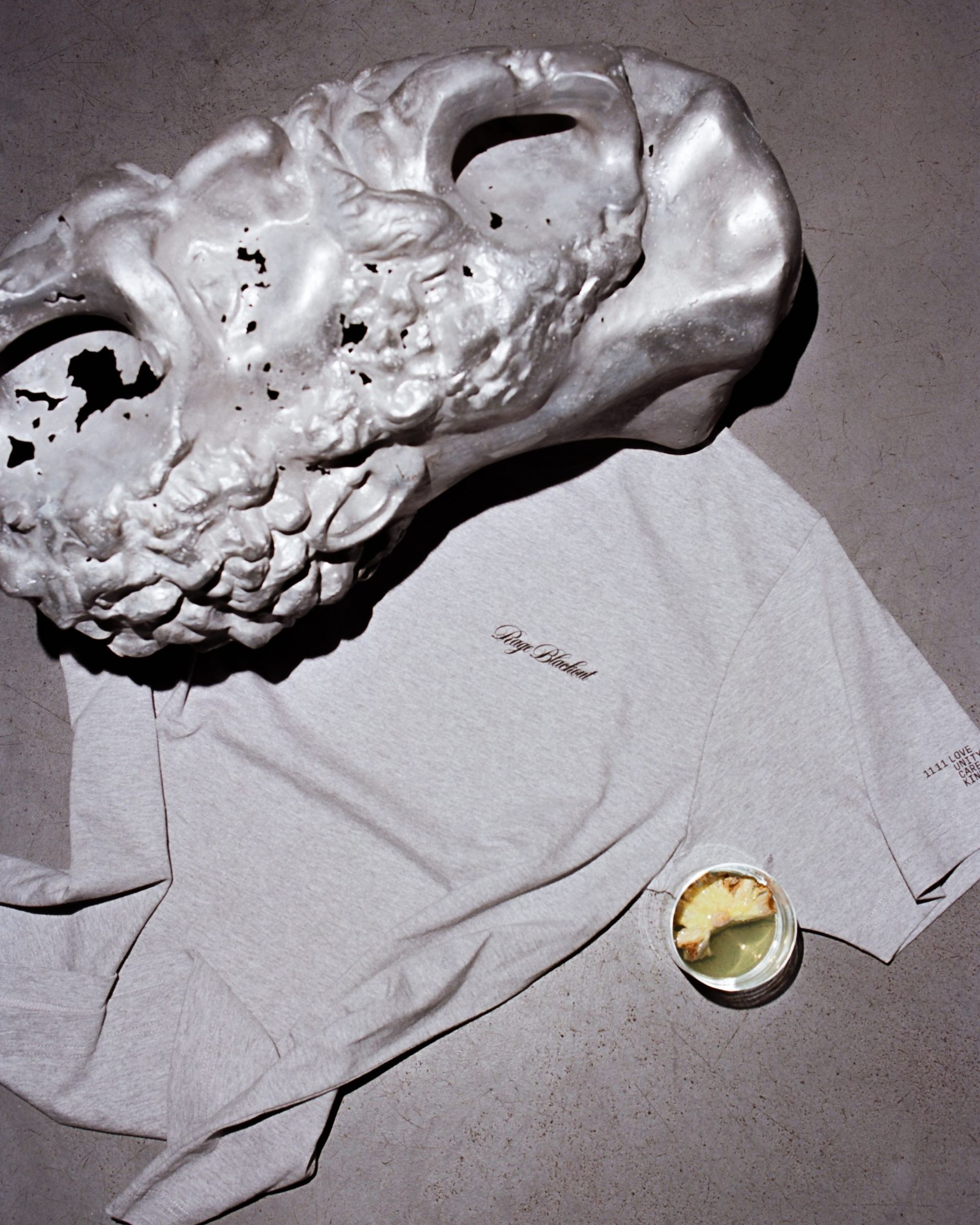
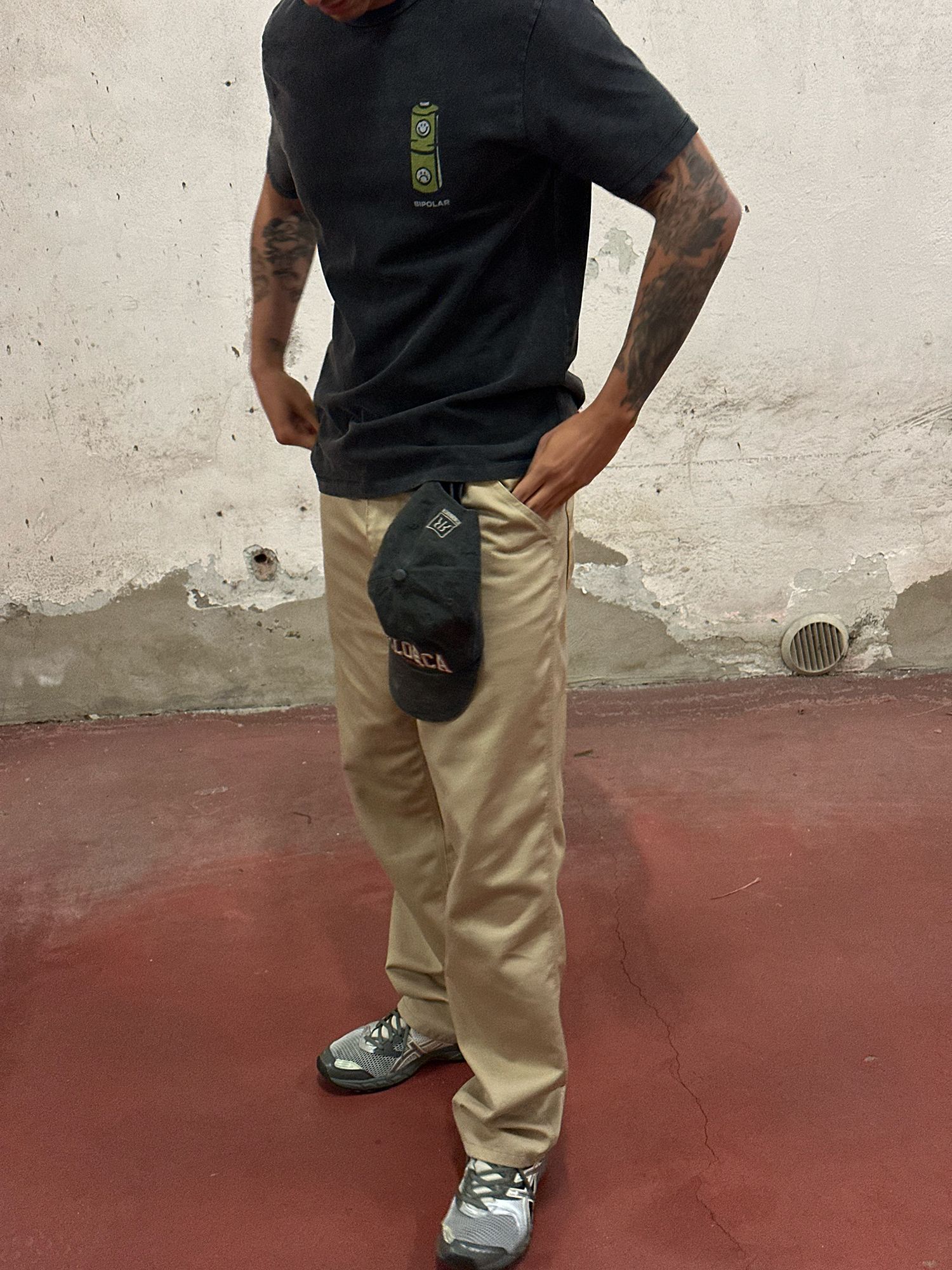
11. The brand uses humour and irony to talk about mental health. Why was it important for you to keep it sharp rather than overly sincere?
Most people, myself included, use humour to talk about difficult things in life. People don’t sit around giving polished monologues about their mental health, they make jokes about spiralling, being triggered or emotionally unstable at completely inappropriate times. It’s a bit of an “if I don’t laugh, I’ll cry” mentality, and honestly sometimes you really need that laugh because it makes everything feel a little less heavy.
What we are trying to do is give people hope by embracing vulnerability instead of hiding it, and to show they’re not alone. It’s turning a negative into something positive, empowering and community-driven.
12. Pieces with words like “Depresso,” “Triggered,” “Germophobe” and “I’m in Not Here” are very direct. How do you decide which feelings deserve to become clothing?
I’m interested in the thoughts people have every day but don’t necessarily say out loud because they feel they’re too dramatic, irrational or even slightly unhinged. A lot of it comes from conversations with friends, things I see online, or moments where I catch myself thinking something ridiculous but very real. If a phrase feels honest, culturally relevant and slightly funny at the same time, it usually ends up becoming a piece.
13. Do you think fashion can make it easier for people to admit how they really feel?
Definitely. Fashion has always been a way of signalling something, whether that’s status, identity, confidence, insecurity, their world views or mood; people communicate far more through what they wear than they probably realise.
Sometimes it’s also easier to wear a feeling than sit down and discuss it, which is why I think the pieces have resonated so well with people all over Europe, and now the Middle East. People recognise the emotion behind them immediately because they’ve either thought it, felt it or joked about it themselves.
14. You’ve spoken about the pressure to appear strong, especially as a mother. How has motherhood changed the way you think about vulnerability?
Motherhood, but also womanhood, made me realise how impossible the expectations placed on women actually are. You’re expected to be emotionally available 24/7, calm, successful, organised, attractive, and capable of handling anything thrown at you without complaining.
Having children made me much less interested in performing perfection because they don’t care about polished versions of you, they respond to you as a human being. It also completely changed my understanding of strength; I think being emotionally honest, self-aware and open about struggling is far harder than pretending everything is under control all the time.
15. There’s been a lot of conversation around mental health, but the messy reality of it is still hard for people to accept. Why do you think that gap still exists?
Because people like the idea of mental health awareness more than the reality of it. Everyone supports vulnerability until it becomes inconvenient, repetitive or difficult to deal with.
Social media has helped normalise certain conversations, but it has also turned emotional struggle into something people feel pressure to package neatly, whereas real burnout, anxiety or depression often isn’t inspirational or aesthetically pleasing. Sometimes it just makes people disappear for a while.
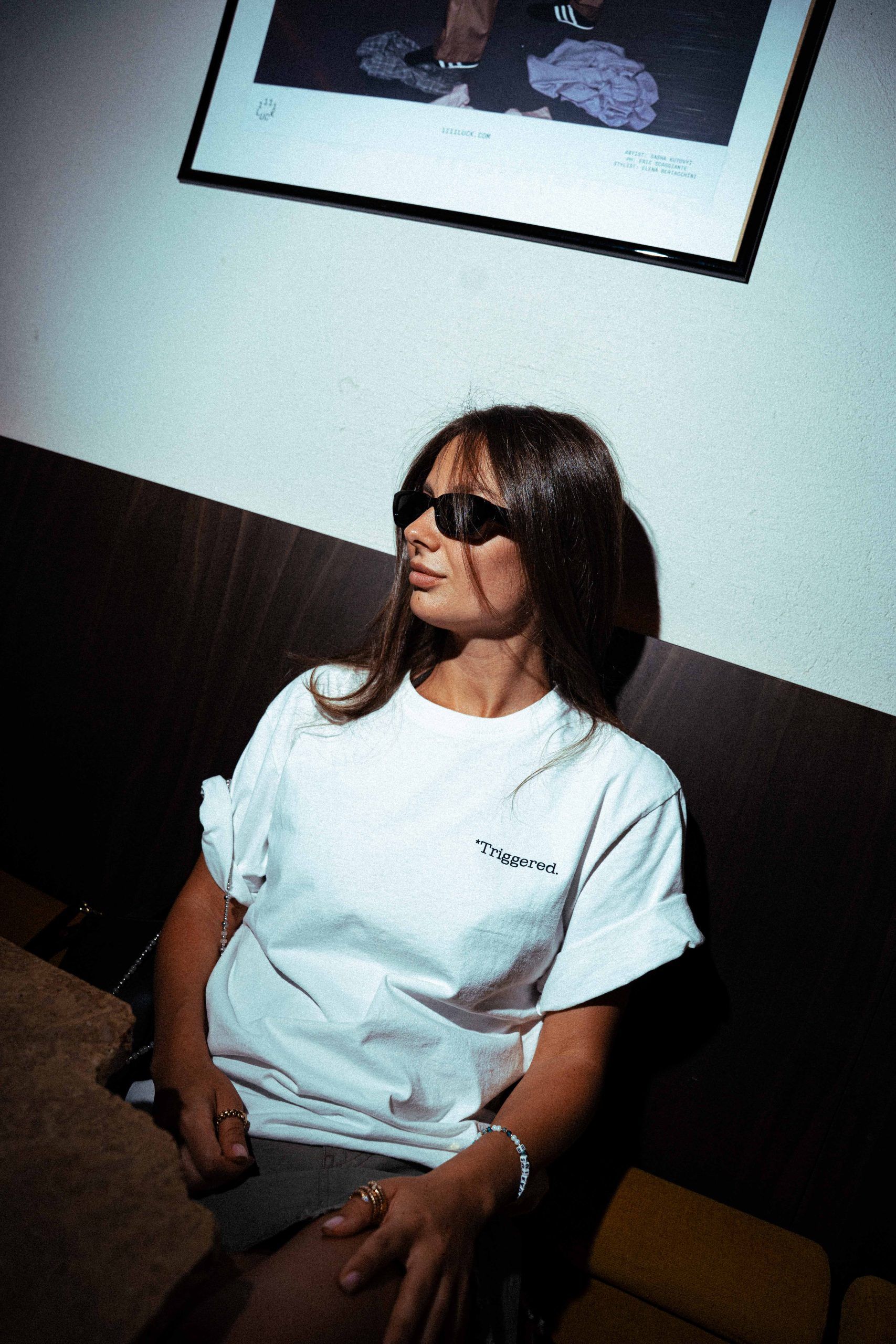
16. 11:11 LUCK has a strong UK DTC following and is now stocked on Farfetch, but it’s also growing quickly in luxury leisure destinations across Europe. Why do you think the brand is connecting so strongly in places like Mykonos, St Moritz and Lake Garda?
People feel more free in leisure locations like these because they’re removed from the stress of everyday life and stop shopping purely based on what they need rather than what they want. I also think luxury consumers are becoming a bit bored of obvious status dressing, they still want beautiful pieces, but they want personality now too, not just logos.
17. Do you think people shop differently when they’re away from their everyday lives?
Definitely. Travel changes people psychologically for a bit, there’s usually more confidence, spontaneity and openness, which naturally affects how people dress and shop. People step outside the version of themselves tied to routine and everyday expectations, so they become more expressive, more intuitive, and more true to themselves when it comes to personal style.
18. What does this next phase of 11:11 LUCK look like, and how do you grow without losing the emotional honesty that started it?
The next phase is really about expanding the brand internationally, but doing it in a very strategic way. We’re stocked in over 35 stores now, including Harvey Nichols Doha, we’ve launched on Farfetch, and we also have an Ibiza pop-up launching soon, which feels very aligned with the world and energy of the brand. In the UK, we’ve mainly prioritised D2C so far because it was important to build a direct relationship with our audience first, but growing our footprint more in our home market is definitely part of the next stage too.
Beyond that, I’m much more interested in finding the right retail partners than just scaling aggressively for the sake of it. I want the brand in progressive, artistic environments and stores that actually understand the ethos behind it, whether that’s cool independents in the US or a handful of larger retailers that genuinely make sense for us culturally. I think consumers can tell immediately when a brand starts over-expanding or placing itself in spaces that don’t feel authentic to its identity. It’s not really about being everywhere, it’s about being in the right places.
For more information visit www.1111luck.com