The Samsung Galaxy S26 Ultra represents the pinnacle of smartphone engineering—a device that commands attention with its stunning display, precision-crafted frame, and cutting-edge camera system. Yet owning such a premium piece of technology immediately presents a familiar tension: how do you protect a device this valuable without burying its elegant design beneath layers of bulky armor? For tech-savvy consumers who appreciate both form and function, settling for one at the expense of the other simply isn’t an option.
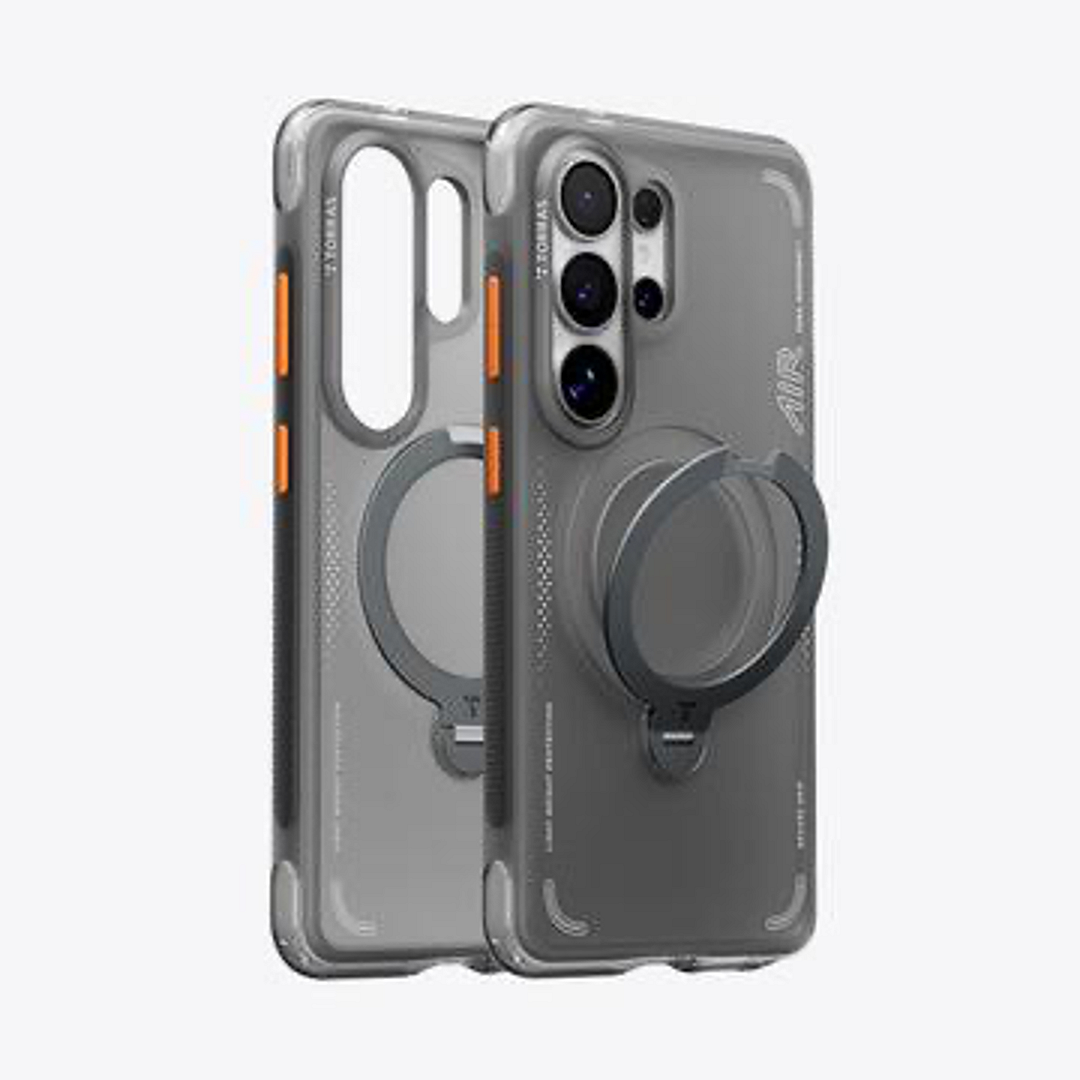
This article explores how today’s best Samsung S26 Ultra cases resolve that conflict, delivering maximum protection through intelligently engineered slim profiles. Beyond drop resistance and scratch prevention, we’ll examine often-overlooked factors that significantly impact daily satisfaction—seamless screen protector compatibility that eliminates frustrating edge lifting, and thoughtful tactile design that makes every interaction with your phone feel intentional and secure. Whether you’re upgrading from a previous Galaxy or selecting your first premium case, understanding these elements will help you make a choice you won’t second-guess.
The Evolution of Phone Protection: Why the Samsung S26 Ultra Case Matters
Flagship smartphones have crossed a threshold where their replacement cost rivals that of a laptop, yet their physical vulnerability has only increased. The Samsung Galaxy S26 Ultra packs expansive glass surfaces, a sophisticated camera array with protruding lenses, and precision-milled edges that show every nick and scratch with unforgiving clarity. A single unprotected drop onto concrete can instantly transform a premium device into an expensive repair bill—or worse, an insurance claim.
Tech-savvy consumers understand this risk intimately, but they refuse to accept the traditional trade-off. Wrapping a meticulously designed phone in a thick rubber shell feels like framing a masterpiece behind frosted glass. These users demand cases that respect the engineering they paid for—maintaining pocket-friendly dimensions, preserving the phone’s visual identity, and allowing full access to every feature without compromise. The challenge for case manufacturers has become clear: deliver genuine structural protection through intelligent design rather than brute material thickness. This is precisely where the current generation of Samsung S26 Ultra cases distinguishes itself, using advanced materials science and precision engineering to achieve what once seemed contradictory—a case that’s barely there visually yet decisively present when impact strikes.
Unpacking the Slim Design: Aesthetics That Complement Your S26 Ultra
A truly premium slim case doesn’t merely cover your Samsung S26 Ultra—it becomes an extension of the device’s own design language. The best options maintain a total added thickness under 1.2mm per side, keeping the phone’s silhouette virtually unchanged in your pocket or hand. Form-fitting contours trace every curve and edge of the S26 Ultra’s frame with such precision that the transition between device and case feels almost invisible, as though Samsung themselves engineered the accessory alongside the phone.
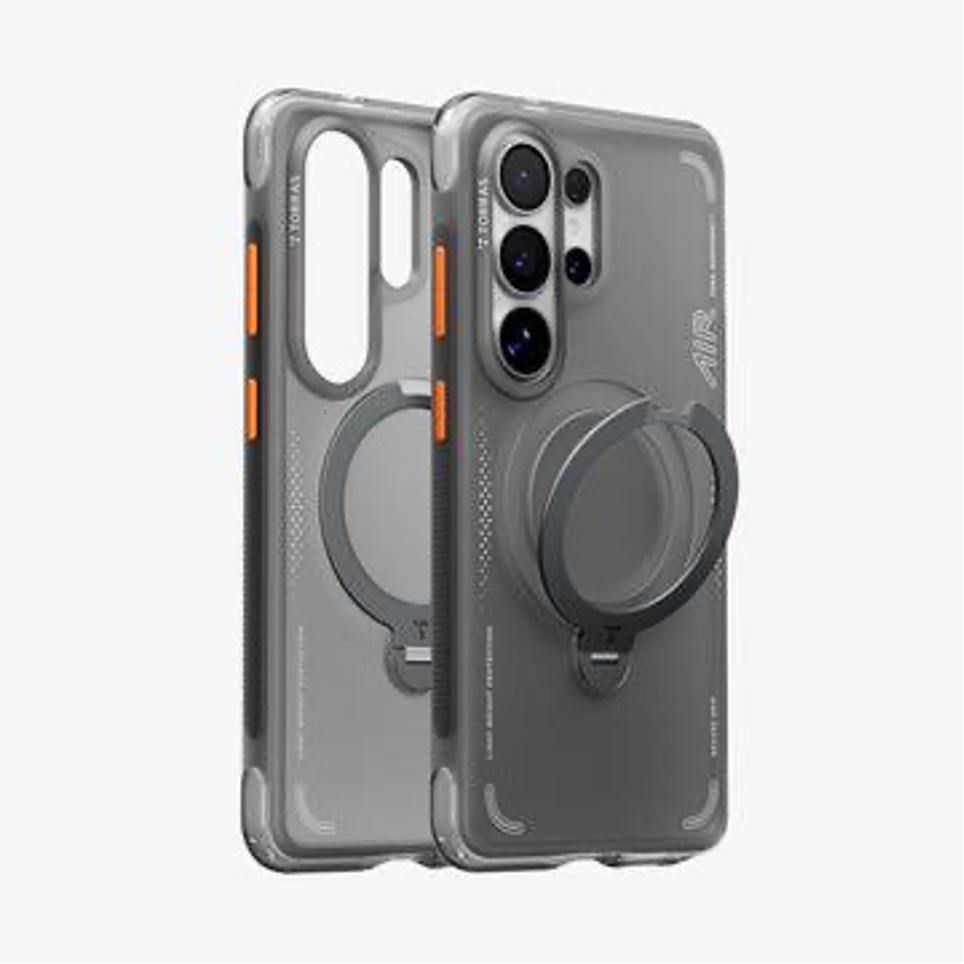
This design philosophy operates on a principle of enhancement rather than concealment. A well-executed slim case preserves the S26 Ultra’s distinctive flat-edge geometry and allows its color to speak—whether through transparent backs that showcase the original finish or through complementary tones that add a subtle personal signature. Matte, glossy, and frosted finishes each serve different aesthetic sensibilities: matte options reduce fingerprint visibility and lend a sophisticated understated look, while frosted translucent backs create an elegant diffused effect that hints at the hardware beneath without fully revealing it. For users who treat their phone as both tool and personal statement, these choices matter enormously.
Materials and Craftsmanship for a Sleek Profile
Achieving genuine thinness without sacrificing structural integrity requires deliberate material selection. Aramid fiber—the same material found in aerospace applications—delivers remarkable tensile strength at a fraction of the thickness traditional plastics require, enabling cases as thin as 0.65mm that still resist flexing and warping. Polycarbonate shells offer rigid protection with excellent clarity for transparent designs, while thermoplastic polyurethane (TPU) provides flexible shock absorption along edges where impact most commonly occurs. Many premium cases combine these materials strategically, using rigid backs paired with energy-absorbing perimeter frames to optimize both profile and performance. Precision CNC machining and injection molding ensure tolerances measured in fractions of a millimeter, so every port opening aligns perfectly and the case snaps onto the S26 Ultra with a satisfying, gap-free fit that feels engineered rather than generic.
Engineering Maximum Protection: How the Case Safeguards Your Investment
The engineering challenge behind a protective slim case is fundamentally a physics problem: how do you dissipate the kinetic energy of a sudden impact across the thinnest possible structure without allowing that force to reach the device beneath? Modern Samsung Galaxy S26 Ultra Case options solve this through multi-layered architectures that work in concert, each layer performing a distinct function within a remarkably compact envelope. The outermost surface resists abrasion and initial contact forces, a rigid internal skeleton distributes point loads across a wider area, and an inner micro-texture or soft-touch lining cushions the phone’s finish from both shock transmission and surface marring.
Raised bezels represent one of the most critical yet easily overlooked protective elements. A lip extending just 0.5mm beyond the screen surface and 1.0mm around the camera island creates an air gap that prevents direct contact when placed face-down or dropped onto a flat surface. This seemingly minimal elevation makes the difference between a scratched display and an untouched one. Many leading cases now carry military-grade drop-test certifications—typically MIL-STD-810G or equivalent—meaning they’ve survived repeated drops from heights of 1.2 meters or more onto steel surfaces without transmitting damaging force to the device. These certifications aren’t marketing theater; they reflect real structural testing that validates the case’s ability to protect during the most common real-world accident scenarios, from pocket-height slips onto tile floors to table-edge tumbles onto hardwood.
Core Protective Features Explained
Air-cushion technology concentrates shock absorption exactly where it’s needed most—the corners. Because corners represent the smallest contact area during an angled drop, they experience the highest force concentration per square millimeter. Hollow chambers engineered into each corner compress upon impact, extending the deceleration time and dramatically reducing peak force transmitted to the phone’s frame. Think of it as a crumple zone borrowed from automotive engineering, scaled down to millimeters. Reinforced frame construction along the case’s perimeter adds another dimension of protection. Rather than uniform thickness throughout, strategic ribs and internal buttresses channel impact energy laterally along the frame rather than inward toward the glass. This means the case flexes predictably under stress without bottoming out against the phone’s vulnerable edges. Scratch-resistant coatings applied to the case back—often ceramic-based or hardened polymer treatments—maintain visual clarity on transparent cases while shrugging off keys, coins, and other pocket companions that would otherwise leave fine abrasion marks over time. For the S26 Ultra’s prominent camera module, dedicated raised rings around each lens provide individualized protection that accounts for the varying heights of the sensor housings, ensuring no single lens sits exposed regardless of how the phone lands.
Ensuring Perfect Harmony: Screen Protector Compatibility and Tactile Experience
Protection doesn’t end at the case’s edge. For Samsung S26 Ultra owners who invest in screen protectors—whether tempered glass or flexible film—the interaction between case and protector determines whether that combination feels seamless or frustrating. A poorly designed case creates interference at the screen’s curved perimeters, causing tempered glass to lift at corners or adhesive film to peel where the case lip applies pressure. The best slim cases address this through recessed inner edges that provide deliberate clearance around the screen protector’s border, typically allowing 0.3-0.5mm of breathing room that prevents contact without leaving the protector’s edges exposed to snagging. This seemingly minor engineering decision eliminates the single most common complaint among users who pair cases with screen protection.
Beyond compatibility, the physical experience of holding and operating your cased phone shapes every interaction throughout the day. Tactile design encompasses everything from how buttons respond under your thumb to whether the case inspires confidence during one-handed use. Premium cases engineer button covers with internal metal domes or raised tactile ridges that preserve—or even improve upon—the click responsiveness of bare buttons, ensuring volume adjustments and power toggles feel deliberate rather than mushy. Surface texture across the case back and sides plays an equally vital role: micro-dot patterns, fine sandblasted finishes, or strategically placed grip zones prevent the phone from sliding on surfaces or slipping from your grasp without adding visible bulk or compromising the clean aesthetic.
A Guide to Flawless Screen Protector Pairing
Start by identifying your preferred protector type before finalizing your case choice. Tempered glass protectors are thicker and less forgiving of tight case tolerances, so confirm that the case manufacturer explicitly lists glass protector compatibility—vague claims of “screen protector friendly” often apply only to thin film options. When installing, apply the screen protector first and allow full adhesive cure time (typically 24-48 hours for UV-cured glass) before snapping on the case. This sequence prevents the case from shifting a freshly placed protector during installation. If you notice minor lifting at corners after case application, a case with a slightly wider inner chamfer will resolve the issue. Brands like TORRAS design their cases and screen protectors to work as a unified system, accounting for precise dimensional pairing that minimizes interference—an approach worth seeking out when both accessories come from the same manufacturer who tests them against identical device tolerances.
Optimizing User Interaction: The Role of Tactile Design
Material choice directly dictates how a case feels during extended use. Soft-touch coatings provide a velvety grip that reduces hand fatigue during long sessions, though they can wear over months of heavy use. Textured polycarbonate maintains its surface character indefinitely and offers reliable friction even with dry or slightly damp hands. For users who frequently operate their S26 Ultra one-handed, cases with subtle lateral ridges or contoured side grips provide purchase points that align naturally with finger placement during reach-across gestures. Button feedback deserves hands-on evaluation whenever possible—the ideal cover transmits a crisp, short-travel click without requiring excessive force, keeping interactions fast and natural. Charging port and speaker cutouts should be precisely sized, neither so tight that cable insertion becomes a guided puzzle nor so generous that debris accumulates. These details collectively determine whether a case disappears into your daily routine or becomes a persistent minor annoyance you eventually abandon.
Your Decision Guide: How to Choose the Ideal Samsung S26 Ultra Case
Choosing the right case becomes straightforward once you approach it as a series of deliberate decisions rather than an overwhelming comparison of hundreds of options. The key is matching your specific lifestyle demands to the features that matter most, then verifying compatibility details before committing. Tech-savvy buyers benefit from treating this like any informed purchase—defining requirements first, then filtering options against those criteria rather than being swayed by marketing alone.
Start by honestly assessing your risk profile. A desk-bound professional who occasionally drops their phone from pocket height has fundamentally different needs than someone who takes their S26 Ultra on hiking trails or construction sites. Once you’ve established your protection baseline, aesthetic preferences narrow the field further—deciding between full transparency, frosted elegance, or bold color expression eliminates entire categories quickly. From there, the practical details seal the decision: does the case work with your preferred screen protector, and does it feel right in your hand for hours of daily use? These final checks prevent the buyer’s remorse that comes from discovering incompatibilities after purchase.
Step-by-Step Selection Criteria for Tech-Savvy Buyers
First, define your primary use case and risk level—daily commuting and office environments call for streamlined protection with drop ratings around 1.2 meters, while active outdoor use demands reinforced corner structures and higher certification standards. Second, choose a design that complements rather than contradicts your S26 Ultra’s aesthetics; if you selected a specific phone color intentionally, a clear or frosted case preserves that choice while a contrasting matte finish creates deliberate visual tension. Third, confirm compatibility with your preferred screen protector by checking manufacturer specifications for inner-edge clearance dimensions—look for explicit tempered glass compatibility statements if that’s your protector of choice. Fourth, prioritize tactile features based on how you actually handle your phone: one-handed users should seek contoured grip zones, while those who value button responsiveness should look for metal-dome button covers. Finally, verify that wireless charging passes through unimpeded and that all port cutouts accommodate your existing cables and accessories without forcing awkward angles.
Slim Protection That Preserves Your S26 Ultra Experience
The best Samsung S26 Ultra cases prove that protection and elegance aren’t opposing forces—they’re complementary outcomes of thoughtful engineering. Through advanced materials like aramid fiber and strategically layered architectures, today’s slim cases deliver military-grade impact resistance within profiles that add barely a millimeter to your device’s dimensions. They preserve the S26 Ultra’s striking design language rather than obscuring it, turning protection into an aesthetic enhancement rather than a visual compromise.
Yet protection alone doesn’t define a great case. Screen protector compatibility—specifically, the precise inner-edge clearances that prevent lifting and interference—determines whether your full protection setup works in harmony or creates daily frustration. Similarly, tactile design elements like responsive button covers, purposeful grip textures, and precisely sized cutouts shape every interaction across hundreds of daily touches. These factors deserve equal weight in your decision-making process. For the tech-savvy consumer who refuses to settle, the message is clear: armed with the right knowledge about materials, protective engineering, and compatibility details, you can confidently choose a Samsung S26 Ultra case that safeguards your investment without asking you to sacrifice a single element of the experience you paid for.