Introduction
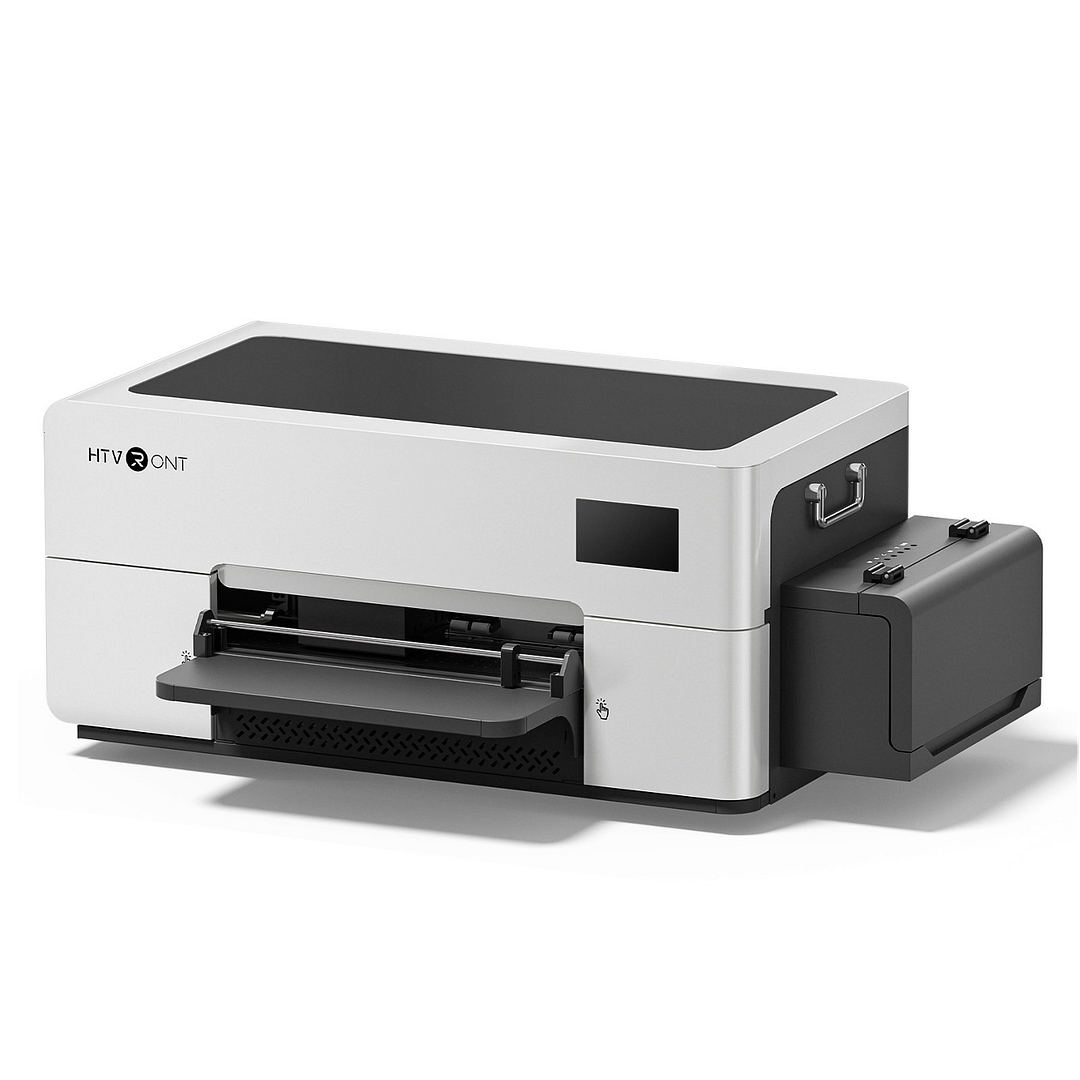
The custom apparel industry has evolved rapidly over the last few years. Small businesses, print shops, home entrepreneurs, and established garment decorators are constantly searching for faster, more reliable, and more profitable ways to create high-quality printed products. Among the latest innovations, the D2 DTF Printer has emerged as one of the most exciting solutions for modern apparel production.
Direct-to-film technology has transformed how designs are transferred onto garments. Unlike traditional printing methods that often require extensive setup, multiple screens, or fabric limitations, DTF printing offers flexibility, vibrant colors, and impressive durability. Whether you are printing on cotton, polyester, blends, or specialty fabrics, this technology provides a practical way to achieve professional results.
As demand for personalized clothing continues to grow, businesses need equipment that can keep up with customer expectations. A complete DTF workflow often includes a quality printer, curing equipment, and a reliable heat transfer system. Together, these tools help create prints that look sharp, feel comfortable, and withstand repeated washing.
In this guide, we will explore how DTF printing works, why the D2 DTF Printer stands out, the importance of supporting equipment, and how businesses can maximize their production efficiency while maintaining exceptional print quality.
Understanding How DTF Printing Works
Direct-to-film printing is a process that allows designs to be printed onto a specialized film before being transferred to fabric. Unlike direct-to-garment printing, the design is first created on film and then applied to the garment using heat and pressure.
The process begins by printing the design onto PET film using specialized inks. After the design is printed, adhesive powder is applied to the wet ink. This powder acts as the bonding agent that allows the design to adhere securely to the fabric during heat transfer.
Once the powder has been applied, the design must be cured properly. This is where a dedicated DTF Oven becomes an essential part of the workflow. Proper curing ensures that the adhesive powder melts evenly and bonds correctly with the printed image, resulting in strong durability and excellent wash resistance.
After curing, the design is transferred onto the garment using a heat press. The combination of temperature, pressure, and timing creates a permanent bond between the design and the fabric. The result is a vibrant, detailed print that maintains its quality over time.
The popularity of DTF printing continues to grow because it offers versatility across various fabric types. Businesses can produce custom T-shirts, hoodies, tote bags, sportswear, uniforms, and promotional products without needing separate printing systems for different materials.
Why the D2 DTF Printer Is Becoming a Popular Choice
Modern printing businesses require equipment that balances quality, speed, and reliability. The D2 DTF Printer addresses these needs by providing an efficient solution for producing professional-grade transfers.
One of the biggest advantages of this printer is its ability to deliver vibrant color output with impressive detail. Customers increasingly expect photo-quality graphics, intricate logos, and colorful artwork. A high-performance DTF printer helps businesses meet these expectations while maintaining consistency across production runs.
Another major benefit is production efficiency. Print shops often face tight deadlines, especially when handling bulk orders or seasonal demand. Faster printing speeds help reduce turnaround times while maintaining print accuracy. This efficiency can lead to higher customer satisfaction and increased profitability.
The D2 DTF Printer also supports business scalability. Many apparel businesses start small and gradually expand their product offerings. Investing in equipment that can grow alongside production demands allows owners to avoid frequent equipment upgrades and maintain a streamlined workflow.
Reliability is another critical factor. Consistent output reduces material waste, minimizes reprints, and helps maintain production schedules. For growing businesses, dependable equipment can significantly impact overall operating costs and customer retention.
In addition, DTF technology allows entrepreneurs to enter the custom printing market without the complexity associated with some traditional printing methods. This accessibility makes it attractive for startups looking to build a profitable apparel brand.
The Essential Role of a DTF Oven in Production
Many newcomers focus primarily on the printer itself, but curing equipment is equally important in achieving professional results. A properly designed DTF Oven plays a crucial role in ensuring transfer quality and durability.
After adhesive powder is applied to the printed film, it must be heated to the correct temperature. Proper curing allows the powder to melt uniformly and create a stable adhesive layer. Inconsistent curing can lead to poor adhesion, cracking, peeling, or reduced wash resistance.
A dedicated DTF Oven provides controlled heating conditions that help eliminate many common production issues. Uniform heat distribution ensures consistent curing across the entire design, including detailed graphics and large print areas.
Efficiency is another important advantage. Manual curing methods can be time-consuming and may introduce variability into the process. An oven designed specifically for DTF applications streamlines production and improves repeatability from one job to the next.
As order volumes increase, maintaining consistency becomes even more important. A reliable curing system allows businesses to handle larger production runs while maintaining quality standards. This consistency can help strengthen customer trust and encourage repeat orders.
Professional curing equipment also contributes to overall workflow optimization. By integrating the printer, oven, and transfer stage into a cohesive process, businesses can reduce bottlenecks and improve daily productivity.
How a Heat Press Completes the DTF Workflow
Even the highest-quality transfer cannot achieve its full potential without proper application. A dependable heat press is the final step that transforms a printed transfer into a finished garment.
The heat press applies controlled temperature, pressure, and time to bond the cured transfer to the fabric. This process directly affects print appearance, durability, and customer satisfaction. Small variations in heat application can significantly influence the final result.
One major advantage of using a professional heat press is consistency. Manual application methods often produce uneven pressure or temperature distribution, leading to inconsistent results. Dedicated heat press equipment ensures repeatable outcomes across multiple garments.
Modern heat press machines also support a wide variety of products. In addition to T-shirts, businesses can customize hoodies, sweatshirts, tote bags, athletic wear, and other fabric-based items. This versatility allows entrepreneurs to expand their product catalog and reach new customer segments.
Production speed is another key factor. Efficient transfer application helps businesses process more orders in less time. For companies managing custom orders, event merchandise, or online apparel sales, productivity improvements can have a direct impact on profitability.
When paired with a quality DTF printer and curing system, a reliable heat press helps create a complete production environment capable of delivering professional results consistently.
Benefits of DTF Printing for Growing Apparel Businesses
The rise of DTF technology has opened new opportunities for businesses of all sizes. Whether operating from a home workspace or managing a commercial print facility, apparel decorators can benefit from the flexibility this process provides.
One significant advantage is reduced inventory risk. Businesses can print transfers on demand rather than maintaining large inventories of pre-printed products. This approach lowers storage requirements and reduces the likelihood of unsold stock.
Customization has become increasingly important in today’s market. Consumers want personalized products that reflect their interests, businesses, teams, and events. DTF printing makes it easier to produce small batches and one-off designs without excessive setup costs.
Another benefit is material compatibility. Traditional printing methods may require different processes for different fabric types. DTF technology works effectively on cotton, polyester, blends, and many specialty textiles, simplifying production workflows.
Cost efficiency also plays a role in the growing popularity of DTF printing. Lower setup requirements and reduced waste can help improve profit margins, especially for smaller businesses handling diverse customer requests.
The ability to produce vibrant colors and detailed graphics further enhances product appeal. High-quality prints help businesses differentiate themselves in a competitive market and build stronger customer loyalty over time.
Choosing the Right Equipment for Long-Term Success
Selecting the right equipment is one of the most important decisions for any apparel printing business. While budget considerations are important, focusing solely on initial purchase price can lead to limitations later.
Businesses should evaluate equipment based on print quality, production speed, reliability, ease of maintenance, and scalability. A well-rounded setup provides the flexibility needed to accommodate future growth and changing customer demands.
Investing in a high-quality DTF printer helps establish a strong foundation for production. Consistent color reproduction, detailed image quality, and dependable performance contribute directly to customer satisfaction and business reputation.
Supporting equipment should receive equal attention. A properly designed DTF Oven ensures optimal curing performance, while a professional heat press provides accurate transfer application. Together, these components create a complete workflow that supports efficiency and quality control.
Training and process optimization are also important. Even advanced equipment performs best when operators understand proper maintenance procedures, temperature settings, curing techniques, and transfer application methods.
Businesses that prioritize quality throughout the production process are often better positioned for long-term growth. By investing in dependable equipment and establishing efficient workflows, apparel decorators can increase productivity, reduce waste, and consistently deliver products that meet customer expectations.
Conclusion
The custom apparel industry continues to evolve, and DTF technology is playing a major role in shaping its future. A high-quality D2 DTF Printer provides businesses with the ability to create vibrant, durable, and professional-looking transfers across a wide range of fabric types.
Success with DTF printing goes beyond the printer alone. A dependable DTF Oven ensures proper curing and transfer durability, while a reliable heat press completes the application process with consistent results. Together, these tools create an efficient production system capable of supporting both small businesses and growing commercial operations.
As consumer demand for customized apparel continues to increase, investing in the right DTF equipment can help businesses improve quality, increase efficiency, and expand their product offerings. For entrepreneurs and established print shops alike, adopting modern DTF technology represents a valuable opportunity to stay competitive and meet the evolving needs of today’s apparel market.