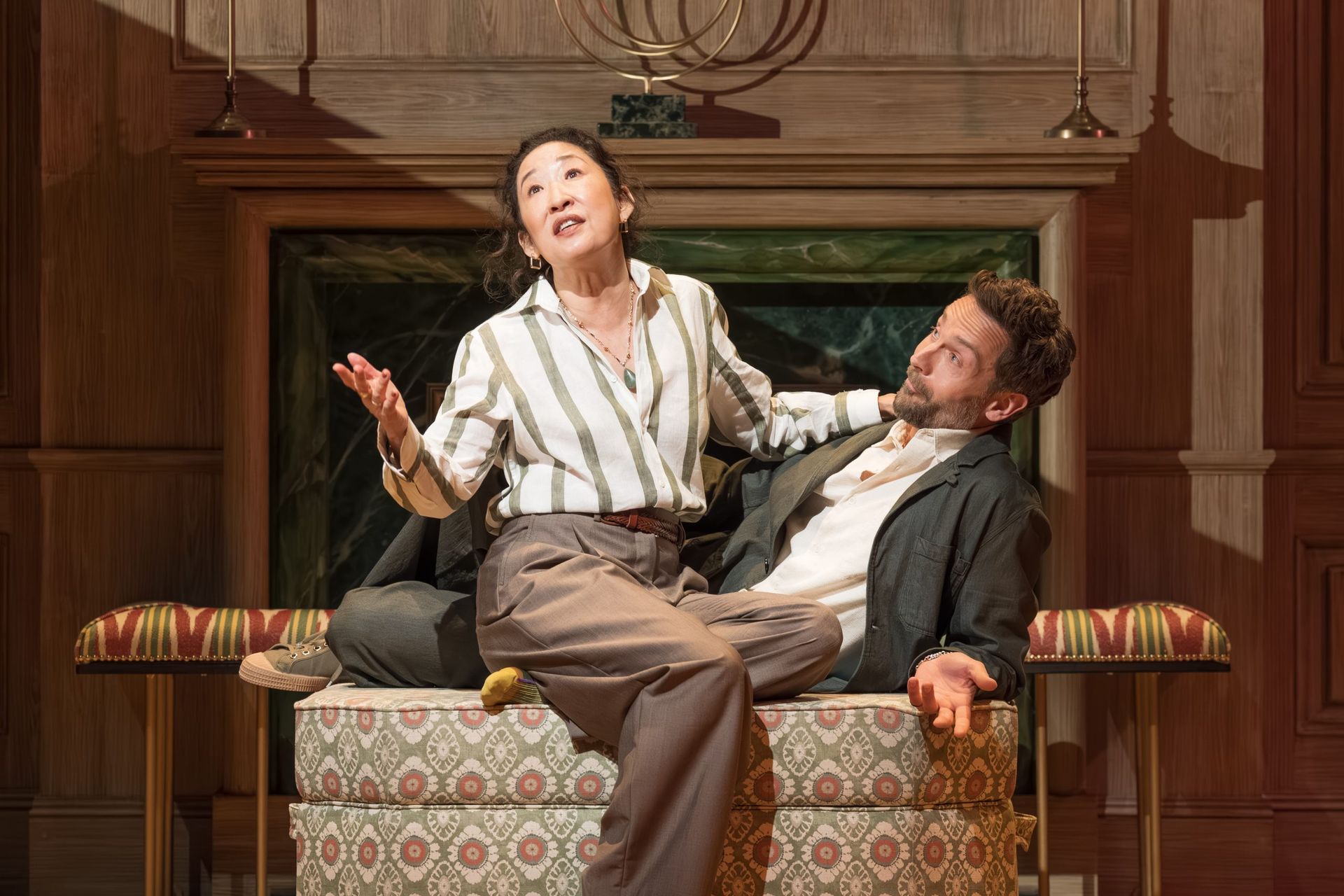
The National Theatre has decided that what the Lyttelton needs this summer is a French play from 1666 written in verse, by a man who is hoping that his third adaptation of the Molière masterwork is the charm. It is directed by Indhu Rubasingham, the National Theatre’s first female artistic director and the first person of colour to hold the role, and stars a woman best known for spending a decade hanging out with impossibly handsome surgeons before chasing a psychopathic assassin around Europe. It’s certainly a choice.
But is it a good choice? Elsewhere at the NT, audiences can see either the crowd-pleasing War Horse (a play so long in the tooth that its spirit animal is a narwhal – 1883 review here) or bouncy new musical Pride, in which miners, lesbians and gays team up to defeat the evil forces of Darth Thatcher. In any version, The Misanthrope has neither that same sense of family-friendly familiarity nor that strong sense of community but, in Sandra Oh, the production does have a talismanic figure.
In the gender-switched role of Alice, she plays an unashamedly direct novelist with a singular view: everything is bullshit. In her eyes, all acts of kindness are performative bullshit, tokens of respect and compassion are completely fake bullshit, while warm words of encouragement never indicate warm intentions and are really just knee-jerk bullshit. And so on and so forth.
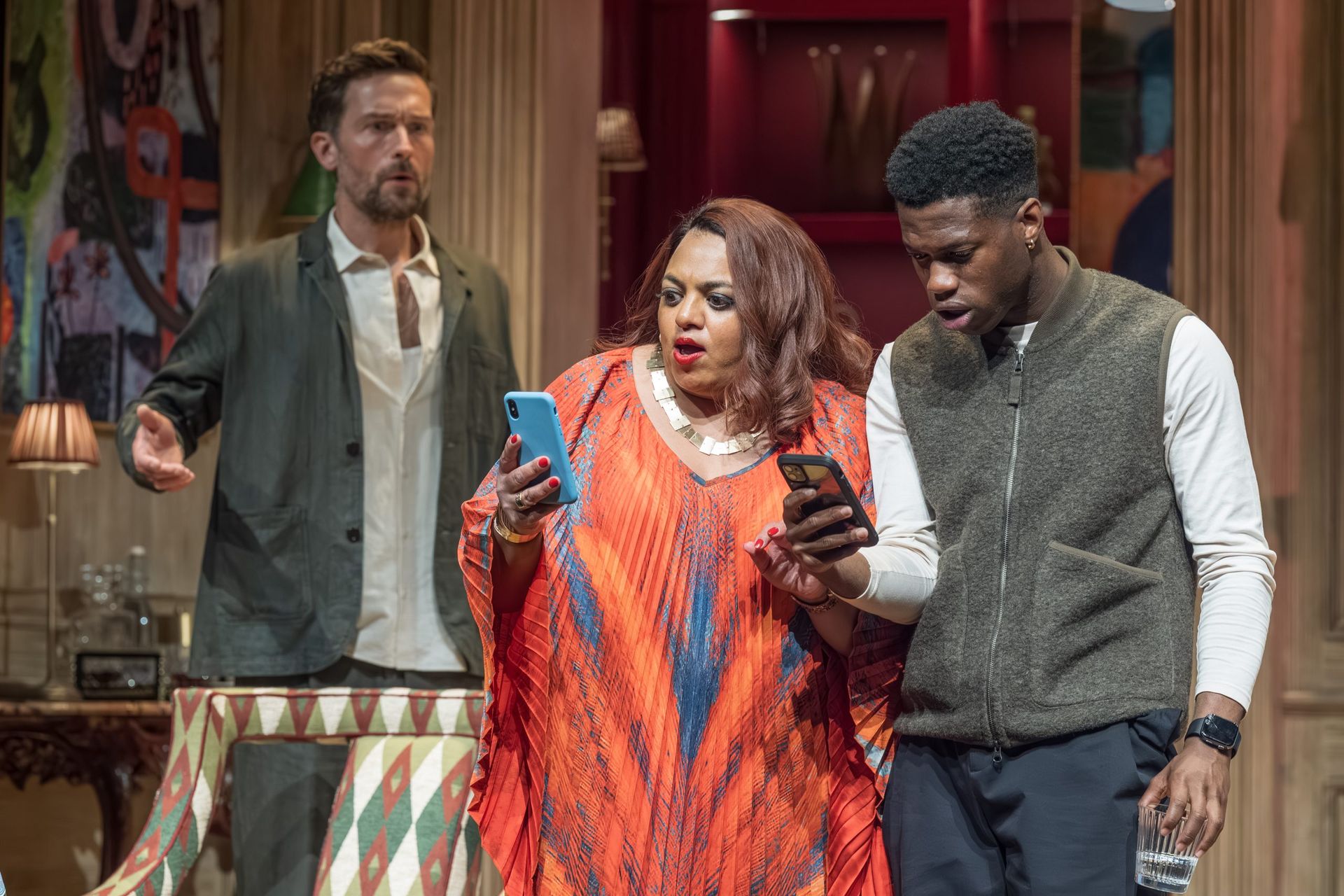
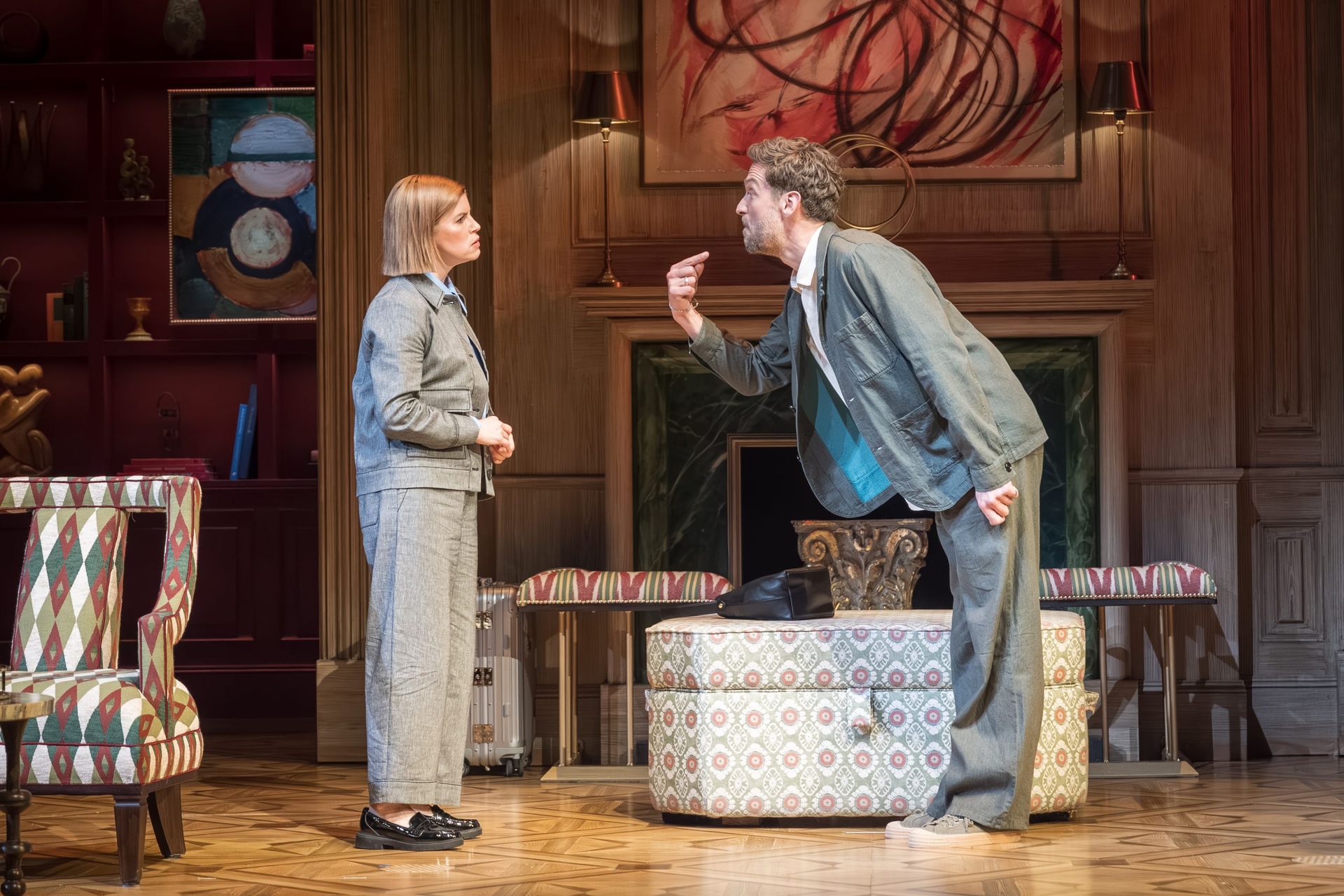
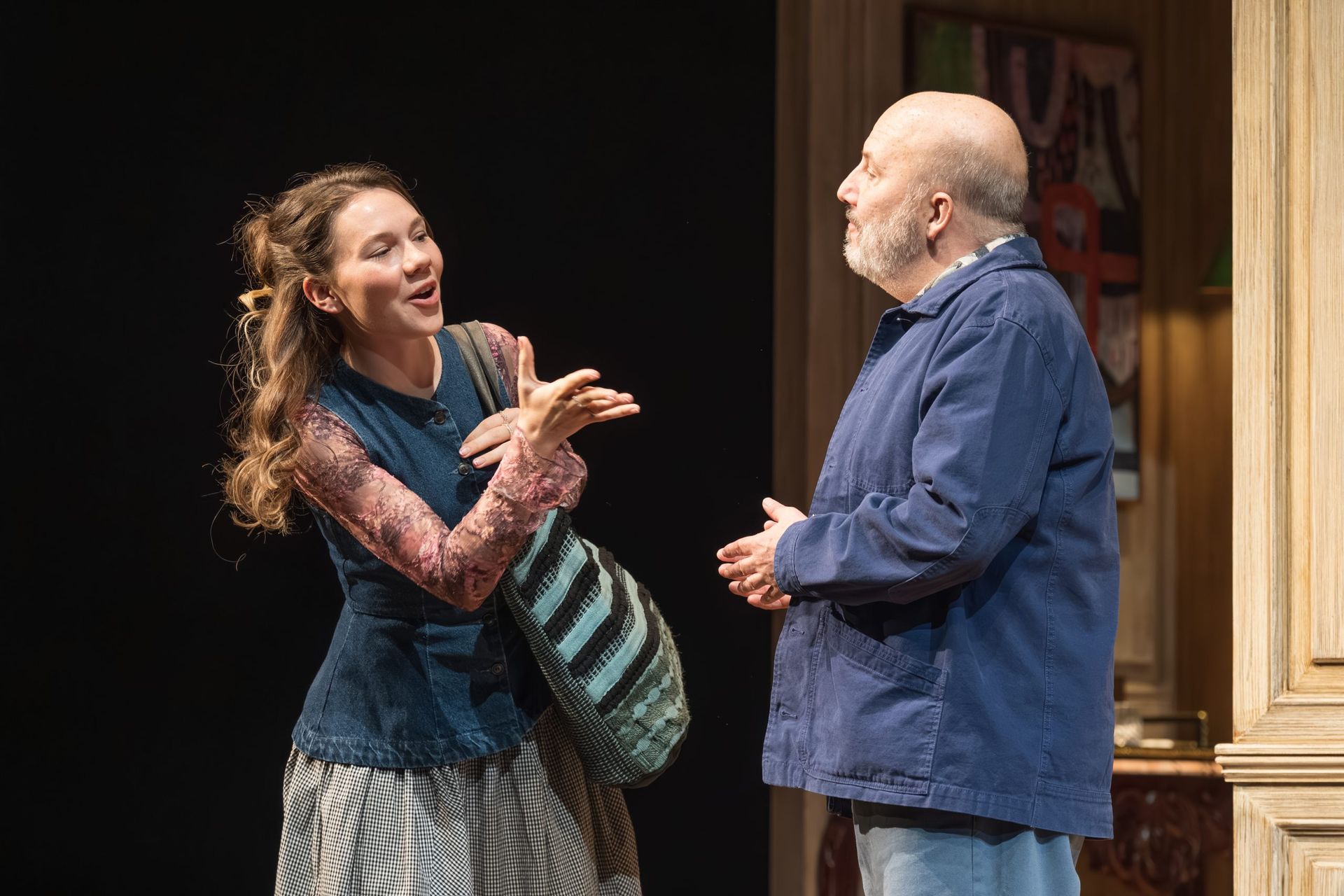
When a young fan called Esmée (Imogen Elliott) asks Alice to give an opinion on her cliche‑ridden first attempt at a book, the response is typically forthright. When Alice finds out that Esmée is the daughter of someone high up at her publishers and her withering words have gone viral, let’s just say: regrets, she has a few.
Adding to her immediate milieu are gay bestie John (Paul Chahidi, delightful as all hell) and younger boyfriend Stefan (Tom Mison, impossibly handsome). While the former provides soothing words, casual sympathy and unheeded advice, the latter brings the storm into Alice’s placid life in the form of his ex‑wife Elaine (Jemima Rooper) and an attention‑clamouring entourage that includes a fantastic Rina Fatania as press agent Indira.
The whole production is a confluence of awkwardness. The most painful is writer Martin Crimp’s use of rhyming couplets. It’s admittedly a worthy technique which helps convey how little has changed. In Molière’s day, the aristocracy at court wrote to each other in this way while peasants starved and revolution fermented in the fields alongside the rotting corn. Scroll forward a few centuries and the same artificial way of speaking is all around us in the form of tweets, hashtags and phrases like “thoughts and prayers”; meanwhile billionaires hoover up the world’s resources as millions around the world starve to death every year. Unlike those he lampooned, the mononymic Molière was a man of few words (at least when it came to his stage name) and his world along with his deliciously cynical worldview remain with us.
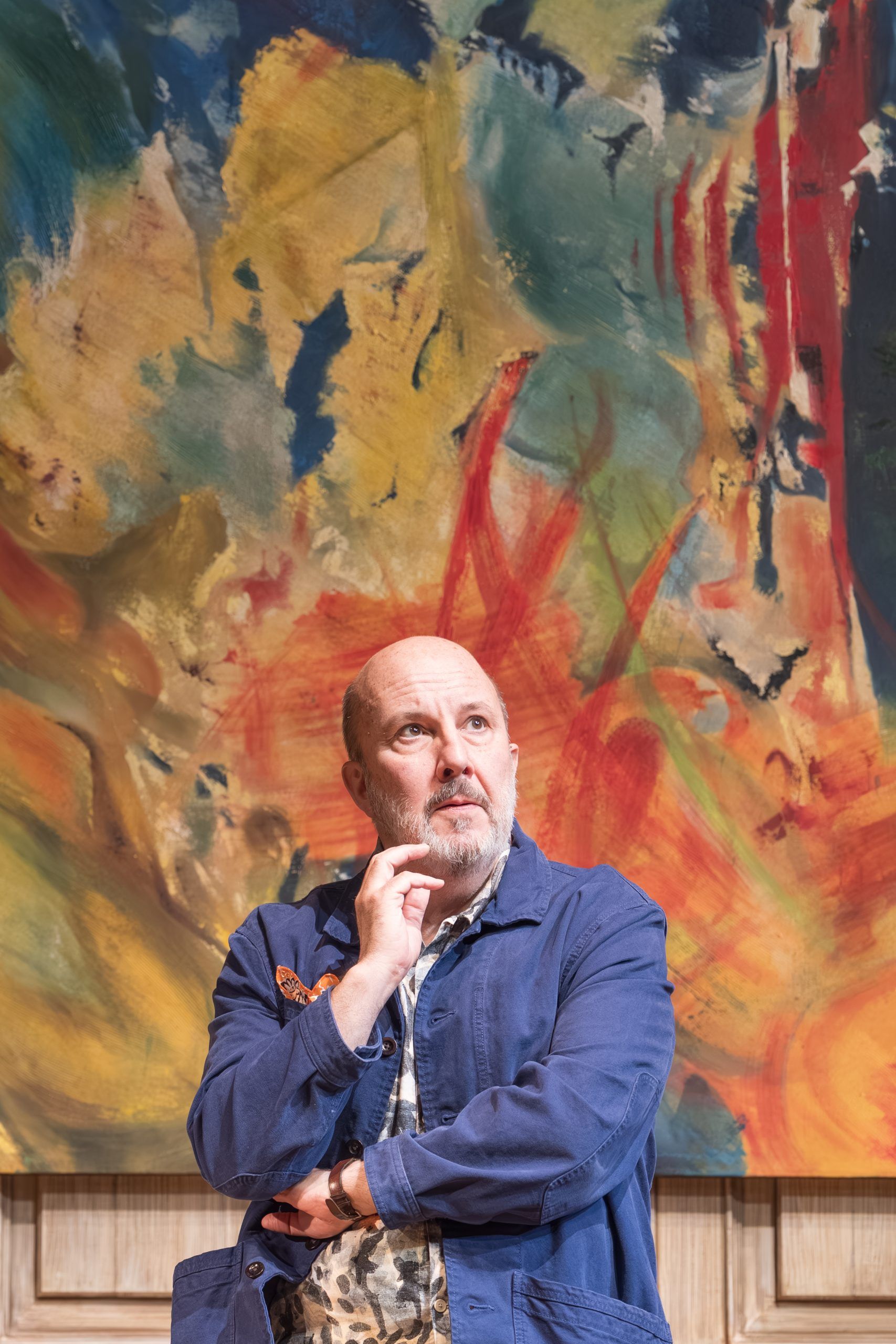
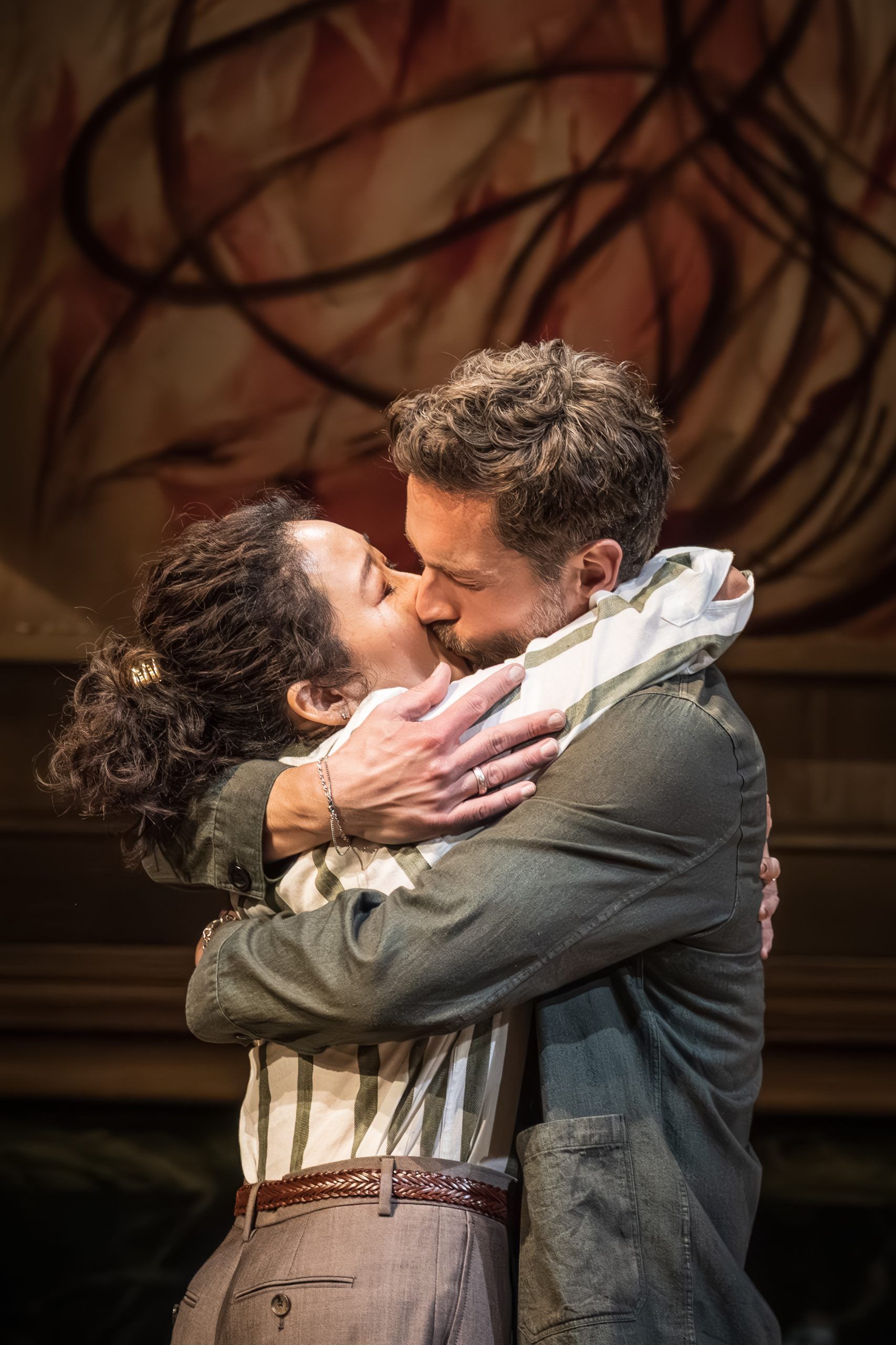
That’s all well and good but surely this could have been buried in the programme and not something we hear for 105‑minutes‑no‑interval‑exit‑is‑on‑the‑left‑madam‑sir? The format is endearing for a few minutes as we play along waiting for the second rhyme to drop but the effect eventually dulls. Poetry‑dialogue has been used to great effect in modern plays – for example in Mike Bartlett’s The 47th (2022) about President Trump – but here it will likely only appeal to those who came south on the Northern Line. It leaves a feeling that director Indhu Rubasingham has created something not for the masses but the same privileged few targeted by Molière and Crimp.
Then there is the decision to switch genders. Crimp could have made much more of this angle, looking closer at how women of all ages and positions are still monitored in society for tone, dress and behaviour much as they were in the 17th century. There is some of this but not nearly enough to exploit the new dynamics this change offers. At least he makes an effort: the current Patrick Marber‑directed version of Glengarry Glen Ross just down the road at the Old Vic keeps the same dialogue and character names despite the all‑female cast.
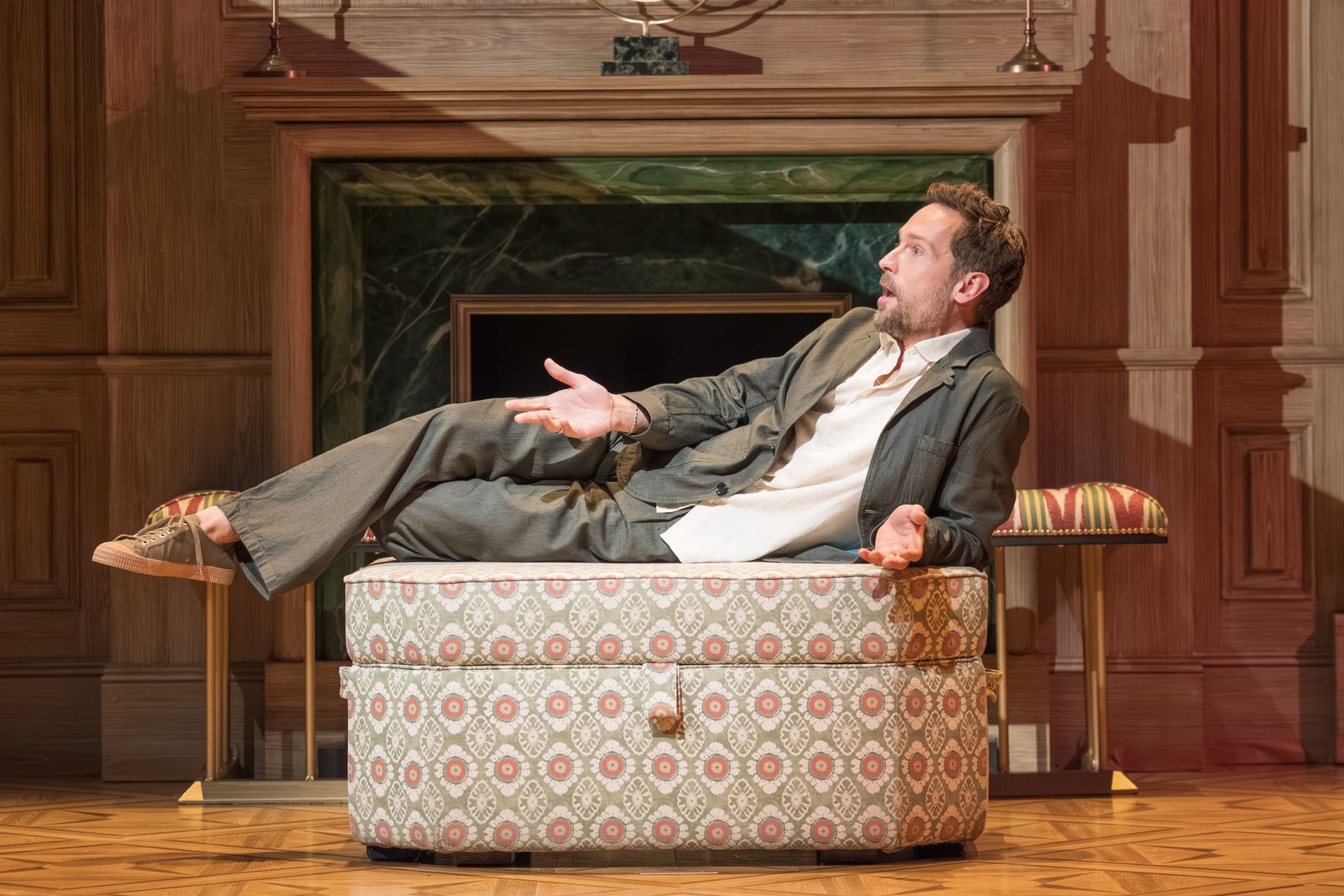
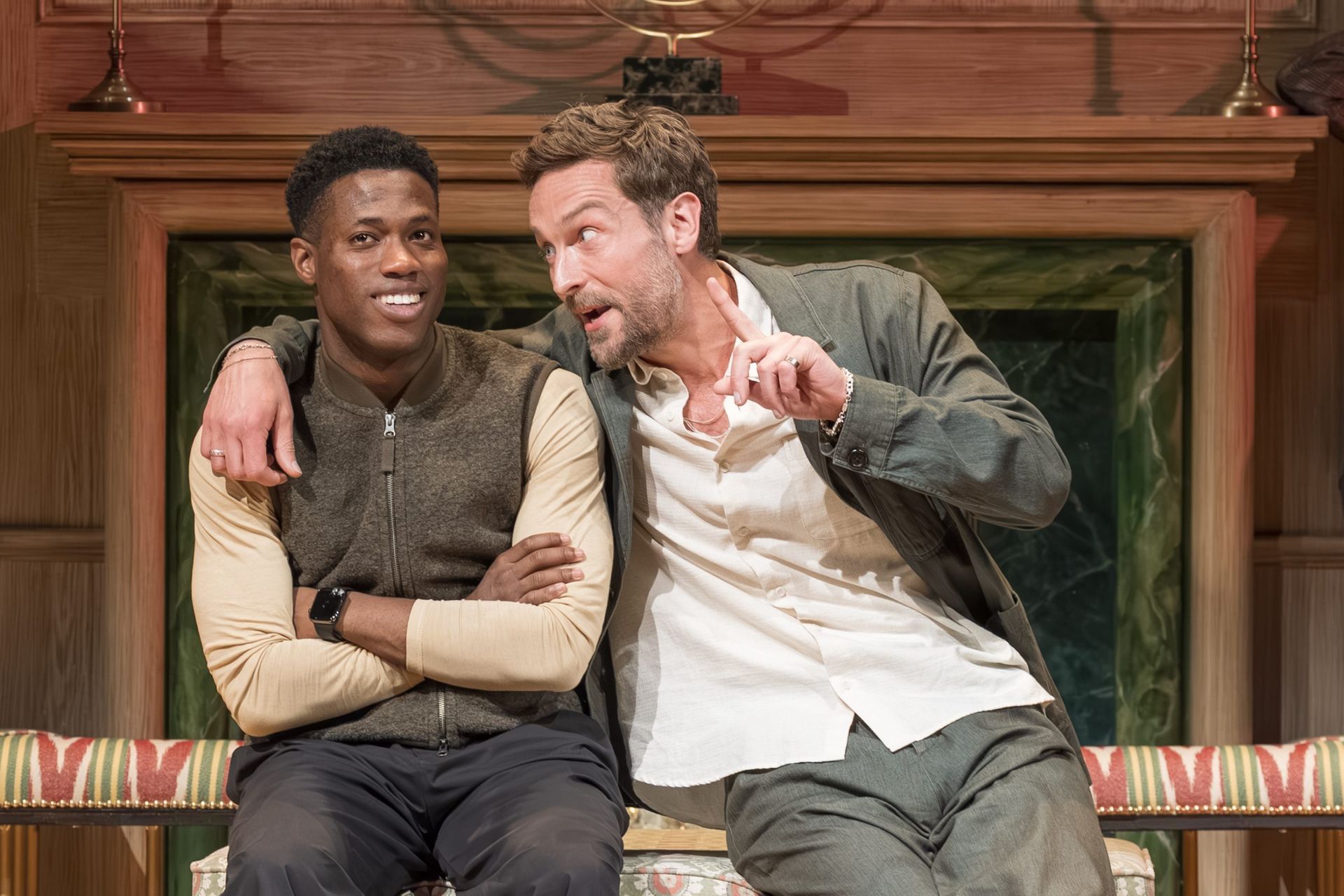
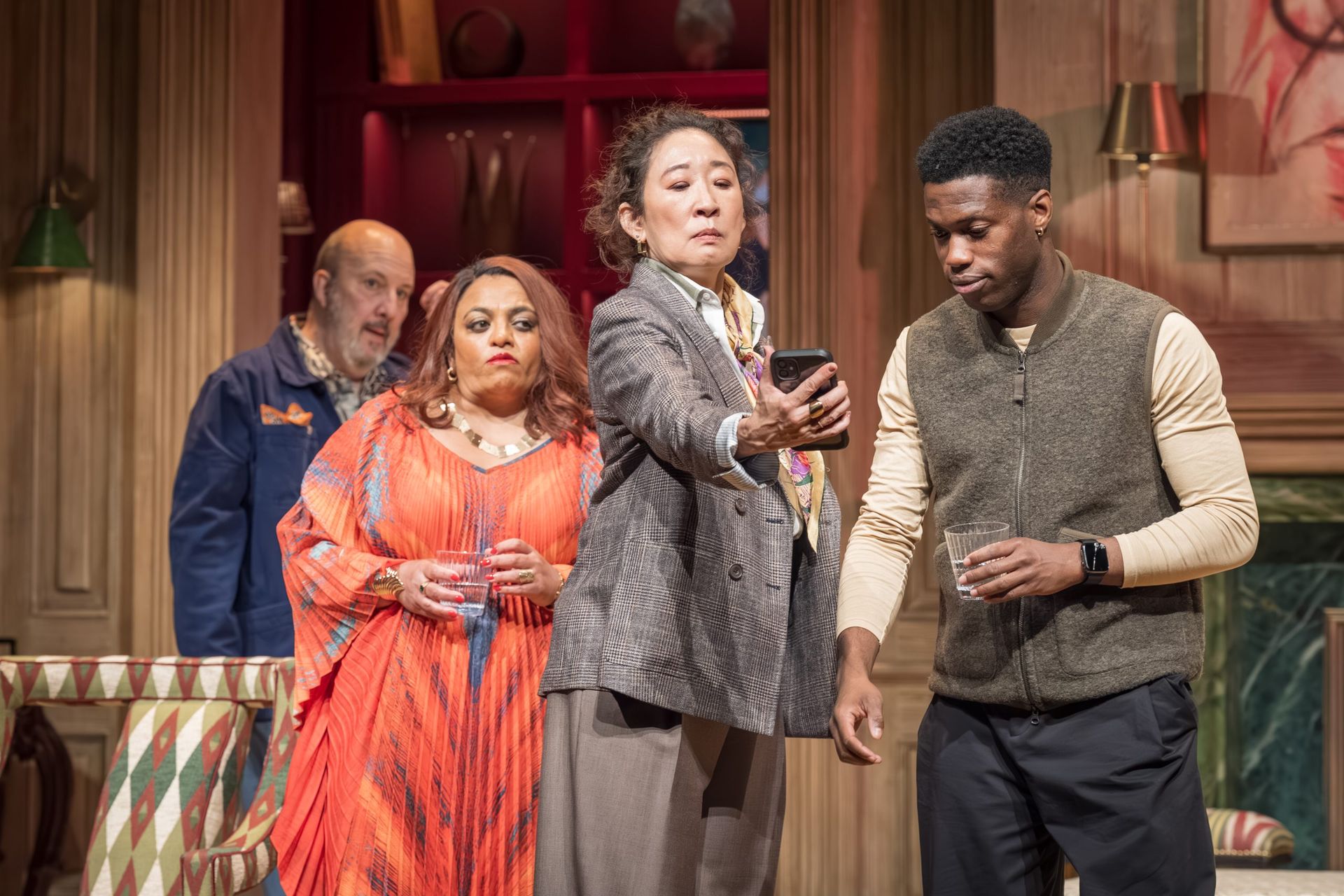
Last but not least is an overall slightly underwhelming sensation – the exact opposite of what an NT production of this calibre and budget should generate. The updates to the 21st century are sensible and justified but lack surprises or finesse. Robert Jones’s static set design does no favours to a text that has a tendency to drift off into extreme wordiness. In Rubasingham’s hands, Alice is a fourth‑wall‑breaking, potty‑mouthed anti‑hero unafraid to flaunt provocative opinions; this combination may seem familiar to the cineastes amongst you but, to paraphrase Shakespeare’s Juliet, a Deadpool by any other name is just as sweet.
Crimp has never been about playing it safe and his repertoire has dazzling breadth. Maybe he has tired of the material this time around or the NT has cramped his style but this third stab at The Misanthrope feels more like something to be admired than to be loved, an intellectual exercise best suited to a cold winter’s night than a summer heatwave.
The Misanthrope is playing at The Lyttelton Theatre @ The National Theatre until 1 August 2026.
For tickets and info, visit nationaltheatre.org.uk
Words Franco Milazzo
Photography Marc Brenner