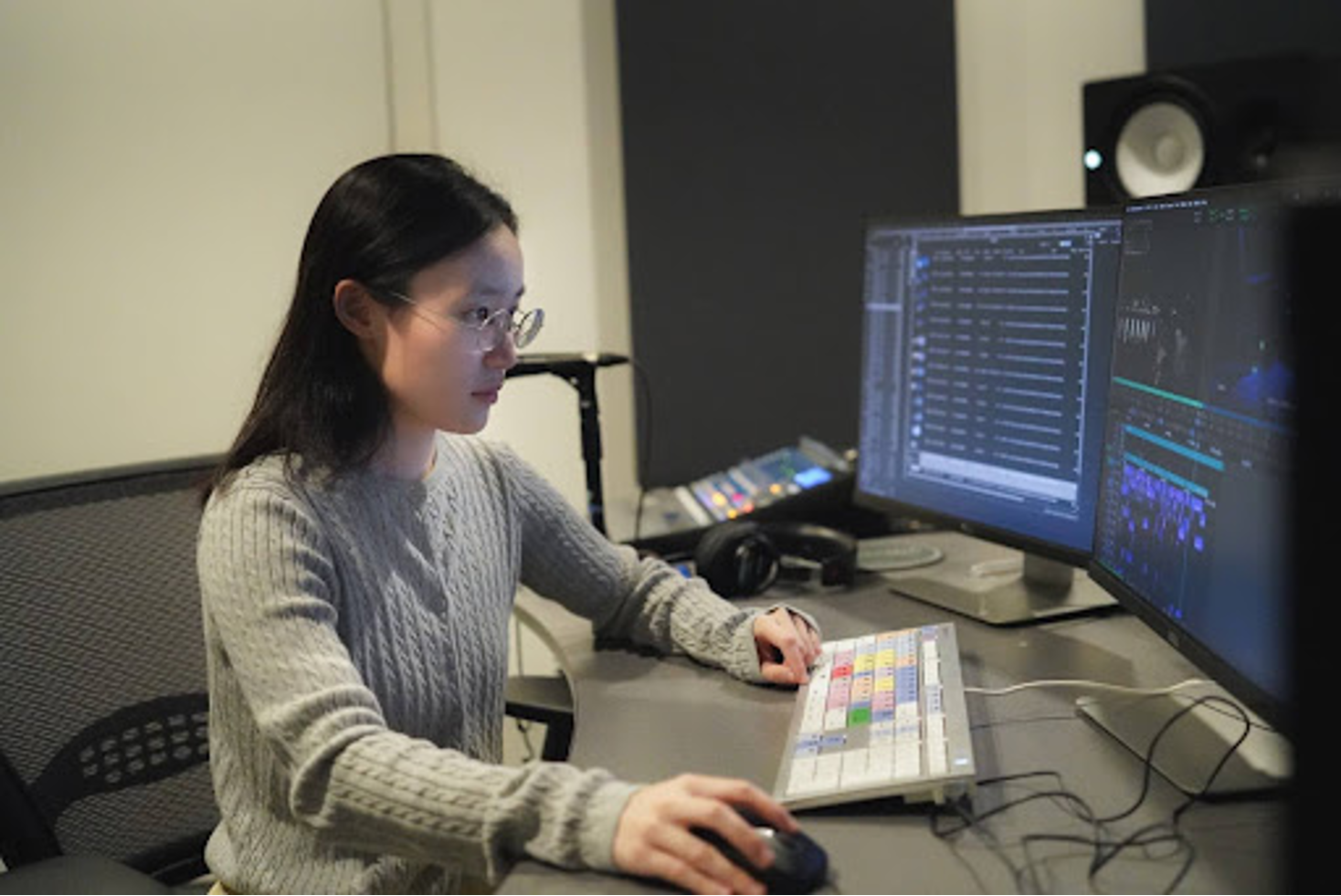
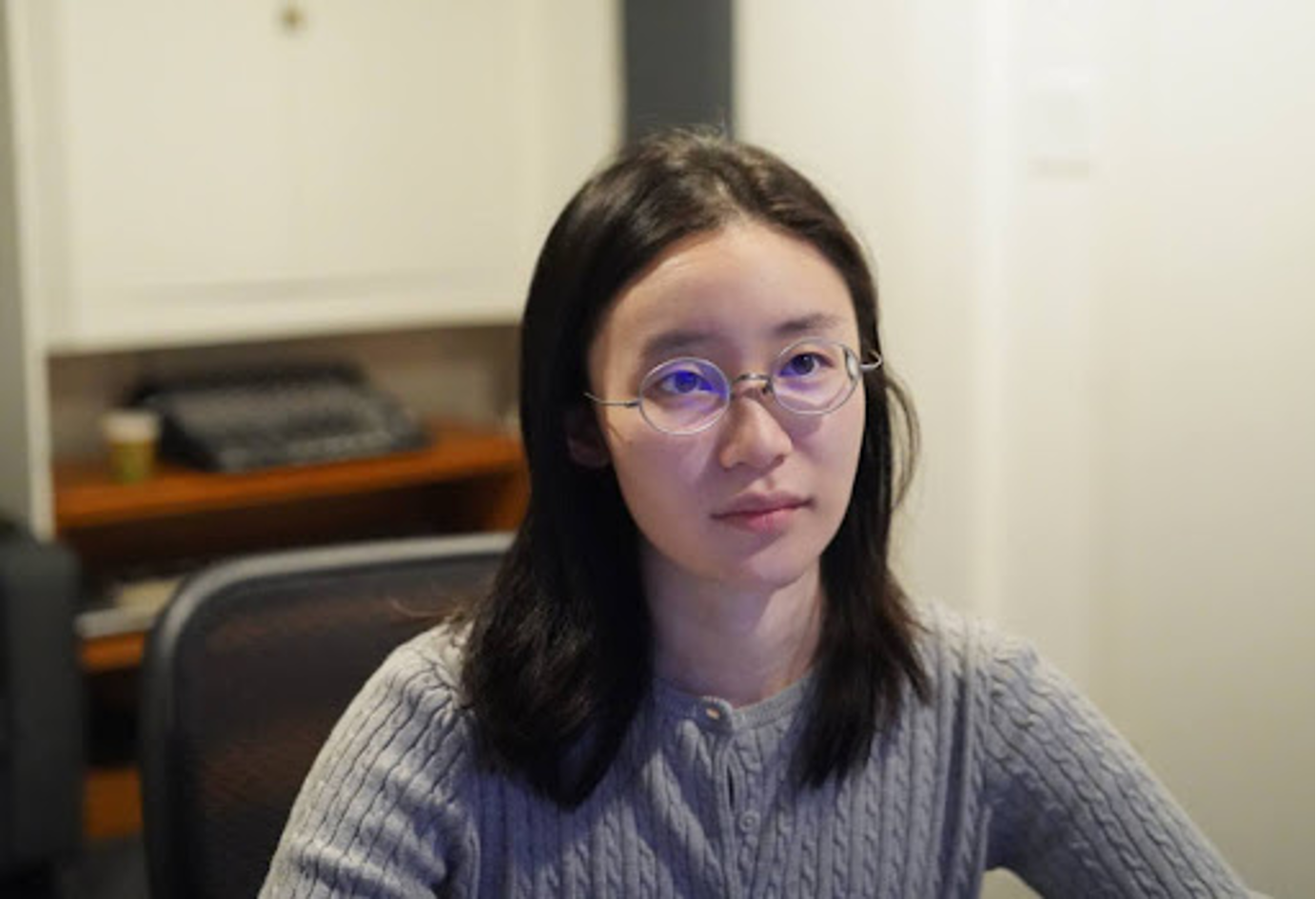
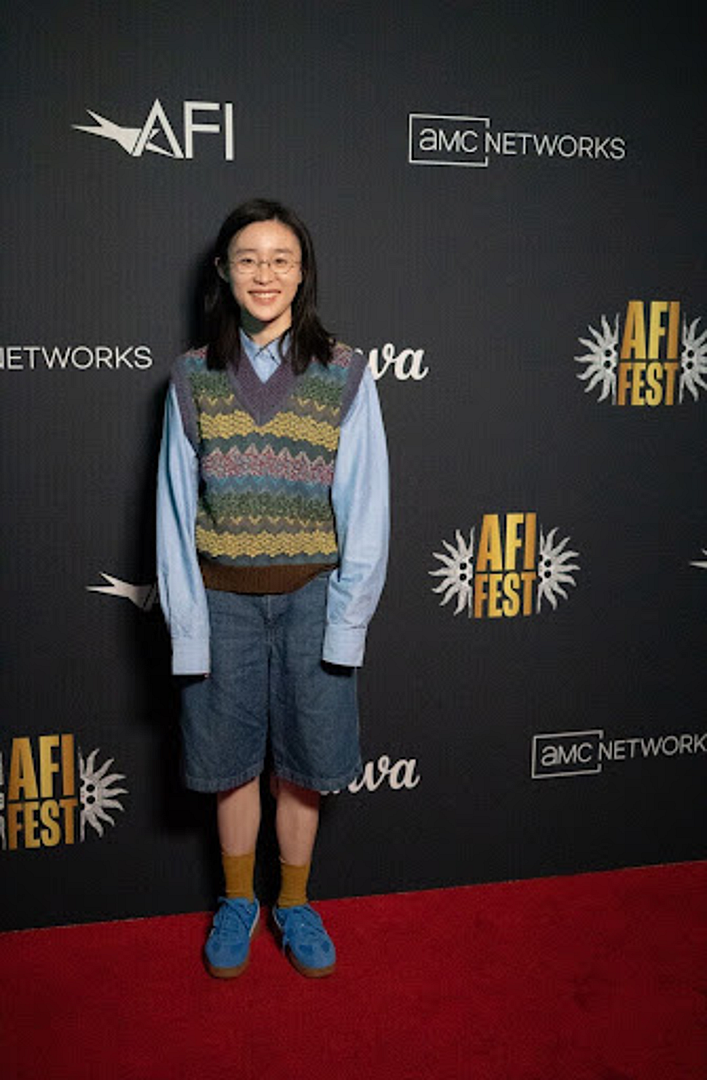
Xueer Cai is a thoughtful, sensitive film and video editor who knows the value of observation, and that the most poetic moments arise when one gives them the space to do so. She has recently racked up a series of awards that recognize her talent. She won the DGA Student Film Award Jury Prize in 2024 and her film Pluto was highlighted at the Boston Sci‑Fi and Rhode Island festivals this year.
“I think of myself as someone who’s calm and objective, maybe even too calm sometimes, but also very perceptive and emotionally aware,” she says of her approach. “The objectivity shows in how I evaluate my own work,” says Cai. “I’m very clear about who my films are for,” she adds. “They’re never just my creations; each project has its own message, audience, and purpose.”
A scientific mind
As a youth, growing up in Hong Kong, Cai excelled first in science and took part in physics competitions. Later she studied journalism and creative media at the Chinese University of Hong Kong and took courses in psychology and social sciences. Cai’s scientific background and interest in what makes people tick continues to manifest in her work as a film and video editor.
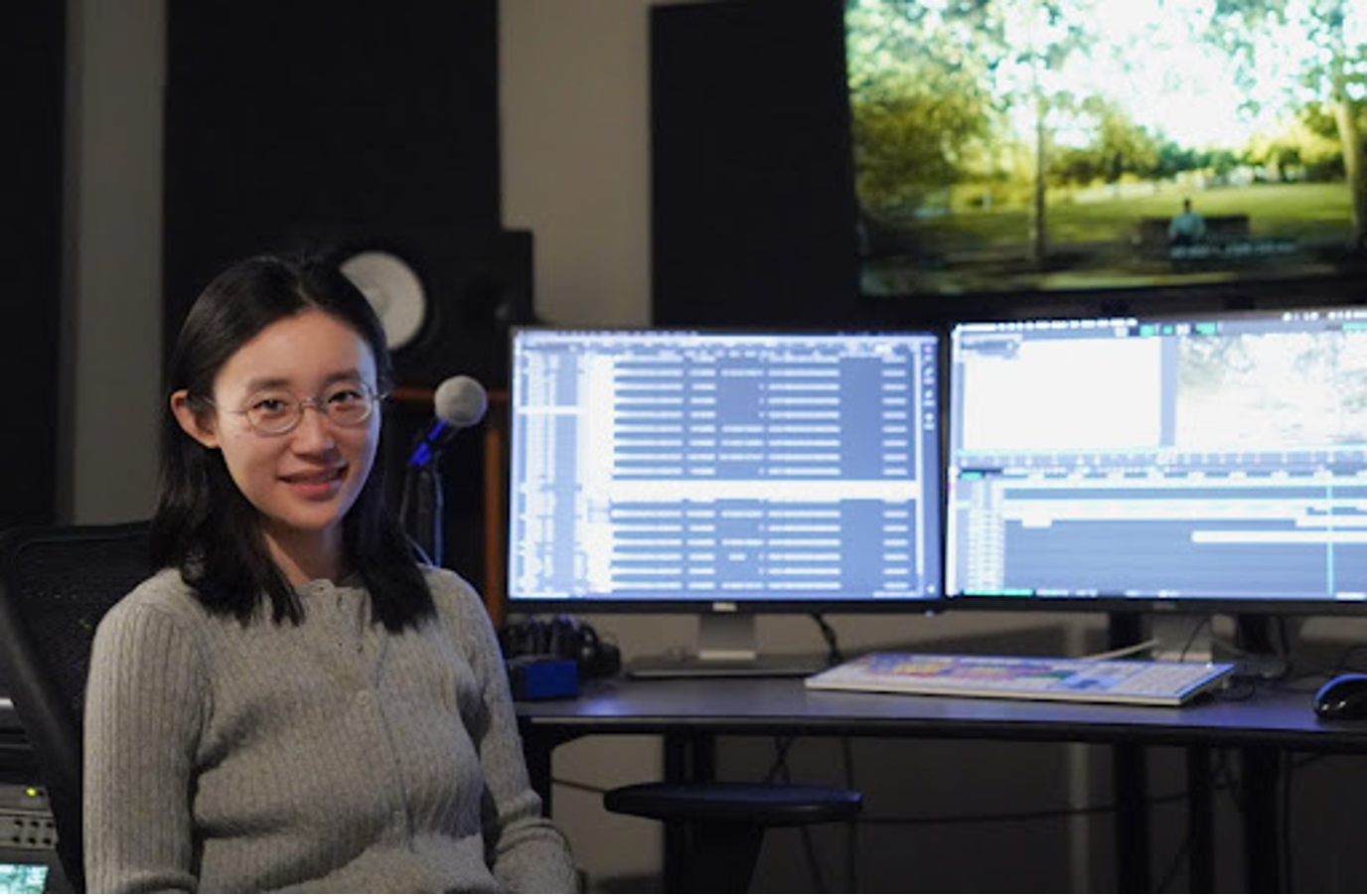
“My scientific sensitivity to technological change has carried over into my work in post-production,” she notes. As the availability of new AI-assisted tools has been widely integrated into mainstream editing software, Cai has become an eager adopter, using them to optimize the post-production workflow.
“These allow me to insert placeholders to create temporary VFX as well as to connect the pictures and transcript in a flash,making the creative process faster and more efficient,” says Cai.
Her interest in social sciences and psychology has taught her to be more attentive to character psychology and to observe subtle microexpressions, as well as to capture moving, authentic moments in vérité-style footage, says Cai. “In shaping performances through editing, I place an emphasis on emotional nuance and human connection,” she says. Because of this, her work has been described as having a sense of warmth and lightness, she adds.
A focus on narrative
Her road to video editing was not necessarily a straight line. Upon graduation, she worked in fashion magazine editorial and commercial production, and then began to collaborate with partners like Apple, BMW, Nike Women, and ByteDance, honing her storytelling talents. She also worked on minidocumentaries, such as one on Zhu Gang Chinese Opera Painting, which was covered by nearly 500 publications, and another called We Are All the Same, which earned its makers an Outstanding Work Award at the China International Philanthropic Movie Festival.
Things took a turn toward narrative editing in 2022, when Cai joined the American Film Institute’s editing program. There she was educated by talented filmmakers across departments. She also got the chance to work with a variety of independent creative teams and maintains contacts with these connections, some of whom, like Cai herself, are at early stages in their careers. “I believe we will grow together into an indispensable force in the industry,” she says.
While at AFI, Cai also edited a range of acclaimed short films, including Francis, Pluto, and Saltado, covering diverse genres. These works were recognized by film festivals across the US. “They really helped me to grow my voice and versatility as a narrative editor,” says Cai.
An editor’s expression
As she gains experience, Cai continues to evolve as an editor. She does not have a signature style, but instead retains a cool-headed, logical approach to projects, relying on observation, reflection, and communication, to keep audiences engaged in the best ways possible.
“I don’t get completely absorbed in the story,” Cai observes. “I often step back, clear my mind, and rewatch what I’ve cut.” In this way, films can become more emotional, more detailed, or funnier, based on what Cai believes is most needed. She also allows audiences to breathe, giving space to the compositions, and also allowing for the narrative logic to better coalesce.
Here again, she credits her scientific background with allowing her to think analytically and observe details carefully. That painstaking quality has really allowed her to shine in certain projects. One highlight has been the work Cai did on We Are All the Same, a documentary about helping children with autism engage in social and community activities. One boy featured in the film appeared anxious on camera, and the crew told Cai that they had almost no good footage of him.
“After watching all the verité material, even the behind-the-scenes moments, I could find every tiny moment where he relaxed, every fleeting smile,” Cai says. “In the final cut, that section became one of the most moving parts of the film.”
Cai has also put her unique editing touch on acclaimed mini‑series such as Falling in Love with the Rascal in a Suit, Daddy Mommy Don’t Divorce, and The Last Spark of Us. Looking ahead, she wants to channel her natural perceptiveness into new, engaging projects that will both challenge her as an editor and allow her to show off the talents that thus far have brought her success. “I keep creating good works with my approach,” says Cai. She urges anyone interested in learning more about her work to visit her website too.