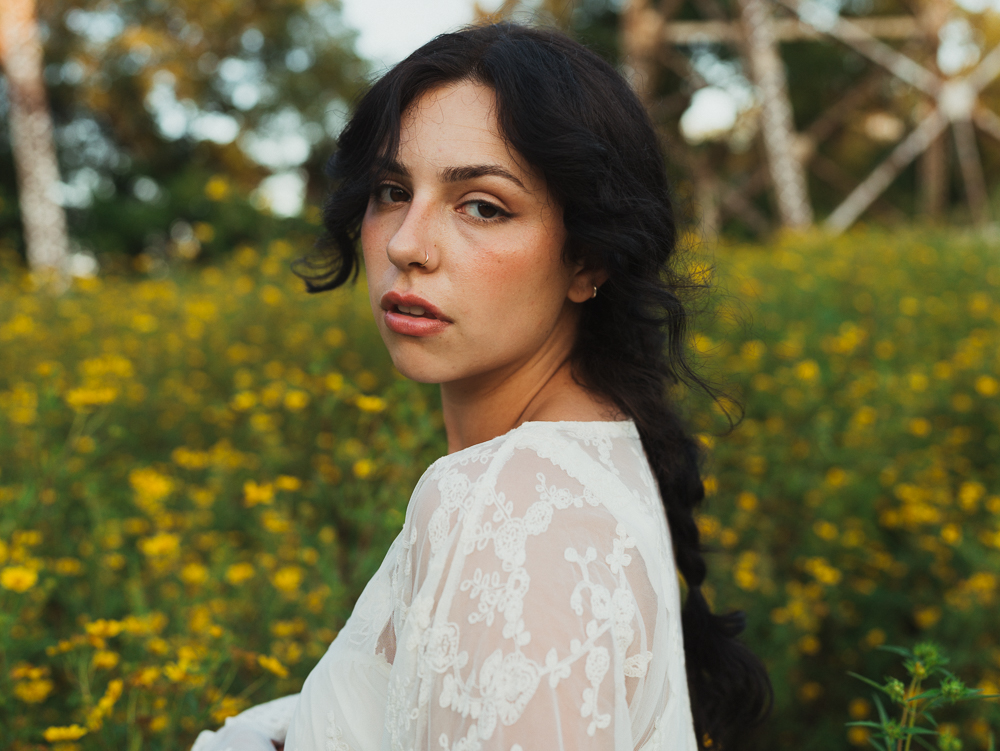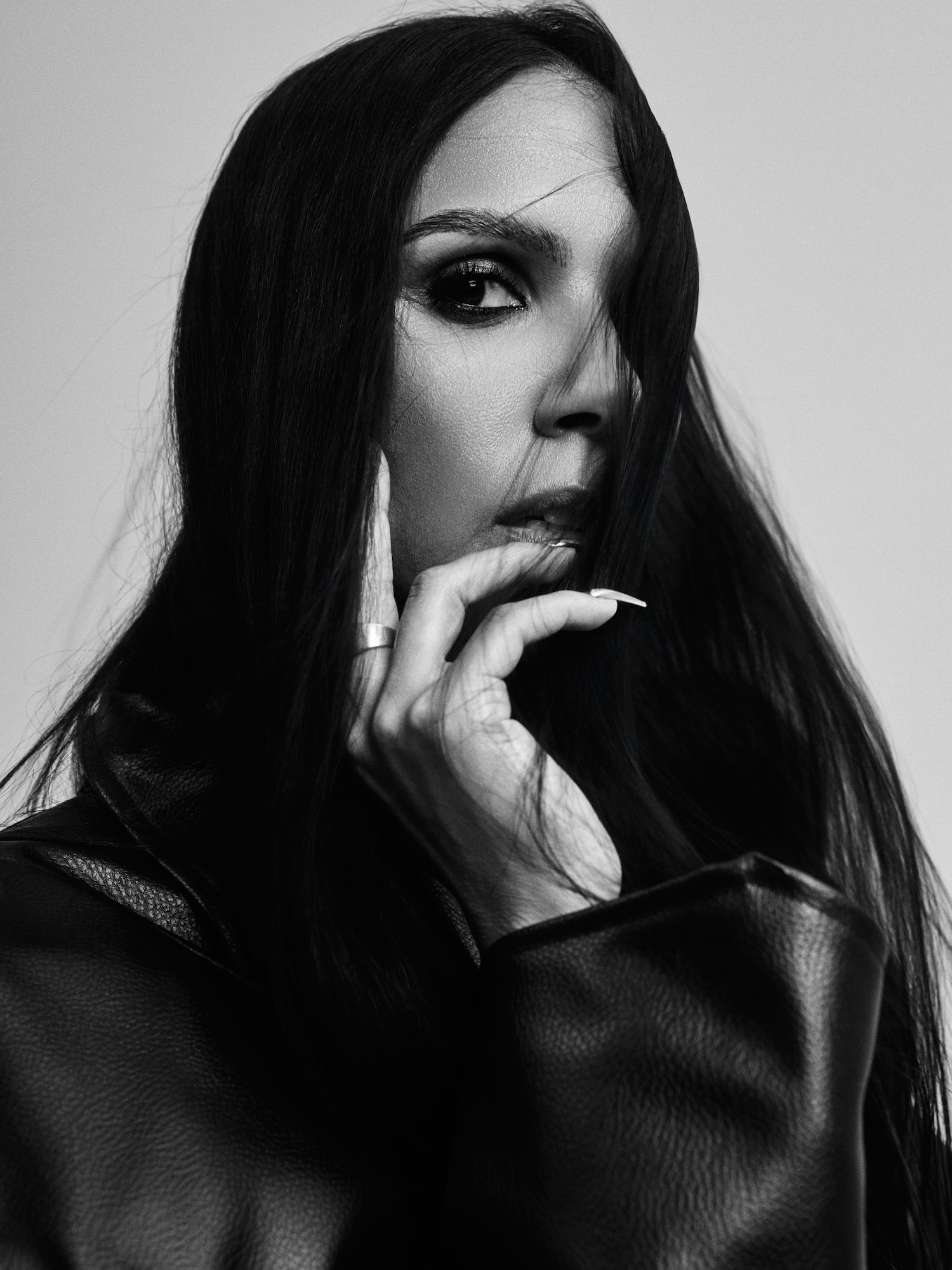
ADRIANNA didn’t plan on techno. She trained as a dancer, studied film, and grew up around her dad’s synthesizers, steel drums and the odd Melodica. Techno found her later, when a stint making tech house had her reaching for harder kicks, faster BPMs, and less commercial vocals. From there it was Point Blank, Lisa Lashes Music School and LSA, then six-day residencies that taught her to pace a set and keep it fresh over two hours straight.
That grounding paid off. Her catalogue now spans Terminal M, Codex, Kurai Records, Tronic, We Are The Brave and her own label TMPL Music, with releases consistently championed by Charlotte de Witte, Adam Beyer, Joseph Capriati and Nicole Moudaber, support she says helps her let go of perfectionism and stop second-guessing whether a track is “good enough.” Beyond the studio, she’s the founder of TMPL Music and the driving force behind TMPL Events, curating techno programming across UK and European clubs and festival stages. This year landing her own stage at Forbidden Forest alongside Nicole Moudaber and Pan-Pot.
With a debut album on the way, we caught up with ADRIANNA to talk moving from Canada to the UK on the strength of her Scottish ancestry, chasing crowd energy versus real-life inspiration, unwinding to gospel singer Kim Burell mid-hike, and what she’d tell a younger version of herself: “you’re not wrong, you’re not bad, you’re not too much.”
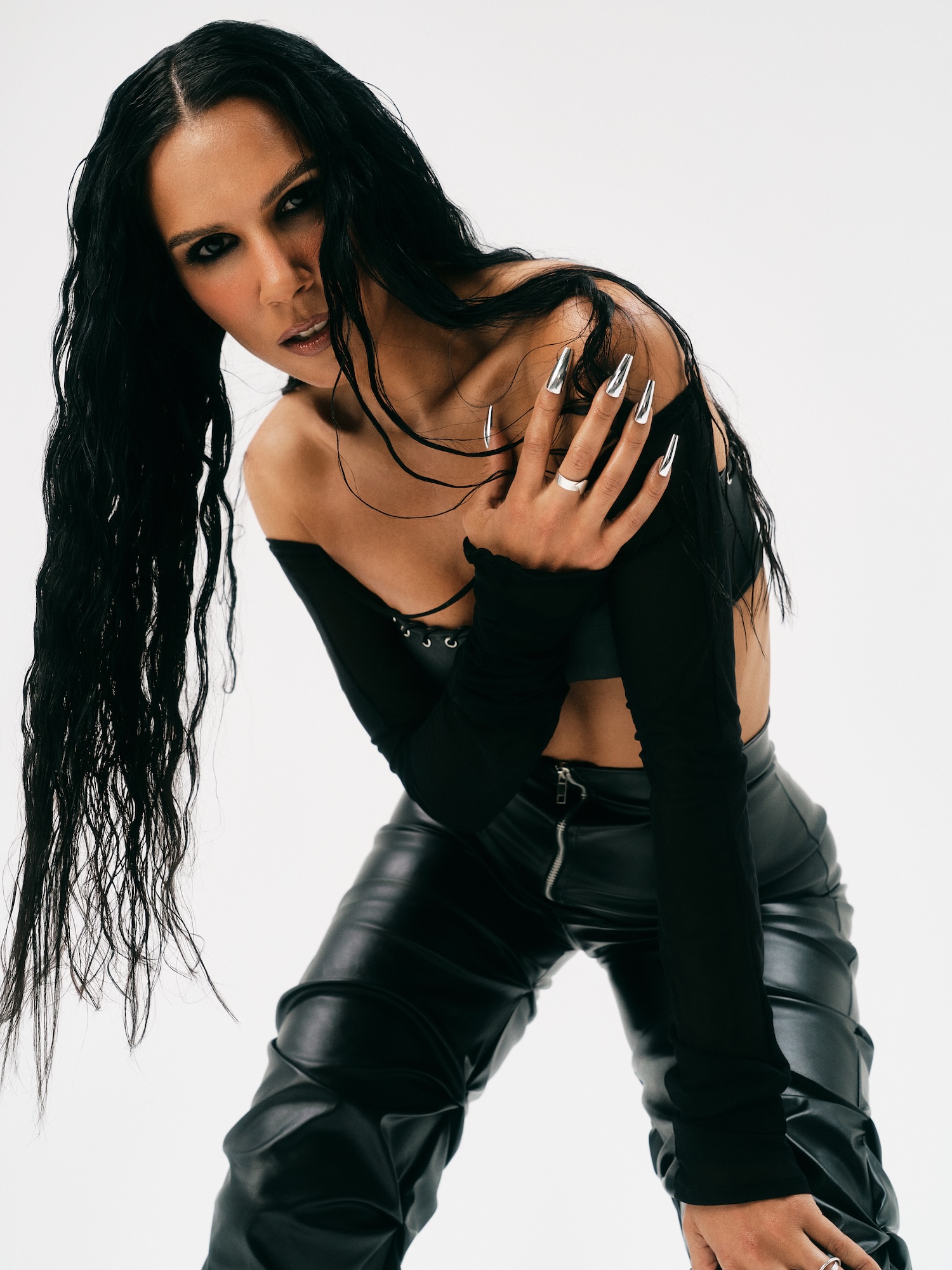
Where would you say your musical roots lie? What has paved the way to the end of the techno spectrum you are currently pushing and mastering?
Music has been a constant thread throughout my life. Lots of instruments in the home growing up, I had a particular fascination with my dad’s synthesizer — he built and taught steel drums in his spare time. There was also just a tonne of equipment and strange instruments like the Melodica, which is a piano harmonica hybrid. I trained in dance when I was young, I taught classes and was training sometimes four hours a day, five to six days a week at one point. That introduced me to a lot of different styles of music. Musical theatre, voice training, music has always been there. I think I started to resonate with the techno spectrum when I was making tech house and kept reaching for harder kicks, faster BPMs and less commercial vocals.
Why the move from Canada to the UK? Were you old enough then to comment on the difference in musical taste and scenes between both and how they have shaped you?
I didn’t move directly here, I worked and travelled to some other countries first, but it was always going to be New York or London. I studied film and music, lots of my peers went to LA, but I have Scottish ancestry — 56% Scottish, to be exact — and moving as a single woman it felt like the natural option for me. The thing I noticed first when I moved to the UK was the amount of dance music I heard, in shops and on the radio. I loved that. It was a stark difference from the pop, hip hop and alternative music that was more heard in public spaces in Canada.
What artists and clubs at the early start of your career influenced your foot on the ladder or allowed you to ‘cut your teeth’?
I was really influenced by my local DJ friends in Canada. The scene was not big, but it was tight knit. I learnt so much from those guys. Later, after my first production courses, I attended several DJ programs which gave me performance opportunities, knowledge and skills, as well as the ability to network with others. I took some before moving to the UK and then when I got here, I went to Point Blank, Lisa Lashes Music School and LSA, where they host nights at clubs like Ministry of Sound. Doing international residencies in hotels and bars gave me a lot of opportunity to experiment. Those contracts were six days a week between four and six hours a shift, so learning to pace those kinds of nights and keep the music fresh makes your average 90-minute to two-hour set fly by.
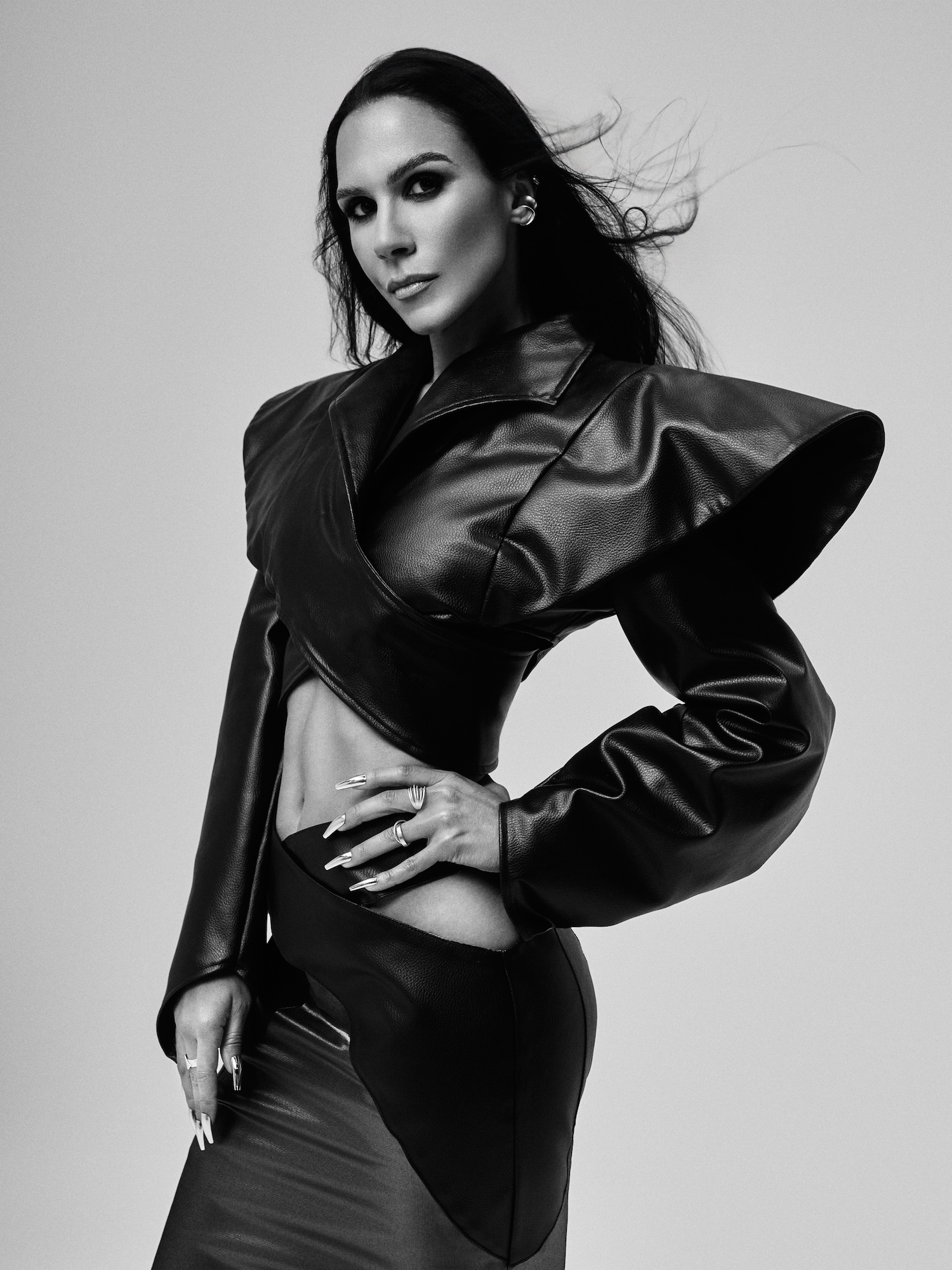
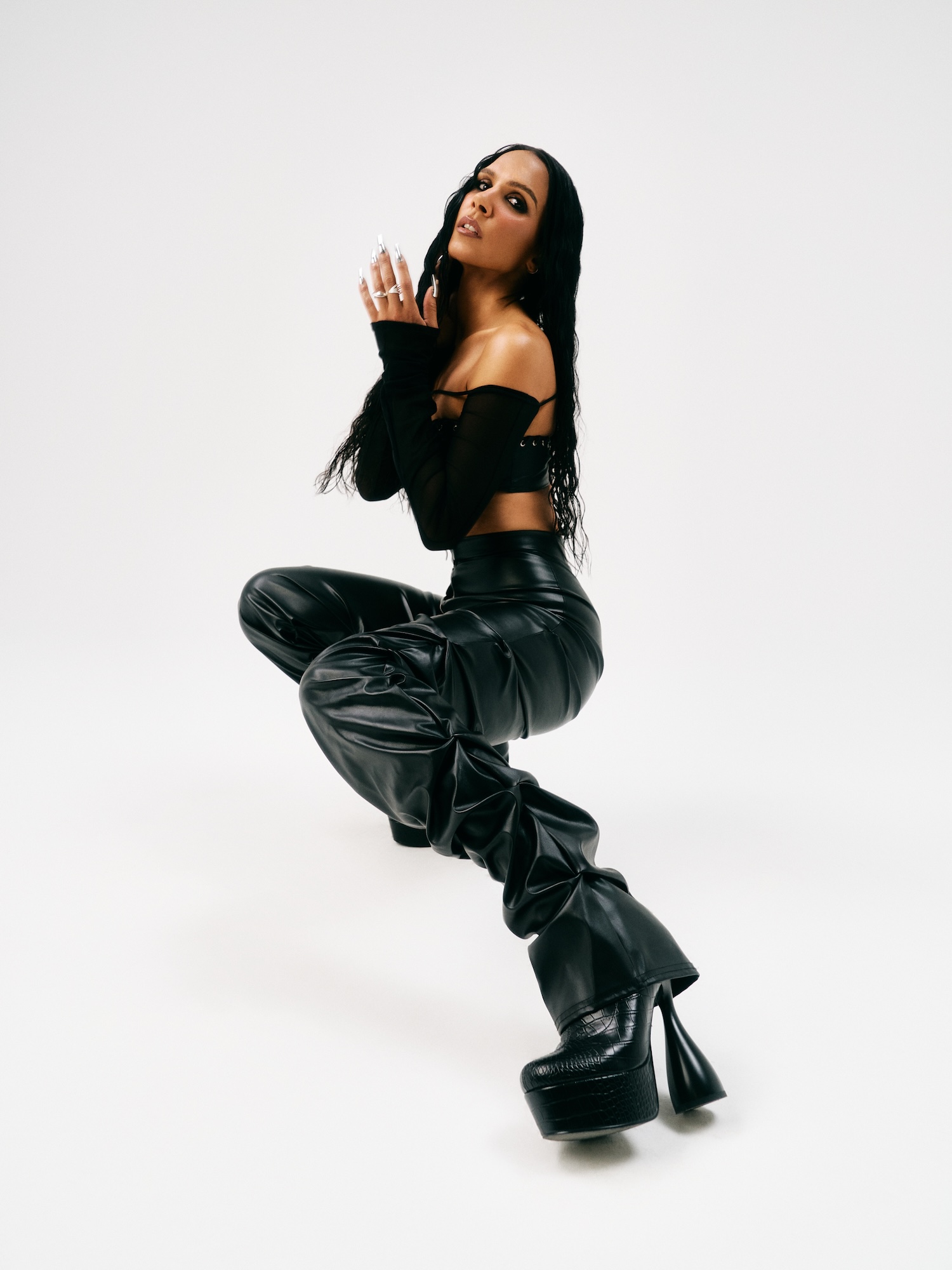
Where do you draw inspiration from before making a record? Is it people, surroundings, emotion?
It depends on the track. If I’m making a pure dancefloor banger, I’ll be inspired by the crowd. I’ll think about the sort of formula that I know will make them dance. For something more emotional I’ll be inspired by life experiences — something I’ve gone through or something I heard about or see in society. I like to leave things a bit open to interpretation.
You have received widespread support from heavyweights such as Charlotte de Witte, Adam Beyer and Joseph Capriati. How does it feel to have your tracks throb through big rooms at the hands of such artists?
Yes, it’s incredible to see the support from the top selectors in these iconic places, I love when I get tagged by people enjoying the music and it feels incredible to get that support. It gives me a push that sometimes, when you think something isn’t perfect or good enough, other people will still resonate — and not to hold on too tight. It helps with perfectionism, it’s selfish not to share out of a place of insecurity, but I also personally cannot measure my ability to create on the metrics, analytics or support. If it’s one person or millions of people, I’m happy if my music reaching people in some way is helpful.
You recently curated your TMPL label stage at UK festival Forbidden Forest. Tell us about that and the artists you chose to bring it to life. Tell us about the vibe and energy.
I went with artists whose music I love and that I’ve been working with, or that are connected with some of the labels I’ve released on — artists I play and support. The vibe was great, the audience who were on our stage brought incredible energy, super open and they were there to dance.
You’ve also just had another track out on Monika Kruse’s Terminal M. How would you put this release into words and how did the Terminal M fit come about?
Terminal M has long been one of my favourite labels. Monika Kruse has been a big supporter of mine and I could not be more grateful. I admire her for so many reasons. Outta Control is a track that cuts through the dancefloor with unexpected energy and does so with sound choice rather than force or speed.
Outside of the booth and studio, what other interests and passions do you pursue?
I spend a lot of time in nature, running, being outdoors. I think the more time I spend in clubs, studios, plugged in, the more I need that contrast. I make time to spend with my loved ones, and I like travel and culture, so if I’m touring somewhere new, I try to experience the place if time permits.
What music or artists do you listen to outside of techno? What do you unwind to?
When I’m not making or downloading music my next choice is playing an instrument. It reminds me of why I fell in love with music in the first place. I like to sing random genres and learn pop or classical on the piano. I was hiking the other day and started listening to Kim Burell, who is a gospel singer, as I wanted to hear her riffs, then I was thinking about a lyric off my album that I’ve been unsure about but is a great alliteration, and it got me thinking about this hip hop song with catchy word play from the 90s by Ray Luv, who worked with 2Pac, and I started listening to interviews by him. But unwinding is usually silence, or maybe some kind of documentary.
What advice would you give to young producers wanting to start a label of their own?
Be patient, take the time to think about what it is you want to achieve, whether that’s control over your discography, building a community or just getting your tracks out there. What does success mean to you? The first time I self-released was in 2012 and that looks completely different from what we’re building with TMPL Music, which runs like a business. Nothing teaches you as much as your failures, so don’t be afraid. It’s a long road, and to build anything successful you need a loyalty beyond love.
What would you tell a younger version of yourself if you could?
You’re not wrong, you’re not bad, you’re not too much.
And finally, what was the last record that really hit deep for you?
I can’t say it hit deep on an emotional level because that bandwidth has been exhausted with my album project, but one of my favourite records of 2026 so far is Audio State’s remix of Pan-Pot’s track “Funke.”
Follow via @djadrianna